Add Late-Season Color To Your New York Garden With This Plant
Every other flower in your garden quits by now. New York gardeners watch color fade just as fall arrives.
You still get purple, pink, and white blooming right through frost. This wildflower outlasts the calendar everyone else follows.
Your rain garden, backyard bed, or tiny New York plot all qualify. Bees gather here when nectar everywhere else disappears.
Butterflies linger longer here than almost anywhere in your yard. Height shifts dramatically between varieties, from ankle high to shoulder high.
Color depends on cultivar, soil, and sunlight exposure. Timing never wavers, arriving exactly when your garden needs rescue.
Texture and structure combine with color in a single stem. Pollinators depend on these blooms long after other flowers disappear completely.
Nothing stays still in a bed anchored by this determined bloomer. Momentum builds fast as frost creeps closer. Stay close, because you truly won’t want to miss what blooms right here next.
What Late Bloomer Brings Color To Rain Gardens
Most flowers finish blooming by August, but New England Aster is just warming up. This native wildflower saves its best show for September and October, right when your garden needs a boost.
Rain gardens are designed to collect and absorb stormwater runoff. They go through wet spells and dry spells, which can stress out many plants quickly.
New England Aster handles both cycles well. Its deep, fibrous root system reaches down through soggy soil and pulls moisture during dry stretches, making it a natural fit.
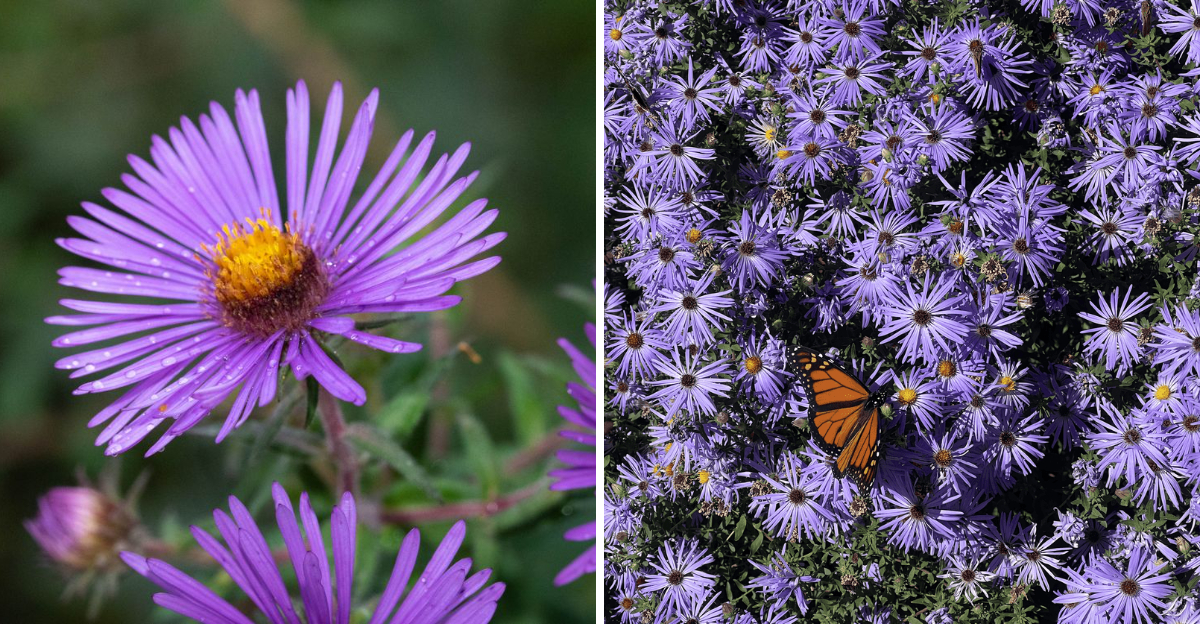
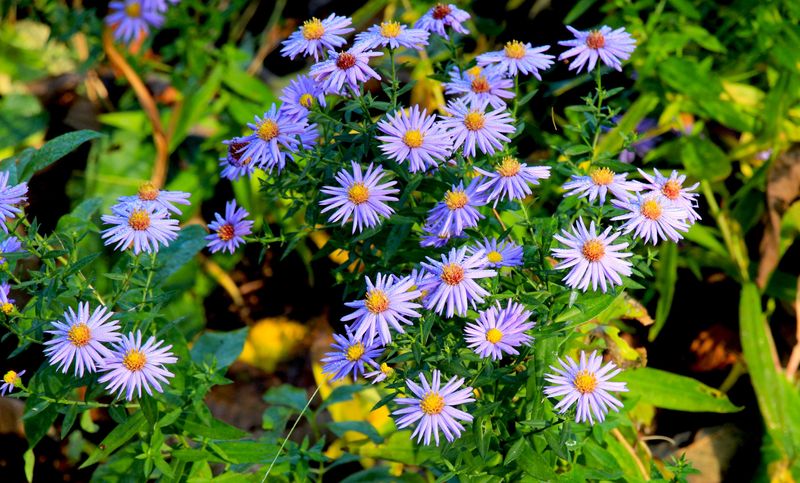
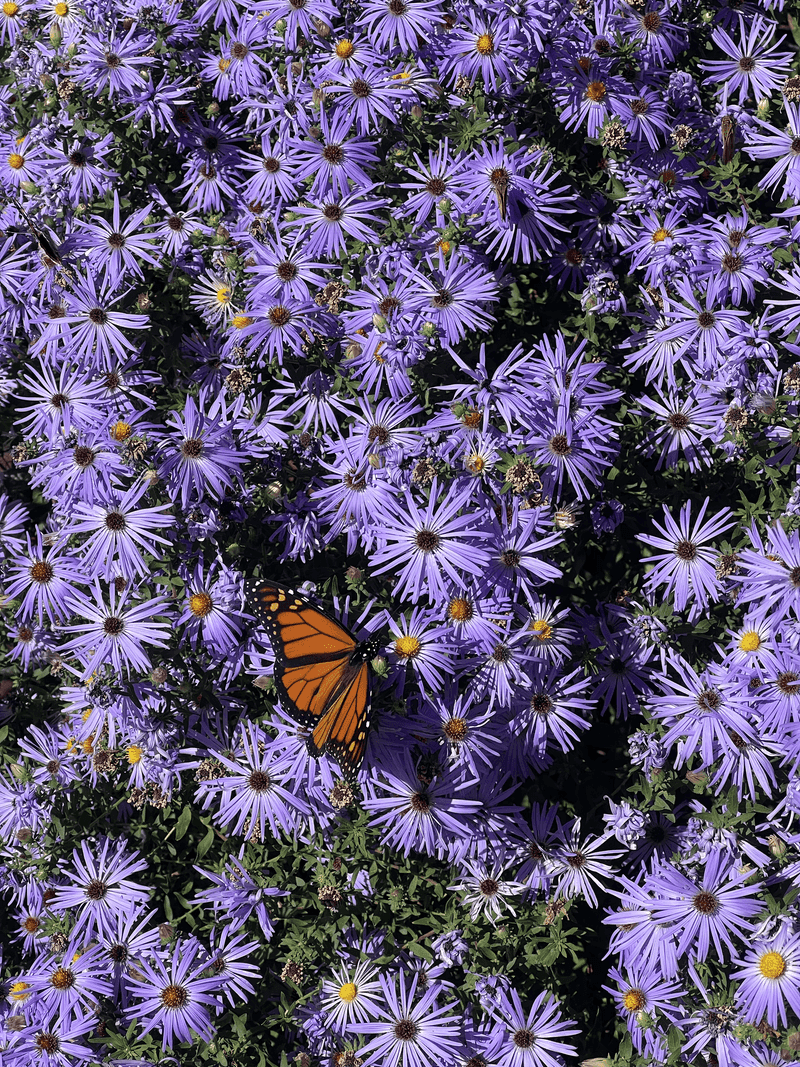
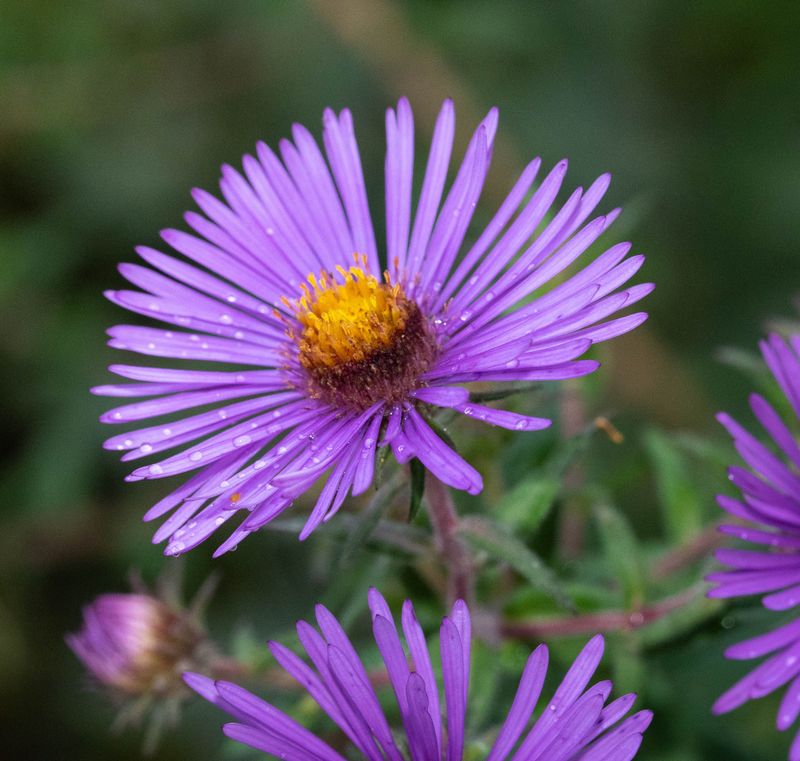
The blooms come in rich purple, rosy pink, and crisp white. Each flower head is small, but they cluster together in such big numbers that the effect is visually striking.
Planted along the edges of a rain garden, asters soften the look of a functional landscape feature. They turn a drainage solution into something truly beautiful.
Native to the Northeast, this plant evolved alongside New York’s unpredictable weather. It does not need babying, extra watering, or fancy soil amendments to thrive.
Adding late-season color to your New York garden is as simple as tucking a few aster transplants into your rain garden bed. The payoff come fall is well worth it.
Why New England Aster Thrives In Northeast Climates
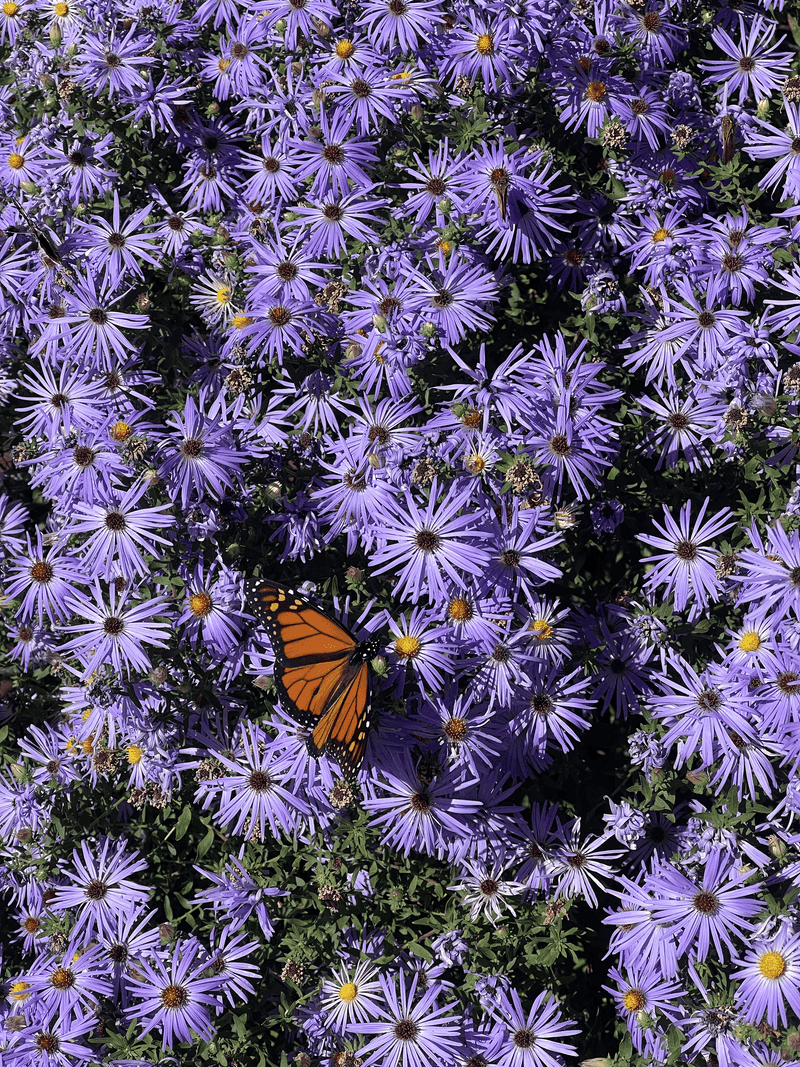
New England Aster did not get its name by accident. This plant was literally built for the Northeast, shaped by centuries of cold winters and humid summers.
It is hardy in USDA zones 4 through 8, which covers the vast majority of New York State. That means it endures harsh winters without any extra protection from you.
The plant starts growing in spring when temperatures are still cool. By midsummer, it has built a sturdy, leafy structure that supports those strong fall blooms.
New York gardeners deal with late frosts, summer heat waves, and soggy falls. Most plants struggle through that rollercoaster, but asters tolerate these conditions well.
One secret to its success is its fibrous, spreading root system. Those deep roots anchor the plant during heavy Northeast rainstorms and help it find water during dry August stretches.
Your New York Garden Changes Every Week. Your Plan Should Too.
Gardening in New York changes quickly throughout the season. Every Friday you’ll receive a simple weekly plan showing exactly what to plant, prune, fertilize, harvest, and protect so you never miss the right timing.
Full sun brings out the best bloom performance. However, asters also tolerate partial shade, which makes them flexible enough for gardens with tall trees or fences nearby.
Adding late-season color to your New York garden starts with choosing plants that actually belong here. New England Aster is not a transplant from somewhere exotic; it is home.
Handling Wet And Dry Rain Garden Cycles
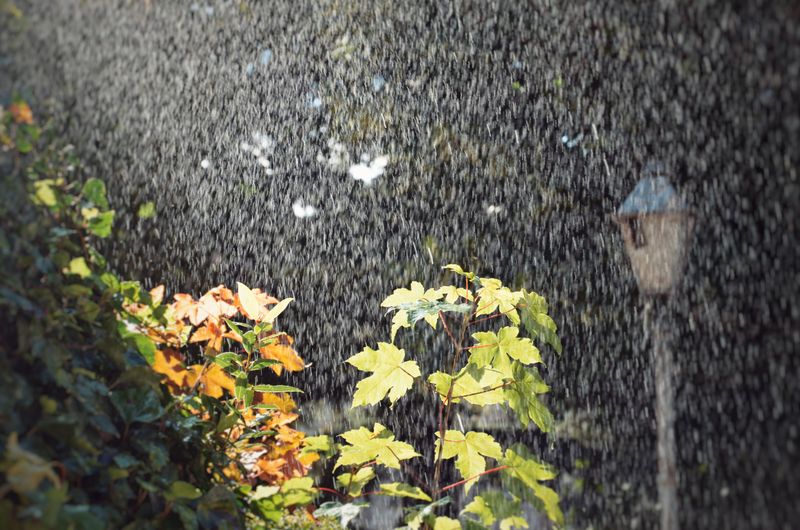
Rain gardens are not always pretty between storms. They flood, drain, dry out, and then flood again, and most plants find that cycle exhausting.
New England Aster was made for this kind of drama. Its roots go deep enough to stay anchored during flooding and wide enough to find moisture when the soil dries out.
During a heavy rain event, standing water can sit in a rain garden for a day or two. Asters tolerate short-term flooding without rotting at the root, which is rare among flowering plants.
Once the water drains, the soil can dry out fast, especially in summer heat. Asters switch modes smoothly, pulling water from deeper soil layers when the surface turns dry and cracked.
This flexibility makes them a top pick for New York homeowners who want low-maintenance beauty. You plant them once, and they adapt to whatever the weather throws at them.
Mulching around the base of each plant helps regulate moisture between rain events. A two-inch layer of shredded bark keeps the roots cooler and reduces how fast the soil dries.
If your rain garden has been looking bare and brown by September, asters change that story completely. They bloom hardest right when the fall rains pick back up, rewarding your patience.
Pollinator Benefits During Late-Season Bloom
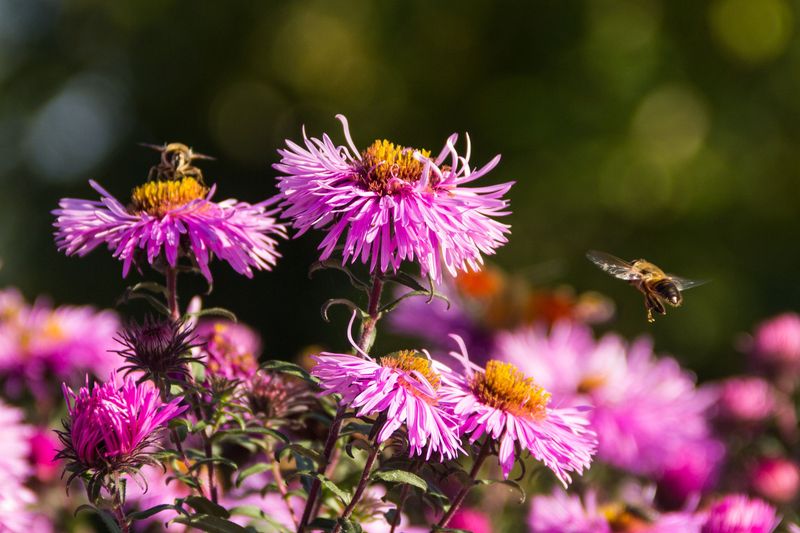
By October, pollinator food sources are limited and temperatures are dropping. Flowers are gone, food is scarce, and the season is changing fast.
New England Aster steps in at exactly the right moment. Its blooms open just as other nectar sources disappear, giving bees, butterflies, and beetles a critical late-season meal.
Monarch butterflies rely on asters during their fall migration south. A patch of blooming asters in your yard can help fuel a monarch’s long journey to Mexico.
Bumblebees are also big fans. They are one of the few bee species still active in late September and October, and asters give them the energy boost they need before winter.
The yellow centers of each flower act like a landing pad for insects. The purple petals help pollinators spot the blooms from a distance, making your garden an easy target.
Planting asters in groups of three or more makes the display even more attractive to wildlife. A single plant is nice; a cluster is a strong draw for pollinators.
Adding late-season color to your New York garden also means adding late-season life. Watching monarchs drift through purple aster blooms on a crisp October afternoon is one of fall’s best rewards.
Best Companion Plants For Year-Round Color
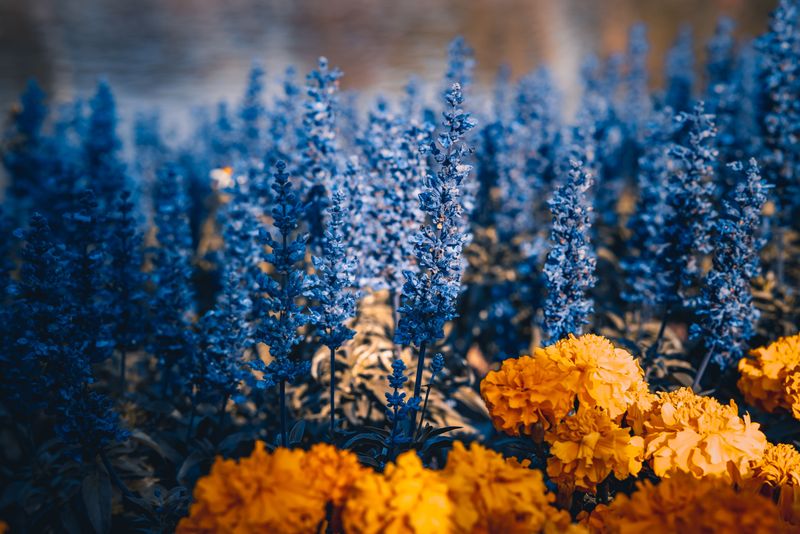
Asters are social plants. They look even better when paired with the right neighbors, and the combinations are practically endless for a New York garden.
Goldenrod is the classic partner. It blooms at the same time in golden yellow, and together with purple asters, the color contrast is vivid and completely natural-looking.
Black-eyed Susans bloom a bit earlier in summer, but they hold their seed heads through fall. Planted near asters, they create a layered timeline of color from July through October.
Ornamental grasses like switchgrass or little bluestem add height and movement behind aster clumps. Their feathery seed heads catch the light on breezy fall afternoons in a beautiful way.
Joe-Pye Weed is another tall native that blooms in late summer before asters take over. The two plants together cover a long stretch of the season without any gaps in color.
For spring interest, plant wild blue phlox or Virginia bluebells nearby. By the time they finish blooming, the asters are leafing out and taking their place in the spotlight.
A well-planned native garden keeps something interesting happening in every season. Asters are the grand finale, closing out the year with a strong display of purple.
Tips For Planting Asters In Urban Gardens
Urban gardening comes with real challenges. Small spaces, compacted soil, limited sunlight, and city heat all make growing anything more difficult.
New England Aster handles urban conditions better than most native plants. It tolerates poor soil, bounces back from heat stress, and grows happily in raised beds or large containers.
For container planting, choose a deep pot. Asters develop strong root systems, and they need room to spread downward before they bloom their best.
Use a well-draining potting mix with some compost blended in. This gives the roots nutrition without staying waterlogged, which can be a problem in containers without proper drainage holes.
In urban spots with partial shade from buildings, asters still perform well. You may get slightly fewer blooms, but the plant stays healthy and still attracts pollinators to your balcony or patio.
Pinching back the stems in late June encourages bushier growth and more flowers. Just snip the top two to three inches off each stem, and the plant responds by branching outward.
Adding late-season color to your New York garden does not require a big yard. Even a single pot of asters on a Brooklyn stoop can bring fall beauty and butterflies to your block.
How To Care For New England Aster Through The Season
Asters are tough, but a little attention goes a long way. A few simple steps during the growing season set you up for a strong fall display.
Start by watering young transplants regularly during their first season. Once established, they are drought-tolerant, but getting them settled in takes consistent moisture for the first few weeks.
Fertilizing is mostly optional with this plant. Asters actually bloom better in lean soil, so skip the heavy nitrogen feeds that push leafy growth at the expense of flowers.
Removing spent blooms during peak flowering can extend the show by a week or two. Just pinch off the faded flower heads to encourage the plant to keep producing new ones.
After the first hard frost, leave the seed heads standing through winter. Birds like goldfinches and sparrows feed on the seeds, and the dried stems add structure to a winter garden.
Cut the plants back to a few inches above ground in early spring. This clears out the old growth and gives fresh new shoots room to emerge without competition.
Dividing clumps every two to three years keeps asters vigorous and blooming strong. Dig up the root ball, split it into sections, and replant them with added compost for best results.