Why Do Deer Start Browsing Some Michigan Yards In August?
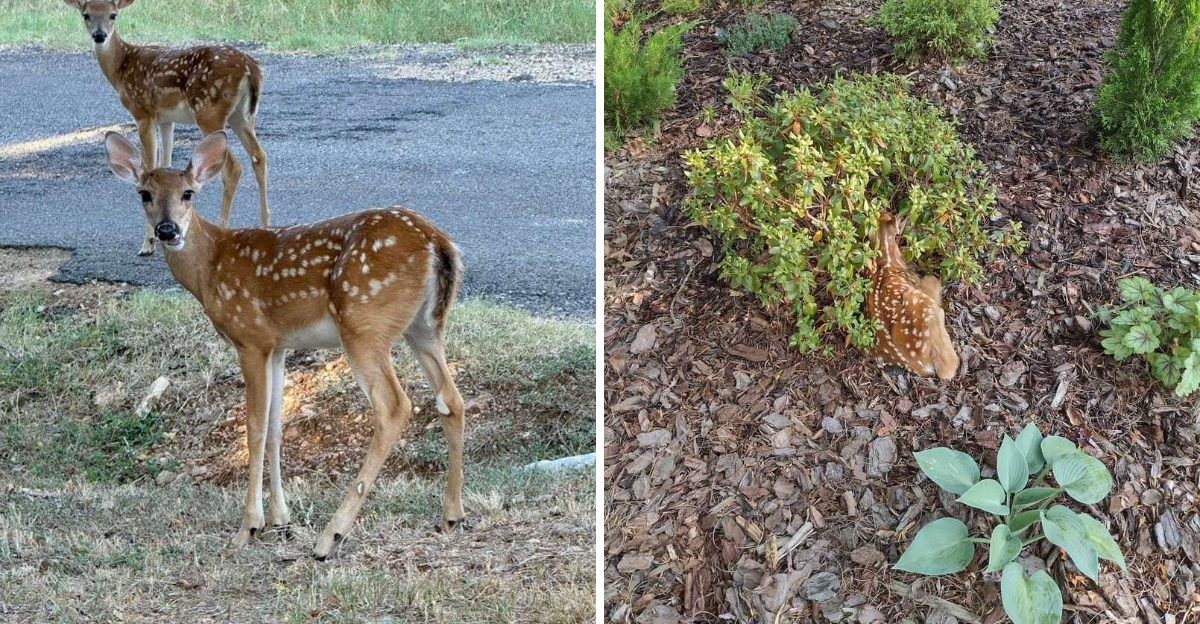
Something changes in a Michigan yard during August, and the first clue may be missing leaves.
One morning, the hostas look suspiciously shorter. Bean stems seem neatly clipped. A young shrub suddenly has fewer tips than it did yesterday. No storm passed through. No mower came close.
So who ordered the midnight salad?
The answer often appears along the edge of the lawn, where tracks press into soft soil and a narrow path disappears toward trees or brush.
Late summer can quietly rearrange the neighborhood menu, and some yards become far more interesting than others.
That shift has less to do with bad luck than timing, moisture, food, and location. A yard that felt invisible in June can suddenly become prime real estate by August.
Before you blame one unlucky plant choice, look at the bigger pattern. The clues around your property can explain why the visits started and why certain yards seem to get all the attention.
Once you spot them, the next garden move becomes much clearer too.
1. Dry August Forage Can Make Green Yards Stand Out
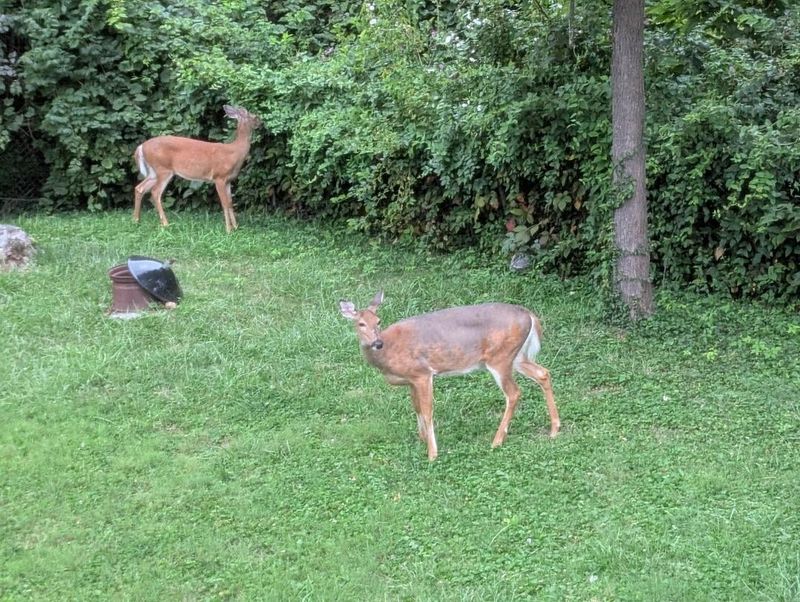
By August, the wild buffet around a Michigan neighborhood can start looking pretty tired.
Roadside grasses fade. Tender field growth gets tougher. Wildflowers that looked lush earlier in summer may turn dry and fibrous, especially after a hot stretch with limited rain.
White-tailed deer are adaptable browsers, so they can shift toward places where the food still looks fresh.
That is when a watered yard starts getting noticed.
Your hostas, beans, shrubs, and leafy ornamentals may be greener and softer than anything growing beyond the fence. To a deer moving between cover and feeding areas, that contrast can make one property stand out from the next.
Take a slow walk around the yard in early August. Look near fence lines, garden edges, and soft soil for tracks or droppings. Freshly browsed stems often look torn or clipped high enough to rule out rabbits.
Do not wait for half the bed to disappear before responding. Protect vulnerable plants early with fencing or an appropriate repellent, and move prized containers closer to the house when practical.
Local conditions still matter. A rainy summer may keep natural forage appealing longer, while a dry spell can increase pressure around irrigated landscapes.
Your garden did not suddenly become fashionable. The neighborhood menu may simply have gotten much worse.
2. Irrigated Beds Stay Tender When Nearby Plants Fade

A green garden can become surprisingly conspicuous when everything around it looks thirsty.
August often creates that contrast in Michigan. Lawns may fade, roadside plants lose tenderness, and unmanaged areas can dry between rain events. Meanwhile, drip lines and sprinklers keep hostas, vegetables, and shrubs full of moisture.
Deer notice useful food.
A well-watered bed offers tender leaves at a time when nearby forage may be tougher. Hostas can be especially tempting, but leafy vegetables and irrigated shrubs may also receive attention once deer add the property to a regular route.
This does not mean you should stop watering plants that need it. The better move is to protect the areas that stay most appealing.
Your Michigan Garden Changes Every Week. Your Plan Should Too.
Gardening in Michigan changes quickly throughout the season. Every Friday you’ll receive a simple weekly plan showing exactly what to plant, prune, fertilize, harvest, and protect so you never miss the right timing.
Apply a labeled deer repellent around vulnerable beds and follow the product directions for reapplication, especially after rain.
Small wire cloches can protect individual plants. Temporary fencing or row cover may make sense around compact vegetable beds.
Pay attention to the greenest part of your yard. That is often where the contrast with the surrounding landscape is strongest.
You can also change the routine around especially valuable plants. Containers may move closer to a porch or another busier area at night. Young shrubs can receive temporary barriers during periods of heavy browsing.
Water keeps a garden alive through August. It can also make your yard look like the only salad bar still serving.
3. Ripening Garden Crops Put Dinner Within Easy Reach
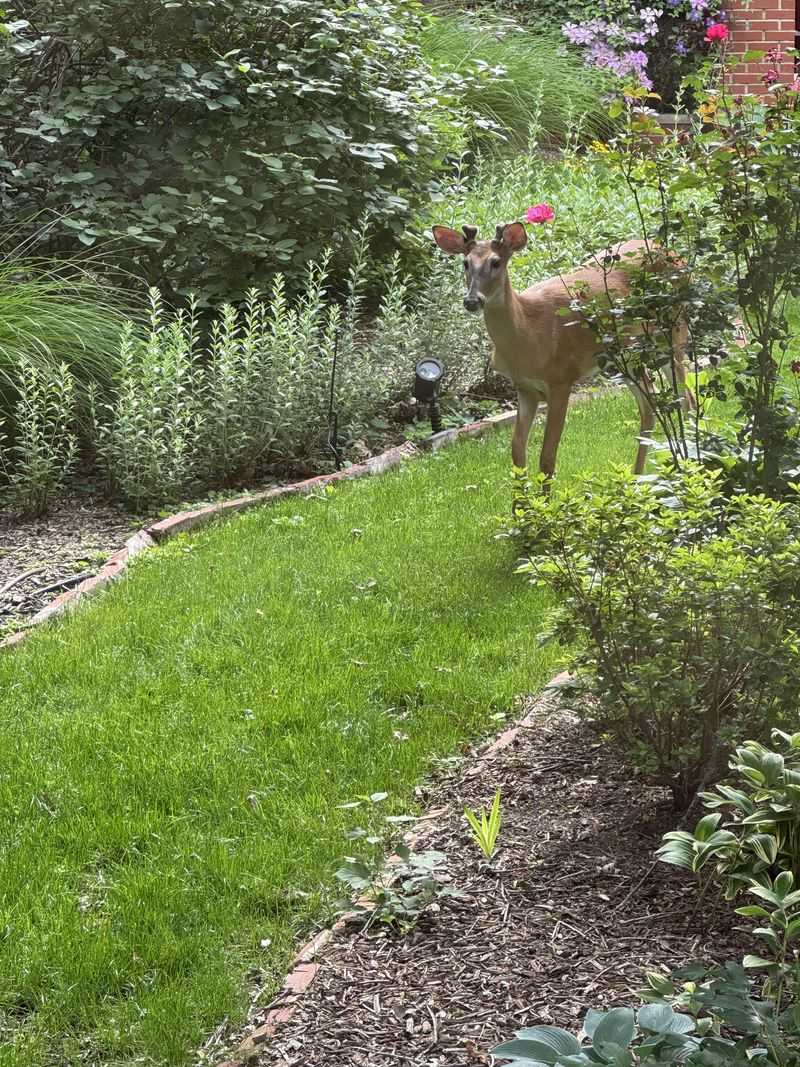
August puts some of the best garden food within easy reach, and deer do not need a harvest basket.
Beans fill out. Tomatoes color. Sweet corn develops. Apples start dropping in some yards. After months of work, the garden suddenly holds more scent, moisture, and easy calories than it did earlier in summer.
That can turn an occasional visitor into a repeat customer.
Beans often show browsing clearly because leaves and pods can disappear while bare stems remain. Low fruit, strawberry foliage, and tender vegetable growth may also take a hit.
Harvest promptly once produce is ready. An evening trip through the garden can remove ripe vegetables before the hours when deer commonly become more active. Pick up fallen fruit too, especially near wooded boundaries or travel routes.
For a valuable vegetable plot, a physical barrier usually offers more dependable protection than wishful thinking.
Tall fencing can provide strong protection where deer pressure is persistent. Other fence designs may also discourage entry when installed correctly for the site.
Keep compost in mind as well. Melon rinds, fruit scraps, and other garden leftovers can add another food scent near the yard. Use a secure system rather than an open pile full of fresh produce waste.
Once deer find a reliable meal, they may check the same location again.
Your tomatoes already have enough admirers. They do not need a four-legged fan club arriving before breakfast.
4. Late-Summer Browsing Goes Far Beyond Flower Beds

Flowers get most of the blame for attracting deer, but the menu can be much broader.
White-tailed deer browse according to what is available. Leaves, fruit, woody stems, agricultural crops, grasses, weeds, and landscape plants can all enter the rotation.
By late summer, that flexibility becomes especially noticeable around yards.
A plant that escaped attention in June may suddenly get sampled in August.
That surprises gardeners who carefully protected roses but ignored shrubs, young trees, or vegetables nearby. Hungry deer do not read plant tags, and younger animals may investigate unfamiliar plants simply because they are there.
Watch the whole landscape instead of one favorite flower bed. Check low branches, shrub tips, vegetable foliage, and tender shoots for fresh damage.
Plant selection can still help. Species with strong scents, prickly textures, or less appealing foliage may receive less attention in some landscapes. Lavender, mint, and certain other aromatic plants are often chosen for this reason.
Just keep expectations realistic. No ornamental plant becomes completely safe when deer pressure is high and alternative food is limited.
Use less-preferred plants in exposed areas, then reserve fencing or other protection for the plants deer repeatedly target.
This works less like creating an impossible menu and more like becoming the least exciting restaurant on the route.
You do not need a yard deer hate. A yard they keep walking past is plenty.
5. A Successful Visit Can Turn Into A Regular Route
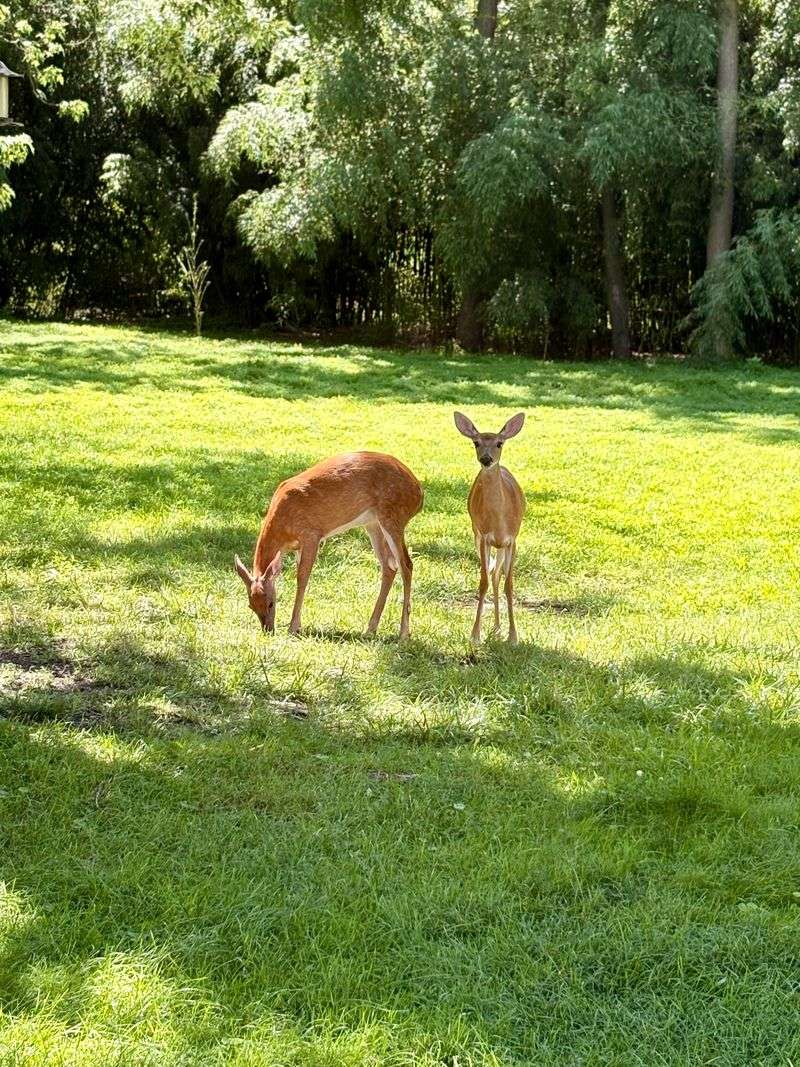
One missing hosta may look random. The second visit usually feels much less mysterious.
Deer learn where dependable food sits within their regular range. Once a yard provides an easy meal, the route can become familiar, especially when nearby cover makes the trip feel safe.
That is why early action matters.
Look for patterns after the first sign of browsing. Tracks along the same fence gap, repeated damage on one side of a bed, or sightings at similar times can reveal how deer enter and move through the property.
Interrupt that routine before it settles in.
Apply a labeled repellent to vulnerable plants and reapply according to directions. Add fencing around the most valuable beds. Motion-activated sprinklers can also make a familiar approach less comfortable.
Move deterrents occasionally when practical. Deer can become accustomed to a device that never changes and never presents a real consequence.
Combining tactics often makes more sense than expecting one gadget to solve everything. A protected bed, an unpleasant scent, and an unexpected burst of water create several reasons to choose another route.
Do not leave the reward untouched while adding deterrents. Pick ripe vegetables, collect fallen fruit, and secure other easy food sources.
The goal is simple. Make your yard less dependable.
Deer appreciate a reliable restaurant schedule almost as much as people do. Your job is to cancel the reservation before they become regulars.
6. High Local Deer Numbers Raise The Odds Of Yard Visits

Sometimes the biggest difference between two neighboring gardens has nothing to do with the plants.
It is the number of deer nearby.
Local deer pressure varies across Michigan. A property beside woods, suburban green space, or other good habitat may see far more activity than a yard surrounded by dense development or broad open ground.
Where deer numbers are high compared with available forage, gardens can receive more attention.
The clues usually appear before anyone counts animals.
Frequent daytime sightings, repeated browsing across several properties, and deer that seem comfortable close to homes can point to strong local pressure. Damage may also spread beyond favorite plants as competition for food increases.
Talk with neighbors. Their gardens can tell you whether your yard has an isolated problem or shares a larger neighborhood pattern.
That conversation can also improve protection. Several adjoining properties that secure food sources and protect vulnerable beds may reduce rewards across a wider area.
One carefully defended garden beside several easy feeding spots can still sit along a busy deer route.
For persistent concerns, local wildlife professionals can provide guidance on legal management options and community-level approaches.
At home, concentrate effort where it matters most. Protect young trees, vegetable beds, and repeatedly browsed ornamentals rather than trying to wrap the entire property in defenses overnight.
Sometimes your hostas are not unusually delicious.
There may simply be a very large tasting committee living nearby.
7. Wooded Edges Put Cover Right Beside The Buffet
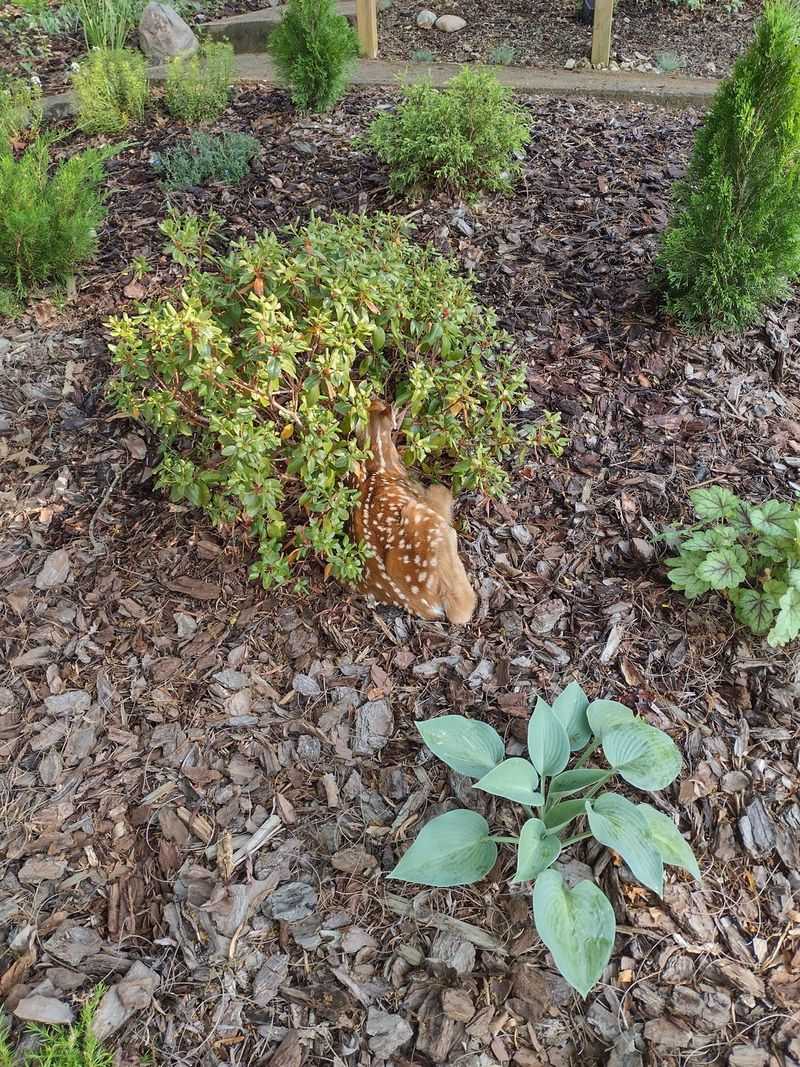
The edge of the yard can explain a lot about who shows up after sunset.
White-tailed deer often use places where cover and open feeding areas meet. A backyard beside woods, brush, an overgrown fence line, or a scrubby field gives them both parts of that arrangement.
Cover sits only a few steps from dinner.
That makes edge properties especially interesting in August when watered lawns and gardens stay greener than surrounding vegetation. Deer can leave sheltered areas, browse briefly, and retreat quickly.
Walk the boundary before you focus on the center of the yard.
Look for narrow trails through vegetation, repeated tracks, droppings, or gaps where deer appear to enter. Those clues can help you protect the actual route instead of scattering deterrents everywhere.
A fence or another suitable barrier along the most active boundary may reduce casual visits. Less-palatable shrubs can also make exposed edges less rewarding, though no hedge should be treated as guaranteed deer protection.
Keep prized plants a little farther from dense cover when the layout allows. Even a more open strip between woods and a favorite bed can make the feeding spot feel less convenient.
Suburban landscapes often create plenty of these boundaries, so deer activity near homes should not feel completely mysterious.
From the deer’s perspective, your yard may not be a separate place at all.
It is simply the sunny dining room attached to the woods.
8. Late August Can Bring Antler Rubs To Young Trees
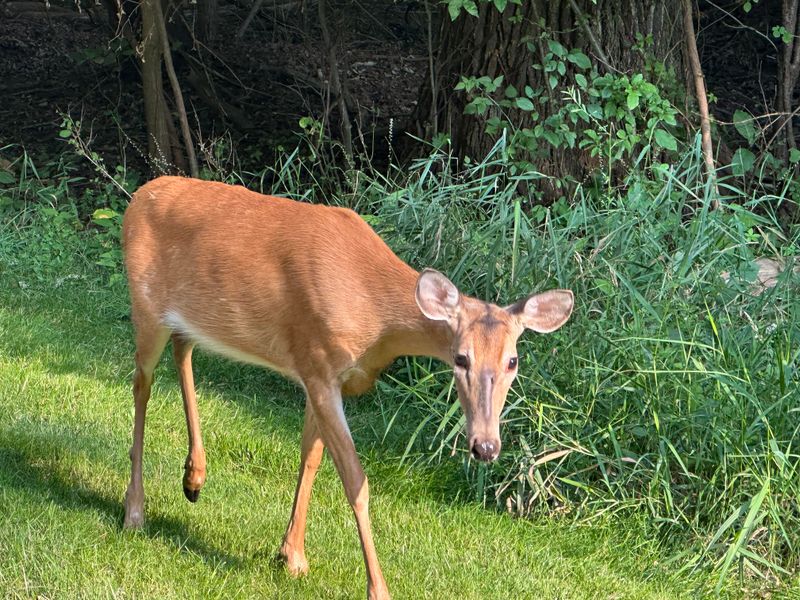
Not every late-summer deer problem involves missing leaves.
By late August, young trees may start showing scraped bark along the trunk. That damage can come from bucks rubbing developing antlers against small trees as the season moves toward fall.
The target is often a smooth-barked sapling with a trunk that fits neatly between the antlers.
Look for vertical scrapes, shredded bark, or damage concentrated a few feet above the ground. A newly planted maple, serviceberry, or ornamental tree can take a serious beating from one enthusiastic visitor.
Protect vulnerable trunks before rubbing activity becomes obvious.
A rigid wire mesh cylinder can create space between the deer and the bark. Some tree guards can also help when installed correctly.
Leave enough room for airflow and future trunk growth rather than wrapping material tightly against the bark.
Check guards periodically. A young tree keeps expanding, and protection that fit well last season may become too tight.
Keep mulch away from direct contact with the trunk too. The goal is a protected trunk with good airflow, not a tightly wrapped package.
This is one August task that rewards early timing. Waiting for the first scrape means the deer has already found the tree.
Young trees take years to establish. A simple barrier can protect all that patient growth.
The buck can find another scratching post. Your maple did not volunteer for the job.