The Invasive Michigan Plant That Grows Back From Even The Smallest Root Pieces
Every Michigan gardener has pulled a weed at some point, felt confident it was finally gone, only to see it return within weeks looking just as stubborn as before.
Japanese knotweed takes this frustration to an entirely different level, regenerating from root fragments so small they’re easy to miss entirely.
Cutting, pulling, even digging can sometimes make the problem worse instead of better if you don’t understand exactly how this plant survives.
Many homeowners spend years fighting the same patch without realizing why their efforts keep failing again and again.
The plant’s resilience comes down to a specific biological trick that most people have never heard of until it’s already taken over.
Once you understand how it actually spreads, you’ll approach removal completely differently than you have before. Getting this wrong could mean years of repeating the exact same frustrating cycle.
Japanese Knotweed Is A Banned Michigan Invader
Picture a plant that shoots up several feet in a single season and crowds out everything around it. That is Japanese knotweed, one of the most aggressive invasive plants in Michigan.
Originally from East Asia, it was brought to the United States long ago as a garden ornamental. Folks liked its quick growth and pretty flowers, but nobody guessed how out of control it would become.
Now it grows in yards, along rivers, and beside roads all across the state. Michigan takes this plant seriously. It sits on the state’s prohibited and restricted species list, which means it is against the rules to sell, move, or plant it on purpose.
That may sound strict, but there is a good reason behind it. Once knotweed settles in, it pushes out native plants that local wildlife depends on for food and shelter.
It can even crack pavement, damage building foundations, and clog drainage areas near water.
The plant grows in thick clumps that block sunlight from reaching smaller neighbors. Over time, a healthy patch of native greenery can turn into a solid wall of knotweed.
Because it spreads so easily and holds on so tightly, gardeners across Michigan need to know what they are dealing with. Recognizing this plant early gives you a much better chance of handling it the right way before it takes over your whole yard.
The Real Problem Is Underground
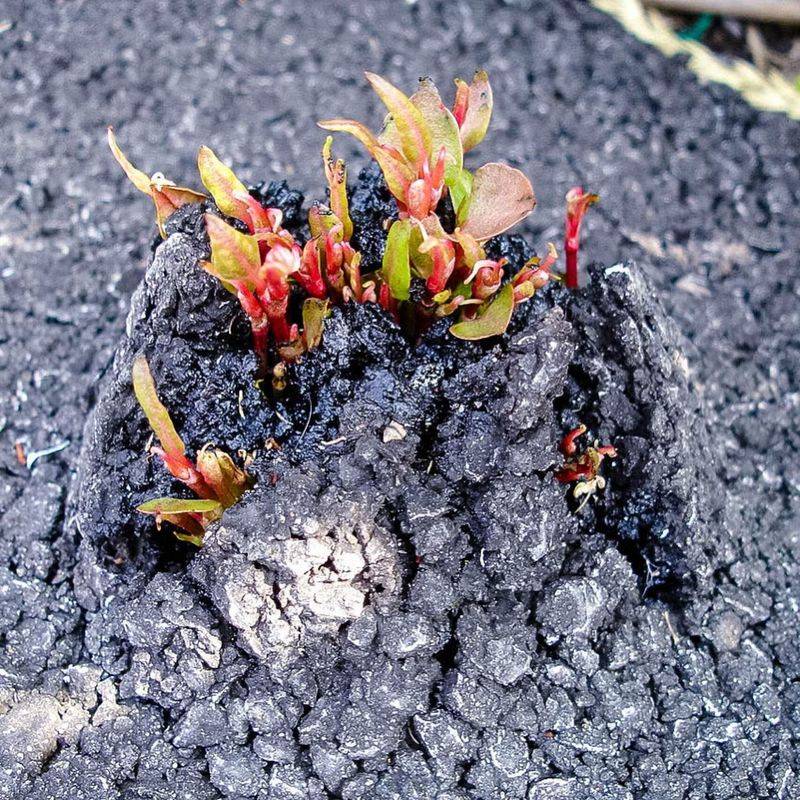
What you see above the ground is only part of the story. The true strength of Japanese knotweed hides beneath your feet in a vast network of underground stems called rhizomes.
These rhizomes act like highways for the plant. They stretch out sideways and downward, sometimes reaching several feet deep and many feet away from the main clump.
Each one stores plenty of energy, ready to send up fresh shoots whenever the plant needs them.
Here is where gardeners get frustrated. You can cut down every visible stem and clear the area completely, but the rhizomes stay alive and busy below the surface. Within days or weeks, brand new green shoots start pushing up as if nothing happened.
Your Michigan Garden Changes Every Week. Your Plan Should Too.
Gardening in Michigan changes quickly throughout the season. Every Friday you’ll receive a simple weekly plan showing exactly what to plant, prune, fertilize, harvest, and protect so you never miss the right timing.
Think of it like an iceberg. The stems you notice are just the tip, while the huge root system floating underneath holds most of the plant’s power. Removing the top does little to weaken what lies beneath.
This is exactly why knotweed feels impossible to beat with quick fixes. The plant is designed to survive setbacks and bounce right back.
Understanding the rhizomes helps you plan smarter. Instead of only chopping stems, effective control focuses on weakening or removing that underground network over time.
Patience matters more than muscle here. Anyone hoping to clear knotweed should expect a long project, not a single afternoon of yard work. Knowing what is happening below ground makes the whole challenge easier to understand.
Tiny Pieces Can Start Again
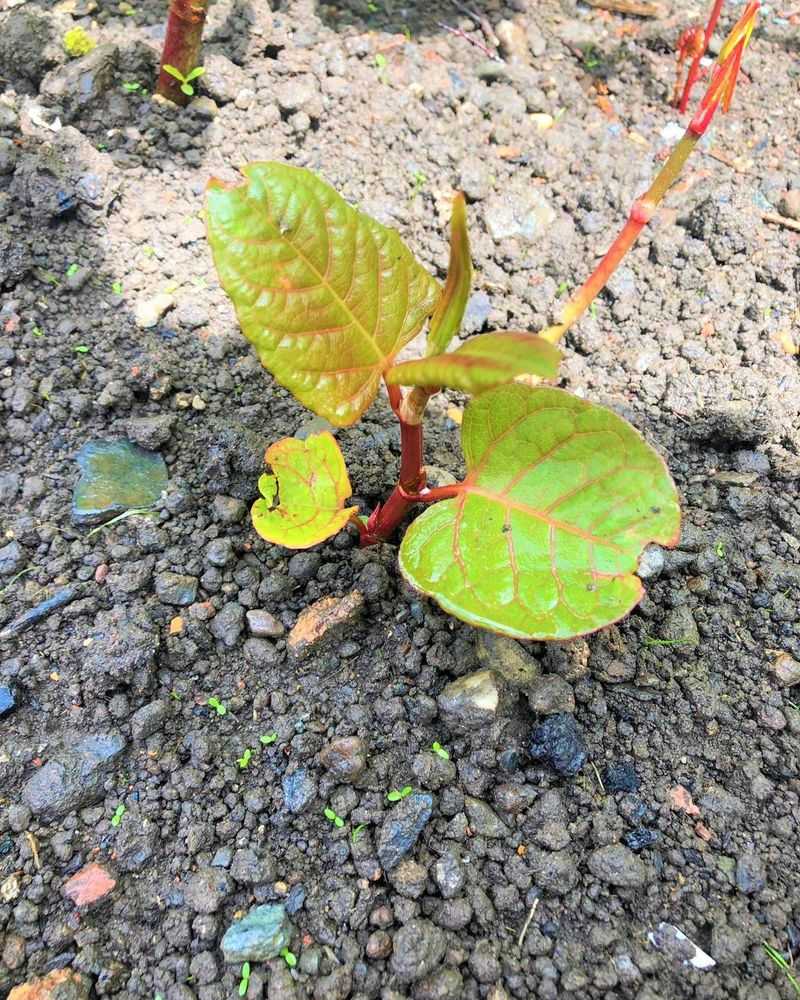
Most plants need a seed or a decent-sized cutting to grow. Japanese knotweed laughs at that rule. A piece of rhizome smaller than a coin can sprout into a whole new plant.
Scientists have found that fragments weighing just a fraction of an ounce can produce fresh growth under the right conditions. All the little piece needs is some moisture and soil to settle into, and it gets to work.
It is not only the roots either. Bits of stem and root can also take hold and start growing when they land in a friendly spot. This gives the plant many different ways to keep spreading.
Imagine tossing a small chunk into your compost pile or leaving it in a damp corner of the yard. That tiny scrap could quietly turn into a new patch you never planted.
This ability makes knotweed one of the sneakiest invaders around. You might think you cleaned up perfectly, but a single overlooked fragment can undo all your effort.
Because of this, gardeners have to be extra careful with every piece they handle. Nothing should be treated as too small to matter.
Understanding this superpower changes how you approach the plant entirely. Rather than rushing, you learn to move slowly and keep track of every scrap you disturb.
The good news is that knowing this danger puts you ahead of the game. Once you respect how tiny fragments behave, you can avoid the mistakes that let knotweed spread even farther across your property.
Digging Can Spread It
Grabbing a shovel feels like the natural way to remove a stubborn plant. With knotweed, though, digging can backfire in a big way.
When you dig around the roots, your shovel slices through the rhizomes and breaks them into pieces. Every one of those pieces has the potential to become a brand new growing point.
So instead of removing the problem, you might multiply it. Picture cutting one long root into ten chunks. If each chunk sprouts, you have traded a single patch for ten smaller ones scattered through the disturbed soil.
This is one of the biggest mistakes people make. They attack the plant with energy and good intentions, only to help it spread wider than before.
The messy nature of digging makes things worse. Fragments cling to shovels, boots, gloves, and wheelbarrows, then hitch a ride to fresh parts of the yard.
Even careful diggers struggle to catch every last piece. The rhizomes run deep and tangle together, so leaving some behind is almost guaranteed.
That does not mean digging never works, but it takes serious planning, proper tools, and a way to safely handle every scrap you pull out. Casual weekend digging usually causes more harm than help.
Before you break ground, it pays to learn the right methods or call in trained help. A thoughtful approach protects your yard and stops you from accidentally planting a whole new crop of trouble across your property.
Moving Soil Moves The Problem
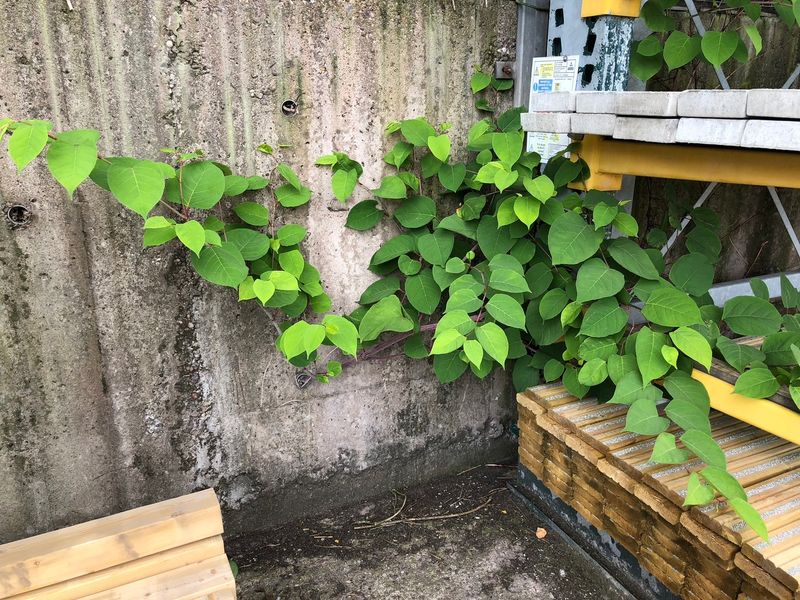
Soil looks harmless enough, but a scoop of dirt from the wrong spot can carry a hidden passenger. If knotweed rhizomes are mixed into that soil, moving it moves the plant too.
This happens more often than people realize. Contractors, landscapers, and homeowners sometimes haul dirt from one location to another without knowing what is buried inside.
A small fragment hiding in a truckload of soil can wake up in its new home and start growing. Suddenly a clean yard has a knotweed problem that seemed to appear from nowhere.
Construction sites are a common way this spreads. When crews dig up ground near a knotweed patch and reuse that soil elsewhere, they can unknowingly plant the invader far away.
Fill dirt, garden soil, and even mulch can all carry pieces if they came from a contaminated area. That is why the source of your soil truly matters.
Before bringing in any outside dirt, it helps to ask where it came from and whether knotweed grows nearby. A few simple questions can save you years of headaches.
The same caution applies to soil you are removing. If your property has knotweed, that dirt should not travel to new places where fragments could take root.
Being mindful about soil movement is one of the easiest ways to stop the spread. Treating dirt as something that can carry life, not just fill a hole, keeps this stubborn plant from jumping to fresh ground.
Cutting Alone Will Not Remove It
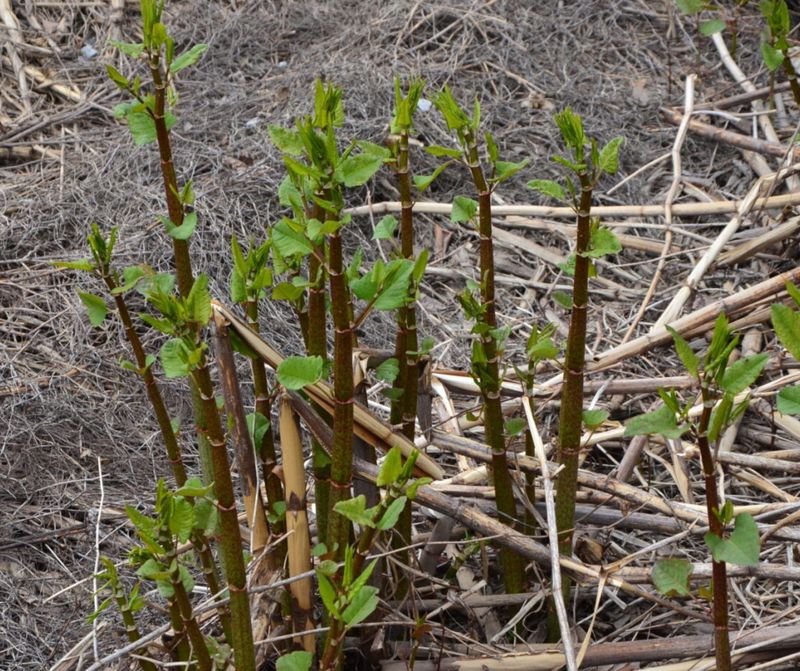
Cutting the stems feels satisfying. The plant disappears, the yard looks tidy, and for a moment you feel like the winner. Then the shoots come right back.
The reason is simple. Cutting only removes the part you can see, while the huge rhizome system underground stays perfectly healthy and full of stored energy.
That underground network treats a trimming like a minor bump. It quickly pushes up new stems to replace the ones you removed, sometimes growing even thicker than before.
Some people cut knotweed again and again, hoping to wear it out. Repeated cutting can slowly weaken the plant over several years, but it rarely clears it fast.
The rhizomes hold so much reserve energy that they can keep resprouting for a very long time. One or two cutting sessions barely make a dent.
This is why quick fixes leave gardeners feeling defeated. They expect fast results and instead watch the plant return each season with fresh determination.
Real control usually combines steady cutting with other careful methods over a long stretch of time. Consistency matters far more than a single burst of effort.
It also helps to handle the cut stems properly, since those pieces can sprout if left in the wrong place. Never toss trimmings into a random corner or compost bin.
Knowing that cutting alone falls short saves you from frustration. With realistic expectations and a long-term plan, you stand a much better chance of finally getting the upper hand.
Look For Bamboo Like Stems
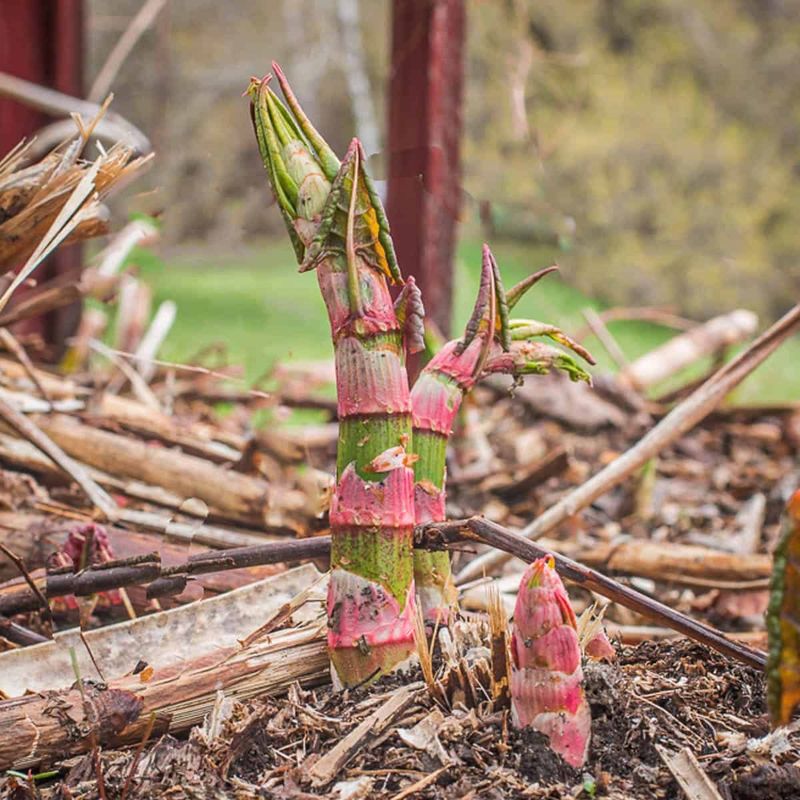
Spotting knotweed early gives you a huge advantage, and luckily it has some clear giveaways once you know what to watch for.
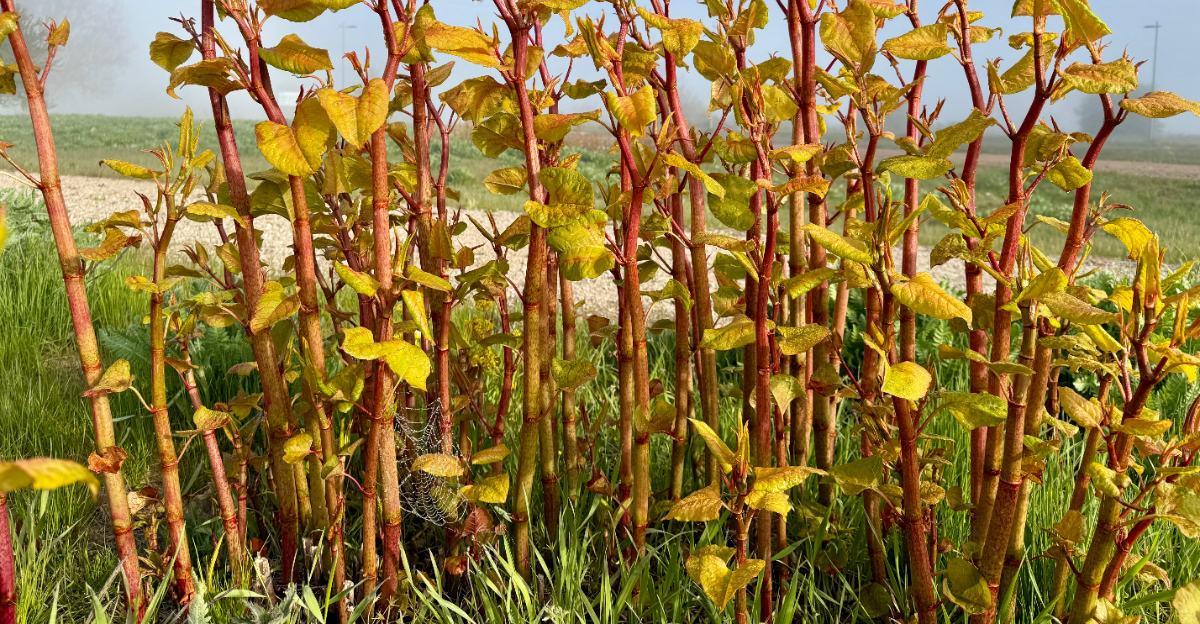
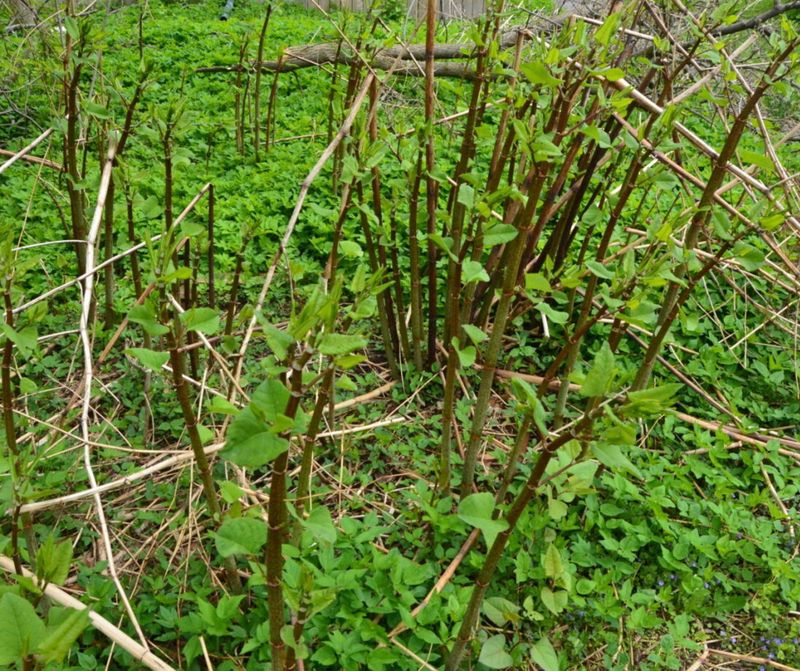
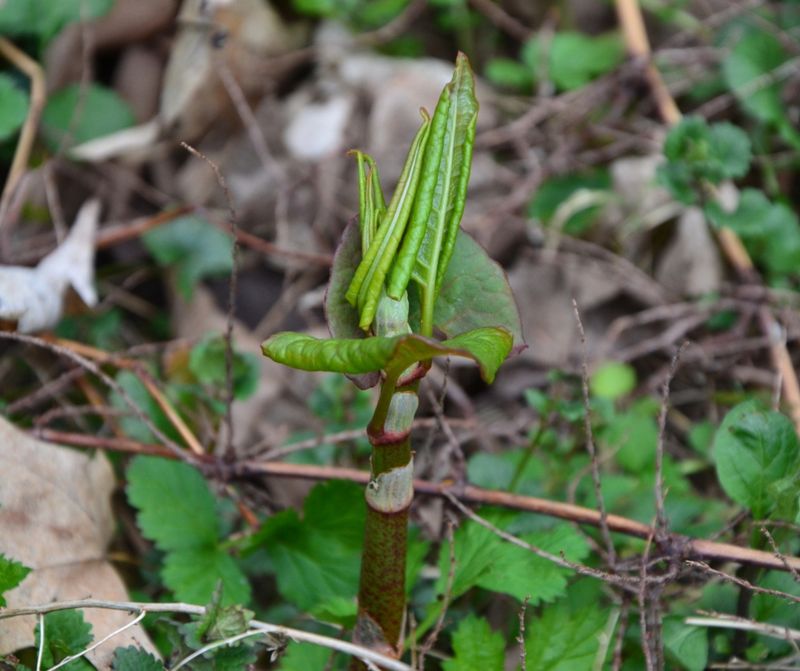
The stems are the first clue. They stand tall, hollow, and jointed, looking a lot like bamboo. You will often see reddish or purple speckles along the smooth green surface.
Next come the leaves. They are broad and shaped a bit like a heart or a shovel, growing in a zigzag pattern along the stems. Their bright green color stands out in a crowd.
Late summer brings the flowers, and they seal the identification. Clusters of tiny creamy white blooms appear in loose sprays, drawing in plenty of bees.
Put those features together and the plant becomes fairly easy to recognize. Bamboo-like stems, big leaves, and foamy white flowers make a memorable combination.
Size is another hint. Knotweed can shoot up to seven feet or more in one season, forming dense stands that tower over nearby plants.
In winter the stems turn tan and hollow, standing like a patch of pale canes. Even in the cold months, these leftover stalks help you find where knotweed lives.
Learning these signs turns you into a better protector of your yard and neighborhood. The sooner you notice knotweed, the sooner you can respond before it spreads.
Take a moment to compare any suspect plant with trusted photos or a local expert. A confident identification is the first real step toward handling this invader wisely.
Report It Before Disturbing It
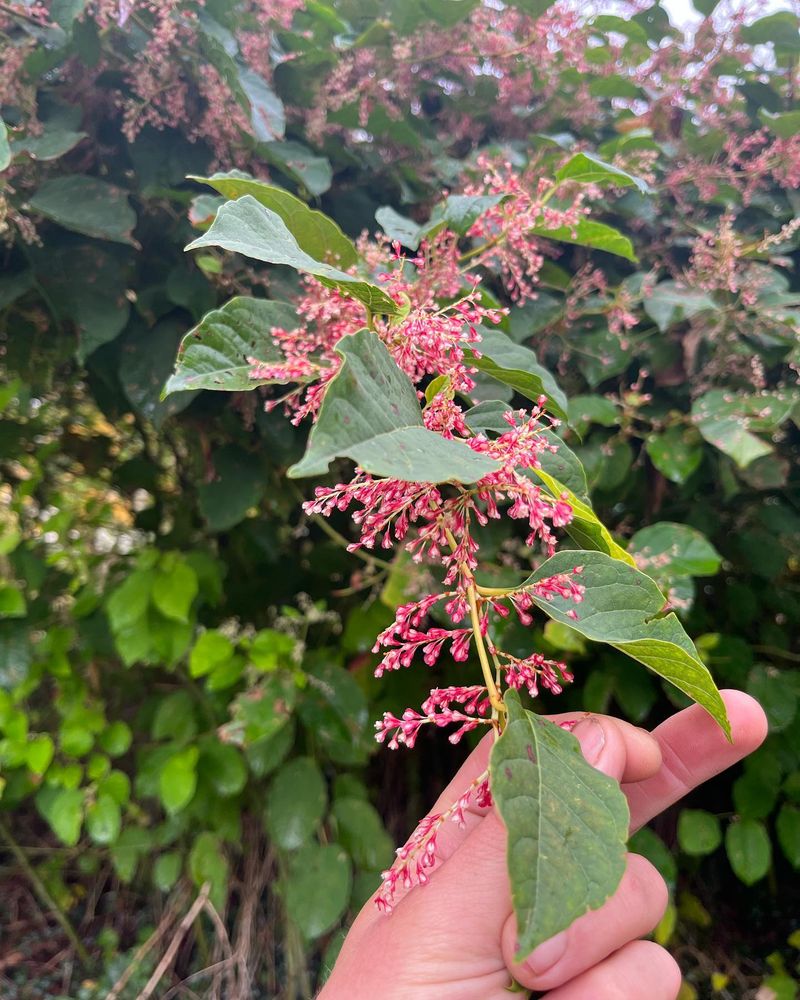
The moment you spot possible knotweed, the smartest move is to pause instead of grabbing tools. Confirming the plant first can save you from a costly mistake.
Many plants look somewhat similar, so a proper identification matters. Reaching out to local experts or Michigan resources helps you be sure of what you found.
Michigan offers ways for residents to report invasive species, and knotweed is high on that list. Reporting it helps track where the plant is spreading and connects you with helpful guidance.
Once you report a patch, you might receive advice on the safest ways to handle it. That expert input can steer you away from methods that accidentally spread fragments.
Rushing in to dig or chop before confirming can turn one problem into several, as those tiny pieces travel and take root. A calm, informed start protects both your yard and nearby land.
Reporting also benefits your whole community. The more locations officials know about, the better everyone can work together to slow this stubborn invader.
Think of it as teamwork against a shared challenge. Your single report adds to a bigger picture that helps neighbors, parks, and waterways stay healthier.
Handling knotweed the right way often means combining professional advice with patience and care. There is no shame in asking for help with such a tricky plant.
By confirming, reporting, and planning before you disturb anything, you give yourself the best shot at winning. Smart action beats fast action every single time with this plant.