The Most Underrated Texas Native That Helps Keep Chinch Bugs Out Of Backyards
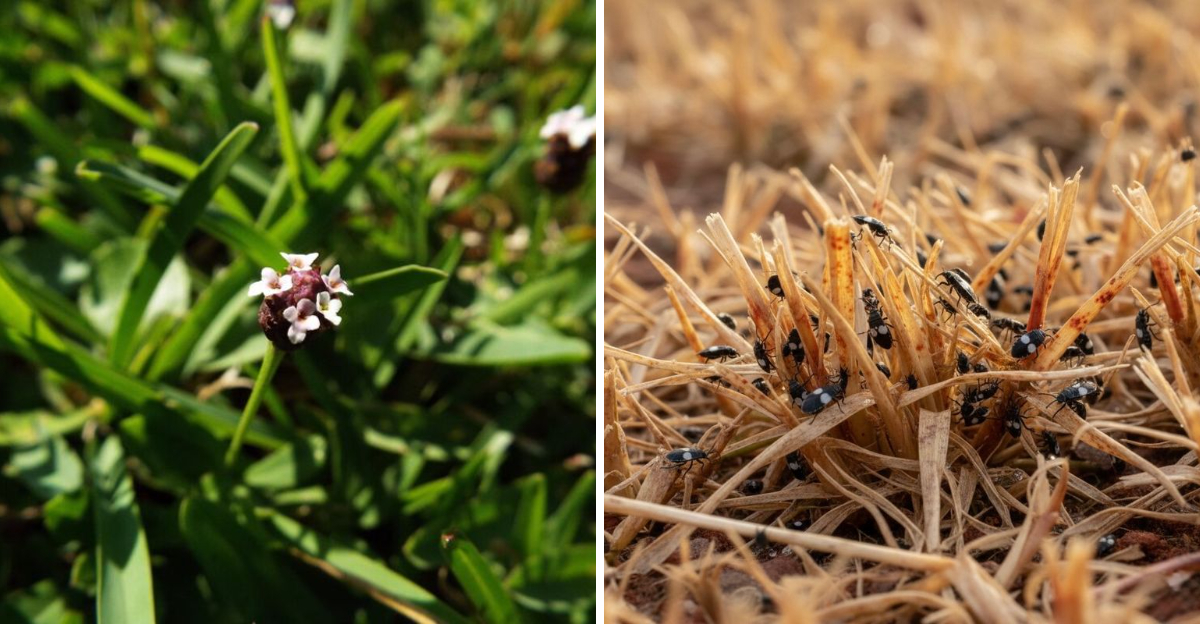
Chinch bugs are one of those Texas lawn and garden pests that cause serious damage before most homeowners even realize they have a problem.
They work in the heat, they spread quickly through stressed turf and garden areas, and the brown patches they leave behind are easy to misread as drought damage until the situation is already well advanced.
Most people go straight for chemical treatments when chinch bugs show up. Those work, but they’re reactive, they’re ongoing, and they come with tradeoffs that a growing number of Texas homeowners would rather avoid.
There’s a native Texas plant that takes a different approach entirely. This underrated native creates conditions in and around backyard spaces that chinch bugs find consistently unappealing. It’s not a pesticide and it doesn’t work like one.
It works the way native plants often work best, by shifting the immediate environment in subtle ways that reduce pest pressure without disrupting the beneficial insects and soil life that keep a healthy yard functioning.
Texas Frogfruit Replaces The Grass Chinch Bugs Attack Most
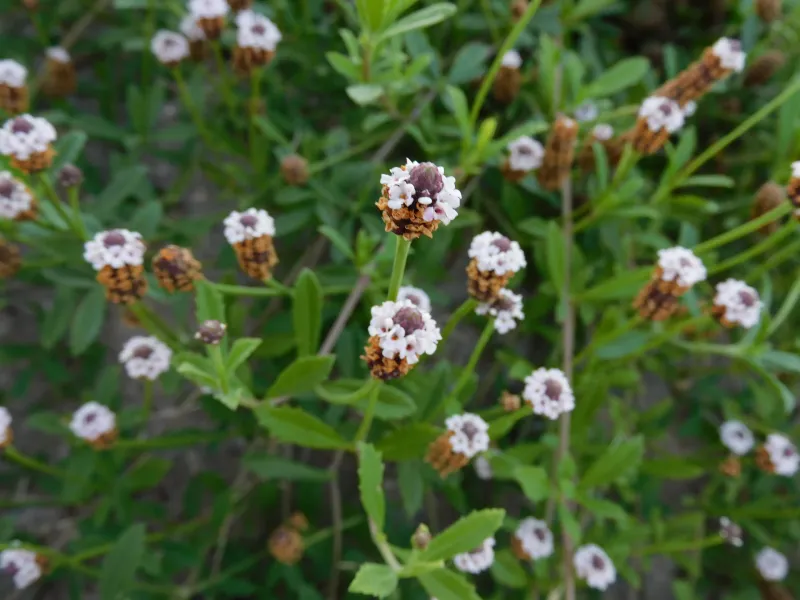
Picture a plant so tough it can handle Texas summers, spread across your yard like a carpet, and quietly solve one of the biggest lawn problems homeowners face. That plant is Texas frogfruit, known scientifically as Phyla nodiflora.
It is a low-growing, spreading native groundcover that has been quietly thriving in Texas for centuries, and it deserves a lot more attention than it gets.
Most Texas homeowners rely on St. Augustinegrass as their go-to lawn choice. The problem is that St. Augustinegrass is the number one target for southern chinch bugs.
These tiny insects feed on the grass and cause wide patches of brown, dead-looking turf during the hottest months of the year. By replacing portions of your St. Augustinegrass with frogfruit, you are simply giving chinch bugs less of what they want.
Frogfruit spreads by sending out low, creeping stems that root into the soil as they grow. Over time, it fills in gaps and creates a dense, attractive mat of green.
It works especially well along borders, under trees, or in areas where grass struggles to grow anyway.
Swapping out even a small section of St. Augustinegrass for frogfruit can noticeably reduce the amount of vulnerable turf in your yard. Less susceptible turf means less opportunity for chinch bugs to cause serious damage.
You are not fighting the bugs directly. You are just making your yard a less appealing place for them to set up camp. That is a smart, low-effort strategy that works with nature instead of against it.
Chinch Bugs Hit St. Augustinegrass Especially Hard
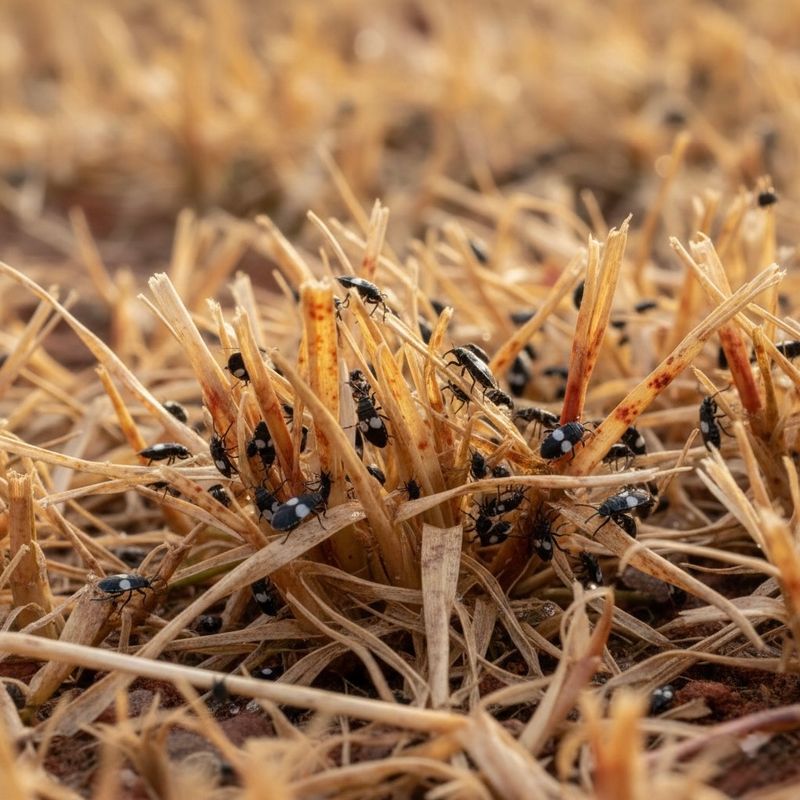
Spend a Texas summer with a St. Augustinegrass lawn and you might notice mysterious brown patches spreading across your yard. Chances are, chinch bugs are behind it.
Southern chinch bugs are one of the most destructive lawn pests in the entire state, and St. Augustinegrass is their absolute favorite target.
These insects are tiny, measuring only about one-fifth of an inch long. They have black bodies with white wings folded across their backs.
Your Texas Garden Changes Every Week. Your Plan Should Too.
Gardening in Texas changes quickly throughout the season. Every Friday you’ll receive a simple weekly plan showing exactly what to plant, prune, fertilize, harvest, and protect so you never miss the right timing.
Despite their small size, they cause enormous damage. Chinch bugs pierce grass blades and suck out the plant juices.
At the same time, they inject a toxic substance that stops water from moving through the grass properly. The result looks a lot like drought stress, which is why many homeowners do not even realize chinch bugs are the problem.
Damage tends to be worst during the hottest and driest parts of summer, typically from June through August in Texas. Lawns that are over-fertilized with nitrogen or mowed too short are even more vulnerable.
Chinch bugs thrive in hot, sunny spots and tend to avoid shaded areas. A simple way to check for chinch bugs is the flotation test. Remove both ends of a coffee can and push it a few inches into the soil near a damaged area.
Fill it with water and wait a few minutes. If chinch bugs are present, they will float to the surface.
Catching an infestation early makes a big difference in how much damage your lawn ends up with. Knowing your enemy is always the first step toward protecting your yard.
Frogfruit Handles Tough Texas Conditions
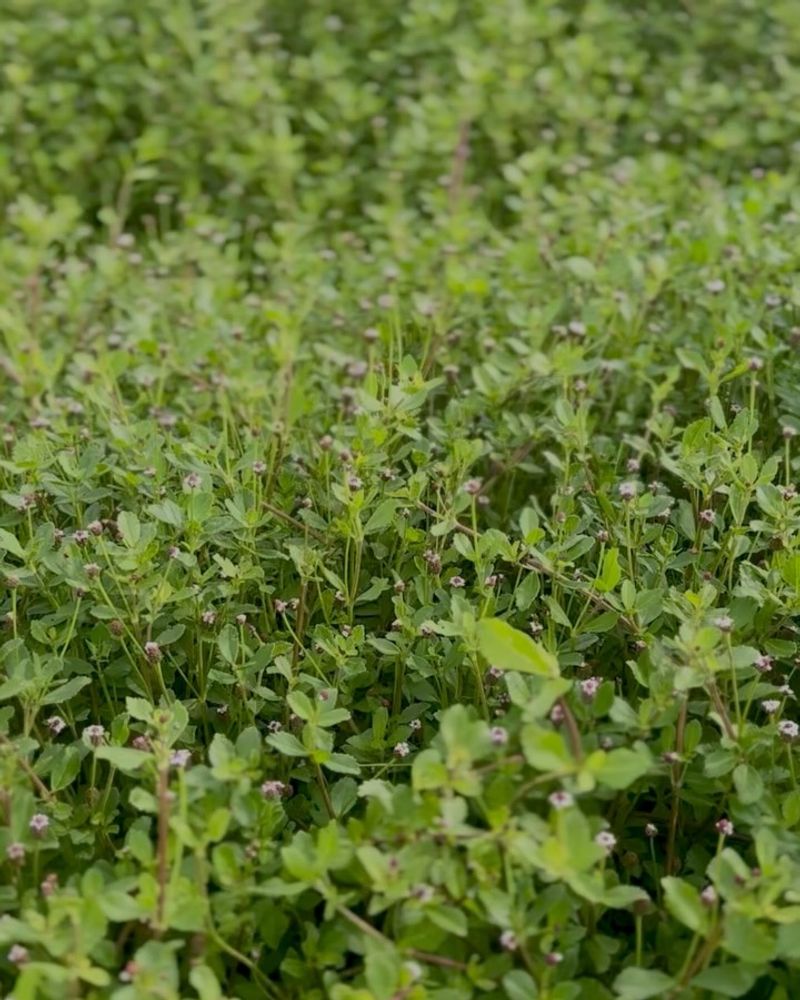
Honestly, frogfruit might be one of the toughest plants in the entire state of Texas. While other groundcovers wilt, struggle, or need constant attention, frogfruit just keeps on growing.
It handles heat, drought, and even stretches of excess moisture without missing a beat. For Texas homeowners, that kind of resilience is worth its weight in gold.
During long dry spells, frogfruit goes semi-dormant and pulls back a little, but it bounces right back once rain returns. It does not need frequent watering once it is established, which makes it a great choice for water-conscious gardeners.
In areas that receive occasional flooding or poor drainage, frogfruit holds its own far better than most traditional turf grasses.
One of its best qualities is its flexibility when it comes to sunlight. Frogfruit grows well in full sun and also performs nicely in partial shade.
That means it can thrive under tree canopies where St. Augustinegrass often thins out and becomes patchy. Many homeowners struggle with those shady bare spots, and frogfruit fills them in beautifully.
Frogfruit is also tolerant of different soil types, including the heavy clay soils common in many parts of Texas. It does not demand rich, amended soil to perform well.
Once it gets established, it spreads steadily on its own, filling in the ground with a soft, low mat of green. Mowing is optional, though a light trim now and then keeps it tidy.
For a state known for its brutal summers and unpredictable weather, frogfruit is practically made for Texas conditions. Few plants can match its combination of toughness and adaptability.
It Creates A Flowering Lawn Instead Of Plain Turf
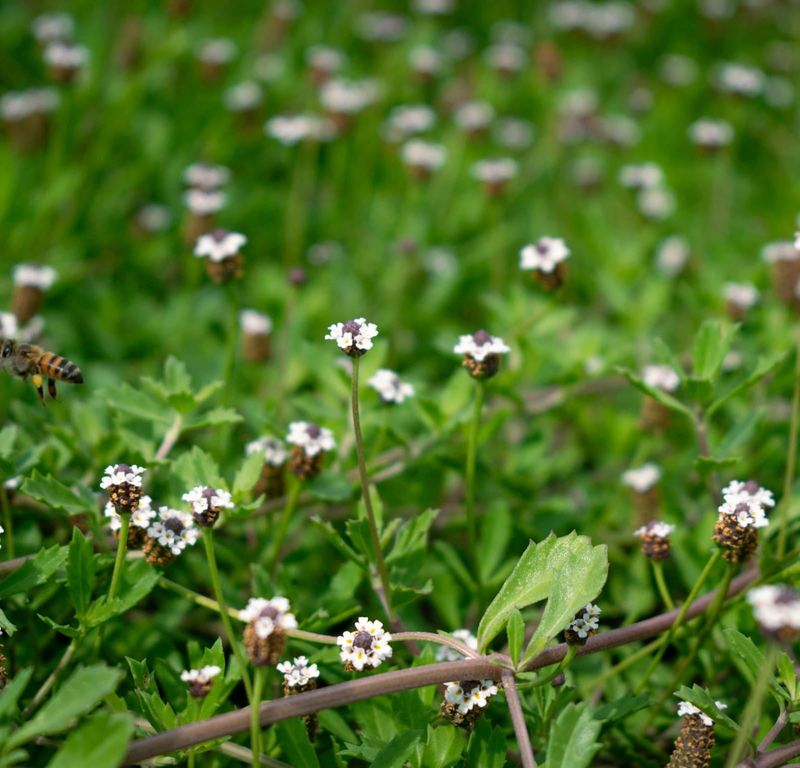
Most lawns are just green. Frogfruit lawns are green plus something extra.
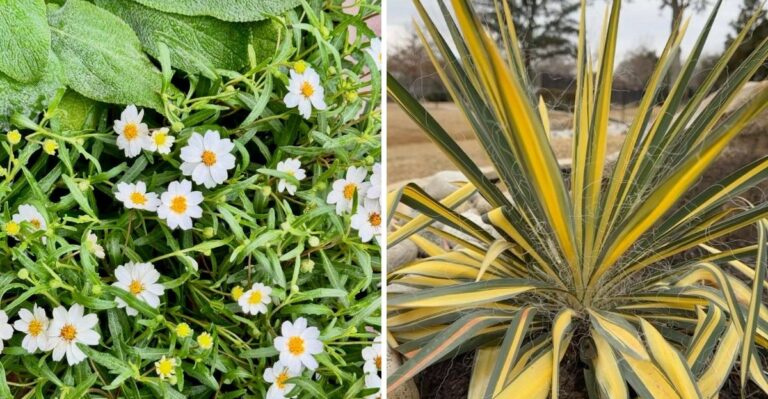
When frogfruit blooms, it produces tiny white and purple flowers that pop up all across the mat of green leaves. The flowers are small, but there are a lot of them, and they create a soft, colorful look that plain turf simply cannot match.
What makes frogfruit especially appealing is that it blooms for a long stretch of the year. In Texas, flowering can start in spring and continue all the way through fall.
That means your yard gets a living, changing display of color without you having to plant or replant anything. The flowers appear naturally as part of the plant’s normal growth cycle.
The spreading stems of frogfruit root at the nodes as they creep across the ground. Over time, they weave together into a thick, even carpet.
In areas with light foot traffic, frogfruit holds up reasonably well. It is not as durable as traditional turf under heavy use, but for low-traffic zones like side yards, garden borders, or shaded corners, it forms a gorgeous and functional covering.
Many homeowners who try frogfruit are surprised by how attractive it looks once established. It has a natural, slightly wild charm that fits beautifully into Texas landscapes.
Paired with native shrubs or ornamental grasses, it creates a yard that feels both polished and relaxed. Swapping out a patch of boring turf for a flowering groundcover is a small change that makes a big visual impact.
Your neighbors will definitely notice, and they will probably want to know what you planted.
Butterflies And Bees Get An Added Benefit
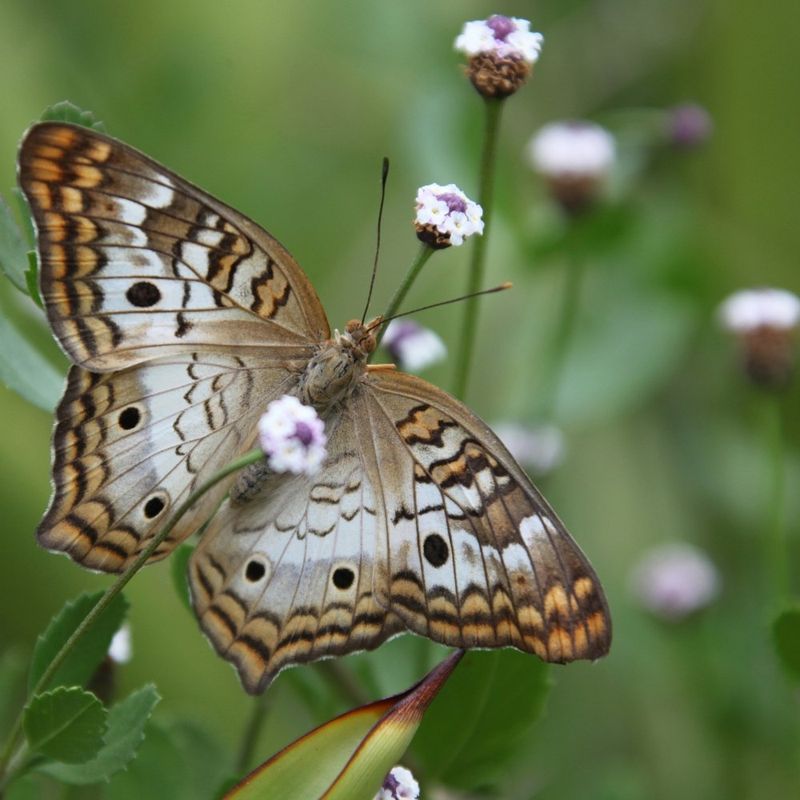
Here is a fun fact that most people do not know about frogfruit: it is basically a butterfly buffet. Despite its tiny flowers, frogfruit is one of the most important native plants for pollinators in Texas.
Bees, butterflies, and other beneficial insects flock to it when it blooms, making it a quiet but powerful hub of backyard wildlife activity.
Several butterfly species use frogfruit as a host plant, meaning female butterflies lay their eggs directly on its leaves. The caterpillars then feed on the plant as they grow.
Common buckeyes are one of the most well-known butterflies that depend on frogfruit this way. Phaon crescents are another species that relies on it heavily.
Watching these butterflies flutter around a frogfruit patch is genuinely delightful. Beyond butterflies, native bees are regular visitors to frogfruit flowers. Even though the blooms are small, they produce nectar that bees find very attractive.
Supporting native bees is more important than ever, since many bee populations have faced serious challenges in recent years. Planting frogfruit is a simple and effective way to give them a helping hand.
Adding pollinators to your yard also supports the broader garden ecosystem. More bees mean better pollination for any vegetables, herbs, or flowering plants you might be growing nearby.
So frogfruit is not just replacing problem turf. It is actively improving your yard’s health from the ground up.
For a plant that most people walk right past without a second glance, frogfruit delivers an impressive range of benefits that extend well beyond its modest size and simple appearance.
Use It To Reduce Lawn Problems, Not As A Chinch Bug Repellent
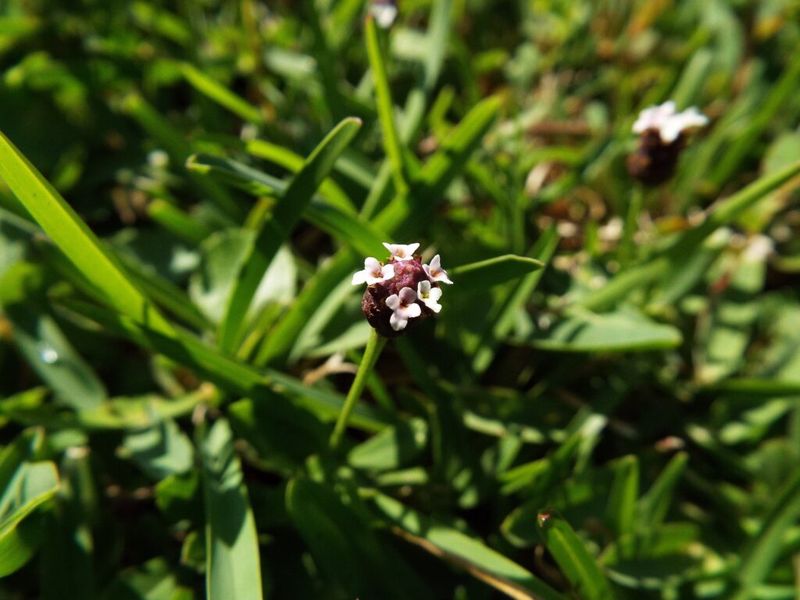
Let’s clear something up right away: frogfruit does not repel chinch bugs, and it does not do anything to harm them directly. If you plant frogfruit hoping it will chase bugs away from your yard, you will be disappointed.
That is not how it works, and setting the right expectation here matters a lot. The real advantage of frogfruit is strategic. St. Augustinegrass is the turf that chinch bugs target most aggressively.
When you replace sections of St. Augustinegrass with frogfruit, you are simply reducing the amount of vulnerable grass in your yard. Less susceptible turf means there is less area for chinch bugs to cause serious harm.
You are shrinking their preferred feeding ground, not driving them off.
Frogfruit works especially well as a replacement in low-traffic areas where a traditional lawn is not really necessary. Think of shady side yards, sloped areas that are hard to mow, spots under large trees, or decorative borders along fences and walkways.
These are the zones where St. Augustinegrass often struggles anyway, making them perfect candidates for a frogfruit swap.
For active chinch bug infestations, you will still need to use other management strategies like proper watering, avoiding excess nitrogen fertilizer, and consulting with a local extension service for treatment options. Frogfruit is one piece of a smart lawn care plan, not the whole solution on its own.
Combined with good lawn practices, though, it is a genuinely useful and underrated tool. Using native plants to reduce lawn vulnerability is a forward-thinking approach that makes your yard more resilient over the long run.