The Smartest Native Plant For Ohio’s Hottest, Driest Corners
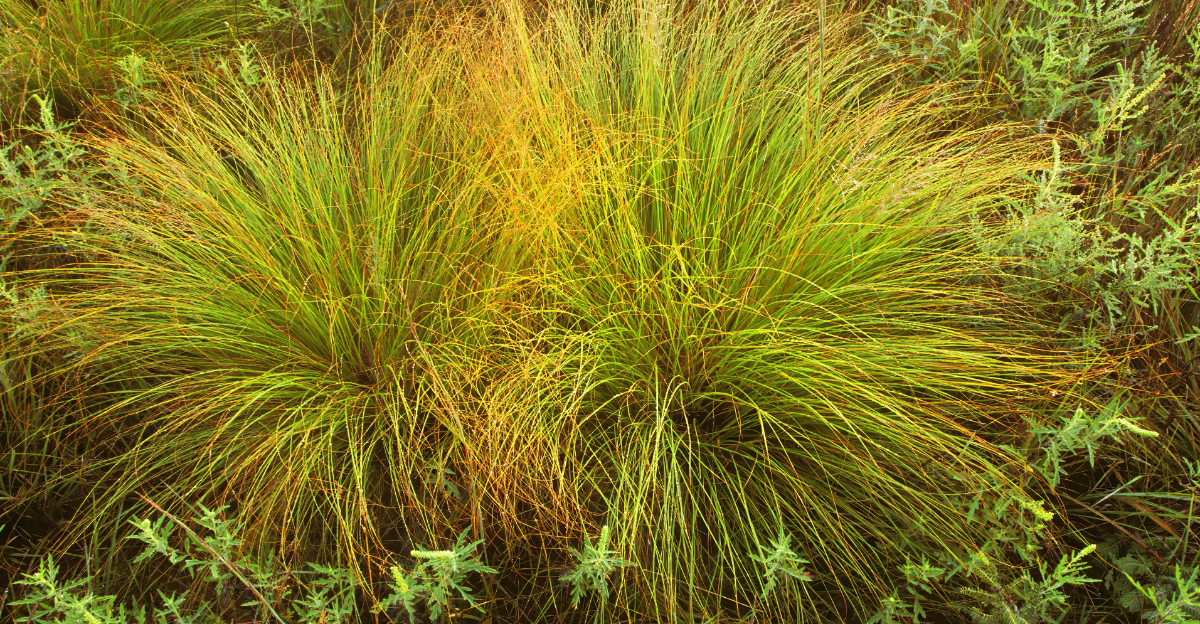
Every Ohio yard has a corner that defeats everything planted in it. Full sun, reflected heat, soil that dries out before the week is half over, and a history of failed plants that made the spot feel like a permanent problem rather than an unsolved one.
It is not permanent. It is just waiting on the right plant.
Ohio’s hottest, driest corners were not always considered problems. They were prairie.
Open, sun-baked, seemingly hostile ground that supported an entire ecosystem built around exactly the conditions that send most garden plants into decline. One native grass from that ecosystem handles the corner that nothing else survived.
It does not fight the heat. It was shaped by it, over thousands of years, in conditions that make a dry Ohio garden corner feel like home rather than hardship.
The corner that defeated everything else finally has a plant worth putting in it.
1. Prairie Dropseed Feels At Home Where The Soil Bakes
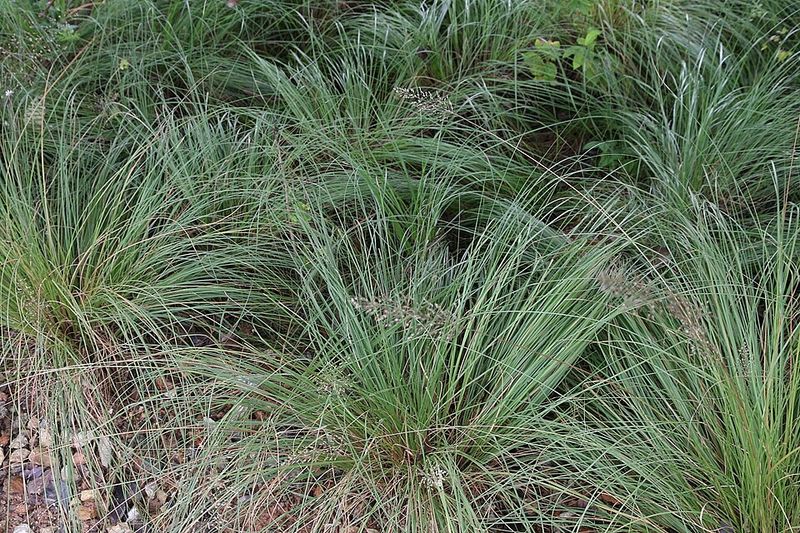
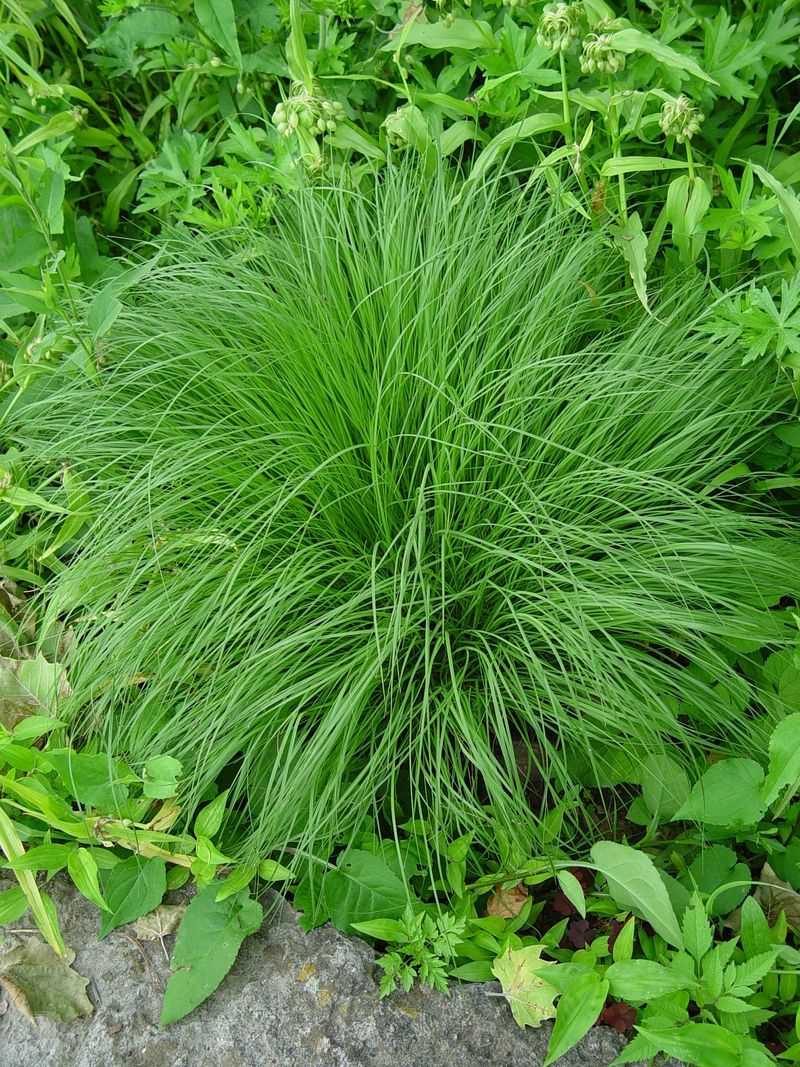
Few plants look as comfortable in a sun-baked, open bed as a well-sited grass that evolved on the North American prairie. Sporobolus heterolepis is native to Ohio’s remnant prairies and dry open habitats.
Full sun, lean soil, and periodic dry spells shaped its growth over many generations. That ecological background makes it a genuinely sensible fit for exposed residential sites.
What horticulturists mean by dry soil is not soil that never receives moisture. It means soil that drains quickly after rain and does not stay saturated.
A well-drained sunny slope, a raised bed, or a lean open border can all qualify. These are not sterile or ruined sites.
They simply shed water faster than a rich, amended border would.
Full sun drives the plant’s best performance. Strong light supports dense, upright foliage and reliable flowering.
A site that receives unobstructed sun through the hottest part of the day is often exactly the kind of spot where prairie dropseed settles in well. Gardeners who struggle with a bright, exposed corner that seems to resist most ornamentals may find this grass fits that description naturally.
One important note: a hot, dry prairie site and a scorching urban heat pocket beside dark pavement are not the same thing. Matching the plant to a genuinely sunny, well-drained garden bed is the right starting point.
2. Deep Roots Help It Handle Long Dry Stretches
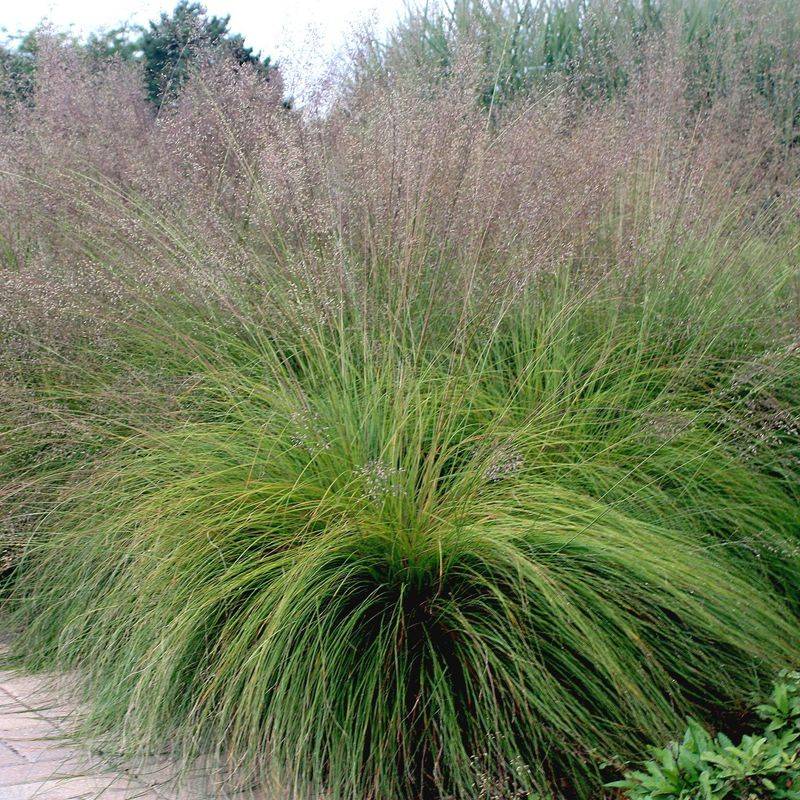
An established clump of prairie dropseed draws on a perennial root system that develops over time beneath the soil surface.
Unlike annual plants that start fresh each year, this grass rebuilds from existing roots, giving it a head start when dry weather arrives in summer.
That stored root capacity helps it access moisture held deeper in the soil profile.
Exact root depth figures for this species are not widely published in species-specific research.
What is well supported is that prairie grasses as a group develop extensive fibrous root systems that improve their ability to find and use available soil moisture.
Your Ohio Garden Changes Every Week. Your Plan Should Too.
Gardening in Ohio changes quickly throughout the season. Every Friday you’ll receive a simple weekly plan showing exactly what to plant, prune, fertilize, harvest, and protect so you never miss the right timing.
Overstating a precise depth would go beyond what the evidence supports for Sporobolus heterolepis specifically.
Drought tolerance in this grass also connects to its warm-season growth pattern. Warm-season grasses make their most active growth during the hotter months when cool-season lawn grasses often slow down.
This timing means prairie dropseed is physiologically active precisely when summer heat and dry soil are most likely to occur.
Newly planted specimens do not yet have that established root network. They need consistent moisture while their roots develop and spread into surrounding soil.
Skipping establishment care can set a young plant back significantly. Soil moisture and weather conditions should guide watering decisions rather than a fixed schedule.
Once roots are well established, the grass handles dry stretches with considerably more ease.
3. Poor Soil Can Keep This Grass Looking Its Best
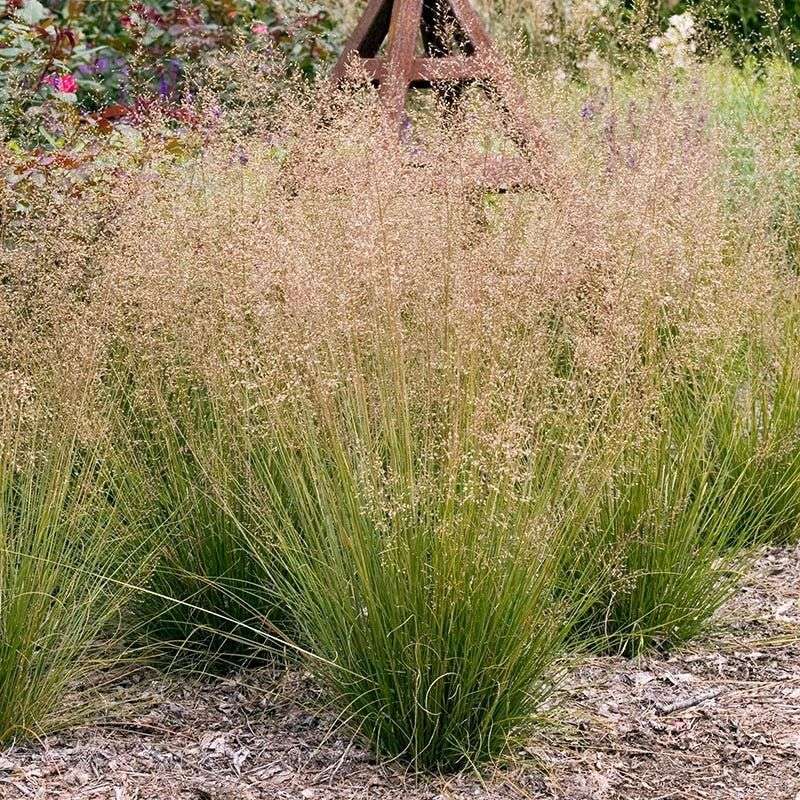
Lean Ohio garden soil is often treated as a problem to fix. Bags of compost get added, fertilizer gets spread, and the bed gets enriched before anything goes in the ground.
For many ornamentals, that approach makes sense. For prairie dropseed, it may not be necessary and could work against the plant’s natural form.
Sporobolus heterolepis is described by authoritative horticultural sources, including the Missouri Botanical Garden, as performing well in average to poor soils. It tolerates sandy soils, lean soils, and reasonably well-drained clay.
Soils that are not highly fertile tend to suit it well. Excessively fertile conditions can encourage overly lush, floppy growth that undermines the plant’s naturally tidy, upright shape.
That does not mean gardeners should deliberately remove good topsoil or create artificial hardship. A naturally lean, well-drained bed is simply a good candidate for this grass without requiring heavy soil amendment.
If genuine uncertainty exists about soil fertility, a basic soil test can provide useful guidance before planting.
Clay soil deserves a careful distinction here. Prairie dropseed can tolerate clay when that clay drains adequately after rain.
Constantly saturated clay is a different situation entirely and creates conditions this grass does not handle well. Soil type and drainage behavior are related, but they are not the same thing.
A clay bed that drains reasonably well is a viable site. One that stays wet is not.
4. A Neat Clump Fits Spots Where Taller Natives Feel Too Wild
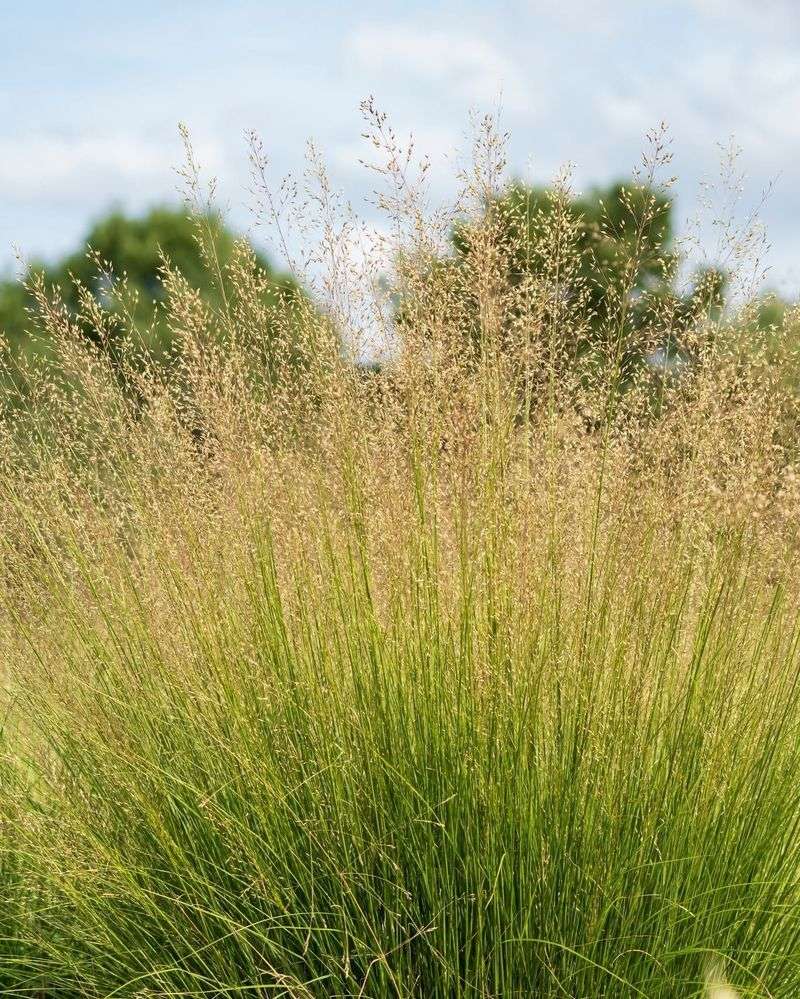
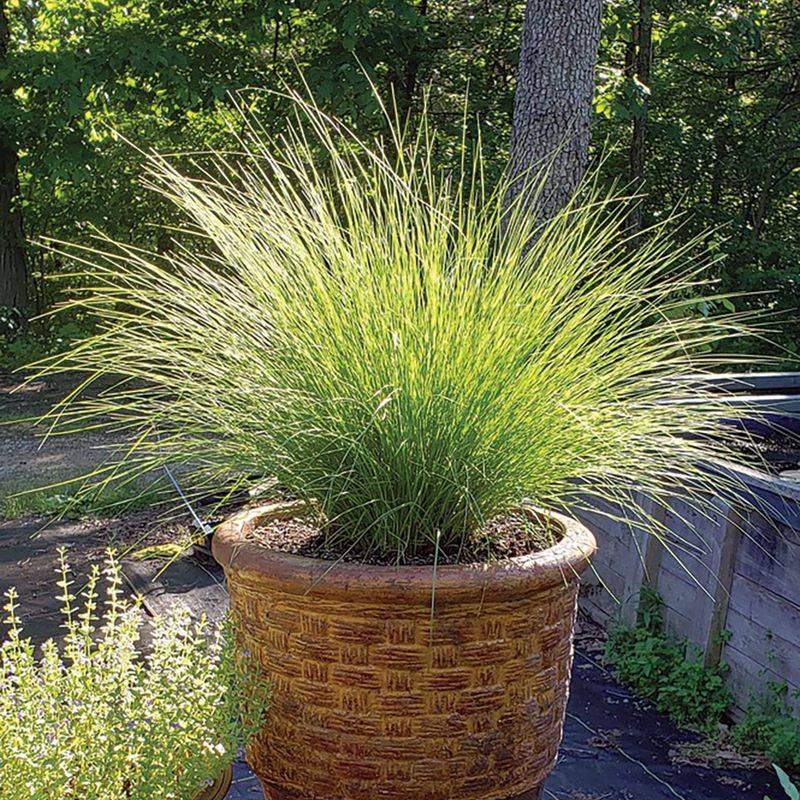
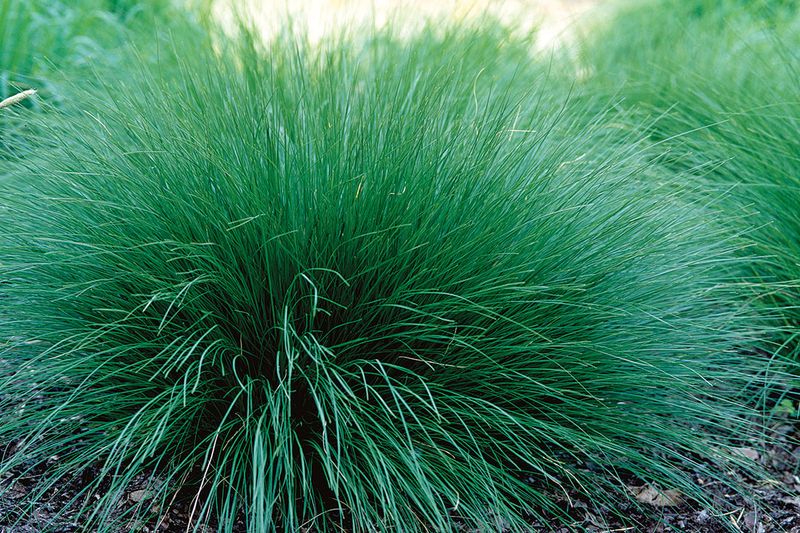
Compact and fountain-like, a mature clump of prairie dropseed brings a sense of order to a planting that a larger native grass might overwhelm.
The foliage typically reaches around two feet in height, while the airy flower panicles rise above that, often reaching two and a half to three feet.
That scale fits neatly into a front border, a path edge, or a small open bed.
The plant forms a defined clump rather than spreading through aggressive underground stems. Established clumps can enlarge gradually over years, but the species is not known for running or taking over surrounding ground.
That restrained behavior makes spacing and placement easier to plan with confidence.
In garden design terms, prairie dropseed occupies a useful middle ground. It carries the character of a prairie grass without the bold vertical statement of species like big bluestem, which can reach six feet or more.
For a residential corner where scale matters, that difference is meaningful. The fine leaf texture also reads as softer and more refined than coarser native grasses, which can help it blend into more structured plantings.
Mass plantings of three or more clumps spaced appropriately can create a cohesive, low-maintenance sweep across a dry bed. Repeated groupings along a path edge or foundation bed can give the landscape a polished, intentional look.
With good clearance and airflow, they also connect the planting to the region’s native plant heritage.
5. Airy Summer Flowers Add More Than Just Texture
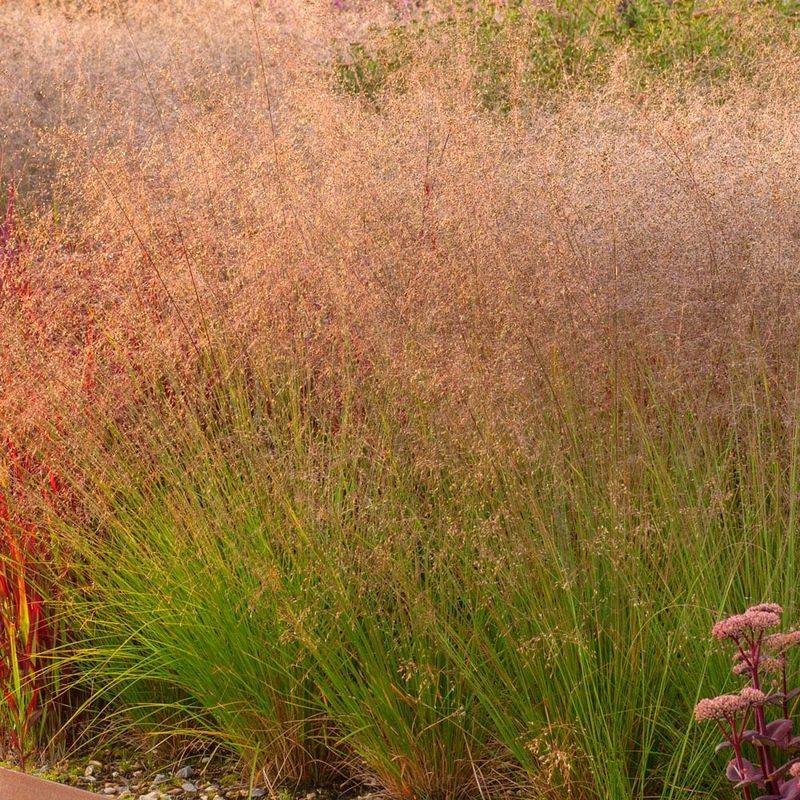
By late summer in Ohio, the flower panicles of Sporobolus heterolepis open into something almost cloud-like above the foliage. The branching structure is fine and open, creating a hazy, transparent effect rather than a dense seed head.
Light passes through the panicles in a way that shifts their appearance through the day, especially in low morning or evening light.
Bloom time generally falls in late summer, which makes the display timely for a garden that may be looking tired by August. Authoritative sources, including the Missouri Botanical Garden, place the flowering period in late summer to early fall.
Exact timing varies with the site and season.
One of the more distinctive qualities associated with this grass is its fragrance. The flower panicles are often described as having a noticeable scent that some people compare to buttered popcorn, while others detect a coriander or cilantro note.
Scent perception varies considerably from person to person, so individual experience may differ. The fragrance is generally subtle rather than overwhelming.
Because grasses are wind pollinated, prairie dropseed’s flowers do not function as nectar sources for bees or butterflies. The ecological value of the seed, however, has been noted in some sources as potentially useful to ground-feeding birds.
That relationship is worth keeping in mind without overstating it. The main seasonal contribution here is visual: a soft, floating texture that extends the garden’s interest well into early fall.
6. Fall Color Keeps The Dry Corner Interesting
By the time late summer tips into autumn, the fine blades of prairie dropseed begin shifting away from green. Authoritative horticultural sources include the Missouri Botanical Garden and Morton Arboretum.
They describe the fall color as ranging through shades of gold, orange, and bronze. The exact tones vary from plant to plant and from season to season.
Site conditions, genetics, and weather patterns all influence how a particular clump colors up in any given year. A gardener who expects identical copper tones every fall may be disappointed.
What is more reliable is that the foliage does change in a visually meaningful way, extending the plant’s seasonal contribution beyond its summer flowering period.
That autumn display matters for a site that might otherwise look bare or brown once summer perennials fade. A difficult, sun-baked corner can carry genuine warmth and interest well into fall.
A well-established clump can keep the display going through October and into November.
Prairie dropseed is a warm-season perennial grass, which means it enters dormancy as temperatures drop. It does not remain green through winter.
The standing foliage and dried seed structure can still provide some visual interest during quieter months, though heavy snow or ice may flatten the clump.
Extension horticulturists commonly recommend leaving the foliage in place through winter before cutting it back in early spring.
This protects the crown and adds modest off-season structure.
7. Too Much Shade Can Spoil Its Best Shape
Light is not separate from this plant’s performance. It is central to it.
Sporobolus heterolepis is a prairie grass, and the prairie is defined by open sky and unobstructed sun. When that light is reduced significantly, the plant’s naturally tidy form tends to suffer.
Authoritative sources consistently list full sun as the preferred condition for prairie dropseed. Some sources note tolerance of light shade, but performance in shadier conditions is generally described as weaker.
Growth may become looser and less upright. Flowering can diminish.
The compact fountain shape that makes this grass so appealing in a designed landscape becomes harder to achieve without strong light.
This is worth considering carefully for any planting site near buildings, fences, or established trees. A spot that looks sunny in spring can receive far less light by midsummer once nearby trees leaf out fully.
Checking the light pattern across the full growing season, not just in early spring, gives a more accurate picture of what the site actually offers.
A genuinely hot, exposed garden corner is often an advantage for this grass rather than a liability. Strong sun through the day supports the dense, arching foliage and the open panicles that make the plant ornamentally worthwhile.
Sunlight and soil moisture are separate site factors. A sunny spot can still have poor drainage, and a shaded spot can still be dry.
Evaluating them independently leads to better planting decisions.
8. Good Drainage Still Matters Even For A Drought Tough Native
Handling dry soil well is not the same as tolerating wet feet. That distinction is worth stating clearly before placing any plant in a low spot, a slow-draining bed, or an area where water pools after rain.
Sporobolus heterolepis is not suited to standing water or sites that remain saturated for extended periods.
Drainage requirements for this species are well supported by horticultural sources. The Missouri Botanical Garden and other reliable references describe it as preferring well-drained conditions.
Clay soil is not automatically disqualifying. However, poorly drained clay creates a very different environment from the dry, open sites where this grass performs well.
The key question is not what the soil is made of. It is how long that soil holds water after a storm.
A simple observation over a few rain events can reveal a great deal about a site. Ground that stays soggy for more than a day or two after normal Ohio rainfall may not drain well enough for this grass.
A site where water moves through relatively quickly, even if the soil is clay-based, may work well with appropriate preparation.
Newly planted specimens still need moisture while their root systems develop, regardless of the site’s long-term dry character. Establishment care matters.
Once the plant is well rooted, its ability to manage dry periods improves considerably. Matching a plant to the conditions already present on a site, rather than forcing it into a spot it does not suit, is the most practical path to a lasting planting.