The Meaning Behind Hearing Katydids Every Night In Ohio Right Now
Katydids start up at dusk and do not stop. That rhythmic, insistent sound fills Ohio nights in late summer with a consistency that becomes part of the season itself.
Most people stop hearing it after a few days. It becomes background, ambient, just Ohio in August doing what Ohio in August does.
That sound is not random. It is a biological clock running on a schedule that has been keeping time in this region long before anyone was listening for it.
The timing of katydid calls, the intensity, the specific species producing the sound on a given night, all of it carries information about the season, the ecosystem, and what is coming next.
Rural tradition has read that information for generations and built real predictive belief around it.
What those nightly calls actually mean, scientifically and culturally, is a more layered story than late summer background noise suggests.
1. Katydids Are Calling For Mates After Dark
A single rasping pulse breaks the quiet just minutes after sunset, then another follows, and soon the whole yard seems to vibrate with the sound. That repetitive signal is not accidental.
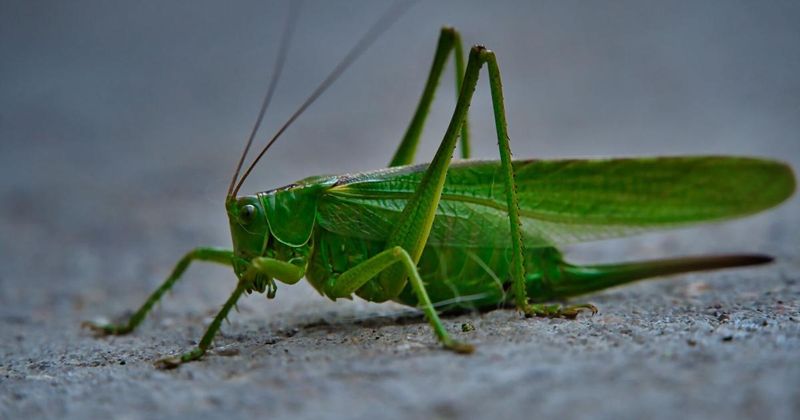
Male katydids produce most of these calls as a way to communicate their presence to potential mates nearby.
The sound is made through a process called stridulation. That means the male rubs a specialized scraper on one forewing against a ridged file on the other forewing.
The friction produces a rapid series of clicks or pulses that travel surprisingly far through dense vegetation. Different species create different rhythms, pitches, and pulse rates, so a single yard may carry several distinct patterns at once.
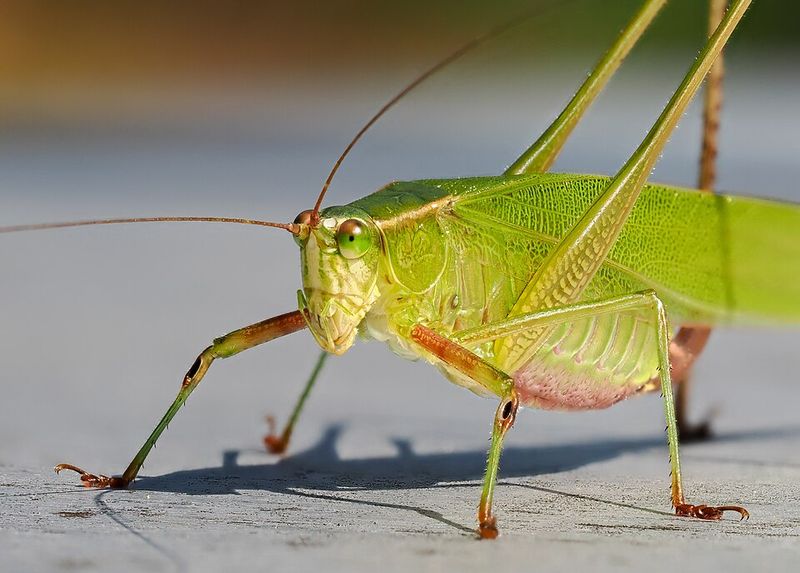
Females detect these calls using hearing organs located on their front legs. A receptive female may move toward a caller, though her response varies by species.
Some males also produce softer courtship calls once a female is nearby, and others may use calls to space themselves from competing males.
Not every nighttime sound you hear comes from a katydid. Crickets produce a smoother, more melodic chirp.
Tree crickets often create a continuous trill. Katydid calls tend to be sharper, buzzier, and more abrupt.
Knowing that difference helps you identify who is actually calling after dark.
2. Warm August Nights Turn Up The Volume
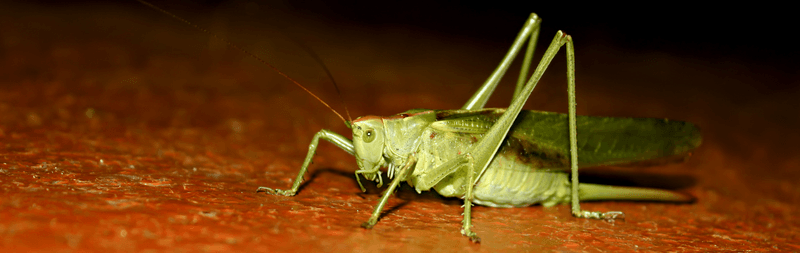
On a sticky August evening, the insect sounds seem to press in from every direction. That is not your imagination.
Katydids, like all insects, are ectothermic, meaning they rely on outside air temperature to regulate their body functions. Warmer air generally means more muscle activity, more movement, and more calling.
When nights stay warm, katydids can remain active for several hours after sunset. A mild temperature keeps their muscles working efficiently, which supports longer and more frequent calling bouts.
Cooler nights tend to slow things down, and you may notice the calls becoming less frequent or stopping earlier.
Ohio’s typical August weather, with nighttime lows often staying above 60 degrees Fahrenheit, creates conditions well-suited for extended katydid activity.
Humid air can also help carry sound farther, which may make the chorus seem louder even if the number of insects has not changed.
Your Ohio Garden Changes Every Week. Your Plan Should Too.
Gardening in Ohio changes quickly throughout the season. Every Friday you’ll receive a simple weekly plan showing exactly what to plant, prune, fertilize, harvest, and protect so you never miss the right timing.
Wind, rain, and sudden temperature drops can briefly quiet the calling. A passing storm may silence a yard for an hour or more.
Once conditions settle and temperatures stay comfortable, the calling usually resumes. The volume you hear on any given night reflects the current weather just as much as the number of insects nearby.
3. Peak Season Brings The Chorus To Life
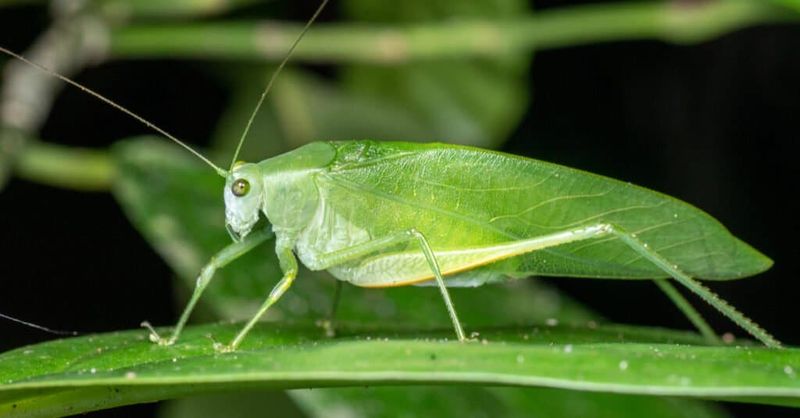
Early summer nights in the Midwest are relatively quiet compared to what August brings. The shift happens because most katydid species spend the winter as eggs buried in soil or tucked into plant tissue.
Those eggs hatch in late spring, releasing tiny wingless nymphs that begin feeding and growing.
Nymphs pass through a series of developmental stages called instars. With each stage, they grow larger and develop more defined wing pads.
By midsummer, many individuals are approaching their final molt into winged adults. That adult stage is when males can finally stridulate and females become reproductively ready.
In Ohio and across the broader Midwest, the peak calling period for many common katydid species falls between late July and early September. The exact timing shifts depending on species, local habitat, elevation, and the weather patterns of that particular year.
A cooler spring can delay development, while a warm one may push the chorus earlier.
Some people connect the first katydid calls to an old saying about weeks until frost. That piece of folklore is not supported by scientific research and should not be treated as a reliable forecast.
The calls simply mean that adults have matured and mating season is underway, which is exactly what late summer is designed to support.
4. Male Katydids Lead The Nightly Serenade
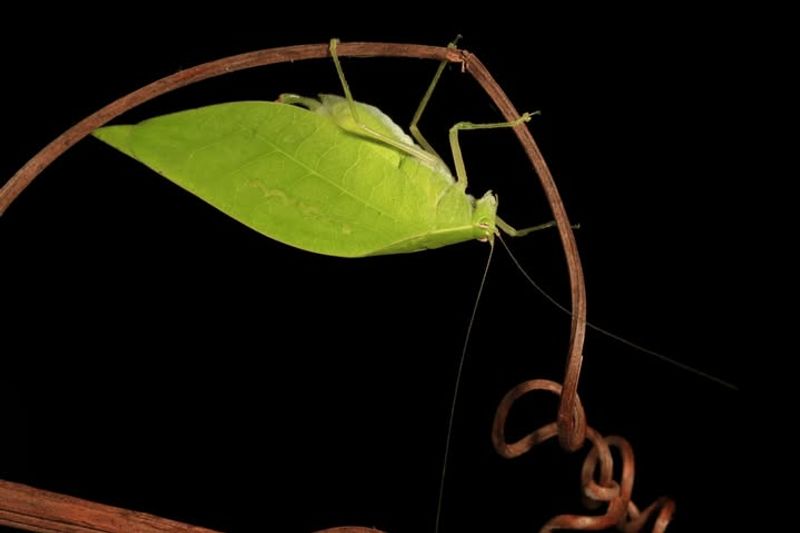
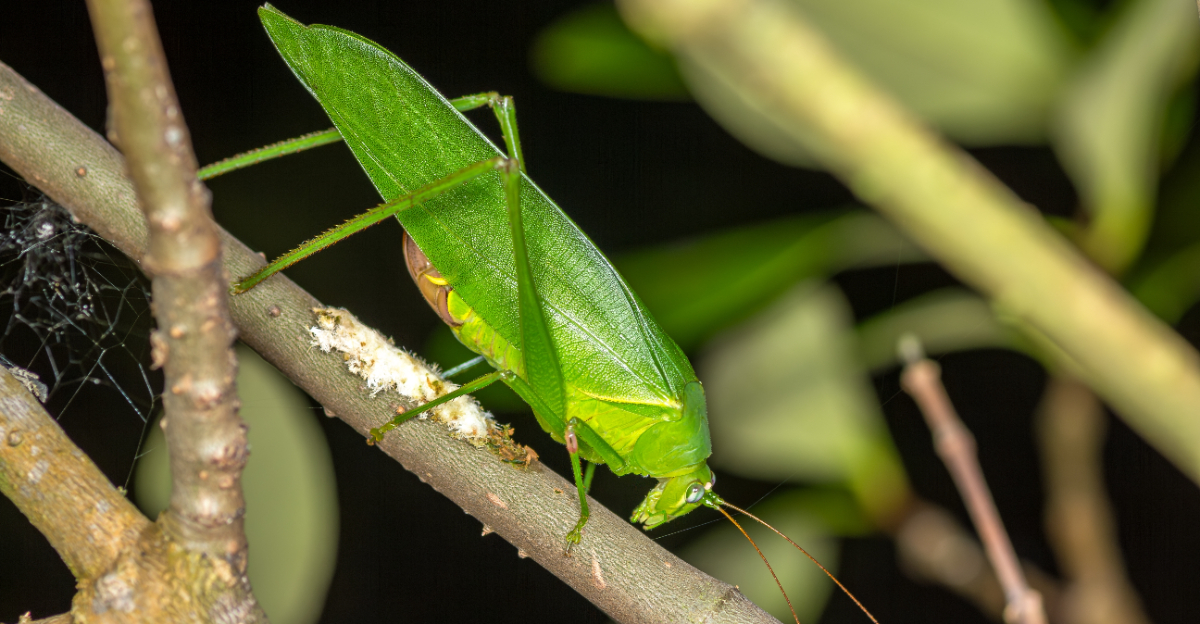
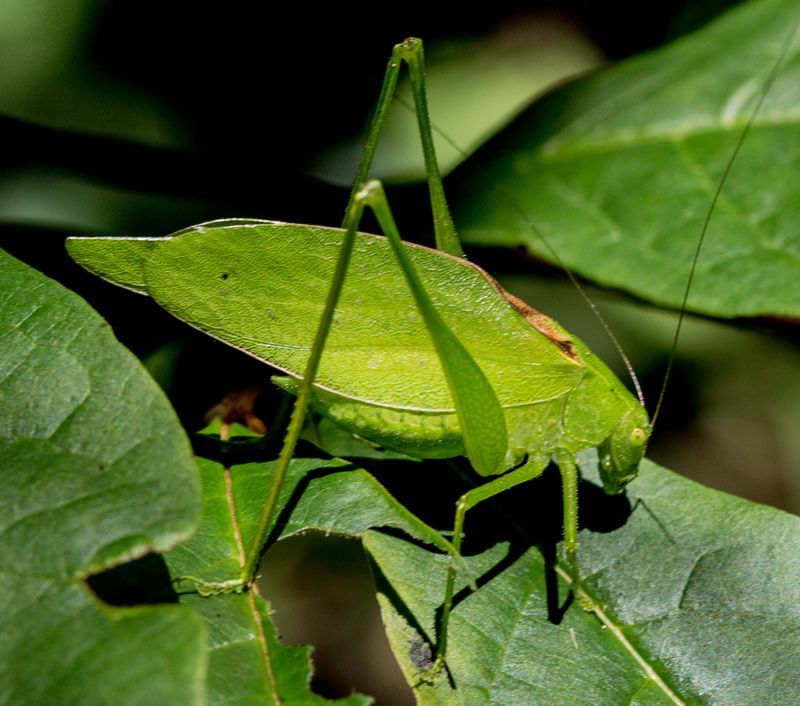
Look closely at a shrub or low tree branch on a warm night, and the caller may be just a few feet away without you realizing it. Katydids are remarkably difficult to spot despite how loud they can be.
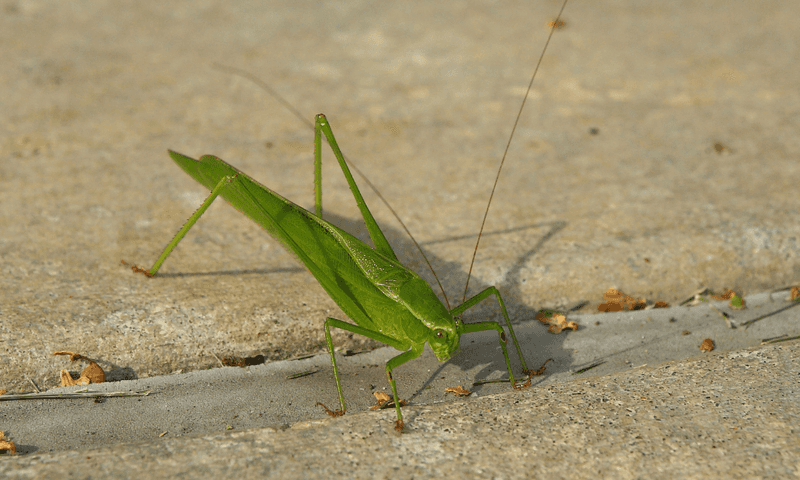
Their flattened, oval bodies closely resemble leaves, complete with vein-like markings on their wings. Green coloration blends seamlessly into summer foliage.
Males are the primary producers of the loud advertising calls. A single male may call repeatedly from one perch for an extended stretch of time.
Other males in the same area often call from their own positions in nearby shrubs or trees, creating a layered effect where multiple signals overlap.
That overlap is why the sound can seem to surround you completely. Each male is calling independently, but together they create a broad, continuous pulse that fills a yard or woodland edge.
Some species tend to call in loose aggregations, while others remain more solitary in their spacing.
Females generally do not produce the same loud advertising calls, though some species have quieter responses.
A female katydid listens from her perch and may move toward a male that meets her criteria, though the details of that selection process vary across species.
The caller you hear is almost always a male advertising his presence to any receptive female within range.
5. Temperature Changes Shape Their Rhythm
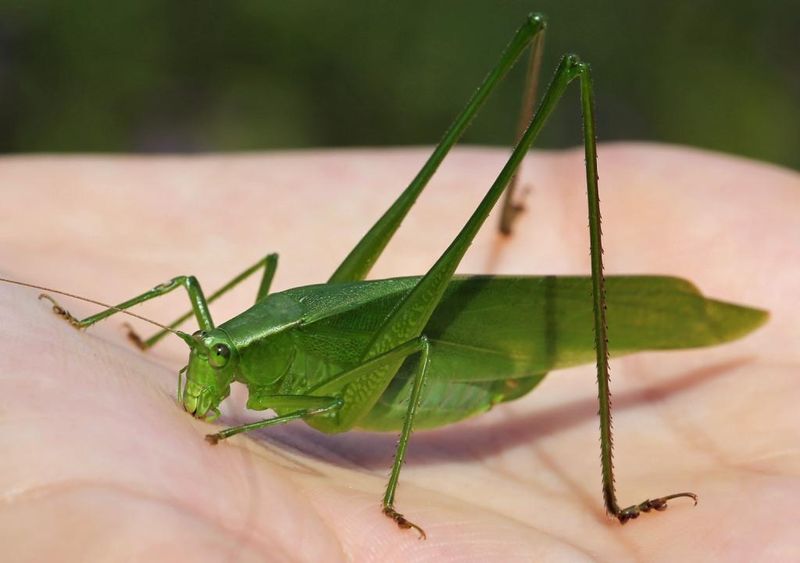
Right after sunset, the calls often sound brisk and rapid. By midnight, if the air has cooled noticeably, those same calls may slow down and space out.
That change reflects how temperature directly affects insect muscle function. Cooler muscles contract more slowly, which produces a slower call rate.
This pattern is well-documented in insects generally, though the precise relationship varies by species. For katydids, warmer conditions support faster pulse rates, while cooler air tends to stretch the gaps between pulses.
Listeners in a single backyard may notice this shift over the course of one night without any change in the number of insects present.
Humidity, wind, and time of night all play additional roles. A breeze that drops the temperature by several degrees can cause a noticeable pause in calling.
Rain has a similar effect. Once conditions stabilize, calling usually resumes at a rate that matches the new temperature.
Yards near woodland edges or dense plantings may hold warmth longer than open lawns, which can extend the calling period in those spots.
If you hear different rhythms from different corners of the same yard, that variation may come from multiple species calling at their own rates.
It could also come from small differences in the local temperature across those areas.
6. Leafy Backyards Create The Perfect Stage
Dense shrubs pressed against a fence and a row of ornamental grasses along the garden edge help. So does a canopy of mature trees overhead, and together they create exactly the kind of layered habitat katydids prefer.
These insects need vegetation for shelter, feeding, calling perches, and eventually egg laying. A yard that offers multiple plant layers tends to support more katydid activity than a closely mowed lawn with little structure.
Woodland edges, hedgerows, and meadow-like plantings are particularly attractive. Native plants often provide both the food sources and the structural complexity that support a range of insect species, including katydids.
Many katydid species feed on leaves, flowers, and plant tissue, so access to diverse vegetation matters.
A yard with regular nighttime calling can indicate that the habitat supports a reasonably active insect population. That said, calling alone does not confirm the overall health of a complex ecosystem.
Use cautious thinking: it can suggest suitable conditions, but it does not prove everything is thriving.
Reducing unnecessary pesticide use in areas where you want to support beneficial insects is a practical step. Spot treatments applied only when a specific pest problem is confirmed are far less disruptive than broad applications.
Keeping some natural plant structure, like leaf litter, brush edges, and native shrubs, helps. It gives katydids and other insects places to shelter and reproduce through the season.
7. The Chorus Signals A Lively Summer Habitat
Sound often reveals wildlife that daylight keeps hidden. A yard full of calling katydids at night is also a yard where bats may be hunting.
Frogs may be waiting near garden edges, and birds may have spent the day foraging through the same shrubs. Katydids occupy a notable position in the food web as prey for a wide range of animals.
Birds, bats, spiders, praying mantises, and frogs are among the predators that feed on katydids. Some parasitic wasps and flies also target them.
That variety of predators reflects how katydids connect different parts of a late-summer ecosystem. Their presence supports animals that depend on insect protein through the warm months.
Most katydid species feed on plant material, including leaves, flowers, seeds, and fruit. A few species also consume smaller insects.
The diet varies, so not every species has the same effect on the plants around it. Casual backyard observations almost never involve population levels that cause significant plant damage.
If you notice unusual leaf damage on specific plants alongside a very high concentration of katydids, a closer look is reasonable. Nighttime calling alone, however, is not evidence of a harmful infestation.
The sound you hear most evenings across local neighborhoods simply reflects normal late-summer biodiversity, not a problem that needs to be addressed.
8. Cooler Nights Will Quiet The Performance
By mid-September, something shifts. The gaps between calls grow longer, and some nights feel noticeably quieter than they did just a few weeks earlier.
That change is not sudden. The chorus fades gradually as nights cool and adult katydids complete their seasonal life cycle.
Adult katydids do not survive through winter. As temperatures drop and frost becomes more frequent, adult activity slows and eventually stops.
Females deposit eggs in soil, plant stems, or bark before the season ends. Those eggs are built to withstand cold temperatures and will remain dormant through winter before hatching the following spring.
The pace of that decline depends on several factors. Species vary in their cold tolerance.
Local habitat can hold warmth longer in some spots than others. A stretch of warm September weather may extend calling for a week or two beyond what a cold snap would allow.
The first frost is one factor, but the chorus often thins before any frost arrives.
What residents across the state are hearing right now, in late summer, is the most active and consistent phase of the katydid calling season. The long, reliable nightly pulse from the trees and shrubs reflects a population of adult males at peak reproductive activity.
Enjoy the regularity of it while the warm nights last in Ohio, because the quiet of autumn is already on its way.