Why Arizona Yards May See More White-Lined Sphinx Moths In Late Summer
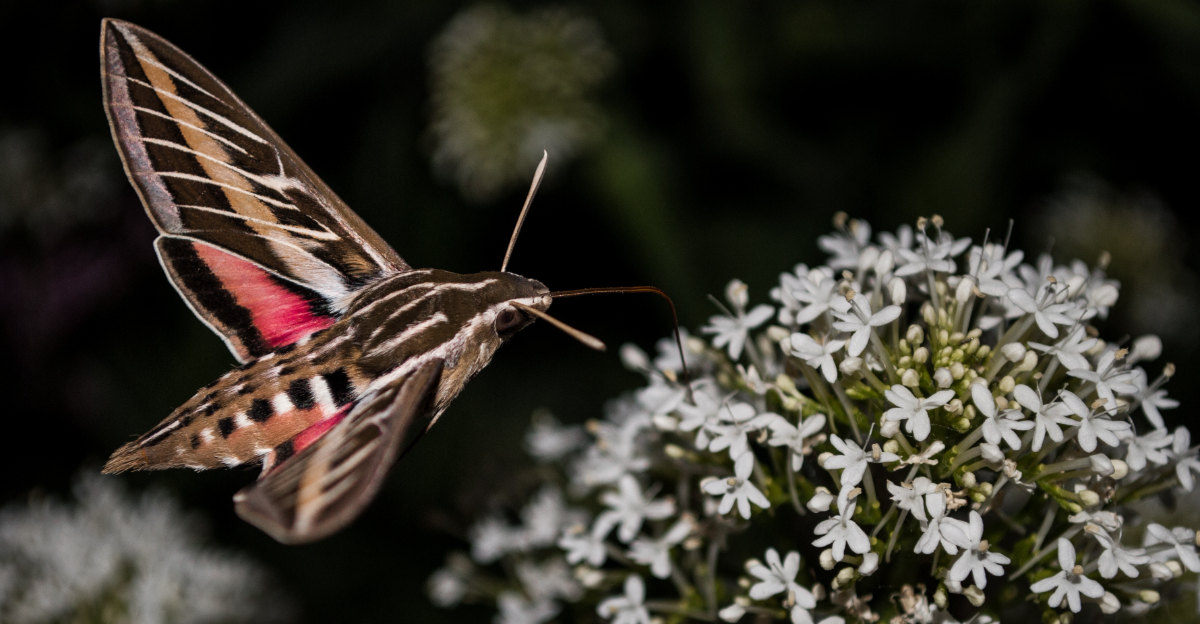
Something humming around your flowers after sunset might fool you into thinking a tiny bird has arrived for dinner.
White-lined sphinx moths move with remarkable speed. Their hovering flight and long feeding tubes make an evening visit hard to miss once you notice them.
Late summer can bring more of these striking moths into view around Arizona yards.
Your flowering plants may suddenly seem much busier near dusk. Watch those fast visitors closely, because their seasonal activity follows changes happening beyond your patio or garden beds.
This burst of movement is not simply another strange summer surprise.
Warm nights, available blooms, and their natural life cycle all play a role in when these moths become noticeable. Their arrival can turn an ordinary evening outside into one of summer’s more memorable wildlife moments.
1. Monsoon Rains Can Boost Their Food Supply
Rain changes everything in a desert yard. When monsoon storms roll through in July and August, the ground soaks up moisture fast, and plants respond almost overnight.
Weeds, grasses, and wildflowers that sat dormant suddenly shoot up and spread across gardens and open areas.
White-lined sphinx moth caterpillars feed heavily on plants like purslane, four o’clock, and various desert weeds. More rain means more of these plants, which means more food available for caterpillars to grow on.
A well-fed caterpillar moves through its life stages more successfully.
Yards near washes or low spots tend to collect extra runoff. Those areas often green up faster after storms, making them especially attractive spots for egg-laying moths looking for good food sources.
Not every monsoon season is the same, though. Some years bring heavy rains while others stay dry, which directly affects how much plant growth occurs and how many caterpillars can survive.
Watching which plants come up after a good rain can give you a clue about what to expect. If purslane carpets your yard or four o’clocks bloom heavily, caterpillar activity may follow.
Paying attention to plant growth after each storm is a simple way to predict whether moth numbers might be higher than usual later in the season.
2. Caterpillars Grow Quickly Before Becoming Pupae
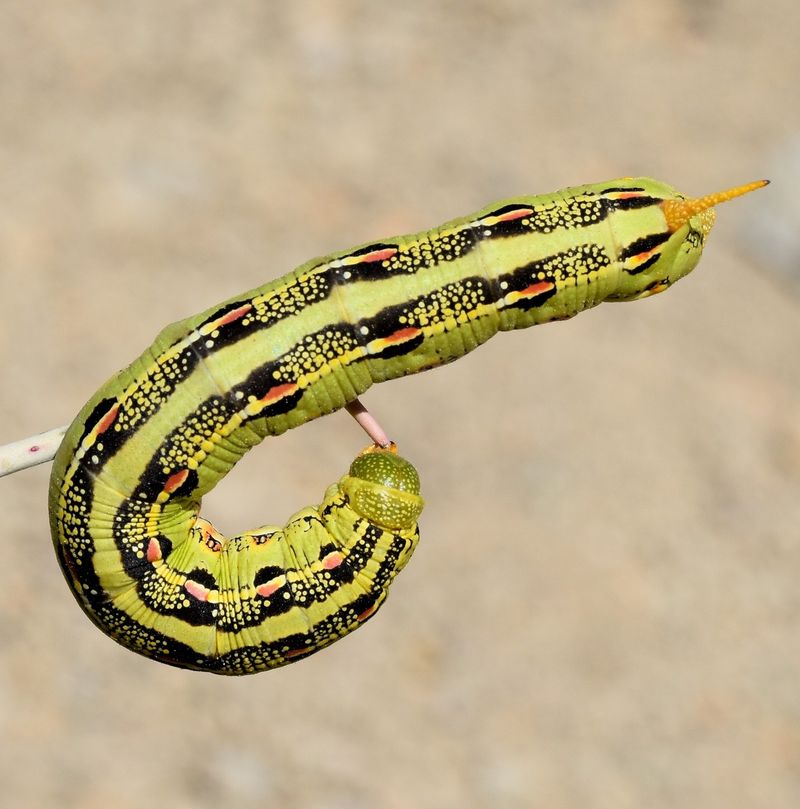
Spotting a large caterpillar with a horn on its back can be a real surprise. White-lined sphinx moth caterpillars are hard to miss.
They can grow up to three inches long and come in color variations ranging from bright green to nearly black, often with yellow side stripes.
Growth happens fast once caterpillars hatch. They eat almost constantly, moving from plant to plant as they work through each larval stage.
Within a few weeks, a tiny hatchling can reach full size and be ready to pupate underground.
Late summer gives caterpillars warm soil temperatures and plenty of plant material to feed on. Both conditions help speed up development.
Cooler nights in early fall can slow things down, so the timing of monsoon rains matters quite a bit for how quickly a generation completes its cycle.
Caterpillars spend time near the base of host plants when they are not actively feeding. Gardeners sometimes find them while weeding or turning soil.
Your Arizona Garden Changes Every Week. Your Plan Should Too.
Gardening in Arizona changes quickly throughout the season. Every Friday you’ll receive a simple weekly plan showing exactly what to plant, prune, fertilize, harvest, and protect so you never miss the right timing.
Leaving a small area of undisturbed ground near garden edges can give pupating caterpillars a safe spot to burrow. Once underground, they form a hard pupal case and wait for the right conditions to emerge as adults.
That waiting period can last weeks or carry through to the following season depending on temperature and moisture.
3. Adult Moths Emerge After The Caterpillar Stage
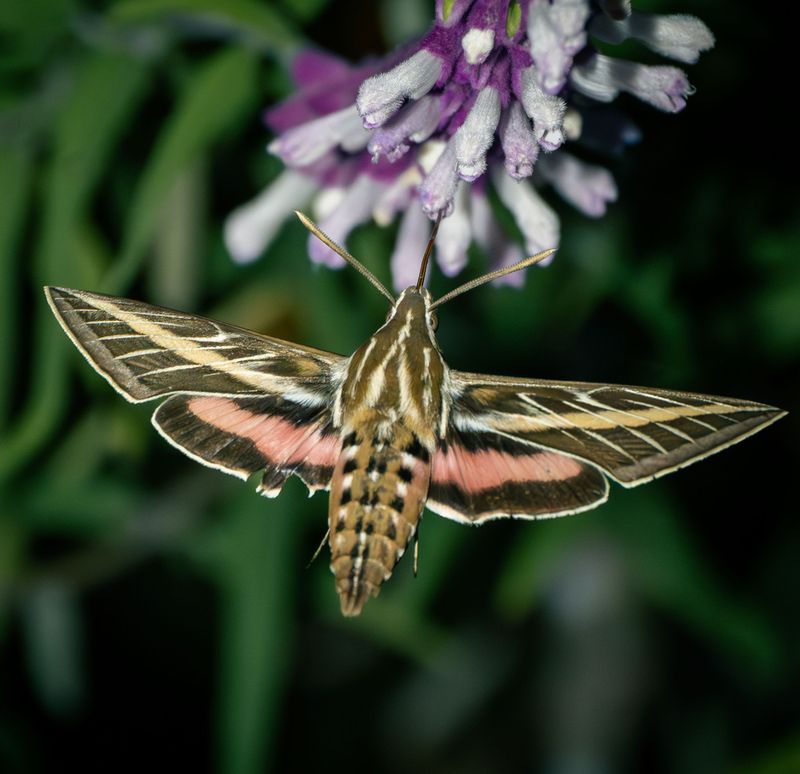
Emergence does not follow a strict calendar. Adult white-lined sphinx moths come out of the pupal stage when soil temperature, moisture, and daylight length line up in the right way.
Late summer rains can trigger a wave of adults to emerge within a short window.
Once above ground, adults have one main goal: finding flowers to feed on and mates to reproduce with. They are strong fliers and can cover a lot of ground in a single night.
Yards with flowering plants become natural stopping points along their route.
Adult moths do not eat solid food. They feed on nectar using a long proboscis, which works similarly to a drinking straw.
Flowers with deep tubes, like petunias or jimsonweed, are especially useful to them because of how the proboscis is designed.
An adult’s lifespan above ground is relatively short, lasting a matter of weeks under typical conditions. During that time, females lay eggs on host plants and the cycle begins again.
A single monsoon season can support more than one generation if conditions stay favorable long enough.
Seeing adults in your yard does not mean caterpillars are far behind. Eggs may already be on nearby plants.
Checking the undersides of leaves on purslane or four o’clocks can sometimes reveal small, round eggs shortly after adult moths are spotted flying around.
4. Flowering Plants Draw Them Into Yards
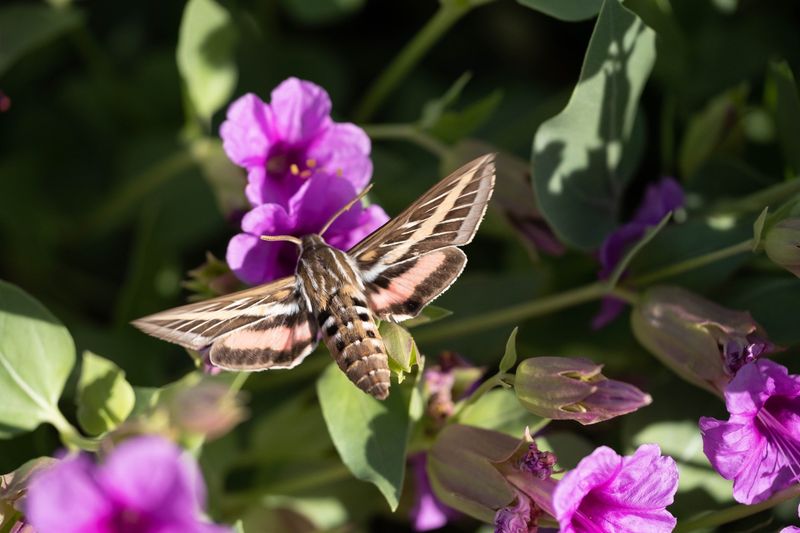
Flower choice makes a real difference in whether sphinx moths visit your yard. Certain blooms act like signals that pull these moths in from a surprising distance.
Scent plays a big role, especially from flowers that release fragrance after sundown.
Four o’clocks are one of the most reliable attractors in desert gardens. They open in the late afternoon and stay open through the night, offering nectar right when adult moths become most active.
Petunias, especially light-colored varieties, also work well because they are visible in low light and produce strong scent.
Native plants like sacred datura and desert willow can attract sphinx moths too. Sacred datura in particular has large, white trumpet-shaped flowers that seem almost designed for long-tongued pollinators.
Planting a mix of native and adapted flowering plants gives moths more options and can keep them returning night after night.
Yards without flowering plants rarely see sphinx moth activity, even if caterpillars are present nearby. Adult moths need nectar to sustain energy for flight and reproduction.
Without reliable food sources, they move on quickly.
Adding a few night-blooming or late-afternoon-blooming plants to a garden border does not require a major redesign.
Even a few well-placed containers with petunias or four o’clocks near a patio can be enough to attract these moths on warm late-summer evenings.
5. Most Adults Become Active Around Dusk
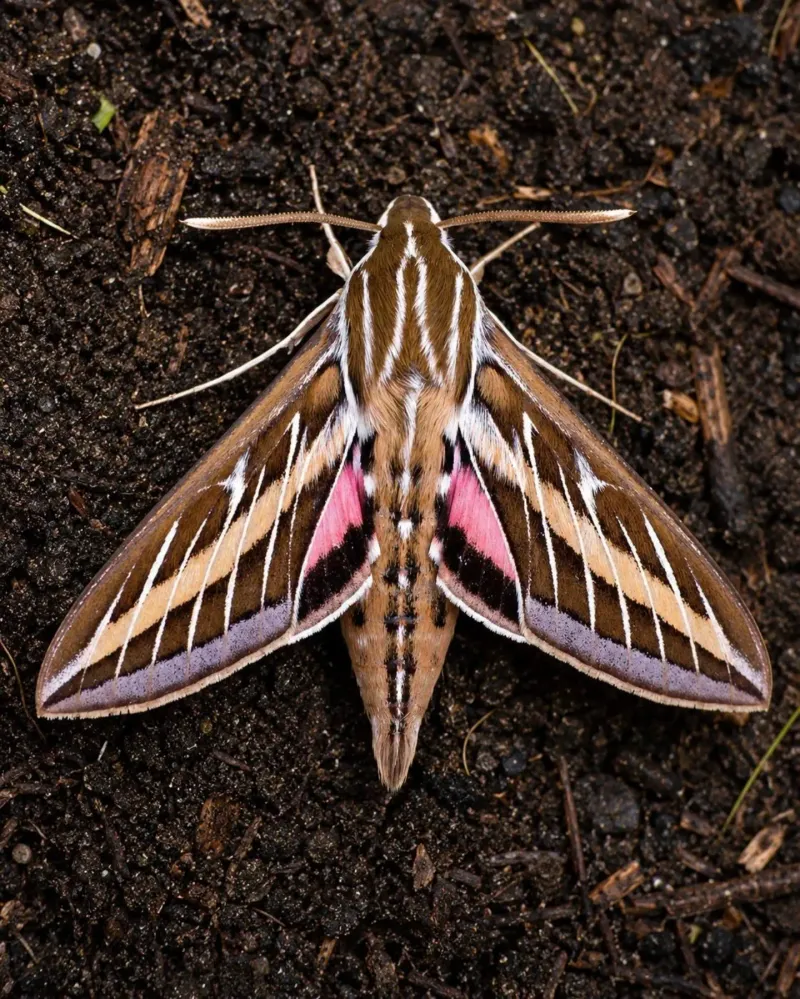
Catching a sphinx moth in action requires good timing. Adults start flying as daylight fades, usually within the first hour after sunset.
That narrow window is when they are most visible and most active in home gardens.
Hovering behavior makes them look like hummingbirds at first glance. Wings beat so fast they blur, and the moth holds itself steady in front of a flower while feeding.
Many people do a double take before realizing what they are actually watching.
Crepuscular activity, meaning activity at dawn and dusk, helps moths avoid some daytime predators. Flying in lower light also suits their navigation style.
Sphinx moths use scent and low-light vision to locate flowers, which works better in dim conditions than in full sun.
Warm evenings encourage longer activity periods. On cool nights, moths may fly for a shorter window before temperatures drop enough to slow them down.
Late summer in the desert Southwest tends to stay warm well into the evening, which supports extended foraging time for adults.
Setting up a chair near flowering plants just before sunset can give you a front-row view. Bring a flashlight if you want a closer look, but keep the beam gentle.
Bright, direct light can startle moths and cause them to move on quickly. A red-filtered light is less disruptive if you want to observe without interfering.
6. Numbers Can Change From Year To Year
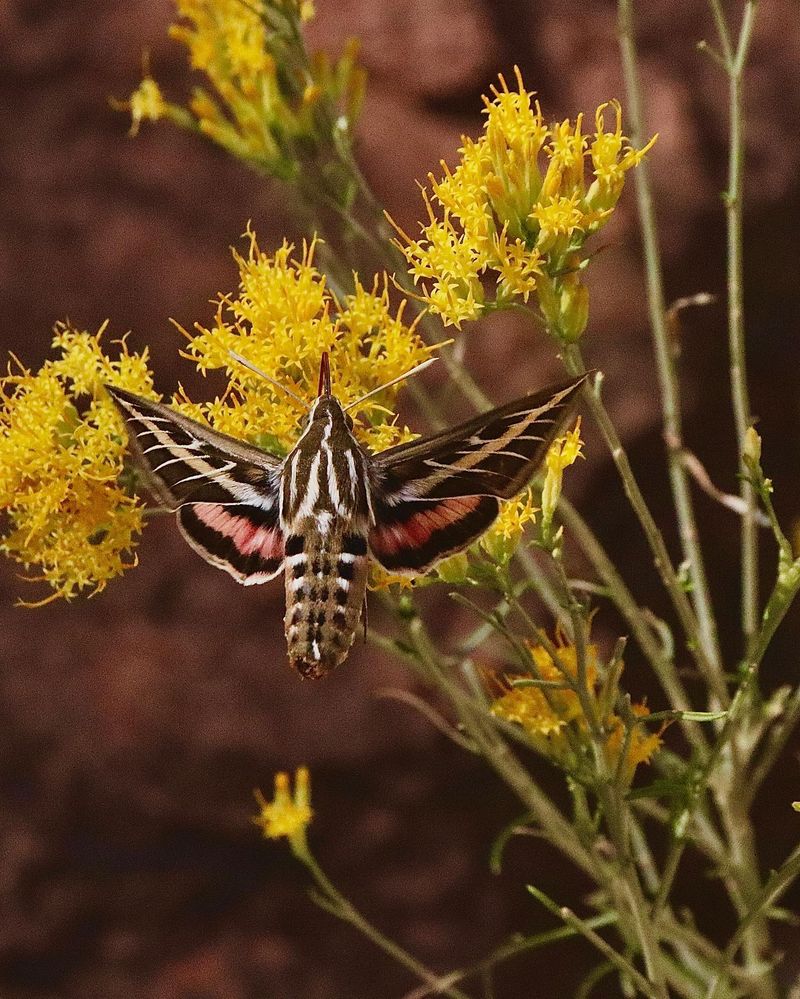
Population swings in white-lined sphinx moths can be dramatic. Some years, caterpillars seem to be everywhere.
Other years, you might barely spot one. Rainfall is probably the biggest driver of those swings, but it is not the only factor.
Egg survival depends on soil moisture and temperature at the time of laying. A dry spell right after eggs are laid can reduce how many hatch successfully.
Conversely, a wet monsoon season with consistent plant growth can support much larger numbers of developing caterpillars.
Predation also plays a role. Birds, lizards, and parasitic wasps all target caterpillars at different stages.
In years when predator populations are high, caterpillar survival rates may drop noticeably. Natural population controls like these are part of why numbers fluctuate rather than steadily building year over year.
Host plant availability ties directly into caterpillar success. If plants like purslane or four o’clocks are scarce due to drought or heavy weed removal, fewer caterpillars can reach adulthood.
Yards with diverse, naturalistic planting tend to support more stable moth populations over time.
Keeping a simple garden journal helps track patterns. Noting when you first see caterpillars each year, how many you spot, and what the rainfall has been like can reveal useful trends.
Over several seasons, those notes can help predict whether a given summer might bring higher moth activity than usual.
7. These Large Moths Are Important Pollinators
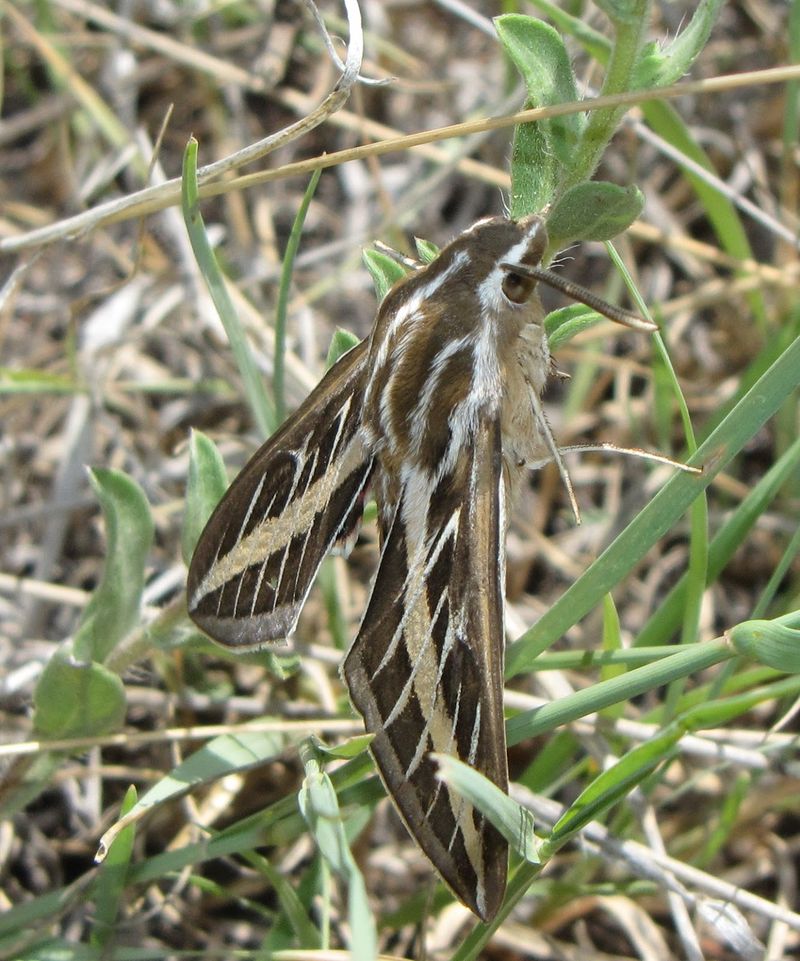
Pollination at night is a job that often goes unnoticed. While bees handle most daytime pollination, sphinx moths fill a similar role after dark.
Flowers that bloom in the evening rely heavily on moths and other nocturnal visitors to move pollen between plants.
Sacred datura is a good example. Its large white flowers open at night and close by midday.
Sphinx moths are among the primary visitors that pollinate it, transferring pollen as they move from bloom to bloom while feeding. Without that activity, seed production in these plants would be lower.
Pollen sticks to the moth’s body during feeding. As it moves to the next flower, some of that pollen transfers and fertilization can occur.
Sphinx moths visit multiple plants in a single night, which increases the chance of cross-pollination between individual plants.
Gardens that support sphinx moths indirectly support the plants those moths pollinate.
Some native plants in the Southwest depend on long-tongued pollinators because their flowers are shaped in ways that exclude shorter-tongued insects from reaching nectar.
Treating sphinx moths as welcome visitors rather than pests makes practical sense for any gardener who wants healthy, productive flowering plants.
Avoiding broad-spectrum pesticide use near host plants and night-blooming flowers helps keep both caterpillars and adults present through the season, supporting the broader garden ecosystem in a measurable way.