What To Do With Arizona Wildflowers Before They Go To Seed
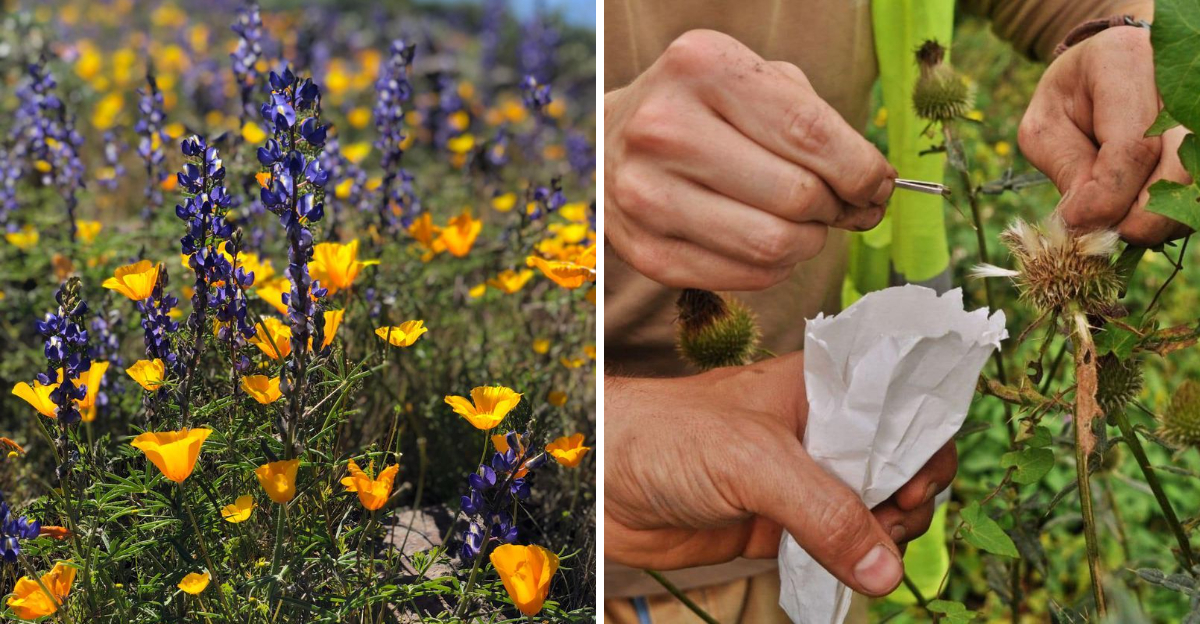
Wildflowers can make an Arizona yard look incredible in spring, but late season is where plenty of gardeners accidentally make the wrong move.
Color starts fading, seed heads appear, and suddenly people start cutting everything down without thinking twice about what happens next.
Few wildflowers actually benefit from staying untouched a little longer, while others can spread far beyond where they started once seeds fully dry out. Timing matters more than many people expect before summer heat fully takes over.
Many gardeners only realize something went wrong the following season when fewer flowers come back or certain areas start looking overcrowded.
Small choices now can completely change how those same wildflowers return later on, which is why this part of the season deserves far more attention than it usually gets.
1. Leave A Few Blooms Standing For Pollinators First
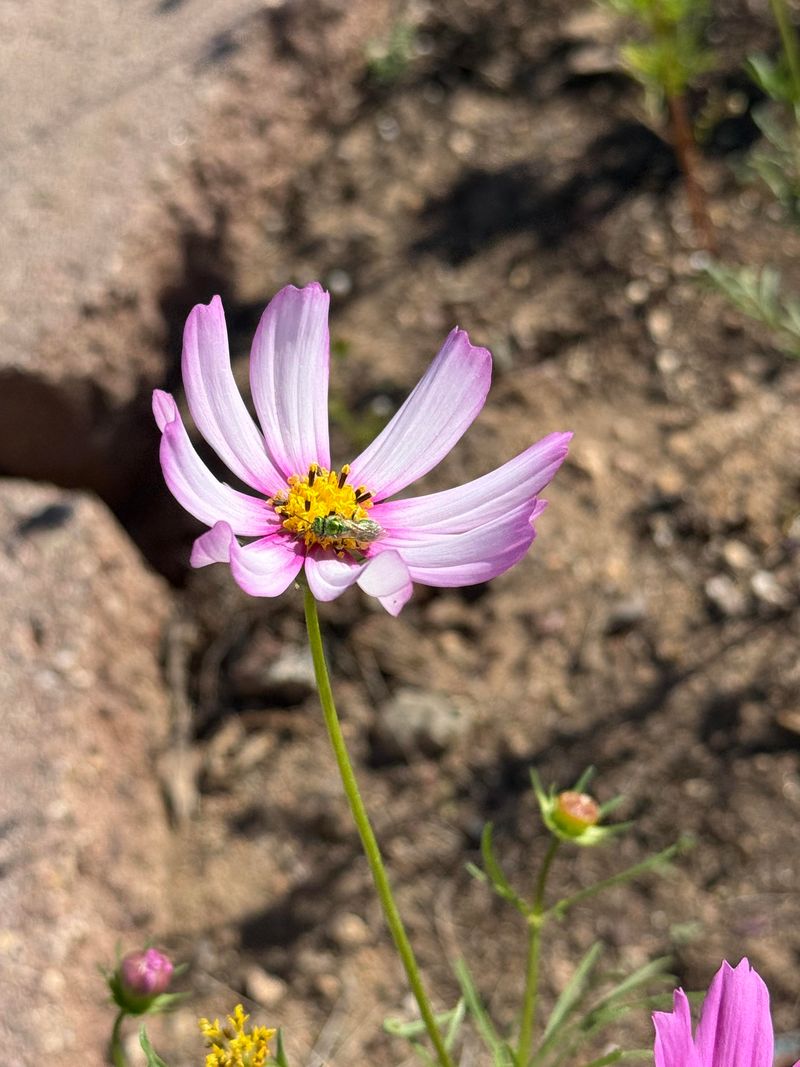
Before you start pulling anything up or cutting anything back, take a slow walk through your wildflower patch and just watch for a few minutes.
Bees, butterflies, and even some native wasps are still working those blooms hard, especially in the weeks right after peak color fades.
Pulling everything down too early cuts off a food source these insects genuinely depend on during a tricky transition period between seasons.
Native bees often have a second wave of foraging activity as temperatures shift in late spring. Globe mallow, Mexican gold poppy, and desert bluebells hold pollen and nectar well even as they age.
Leaving even a third of your blooms standing can make a real difference for local pollinator populations without sacrificing much of your garden cleanup schedule.
A good rule of thumb is to wait until you actually see more seed heads than open flowers before you start cutting. At that point, the pollinators have mostly moved on and you’re not taking anything away from them.
Rushing the cleanup can also mean disturbing ground-nesting bees that set up shallow nests right beneath wildflower patches during bloom season.
Once most of the petals have dropped naturally, seed heads also start to feed birds and other small wildlife, so leaving them a little longer can extend the value of the patch beyond just pollinators.
If you do start cleaning up, do it in sections instead of all at once so some areas stay undisturbed while others are being cut back.
2. Remove Dry Flower Heads Before Seeds Fully Scatter
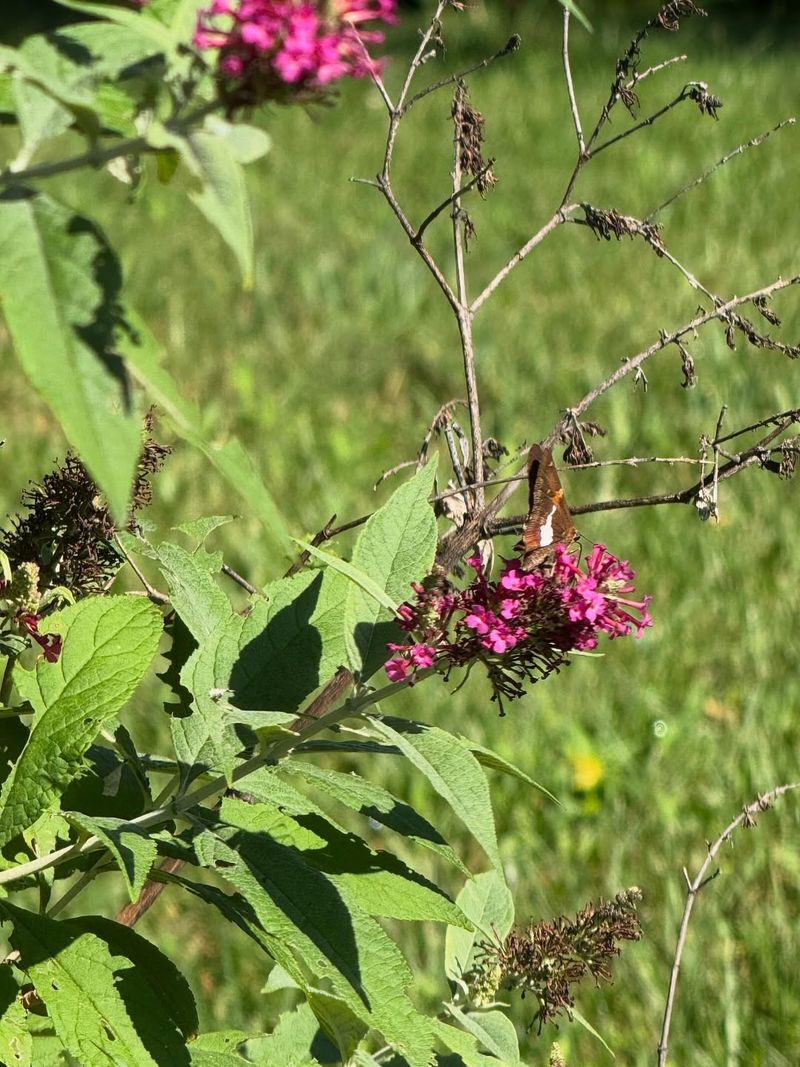
Timing is everything when it comes to collecting seed heads in Arizona. Wait too long and those seeds are already riding the wind or getting carried off by birds, ending up nowhere near where you actually want them.
Catch them just before full release and you get to decide exactly where next year’s wildflowers grow.
Dry flower heads that have turned papery and brown but still feel slightly closed at the tip are usually right at the sweet spot. Squeeze one gently between your fingers.
If seeds fall out easily, they’re ready. If the head feels stiff and sealed, give it another few days before you harvest or remove it from the plant entirely.
Your Arizona Garden Changes Every Week. Your Plan Should Too.
Gardening in Arizona changes quickly throughout the season. Every Friday you’ll receive a simple weekly plan showing exactly what to plant, prune, fertilize, harvest, and protect so you never miss the right timing.
In the Phoenix and Tucson areas especially, this window can be surprisingly short. Warm, dry winds in late April and May speed up seed dispersal faster than most gardeners expect.
Getting out into your wildflower patch every two or three days during this period keeps you ahead of the scatter and gives you control over your seed supply for next season.
3. Clear Crowded Areas Before Summer Heat Intensifies
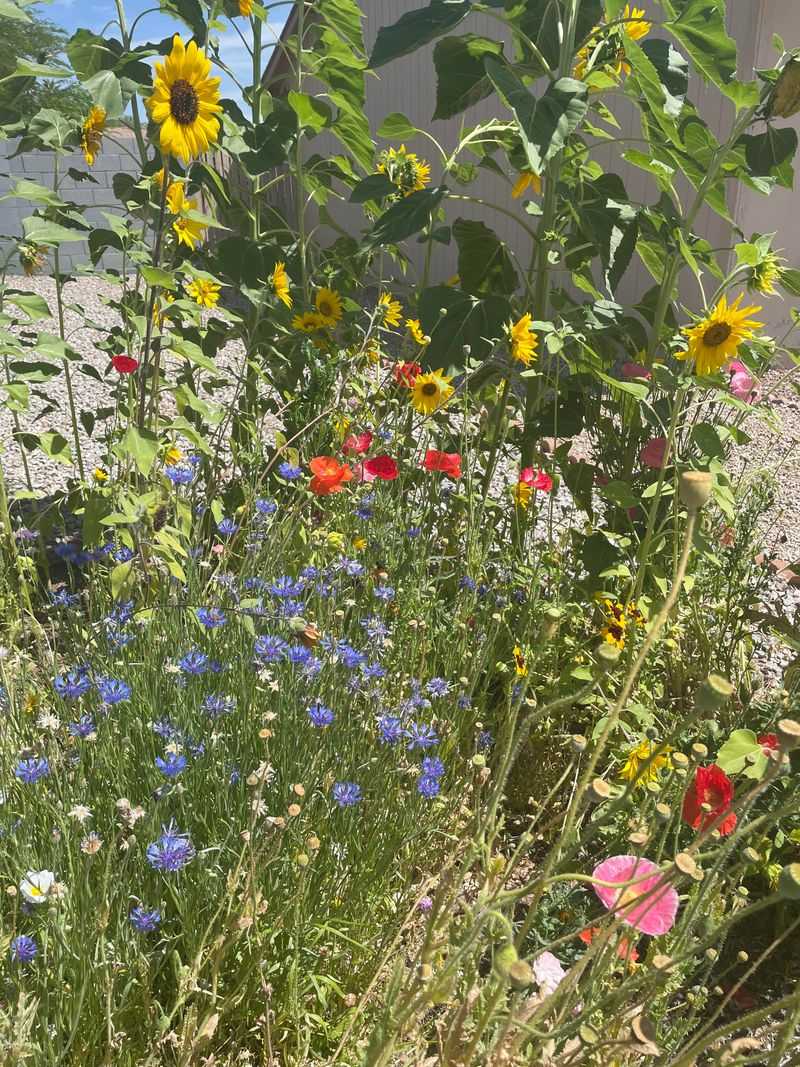
Crowded wildflower patches look lush during peak bloom, but once flowering slows down in Arizona, that density becomes a problem fast.
Thick, overlapping plant material traps humidity close to the soil and creates conditions where fungal issues can take hold just as summer temperatures start climbing toward triple digits.
Walk through your patch and identify spots where plants are clearly pressing against each other with no airflow between them.
Pull out the weakest looking specimens first, focusing on plants that barely bloomed or produced noticeably smaller flowers than their neighbors.
Thinning these areas out now makes the remaining root systems stronger and gives the soil a chance to breathe before monsoon season arrives.
In Tucson and the surrounding Sonoran Desert region, the period between late May and the first monsoon rains is particularly stressful for any remaining plant material.
Clearing overcrowded areas before that heat surge gives you a cleaner, more manageable garden space and reduces the amount of dry debris that can become a habitat for pests or a fire risk during the hottest months.
4. Cut Back Spent Growth Once Blooming Slows Down
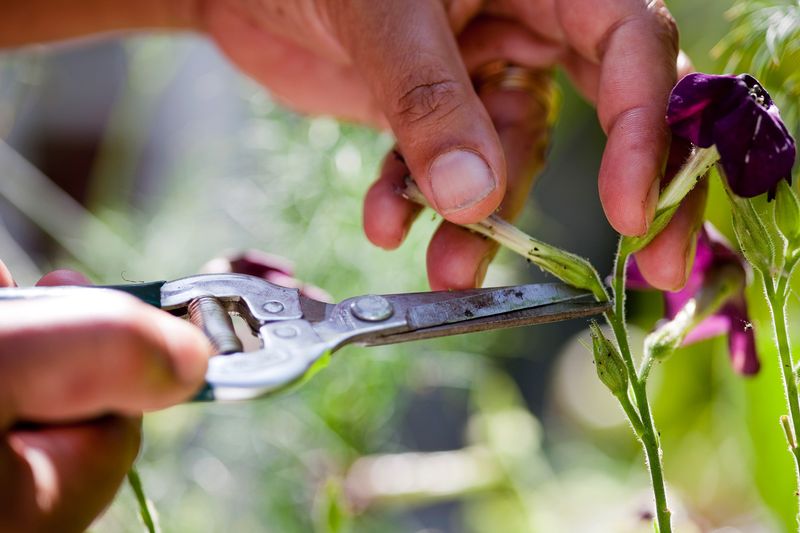
Spent wildflower stems left standing too long in Arizona’s heat become brittle, sharp, and honestly kind of a fire hazard in areas where dry brush accumulates.
Once blooming has clearly slowed and seed collection is done, cutting back the old growth is one of the most useful things you can do for your soil and your next planting season.
Cut stems down to about two or three inches above the soil line rather than pulling the entire plant out by the roots. Leaving a short stub protects the soil surface from direct sun and helps prevent rapid moisture loss in the weeks after cutting.
In Arizona’s desert environment, even a small amount of shade at the soil level makes a difference for the microorganisms living just below the surface.
Chop the cut material into small pieces and leave it as a light mulch layer rather than bagging it up and throwing it away.
Shredded wildflower stems break down relatively quickly in Arizona’s heat and add a small but real amount of organic matter back into typically thin desert soils.
Skip this step and you’re essentially hauling away free soil improvement.
5. Stop Extra Watering As Wildflowers Begin Fading
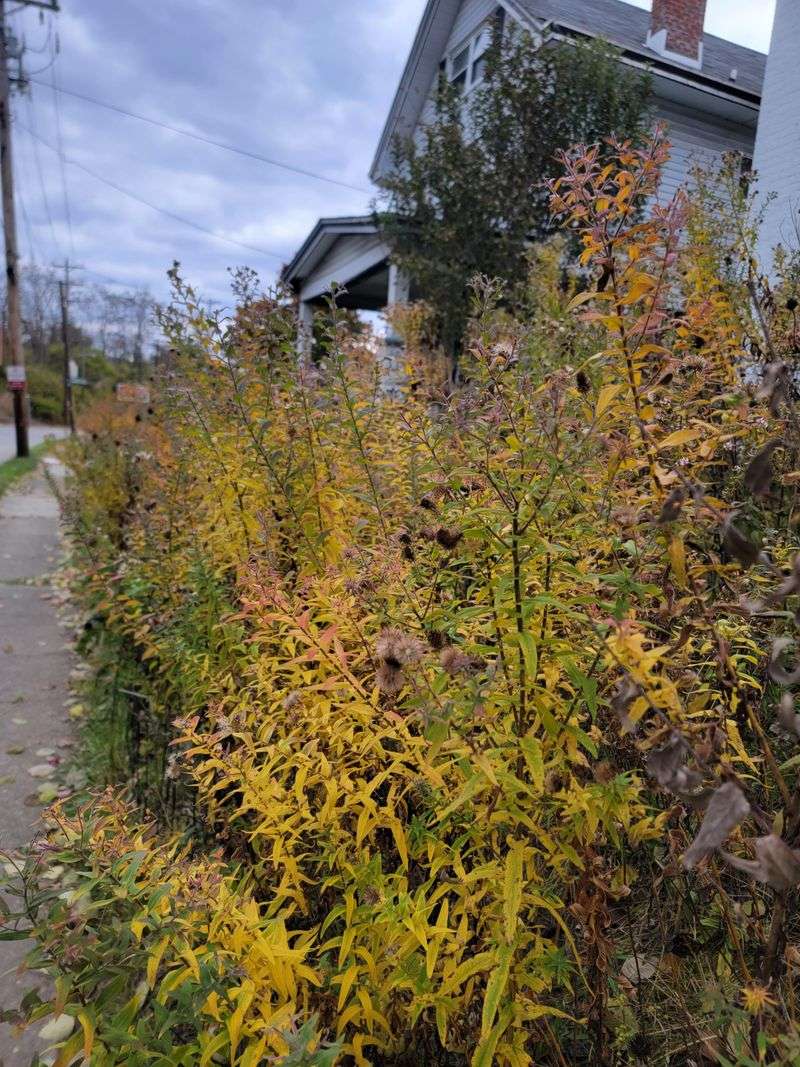
Watering fading wildflowers in Arizona is one of those habits that feels helpful but actually works against you.
Native Arizona wildflowers evolved to complete their seed cycle during a dry-down period, and adding supplemental water after bloom peak disrupts that natural process in ways that can reduce seed viability and encourage weak, leggy regrowth that serves no real purpose.
Pull back irrigation gradually rather than cutting it off all at once. Dropping from three times a week to once a week over about ten days gives plants a natural signal to wrap up their reproductive cycle and shift energy into seed maturation.
Abrupt changes in water can stress plants unnecessarily and sometimes trigger a confused second flush of growth that wastes the plant’s remaining resources.
Soil moisture monitoring is more useful than a fixed watering schedule at this stage. Push a finger two inches into the soil near your wildflower patch.
If it still feels cool and slightly damp, skip the watering session entirely.
Arizona’s dry spring air usually pulls moisture out of the top soil layer quickly enough that you’ll find yourself watering far less than you expected during this wind-down phase.
6. Save Healthy Seeds From Stronger Looking Plants
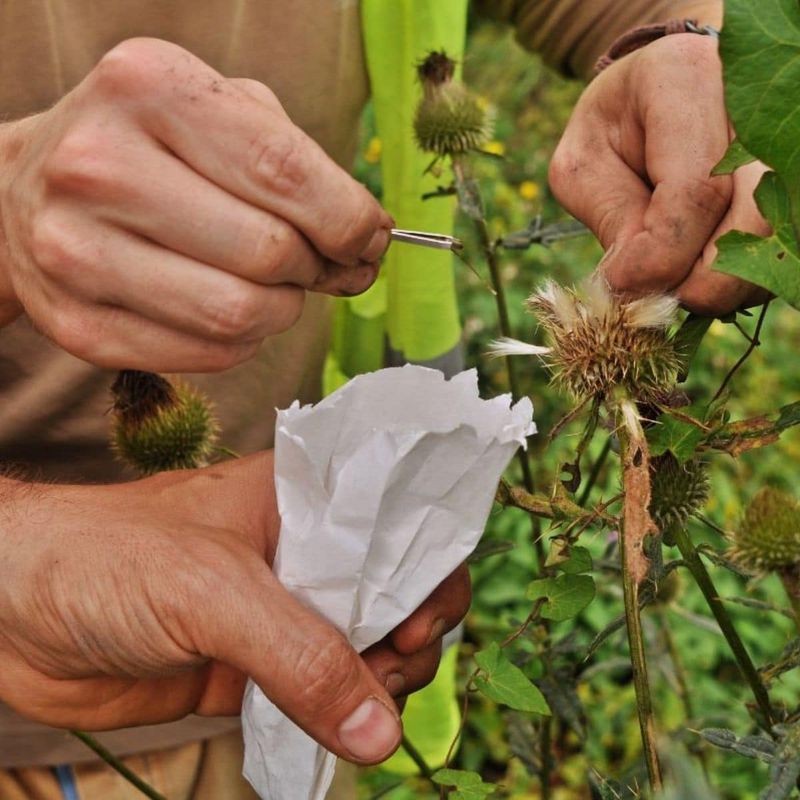
Not every plant in your wildflower patch is worth saving seeds from, and that distinction matters more than most people realize.
Plants that bloomed longer, stood up straighter through wind, or produced more flowers than their neighbors are naturally showing you which genetics performed best in your specific conditions.
Those are the ones worth saving.
Look for seed heads that are plump and full rather than shriveled or sparse. A healthy seed from a strong plant has a noticeably better germination rate than one collected from a stressed or crowded specimen.
In intense growing conditions, selecting for resilience over just appearance gives you a wildflower patch that actually improves year after year.
Separate your saved seeds by species and keep them in a cool, dry spot away from direct sunlight. An envelope inside a sealed container works well for most native wildflower seeds.
Avoid plastic bags that trap humidity, which is less of a concern in dry climates but still worth watching during the monsoon season when indoor humidity can spike unexpectedly.
7. Mark Successful Bloom Areas Before Next Spring Arrives
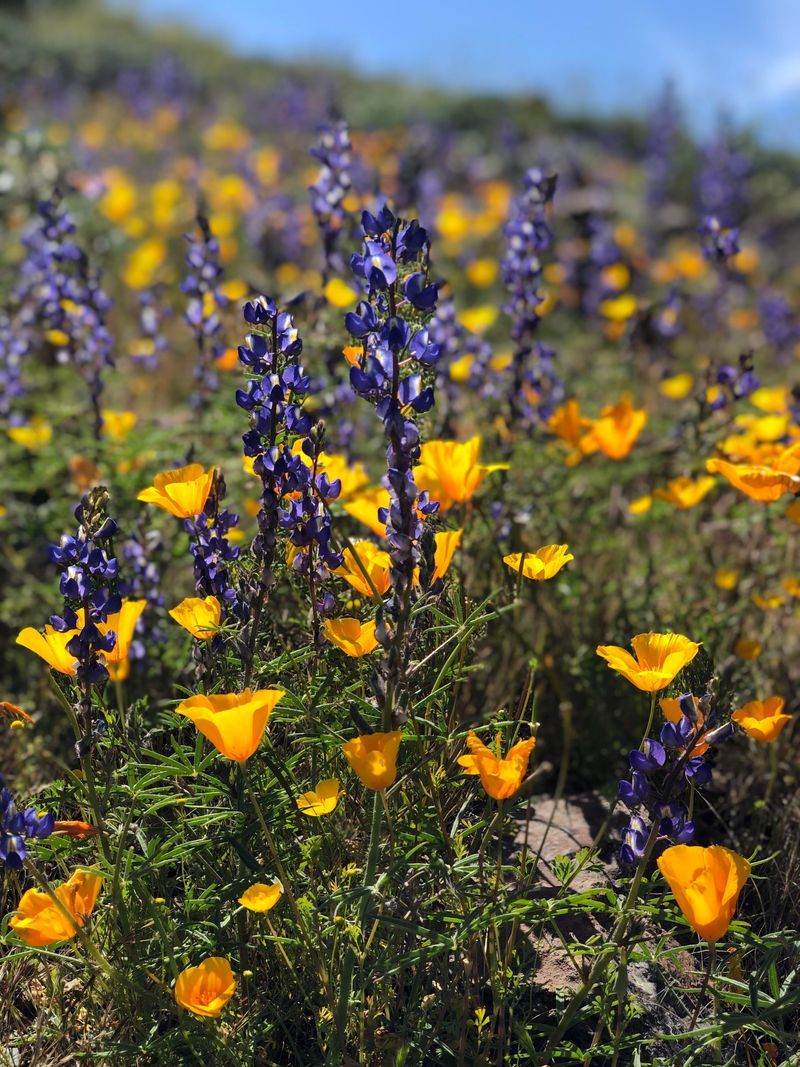
Memory is unreliable, especially across six or seven months of Arizona summer and monsoon season. Spots that produced incredible wildflower blooms in March and April can look completely bare and identical to every other patch of ground by July.
Marking your best bloom areas now while you can still see exactly where things thrived saves you a lot of guesswork come fall planting time.
Simple garden stakes work perfectly for this. Push a stake into the center of each area that performed well this season and tie a small piece of weatherproof flagging tape to the top.
Write the plant species on the tape with a permanent marker if you can, since knowing which species thrived in which exact spot helps you make smarter decisions about where to scatter seeds or add transplants next time around.
Take photos too, ideally from the same angle in a few different spots around your Arizona garden.
A photo from late April or early May captures the full bloom spread before cutback, giving you a visual map that no amount of stakes can fully replicate.
Date-stamp your photos so you have a clear seasonal timeline to reference when planning next year’s layout.