What to Plant in an Arizona Vegetable Garden Before Halloween for a Winter Harvest
While most of the country is putting gardens to bed, Arizona gardeners are just getting started. The weeks before Halloween bring warm days and cooler nights, which is exactly what cool-season vegetables love.
Plant now, and you can be picking fresh greens, crunchy carrots, and sweet peas all winter long. Here are ten smart picks that grow well in the low desert and give you real food for very little water and fuss.
1. Swiss Chard
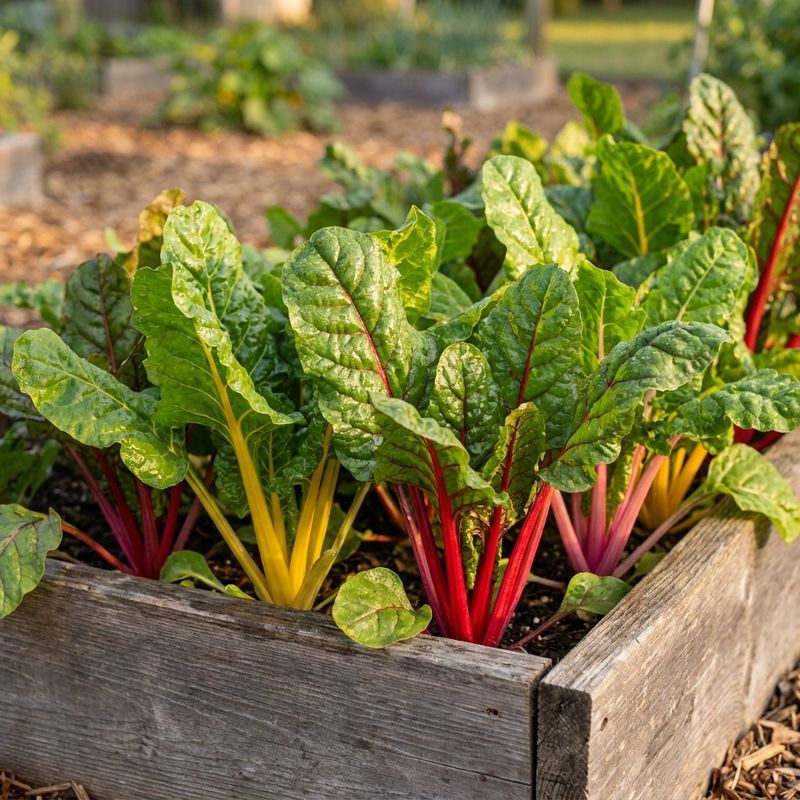
Picture a vegetable that shrugs off a surprise 95-degree October afternoon and still keeps growing into March. Swiss chard is that tough customer, and it may be the most forgiving green you can plant in a low-desert garden.
Sow seeds directly in early to mid October, about half an inch deep, or tuck in transplants from a local nursery. Seeds sprout fast in warm soil, and you can start snipping outer leaves in roughly 50 days.
Keep picking from the outside, and the center keeps pushing out fresh growth for months.
Chard also handles alkaline soil better than many greens. Mix a few inches of compost into your bed before planting to loosen caliche and help water soak in instead of running off.
A thin layer of straw mulch keeps roots cool while fall days are still warm.
Rainbow varieties like Bright Lights add a burst of red, gold, and pink stems that look great in the yard, too. Once spring heat returns, let a plant or two flower.
Small chard blooms can draw in tiny beneficial insects that may help keep aphids in check around the rest of your winter garden.
2. Kale
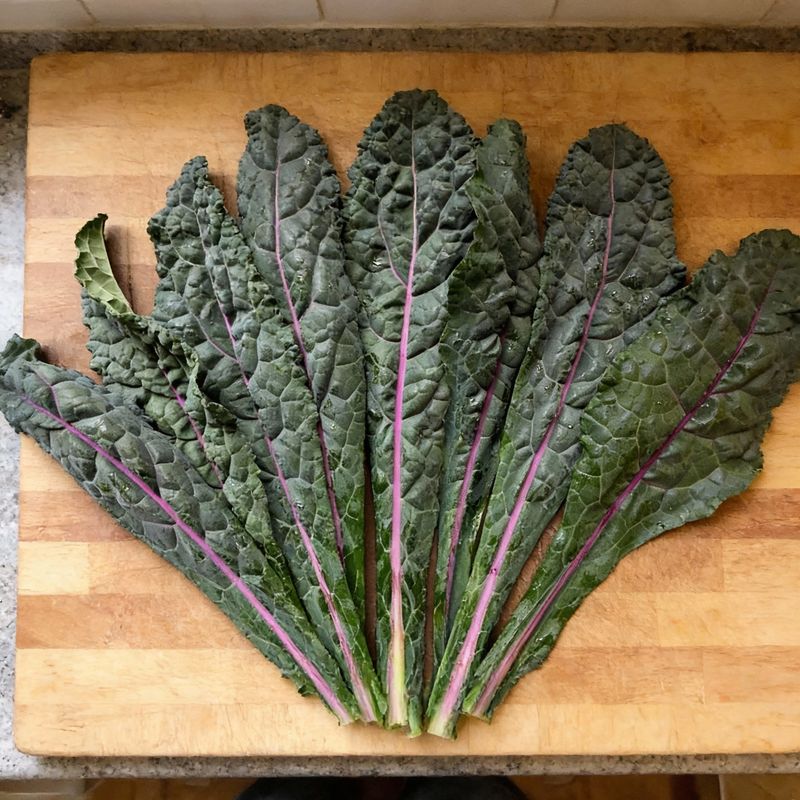
Kale is the friend who shows up early and stays late. Plant it in October, and you could be harvesting leaves from the same plants until April, which makes it one of the best values in any desert garden.
Transplants are the easiest way to go, since young seedlings get a head start before cooler weather slows things down. Space them about 18 inches apart so air moves freely between plants.
Lacinato, also called dinosaur kale, tends to handle warm spells nicely, while curly types bring a frilly texture to salads and smoothies.
Watch for cabbage loopers in fall. Those little green caterpillars blend right in on the leaves.
Hand-picking them every few days works well, and lightweight row cover can keep moths from laying eggs in the first place.
Here is a fun bonus: a light frost actually makes kale taste sweeter. The plant converts some starches into sugars as nights get chilly, so January leaves often taste better than October ones.
Water deeply two or three times a week while plants settle in, then ease back as temperatures drop. Drip lines under mulch help every drop count, which matters a lot when you are watching your water bill.
3. Leaf Lettuce
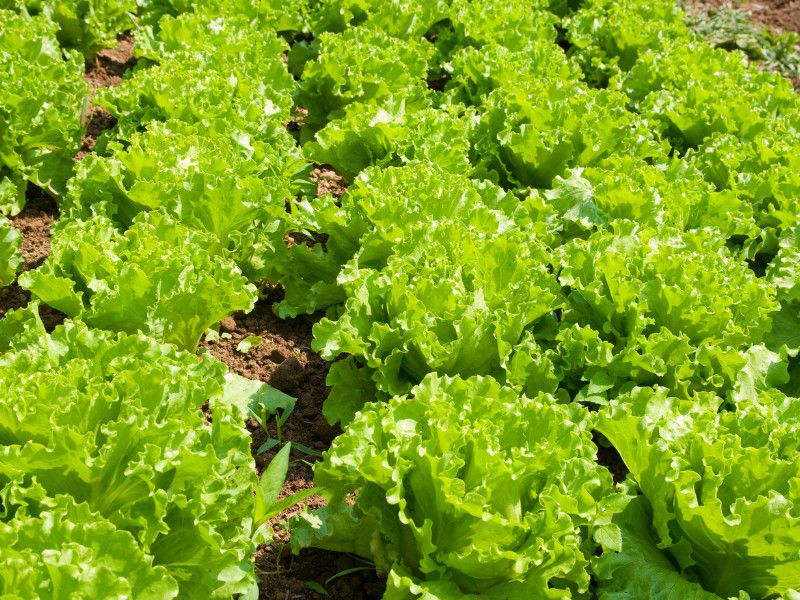
Nothing beats a salad you picked five minutes ago. Leaf lettuce gives you that simple pleasure all winter, and it grows quickly enough that kids can watch the progress almost day by day.
Your Arizona Garden Changes Every Week. Your Plan Should Too.
Gardening in Arizona changes quickly throughout the season. Every Friday you’ll receive a simple weekly plan showing exactly what to plant, prune, fertilize, harvest, and protect so you never miss the right timing.
Timing matters with lettuce in Arizona. Seeds may refuse to sprout when soil runs too hot, so wait until daytime highs settle under 90 degrees, usually in early October.
Scatter seeds thinly, press them into the soil, and keep the surface damp until tiny leaves appear in about a week.
Shade cloth is your secret weapon early in the season. A 30 to 40 percent cloth softens the strong afternoon sun and keeps young leaves from turning bitter.
Pull it off once November cools things down.
Loose-leaf types like Black Seeded Simpson, Red Sails, and oakleaf varieties work best because you can cut leaves a few at a time. Head lettuces take longer and may bolt when spring warms up.
For a steady supply, sow a short row every two or three weeks through November. That way, a new patch is always coming along as an older one slows down.
Keep water consistent, since dry spells can make leaves tough and sharp-tasting.
4. Carrots
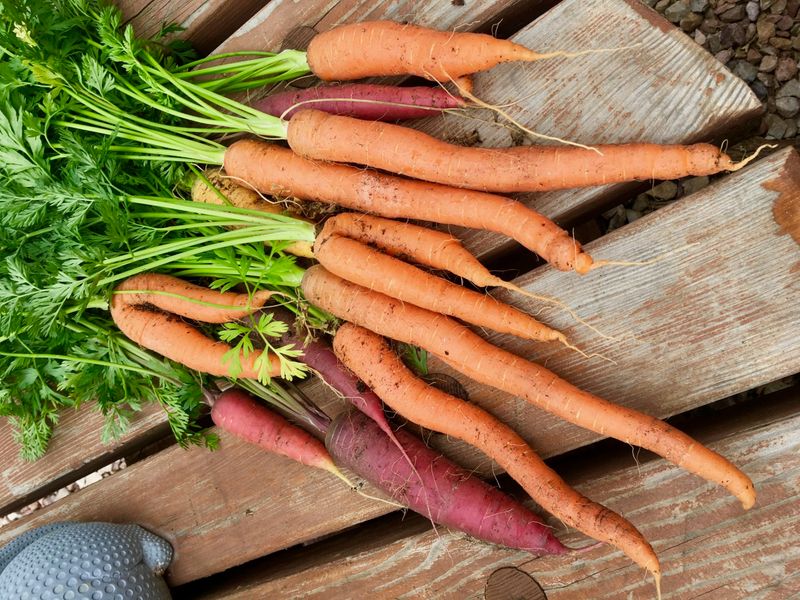
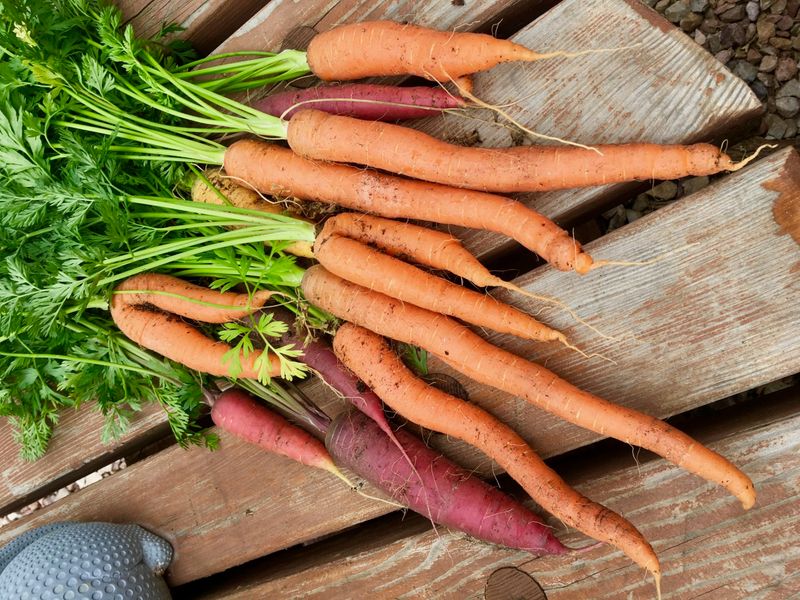
Ask any desert gardener about their favorite winter surprise, and plenty will say carrots. Pulling a bright orange root from the soil feels a little like finding buried treasure, and the flavor of homegrown carrots is noticeably sweeter than store-bought.
Carrots need loose ground, and that is the tricky part in caliche country. A raised bed filled with sandy, compost-rich soil gives roots room to grow straight and long.
If your soil is still heavy, try shorter types like Danvers, Chantenay, or round Paris Market carrots.
Direct sow seeds in October, only about a quarter inch deep. Carrot seeds are tiny and slow, sometimes taking two weeks to sprout.
Lay a board or burlap over the row to hold moisture, then remove it the moment green threads poke through.
Thin seedlings to two inches apart once they are a few inches tall. It feels wasteful, but crowded carrots turn out twisted and small.
The thinnings make a tasty little snack.
Most varieties are ready in 70 to 80 days, so an October planting lands right around the holidays. Carrots can also stay in the ground through winter, letting you harvest as needed.
5. Radishes
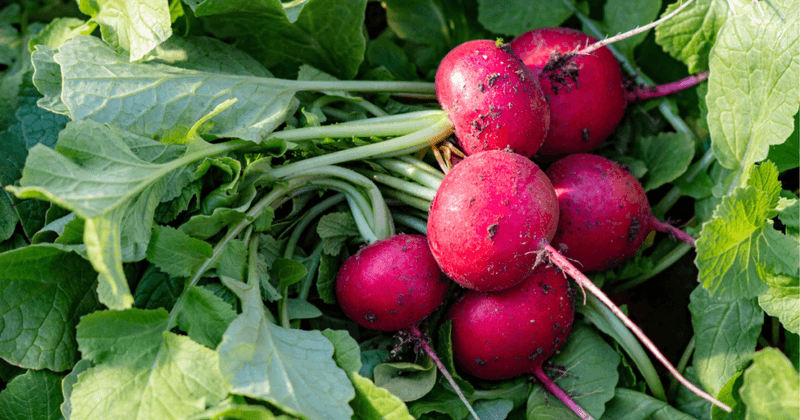
Impatient gardeners, meet your new favorite crop. Radishes can go from seed to plate in about 25 days, which means an early October sowing could be ready before Halloween night.
Plant seeds half an inch deep and an inch apart, right into the garden. They sprout in just a few days in warm fall soil.
Keep the soil evenly moist, because dry stretches can make radishes woody and extra spicy.
Quick growers like Cherry Belle and French Breakfast are reliable picks. For something different, try watermelon radishes, which look plain outside but reveal a pink center when sliced.
Daikon radishes take longer, yet their long roots can help break up compacted desert soil as they grow.
Radishes are handy garden helpers, too. Sow a few alongside slow carrots to mark the row, since radishes pop up first and loosen the soil.
By the time carrots need room, the radishes are already harvested.
Plant a new row every couple of weeks through February for a constant supply. Any radishes that bolt in spring will flower, and those blooms may attract bees and other pollinators that your garden appreciates as the season turns warm again.
6. Beets
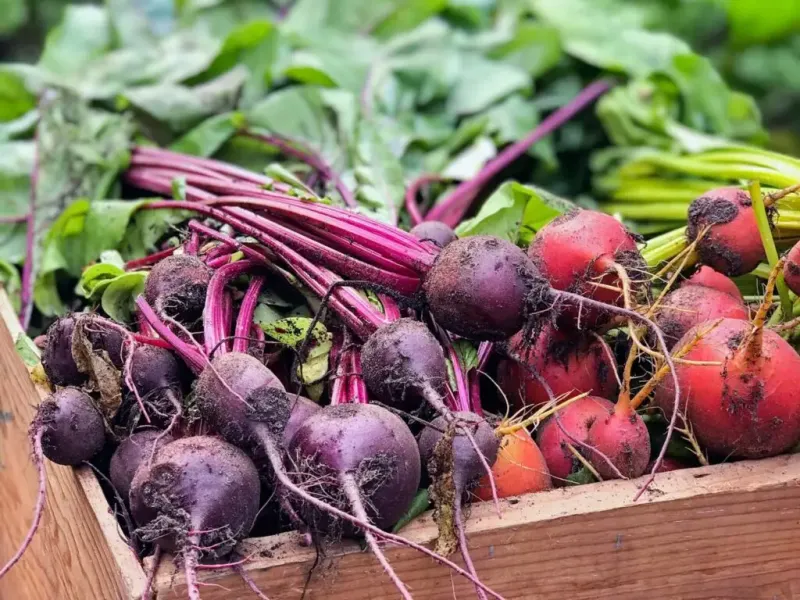
Two crops for the price of one? Beets deliver exactly that.
You get earthy, sweet roots below ground and tender, chard-like greens on top, both ready for the kitchen.
Each wrinkly beet seed is actually a cluster of several seeds, so expect a few sprouts from every spot. Soak seeds overnight before planting in October to speed things up, then sow them half an inch deep.
Thin seedlings to about three inches apart and toss the extras into salads.
Beets like steady moisture and appreciate soil loosened with compost. In alkaline Arizona ground, they generally perform well, though adding organic matter helps roots size up.
Mulch around plants to hold moisture and keep weeds down.
Detroit Dark Red is a classic choice. Chioggia, an old Italian variety, shows off candy-cane stripes inside, while golden beets are milder and will not stain your cutting board pink.
Harvest roots when they reach golf ball to tennis ball size, usually 55 to 70 days after planting. Smaller beets tend to be the most tender.
You can snip a few outer leaves along the way, just leave enough foliage so each plant keeps feeding its growing root.
7. Broccoli
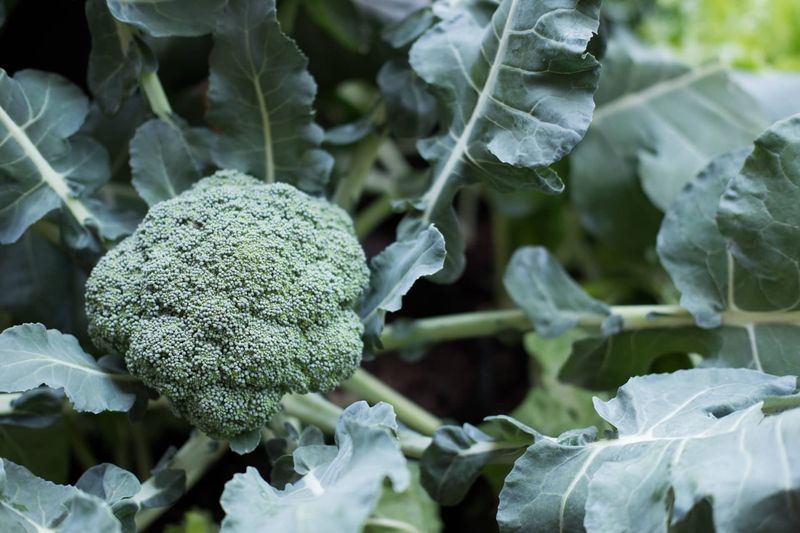
Patience pays off with broccoli. It takes a little longer than leafy greens, but cutting your own tight green head in December is one of winter gardening’s proudest moments.
Start with transplants in early to mid October rather than seeds. Young plants need to grow sturdy before the coolest weeks arrive, and a nursery start saves you several weeks.
Set them 18 to 24 inches apart in a sunny spot with rich soil.
Broccoli is a hungry plant. Work compost into the bed before planting, then give a light feeding of balanced fertilizer about a month later.
Water deeply and consistently, since stress can cause small, early heads.
Varieties like Packman, Green Magic, and Waltham 29 handle desert conditions well. Once you cut the main head, leave the plant in place.
Many types keep sending up smaller side shoots for weeks, giving you bonus harvests well into late winter.
If any florets begin opening into yellow flowers, do not panic. Those blooms are a favorite of honeybees during a season when few other flowers are around, so a slightly late plant can still help feed local pollinators while you wait for the next batch.
8. Snap Peas
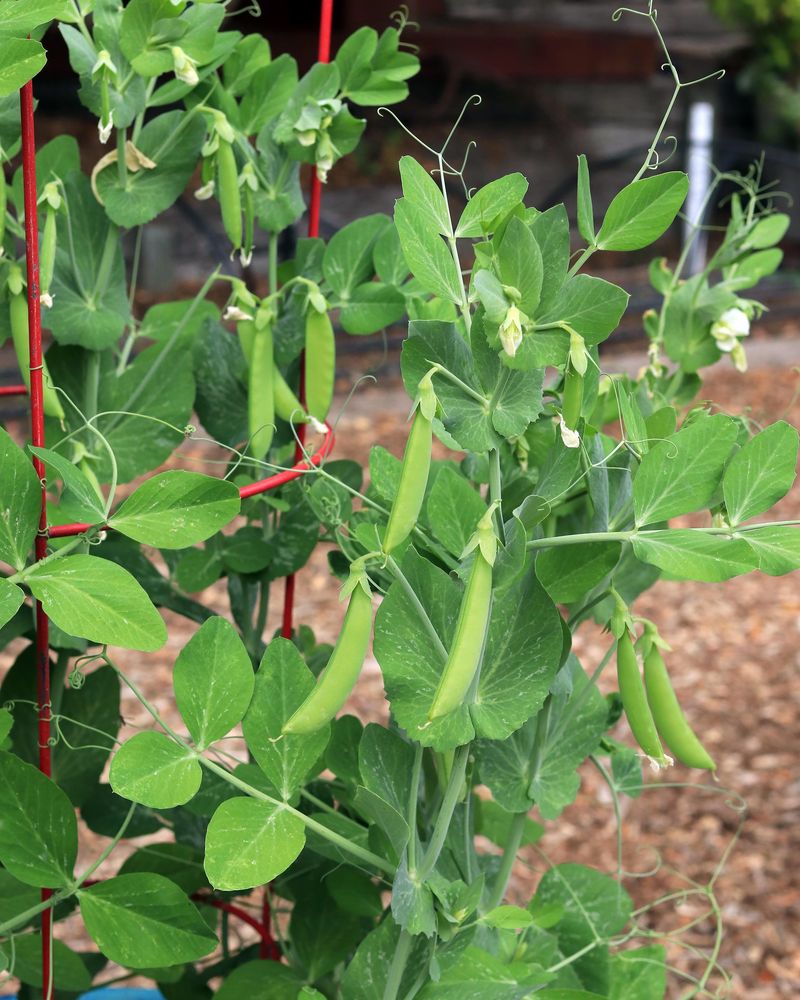
Kids who claim they hate vegetables often change their minds standing next to a pea trellis. Sweet, crunchy snap peas eaten straight off the vine might be the best snack a winter garden offers.
Sow seeds directly in October, about an inch deep and two inches apart. Soaking them for a few hours first can help them sprout faster.
Put up a trellis or a simple fence panel at planting time so young tendrils have something to grab right away.
Peas are legumes, and they come with a hidden talent. Their roots partner with soil bacteria that pull nitrogen from the air and store it in small nodules.
After harvest, chop the vines and leave the roots in the ground to give the next crop a natural boost.
Sugar Snap and Sugar Ann are dependable varieties, while snow peas like Oregon Sugar Pod produce flat pods perfect for stir-fries. Expect pods in about 60 to 70 days.
Pick often, every day or two once pods appear. Regular harvesting keeps vines producing.
Their white and purple blossoms also bring in bees on mild winter days, adding a little life to the yard.
9. Garlic
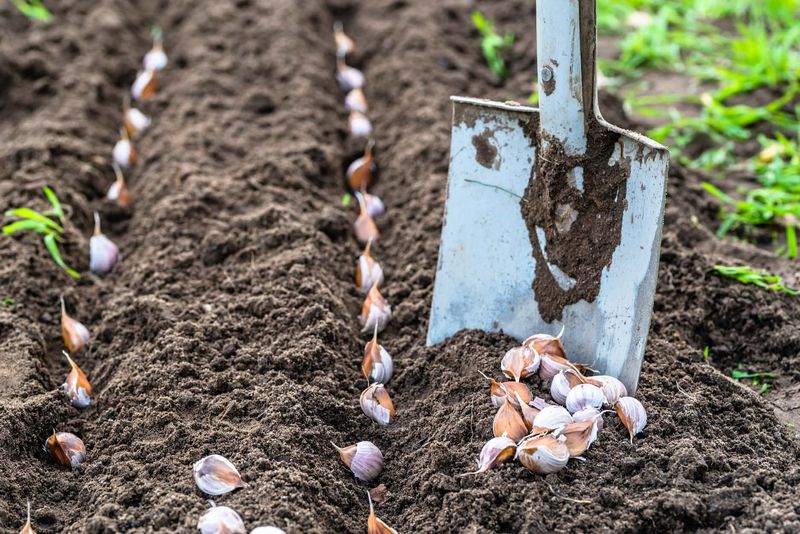
Garlic plays the long game. Planted in October, it quietly grows all winter and rewards you with fat, flavorful bulbs in late spring, long after most cool-season crops have finished.
Wait until daytime temperatures dip below 90 degrees, then break a bulb into individual cloves. Plant each one pointy side up, about two inches deep and six inches apart.
Choose bulbs from a nursery or seed supplier, since grocery store garlic is sometimes treated to stop sprouting.
Softneck types such as California Early and Inchelium Red tend to do better in mild desert winters than hardneck varieties, which prefer colder weather. Elephant garlic, technically a cousin of leeks, also grows well here and produces huge, mild cloves.
Cover the bed with a layer of straw mulch. It holds moisture, keeps soil temperatures steady, and cuts down on weeds that compete with shallow garlic roots.
Many gardeners like to tuck garlic around the edges of beds. Its strong scent is often said to make plantings less inviting to aphids and some other pests, though results vary.
Stop watering when leaves start yellowing in May, then dig bulbs and let them cure in a shady spot.
10. Cilantro
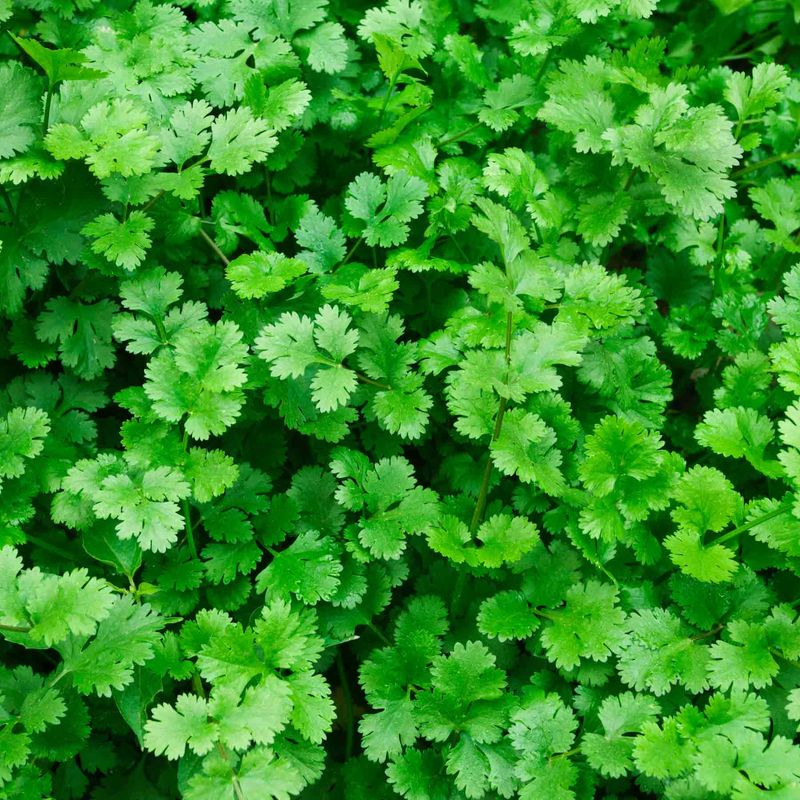
Summer cilantro in Phoenix lasts about as long as an ice cube on a sidewalk. Winter is a completely different story.
Planted in October, this herb grows lush and leafy for months, ready for salsa, tacos, and soups.
Direct sow seeds rather than transplanting, because cilantro has a long taproot that dislikes being moved. Lightly crush the round seed husks before planting to help them sprout.
Cover with a quarter inch of soil and keep moist.
Slow-bolt varieties like Santo and Calypso hold off flowering longer, giving you more leaves to harvest. Sow a small patch every three weeks through December for a steady supply.
Did you know cilantro and coriander come from the same plant? The leaves are cilantro, while the dried seeds are the spice called coriander.
Let a few plants go to seed in spring, and you get both.
Flowering cilantro is also a powerhouse for beneficial insects. Its lacy white blooms can attract hoverflies, tiny wasps, and ladybugs that help keep aphids under control across the garden.
That makes a few blooming plants a smart, natural form of pest management for any functional desert yard.