Arizona’s Tarantula Season Is Starting And Here Is What To Expect

Spotting a large, hairy spider crossing the ground can make anyone stop and look twice.
Tarantulas become much easier to notice during a certain part of the year. Their sudden appearance can seem surprising when you have rarely seen them before.
This seasonal activity is beginning again in Arizona, bringing more of these impressive spiders into view.
You might notice one crossing a driveway or wandering through the yard. Before getting concerned, remember that seeing more tarantulas now is connected to their normal seasonal behavior.
Give any visitor you find some space and avoid disturbing it while it moves through the area.
Knowing what drives this yearly activity makes these encounters far less mysterious. It also helps you understand what to expect around your home as the season gets underway.
1. Summer Rains Bring Tarantulas Above Ground
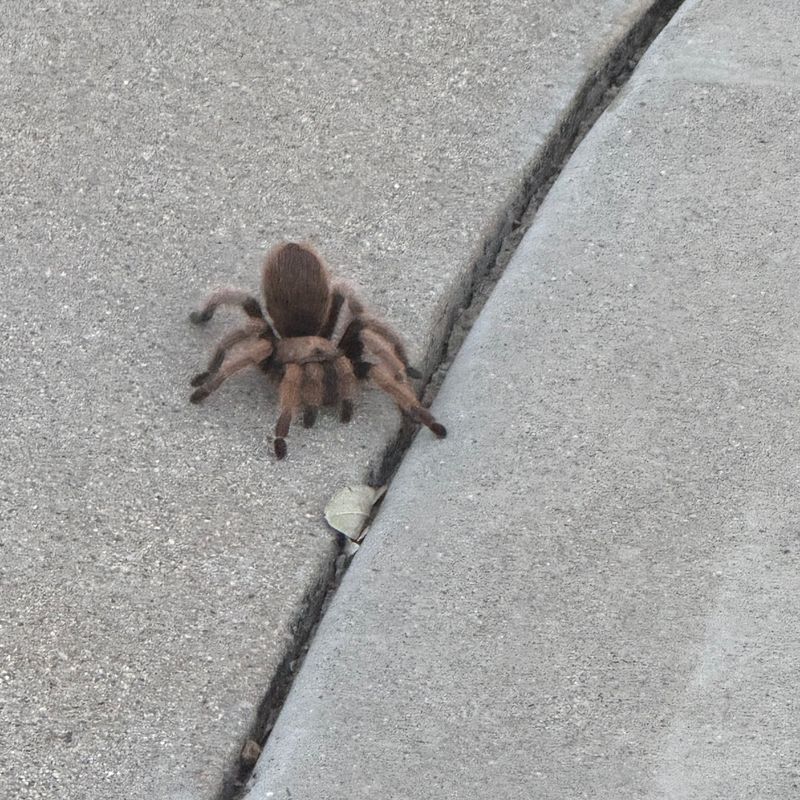
Monsoon season flips a switch for desert wildlife. When summer rains soak into the dry ground, tarantulas that have been resting underground sense the moisture and become far more active.
Wet soil makes it easier for them to move, and the cooler air that follows a rainstorm creates comfortable conditions for roaming.
Arizona’s monsoon season typically runs from mid-June through September. During this stretch, humidity rises, temperatures briefly drop at night, and the desert comes alive in ways that surprise even long-time residents.
Tarantulas are just one part of that bigger seasonal shift.
Rain also triggers activity in insects and other small prey, which gives tarantulas more reasons to venture out. A good monsoon storm can set off a ripple effect across the food web.
Spiders move, insects scatter, and the whole desert ecosystem picks up its pace.
If you live near open desert land, expect to see more tarantulas after a strong rainstorm. Spotting one crawling across a wet sidewalk or dirt path is completely normal during this time of year.
Wet conditions do not last long in the desert, so the window of peak activity tends to be relatively short.
2. Wandering Males Are Searching For Mates
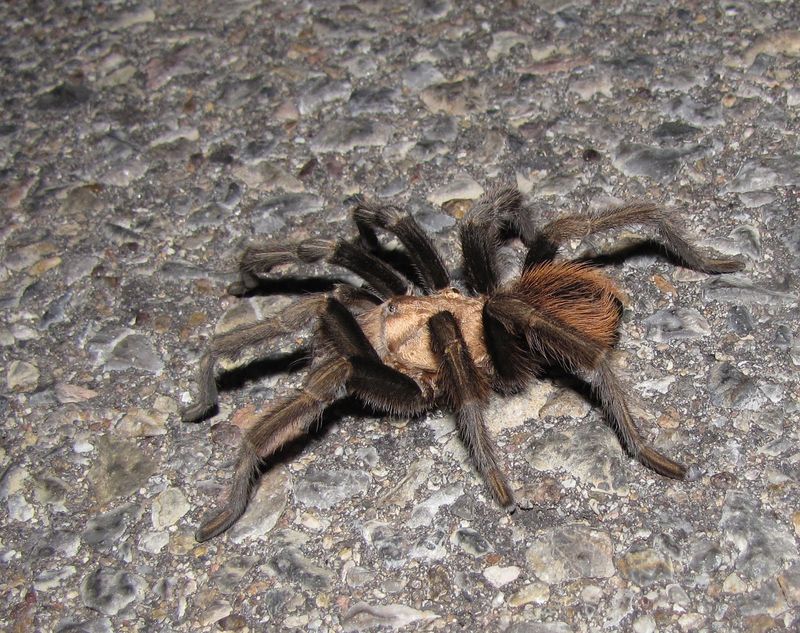
Not every tarantula you spot is just out for a stroll. Male tarantulas have one main goal during late summer and fall: finding a female.
Once they reach maturity, males leave their burrows and begin traveling long distances in search of a mate. Some can cover surprisingly large areas in just a few nights.
Male tarantulas look slightly different from females. They tend to have longer legs relative to their body size, and their abdomens are smaller and less round.
If you spot a tarantula crossing a road or hiking trail, there is a good chance it is a male on the move.
Females, on the other hand, tend to stay put near their burrows. They wait for males to come to them.
This difference in behavior is why wandering tarantulas are so commonly spotted during mating season while females remain largely out of sight.
Male tarantulas do not live as long as females after reaching maturity. Their focus during this season is entirely on finding a mate before the season ends.
Your Arizona Garden Changes Every Week. Your Plan Should Too.
Gardening in Arizona changes quickly throughout the season. Every Friday you’ll receive a simple weekly plan showing exactly what to plant, prune, fertilize, harvest, and protect so you never miss the right timing.
Watching one move with clear purpose across the open desert is actually a pretty remarkable thing to witness up close.
3. Evening Is A Common Time To Spot Them
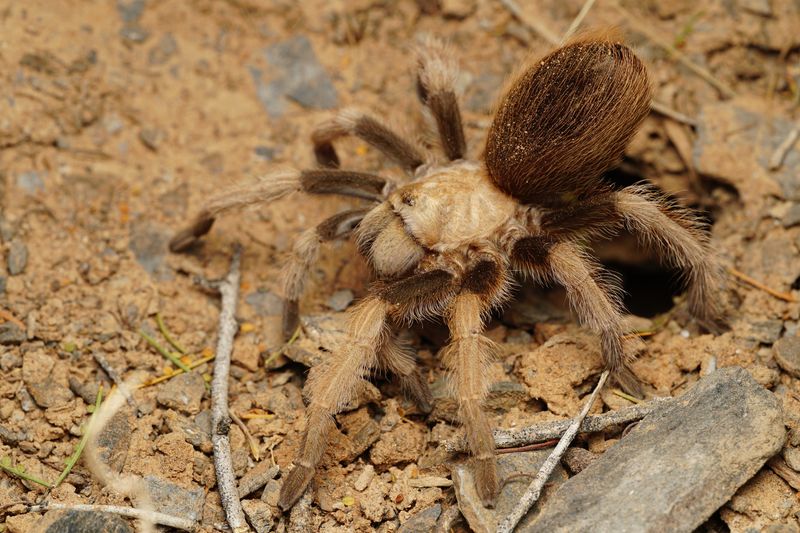
Midday heat in the desert is brutal, and tarantulas know better than to wander in it. Most of their movement happens in the cooler hours around dusk and into the early evening.
If you want to spot one, heading out right after sunset gives you the best chance.
Evening walks along desert trails or quiet roads near open land are prime opportunities. Bring a flashlight with a red filter if you have one, since it illuminates the ground without startling wildlife as much as a bright white beam would.
Tarantulas have poor eyesight but are sensitive to vibrations and sudden movement.
In neighborhoods near desert edges, tarantulas sometimes wander into driveways, patios, or garages during the evening hours. Finding one near your door is startling at first, but they are simply passing through.
Leaving an outdoor light on can actually attract insects, which may in turn attract spiders looking for an easy meal.
Peak sighting hours tend to fall between 7 p.m. and 10 p.m. during the warmest months. Cooler nights in September and October can push activity a bit earlier.
Paying attention to temperature patterns in your area can help you predict when evening sightings are most likely to happen.
4. Roads And Yards May See More Activity
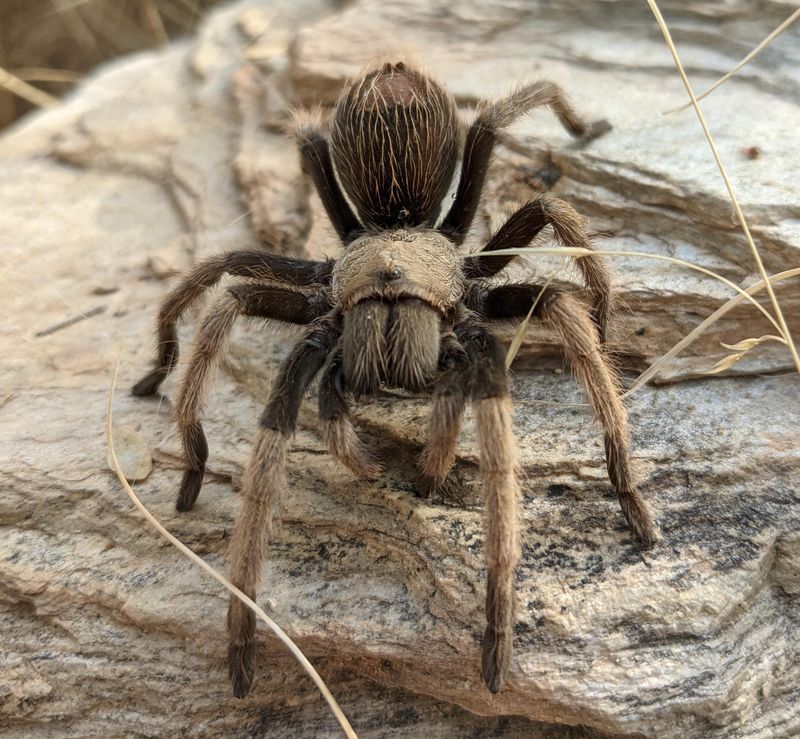
Roads cutting through desert land become unexpected tarantula highways during mating season. Males crossing from one patch of desert to another often end up on pavement, which can put them at risk from passing vehicles.
Slowing down on rural roads near desert areas is a simple way to avoid accidentally harming one.
Suburban yards that back up to open desert see increased spider traffic during this time of year. A tarantula wandering through your lawn or garden is not setting up a permanent home.
It is passing through, usually in search of a mate or a new burrow location.
Yard lights can create confusing navigation for tarantulas at night. Light attracts moths and beetles, and those insects draw in spiders.
A well-lit patio near desert land might see a tarantula visitor more than once during the season. Turning off unnecessary outdoor lights after dark can reduce how often this happens.
Pets are a bigger concern than the spiders themselves in most cases. Dogs are naturally curious and may try to sniff or paw at a tarantula.
A startled spider may flick urticating hairs from its abdomen, which can irritate a dog’s nose or eyes. Keeping pets away from wandering tarantulas is a smart precaution during peak season.
5. Most Females Stay Close To Their Burrows
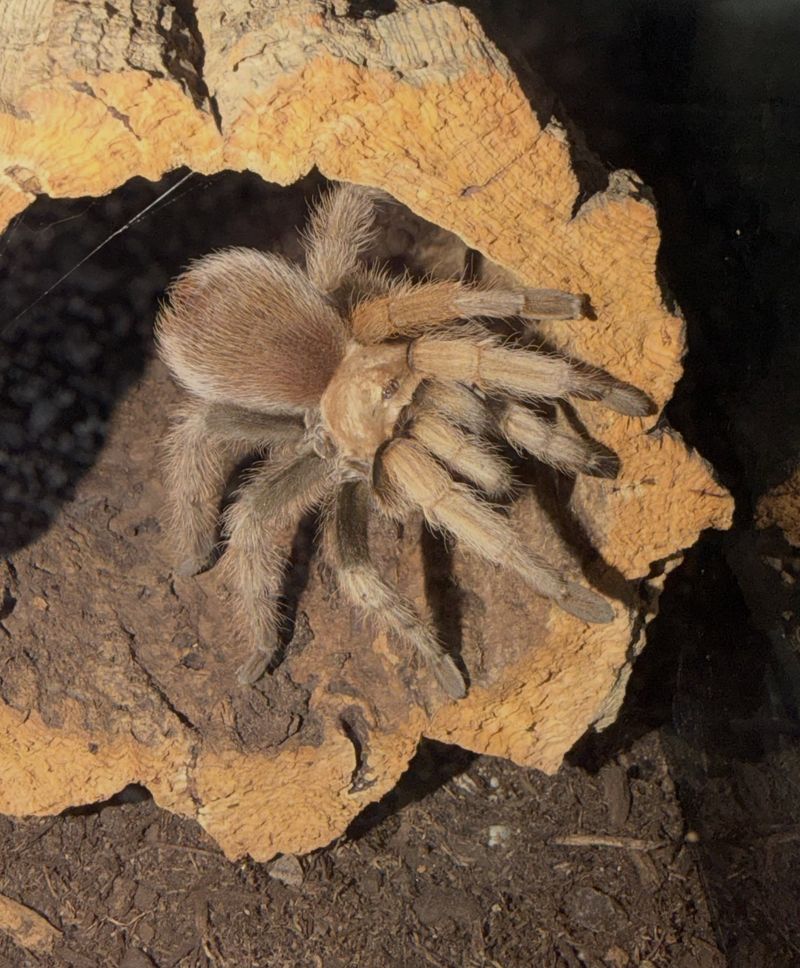
While males get all the attention during tarantula season, females live a very different kind of life. A female tarantula may spend decades in or near the same burrow.
She rarely wanders far, and most of her activity happens right at the entrance or just inside the tunnel she has claimed as her own.
Female burrows are often found in sandy, well-drained soil along desert slopes and dry washes. Look for a small, silk-lined opening in the ground, sometimes surrounded by a thin web mat.
That mat helps the spider detect vibrations from approaching prey or potential threats without having to come out into the open.
Females are generally larger and heavier than males. Their abdomens are noticeably rounder, especially during late summer when they may be storing energy for reproduction.
A healthy female in good habitat can live for 20 years or more, which is unusually long for an invertebrate.
Disturbing a female at her burrow entrance is not recommended. She is on her home turf and more likely to feel threatened.
Watching from a respectful distance gives you a better view anyway. Females sitting at burrow entrances at dusk are often waiting to ambush passing insects, so you may catch some natural hunting behavior if you stay patient and still.
6. These Large Spiders Usually Avoid Confrontation
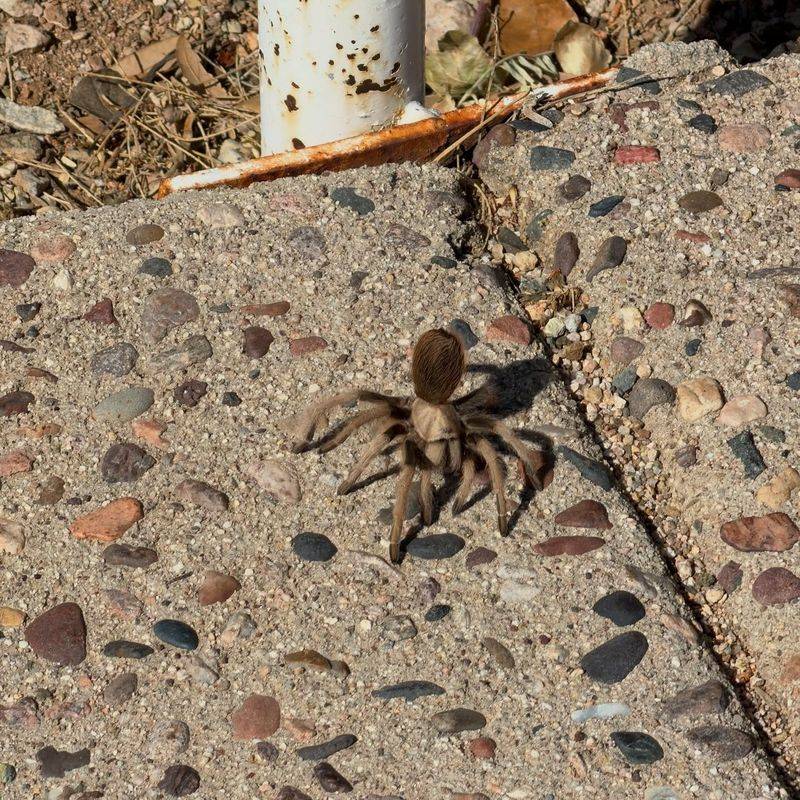
Tarantulas look intimidating, but their reputation for aggression is mostly undeserved. When encountered in the wild, most of these spiders prefer retreat over confrontation.
A tarantula that feels threatened will often freeze, slowly back away, or try to find cover rather than charge forward.
Defensive behavior does exist, but it usually comes in stages. A mildly bothered tarantula might flick tiny hairs from its abdomen using its back legs.
Those hairs can cause itching or irritation on skin and eyes, so handling wild tarantulas without gloves is not a great idea. Biting is typically a last resort, not a first response.
Venom from a desert tarantula is not considered medically serious for most healthy adults. A bite may cause localized pain and swelling, similar to a bee sting, but severe reactions are uncommon.
People with known insect or spider venom sensitivities should still exercise caution and consult a medical professional if bitten.
Giving a tarantula space is the easiest way to keep the interaction calm. Moving slowly, avoiding sudden gestures, and not cornering the spider all help reduce stress for both the spider and the observer.
Watching one calmly cross a path from a few feet away is genuinely one of the more memorable wildlife encounters the desert has to offer.
7. Give Wandering Tarantulas Space To Move On
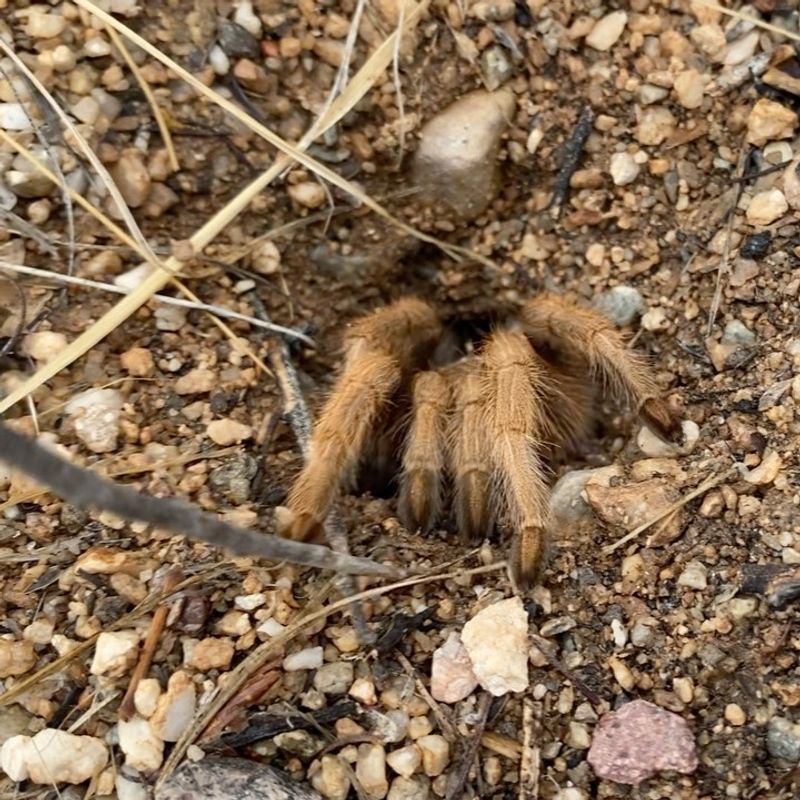
Seeing a tarantula up close can trigger a strong reaction, but the best thing you can do is simply step back and let it pass. Tarantulas on the move have somewhere to be.
Blocking their path, poking at them with sticks, or trying to pick them up disrupts their journey and stresses the animal unnecessarily.
If a tarantula wanders into your home or garage, a simple container and a piece of cardboard can help you relocate it without touching it directly.
Slide the container over the spider, slip the cardboard underneath, and carry it outside to a nearby natural area. No need for chemicals or traps.
Children and curious adults are naturally drawn to these spiders. Using the moment as a chance to talk about desert wildlife, spider behavior, or local ecosystems can turn an unexpected encounter into something genuinely educational.
Tarantulas play a real role in controlling insect populations across desert habitats.
Tarantula season in Arizona is short. Peak movement typically wraps up by mid-October as nighttime temperatures drop.
Enjoying the season with a respectful attitude means you get to observe fascinating wildlife behavior without causing harm to the animal or yourself. A little patience and distance goes a long way when sharing space with desert wildlife.