The Pennsylvania Plants That Quietly Attract Snakes To Your Yard Without You Realizing It
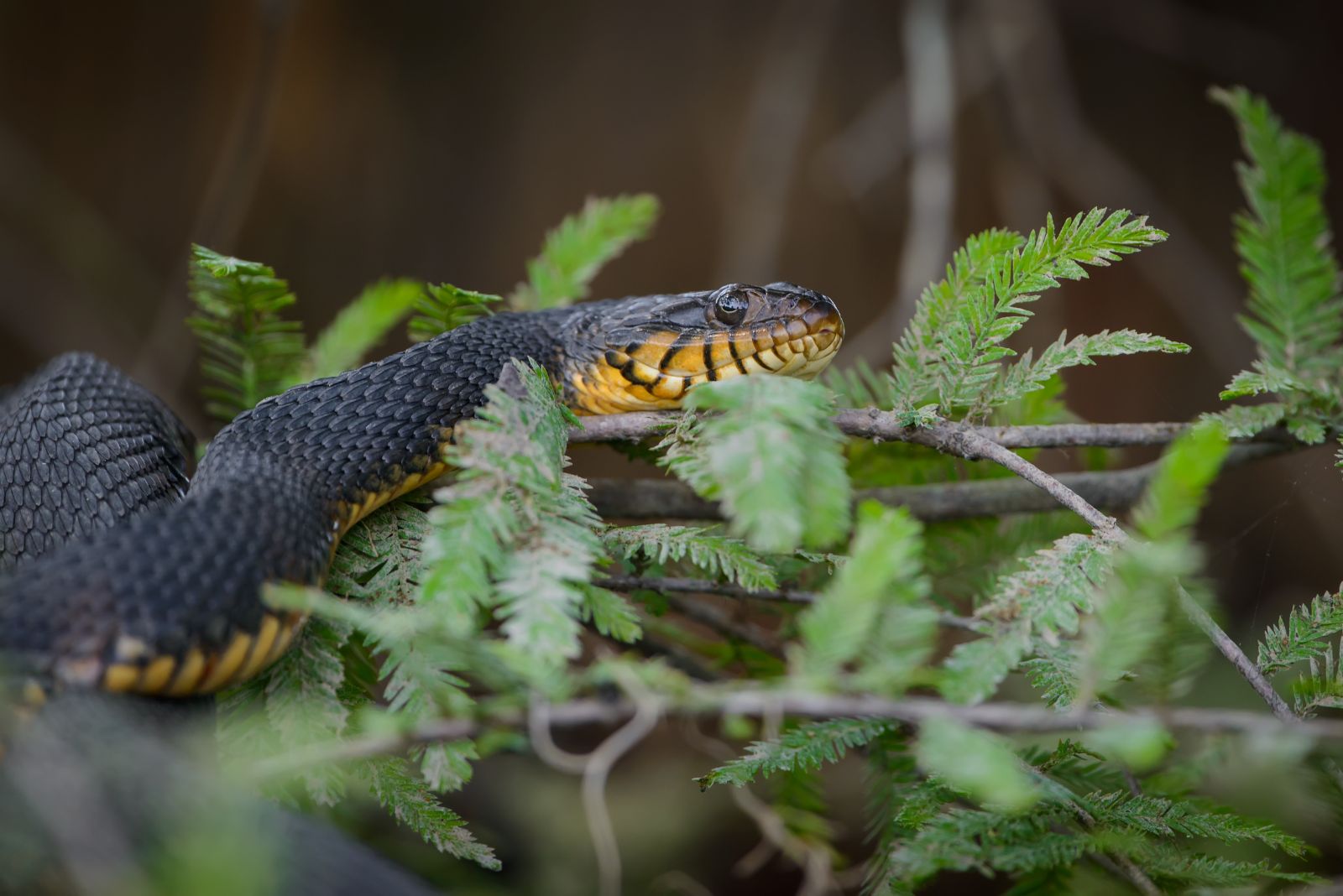
What if the reason snakes keep showing up in your Pennsylvania yard has less to do with where you live and more to do with what you’re growing?
Most homeowners blame the nearby woods, the fields behind the fence, or just unfortunate geography when snakes become a regular presence.
But snakes are not random visitors. They go where conditions suit them, and certain plants create those conditions more effectively than most people realize.
Some of the most common Pennsylvania garden plants are quietly making your yard more attractive to snakes without you ever connecting the dots. It’s not that these plants draw snakes in directly. It’s more subtle than that.
They create dense ground cover, cool sheltered spaces, and reliable prey populations that snakes actively seek out. Plant enough of them in the wrong configuration and you’ve essentially designed ideal snake habitat right in your own backyard.
Knowing which plants are doing this gives you a practical and often overlooked tool for making your yard less welcoming to the visitors you’d rather not encounter.
1. English Ivy
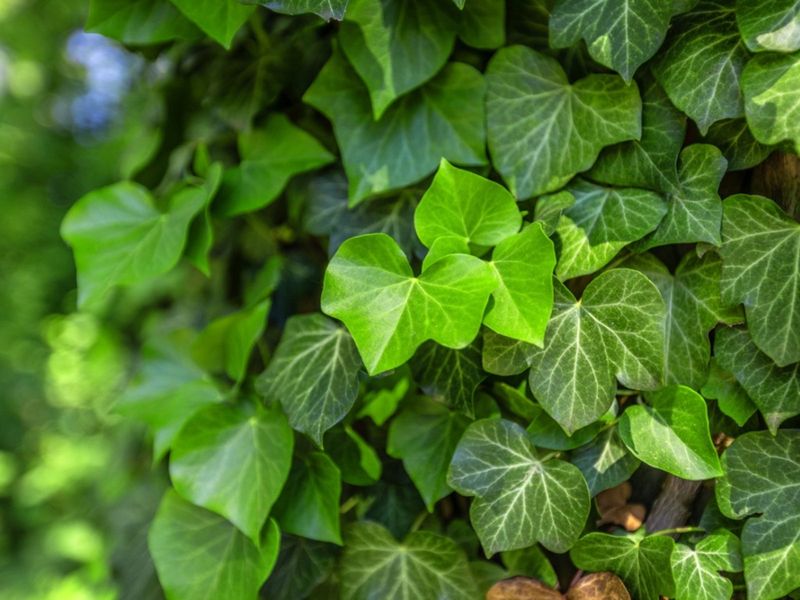
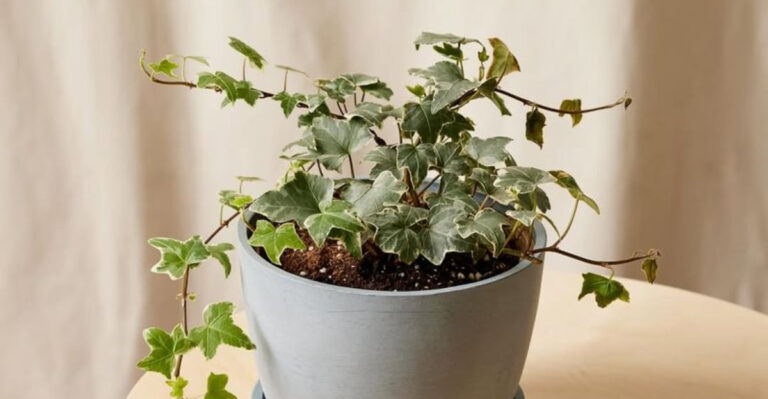
Walk past almost any older Pennsylvania home and you will likely spot it creeping up a wall or spreading across the ground in a thick, dark blanket. English ivy looks tidy and classic, but underneath those overlapping leaves is a very different story.
Ground-level ivy creates cool, shaded pockets that hold moisture and stay hidden from view, and that combination is exactly what snakes look for when they are searching for a resting spot.
Thick ivy patches near your home’s foundation are especially worth paying attention to. The dense mat of stems and leaves makes it nearly impossible to see what is moving around underneath.
Small rodents like mice and voles love to tunnel through ivy, and where prey animals set up camp, snakes tend to follow. It becomes a whole food chain operating just a few feet from your back door without you ever noticing.
English ivy is also tough to manage once it gets established. It spreads aggressively and can quickly cover large sections of a yard.
Pulling it back from your foundation by at least three feet is a smart first move. Keeping the growth trimmed close to the ground removes those hidden cavities that make snakes feel safe.
If you love the look of ivy, consider growing it in raised planters or on vertical trellises where it is easier to monitor and control.
Staying on top of ivy maintenance a couple of times each season can make a real difference in reducing the amount of wildlife shelter your yard unknowingly provides.
2. Japanese Pachysandra
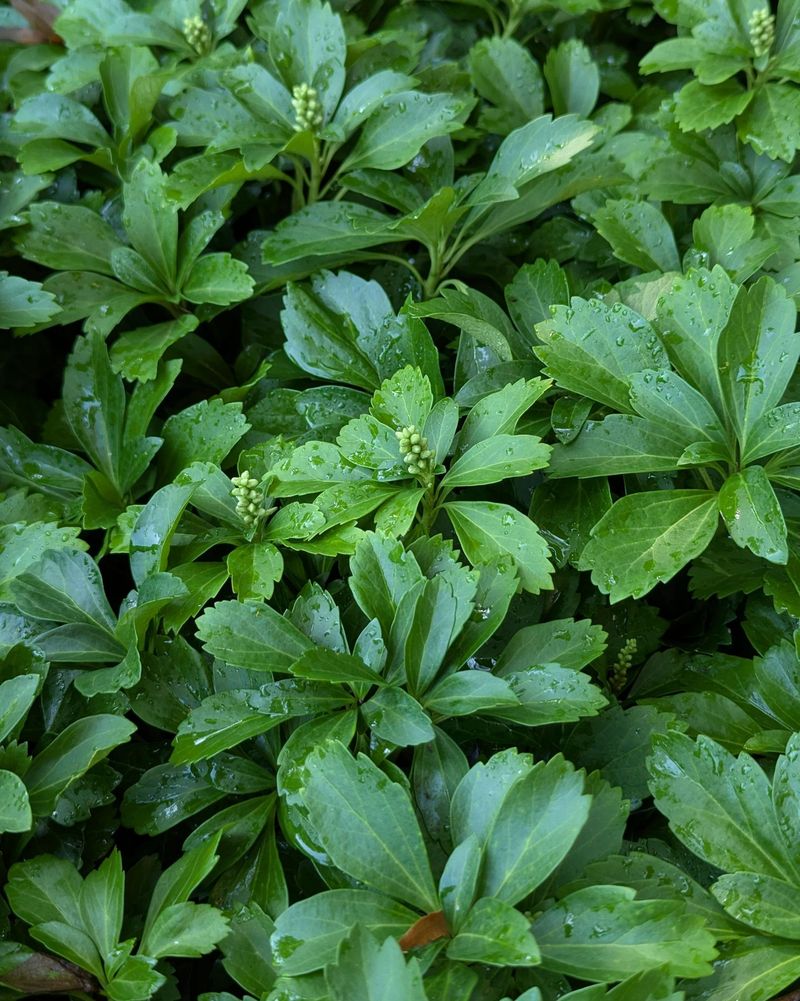
Japanese pachysandra is one of the most popular ground covers in Pennsylvania, and it is easy to understand why. It handles shade beautifully, spreads quickly, and stays green all year.
Homeowners plant it under trees and along borders where grass will not grow. The problem is that those same qualities that make it so useful in the garden also make it a surprisingly welcoming environment for snakes and the small animals they feed on.
Your Pennsylvania Garden Changes Every Week. Your Plan Should Too.
Gardening in Pennsylvania changes quickly throughout the season. Every Friday you’ll receive a simple weekly plan showing exactly what to plant, prune, fertilize, harvest, and protect so you never miss the right timing.
Dense pachysandra beds create a sheltered layer right at ground level. Mice, shrews, and other small prey animals often nest inside large patches because the thick foliage gives them cover from predators above.
Snakes, being smart hunters, quickly learn where these prey-rich areas are located. A wide bed of pachysandra near your home’s foundation or along a frequently used walkway can become an active hunting zone without you ever connecting the dots.
The good news is that you do not have to rip out all your pachysandra to make a difference. Keeping large patches trimmed back and thinned out regularly reduces the depth of cover available to both prey animals and the snakes that follow them.
Pay special attention to beds that run along foundations, fences, or pathways where people walk regularly. Creating a clear gap of several feet between pachysandra beds and your home’s exterior walls removes a key piece of shelter that wildlife depends on.
Checking beds seasonally and removing any debris like fallen leaves or sticks that accumulate inside them also helps keep the habitat less appealing to unwanted visitors throughout the year.
3. Periwinkle
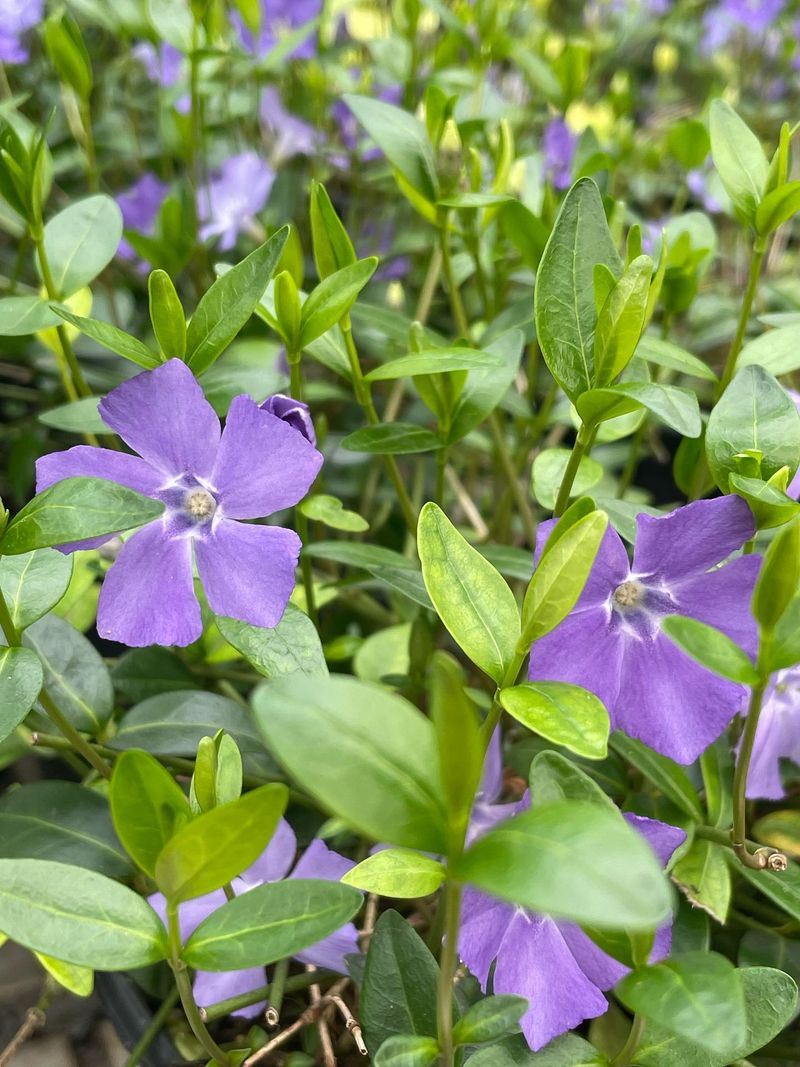
Periwinkle has a pretty name and pretty little flowers, and it is a staple in Pennsylvania landscaping for a reason. It spreads easily, tolerates a wide range of conditions, and its small blue-purple blooms add a cheerful touch to shady spots.
But periwinkle grows in a very particular way that can quietly create problems for homeowners who are not paying close attention to what is happening at ground level.
The plant forms sprawling, tangled mats that sit low to the soil. Those mats trap moisture and create a protected layer of space between the stems and the ground.
Small insects, worms, and rodents are drawn to that moist, sheltered environment. Snakes, which often feed on exactly those kinds of creatures, pick up on this quickly.
Thick, unmanaged periwinkle growth gives wildlife more places to remain unseen, turning what looks like a tidy garden bed into a surprisingly active wildlife corridor.
Periwinkle is also a fast spreader. If you plant it in one corner of the yard, it can cover a large area within just a few seasons without much help from you.
That unchecked growth is where the real risk builds up. Keeping periwinkle trimmed and thinned regularly, especially near your home’s foundation or garden borders, reduces the depth of cover it provides.
Pulling back edges that are creeping toward the house and clearing out accumulated dry stems from inside established patches removes the hidden shelter that makes these areas so attractive to snakes and their prey.
A little seasonal upkeep goes a long way toward keeping this charming plant from becoming a wildlife magnet.
4. Creeping Juniper
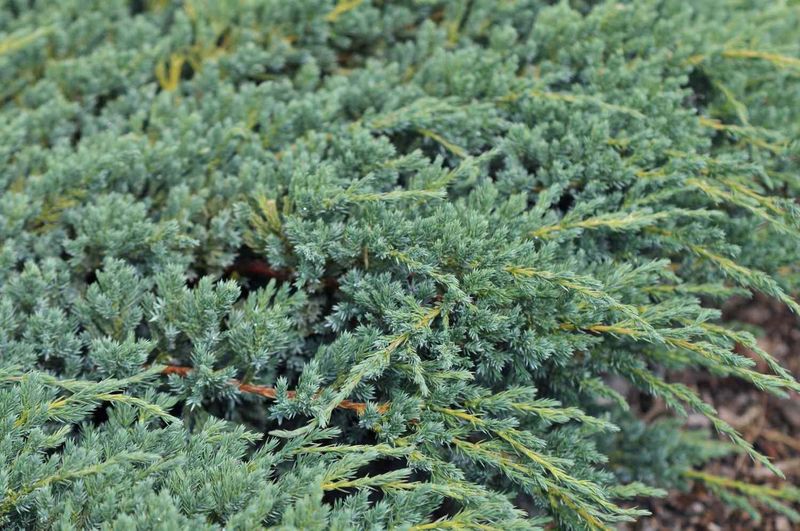
Creeping juniper is a tough, low-maintenance shrub that shows up in Pennsylvania yards and commercial landscaping all the time.
It handles cold winters and dry summers without complaining, and its spreading branches add year-round greenery to slopes, borders, and foundation plantings.
Many homeowners choose it precisely because it seems to take care of itself. That hands-off quality, though, is part of what creates a sneaky problem over time.
As creeping juniper matures, its low, spreading branches form dense mats close to the ground. Underneath those branches, shaded cavities develop that stay cool, dark, and protected from foot traffic and predators.
Snakes actively seek out exactly these kinds of spaces, especially during warmer months when they need to regulate their body temperature.
Established creeping juniper plants can create surprisingly large hidden zones that are difficult to see into without getting down on your hands and knees.
Did you know that some creeping juniper plants can spread up to eight feet wide? That means a single established shrub can cover a huge amount of ground-level territory, creating a lot of hidden habitat right in your yard.
Pruning the lower branches of creeping juniper regularly opens up the space underneath and removes those shaded cavities. Pay extra attention to plants growing near frequently used areas like patios, walkways, and entry doors.
Lifting the canopy of the plant by trimming back the lowest-hanging branches lets light and airflow reach the soil underneath, making the space less appealing to wildlife looking for cover.
Consistent pruning a couple of times per year keeps creeping juniper from quietly becoming one of the most snake-friendly plants on your property.
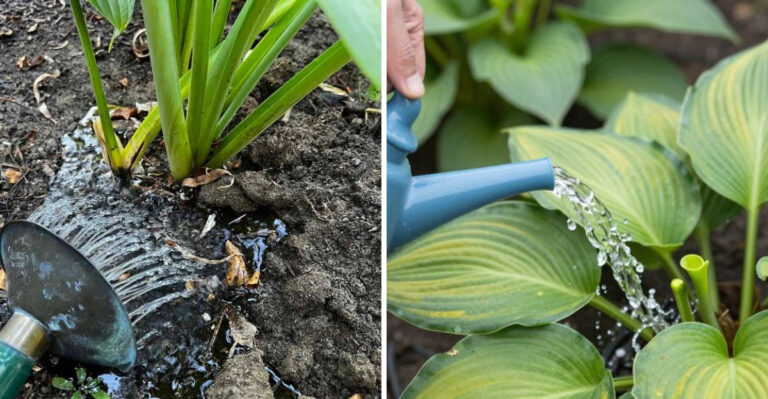
5. Hostas
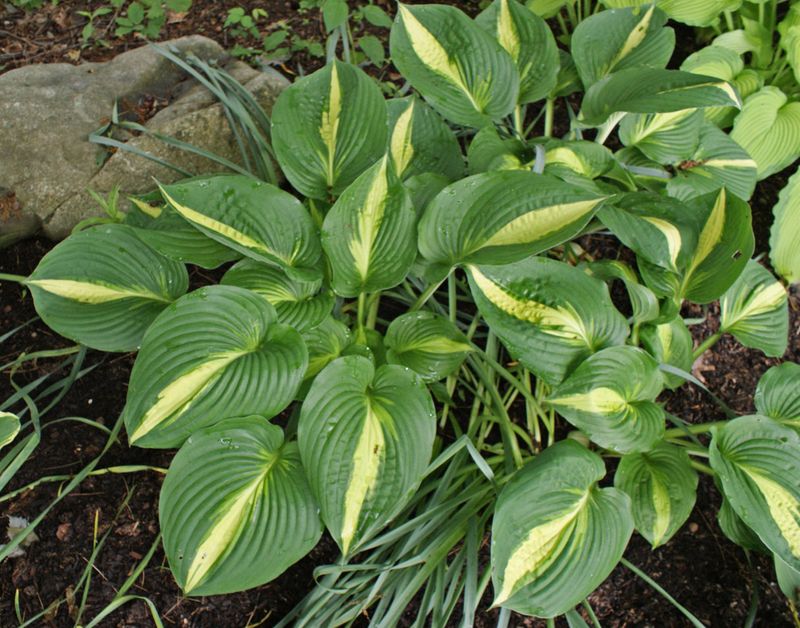
Hostas are beloved in Pennsylvania gardens for good reason. They are easy to grow, come in dozens of sizes and colors, and they thrive in the shady spots where many other plants struggle.
Gardeners use them as borders, focal points, and filler plants throughout the yard. Walk through almost any neighborhood in the state during summer and you will see hostas everywhere, from small neat clumps to massive spreading beds that take over entire garden sections.
Here is the part most hosta fans do not think about. Those large, broad leaves create a canopy of deep shade right at ground level.
Underneath that canopy, the soil stays moist and the temperature stays cool, even on hot summer days. That is a very comfortable environment for snakes, which need to manage their body heat carefully.
Dense hosta beds also make it genuinely hard to see wildlife moving underneath them. A snake can rest or hunt in a large hosta planting without ever being visible from a normal standing position.
Hostas attract slugs and earthworms in large numbers, and those creatures bring in toads, frogs, and small rodents. That growing chain of prey animals makes hosta beds even more appealing as hunting grounds.
Thinning out very dense beds and pulling hostas back from your home’s foundation by a few feet reduces the amount of sheltered, humid cover available. Removing any accumulated leaf litter or mulch buildup inside established hosta clumps also helps.
You do not have to give up your hostas entirely. Managing their size and keeping them away from doorways and high-traffic areas is usually enough to reduce the risk noticeably.
6. Switchgrass
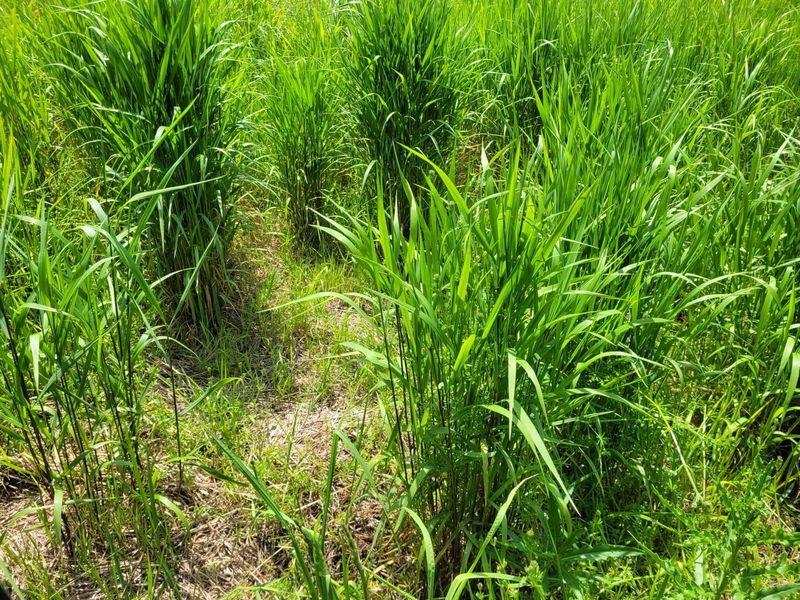
Switchgrass has become a popular choice in Pennsylvania yards over the past decade, and the reasons make total sense. It is a native plant, which means it supports local wildlife, handles Pennsylvania’s climate like a champ, and needs very little water or fertilizer once it gets going.
Landscape designers love it for its dramatic height and feathery seed heads that sway beautifully in the breeze. Environmentally minded homeowners plant it to attract birds and beneficial insects. All of that is genuinely great, but there is a flip side worth understanding.
Tall, dense switchgrass provides deep cover for small mammals like mice, voles, and rabbits. Those animals nestle into the base of large switchgrass clumps where the stems are thick and the visibility is low.
It becomes a reliable food source area, and reliable food source areas attract snakes on a regular basis.
A large stand of switchgrass in a residential yard can quietly become an active hunting ground, especially during late summer and fall when snakes are feeding heavily before cooler weather arrives.
Keeping switchgrass in smaller, well-spaced clumps rather than large unbroken stands reduces the amount of continuous cover available. Planting it away from the house, near the back or edges of your property, puts that activity farther from your home.
Cutting switchgrass back to the ground in late winter or early spring removes the dense, tangled old growth where small animals shelter over colder months. That reset also makes the area less appealing to snakes returning in spring.
You can absolutely enjoy switchgrass in your Pennsylvania yard. Being thoughtful about placement and size keeps it working for you rather than against you.
7. Little Bluestem
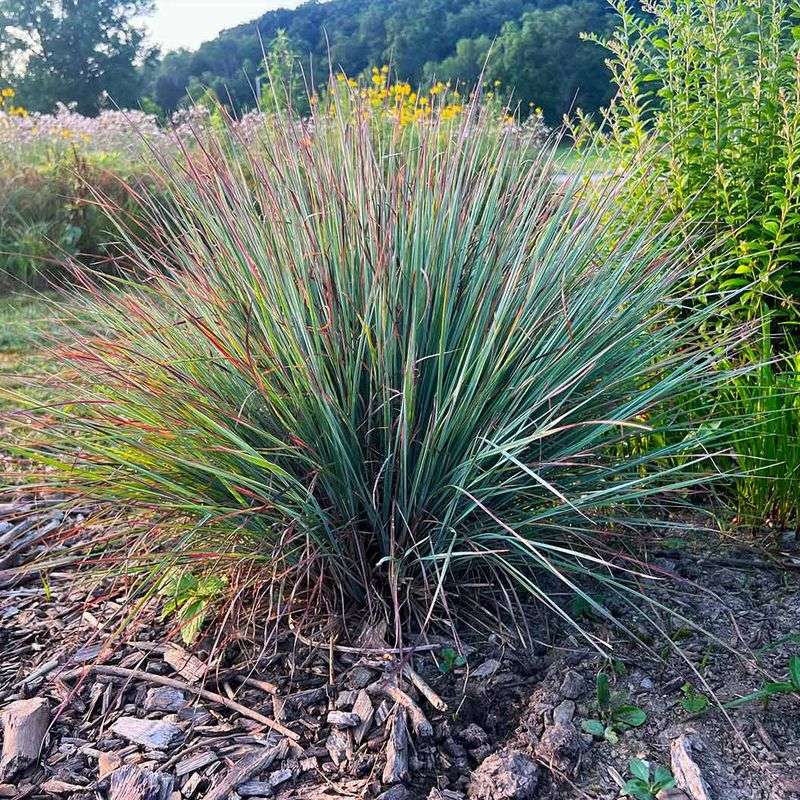
Little bluestem is a Pennsylvania native grass that has earned serious fans in the gardening world. Its clumping growth habit, copper-red fall color, and ability to handle dry, rocky soil make it a standout choice for naturalistic landscapes.
It supports native bees, birds that feed on its seeds, and a whole community of beneficial insects. For homeowners trying to create an eco-friendly yard, little bluestem feels like a perfect pick.
And in many ways, it is. But the same features that make it great for wildlife in general can also make it attractive to snakes specifically.
The clumping growth of little bluestem creates dense tufts of stems and leaves that provide excellent shelter for insects and small animals at ground level. Grasshoppers, beetles, and other insects congregate in and around the clumps.
Small lizards, mice, and shrews use the dense bases as cover. Each of those creatures is a potential food source for a snake passing through your yard.
Large, unmanaged stands of little bluestem can create stretches of attractive hunting habitat that snakes return to repeatedly.
Spacing little bluestem clumps well apart rather than planting them in tight, continuous masses reduces the connected cover they provide.
Keeping large stands away from your home’s foundation, patio edges, and play areas is a practical way to enjoy the plant without creating snake-friendly zones right where people spend time.
Cutting clumps back in late winter removes the thick, tangled old growth at the base where small animals shelter.
Spreading a thin layer of gravel around the base of each clump rather than deep mulch also reduces the moisture and warmth that makes these areas so inviting to wildlife year-round.