These Arizona Ground Covers Handle Hot Gravel Yards Better Than Grass
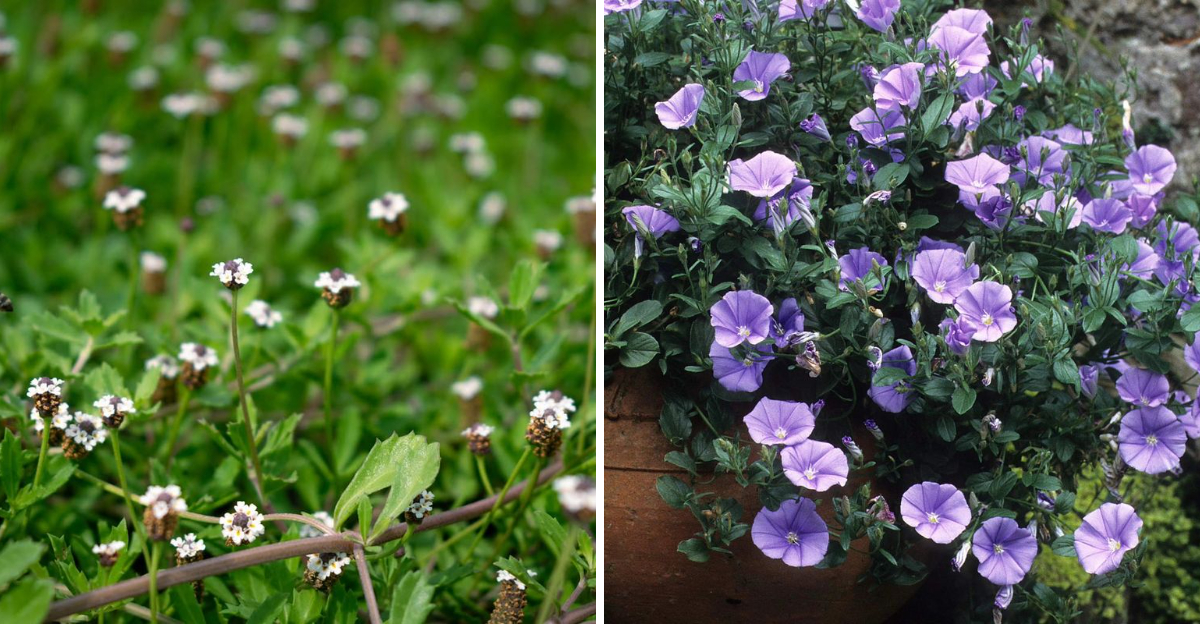
Grass starts struggling quickly in many Arizona gravel yards once summer heat becomes intense. Brown patches spread fast.
Thin areas begin showing up. Watering needs also rise much higher during the hottest part of the season.
Some ground covers handle those conditions much better.
Strong sun and rocky soil do not slow certain plants down very much at all. A few continue spreading through hot gravel while nearby grass keeps fading under the afternoon heat.
That difference becomes obvious by midsummer.
Low growing ground covers can completely change how a desert yard looks. Less mowing becomes necessary.
Water use often drops too. Some plants even stay colorful while traditional lawns keep looking stressed and worn out.
Tough ground covers usually become far more practical once gravel yards start heating up every summer.
1. Blue Chalk Sticks Stay Cooler In Open Gravel
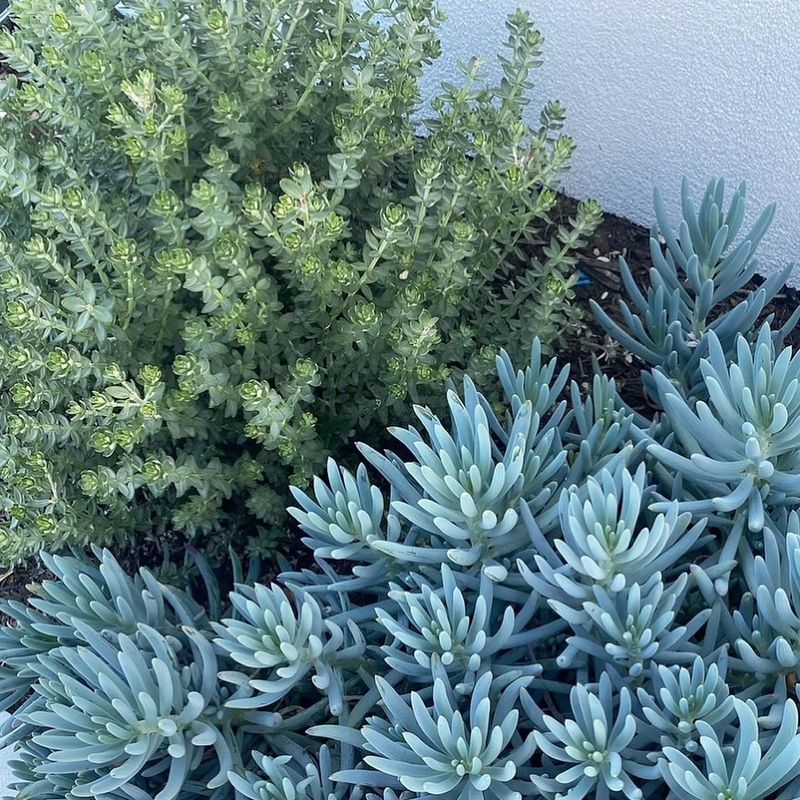
Blue chalk sticks look like something from another planet. Those thick, powdery blue-gray fingers push up through gravel without complaint, even when summer temps climb past 110 degrees.
Senecio serpens, the plant’s botanical name, stores water inside its fleshy leaves. That built-in reserve keeps it going during dry stretches when other plants would struggle badly.
Gravel actually helps this plant. Sharp drainage prevents root rot, which is the main thing that takes out succulents in wetter climates.
In a rocky desert yard, the drainage is naturally excellent.
Plant it in full sun. Part shade works too, but the color stays more vivid with direct light.
Spacing plants about 12 inches apart gives them room to fill in over one to two seasons.
Watering once every two to three weeks during summer is usually enough. In cooler months, cut back to once a month or less.
Overwatering causes more problems than drought does with this plant.
Blue chalk sticks rarely need trimming. If a stem gets leggy or floppy, just snap it off and stick it back in the gravel.
It roots quickly and fills gaps without any fuss at all.
Deer tend to avoid it. Pests are rarely a problem.
For a gravel yard that needs steady, low-effort coverage with real visual impact, this plant delivers consistently well.
2. Trailing Lantana Holds Up Through Blazing Summers
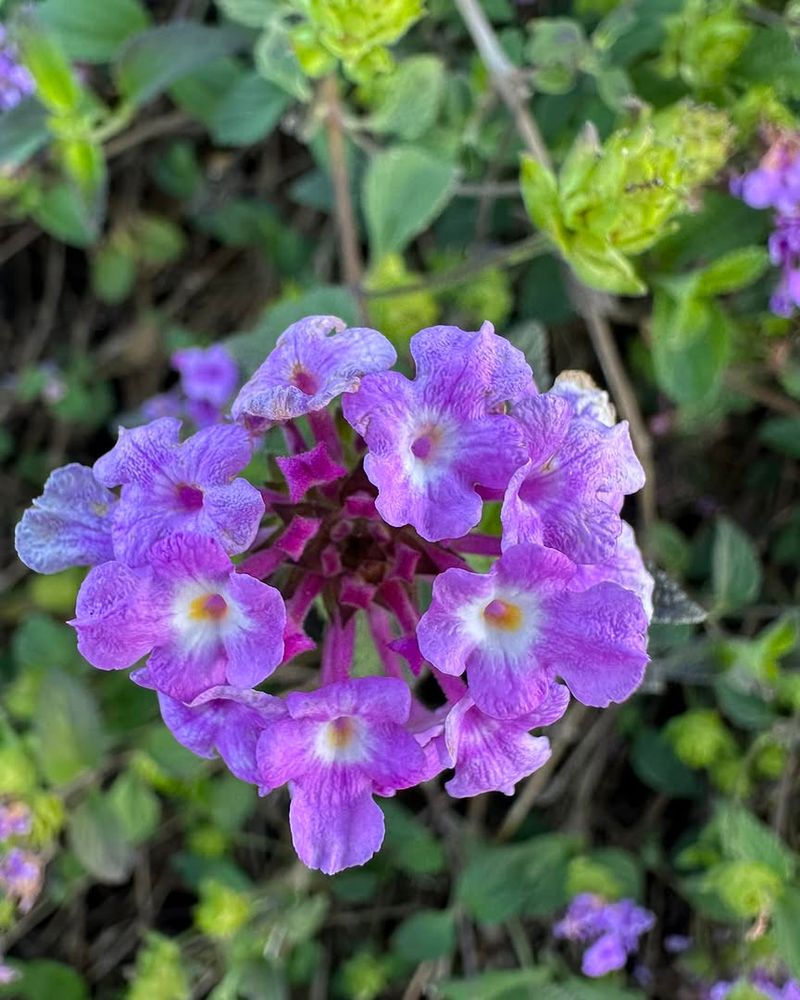
Few plants match trailing lantana when summer heat peaks. Temperatures that stress most ornamentals barely slow this plant down.
It blooms harder when things get hot, which is exactly what a desert yard needs.
Lantana montevidensis spreads wide and low, hugging the ground without growing tall. Stems root where they touch soil or gravel, slowly expanding coverage without needing replanting every season.
Flower colors vary by variety. Purple, yellow, white, and bi-color options are all widely available at local nurseries.
Butterflies and hummingbirds visit regularly, which adds real life to an otherwise rocky space.
Established plants need very little water. During the hottest months, watering deeply once a week keeps them blooming.
Once monsoon season kicks in, you can often skip irrigation entirely for weeks.
Hard freezes can knock lantana back to the ground. However, roots typically survive and push new growth once temperatures rise again in spring.
Your Arizona Garden Changes Every Week. Your Plan Should Too.
Gardening in Arizona changes quickly throughout the season. Every Friday you’ll receive a simple weekly plan showing exactly what to plant, prune, fertilize, harvest, and protect so you never miss the right timing.
Treat it as a reliable returning perennial in most desert elevations.
Pruning in late winter keeps growth tidy and encourages fresh branching. Skip heavy pruning during active heat.
Let it spread naturally during summer and clean it up once cooler weather arrives.
Trailing lantana covers bare gravel patches surprisingly fast. One plant can spread four to six feet wide in a single season under good conditions.
For fast, colorful coverage in tough spots, this one consistently performs.
3. Silver Ponyfoot Spreads Soft Texture Between Rocks
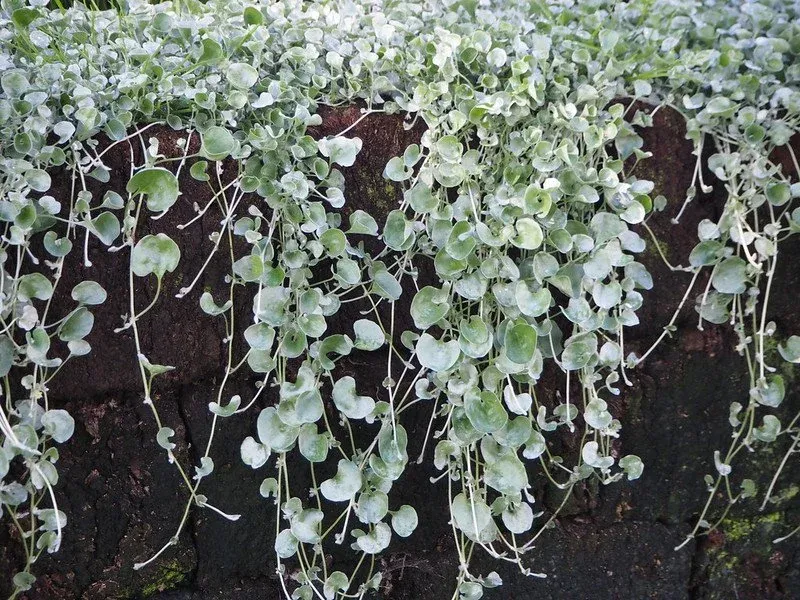
Silver ponyfoot surprises people. It looks delicate, almost like something that belongs in a shaded garden.
But Dichondra argentea handles brutal desert heat without much drama at all.
Tiny silver leaves catch light beautifully as they spill between rocks and gravel. The plant stays low, rarely reaching more than three inches tall.
That low profile makes it ideal for filling gaps without crowding taller plants nearby.
Heat and sun actually bring out the best silver color. In shadier spots, leaves turn more green and the visual effect softens.
Full sun placement gives you that crisp, bright, metallic look that makes gravel yards feel intentional and polished.
Water needs are moderate compared to other desert plants. During summer, watering once or twice a week helps it spread faster.
Once established, it tolerates longer dry periods, though consistent moisture keeps growth more dense and even.
Silver ponyfoot works well along borders, between stepping stones, and around boulders. It softens hard edges without taking over.
Roots are shallow, so removing it from areas where it spreads too far is straightforward.
Frost can damage the top growth in colder desert zones. Roots often survive light freezes and regrow when spring warmth returns.
In lower elevation desert yards, it often stays evergreen through mild winters without much interruption.
For texture contrast against coarse gravel and rough rock, silver ponyfoot adds a softness that almost nothing else matches at this size.
4. Creeping Germander Handles Tough Desert Exposure
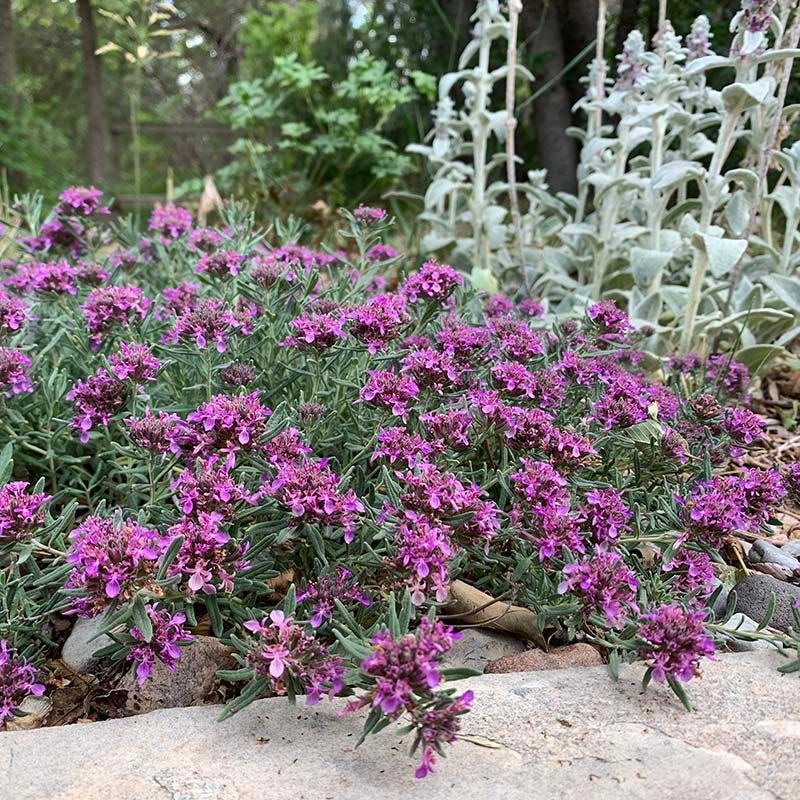
Creeping germander earns its place through sheer toughness. Teucrium chamaedrys grows low and woody, forming a dense mat that handles reflected heat from walls, fences, and gravel without showing much stress.
Small dark green leaves stay on the plant through most of the year in mild desert climates. Tiny pink or purple flowers appear in late spring and early summer, attracting bees without needing any extra attention from you.
Rocky, well-drained soil suits it perfectly. Compacted ground or heavy clay will cause problems, but in a gravel yard with loose, fast-draining soil, germander thrives with minimal intervention once roots are settled in.
Water it regularly during the first season to help roots establish deeply. After that, cut back sharply.
Established germander handles dry spells well, needing only occasional deep watering through the hottest months of the year.
Shearing it lightly once or twice a year keeps the mat tidy and prevents woody stems from becoming too dominant. Skip heavy pruning in summer.
Late winter or early spring is the best time to cut it back.
Germander works well along walkways, at the base of walls, and between larger desert shrubs. It stays compact enough to avoid crowding neighbors but spreads steadily enough to cover bare patches over time.
Deer rarely browse it. Pests are not a significant issue in dry climates.
For a reliable, low-maintenance mat that handles full desert exposure, creeping germander is a solid and practical choice.
5. Prostrate Rosemary Trails Naturally Across Slopes
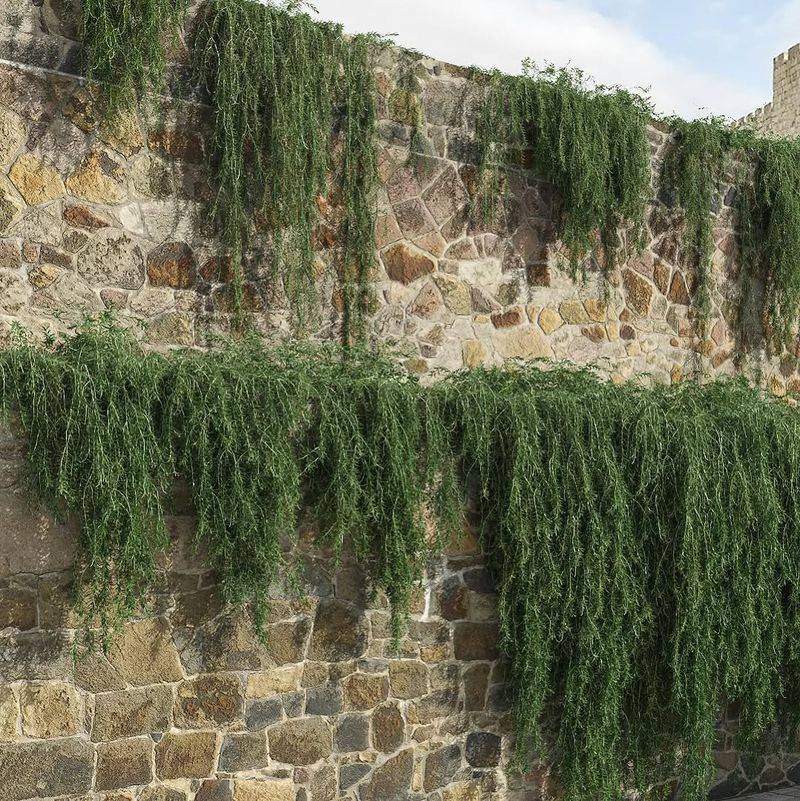
Slopes in gravel yards are notoriously hard to plant. Soil shifts, water runs off fast, and most plants never get enough time to root properly.
Prostrate rosemary solves that problem better than almost anything else available.
Rosmarinus officinalis ‘Prostratus’ grows horizontally instead of upright, sending stems outward and downward along the ground. On a slope, it cascades naturally, anchoring soil while providing steady green coverage through most seasons.
Heat and sun do not bother it. Rosemary evolved in dry Mediterranean climates, so desert conditions feel familiar to this plant.
Reflected heat from gravel and rock rarely causes the leaf scorch you see on less adapted plants.
Watering deeply but infrequently encourages deep root growth. Once established, weekly watering in summer is usually plenty.
Overwatering in heavy soil causes root problems, so make sure drainage is solid before planting on any slope.
Small blue flowers appear in late winter and early spring. They are subtle but attractive, and pollinators visit them regularly before most other desert plants have started blooming for the season.
Trim back any stems that grow too far or too thick after the flowering period ends. Light shearing keeps the plant looking intentional rather than wild.
Avoid cutting into old wood since recovery from heavy pruning can be slow.
Rosemary also doubles as a culinary herb. Clipping stems for cooking while managing plant size is a practical bonus that most purely ornamental ground covers simply cannot offer.
6. Ground Morning Glory Brings Color Without Turf Problems
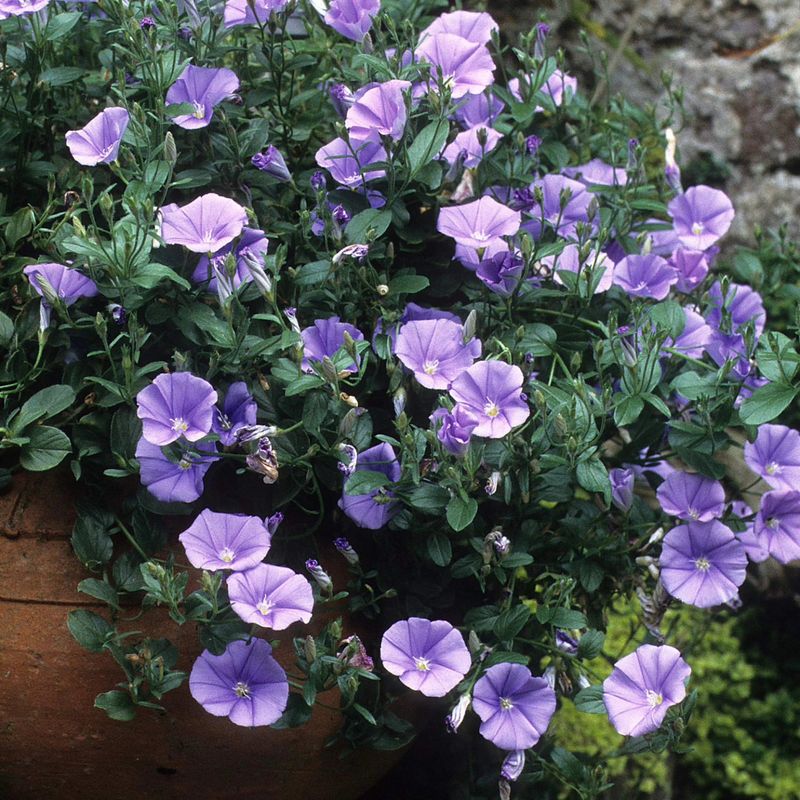
Bright blue flowers against pale gravel make a striking combination. Ground morning glory, Convolvulus sabatius, delivers exactly that kind of visual punch without needing the water or maintenance that turf demands in a desert yard.
Stems trail outward along the ground, reaching two to three feet in each direction. The plant stays low, rarely exceeding eight inches in height.
That low spread fills bare gravel areas efficiently without shading out nearby plants.
Flowers open in morning light and close by afternoon, which is typical for the morning glory family. Even with that pattern, bloom coverage stays impressive from spring through fall when conditions stay warm and reasonably consistent.
Full sun placement produces the best flowering. In partial shade, blooms thin out and stems become more leggy.
A south or west-facing spot in a gravel yard gives this plant the intensity it performs best in.
Watering once or twice a week during summer keeps it blooming steadily. Reduce watering in fall and winter.
Ground morning glory tolerates dry spells once established, though consistent moisture during peak heat improves both coverage and flower count.
Light frost can damage foliage, but plants often recover from roots once temperatures stabilize. In warmer desert valleys, it may stay evergreen through winter with minimal protection needed.
Trim back sprawling stems in late winter to encourage fresh, compact growth for the coming season. For a gravel yard that needs reliable seasonal color without the fuss of replanting, this plant is a dependable option.
7. Rocky Point Ice Plant Prefers Sharp Desert Drainage
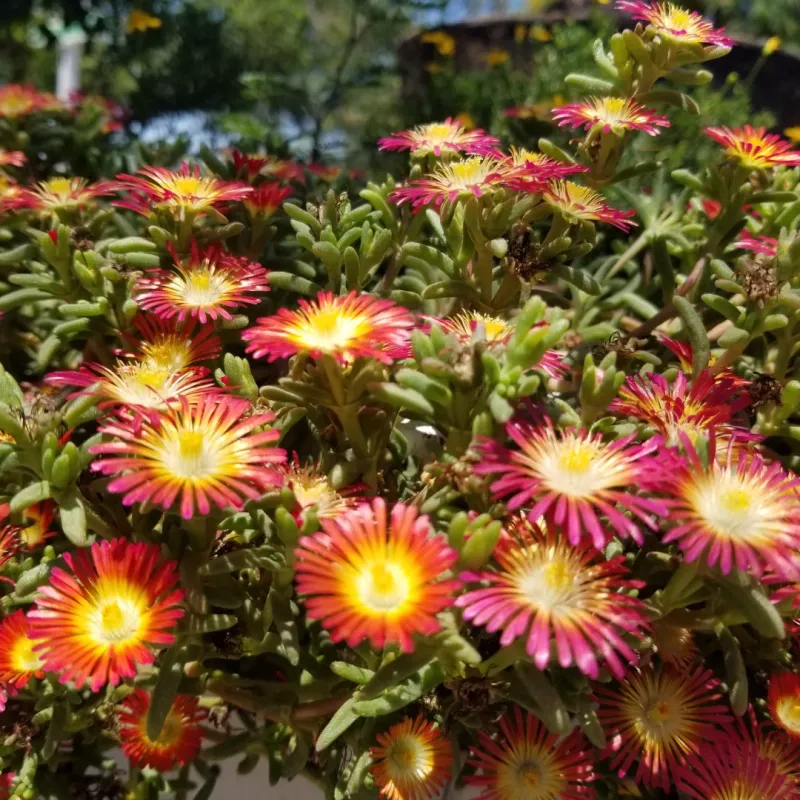
Not all ice plants perform equally in desert heat. Rocky Point ice plant, Delosperma ‘Rocky Point’, is specifically selected for hot, dry climates where drainage is sharp and summers are unrelenting.
Fleshy, succulent leaves store moisture efficiently. That stored water carries the plant through dry gaps between irrigation cycles without visible stress.
In a gravel yard with fast drainage, it roots confidently and spreads at a steady pace.
Magenta flowers appear heavily in spring and often again after summer monsoon rains arrive. The color is intense and hard to miss against pale gravel or tan rock.
Even without flowers, the dense mat of green leaves looks tidy and full.
Plant it where water drains quickly. Wet, slow-draining soil is the main condition that causes problems for ice plant.
In raised gravel beds or on gentle slopes, drainage is usually natural and sufficient without any amendments needed.
Water deeply but infrequently once established. During the hottest months, once-a-week watering is usually enough.
Reduce frequency significantly in cooler months when plant activity slows and soil holds moisture longer.
Trim back old, woody stems after the main spring bloom ends. New growth emerges from the base and fills in quickly.
Skipping this step does not ruin the plant, but trimming keeps coverage looking dense and intentional.
For desert homeowners who want a flowering succulent ground cover that handles gravel and reflected heat, Rocky Point ice plant is one of the most reliable choices currently available in the Southwest.
8. Frogfruit Covers Bare Ground Surprisingly Fast
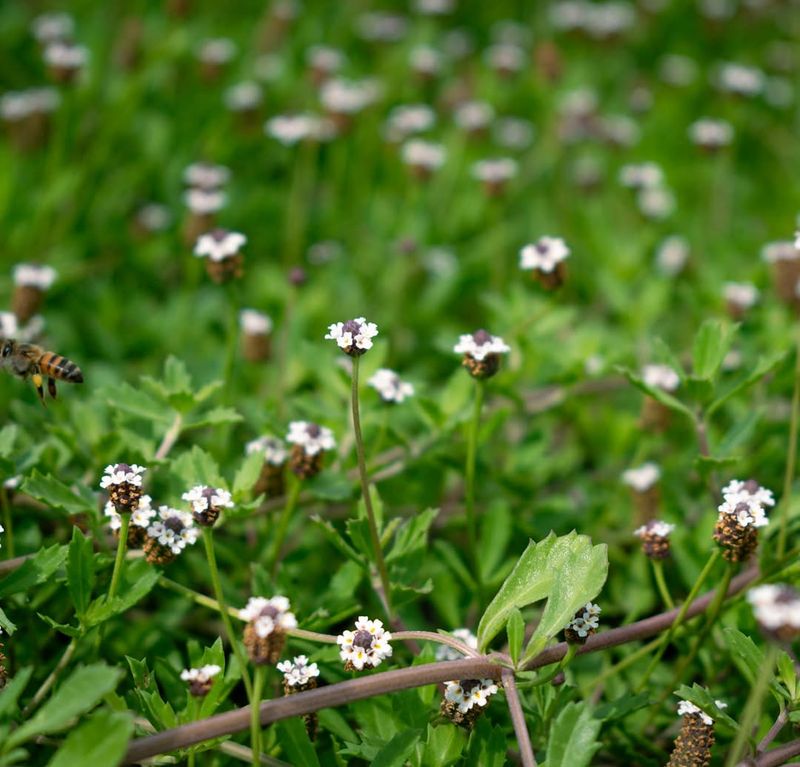
Bare patches in a gravel yard are an open invitation for weeds. Frogfruit, Phyla nodiflora, moves in fast and closes those gaps before unwanted plants get a foothold.
Speed is genuinely one of this plant’s best qualities.
Stems spread outward aggressively, rooting at nodes as they go. Within a single growing season, one plant can cover several square feet of bare ground.
In warm desert climates, growth continues for most of the year.
Tiny white to pale lavender flowers appear almost constantly during warm months. They are small but numerous, and butterflies absolutely love them.
Planting frogfruit is essentially installing a pollinator magnet at ground level.
Full sun works best, though it tolerates some afternoon shade. In Arizona, full sun locations get the fastest and most even coverage.
Shaded spots slow the spread and reduce flower production noticeably.
Water needs are moderate. During establishment, water two to three times per week.
Once rooted in, frogfruit handles dry stretches reasonably well. Consistent moisture during summer keeps growth dense and flowering active through the hottest months.
It can handle light foot traffic better than most ground covers its size. Stepping on it occasionally does not set it back significantly.
That tolerance makes it useful along informal pathways through gravel areas.
Some gardeners worry it spreads too aggressively. Edging it along borders keeps spread controlled.
Overall, frogfruit is one of the most practical and fast-working bare-ground solutions available for hot desert landscapes today.