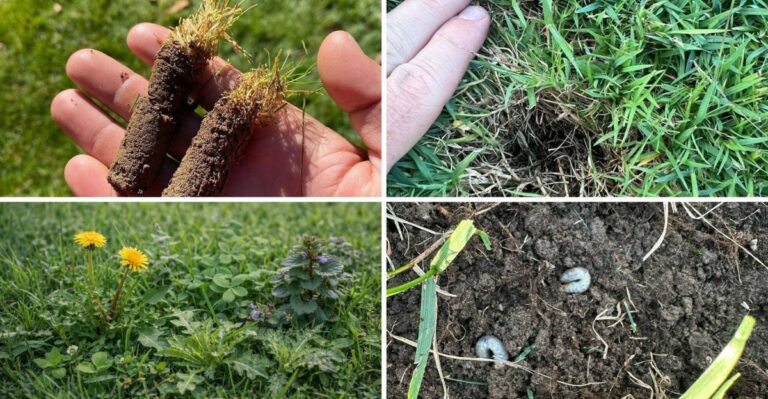
The Watering Mistake That Invites Crabgrass Into Your Lawn
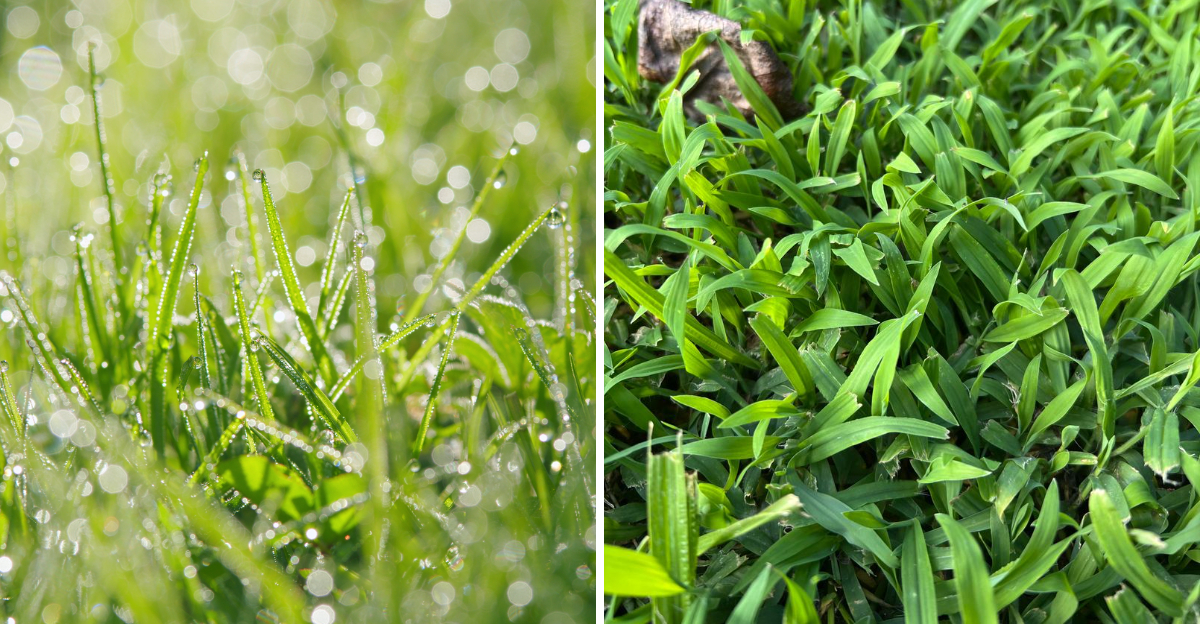
Crabgrass doesn’t wait for your permission to spread. Summer heat gives crabgrass every excuse it needs to grow. Your sprinkler settings decide who claims that ground every single time.
Shallow watering trains your grass roots to stay weak. Weak roots leave you exposed to fast growing weeds nearby. Most homeowners blame soil, seed, or simply bad luck instead.
Few ever suspect their own hose is the culprit. Dry patches and shallow roots hand crabgrass an easy opening. Every missed adjustment gives crabgrass more room to spread wider.
Nothing about this weed slows down or waits patiently. You hold more control over this than you truly realize. This shift in habit changes how your lawn thrives.
That single change can protect your entire lawn much faster. Ignoring it only lets crabgrass tighten its grip even more. Only a small fix stands between you and a lawn crabgrass can never fully claim.
What Watering Habit Actually Encourages Crabgrass To Spread
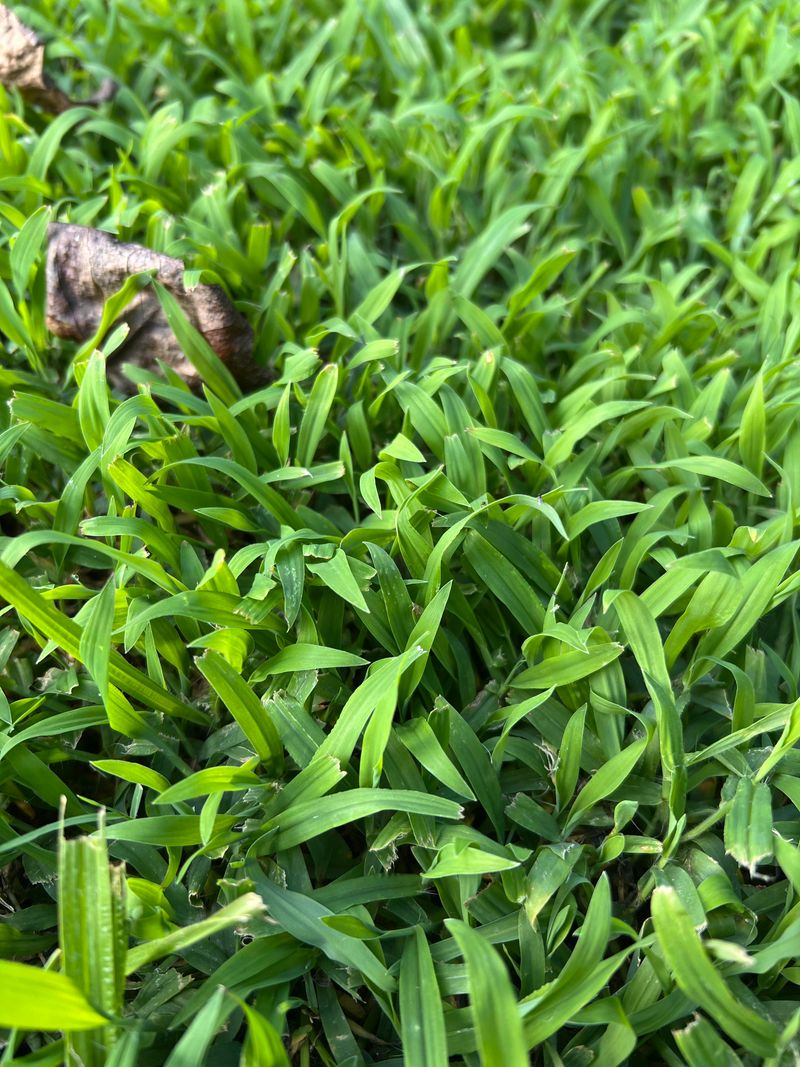
Frequent, shallow watering favors crabgrass growth. Many homeowners water briefly and frequently without realizing the effect it has on their lawn.
Crabgrass seeds sit near the surface of your soil, waiting for moisture. Short watering sessions deliver exactly what those seeds need to sprout fast.
Your grass, on the other hand, needs water that reaches deeper into the ground. When water only wets the top inch of soil, your turf stays weak while crabgrass thrives.
Think of it like feeding two plants at the same table. One loves the shallow end, and the other needs to reach further down to survive.
The watering mistake that invites crabgrass into your lawn is not dramatic. It is quiet, repeated, and easy to miss until the weed shows up in full force.
Crabgrass also loves warm, moist soil near the surface during summer. Short daily watering cycles heat up that top layer and keep it consistently damp.
That warm, moist zone is a perfect nursery for crabgrass germination. Your lawn’s desirable grass struggles to compete when its roots have no reason to grow deeper.
Changing this one habit disrupts the entire cycle. Less frequent but deeper watering encourages your lawn’s roots downward and removes the conditions crabgrass needs to grow.
Why Shallow Watering Weakens Your Lawn’s Roots
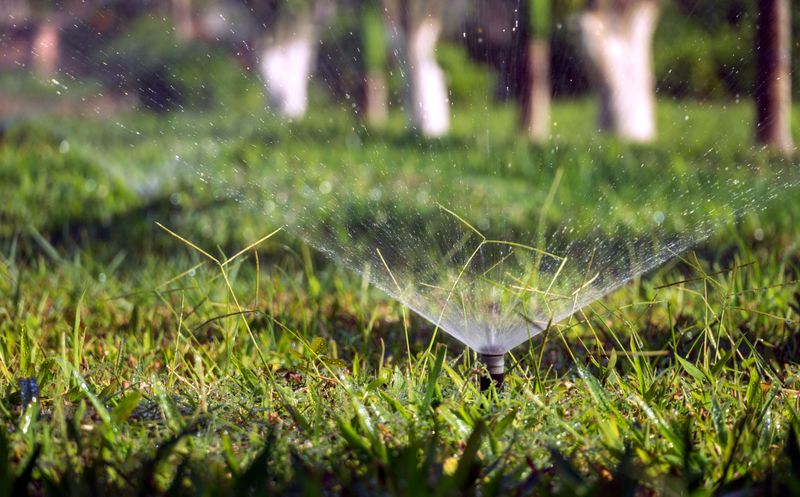
Roots follow water. That is the single most important thing to understand about how your lawn grows.
When you water lightly every day, grass roots have no reason to push deeper into the soil. They cluster near the surface where moisture is always available.
Shallow roots mean shallow survival. A lawn with weak roots cannot handle heat, drought, or foot traffic the way a deep-rooted lawn can.
That vulnerability creates gaps in your lawn’s density. Thin, stressed turf leaves open spaces where crabgrass seeds can easily take hold.
Crabgrass spreads quickly into weak spots in the lawn. It moves fast into any weak spot your lawn leaves behind.
A deep-rooted lawn is your best natural defense. Dense, healthy grass crowds out weeds before they ever get a chance to establish themselves.
Shallow watering also makes your lawn more susceptible to fungal issues. Wet surface soil combined with heat is a recipe for lawn disease, which further weakens your turf.
Once disease hits, your lawn thins out even more. That creates conditions where crabgrass can move in and spread across the yard.
Breaking the shallow watering cycle builds lawn resilience from the ground up. Stronger roots mean denser grass, and denser grass means far fewer opportunities for crabgrass to take hold and spread.
How Often And How Deeply You Should Actually Water
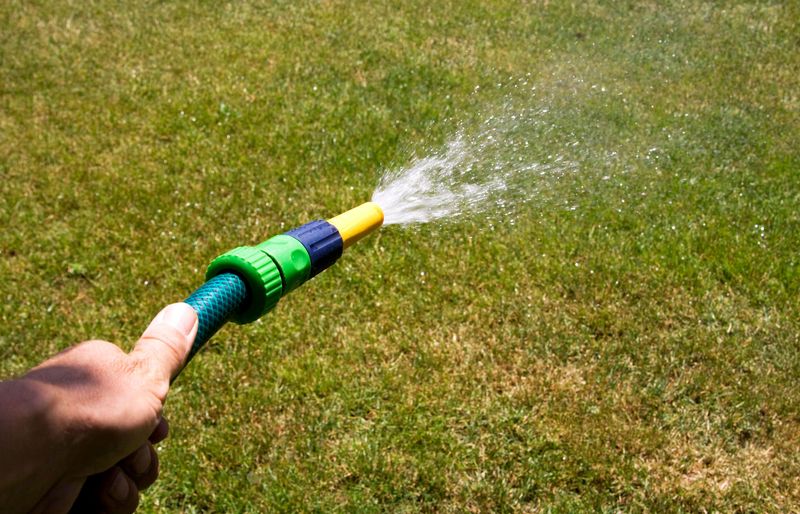
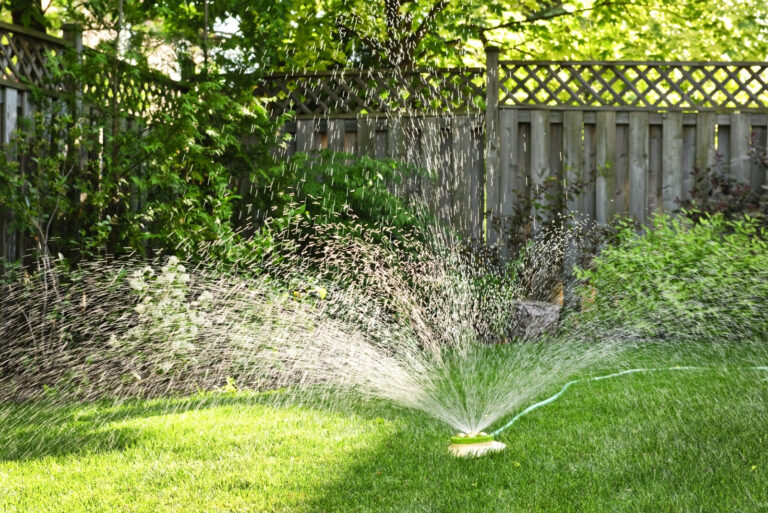
Most lawns need about one inch of water per week. That sounds simple, but the delivery method matters just as much as the total amount.
Instead of watering every day, aim for two or three sessions per week. Each session should run long enough to push moisture about six inches into the soil.
A simple trick is to place a tuna can or shallow cup on your lawn while the sprinkler runs. When the can fills to one inch, you have hit your target depth.
Deeper watering encourages grass roots to stretch down toward moisture. Roots that go six inches deep are far more drought-tolerant and competitive against weeds.
Sandy soils drain faster and may need slightly more frequent watering. Clay soils hold moisture longer, so you can often water less often without stressing your turf.
Knowing your soil type helps you dial in the right schedule. A quick squeeze test can reveal a lot: clay clumps together, while sandy soil crumbles apart easily.
Adjusting your schedule based on rainfall also matters. If your area gets a solid rain during the week, skip your next watering session entirely.
Overwatering is just as harmful as underwatering. Soggy soil drives out oxygen, weakens roots, and creates exactly the wet surface conditions crabgrass loves to exploit.
The goal is consistency without excess. Steady, deep watering creates an environment where crabgrass has a much harder time competing.
Best Time Of Day To Water For A Healthier Lawn
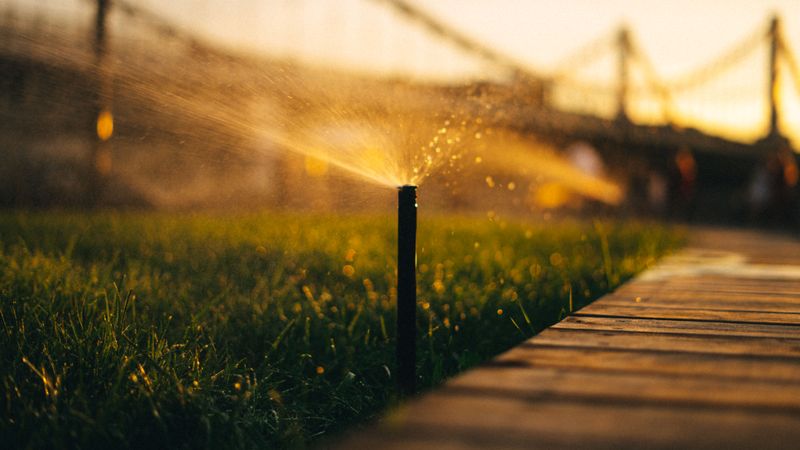
Timing your watering sessions makes a bigger difference than most people expect. The hour you choose can either support your lawn or quietly set it back.
Early morning, generally before mid-morning, tends to be the most favorable window for watering your lawn. Temperatures are cooler, winds are calmer, and water soaks in before the midday sun can burn it off.
Morning watering gives your grass blades time to dry out during the day. Dry blades are less vulnerable to fungal infections that thrive in damp, warm conditions.
Evening watering is often used, even though it can create conditions crabgrass favors. Grass stays wet all night, creating a humid surface layer that encourages disease and, yes, crabgrass germination.
Midday watering is not ideal either. Much of the water evaporates before it can reach the root zone, making your efforts inefficient and your lawn thirsty by afternoon.
Think of morning watering as giving your lawn a head start. It absorbs moisture while conditions are favorable and builds strength before the heat of the day arrives.
A smart irrigation timer can automate your morning schedule. Set it once, and you remove the guesswork from one of the most important parts of lawn care.
Proper timing combined with proper depth is a powerful combination. Together, they create soil conditions that support healthy turf and are less favorable for crabgrass growth.
Combining Proper Watering With Mowing Height

Watering correctly is only half the equation. Mowing height plays a surprisingly large role in whether crabgrass gets the sunlight it needs to grow.
Crabgrass is a sun-loving weed. It needs direct sunlight hitting the soil surface to germinate and spread across your lawn.
Keeping your grass taller creates natural shade over the soil. That shade blocks the sunlight crabgrass seeds depend on, slowing germination before it even begins.
Most cool-season grasses should be mowed at three to four inches tall. Warm-season grasses can go slightly shorter, but never scalp the lawn by cutting more than one-third of the blade at once.
Cutting too short is called scalping, and it is one of the fastest ways to stress your turf. Stressed turf opens up bare patches, and bare patches are highly vulnerable to crabgrass.
Pair your taller mowing height with your deep watering schedule. Together, these two habits create a thick, shaded lawn that naturally resists weed growth.
Sharp mower blades also matter more than people realize. Dull blades tear grass rather than cut it cleanly, leaving ragged edges that stress the plant and invite disease.
A clean cut on a tall blade of grass is a small detail with a big payoff. Your lawn looks better, recovers faster, and stands stronger against the watering mistake that invites crabgrass into your lawn season after season.
Signs Crabgrass Is Spreading And How To Respond
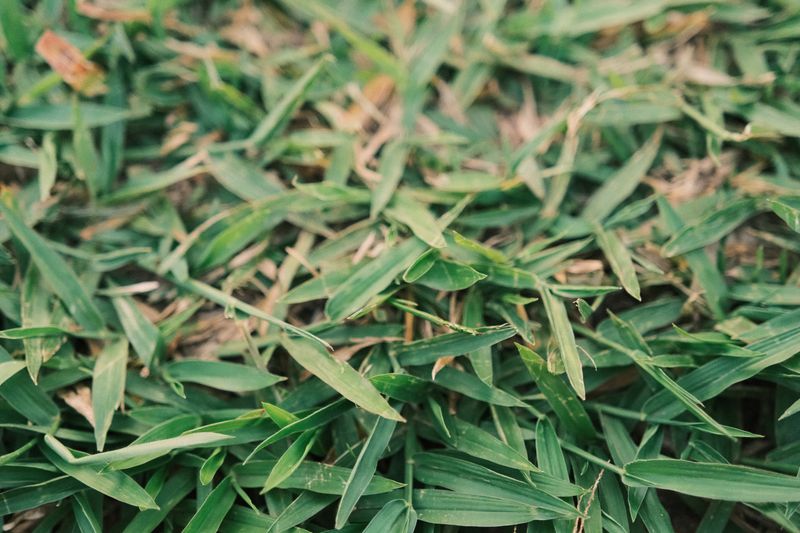
Spotting crabgrass early gives you a real advantage. The weed is much easier to manage before it sets seed and spreads across the entire yard.
Crabgrass has wide, flat blades that sprawl outward from a central point, almost like a star shape. Its color tends to be lighter green than your regular turf, making it easier to spot.
By midsummer, crabgrass sends up seed heads that look like thin fingers spreading out from a single stem. Once those seeds drop, next year’s crabgrass growth has already begun.
If you catch it early, hand-pulling works well for small patches. Pull the entire root system out, because leaving fragments behind allows regrowth to happen quickly.
For larger areas, a post-emergent herbicide labeled specifically for crabgrass can help. Always follow label instructions carefully and apply during warm weather when the weed is actively growing.
After removing crabgrass, reseed or patch the bare spots immediately. Bare soil leaves room for a second wave of weeds to establish before your lawn recovers.
Pre-emergent treatments applied in early spring can prevent crabgrass seeds from sprouting at all. Timing is critical, so apply before soil temperatures consistently reach 55 degrees Fahrenheit.
Combining pre-emergent treatment with corrected watering habits is the most effective long-term strategy. Fixing the watering mistake that invites crabgrass into your lawn stops the cycle before it restarts each season.