September Is The Best Time To Fix These Lawn Problems
Your lawn spent the whole summer getting trampled by sneakers, baked by sun, and watered at silly hours. It looks worn out right now, and honestly, it has earned that sad crunchy sound.
Then September arrives with cool mornings, gentler afternoons, and rain that finally sticks around longer than ten minutes. Grass wakes up, roots stretch out, and your yard quietly asks for a little help.
This stretch of warm soil and cool air is one of the more forgiving repair windows of the year. Anything you sort out during the next few weeks has time to settle before frost shows up.
Put the projects off until spring and you’ll end up with more work and a weaker payoff. Meanwhile your neighbor’s suspiciously perfect yard is not luck, and he is not sharing his secret.
1. Bare Patches Finally Get Their Second Chance
Late summer leaves behind thin, scruffy spots where kids ran and dogs napped. September hands you the perfect window to refill them.
Soil still holds summer warmth, which helps new seed sprout fast. Cooler air means fewer weeds fighting those baby grass plants.
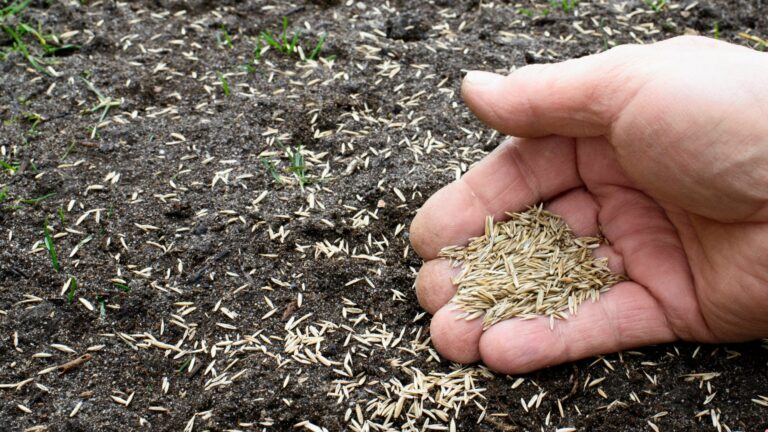
Rake the spot hard until you see loose, crumbly soil underneath. Scatter seed that matches the grass type you already grow.
Press seed into the ground with your foot or a light roller. Good contact matters more than dumping extra seed on top.
Choose a bag with a fresh test date for better sprouting. Bargain bins often hide old stock and cheap filler.
Water lightly twice a day for the first two weeks. Short sips beat one long soaking while roots are tiny.
Hold off on weed spray until the seedlings get mowed three times. Most herbicides stall young grass before it settles in.
A thin layer of straw or compost keeps the surface from crusting. Skip thick blankets since sunlight still needs to reach through.
Mark the new areas with sticks so nobody parks a wheelbarrow there. Foot traffic flattens seedlings faster than you would guess.
Sod farms do most of their seeding in fall for this reason. Copy the pros and your patches vanish by Halloween.
By mid October those thin spots knit together into real turf. Spring seeding rarely gets that head start.
2. Compacted Soil Breathes Again With Core Aeration
Stomp around your yard and you might hear a dull, solid thud. That sound means the soil underneath has packed tight.
Roots need air pockets, water channels, and room to stretch downward. Hard ground gives them none of that.
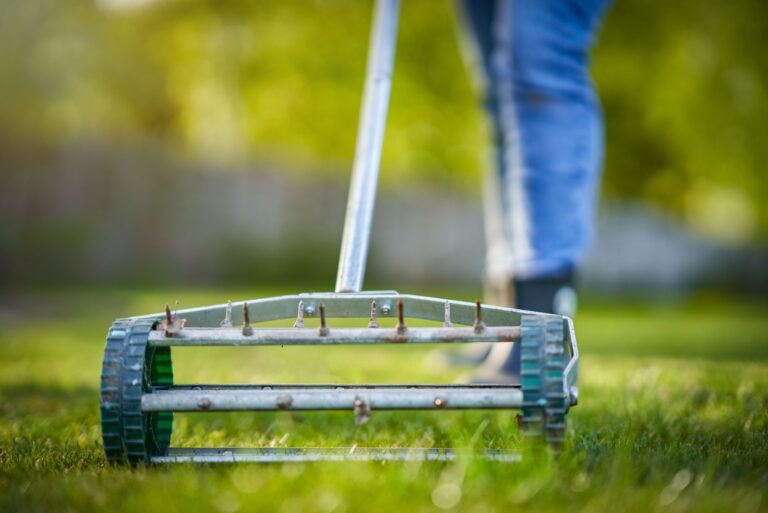
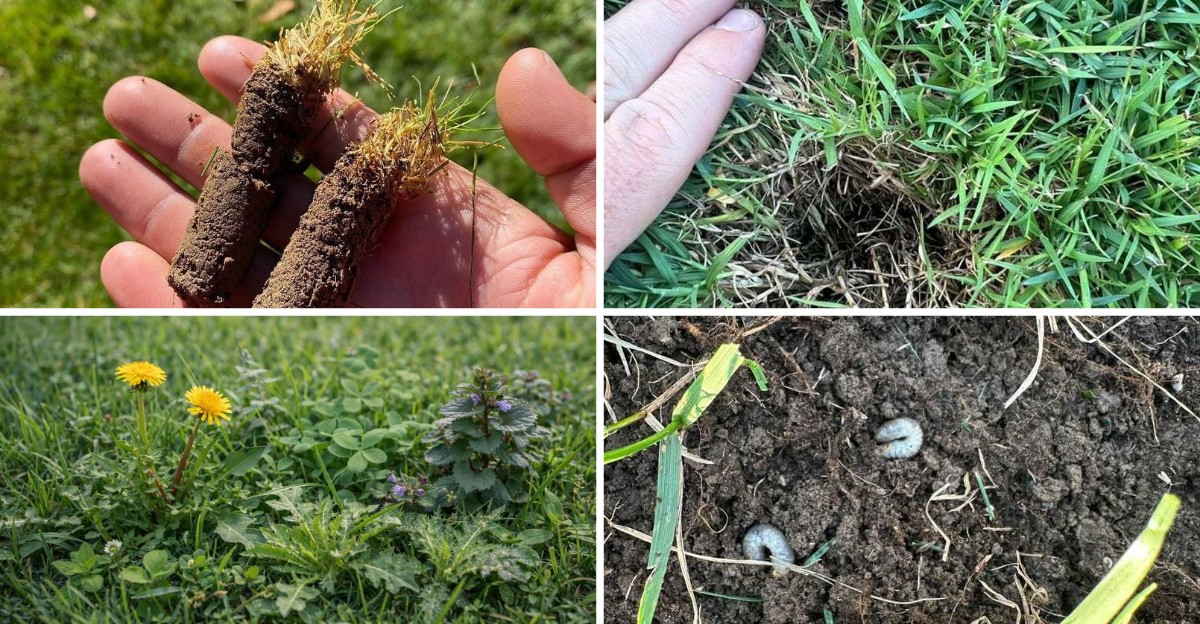
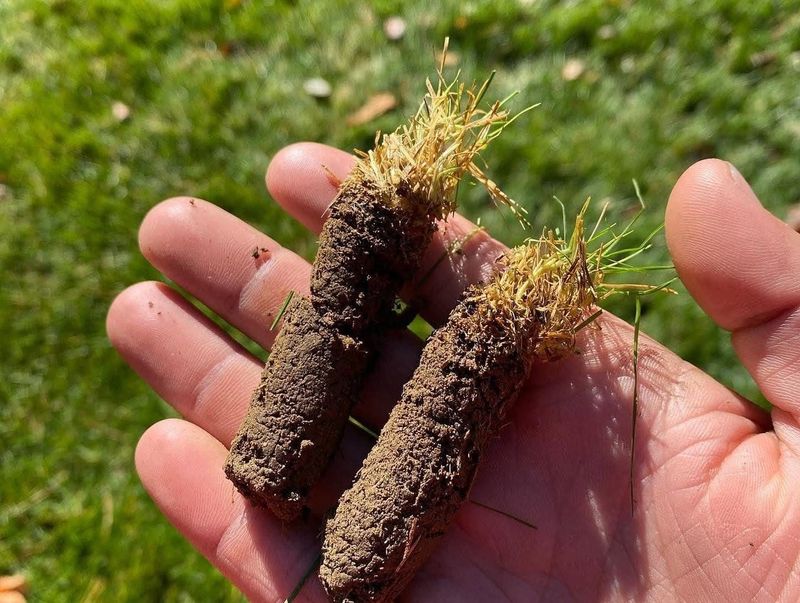
A core aerator pulls out finger sized plugs of soil and thatch. Those little holes let rain and oxygen sink deep.
September works because grass recovers quickly during cool, moist weather. The same job in July stresses turf badly.
Rent a machine for a morning or hire a crew for less hassle. Two passes in different directions give better coverage.
Water the lawn a day before so the tines pull clean plugs. Bone dry ground fights the machine and shallow holes result.
Leave the plugs on the surface to break down naturally. Rain and mowing crumble them within two weeks.
Spike shoes and pitchforks look handy but mostly push soil sideways. Removing cores is what truly relieves the pressure.
Aerating right before overseeding gives seed a cozy place to land. The holes act like tiny planting pots.
Clay lawns benefit yearly while sandy ones manage fine every other fall. Watch how fast puddles drain for your answer.
Kids love collecting the plugs, oddly enough, so hand them a bucket. Free labor smells like wet dirt.
3. Spongy Thatch Lifts Away With Ease
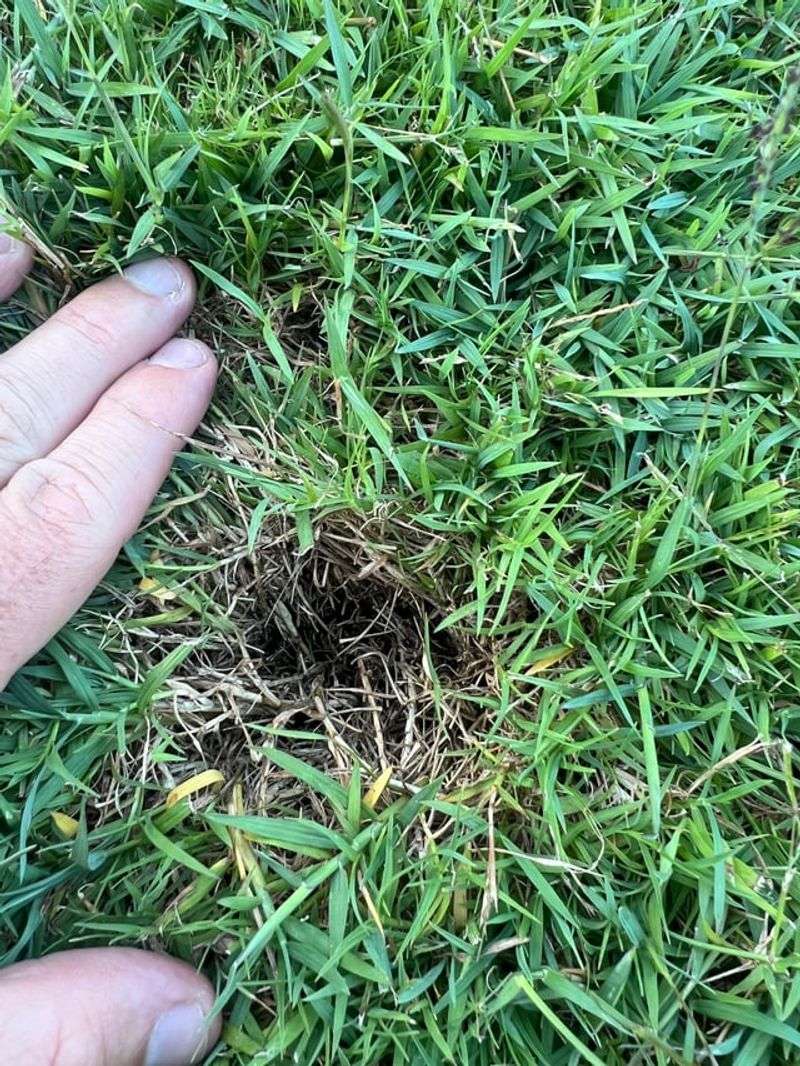
Walk across some lawns and it feels like stepping on a mattress. That bounce comes from a thick mat of old stems.
A half inch of thatch is helpful because it cushions and holds moisture. More than that blocks water and fertilizer.
Push a screwdriver into the turf and check the tan layer above soil. Anything thicker than a pencil eraser needs attention.
September gives grass the energy to heal after a rough raking. Summer heat would leave the lawn sulking for weeks.
A dethatching rake works fine for small yards and a good workout. Power rakes handle bigger spaces in an afternoon.
Mow a little lower than usual first so the tines reach the mat. Then pull in one direction and bag the debris.
Grass may look shocked and thin right after the job. Water and a light feeding bring color back quickly.
Overseeding afterward fills the gaps while the soil sits exposed. Two chores, one weekend, much better lawn.
Cool season lawns handle dethatching best in early fall weather. Warm season grasses prefer late spring instead.
Heavy thatch often traces back to overwatering or too much nitrogen. Fixing habits keeps the mat from returning.
Grass clippings get blamed unfairly since they break down fast. Stems and runners are the real culprits.
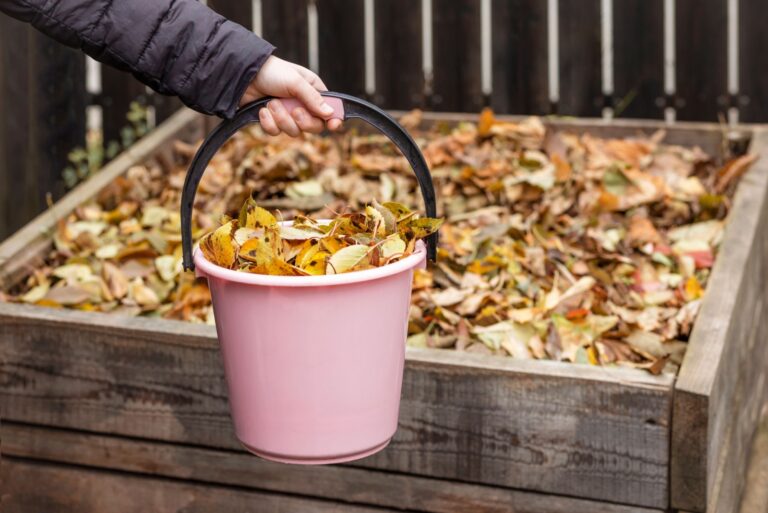
Your compost pile will eat every bag you haul over there. It has been waiting all summer.
4. Stubborn Broadleaf Weeds Lose Their Grip Now
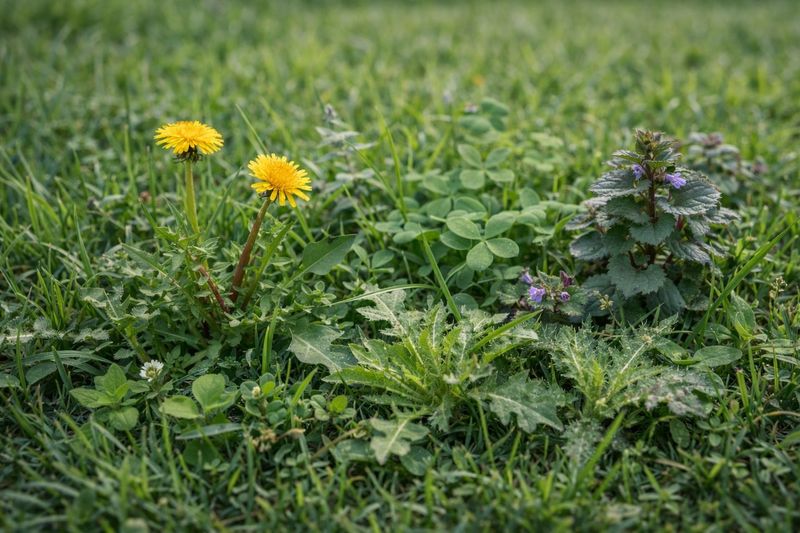
Dandelions and clover spend September doing one thing, storing food in their roots. That habit turns them into easy targets.
Whatever lands on the leaves rides straight down to the root. Spring spraying mostly burns the top and invites regrowth.
Pick a calm day between sixty and eighty degrees for best results. Wind pushes spray onto flowers you actually like.
Spot treat with a broadleaf product instead of soaking the whole yard. Your wallet and the bees both appreciate it.
Hand pulling works too when the soil stays damp from fall rain. Get the taproot or the plant laughs at you.
Wait a few days after mowing so leaves have surface to absorb through. Then hold off mowing for two more days.
Creeping charlie and violets need a second round about a month later. Their waxy leaves shrug off one application.
Skip spraying areas where you plan to sow fresh seed soon. Check the label for the waiting period first.
Mark trouble zones with flags so you remember where to check later. Memory fades once the leaves start falling.
Thick turf remains one of the cheapest forms of weed control. Bare ground is an open invitation.
Clover fixes nitrogen and feeds pollinators, so some folks let it stay. Nobody hands out citations either way.
Fewer weeds now means a spring lawn that behaves itself. Imagine that quiet victory in April.
5. Hidden Grubs Get Caught In The Act
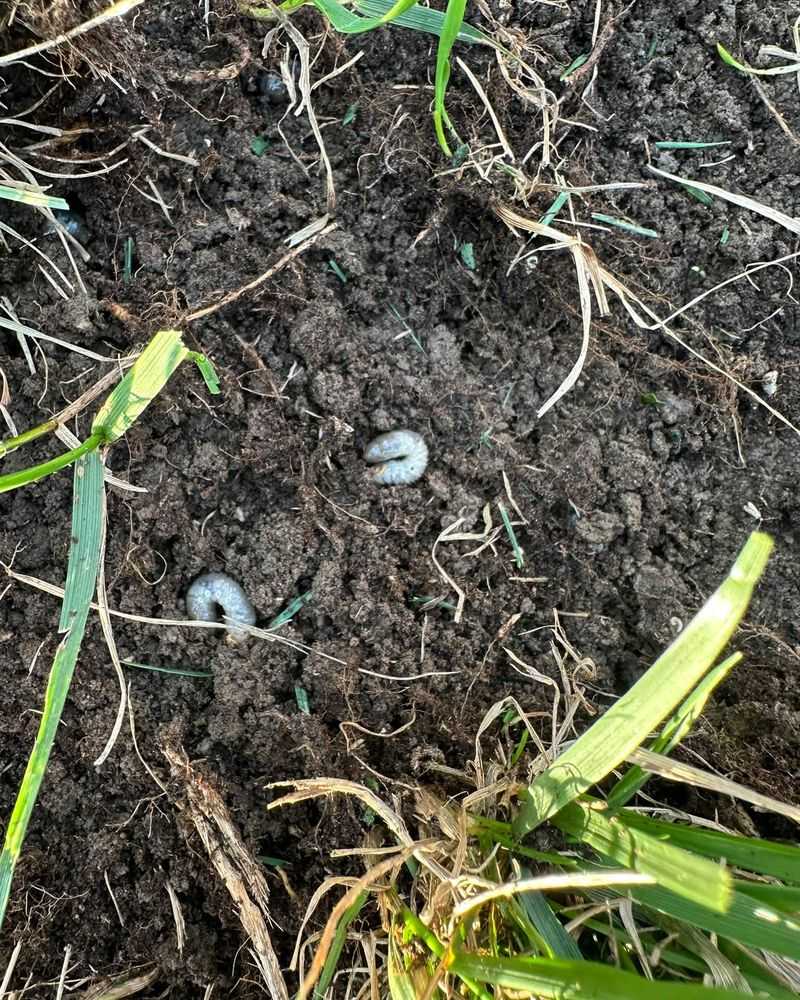
Peel back a patch of loose turf and you might find pale, curled beetle larvae. Those little grubs chew grass roots underground.
September is prime hunting season because the grubs sit near the surface. They feed heavily before burrowing deeper for winter.
Spongy turf that rolls up like carpet is the classic warning sign. Skunks and birds digging holes back up the clue.
Mow and rake the area first so you can see bare soil clearly. Shadows and long blades hide plenty of evidence.
Cut a one foot square and count what you find beneath it. More than six or eight per square foot means trouble.
Curative products containing trichlorfon or carbaryl work fast in early fall. Preventive formulas applied now miss the window.
Water the treatment in well so it reaches the root zone. Dry granules sitting on top do very little.
Beneficial nematodes offer a gentler route for organic minded gardeners. Apply them on a cloudy evening and keep soil moist.
Damaged areas are unlikely to bounce back on their own this late. Rake out the loose turf and drop fresh seed.
Those grubs grow into the beetles that chewed your roses. Breaking the cycle now pays off twice.
Healthy lawns usually tolerate a few grubs without visible damage. Panic spraying every year wastes money.
Check again next August so the problem stays a small one. Your turf prefers boring years.
6. Fungal Patches Fade As Nights Turn Cool
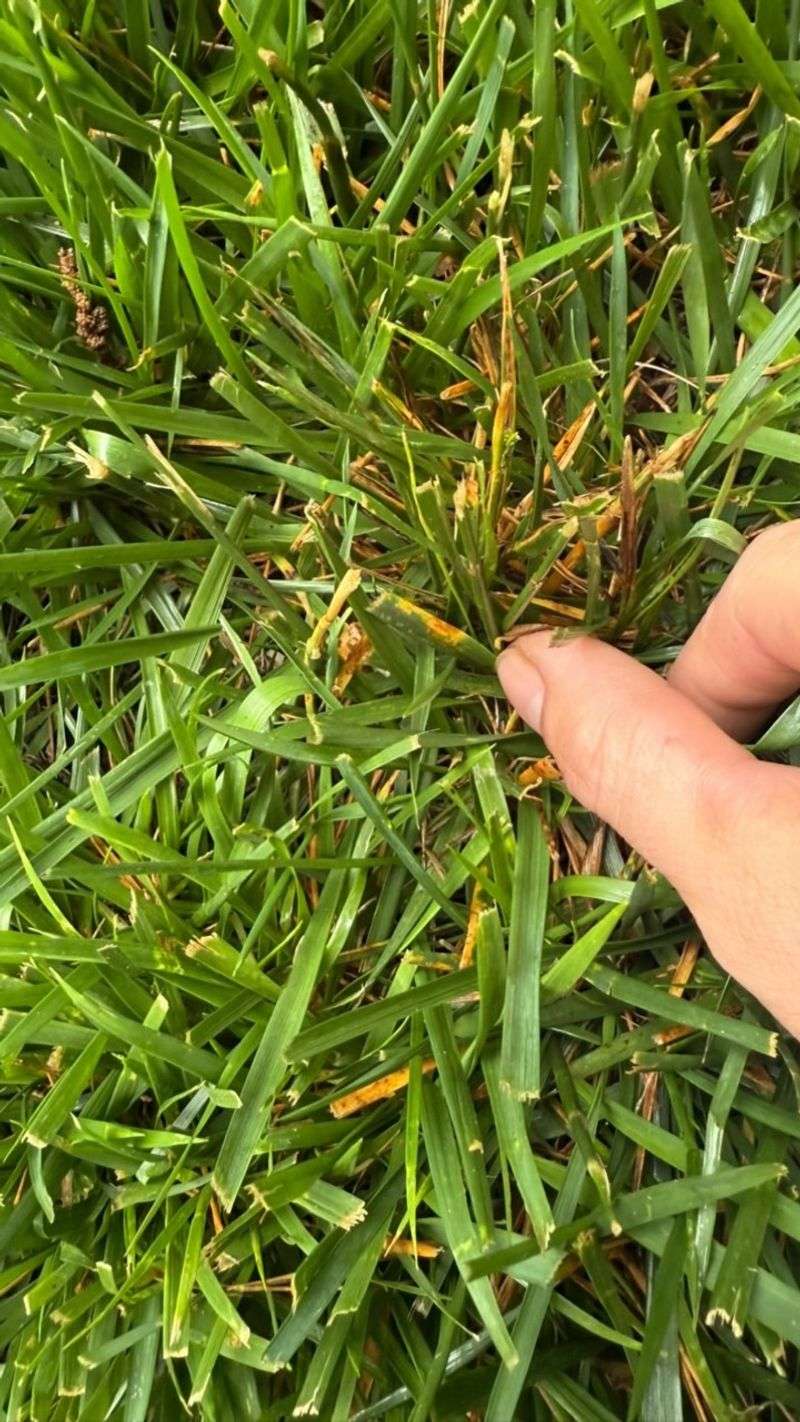
August humidity leaves behind rings, blotches, and straw colored circles in the grass. Cooler September nights finally slow those fungi down.
Most lawn diseases need warmth plus long hours of leaf wetness. Take away the moisture and they lose steam.
Water early in the morning so blades dry before evening. Nighttime sprinklers keep the party going for fungus.
Switch to fewer, deeper soakings instead of daily light sprinkles. Roots grow stronger and leaves stay drier.
Rake leaves promptly because damp piles trap humidity against the turf. A leaf blanket for one week causes real damage.
Clean mower blades between jobs if disease showed up this summer. Spores hitch rides on wet clippings.
Fungicides help stubborn cases but timing beats brute force every time. Read the label and match the product to the spots.
Skip heavy nitrogen while brown patch is active in the lawn. Lush, soft growth feeds the problem.
Improving airflow by trimming low shrubs makes a surprising difference. Shady corners stay wet the longest.
Overseeding with modern disease resistant varieties pays off for years. Check seed labels for resistance ratings.
Most patches green back up once the weather cooperates. Nature occasionally does the work for you.
Your sprinkler timer often does more than any bottle on the shelf. Set it before you shop.
7. Hungry Roots Welcome One Last Big Meal
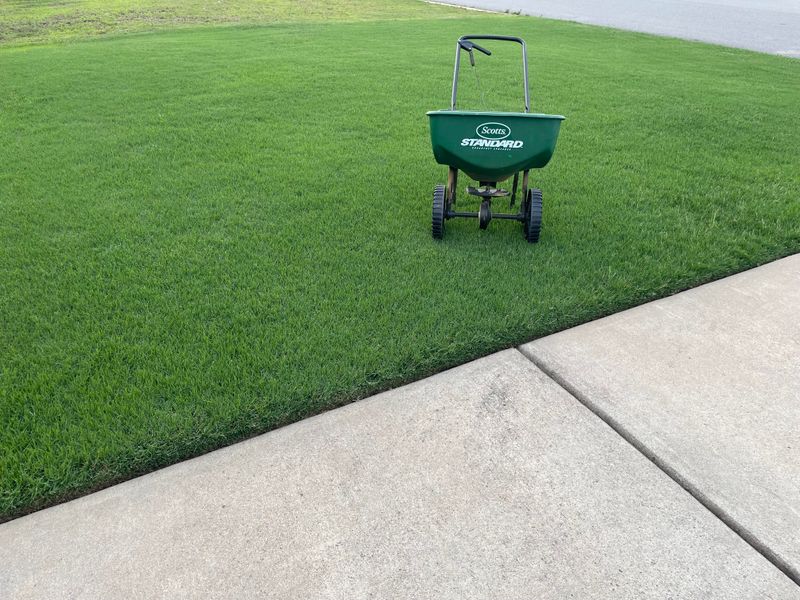
If your lawn gets one feeding a year, September is the month. Grass builds roots and stores energy for spring.
Cool season grasses grow like crazy once daytime heat backs off. All that growth needs fuel.
A balanced fertilizer with slow release nitrogen suits most yards well. Roughly one pound of nitrogen per thousand square feet works.
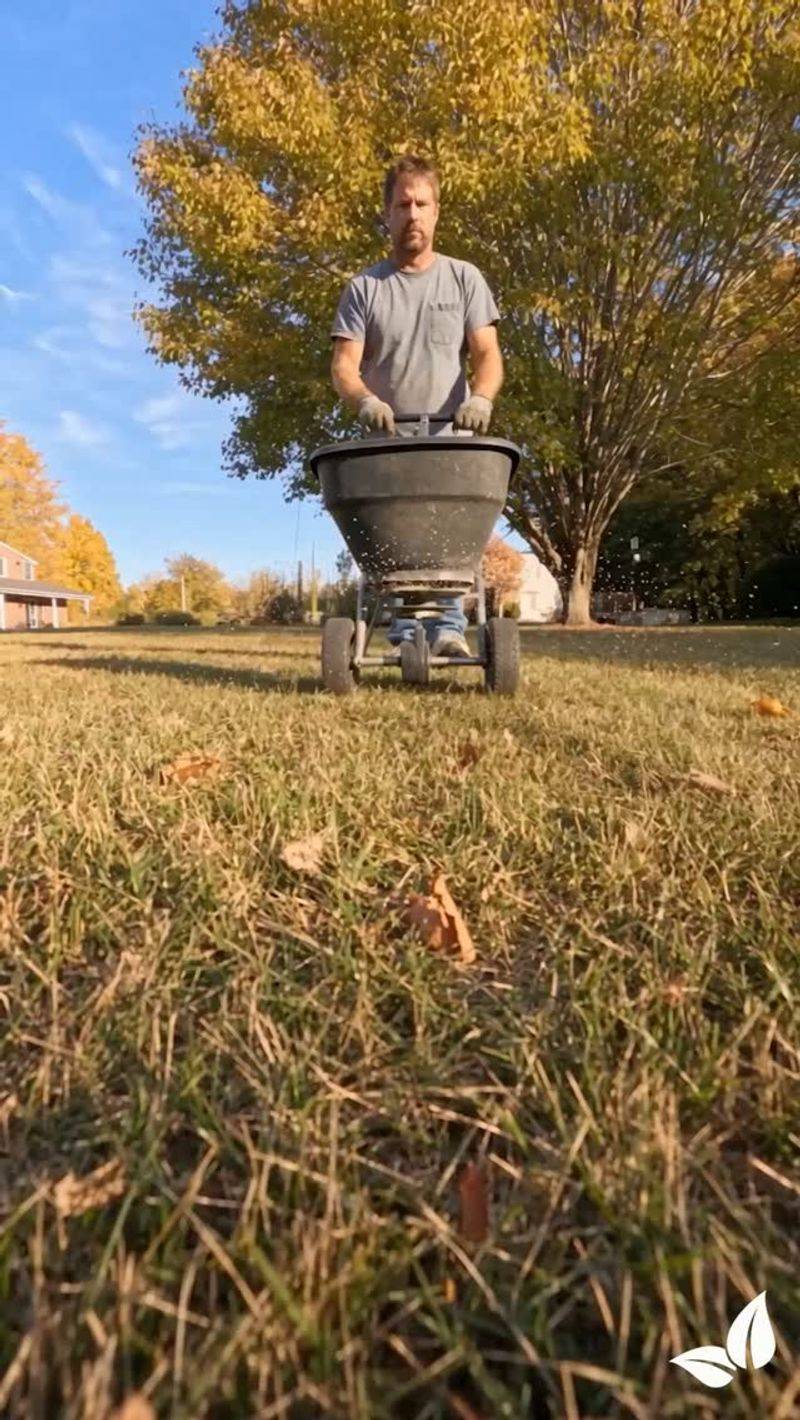
Spread it with a broadcast spreader for even coverage. Hand tossing leaves stripes you will see for weeks.
Water lightly afterward so granules dissolve and reach the roots. Skip that step and you just decorate the surface.
A soil test costs little and tells you what is actually missing. Guessing often means buying nutrients you have plenty of.
Potassium helps turf handle winter cold and foot traffic. Many fall blends carry extra for that reason.
Mow at the usual height and keep the clippings on the lawn. Clippings return free nitrogen with every pass.
Sweep stray granules off sidewalks and driveways before rain arrives. Storm drains lead to streams nobody wants fertilized.
Some regions restrict fall applications, so check local rules quickly. A two minute search saves a fine.
Warm season lawns like bermuda or zoysia follow a different calendar. Feed those in late spring instead.
Come April, fed lawns wake up green while neighbors wait. Smug is a color too.
8. Bumpy Low Spots Get Smoothed With Topdressing
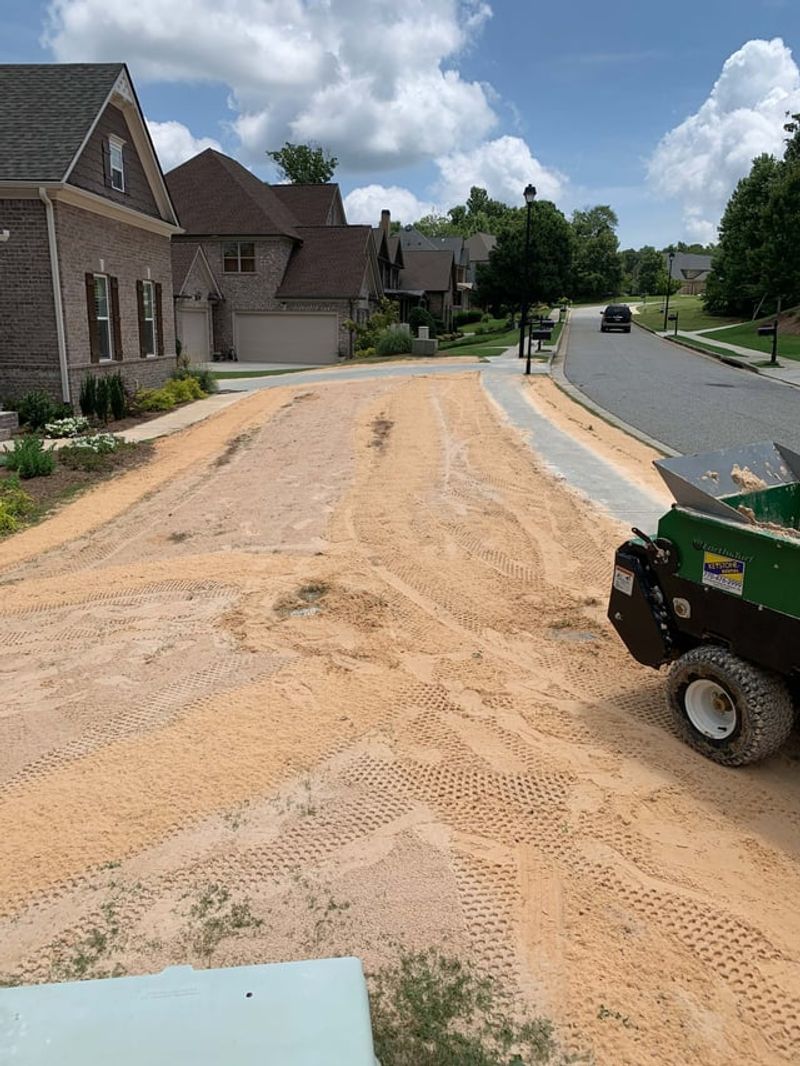
Every yard seems to have that one dip that swallows a mower wheel. September is the friendliest month to fix it.
Grass grows fast enough now to push through a thin layer of soil. Summer heat would leave it struggling.
Mix sand with quality compost or topsoil for a workable blend. Match the texture of your existing soil.
Fill low areas with half an inch at a time and rake it level. Grass blades should still peek through.
Deeper holes need patience and a few rounds over several weeks. Burying turf smothers it instead of leveling it.
For dips over three inches deep, lift the sod and add soil underneath. Lay the sod back and water it well.
Sunken spots often mark old stumps, trenches, or settled fill dirt. Expect them to sink again over time.
Topdressing the whole lawn thinly improves soil and hides small bumps. It pairs nicely with aeration in the same weekend.
Skip pure sand on clay lawns because it creates a stubborn crust. Blends move water much better.
Overseed the fresh soil right away so weeds get no opening. Bare dirt sitting exposed for even a few days is enough for volunteer weeds to move in and take hold before the grass gets a chance.
Roll a ball across the lawn to spot dips you keep missing on foot. Your eyes adjust to small slopes without you noticing, but a rolling ball has no opinion and will always settle exactly where gravity takes it.
By spring your mower glides across the yard instead of scalping the high points and leaving pale streaks behind. That smooth, even ride feels weirdly satisfying after a whole season of bumping over the same trouble spots.