What To Prune Before Fall In Connecticut Gardens (And What To Leave Standing)
Your garden is quietly deciding next spring’s fate right now, whether you notice or not. Connecticut weather shifts faster than most gardeners expect. Cutting the wrong stem too early can silence next year’s bloom.
Timing decides more than your effort ever could. Certain plants need your attention now while others need patience. Confusing those two choices can cost you a whole season.
Gardeners across Connecticut lose blooms every year from one careless move. Nobody truly warns you how fast autumn tightens its grip. Only your hands can protect next year’s color or quietly undo it.
Guesswork stops working the moment frost closes in. Every plant in your yard sends you a signal right now. Ignoring those signals costs you months of growth you cannot reclaim.
You truly deserve real clarity, not vague seasonal guesswork. Once you know what to cut and what to spare, you’ll never prune blindly again.
Peonies Benefit From Fall Trimming
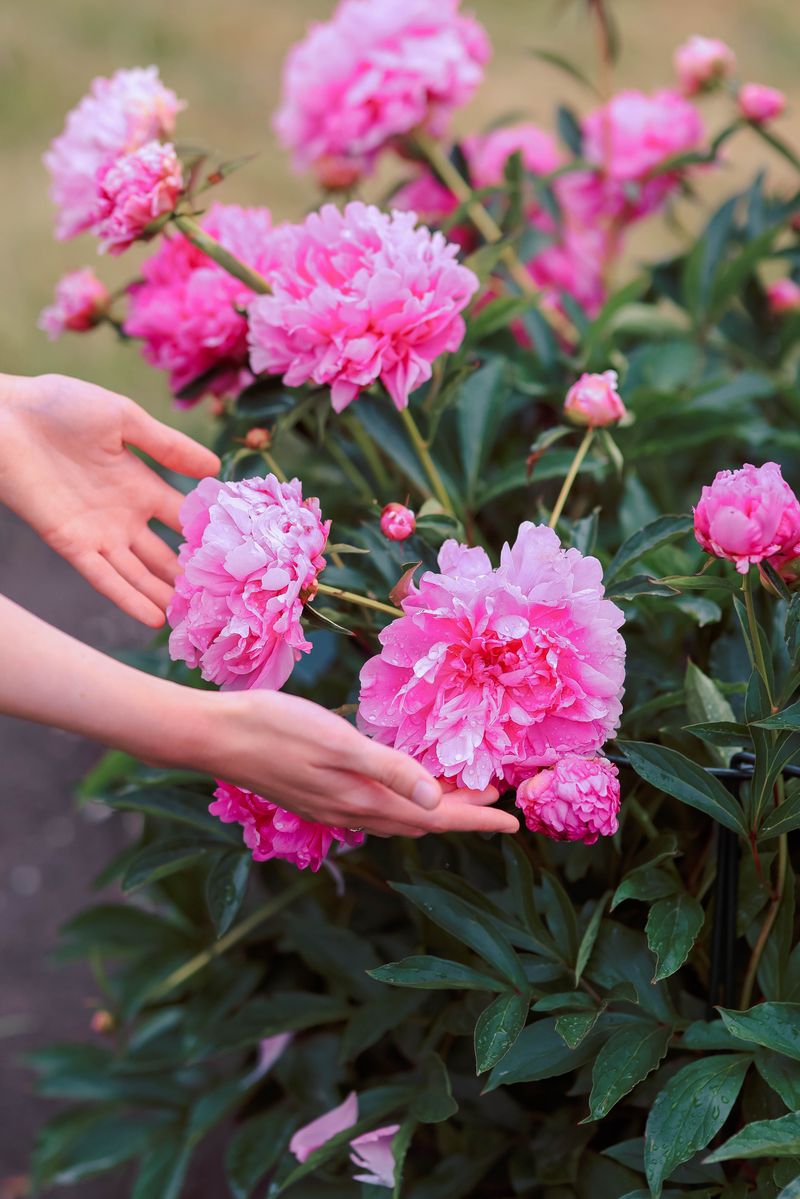
Peonies benefit from a clear seasonal routine, and they deserve a proper seasonal exit. Cutting them back in fall is one of the smartest moves a Connecticut gardener can make.
After the first frost, peony foliage starts to look rough and ragged. Those declining leaves can harbor botrytis blight, a fungal disease that overwinters in debris and can affect plants the following spring.
Cut stems down to about two inches above the soil line. Do this after the first frost but before the ground freezes solid.
Bag up all the clippings and toss them in the trash, not the compost pile. Composting infected foliage just spreads problems to other garden beds next season.
Some gardeners skip this step and may notice fewer or lower-quality blooms in June. A clean cut in October means fat, gorgeous flowers by Memorial Day.
Peonies are tough plants with a long history in New England gardens. They can handle a hard trim without flinching.
The roots store all the energy needed for next year’s show underground. Your job is simply to remove what is above the soil so disease has nowhere to hide.
Mark the spot with a small stake so you do not accidentally dig into the crown later. Pruning peonies in fall is a five-minute task that pays off for months.
Hostas Turn Mushy After Frost
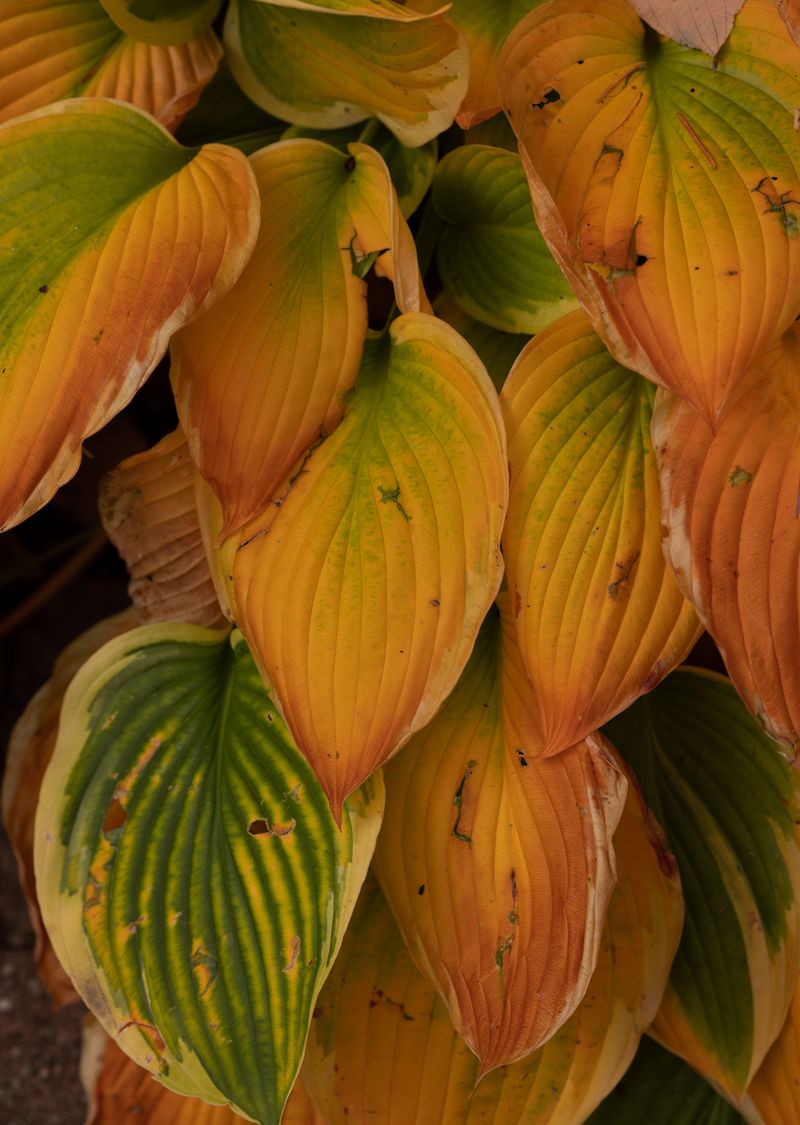
Collapsed hosta foliage can look unappealing sitting in their garden bed all winter. Hostas go from lush and beautiful to less attractive after the first hard frost.
Once temperatures drop and that foliage collapses, slugs and other pests move right in underneath. They love the damp, decaying mess that frost-damaged hosta leaves create.
Cut the foliage all the way down to the crown as soon as it looks spent. Use clean shears and make a low, flat cut just above the soil surface.
Hostas are incredibly forgiving plants, and they will not miss their leaves one bit. All their energy is stored in the thick, fleshy roots waiting underground for spring.
Your Connecticut Garden Changes Every Week. Your Plan Should Too.
Gardening in Connecticut changes quickly throughout the season. Every Friday you’ll receive a simple weekly plan showing exactly what to plant, prune, fertilize, harvest, and protect so you never miss the right timing.
Removing the foliage also gives you a chance to see the garden bed clearly. You can spot any weeds that snuck in during summer and pull them before the ground hardens.
Some gardeners leave hosta leaves as mulch, but that approach often backfires. The thick, wet leaves mat down and can actually smother the crown over a long winter.
A light layer of shredded bark or wood chips after trimming is a much better insulation choice. It keeps moisture even and protects roots without creating a pest hotel.
Clean up makes a real difference when Connecticut winters drag on into March. Starting fresh in spring feels so much better when the bed is already tidy and ready to go.
Daylilies Need Foliage Removed Early
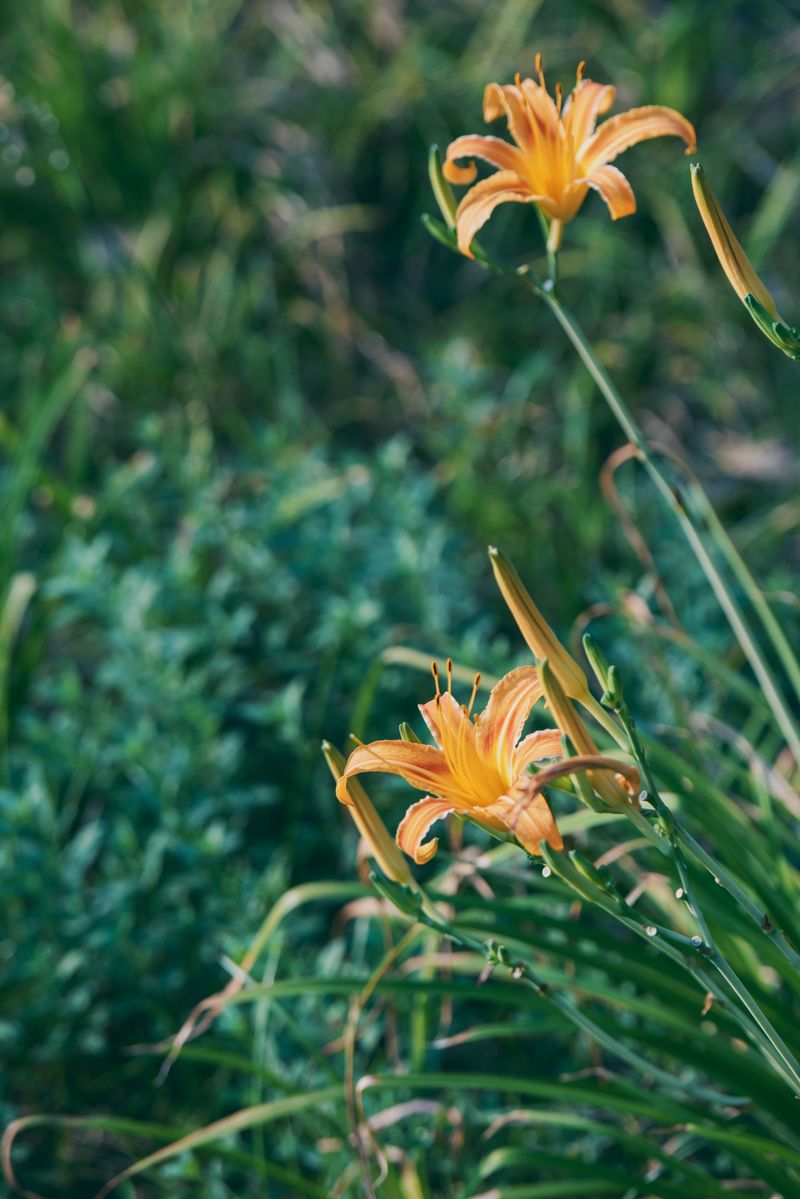
Daylilies are workhorses of the summer garden, blooming like crazy from June through August. But once the show is over, that foliage begins to decline.
In Connecticut, late September is typically a good window for cutting daylilies back. Trim the leaves down to about three or four inches above the ground for a clean, tidy result.
Leaving old foliage standing invites crown rot, especially in beds with heavy clay soil that holds moisture. Connecticut gardens often have exactly that kind of dense, wet soil.
Removing the leaves early also helps you spot any overcrowded clumps that need dividing. Fall is actually a great time to dig and separate daylilies before the ground gets hard.
Dividing clumps every three to four years keeps daylilies blooming at their best. Plants that get too crowded produce fewer flowers and start to look thin and weak.
After trimming, add a thin layer of compost around the base of each plant. That small boost of nutrition helps the roots prepare for a long, cold winter ahead.
Daylilies are among the toughest perennials you can grow in New England. They bounce back reliably every spring, no matter how harsh the winter gets.
Getting the foliage cleared early in fall means less cleanup when spring arrives in a rush. You will thank yourself in April when everything looks neat and ready for new growth.
Bearded Irises Require Cutting To Prevent Rot
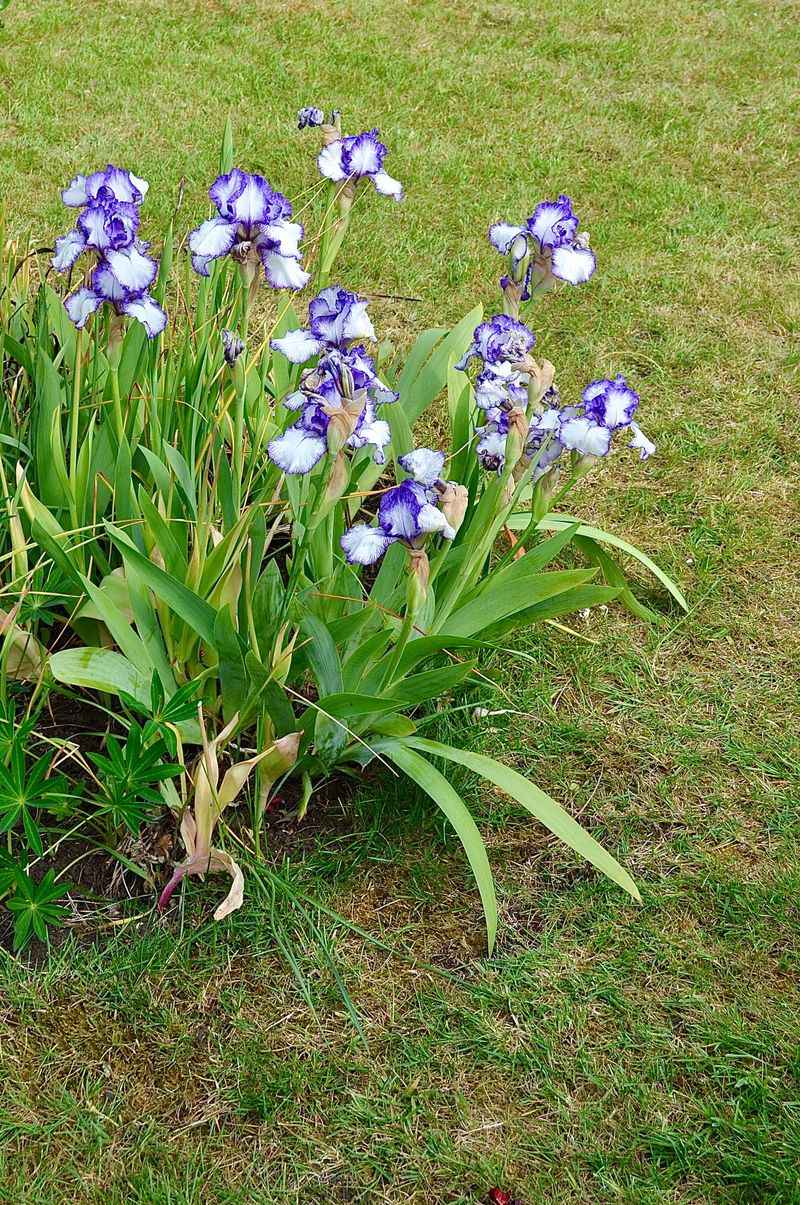
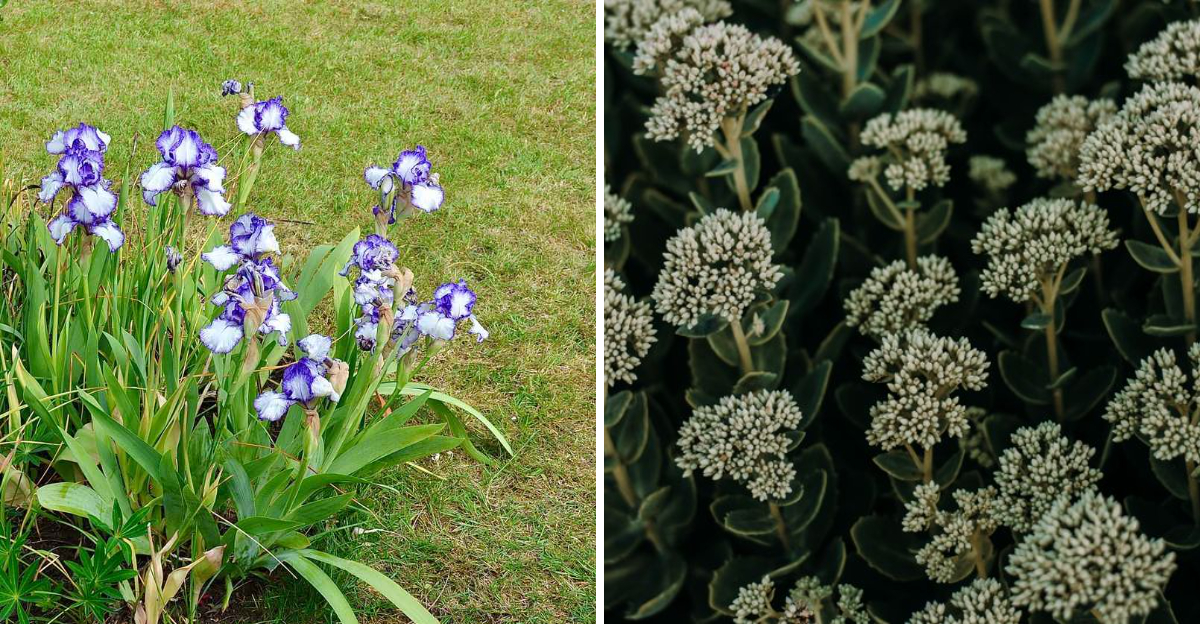
Bearded irises are stunning in June, but their long, sword-like leaves become a problem as fall approaches. Leaving them full-length through winter traps moisture and invites iris borer, a nasty pest that tunnels right into the rhizome.
Cut the foliage down to about four to six inches, trimming it into a neat fan shape. That classic fan cut is not just decorative, it actually improves airflow around the rhizome.
Bearded irises need their rhizomes exposed to sunlight, even in fall. Burying them under heavy mulch or leaves can cause rot before winter even fully sets in.
After trimming, inspect each rhizome carefully for soft spots or small holes. Those are signs of iris borer damage, and affected sections should be cut out and discarded immediately.
A light dusting of sulfur powder on any cut surfaces helps prevent fungal infection from setting in. This simple step helps prevent fungal infection from spreading.
Do not mulch heavily over bearded iris beds in Connecticut. A light cover of evergreen boughs after the ground freezes is plenty to protect them through a cold winter.
Proper fall care for bearded irises pays off in a spectacular June display. Well-maintained rhizomes produce more bloom stalks, which means more of those gorgeous, ruffled flowers you love.
Skipping the fall trim is one of the most common reasons irises stop blooming. A little effort now keeps them performing beautifully for years to come.
Ornamental Grasses Add Winter Interest
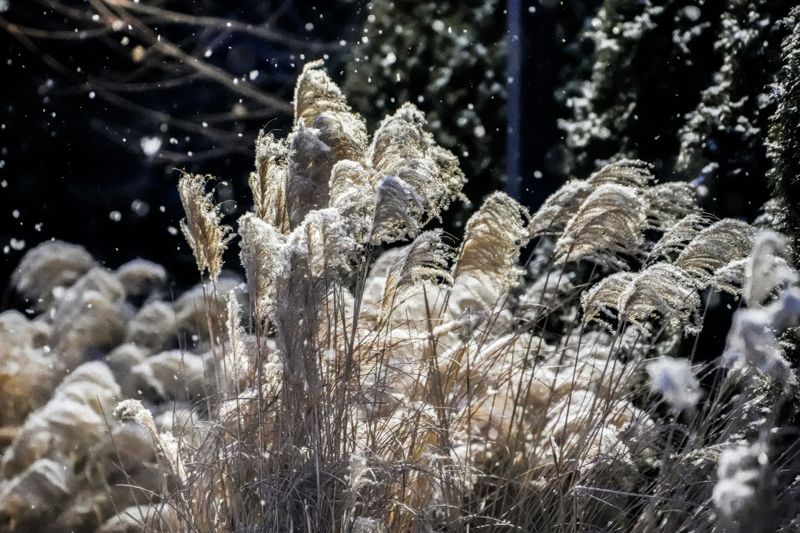
Put the pruning shears away when you walk past your ornamental grasses this fall. These plants are some of the best things you can leave standing through a Connecticut winter.
Miscanthus, Karl Foerster feather reed grass, and switchgrass all develop beautiful seed heads and golden tones as temperatures drop. They become visually striking through winter that catch snow and shimmer in low winter light.
Leaving grasses standing also provides critical shelter for overwintering insects and small birds. The dense, hollow stems are natural habitat for beneficial bugs that help your garden in spring.
Ornamental grasses act as a windbreak for smaller perennials nearby. That extra layer of protection can make a real difference during harsh February cold snaps in New England.
Wait until late winter or very early spring to cut grasses back hard. A good rule is to trim them down before new growth starts pushing up from the base, typically in early spring.
Cut them to about four to six inches above the soil line at that point. This timing lets you enjoy months of visual interest without sacrificing plant health.
Some gardeners wrap large clumps loosely with twine in fall to keep them tidy. This prevents the center from splaying open under heavy wet snow, which can permanently damage the plant’s shape.
Ornamental grasses are a gift that keeps giving long after summer ends. Let them do their thing and your winter garden will look intentional, textured, and alive.
Coneflowers Provide Seeds For Birds
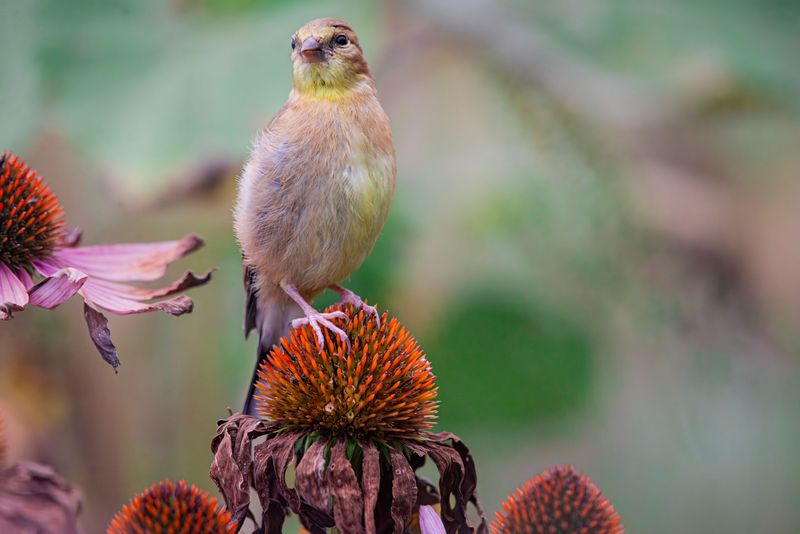
Coneflowers, known botanically as Echinacea, continue to provide value late in the season. Their seed heads are a critical food source for goldfinches and chickadees during fall migration.
Resist the urge to trim or cut them back before winter. Those spiky brown seed heads may look done, but they are packed with tiny seeds that birds depend on.
Leaving coneflowers standing also adds structure and visual texture to a bare fall garden. They hold their form surprisingly well even after hard frosts knock everything else flat.
Native seed heads are known to support many bird species through winter. Coneflowers are a strong choice for wildlife-friendly gardens across the Northeast.
If you want to tidy the bed a little, wait until late February or early March to cut them back. By then, birds have had months to strip the seeds and move on.
Cutting coneflowers back in fall also removes a natural mulch layer around the base. That layer of debris actually insulates the crown through Connecticut’s coldest nights.
Coneflowers self-seed readily when left standing through winter. You may find cheerful little seedlings popping up in unexpected spots come spring, which is a free bonus for doing nothing.
Leaving coneflowers standing requires very little effort. Stand back, watch the birds feast, and feel good about every seed head you left alone.
Sedum Stalks Protect Crowns Through Cold
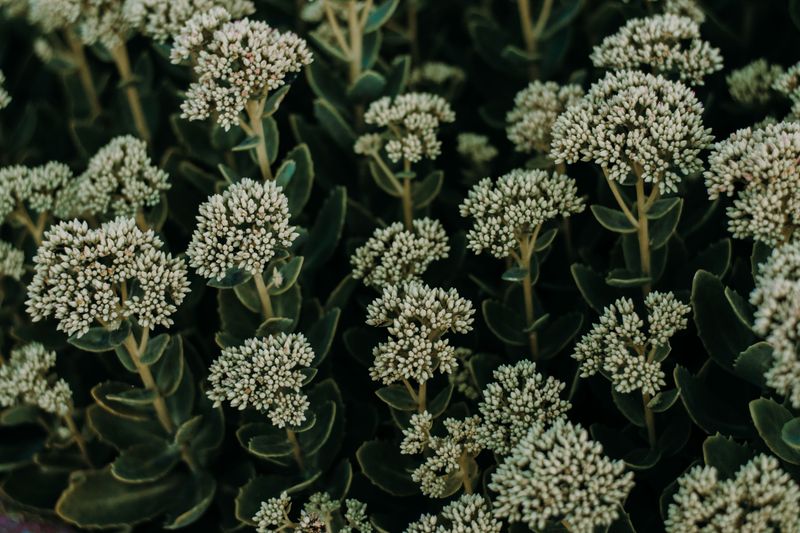
Sedum, now often called Hylotelephium, is one of those plants that remains useful long after summer ends. The thick, fleshy stalks and dried flower clusters are genuinely beautiful in fall and early winter.
Leave sedum stalks standing through the cold months for more than just looks. The upright stems trap fallen leaves and insulate the crown, which is exactly where next year’s growth originates.
Popular varieties like Autumn Joy develop rich coppery tones as temperatures drop. That warm color reads beautifully against the gray skies and bare branches of a Connecticut November.
Sedum flower heads also catch snow in a photogenic way that makes the garden look curated rather than neglected. Even non-gardeners stop and notice a bed of frost-dusted sedum on a January morning.
Pollinators use the dried stalks as overwintering habitat too. Some native bees may use hollow stems for overwintering shelter, so cutting too early can disrupt an important part of the local ecosystem.
Wait until early spring to cut sedum back, ideally when you see the first pink nubs of new growth appearing at the base. That is your signal that the plant is waking up and ready for a fresh start.
Cut the old stalks down to just above those new growth points. Leaving even a small stub helps protect tender new shoots from a late frost surprise.
Sedum rewards patience with a reliable, low-fuss performance every single year. Leave the stalks standing and let this tough perennial do exactly what it was designed to do.
Hydrangeas Set Next Year’s Buds Now
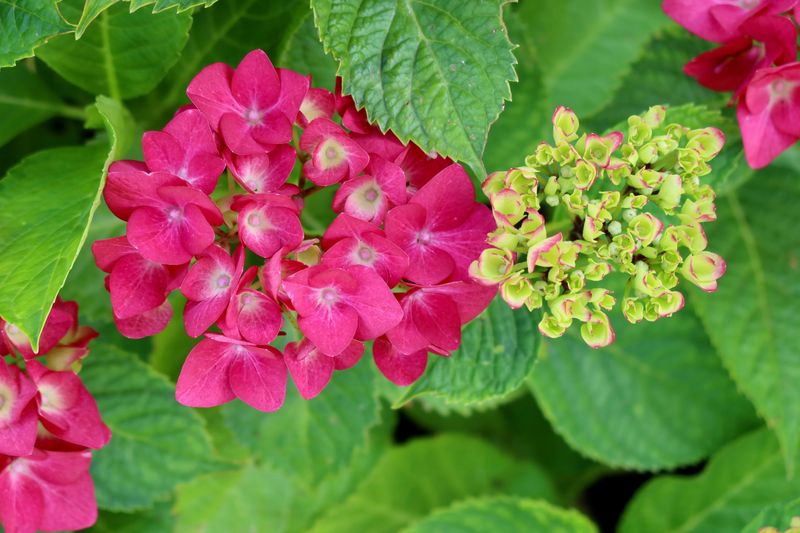
Hydrangeas are a common source of pruning confusion. Pruning them at the wrong time is a leading reason they fail to bloom.
Bigleaf and oakleaf hydrangeas set their flower buds for next year on old wood during late summer and fall. Cutting them back now removes every single bud you just spent all summer building.
Leave those varieties completely alone until after they bloom next June or July. Any fall pruning on old-wood hydrangeas is essentially cutting off next year’s flowers before they ever get a chance.
Panicle hydrangeas, like Limelight or Little Lime, are the exception to this rule. These bloom on new wood and can be lightly trimmed in late fall or early spring without any flower loss.
If your hydrangeas bloomed beautifully this past summer, do not touch the stems now. Just remove any damaged or crossing branches, and leave the rest of the structure intact.
The dried flower heads on bigleaf hydrangeas actually provide some frost protection for the buds just below them. Removing those heads strips away a layer of natural insulation right when the plant needs it most.
A light mulch of shredded leaves around the base helps protect roots through a hard Connecticut winter. Keep the mulch a few inches away from the main stems to prevent rot.
Understanding your specific hydrangea type changes everything about how you care for it. Get that right, and you’ll greatly improve your chances of blooms each summer.