The Fall Greens Oregon Gardeners Should Plant Before The Rains Return
Autumn doesn’t ask Oregon gardeners for permission. It just shows up, wrapped in fog and impatience, while the soil is still holding onto August’s warmth.
That overlap, brief and almost secretive, is where the real opportunity hides. Cool nights and stubborn daytime heat create a rare middle ground most gardeners rush past without noticing.
Seeds dropped into this window behave differently. They root faster, stretch leaves wider, and settle in before the first real chill arrives to slow everything down.
There’s no second window once the rains settle in for good. Act inside this one, and winter becomes just another season to keep picking.
1. Kale
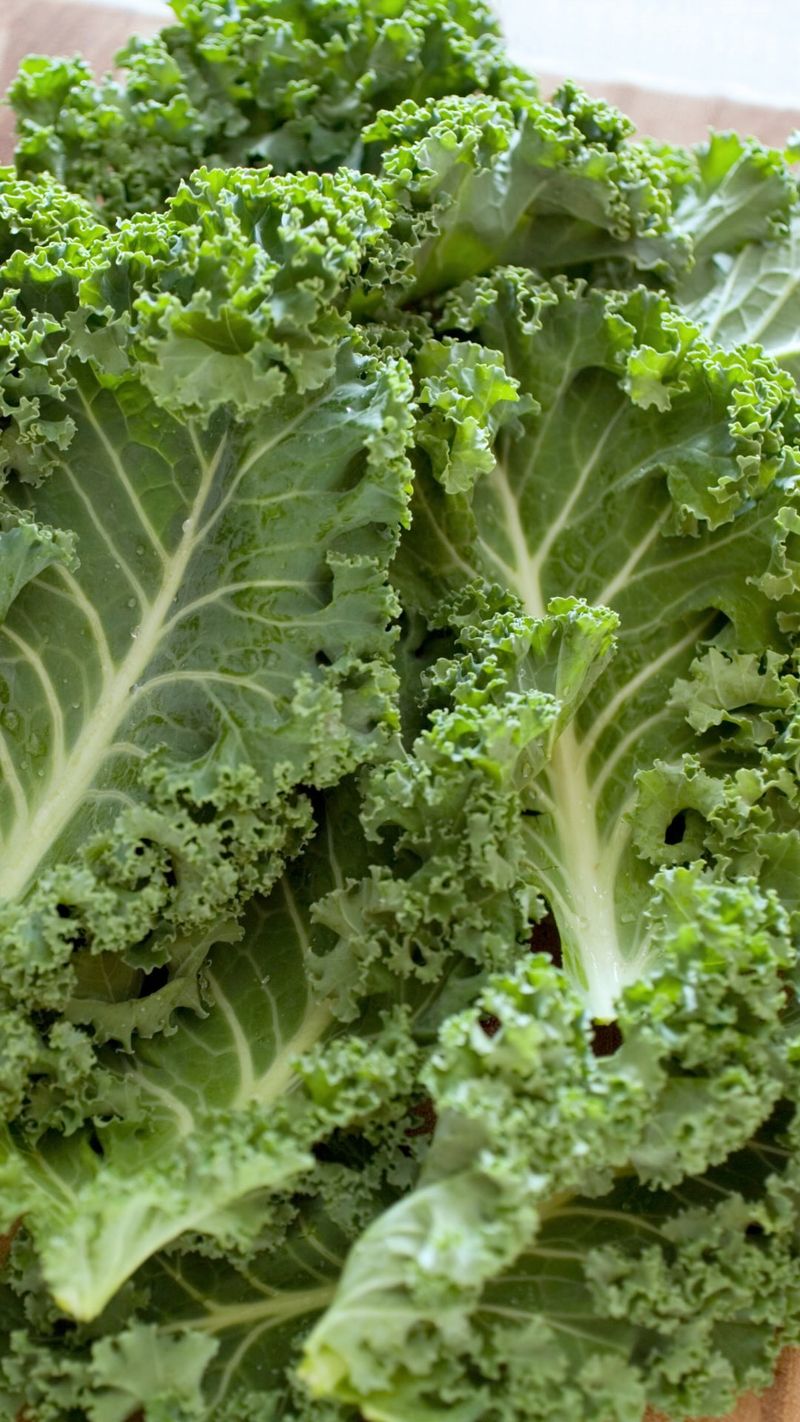
Kale is the undisputed champion of the fall garden. It laughs at frost and keeps producing long after other greens have given up for the season.
Oregon gardeners love kale because it actually tastes sweeter after a cold snap hits. The chill converts starches into sugars, turning each leaf into something almost buttery.
Curly kale is the most popular choice, but Lacinato, also called dinosaur kale, is a Pacific Northwest favorite. Its dark, bumpy leaves hold up beautifully in soups, stews, and grain bowls all winter long.
Plant kale seeds or starts at least six weeks before your first expected frost. Space plants about eighteen inches apart so air can circulate and reduce the risk of mildew.
Water consistently but avoid soaking the base of the stem. Kale prefers fertile, well-draining soil with a slightly acidic pH between six and seven.
Side-dress with compost after the first month for a nutrient boost. Harvest outer leaves first so the center keeps pushing out new growth all season.
Pests like aphids and cabbage worms can show up even in fall, so check the undersides of leaves weekly. A quick spray of water or neem oil handles most problems fast.
Mulching around the base helps insulate the roots as temperatures drop further into winter. A two-inch layer of straw or shredded leaves works well and keeps the soil temperature stable through sudden cold snaps.
Skip kale this fall, and you’ll spend the coldest months wishing you hadn’t.
2. Spinach
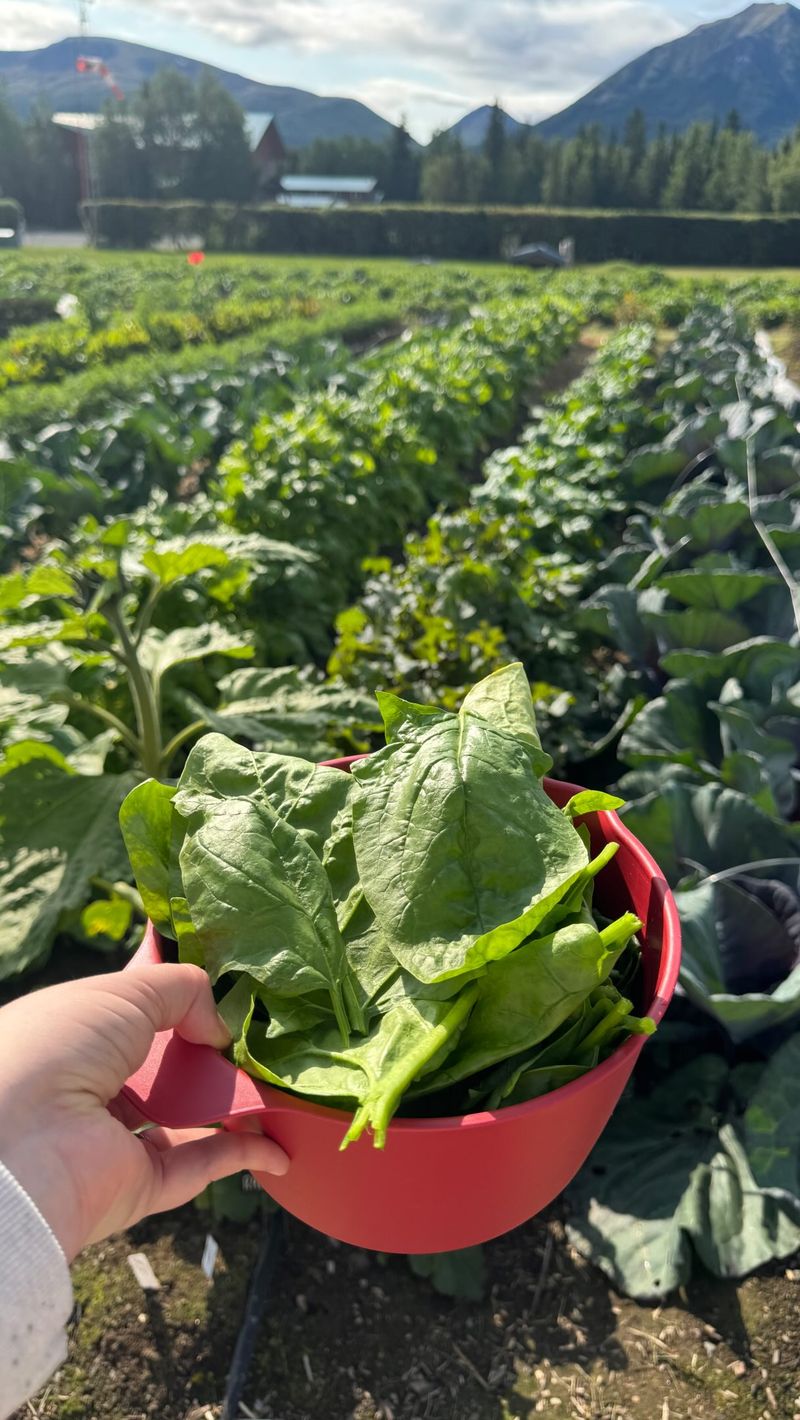
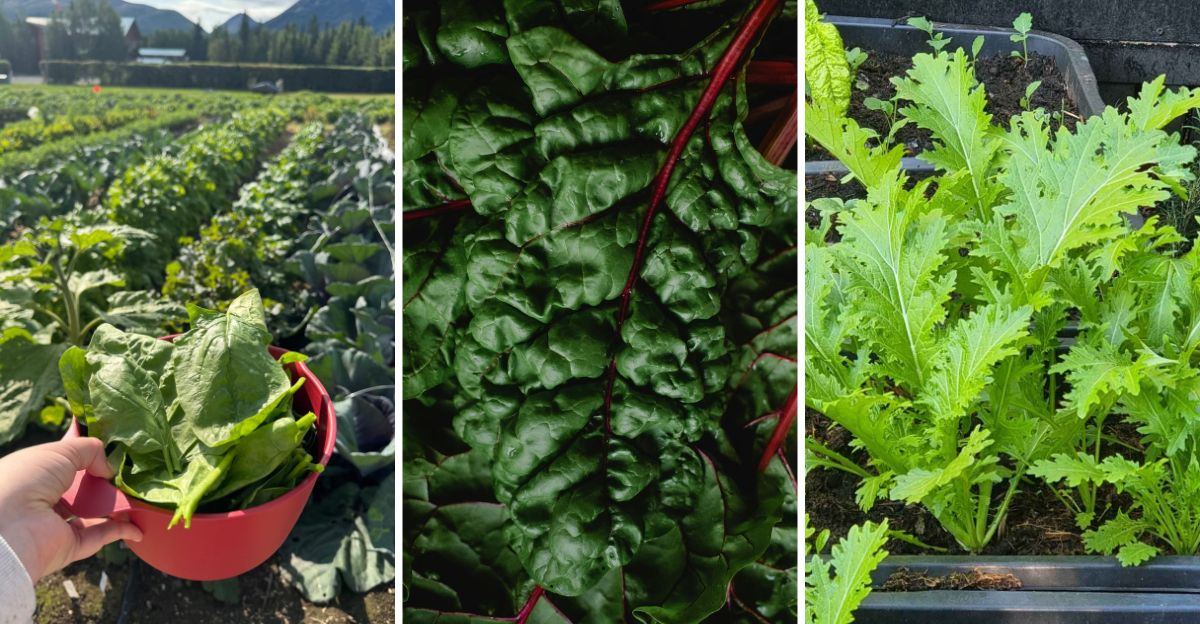
Spinach is the quiet overachiever of fall gardens. It germinates fast, grows quickly, and asks for almost nothing in return.
Sow seeds directly into the ground in late August or early September. Spinach prefers soil temperatures between fifty and sixty-five degrees Fahrenheit for the best germination results.
One of the smartest tricks is succession planting. Sow a new row every two weeks to keep a steady stream of fresh leaves coming through October and November.
Varieties like Bloomsdale Long Standing and Space are top picks for the Pacific Northwest. They resist bolting in fluctuating temperatures and produce thick, crinkled leaves full of flavor.
Spinach roots are shallow, so keep the soil evenly moist but never waterlogged. Mulching around the base helps retain moisture and keeps weeds from stealing nutrients.
Feed with a nitrogen-rich fertilizer about three weeks after germination. Nitrogen drives leafy growth, which is exactly what you want from a green like this one.
Your Oregon Garden Changes Every Week. Your Plan Should Too.
Gardening in Oregon changes quickly throughout the season. Every Friday you’ll receive a simple weekly plan showing exactly what to plant, prune, fertilize, harvest, and protect so you never miss the right timing.
Harvest leaves when they reach about three inches long for the most tender texture. Larger leaves work great cooked, while smaller ones shine raw in salads.
A light frost barely slows spinach down. In fact, cold nights tend to concentrate the flavor and make every bite taste richer and more satisfying.
Spinach proves, season after season, that the quietest plants in the garden are often the most reliable.
3. Arugula
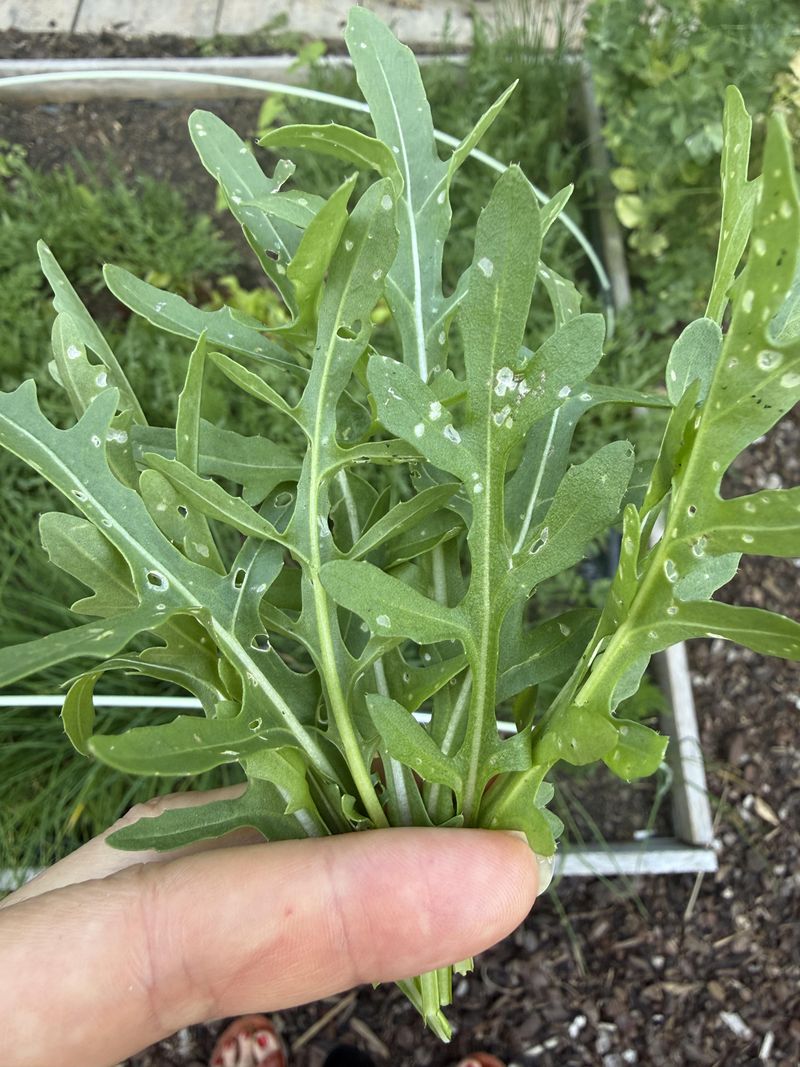
Arugula brings a peppery punch to the fall garden that no other green quite matches. Chefs love it, home cooks crave it, and Oregon soil grows it effortlessly.
Seeds germinate in as little as five to seven days, making arugula one of the fastest greens you can grow. That speed is a serious advantage when the rainy season is creeping closer every week.
Direct sow seeds thinly in rows about ten inches apart. Thin seedlings to about six inches once they sprout so each plant has room to spread its distinctive lobed leaves.
Arugula prefers partial shade in warmer spells and full sun after temperatures cool down in October. Afternoon shade prevents the leaves from turning overly bitter before harvest.
Water lightly and consistently, about one inch per week. Arugula is relatively drought-tolerant after it’s established, but dry spells will intensify the bitterness beyond what most palates enjoy.
No heavy fertilizing is needed for this one. A single application of balanced organic fertilizer at planting time is usually plenty to carry the crop through the season.
Harvest leaves at about two to three inches long for the mildest flavor. Cutting with scissors just above the soil line encourages a fresh flush of new growth within days.
Arugula pairs beautifully with roasted beets, shaved parmesan, and a squeeze of lemon. Growing it yourself in your own backyard makes every bite taste even better.
4. Swiss Chard
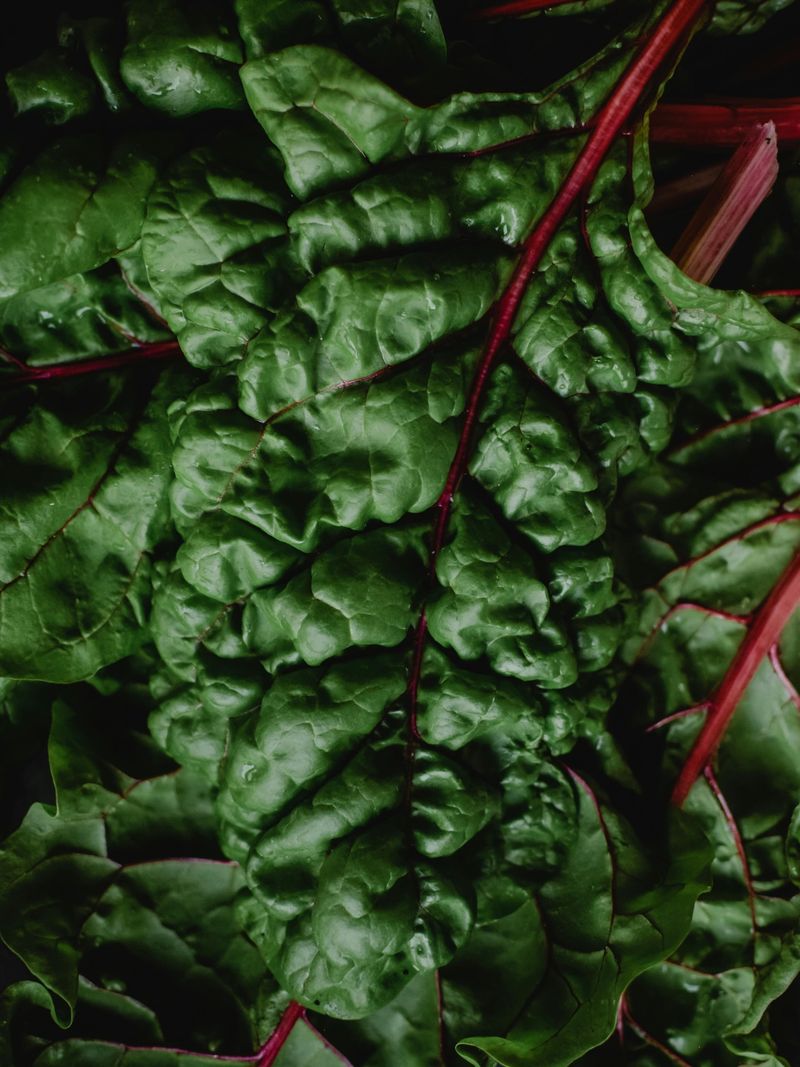
Swiss chard is the showstopper of the fall garden. Its jewel-toned stems in red, yellow, orange, and white make even a muddy October bed look spectacular.
Beyond the good looks, chard is incredibly productive. One planting can keep supplying leaves for months if you harvest correctly and give it a little basic care.
Plant seeds or starts in late summer, about four to six weeks before the first expected frost. Space plants twelve to eighteen inches apart to allow for their broad, dramatic leaves.
Chard handles light frost without flinching. Temperatures as low as twenty-five degrees Fahrenheit rarely cause serious damage, which is welcome news for those unpredictable Oregon autumn nights.
The soil should be rich and well-draining. Work in a generous layer of compost before planting to give the roots a nutrient-dense foundation to build from all season.
Water deeply once or twice a week depending on rainfall. The Pacific Northwest autumn rains will often do most of the heavy lifting once they arrive in earnest.
Harvest outer stalks first by cutting them cleanly at the base. This approach keeps the inner crown growing and extends your harvest window well into winter months.
Rainbow chard varieties like Bright Lights are particularly popular among Oregon growers. They look stunning in the garden and taste just as good sauteed with garlic as they do raw in a salad.
Few crops reward a fall planting with this much color and payoff at once.
5. Mustard Greens
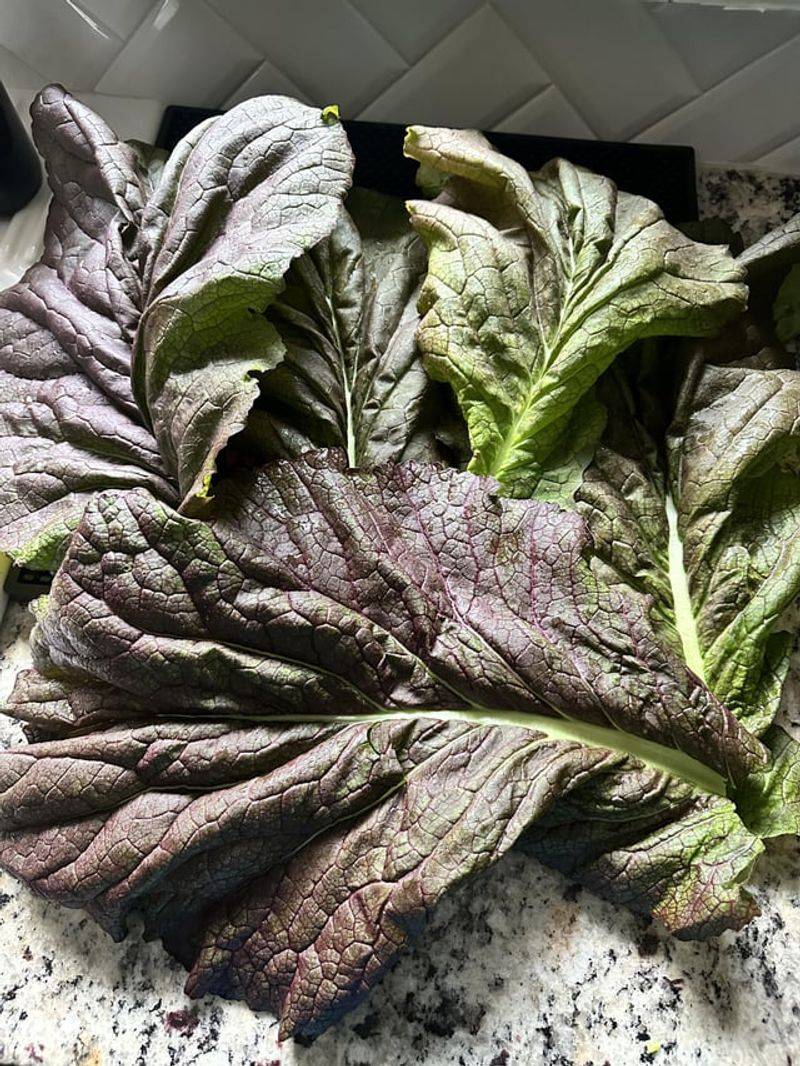
Mustard greens bring bold, spicy flavor that wakes up any fall meal. Southern cooks have known this secret for generations, and Pacific Northwest gardeners are catching on fast.
These greens grow with impressive speed, often ready to harvest in as few as thirty days from seeding. That quick turnaround makes them ideal for the narrow fall planting window in western Oregon.
Sow seeds directly into prepared beds in late August or early September. Thin seedlings to eight inches apart once they reach a few inches tall so each plant develops properly.
Red Giant and Southern Giant Curled are two excellent varieties for the Pacific Northwest climate. Both tolerate cool, wet conditions well and produce large, flavorful leaves through November and beyond.
Mustard greens prefer full sun but adapt well to partial shade as days shorten. They also tolerate a range of soil types as long as drainage is adequate.
A light frost mellows the sharpness of the leaves significantly. Many growers say the flavor hits its peak right after the first cold snap of the season rolls through.
Harvest young leaves for fresh salads or let them grow larger for braising and stir-frying. Larger leaves hold up beautifully in hot dishes and absorb bold flavors like garlic, ginger, and sesame oil.
Mustard greens deserve far more credit than most fall gardens give them.
6. Collard Greens
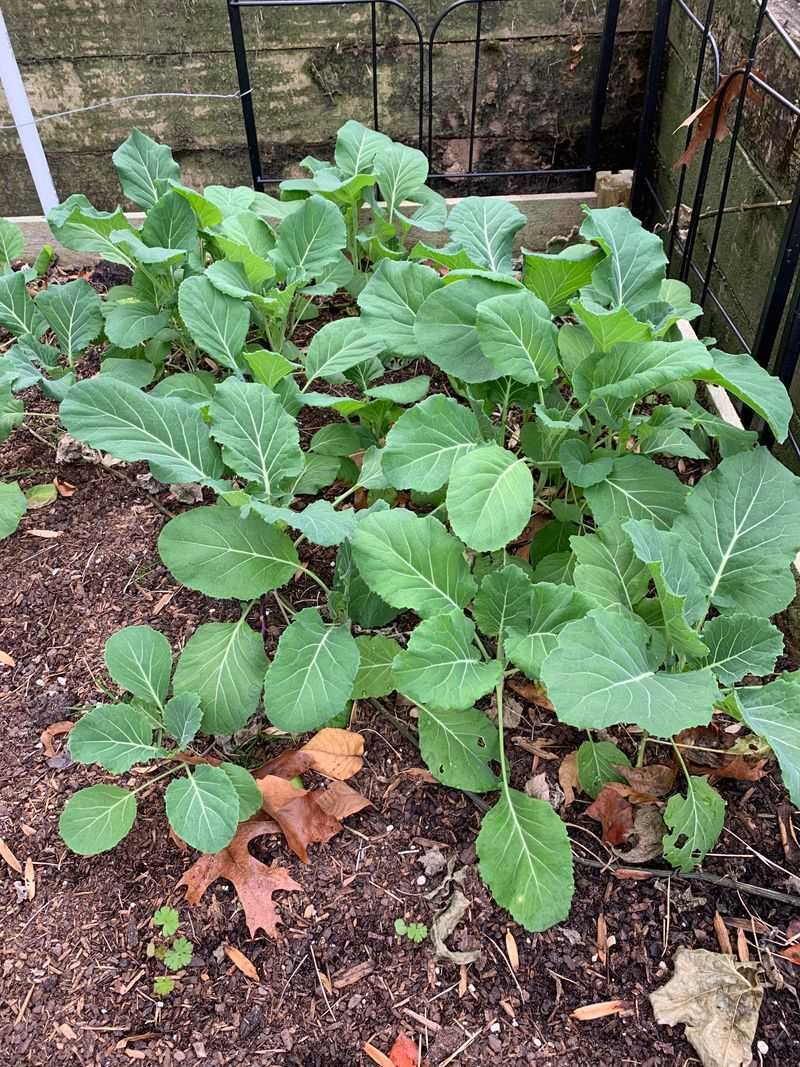
Collard greens are built for tough conditions. They tolerate cold better than almost any other leafy green and keep producing through some seriously raw Pacific Northwest weather.
Plant starts or direct sow seeds six to eight weeks before the first fall frost. Collards grow slowly compared to some greens, so getting them in the ground early is key.
Space plants about eighteen to twenty-four inches apart. Collards develop large, paddle-shaped leaves that need room to catch as much light as possible during shorter autumn days.
Georgia Southern and Champion are two reliable varieties for the Pacific Northwest. Both produce generous harvests and stand up well to wet, cool conditions common in western Oregon fall seasons.
These plants need consistent moisture but hate sitting in waterlogged soil. Raised beds or rows with good drainage help prevent root rot during the rainy season.
Feed with a nitrogen-rich fertilizer every three to four weeks to keep the leaves growing vigorously. Pale or yellowing leaves are a clear sign the plant needs a nutrient boost right away.
Harvest leaves from the bottom of the stalk upward as the plant matures. This method mimics how the plant naturally grows and keeps the central growing tip active and productive.
Collards braised low and slow with smoked turkey or ham hocks are a genuine comfort food experience. Growing your own supply in a Pacific Northwest fall garden makes that meal taste even more earned and satisfying.
7. Mizuna
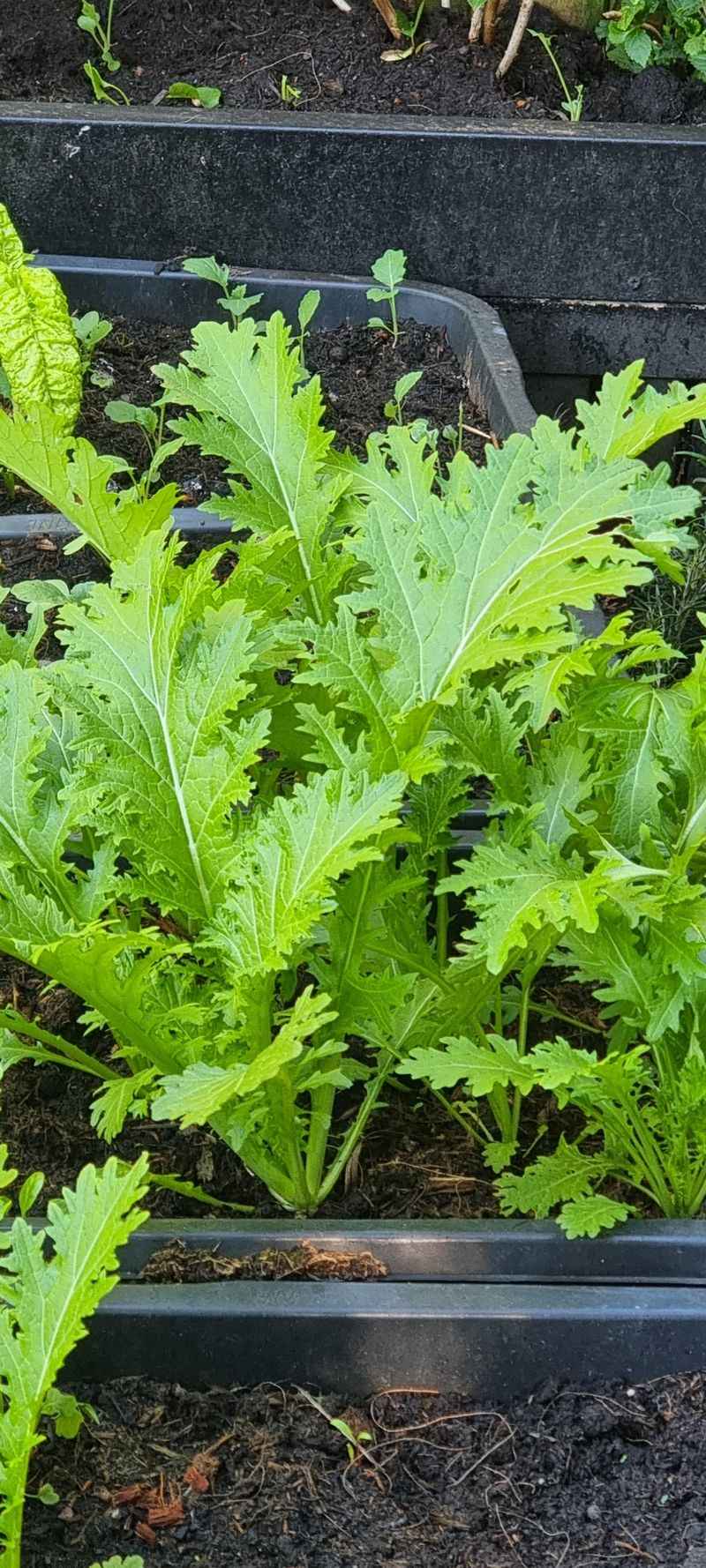
Mizuna is the cool kid of the fall garden that most people have not discovered yet. This Japanese mustard green grows fast, looks feathery and beautiful, and tastes mildly peppery without being aggressive.
Seeds germinate quickly in cool soil, often sprouting within four to six days of planting. That fast start makes mizuna one of the easiest greens to slot into a late summer planting schedule.
Sow seeds thinly in rows about eight inches apart and thin to six inches once seedlings appear. Mizuna also grows well in containers, which is a bonus for gardeners with limited raised bed space.
This green tolerates partial shade beautifully, making it a smart choice for spots that do not get full sun all day. It also handles light frost with no extra protection needed.
Water consistently and keep the soil evenly moist. Mizuna wilts quickly under drought stress, but bounces right back once moisture returns to the soil profile.
Harvest leaves when they reach about three to four inches long for the most tender, flavorful results. Cut the entire plant an inch above the soil line and it will regrow within weeks.
Mizuna shines in Asian-inspired salads, noodle bowls, and lightly sauteed side dishes. Its delicate texture holds up in soups without turning mushy, which sets it apart from heavier greens.
Mizuna might be the most overlooked plant on this entire list, and that’s exactly why it belongs in your beds.
8. Turnip Greens
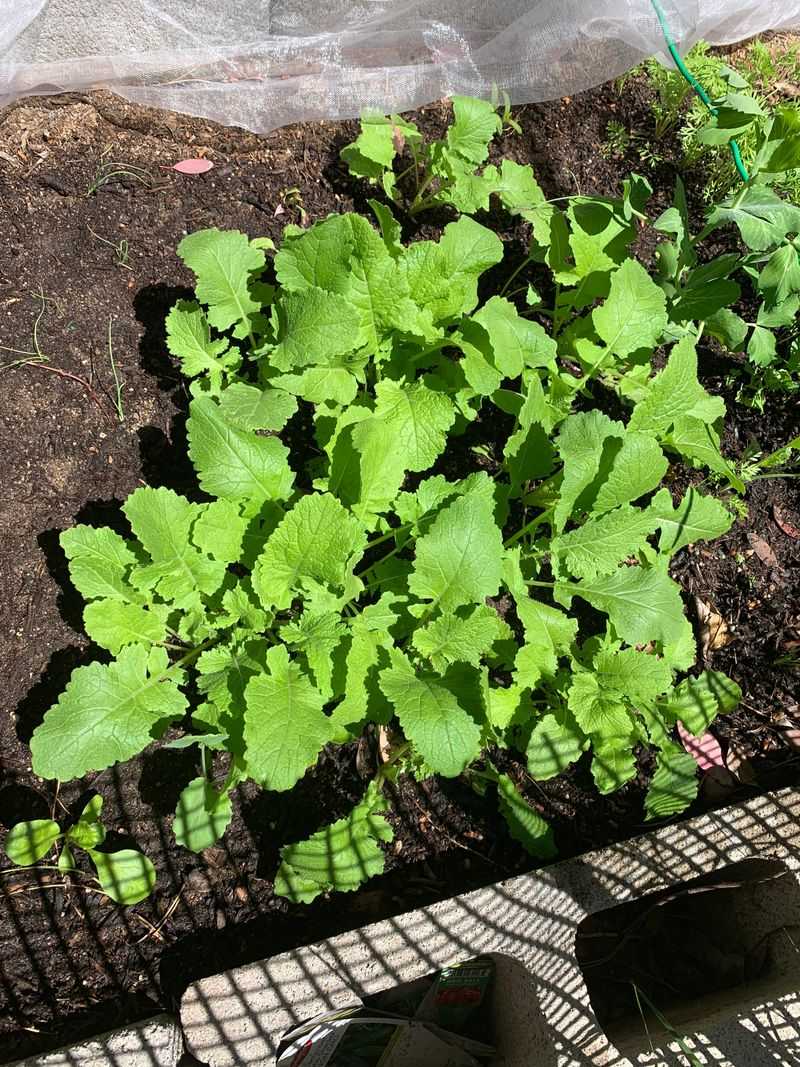
Most people think of turnips as a root vegetable and forget entirely about the greens on top. That is a serious missed opportunity, especially in an Oregon fall garden.
Turnip greens are tender, slightly bitter, and packed with nutrients. They cook down beautifully and absorb bold seasonings like garlic, chili flakes, and apple cider vinegar with ease.
Direct sow seeds in late August or early September for a fall harvest of both greens and roots. Plant seeds about half an inch deep and thin seedlings to four inches apart once established.
Purple Top White Globe is the classic variety, but Hakurei and Scarlet Queen also produce excellent greens with a slightly sweeter flavor profile. All three perform well in the cool, moist Pacific Northwest climate.
Turnip greens grow fast, often ready to harvest in just twenty-five to thirty days from seeding. That speed gives you a genuine advantage when the fall planting window feels like it is closing fast.
Harvest outer leaves when they reach six to eight inches long. Leave the inner leaves and the developing root in place to continue growing through the rest of the season.
These greens prefer consistent moisture and cool temperatures. Once the autumn rains arrive, they practically take care of themselves with minimal intervention from you.
Turnip tops deserve a permanent spot on next year’s planting list too. Plant them once, and you’ll keep coming back for the greens as much as the roots.