These Amish Planting Methods Are Winning Over Maryland Gardeners
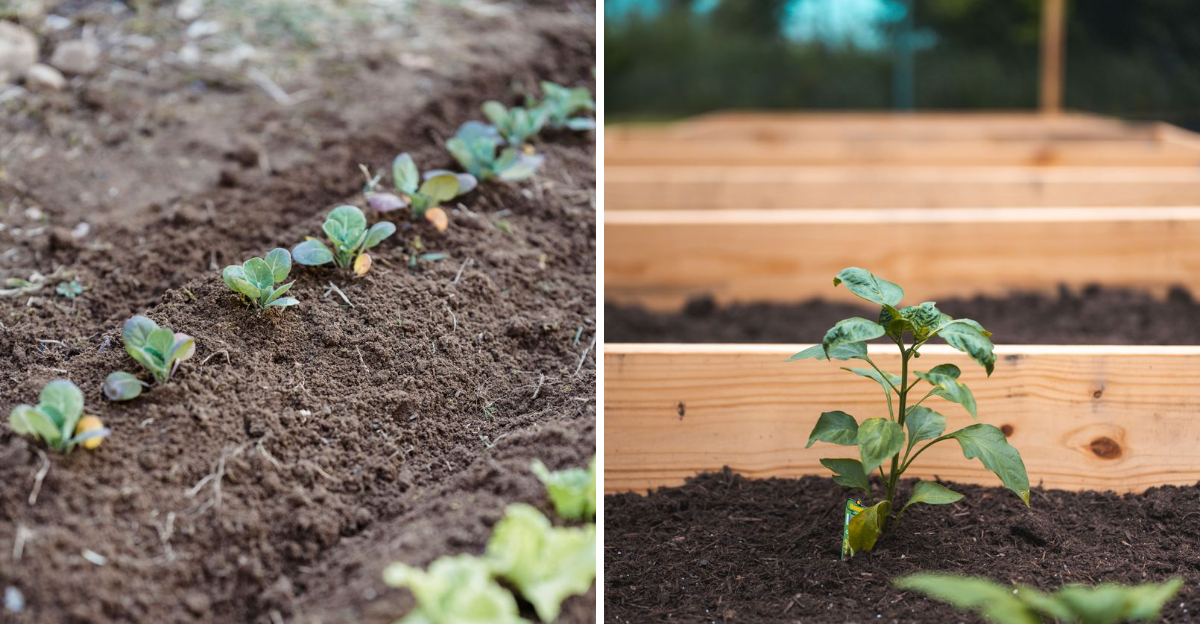
Neighbors keep asking why your garden suddenly looks different. Maryland gardeners like you are quietly ditching chemical sprays and machines.
Farmers near Lancaster shared secrets your local nursery never mentioned. Soil beneath your feet now feels darker, looser, and alive.
Roots in your soil reach deeper than synthetic fertilizer allowed. Yields rise steadily while your water bill drops without warning.
Amish methods reshape how you time and space each planting. Tillers sit unused while your own hands do steadier work.
Weeds thin once your soil structure finally supports real plants. Pests fade when your garden rows stop repeating the same crop.
This shift is quietly making your Maryland yard the center. Skeptical neighbors turned curious after seeing your own harvest results.
Results often compare favorably to what chemical products promise you. Word is spreading through neighbors faster than any advertisement could. You won’t tend your garden the exact same way again.
1. Companion Planting Boosts Natural Pest Control

Walk through an Amish garden and you will notice something right away. Plants are not lined up in lonely, single-crop rows like soldiers.
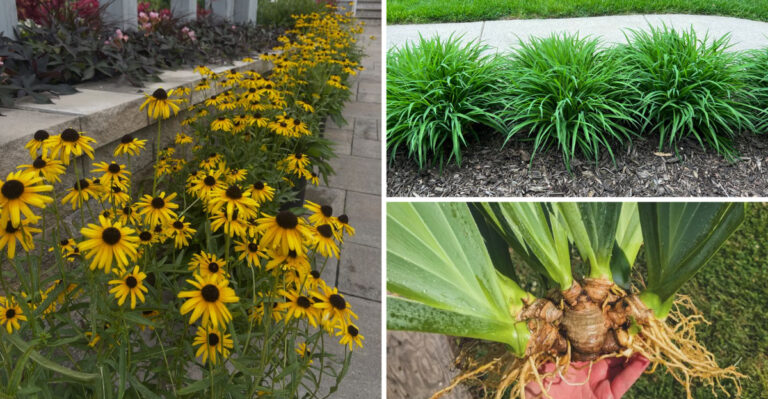
Companion planting means growing two or more plants side by side because they help each other thrive. Marigolds planted near tomatoes, for example, may help reduce harmful nematodes in the soil below.
Basil is often said to help deter aphids near pepper plants, thanks to its strong scent. Nasturtiums act as a trap crop, drawing aphids away from vegetables you actually care about.
Companion planting has been used for centuries across many farming traditions, including Amish communities. Each pairing is chosen based on what works in real soil, through real seasons.
Anecdotally, gardeners who try companion planting often see reduced pest damage without insecticide. That means healthier food, lower costs, and fewer chemicals near kids and pets.
Learning which plants are good neighbors takes a little research upfront. But once you know the combinations, you plant them together every season without thinking twice.
Some classic pairings include corn, beans, and squash, known as the Three Sisters, a method rooted in Indigenous American agriculture. Each plant feeds, supports, or protects the others in a complementary planting system.
Start small by adding marigolds around your tomato beds this spring. You will likely see fewer pests and feel a whole lot less frustrated by harvest time.
2. Crop Rotation Keeps Soil Nutrients Balanced

Amish farmers do not plant the same thing in the same spot twice. This simple habit is one of the most powerful soil-saving strategies around.
Crop rotation means moving plant families to different garden sections each season. It prevents the soil from being stripped of the same nutrients year after year.
Tomatoes, for instance, are heavy feeders that pull nitrogen and potassium from the ground fast. Planting legumes like beans in that same spot the following year actually puts nitrogen back in.
Gardeners who skip rotation often wonder why their yields shrink every summer. The answer is usually hiding right beneath their feet in depleted, exhausted soil.
Your Maryland Garden Changes Every Week. Your Plan Should Too.
Gardening in Maryland changes quickly throughout the season. Every Friday you’ll receive a simple weekly plan showing exactly what to plant, prune, fertilize, harvest, and protect so you never miss the right timing.
Amish families keep simple hand-drawn maps of their garden plots from year to year. These low-tech records help them track which crop grew where without needing an app.
Rotating crops also breaks the life cycle of soil-borne diseases and underground pests. Pathogens that target tomatoes, for example, starve when no tomatoes show up the following season.
A basic four-bed rotation system works well for most home gardens. Divide your space into four sections and rotate each plant family one bed over each spring.
The results build slowly but powerfully over several growing seasons. Gardeners who stick with rotation often report richer soil, fewer disease problems, and noticeably stronger plants year after year.
3. Raised Beds Improve Drainage And Yield
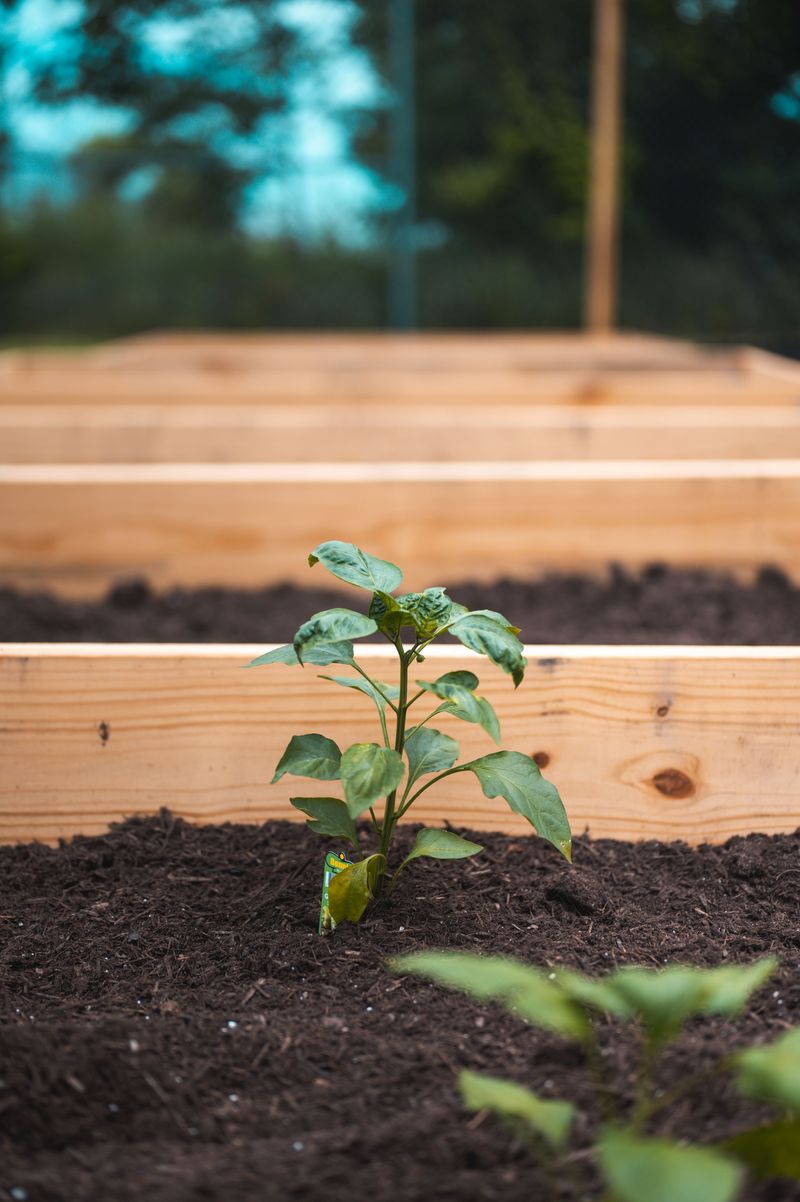
Maryland soil can be stubborn, heavy with clay, and slow to drain after a hard rain. Raised beds solve this problem before it even starts.
Amish communities have long built simple wooden frames filled with composted soil above ground level. The elevation improves drainage instantly and warms up faster in early spring.
Warmer soil means earlier planting dates, which translates directly to a longer growing season. For Maryland gardeners, that extra time can sometimes mean an additional harvest of lettuce or radishes, depending on conditions.
Raised beds also reduce back strain because you are not hunched over low ground all afternoon. The elevated height makes weeding, watering, and harvesting noticeably more comfortable.
Amish builders typically use untreated pine or cedar boards to frame their beds. Cedar naturally resists rot and lasts for many years without chemical treatment.
Filling the bed with a mix of topsoil, compost, and aged manure creates a growing environment most vegetables absolutely love. Roots spread easily through loose, fluffy soil without hitting hard clay layers below.
Weed pressure also drops significantly in raised beds compared to traditional row gardens. Fewer weeds mean less time pulling and more time actually enjoying your garden.
One four-foot by eight-foot raised bed can produce a surprising amount of food in one season. Start with just one and you will almost certainly want to build another one by August.
4. Heirloom Seeds Preserve Genetic Diversity

Open any Amish seed tin and you might find a tomato variety with roots going back generations. These seeds carry history, flavor, and resilience that modern hybrids simply cannot match.
Heirloom seeds are open-pollinated, which means you can save seeds from your harvest and replant them next season. That single trait saves money and keeps you independent from seed companies.
Home gardeners are increasingly turning to heirloom varieties that taste nothing like what you find at the grocery store. A Cherokee Purple tomato or a Dragon Tongue bean will offer a noticeably different flavor.
Amish families have saved and shared seeds across generations, keeping rare varieties alive through decades of agricultural change. Each seed packet carries the memory of a specific farm, a specific family, a specific place.
Genetic diversity in seeds also means better resilience against disease and changing weather patterns. A diverse seed collection acts like insurance against a single crop failure wiping out your whole garden.
Saving seeds is easier than most people expect once you learn the basics. You dry the seeds fully, store them in a cool dark place, and label them carefully for next year.
Seed swaps inspired partly by Amish seed-saving traditions appear to be gaining interest in some communities.
Growing heirloom plants connects your garden to something much larger than one backyard. Every plant you grow from a saved seed carries a living thread back through time.
5. Manure Composting Enriches Garden Soil Naturally
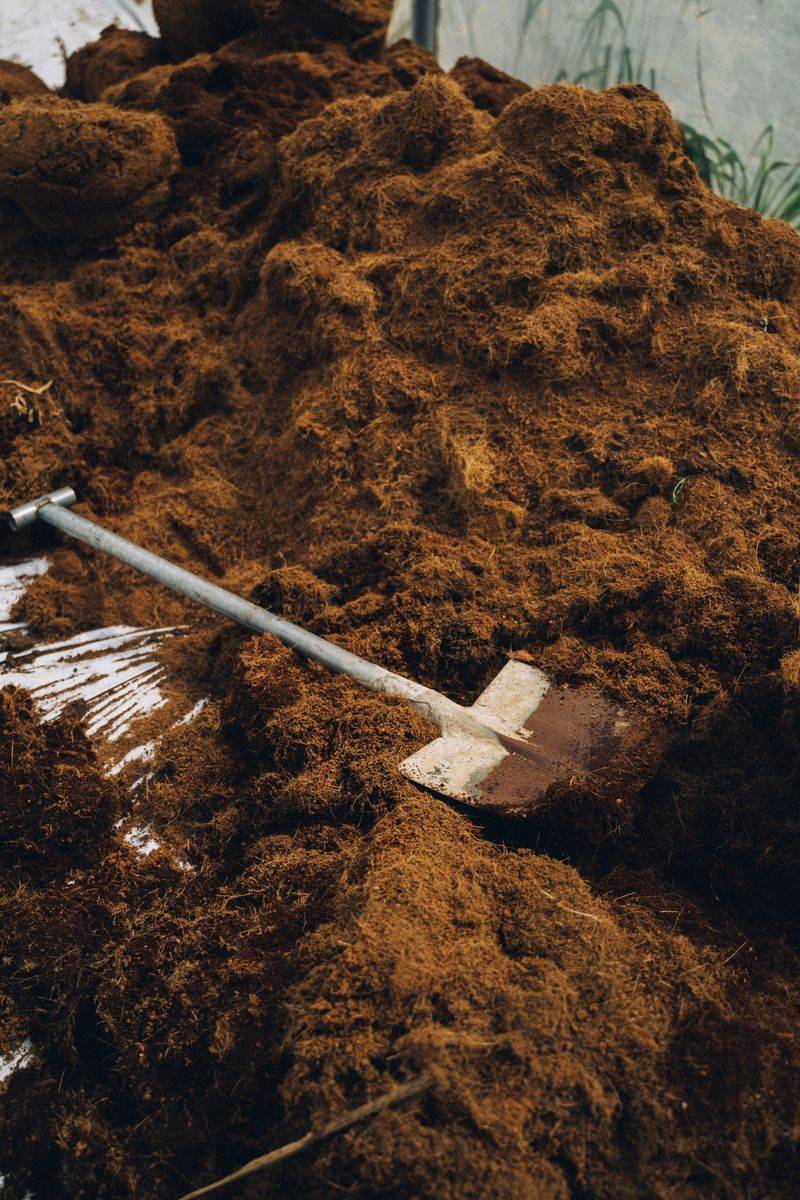
Forget the bag of synthetic fertilizer from the hardware store. Aged manure compost is what Amish gardeners have trusted for generations, and many gardeners swear by it.
Composted manure adds nitrogen, phosphorus, and potassium to soil in a slow-release form that plants can absorb steadily. Unlike synthetic options, it also feeds the billions of microbes living in healthy ground.
Maryland gardeners with access to horses, chickens, or cows have a serious advantage here. Even a small backyard flock of hens produces enough manure to fertilize a modest garden bed.
The key is composting the manure properly before applying it to your plants. Fresh manure can burn roots and introduce harmful bacteria, so Amish farmers always age it for several months first.
A well-built manure compost pile heats up to over 130 degrees Fahrenheit inside. That internal heat neutralizes weed seeds and pathogens before the compost ever touches your garden.
Amish planting traditions treat soil as a living community, not just a growing medium. Feeding the soil with organic matter keeps that community thriving season after season.
Finished manure compost has a rich, earthy smell and a dark, crumbly texture. When you work it into your beds, the soil becomes noticeably richer and looser.
Apply two to three inches of compost each spring before planting begins. Your plants will often respond with stronger stems, deeper roots, and a healthier harvest.
6. Hand Tools Reduce Reliance On Machinery
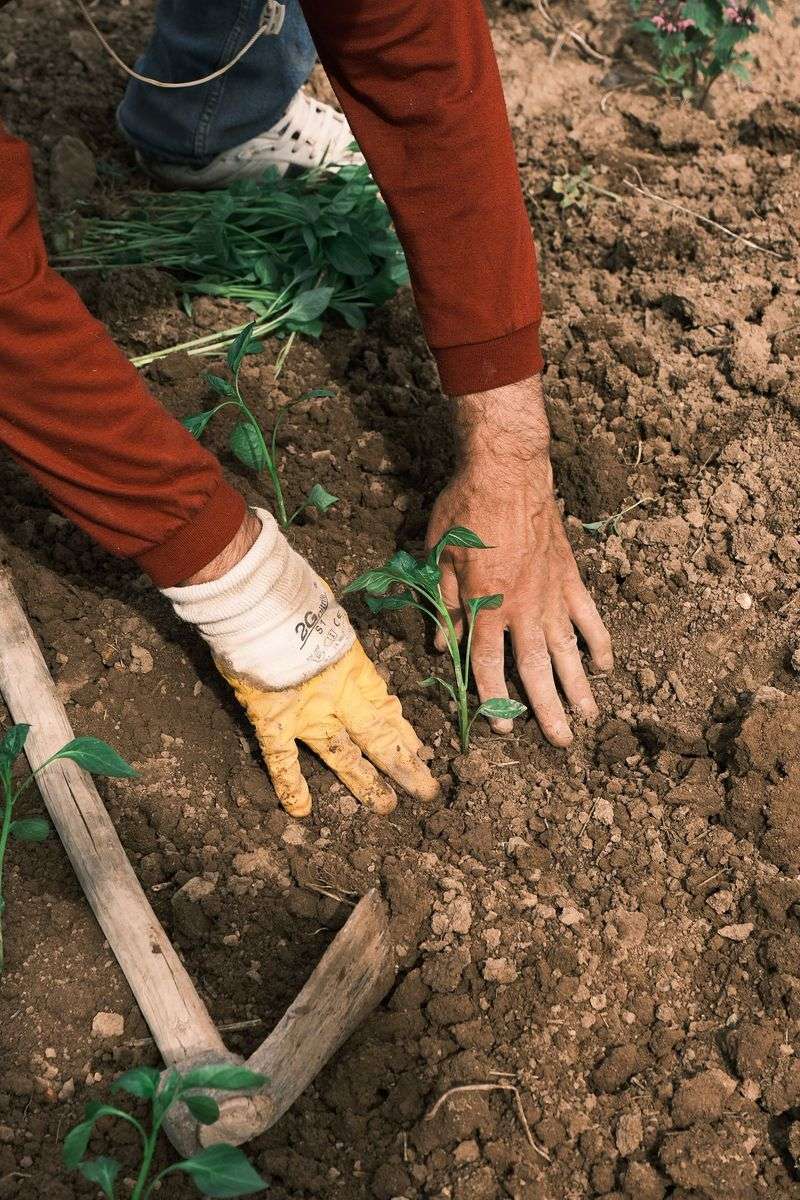
There is something grounding about working soil with your own hands and a good hoe. Amish gardeners have always known that the right hand tool beats a gas-powered machine for many jobs.
Hand tools are quieter, cheaper to maintain, and far less likely to compact soil the way heavy equipment does. Compacted soil chokes roots and reduces the oxygen plants need underground.
A sharp hoe can clear a row of weeds in minutes without disturbing surrounding plant roots. Compare that to a tiller, which can actually chop up earthworms and damage the soil structure you worked hard to build.
Gardeners scaling back on machinery often find it saves time in the long run. Less equipment means fewer repairs, less fuel, and no frantic trips to the hardware store mid-season.
Amish hand tool traditions also encourage a slower, more observant style of gardening. When you move through a bed with a hand cultivator, you notice pest damage, wilting leaves, and dry spots before they become big problems.
Good hand tools last decades when cared for properly. Wooden handles should be sanded and oiled each season, while metal heads need occasional sharpening to stay effective.
Building a basic hand tool kit does not require much spending upfront. A sturdy hoe, a hand trowel, a cultivator, and a good pair of gloves will handle most garden tasks with ease.
Choosing hand tools is not about going backward in time. It is about working smarter, protecting your soil, and staying closely connected to the garden you are growing.
7. Succession Planting Extends The Harvest Season
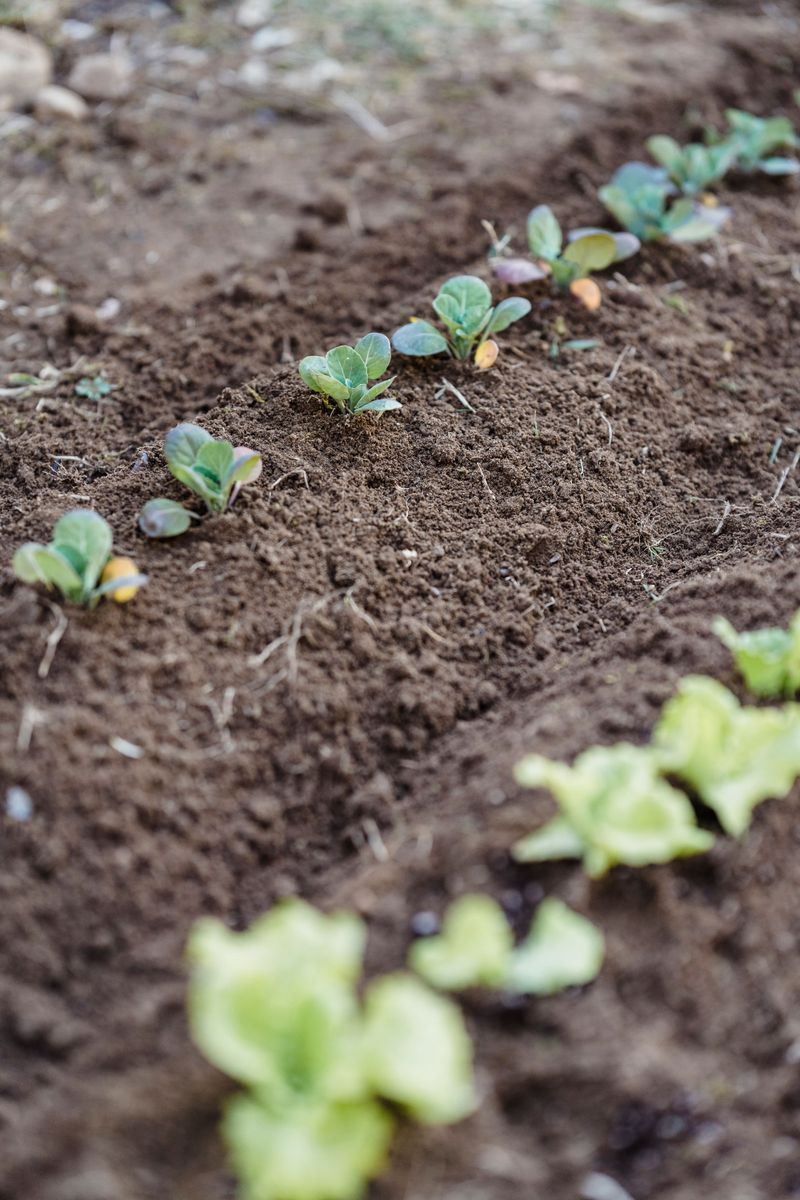
Most gardeners plant everything at once and then spend August drowning in zucchini. Amish succession planting fixes that feast-or-famine cycle with a smarter schedule.
Succession planting means sowing small batches of the same crop every two to three weeks instead of all at once. That staggered timing keeps fresh produce coming steadily from spring through the first frost.
Lettuce is a perfect example of how this method shines. Plant one row in early April, another in late April, and a third in mid-May for a continuous salad supply all season.
Maryland gardeners who adopt this approach stop wasting food and start enjoying their harvests more. There is no pressure to eat or preserve fifty heads of lettuce in one panicked weekend.
Amish families plan their succession schedules on paper before the first seed goes in the ground. That pre-season planning is what makes the whole system run smoothly without constant guesswork.
Fast-maturing crops like radishes, spinach, and bush beans are ideal candidates for succession planting. Their short growing cycles make it easy to fit multiple rounds into one season.
As one planting finishes, that garden space gets refreshed with compost and immediately replanted. No bed sits empty and wasted while the season ticks forward.
The harvest stretches longer, the workload spreads out more evenly, and the garden feels productive all summer. Amish planting methods can turn a short growing season into a notably productive one.
8. Moon Phase Timing Guides Seed Planting

Planting by the moon sounds like folklore, and for Amish farmers it has remained a long-standing tradition passed down for generations.
The practice is older than most modern gardening books, and some gardeners say it keeps showing results.
Some traditional gardeners believe the moon’s phases influence soil moisture, though this is not scientifically confirmed.
Planting seeds during certain lunar phases is believed by some to improve germination and root development, though there is no scientific consensus on this.
During the waxing moon, when light is increasing, moisture is traditionally believed to move upward toward the surface. According to this tradition, this period is considered better for planting crops that produce above-ground fruits like tomatoes and squash.
The waning moon phase, when light decreases, is traditionally associated with energy moving downward toward the roots. According to the same tradition, Amish gardeners use this period to plant root vegetables like carrots, beets, and potatoes.
Gardeners who try moon phase planting sometimes report faster germination and stronger early growth. Whether the science fully explains it or not, the outcomes keep people coming back to the method.
Amish planting calendars are passed down through families and carefully adjusted each year. These handwritten guides blend observation, tradition, and a long-standing respect for seasonal patterns.
You do not need to overhaul your entire garden schedule to try this approach. Simply check a lunar calendar before your next planting day and adjust your timing by a few days if needed.
Gardening with the moon asks you to slow down and notice larger seasonal cycles. That shift in perspective is one valuable aspect of Amish planting traditions.