The Simple Soil Boost Michigan Gardeners Use For Bigger Late-Summer Harvests
Late summer along the Michigan lakeshores has a way of testing every backyard grower. Days stay warm, but the soil underneath starts losing steam, and plants show it long before anyone notices why.
Gardeners across the Great Lakes region have leaned on one quiet trick for generations, something rarely written down but always passed along. It costs almost nothing and takes barely any effort to pull off.
Picture a slow-steeped brew, dark and rich, poured straight onto roots that have been working overtime all season. Within days, the change in the garden is hard to miss.
By the time the first frost warning hits, the results speak for themselves. Once a Michigan gardener tries this, the old routine starts to feel like a waste of good soil.
The Secret Ingredient Sitting In Your Compost Pile
Your Michigan garden has a secret weapon, and it smells a little funky. That earthy scent is compost tea, and it is about to become your best-kept growing secret.
That liquid is packed with beneficial microbes, nutrients, and natural compounds that feed your plants fast. Most store-bought fertilizers release nutrients gradually, taking longer to reach the roots.
Compost tea soaks straight into the soil and gets to work almost immediately, waking up the biology already living underground.
Healthy soil is full of microscopic life that breaks down organic matter and delivers nutrients to plant roots. When that life gets depleted by heat, drought, or heavy cropping, your yields start to drop noticeably.
Brewing a batch of compost tea takes about 24 to 48 hours and requires minimal equipment. All you need is a bucket, some finished compost, water, and an aquarium pump to keep things oxygenated.
The oxygenation step is critical because it encourages aerobic bacteria, the good kind, to multiply rapidly. Without oxygen, you end up with anaerobic bacteria that can actually harm your plants instead of helping them.
Michigan gardeners have been using this method for generations, passing it down like a family recipe. That familiar pile sitting in the corner of the yard has been holding the answer all along.
Late Summer Takes The Biggest Toll On Soil

By August, your soil is exhausted, plain and simple. Weeks of steady watering and heavy feeding have worn down the biology that keeps your beds productive.
All season long, your crops have been pulling nitrogen, phosphorus, and potassium out of the ground.
Warm temperatures speed up microbial activity, which burns through organic matter faster than spring rains can replenish it.
Late summer also brings drought stress in many parts of the region, and dry soil loses beneficial microbes at an alarming rate. Those microbes are the engine of a productive garden, and without them, even well-fed plants struggle to absorb what they need.
Most Michigan gardeners notice the signs around mid-August: yellowing lower leaves, slower fruit development, and plants that look tired despite regular watering. That slowdown is not just heat, it is a soil biology problem.
Applying a liquid compost boost during this window gives your plants fresh energy right before the final stretch of the season. Tomatoes, peppers, and squash all have fruit still developing, and they need fuel to finish strong.
Your Michigan Garden Changes Every Week. Your Plan Should Too.
Gardening in Michigan changes quickly throughout the season. Every Friday you’ll receive a simple weekly plan showing exactly what to plant, prune, fertilize, harvest, and protect so you never miss the right timing.
The timing matters more than most people realize. Feeding your soil in late summer is like refueling a car on a long road trip, not at the start, but right before the hardest stretch of highway.
Skipping this step means leaving yield on the table, sometimes a lot of it. Gardeners who brew and apply this tea regularly report heavier fruit and longer productive seasons than those who skip it.
Mixing And Applying It Without Overdoing It

More is not necessarily better, especially with compost tea. A heavy hand can throw off the very balance you are trying to build.
The goal is to introduce a healthy dose of living biology into your soil, not to drench it into submission. Over-application can actually disrupt the balance you are trying to create, so getting the ratio right matters.
A good starting point is one part finished compost to five parts water. Let the mixture aerate for 24 to 48 hours, then strain out the solids using an old pillowcase or burlap cloth before applying.
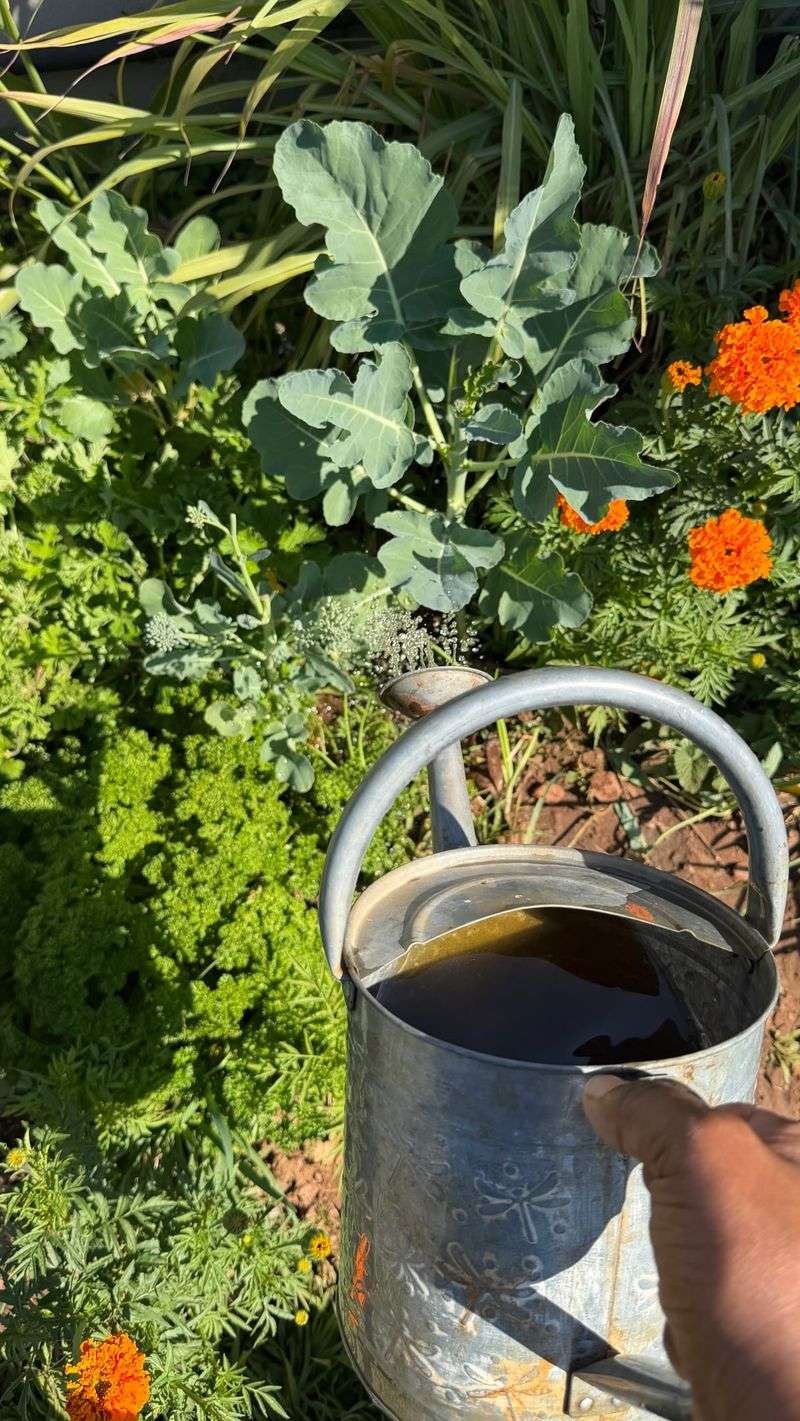
The resulting liquid should look like weak iced tea, light brown and slightly murky. If it smells strongly rotten rather than earthy, something went wrong and you should start the batch over.
Apply the tea to your Michigan garden beds in the early morning or evening, avoiding the heat of the day. Midday application causes rapid evaporation, which wastes the batch and can stress roots with a sudden temperature change.
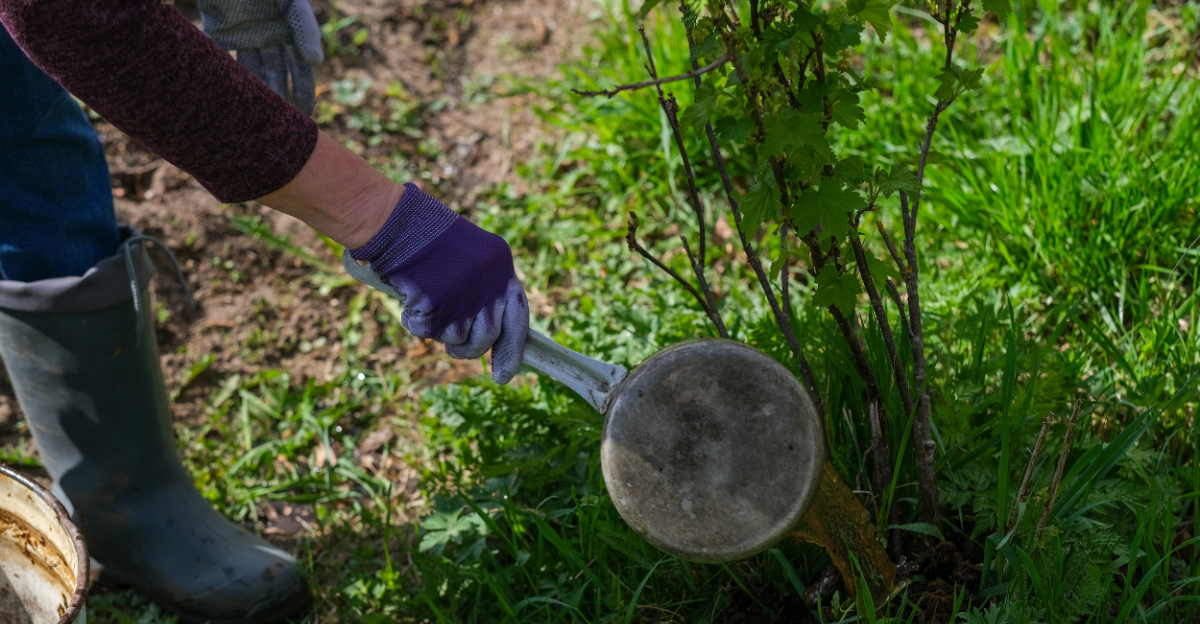
Pour it directly at the base of each plant, soaking the root zone thoroughly. You can also use a spray bottle to mist the leaves lightly, since plants absorb some nutrients through their foliage as well.
One application every two weeks through the end of the season is plenty for most crops. Consistency beats intensity, and your plants will reward you with a noticeable uptick in production that makes every bucket worth the effort.
Crops That Respond Best To This Boost

Not every plant reacts the same way, and figuring out who loves this treatment saves you time. Some crops finish the season strong with just one application, while others crave it every two weeks.
Tomatoes are the biggest fans of compost tea in the late-season garden. They are heavy feeders that have been working nonstop since June, and a liquid boost in August gives them the energy to ripen every last fruit on the vine.
Peppers respond dramatically as well, especially varieties that tend to slow down when temperatures spike. A dose of compost tea around the root zone often helps them ease back into production within a week or two of application.
Squash and zucchini, which often look ragged by late summer, perk up noticeably after treatment. Their large leaves and aggressive root systems soak up the nutrients quickly, and you will often see new blossoms forming within a week or two.
Beans and cucumbers also benefit, particularly if they have been showing signs of stress. These crops are sensitive to soil imbalances, and restoring microbial life around their roots helps them push out a final flush of production before frost arrives.
Leafy greens like kale and chard respond well too, producing tender new growth that tastes sweeter after a soil refresh. Root vegetables like carrots and beets develop better flavor and texture when the biology around them is thriving.
This soil treatment works across the board, but these crops show the most dramatic and satisfying results in the shortest amount of time.
Signs Your Soil Was Already Lacking It
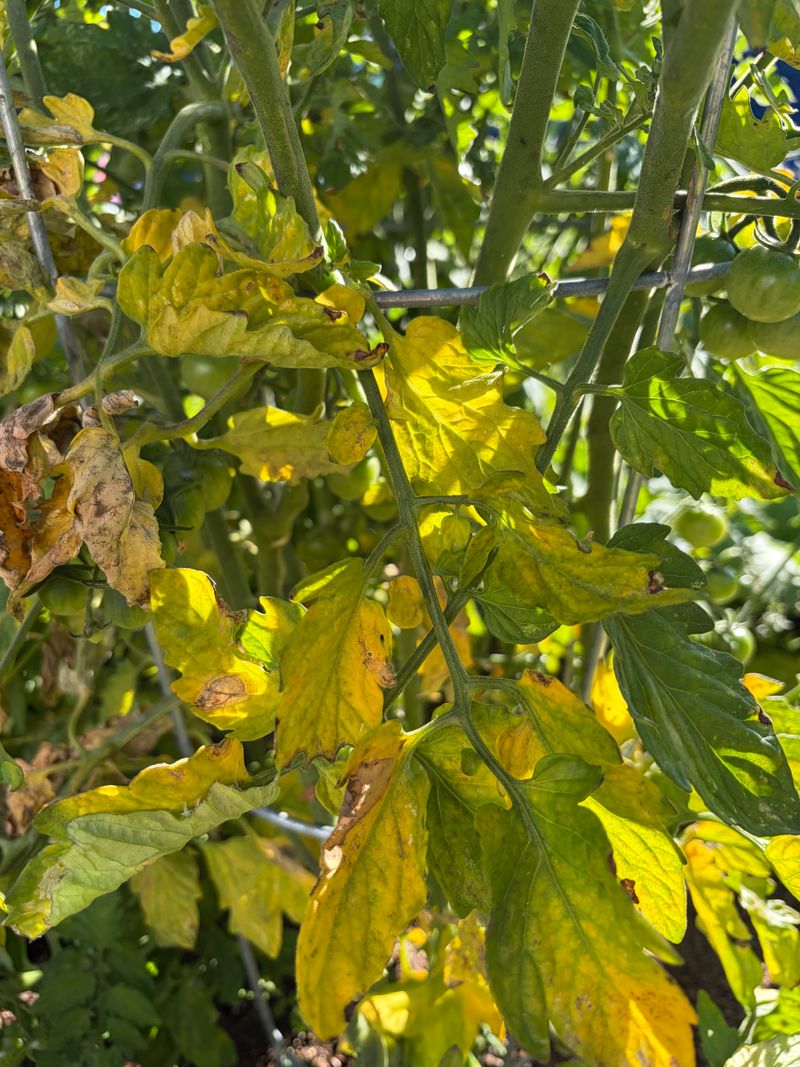
Your Michigan garden has been trying to tell you something all season long. A few telltale clues in the leaves and soil reveal exactly what has been missing.
Yellowing leaves that start at the bottom of the plant and work upward are one of the clearest signs of nitrogen depletion. When soil biology breaks down, nitrogen becomes locked up and unavailable to roots.
Pale green foliage across multiple plant types is another red flag. Healthy soil produces dark, glossy leaves because the nutrient pipeline from root to stem is working the way it should.
Slow fruit development is a subtler sign that many gardeners miss until late in the season. If your tomatoes have been sitting green on the vine for weeks longer than expected, the soil may be too depleted to support the final ripening process.
Compacted, crusty soil that repels water instead of absorbing it is a physical sign of low microbial activity. Healthy soil is loose and spongy because the organisms living in it constantly aerate and restructure the ground around them.
Persistent pest pressure can also signal a soil problem. Weak, stressed plants attract insects and disease at higher rates, and feeding the soil often reduces pest damage more effectively than spraying ever could.
If any of these symptoms sound familiar, your garden is overdue for a biological reset. One or two applications of compost tea can shift things noticeably, and your plants will show the difference fast.
Keeping The Boost Working Through Harvest
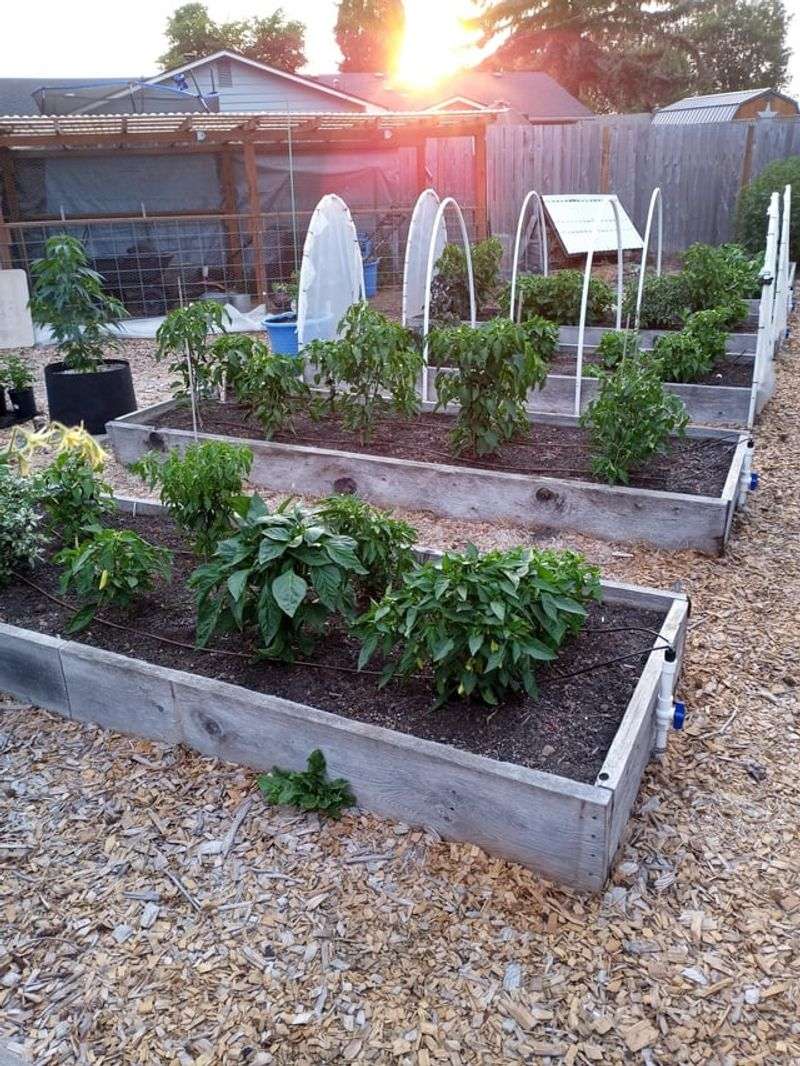
Getting the biology going is only half the job. Keeping those microbes fed and active through harvest is where the real payoff happens.
Keeping it alive through the final weeks of the season requires a few simple habits that most gardeners overlook once they see results. Compost tea gives your soil a powerful jumpstart, but what you do next decides if the boost lasts.
Mulching is your best friend after application. A two-inch layer of straw or wood chips around your plants holds moisture, moderates soil temperature, and gives the newly active microbes a stable environment to keep working.
Avoid tilling between applications, since turning the soil disrupts the fungal networks and microbial communities you just spent two days cultivating. A light hand-weeding is fine, but keep the shovel in the shed for now.
Watering consistently also matters more than most people expect. Microbes need moisture to move through soil and deliver nutrients to roots, and dry spells between applications can stall all the progress you made.
Adding a thin layer of finished compost around your plants after each tea application gives the microbes something to feed on between brews. Think of it as leaving snacks out so the workers stay on the job longer.
Staying consistent from now through the first frost makes a measurable difference in total yield. This is not a one-time fix, it is a seasonal habit that transforms what your garden is capable of producing.