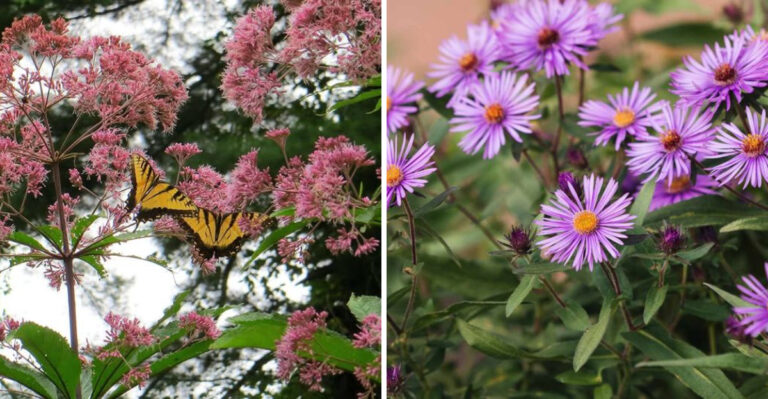
The Pennsylvania Garden Destinations Worth A Summer Road Trip Before Labor Day
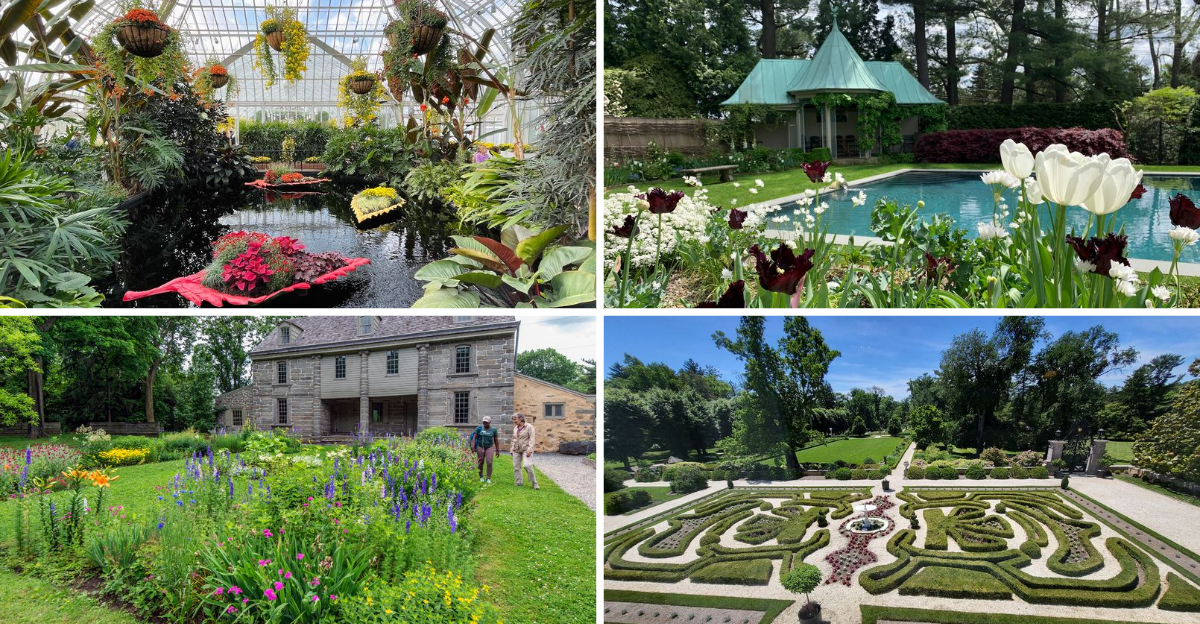
Pennsylvania stops feeling like a state you just drive through once summer settles in. Somewhere between the highway exits and the strip malls, entire worlds bloom in silence, waiting for someone to notice.
Labor Day marks the unofficial cutoff. After that, the light shifts, the crowds vanish, and half these places lose the magic that makes them worth the gas money in the first place.
Some of these spots hide fountains that dance on command. Others tuck rainforests inside glass domes or lift visitors above the treeline on walkways suspended in midair. A few carry roots older than the country itself.
None of them require a plane ticket or a second mortgage. Just a tank of gas, a free Saturday, and a willingness to get a little lost on back roads that lead somewhere worth remembering.
1. Longwood Gardens Offers A Fountain Show Worth The Drive
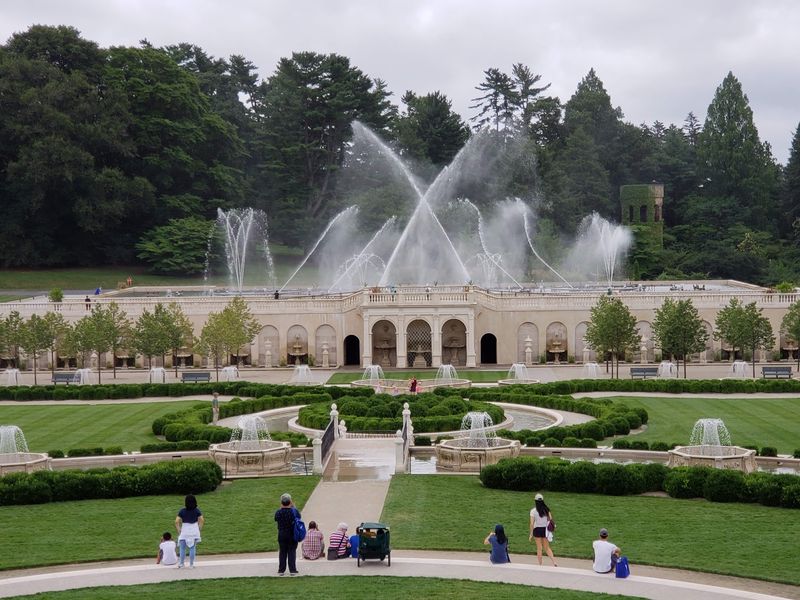
Picture this: water shooting 175 feet into the sky while classical music plays and colored lights dance across the spray. That happens every summer at Longwood Gardens on Route 1 in Kennett Square, Chester County, where the Main Fountain Garden has become the property’s signature spectacle.
Longwood sits on over 1,000 acres of carefully maintained grounds. Pierre du Pont developed the property in the early 1900s, and his eye for detail still shows in every corner of the estate.
Summer is peak season here, and for good reason. The outdoor gardens burst with dahlias, cannas, and water lilies from July through August, giving the grounds a completely different look than spring or fall.
Timed entry tickets are required, so booking ahead saves you stress at the gate. Kids and adults both lose track of time wandering the Children’s Garden, which features splash areas and tunnels tucked between hedges.
The on-site restaurant serves farm-fresh meals that pair well with a long afternoon outside. Shaded benches line most of the walking paths, making it easy to rest between garden rooms without leaving the grounds.
Longwood is a Pennsylvania garden road trip anchor stop that earns every mile. Plan for at least half a day, since the property is large enough to fill an entire visit on its own.
2. Hershey Gardens Pairs Roses With A Butterfly House
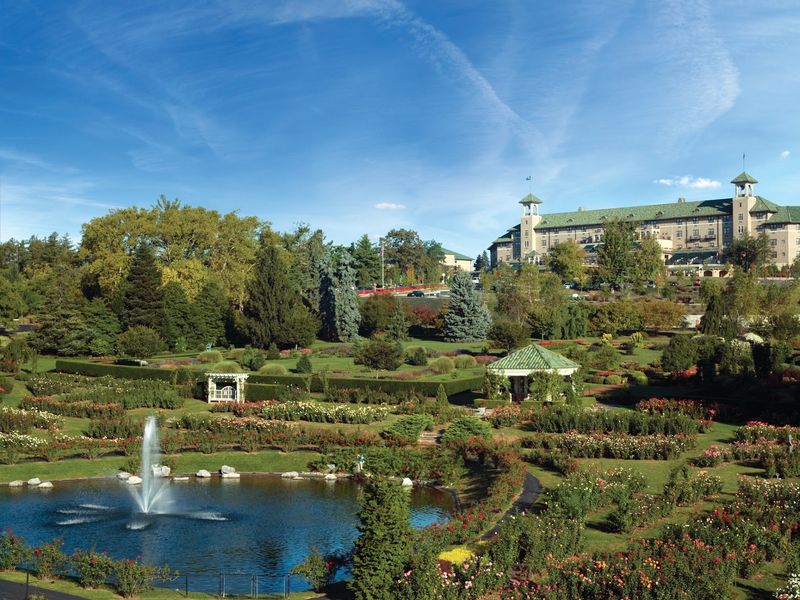
Milton Hershey originally planted this garden in 1937 as a simple rose display just off Hotel Road in Hershey, Dauphin County. Today the grounds span 23 acres and house over 7,000 rose plants across dozens of varieties.
The garden began with a simple request from Milton Hershey to create a rose garden for his wife, Catherine. A rose bred in her honor still grows on the grounds today.
The Butterfly House is the showstopper that keeps families coming back each summer. Hundreds of free-flying butterflies flutter around tropical plants inside a climate-controlled glass structure that stays warm year-round.
Beyond the roses and butterflies, themed gardens cover everything from herbs to Japanese design. Each section feels distinct enough that visitors often lose track of how much ground they have actually covered.
The Children’s Garden features a treehouse, a pizza garden, and a sunflower maze that younger visitors love. Adults tend to gravitate toward the quieter meditation spaces tucked between the larger flower beds.
Your Pennsylvania Garden Changes Every Week. Your Plan Should Too.
Gardening in Pennsylvania changes quickly throughout the season. Every Friday you’ll receive a simple weekly plan showing exactly what to plant, prune, fertilize, harvest, and protect so you never miss the right timing.
Hershey Gardens sits right next to Hersheypark, making it a natural add-on to a family weekend trip. Combo tickets are available and offer solid value if you plan to hit both attractions in the same visit.
Morning visits tend to be cooler and less crowded, which makes the rose fragrance even more noticeable near the entrance. Go before Labor Day, while the late-summer roses are still holding onto their best blooms.
3. Phipps Conservatory Brings Rainforest Vibes To Pittsburgh
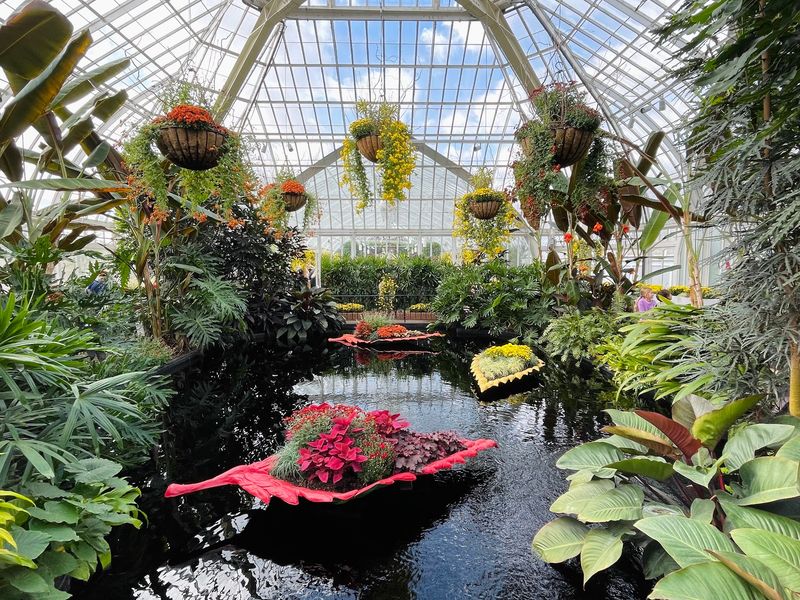
Walking into Phipps Conservatory feels like stepping onto a different continent entirely. The Victorian glasshouse anchors Schenley Park in Pittsburgh and has been wowing visitors since it opened in 1893.
Inside, a series of themed rooms take you from a tropical rainforest to a desert landscape without ever leaving the building. Giant palms brush the ceiling while orchids and bromeliads cluster at eye level throughout the humid corridors.
Phipps is also a recognized leader in sustainable design, holding multiple green building certifications. The architecture itself draws almost as much attention as the plant collections it was built to house.
Phipps also stages a rotating summer flower show each year, transforming the glasshouse rooms with new themes and displays. Its orchid collection has earned national recognition alongside the show’s changing seasonal exhibits.
The outdoor gardens change with the seasons and offer a calmer experience than the interior rooms. Summer installations often feature bold sculptures placed among the flower beds.
The center cafe serves locally sourced food that makes a solid lunch break between garden rooms. Special evening events during summer include live music and extended hours geared toward adult visitors.
Children enjoy the hands-on discovery areas that make botany feel like play instead of school. Phipps proves that a garden destination in the middle of a city can rival its rural counterparts without much effort.
4. Chanticleer Feels Like A Secret Garden Come To Life
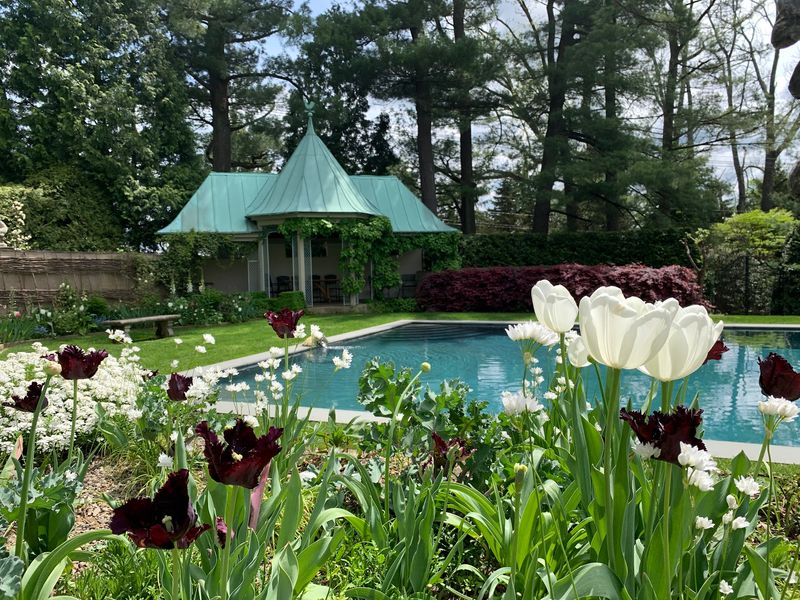
Some gardens feel designed to impress from a distance. Chanticleer, tucked along Church Road in Wayne, Delaware County, feels designed to pull you in close and make you want to stay for hours.
The property was once a private estate, and that intimate residential feeling never fully left. Ruin gardens, a teacup garden, and a woodland stream path all coexist within easy walking distance of one another.
Chanticleer’s gardening staff is given unusual creative freedom, which produces results that feel spontaneous rather than corporate. Plants spill over stone walls in ways that look accidental but are carefully planned down to the last detail.
Summer visits reward guests with peak blooms across nearly every section of the grounds. The Asian Woods area offers welcome shade when temperatures climb into the upper 80s during August.
Picnicking is welcome in four designated areas scattered across the property, and Friday evenings open the entire garden to blankets and chairs. Benches are also scattered generously throughout, encouraging slow exploration rather than a rushed loop.
Admission is affordable and timed entry keeps the crowds manageable even on busy weekends. Few gardens in the region generate as much quiet devotion from repeat visitors as this one does.
5. Bartram’s Garden Holds America’s Oldest Botanical Roots
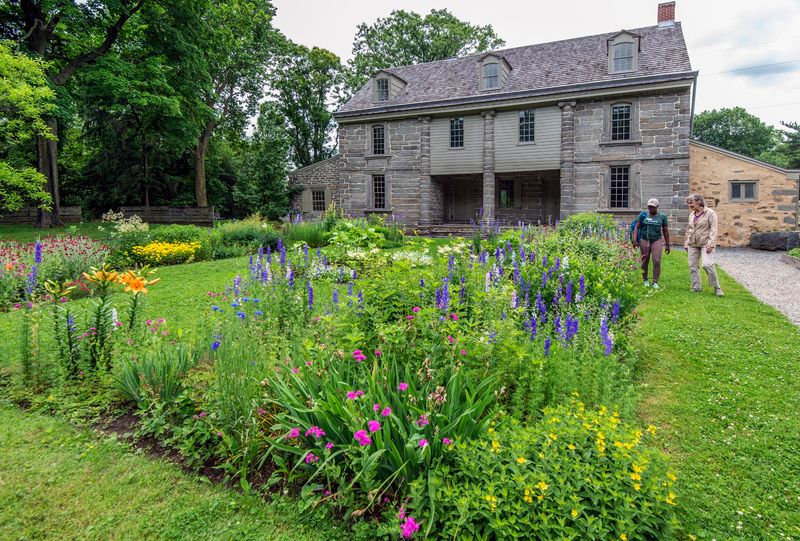
Established in 1728 along the Schuylkill River, Bartram’s Garden carries a title no other spot in the country can claim. John Bartram, a self-taught Quaker farmer, built what is now recognized as the oldest surviving botanical garden in North America.
The original stone farmhouse still stands on the property and offers tours that connect visitors to eighteenth-century plant science. Bartram traveled thousands of miles collecting plant specimens from across the colonies during his lifetime.
Today the garden functions as a free community green space open to residents and visitors alike. Wildflower meadows, river overlooks, and kitchen gardens cover the 45-acre site in a mix of wild and cultivated spaces.
Summer programming includes outdoor yoga, plant swaps, and family nature walks scheduled throughout the season. The riverside setting adds a scenic element that most botanical gardens simply cannot offer their visitors.
Kayak launches and riverside seating make the property feel like a full afternoon destination rather than a quick stop. Sunset views from the riverbank are genuinely striking on clear summer evenings.
The property also holds one of the oldest ginkgo trees in North America. Both George Washington and Thomas Jefferson once purchased plants directly from John Bartram.
Reaching the garden at 5400 Lindbergh Boulevard in southwest Philadelphia is easy by car or public transit. Free admission removes every barrier to entry, which fits the spirit of a garden built for public discovery.
6. Nemours Estate Blends French Formality With Wild Woodland
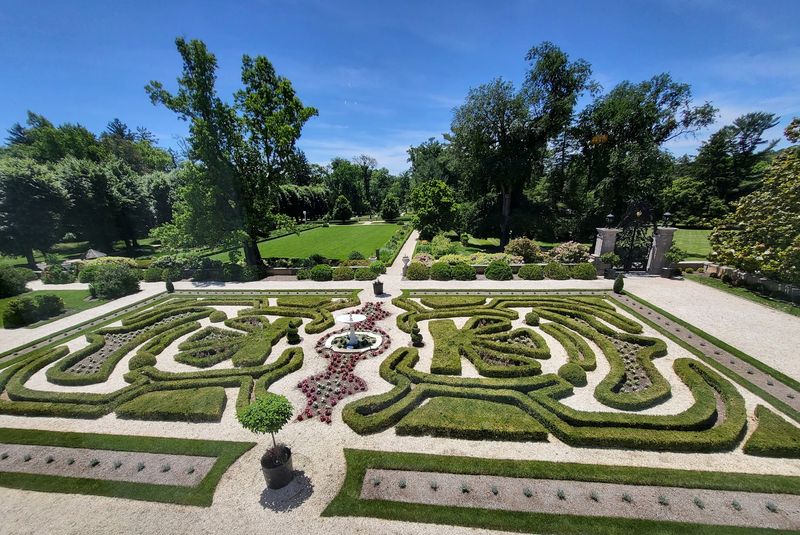
Not every garden destination on this road trip stays within state lines, and Nemours Estate earns its spot with ease. The property sits just across the border on Alapocas Drive in Wilmington, Delaware.
The formal gardens stretch nearly a third of a mile along a grand central allee. Clipped hedges, marble fountains, and reflecting pools create a symmetry that feels almost surreal once you’re standing in the middle of it.
Beyond the formal sections, wilder woodland paths wind through naturalistic areas that soften the estate’s grandeur. Summer wildflowers bloom along the forest edges in a way that feels completely unplanned compared to the manicured lawns nearby.
The mansion itself was completed in 1910 in just eighteen months and contains 77 rooms filled with European art and antiques. Guided tours of the interior run alongside garden access, making this a full-day experience without much effort.
The estate now shares its grounds with the Nemours Children’s Hospital, under the same foundation. A working carillon tower still stands among the gardens, chiming quietly across the grounds.
Admission includes both the mansion and the gardens, offering strong value for everything included in the ticket. Timed entry keeps the property from feeling overcrowded even during the busiest weeks of summer.
Nemours rewards visitors who slow down and let the scale of the place fully sink in. Between the architecture and the grounds, it’s easy to spend an entire afternoon here without noticing the time.
7. Morris Arboretum Hides A Treetop Walk Above The Trees
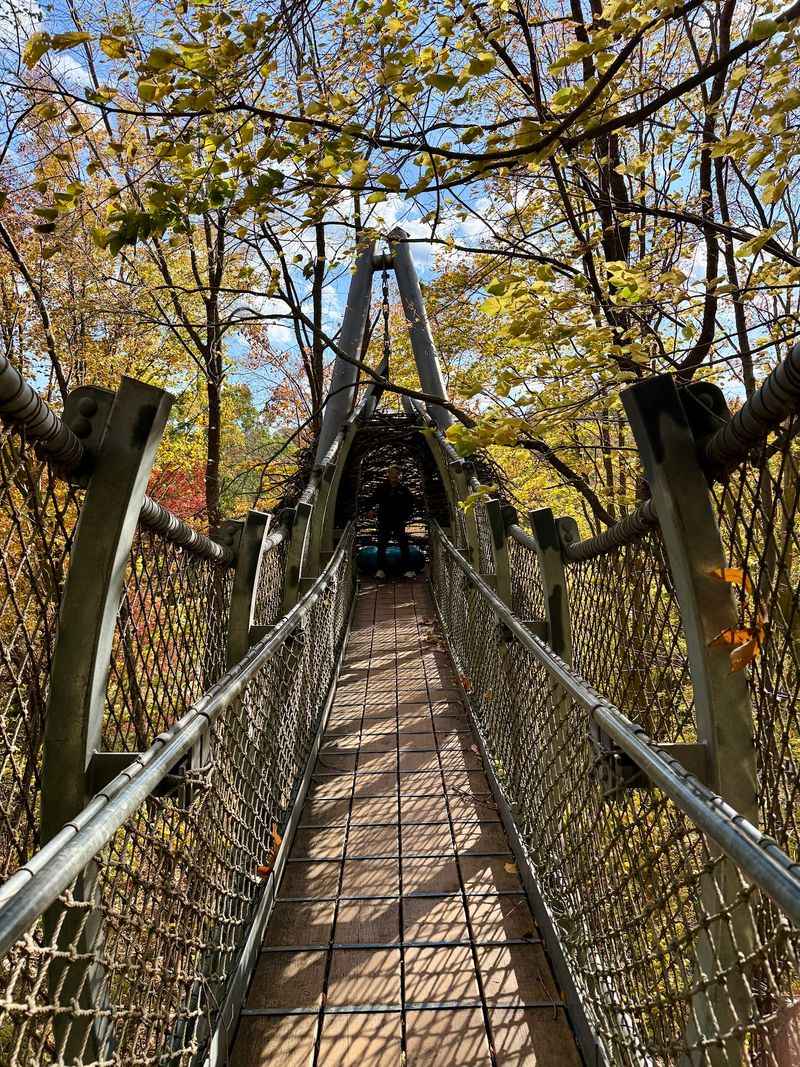
Most gardens ask you to look at trees from below. Morris Arboretum, set in the Chestnut Hill neighborhood of Philadelphia, asks you to walk among the treetops instead.
The Out on a Limb canopy walk suspends visitors 50 feet above the forest floor on a steel structure that feels both thrilling and calm. It remains one of the more unusual features found at any garden destination in the state.
The arboretum serves as the official arboretum of the Commonwealth of Pennsylvania, a title that matches its scale. Over 2,500 labeled plant species cover the 92-acre property, making it a serious stop for plant enthusiasts.
Casual visitors enjoy it just as much without knowing a single Latin name. Summer brings the rose garden, fernery, and swan pond to their most photogenic states of the year.
The Mercury Loggia, a classical garden structure, frames views across the lower meadow that photographers consistently return for. Golden hour light through the tree canopy creates moments that feel almost staged, even though they aren’t.
Bloomfield Farm, a quieter satellite section, gives visitors a break from the manicured display gardens near the entrance. Its open meadows feel like a different destination, though it’s just a short walk from the canopy walk.
The arboretum offers guided tours and self-guided audio options that suit any pace. Go before Labor Day, while the summer canopy along the walk is still full and green.
8. Jenkins Arboretum Rewards Visitors With A Native Plant Paradise
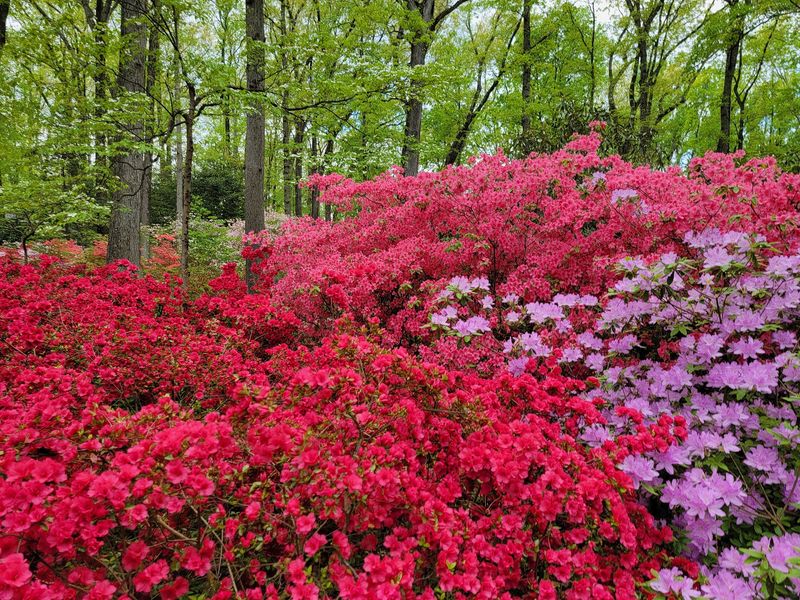
Small does not mean simple at this 48-acre woodland garden on Berwyn Baptist Road in Devon, Chester County. It holds one of the finest collections of native azaleas and rhododendrons in the entire northeastern United States.
By late summer, the display shifts to native wildflowers and seed heads that carry their own quiet beauty. The change in scenery makes a second visit later in the season feel like an entirely different garden.
The trails here move through a natural woodland setting rather than a manicured landscape. Boardwalks cross over a small stream while shaded paths wind between mature oaks and tulip poplars.
Jenkins Arboretum focuses intentionally on native plants, which makes it a valuable resource for home gardeners. Staff and volunteers are genuinely enthusiastic about helping visitors identify plants they could grow in their own yards.
The arboretum was founded in 1968 as a memorial garden, dedicated by H. Lawrence Jenkins to his late wife. That personal history still shapes the peaceful, unhurried feel of the grounds today.
Admission is free, which makes Jenkins one of the most accessible garden destinations in the region. The parking area is small, so arriving early on weekend mornings helps avoid any frustration.
This arboretum represents everything that makes a Pennsylvania garden road trip genuinely satisfying. Go before Labor Day and leave with a list of plants you’ll want to bring home.