The Best Fast-Growing Fall Vegetables For Pennsylvania
Fall vegetable gardening in Pennsylvania is one of the most rewarding and most underused opportunities in the entire growing calendar.
Most homeowners assume the planting season is essentially over once summer peaks, and they spend the next several months watching the garden wind down instead of harvesting from it.
But the right fast growing vegetables planted now can produce a genuine fall harvest that rivals anything that came out of the summer garden. The math works in your favor.
Pennsylvania’s fall growing window is longer than most people realize, and certain vegetables are built for exactly the conditions this season provides.
Cooler temperatures improve flavor, pest pressure drops significantly, and the combination produces results that summer heat simply doesn’t allow.
1. Radishes
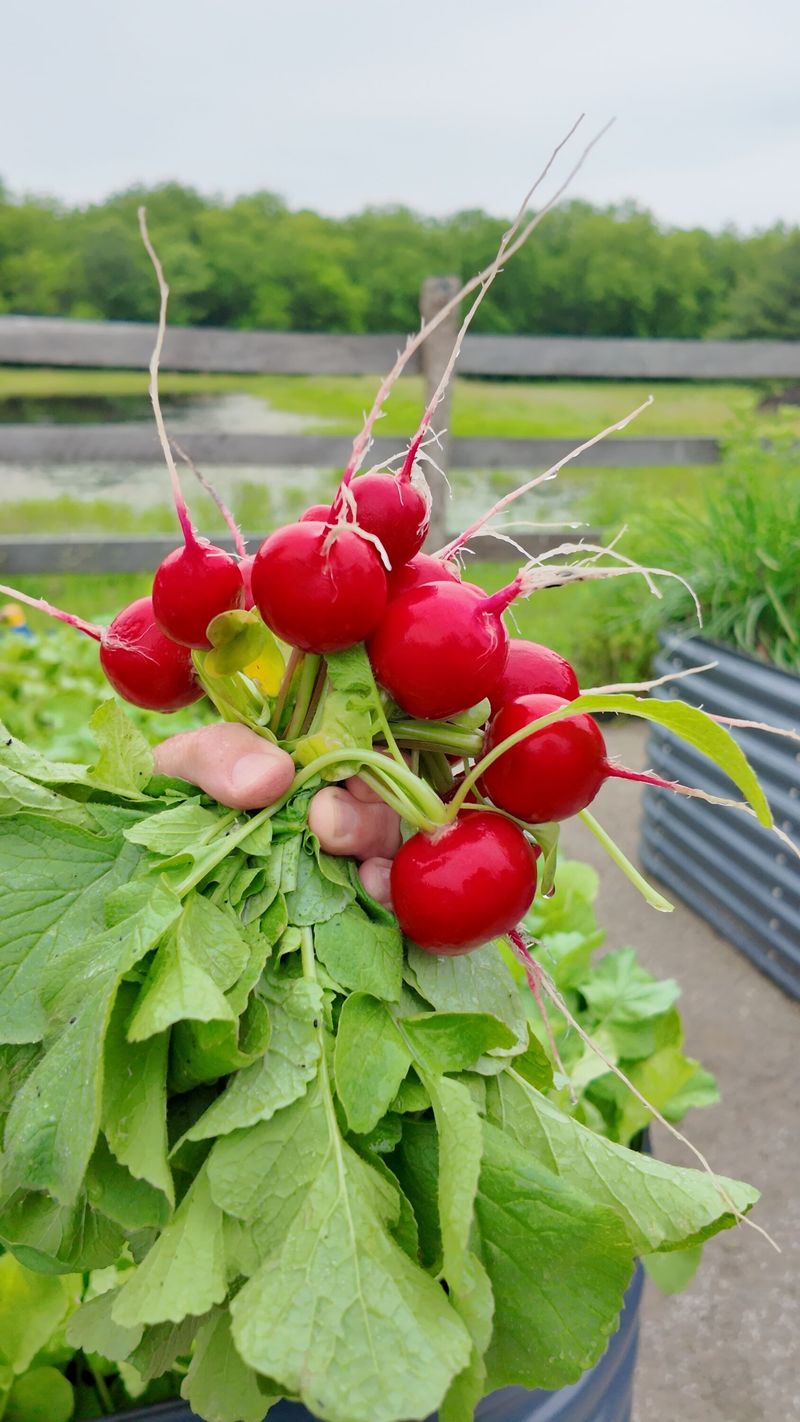
Few vegetables reward you as fast as radishes do. Some varieties are ready to pull from the ground in as little as three to four weeks, making them a favorite for gardeners who want quick results.
Radishes love the cool weather that Pennsylvania offers in September and October. You can sow the seeds directly into the soil, and they will sprout within a few days. There is no need to start them indoors or fuss over transplants.
Plant the seeds about half an inch deep and an inch apart. Keep the soil moist, and thin out the seedlings if they get crowded. Crowded radishes tend to grow tiny roots instead of the plump, crunchy bulbs you want.
One of the best tricks is to plant a small batch every week or two. This way, you get a steady supply instead of everything ripening at once. Gardeners call this method succession planting, and it works wonderfully for radishes.
Cooler fall temperatures actually make radishes taste milder and sweeter. Summer radishes can turn spicy and woody, but the fall crop stays crisp and tender.
Try classic round red varieties like Cherry Belle, or experiment with longer French Breakfast types. Both handle chilly nights just fine.
Here is a fun bit of history: radishes were one of the first vegetables ever cultivated by ancient Egyptians thousands of years ago. Today they remain one of the simplest crops any beginner can grow. Toss them in salads, roast them, or eat them raw with a pinch of salt.
2. Spinach
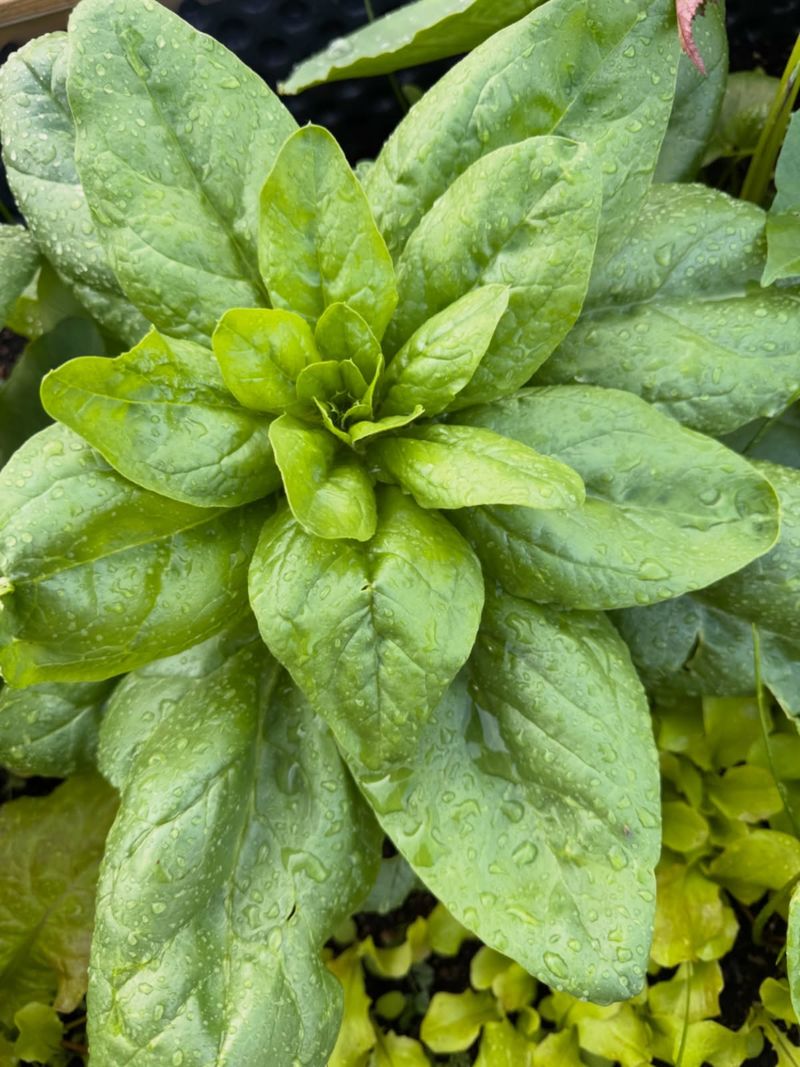
With its tender leaves and cold-loving nature, spinach practically begs to be planted in fall. This leafy green thrives when the weather turns cool and can even survive light frosts that would harm summer plants.
Spinach grows quickly, with many varieties ready to harvest in around 40 days. You can begin picking outer leaves even sooner if you want a quick snack.
Sow the seeds directly in your garden about half an inch deep. Space them a couple inches apart, and keep the soil evenly watered. Spinach seeds sprout best in cooler soil, so early fall is the perfect window in Pennsylvania.
A neat trick is to harvest the outer leaves first and let the center keep growing. This gives you multiple pickings from a single plant over several weeks.
Your Pennsylvania Garden Changes Every Week. Your Plan Should Too.
Gardening in Pennsylvania changes quickly throughout the season. Every Friday you’ll receive a simple weekly plan showing exactly what to plant, prune, fertilize, harvest, and protect so you never miss the right timing.
Frost is not your enemy here. In fact, a touch of cold makes spinach taste sweeter and richer. Some gardeners even cover their plants with a light row cover to keep them producing well into November.
Popular choices include Bloomsdale, a savoy type with crinkled leaves, and smooth-leafed varieties that are easier to wash. Both handle chilly weather without trouble.
Spinach packs a serious punch of vitamins and iron, which explains why it became famous as the food that gave a certain cartoon sailor his muscles. Add it to smoothies, salads, or sauté it with a little garlic.
Give spinach rich soil and steady moisture, and it will keep your kitchen stocked with fresh greens throughout the entire fall season.
3. Lettuce
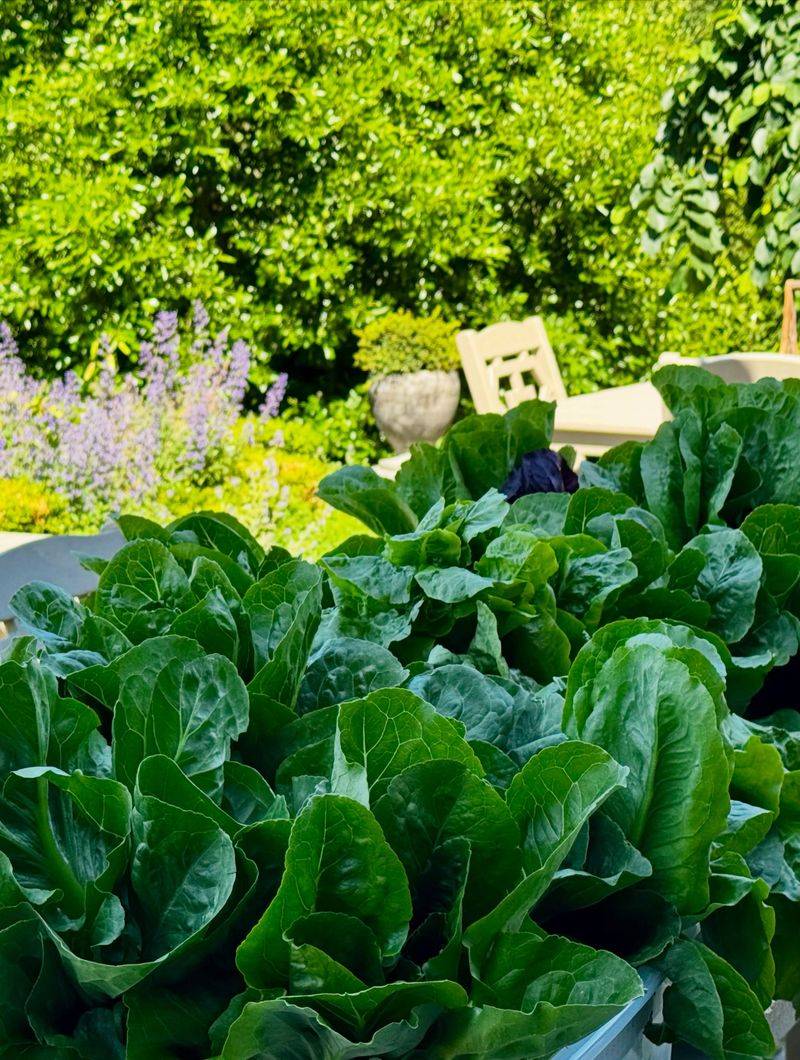
Crisp, colorful, and incredibly easy, lettuce is a must-have for any fall garden. It grows fast, takes up little space, and comes in so many shapes and colors that your garden will look like a painter’s palette.
Most leaf lettuce varieties are ready to harvest in just 30 to 45 days. That speed makes them ideal for Pennsylvania’s shorter fall growing window.
Scatter the tiny seeds on top of loose soil and press them down gently. Lettuce seeds need light to germinate, so avoid burying them too deep. Water lightly and keep the surface moist until they sprout.
Loose-leaf types are the quickest and most forgiving. You can snip a few leaves whenever you want and let the plant keep growing, a method known as cut-and-come-again harvesting.
Warm summer weather often makes lettuce turn bitter and shoot up tall flower stalks. Fall solves that problem beautifully. The cool air keeps the leaves sweet, crunchy, and tender for weeks.
Try mixing several varieties in one row. Buttercrunch, romaine, and red-leaf types all grow well together and create a rainbow of textures for your salads.
If an early cold snap threatens, a simple row cover or even an old bedsheet can protect your plants overnight. Lettuce handles light frost surprisingly well.
Ancient Romans loved lettuce so much they served it at the end of meals to help with sleep. Today you can enjoy it fresh from your yard in sandwiches, wraps, and salads. Few crops give beginners such fast, satisfying results with so little effort.
4. Arugula
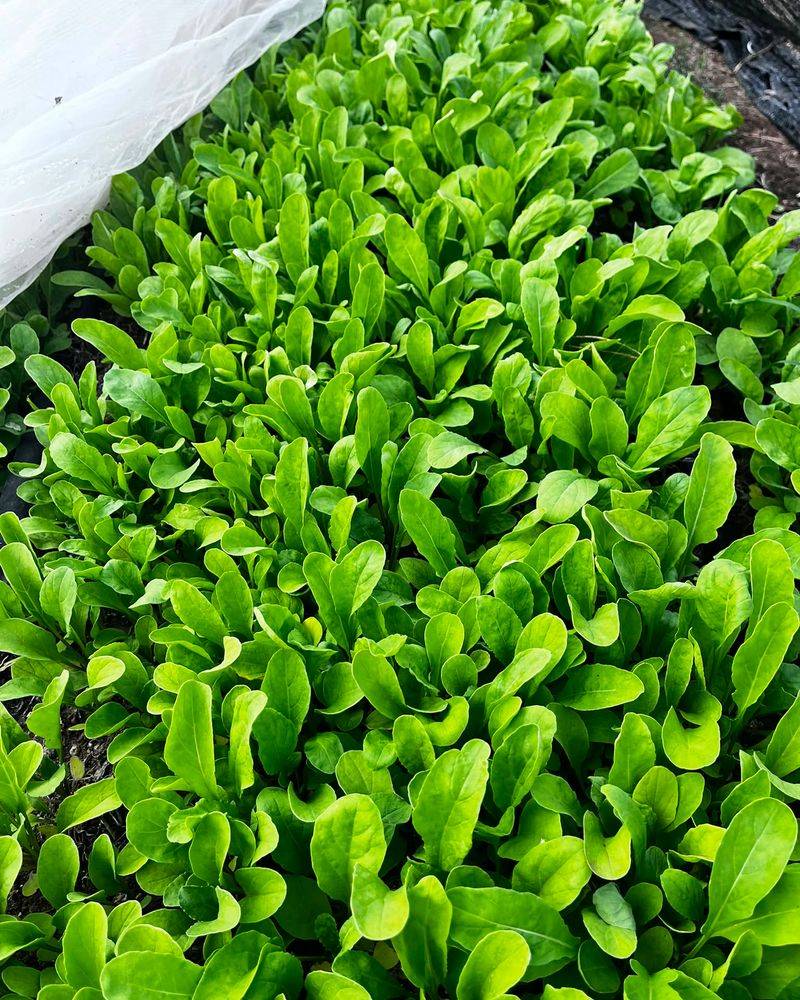
Peppery, bold, and lightning fast, arugula is the secret weapon of fall gardeners who want big flavor in a hurry. This zesty green adds a spicy kick to salads that plain lettuce just cannot match.
Arugula grows so quickly that you can start harvesting baby leaves in about three weeks. Full-size leaves are ready in roughly 40 days.
Toss the seeds across a small patch of soil and cover them lightly. They sprout fast and rarely give beginners any trouble. Keep the bed moist and watch how quickly the little seedlings appear.
Cool fall weather is exactly what arugula prefers. Hot summer temperatures make it turn overly spicy and cause it to flower too soon. The chilly Pennsylvania autumn keeps the flavor balanced and the leaves tender.
Harvest the outer leaves and let the plant continue growing from the center. You can get several rounds of fresh greens from one planting this way.
Plant a new short row every week or two to keep a steady harvest coming. Arugula grows so fast that succession planting is almost effortless.
The younger the leaves, the milder the taste. Older leaves develop a stronger, nuttier bite that some people absolutely love on pizza or in pasta.
Arugula has been grown around the Mediterranean for centuries and was once thought to be a lucky plant. These days it is prized in fancy restaurants, yet it grows just as happily in a backyard pot.
Sprinkle fresh arugula over sandwiches, blend it into pesto, or eat it straight from the garden for a burst of flavor.
5. Kale
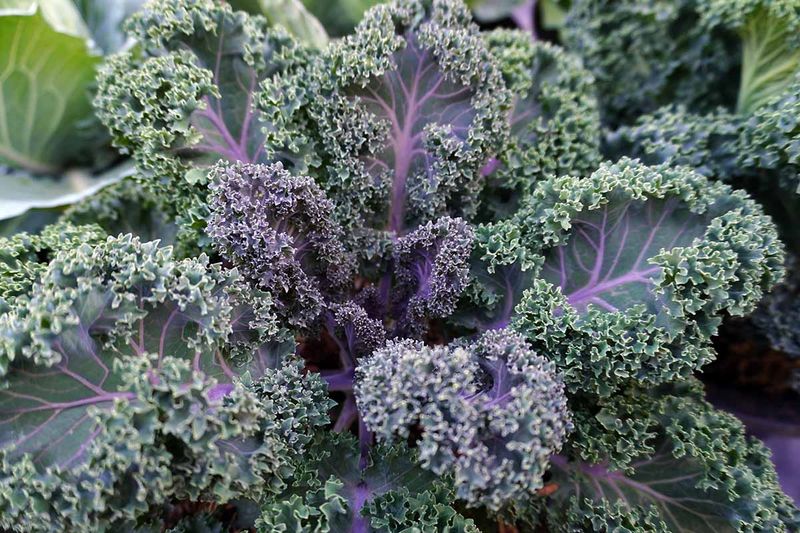
Tough as nails and packed with nutrition, kale might be the hardiest vegetable you can grow in a Pennsylvania fall. It shrugs off frost and cold that would flatten most other plants.
Baby kale leaves are ready to pick in about 25 days, while full-size leaves take around 55 to 60 days. If you plant early enough in fall, you can enjoy both stages.
Start kale from seeds or small transplants. Space the plants about a foot apart so they have room to spread their large, ruffled leaves.
Here is the amazing part: kale actually tastes better after a frost. The cold triggers the plant to produce natural sugars, turning the leaves sweeter and less bitter. Many Pennsylvania gardeners keep harvesting kale well into December.
Pick the lower leaves first and let the top keep growing. A single healthy plant can feed you for weeks with this steady harvesting style.
Curly kale is the most common type, but you can also try flat-leaf Lacinato, sometimes called dinosaur kale for its bumpy texture. Both handle chilly weather with ease.
Kale loves rich soil and plenty of sunlight. Give it a good drink of water during dry spells, and it will reward you with piles of leafy greens.
This vegetable has been grown for over two thousand years and was a staple food across Europe long before cabbage became popular.
Blend it into smoothies, bake it into crunchy chips, or toss it into soups. Kale proves that a fall garden can keep giving even after the cold sets in.
6. Turnips
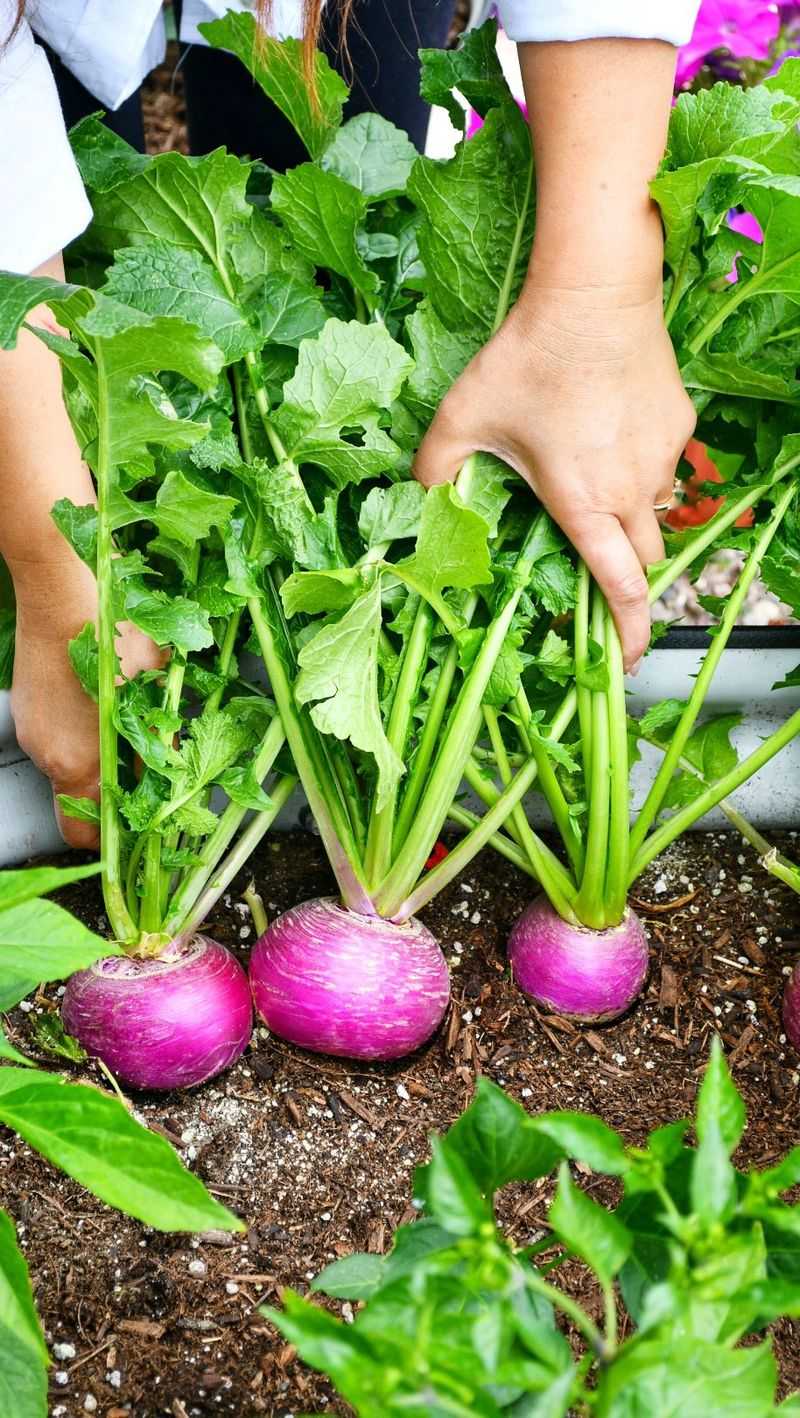
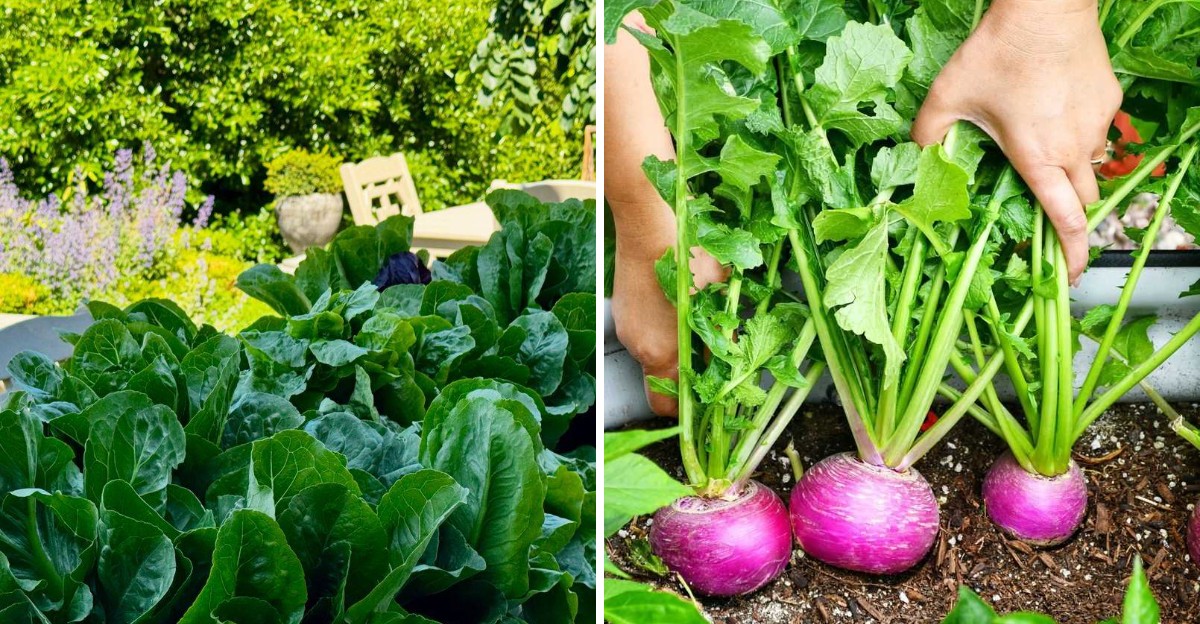
Two vegetables in one, turnips give you both crunchy roots and tasty greens from a single planting. That double reward makes them a smart pick for anyone wanting the most out of a small fall garden.
Turnips grow fast, with roots ready in about 40 to 50 days. The leafy greens can be harvested even sooner, sometimes in just three weeks.
Plant the seeds directly in loose soil about half an inch deep. Thin the seedlings so each root has room to swell into a nice round bulb. Crowded turnips stay small and stringy.
Cool fall temperatures bring out the best flavor in turnips. The roots turn sweet and crisp instead of the sharp, bitter taste they sometimes have in warm weather.
Keep the soil evenly moist for smooth, tender roots. Uneven watering can cause the turnips to crack or grow tough.
Do not toss the green tops. Turnip greens are packed with vitamins and taste wonderful when cooked like spinach or collards. You are basically getting a bonus vegetable for free.
Popular varieties include Purple Top White Globe and the small, sweet Hakurei, which is tender enough to eat raw. Both perform well in Pennsylvania’s chilly autumn.
Turnips have fed people for thousands of years and were once so common that they were a main winter food long before potatoes arrived in Europe.
Roast them, mash them, or slice them into stews. With quick growth and two edible parts, turnips earn their spot in any fast fall garden.
7. Mustard Greens
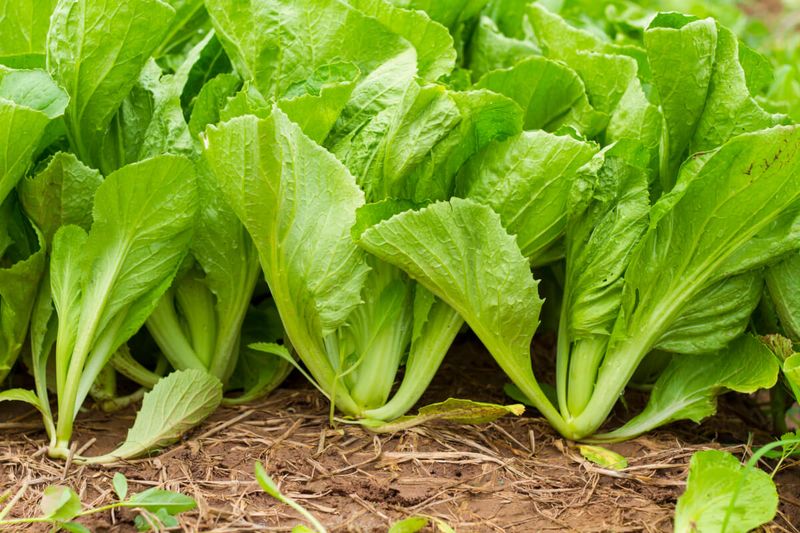
Spicy, ruffled, and ready in a flash, mustard greens bring bold Southern flavor to a Pennsylvania fall garden. Their peppery bite wakes up any dish and grows almost as fast as you can plant it.
You can begin picking baby mustard leaves in about three weeks, with full-size leaves ready in around 40 days. That speed makes them perfect for squeezing in before winter.
Sow the seeds directly into the soil about a quarter inch deep. They sprout quickly and grow with very little fuss, which makes them great for first-time gardeners.
The cool autumn air keeps mustard greens tender and balances their sharp flavor. Hot weather makes them too spicy and causes them to bolt, so fall really is their season to shine.
Harvest the outer leaves and allow the center to keep producing. This gives you several rounds of fresh greens from one small planting.
Try colorful varieties like Red Giant, which has striking purple-red leaves, or the frilly Southern Giant type. Both add beauty and flavor to your garden rows.
Young leaves taste mild enough to eat raw in salads. Older leaves get spicier and are best cooked, which mellows their bite into something rich and savory.
Mustard greens have been enjoyed in Asian and Southern American cooking for generations. They cook down quickly in a hot pan with a splash of oil and garlic.
Give them steady moisture and a sunny spot, and mustard greens will fill your fall garden with fast, flavorful harvests right up until the cold weather finally arrives.