Stop Ignoring The Signs Of Armyworms Destroying Your Georgia Lawn
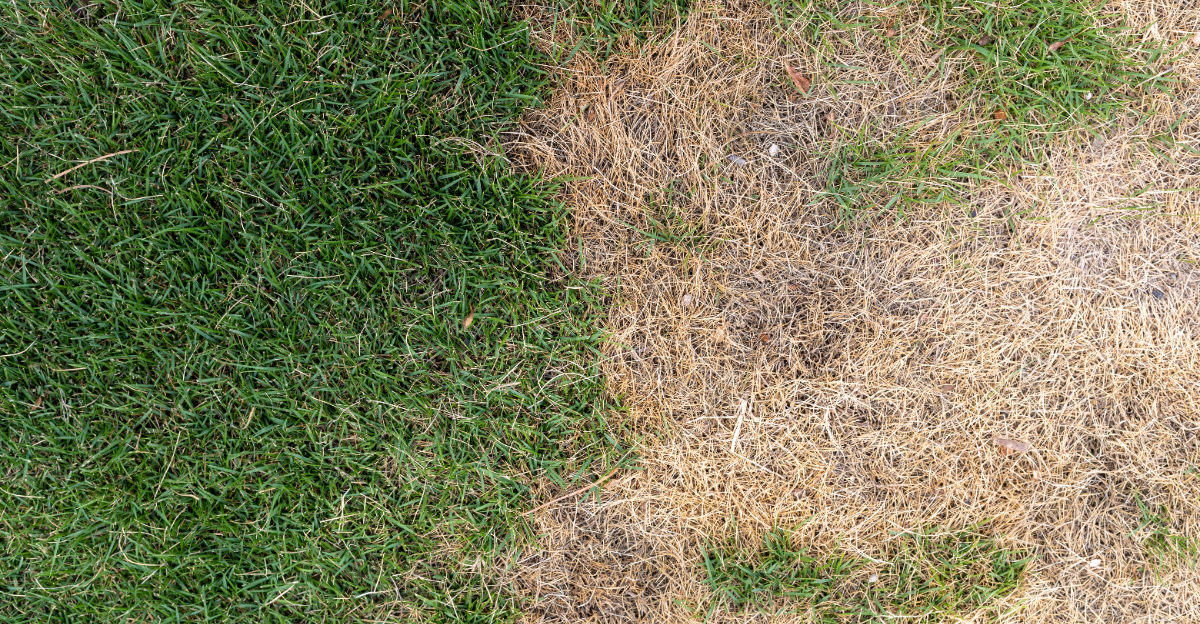
Your lawn was fine last week. Now there are ragged brown patches spreading across it, and no amount of watering seems to fix it.
Armyworms are eating your grass from the inside out, and they’re moving fast. Entire sections can turn crispy within a matter of days, especially during Georgia’s hottest summer stretches.
They feed mostly at night and hide low in the thatch during the day, which is exactly why so many homeowners miss them until the damage is already done.
By the time most people notice the patches, the armyworms have already moved on to a fresh section of turf. Spotting the early signs changes everything, and they’re easier to notice than you’d think.
1. Patches Of Grass Disappearing Almost Overnight
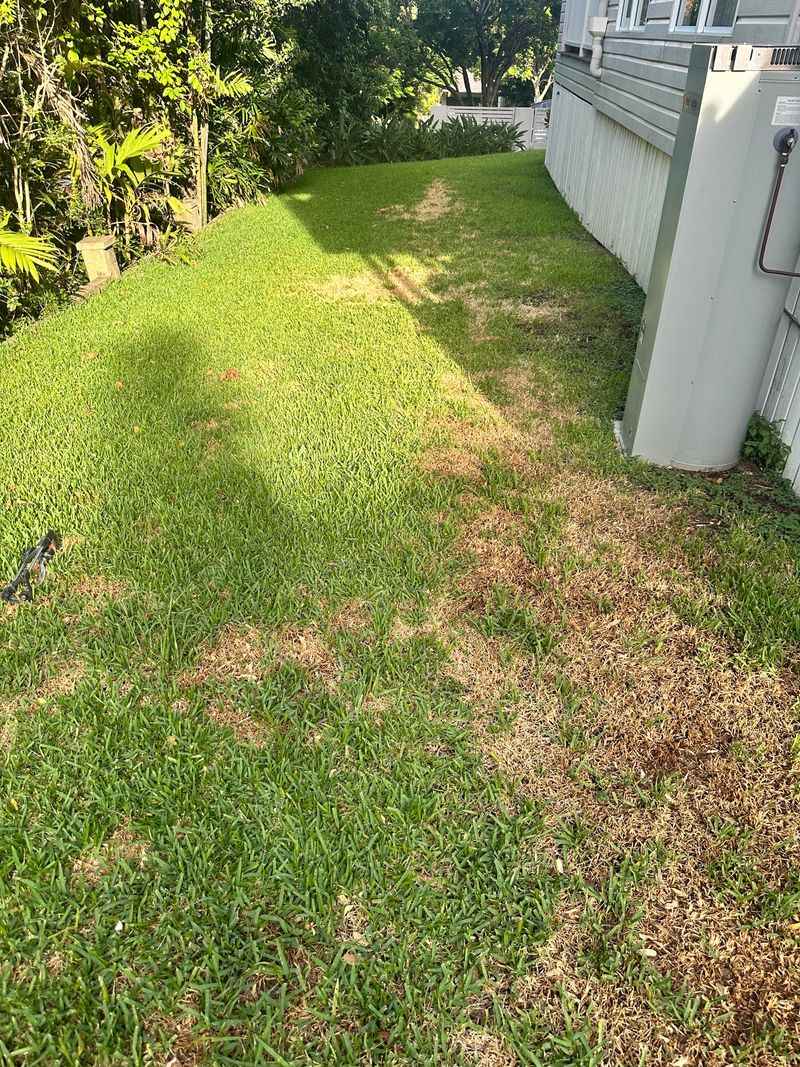
You walk outside one morning and your lawn looks totally different. Whole sections of grass are simply gone, like something erased them while you slept.
Armyworms feed aggressively at night, which is why the damage feels so sudden. A patch that looked fine at sunset can be bare dirt by sunrise.
These pests travel in groups, so when one section gets stripped, they move to the next. The feeding spreads fast across your turf like a slow-moving fire.
Many homeowners assume the heat caused the bare spots. Dry spells do cause browning, but they rarely create clean, distinct patches with sharp edges.
Armyworm damage tends to look more circular or irregular. The grass does not just brown, it actually disappears right down to the soil surface.
If you notice a patch that showed up overnight, get on your hands and knees and look closely. You may spot small green or brown caterpillars hiding near the soil line.
A simple test involves mixing dish soap with water and pouring it over the suspicious area. Within minutes, armyworms will surface, confirming your suspicion without any guesswork.
Grubs cause similar bare patches, but they attack roots underground rather than blades. Grub-damaged turf lifts away like loose carpet, while armyworm-damaged grass stays rooted.
Acting fast after spotting these patches is critical. Waiting even two or three days can allow the infestation to spread far beyond the original spot.
2. Birds Suddenly Flocking To Your Yard
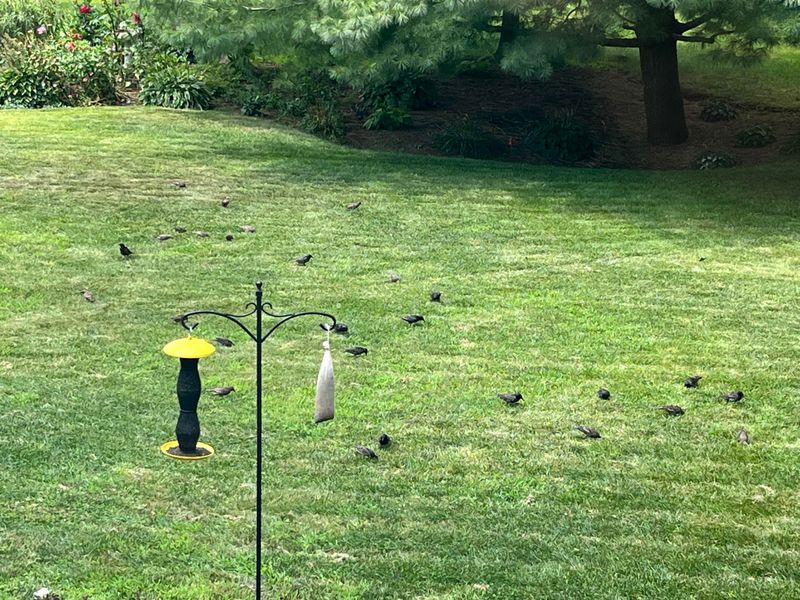
Birds are nature’s best alarm system, and they are trying to tell you something. When starlings, grackles, or robins suddenly crowd your yard, pay close attention.
These birds are not visiting for fun. They are hunting, and what they are hunting is likely armyworms hiding just beneath your grass blades.
Birds have sharp instincts for finding food sources. A sudden gathering of a dozen or more birds on your lawn is a strong clue that something is crawling around underneath.
Most people assume birds in the yard are harmless or even pleasant. That reaction makes sense, but it can cost you precious time when pests are involved.
Watch how the birds behave when they land. If they are aggressively pecking at the soil and turf rather than just walking around, that behavior points directly to a pest problem.
Your Georgia Garden Changes Every Week. Your Plan Should Too.
Gardening in Georgia changes quickly throughout the season. Every Friday you’ll receive a simple weekly plan showing exactly what to plant, prune, fertilize, harvest, and protect so you never miss the right timing.
Grackles especially tend to gather in large, noisy flocks when armyworms are present. Their sharp beaks are perfectly designed for pulling caterpillars out of grass.
Think of the birds as free scouts doing an inspection of your lawn. They usually show up before visible damage becomes widespread or obvious.
By the time you notice the birds, you still have a short window to act. Treat the affected area quickly and you can stop armyworms before they spread across your entire lawn.
3. Blades Chewed Down To Bare Stems
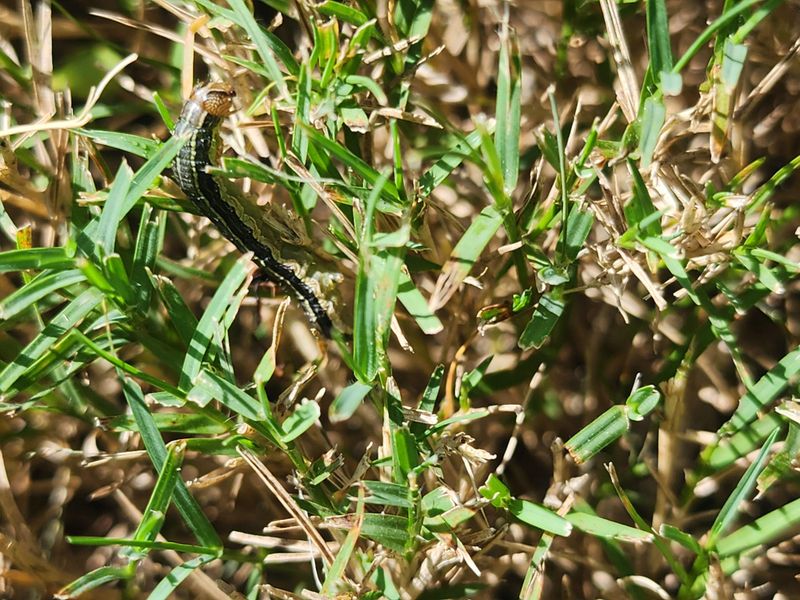
Healthy grass has full, green blades that stand upright and feel soft underfoot. When armyworms move through, those blades get eaten right down to the stem.
What gets left behind looks almost like someone took tiny scissors to your entire yard. Only the thin, pale stems remain, poking up from the soil like little sticks.
This type of damage is very specific to chewing insects like armyworms. Weather damage or disease usually causes blades to brown or wilt, not disappear entirely.
Zoysiagrass and bermudagrass, both common in Georgia lawns, are favorite targets for armyworm feeding. These warm-season grasses offer the exact nutrition these caterpillars crave most.
One helpful clue is checking the remaining stems closely. Fresh armyworm feeding often leaves jagged or frayed edges rather than clean cuts, which separates insect damage from mower damage.
Running your hand across a damaged section gives you a rough, scratchy feeling instead of the usual soft cushion of a healthy lawn. That texture shift alone should raise a red flag.
Healthy turf recovers better and faster when armyworms are caught early. After the stems themselves get damaged, recovery takes much longer and may require reseeding.
Treating the area with an appropriate insecticide as soon as you spot stem-level damage gives your lawn the best shot at bouncing back before the next growing season takes hold.
4. Ragged Edges Instead Of Clean Cuts
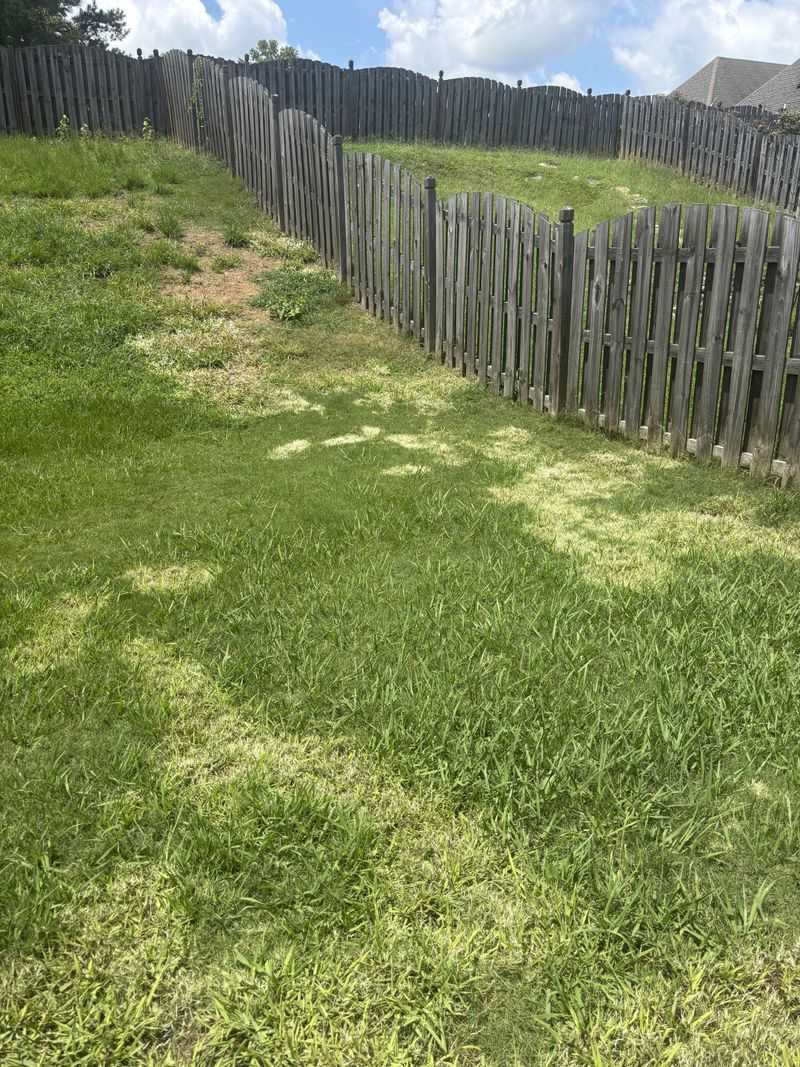
Not all lawn damage looks the same up close. The texture and pattern of chewed grass can actually tell you a lot about what pest is responsible.
Armyworms do not slice cleanly through grass like a mower blade does. Instead, they chew and tear, leaving behind rough, ragged edges that look almost shredded.
This distinction matters when you are trying to figure out the cause of damage. Clean cuts usually point to mowing issues or mechanical stress, while torn edges suggest insect feeding.
Grab a magnifying glass and get low to the ground in a damaged section. Those rough, uneven blade tips are a telltale sign that tiny mouths have been at work.
Armyworm larvae have strong mandibles designed for chewing through plant material quickly. They can strip a blade from tip to base in just a few passes.
Freshly damaged areas will still show some green coloring on the torn edges. As time passes and the wound dries out, those edges turn yellow and then brown.
Spotting ragged edges early is a huge advantage because the infestation is likely still in its early phase. Early-stage armyworm populations are far easier to manage than mature ones.
A targeted lawn insecticide applied in the late afternoon works best, since armyworms are most active after sunset. Catching them during peak feeding time maximizes the treatment’s effectiveness on your lawn.
5. Green Grass Turning Brown In Fast-Moving Waves
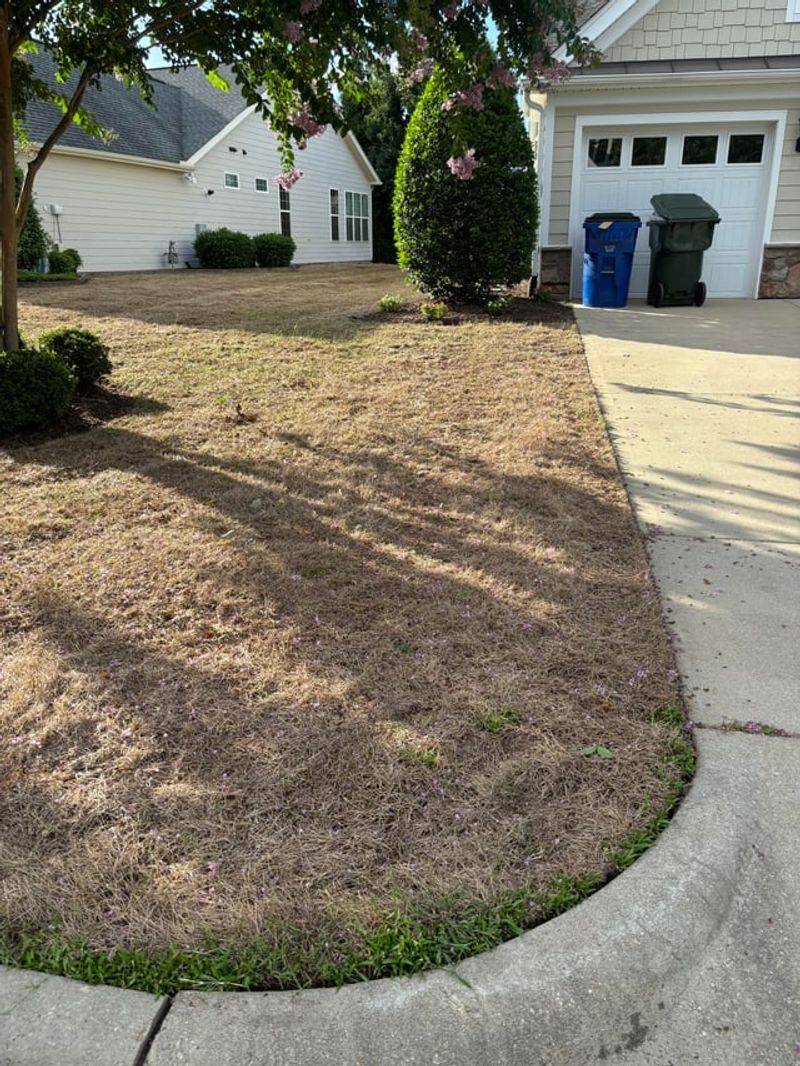
Browning grass is not always a drought problem. When the brown spreads in fast, rolling waves across your lawn, that pattern is a serious warning sign.
Armyworms move together as a group, feeding in a line before advancing forward. This collective movement creates a visible wave of brown that travels across the turf over days.
Most drought damage browns evenly and slowly across an entire lawn. Armyworm browning moves with direction and speed, which makes it look almost like a slow tide rolling in.
Georgia summers are already tough on grass, and many homeowners chalk up browning to heat stress. That assumption delays treatment and lets the problem grow much larger than necessary.
Pay attention to where the brown is spreading from one day to the next. If the damaged zone is clearly moving in a specific direction, insects are almost certainly the cause.
Warm temperatures between 70 and 90 degrees Fahrenheit are ideal for armyworm activity. Georgia summers create perfect conditions for these pests to breed and feed at maximum speed.
The brown wave can cover hundreds of square feet within a single week. Catching it early, even when it covers a small area, is the key to saving the rest of your turf.
Treat the green edge just ahead of the brown zone, not just the already-damaged area. That forward edge is where active armyworms are feeding on your lawn right now.
6. Caterpillars Visible During Early Morning Or Evening
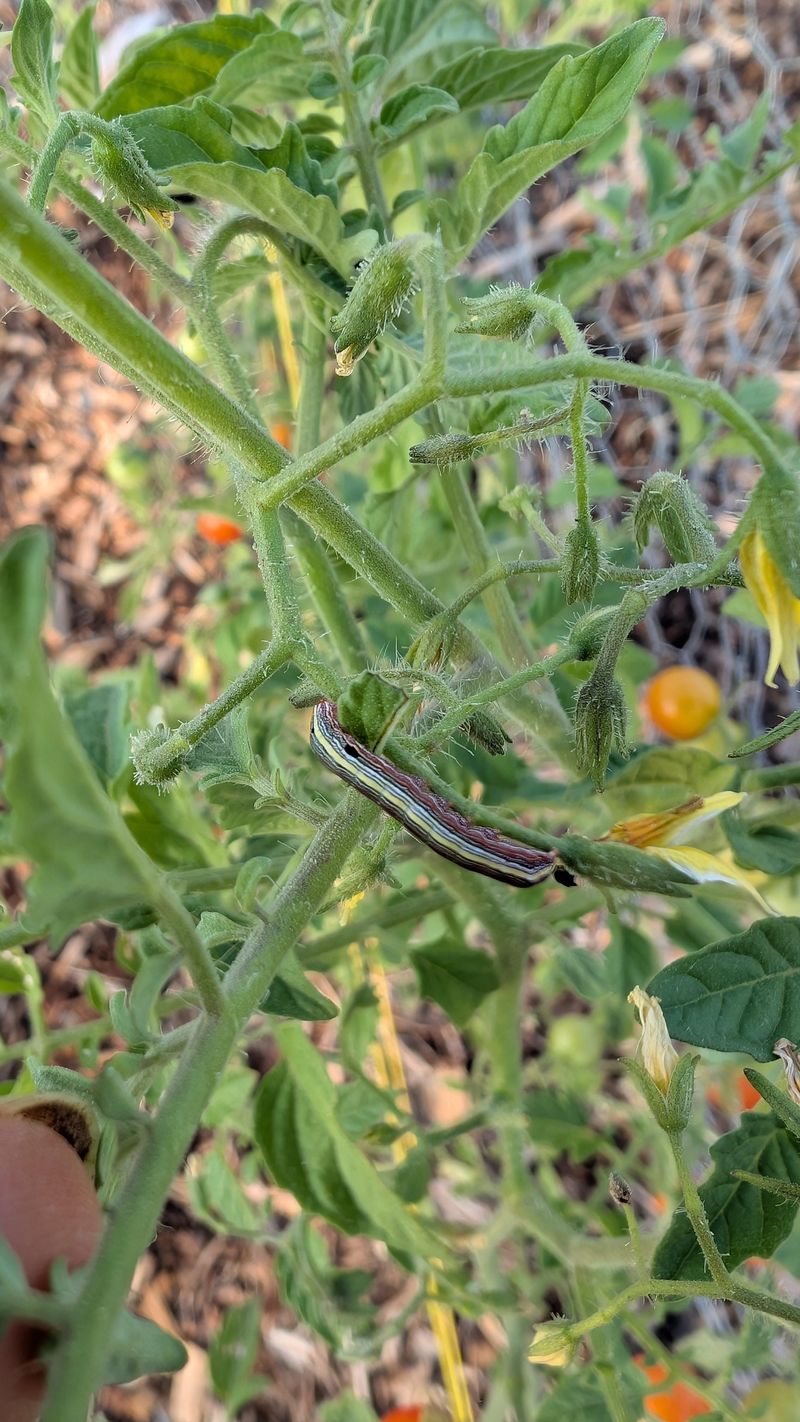
Armyworms are not shy, but they do prefer cooler hours. Catching them in action requires checking your lawn at dawn or right after the sun goes down.
During the hottest parts of the day, these caterpillars burrow into the thatch layer to stay cool. At dusk and dawn, they surface and feed aggressively on surrounding grass.
Grab a flashlight and walk your Georgia lawn in the early evening. Shine the light low across the grass surface and look for small, wriggling caterpillars moving between the blades.
Armyworm larvae range from about one to two inches long. They are typically green or brown with pale stripes running down the length of their bodies.
Younger larvae tend to be lighter green and harder to spot. Older, larger caterpillars are easier to see and often found in much greater numbers across the lawn.
Finding even a handful of caterpillars during your inspection is a sign of a larger population hiding just below the surface. Armyworm populations grow fast under warm conditions.
One simple detection trick is the soapy water drench test. Mix two tablespoons of dish soap into one gallon of water and pour it over a two-square-foot area.
Caterpillars will crawl to the surface within minutes, giving you a clear count of how serious the infestation has become on your lawn before you decide on a treatment plan.
7. Damage Spreading In One Consistent Direction
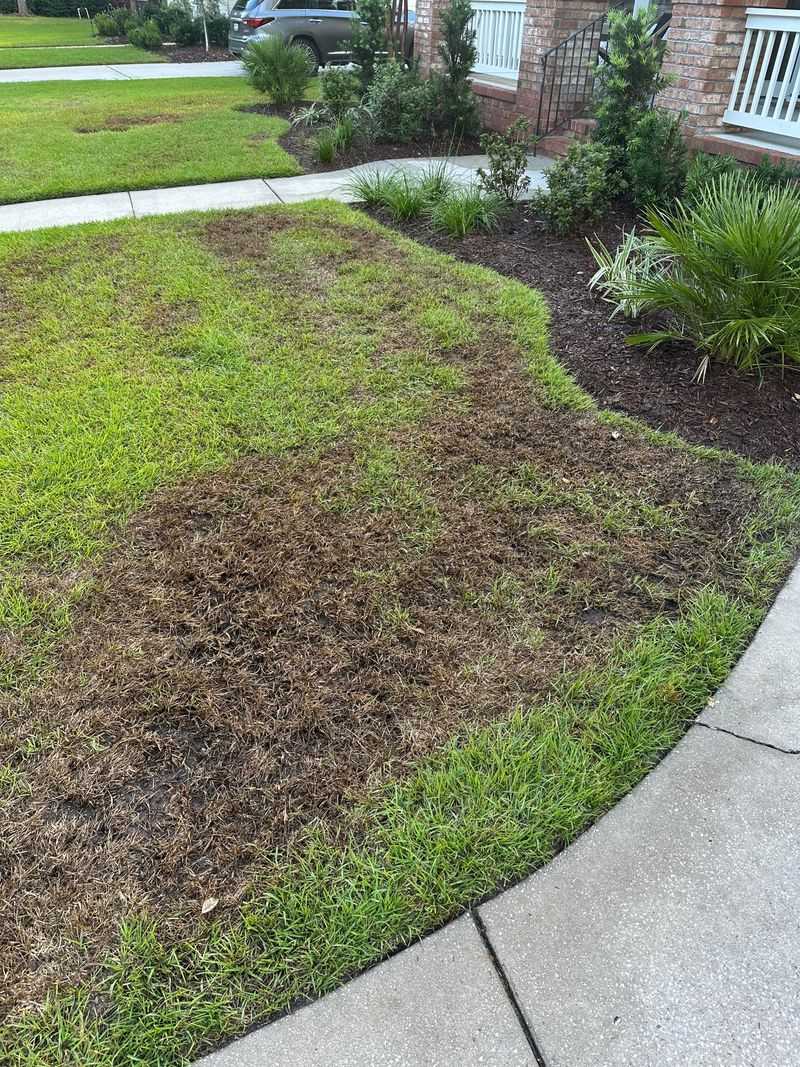
Random browning is one thing, but damage that moves in a straight line is something else entirely. Directional spread is one of the most telling armyworm clues you can find.
Because armyworms feed as a coordinated group, they tend to advance across a lawn in one steady direction. This creates a visible boundary line between damaged and healthy turf.
Think of it like a slow-moving lawn mower going in one direction, except this mower only goes forward and doesn’t stop for fuel. The result is a clean, advancing boundary.
Checking your lawn every day for a few days helps you confirm directional movement. Mark the edge of the damage with a stick or flag and see where it moves next.
If the damaged boundary shifts by several feet in the same direction each day, you are almost certainly dealing with an armyworm infestation. Random causes do not behave this consistently.
This pattern also helps you predict where the damage will spread next. Tracking the direction of movement lets you pre-treat the healthy turf ahead of the advancing group.
Applying insecticide to the healthy zone just in front of the active feeding edge is a smart, proactive strategy. You stop the caterpillars before they reach untouched grass.
Directional damage is actually a gift in disguise. It gives you a map of where armyworms are headed, which means you can stay one step ahead on your lawn.
8. Grass That Feels Spongy Or Hollow Underfoot
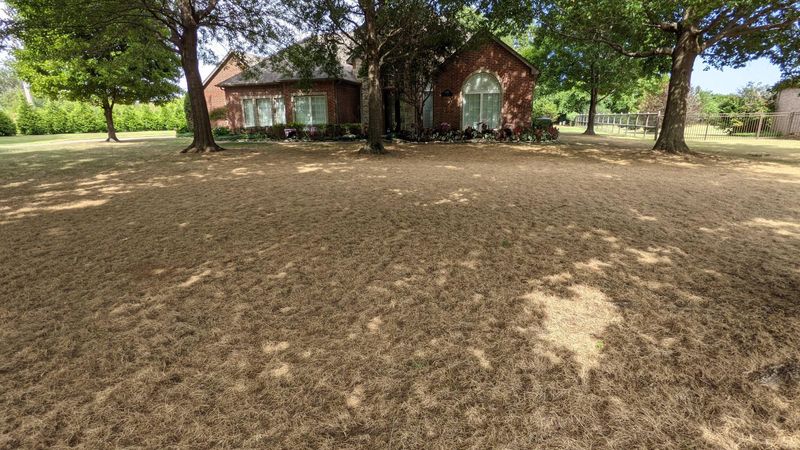
Your feet can tell you things your eyes might miss. A healthy lawn feels firm and springy, but armyworm-damaged turf can feel oddly spongy or even hollow.
When armyworms feed heavily on the thatch layer beneath the surface, they remove the dense root-level material that gives grass its structure. What gets left behind feels soft and unstable.
Walk barefoot across your lawn on a dry morning and pay attention to the feel under your feet. Any section that feels mushy or gives way too easily deserves a closer look.
This symptom is easy to confuse with overwatering or soil compaction. The key difference is that armyworm-related sponginess often appears in specific patches rather than uniformly across the whole lawn.
Press your hand flat against a suspicious area and push down gently. If the turf compresses more than usual or feels loose and detached from the soil, feeding damage may be the cause.
Heavy armyworm feeding can also loosen the turf so much that it peels back like a carpet. Lifting a corner of loose turf often reveals caterpillars hiding just underneath.
Finding caterpillars under peeled turf is a clear confirmation of an active infestation. At that point, immediate treatment is necessary to stop armyworms from destroying your Georgia lawn further.
Spongy turf that goes untreated can lead to long recovery times and costly lawn repairs. Catching this sign early means you still have time to save what is left.