The Georgia Fescue Overseeding Window Gardeners Should Start Preparing For
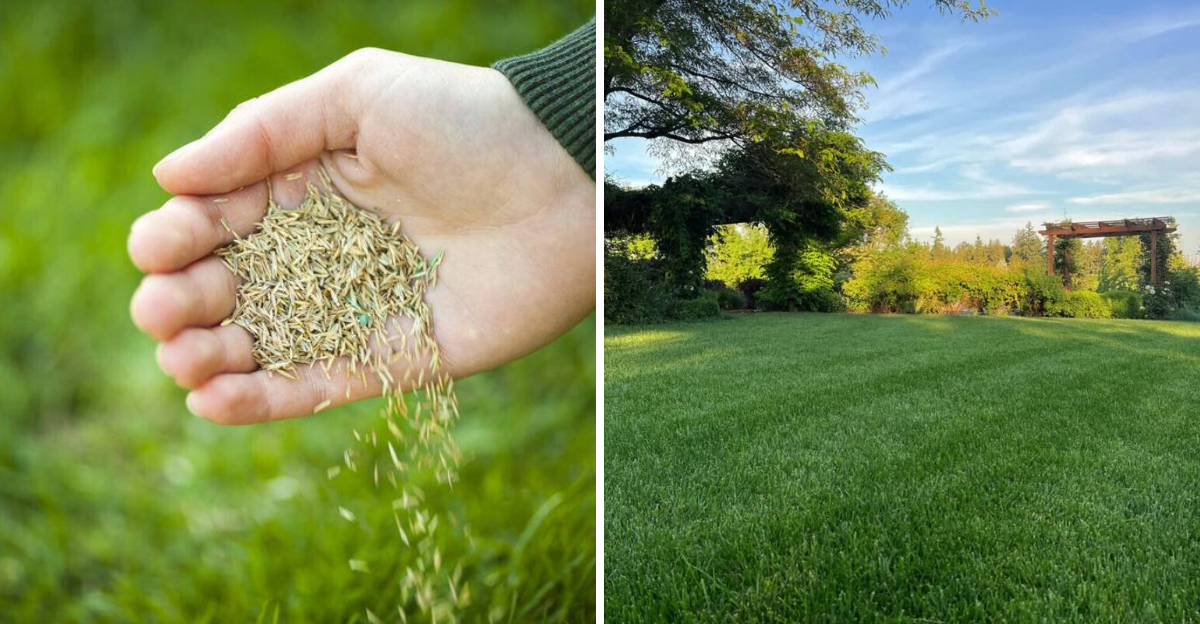
Your fescue lawn may still be dealing with summer heat, but the next important lawn task is already getting closer. Waiting until the ideal moment arrives can leave you scrambling to get everything ready.
Overseeding works best when conditions support steady germination and young grass can establish without intense summer stress. That makes preparation just as important as the seeding itself.
Start looking at your lawn now and notice where summer has left thin or bare areas. Those spots can help shape your plan for the coming weeks.
For Georgia gardeners, the useful overseeding period generally arrives as temperatures begin cooling in fall. Getting organized beforehand can make the entire job easier.
You still have time to prepare without rushing.
Taking action beforehand means you can be ready when better growing conditions finally arrive.
1. September Opens The Best Window For Tall Fescue
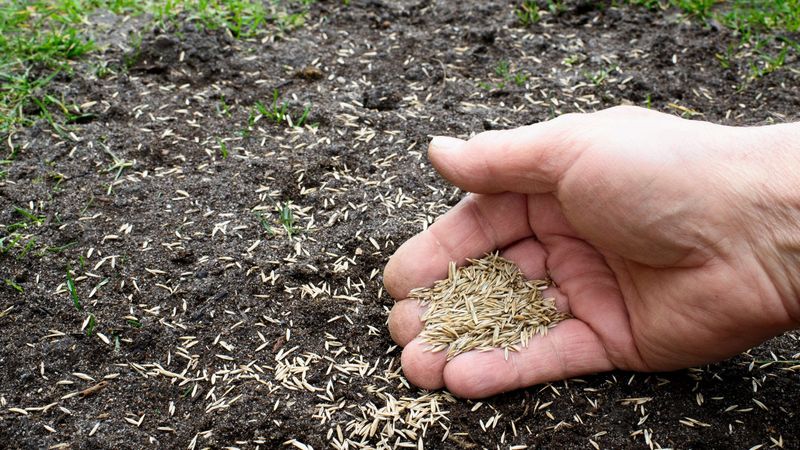
Timing is everything with tall fescue, and September is when the calendar finally works in your favor. Soil temperatures in the upper South tend to drop into the mid-60s Fahrenheit range during this month, which is close to ideal for fescue germination.
Air is cooling off, but the ground still holds enough warmth to get seeds moving.
Planting too early, when soil stays above 75 degrees, slows germination noticeably. Planting too late, past mid-October, shortens the time roots have before cold weather settles in.
That narrow window in between is where your best results tend to happen.
Most lawn experts in the region point to late September through early October as the sweet spot. It is not a hard rule, since local weather varies year to year.
Checking soil temperature with a basic probe thermometer gives you real data instead of guesswork.
A reading between 60 and 68 degrees Fahrenheit in the top few inches of soil is a solid green light. Cooler than that, and germination slows down significantly.
Warmer than 70, and you may want to wait a few more days before seeding.
2. Summer Heat Often Leaves Lawns Thin And Patchy
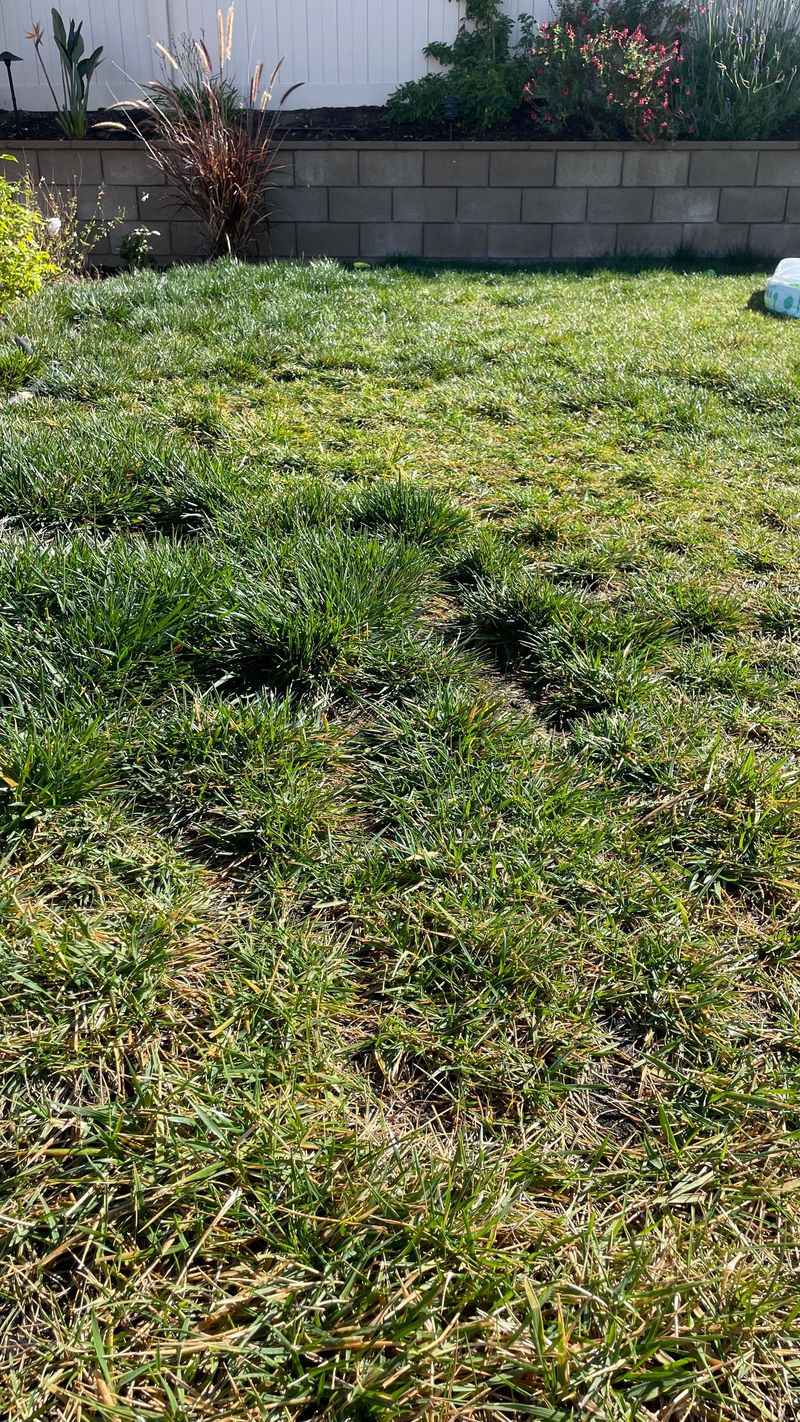
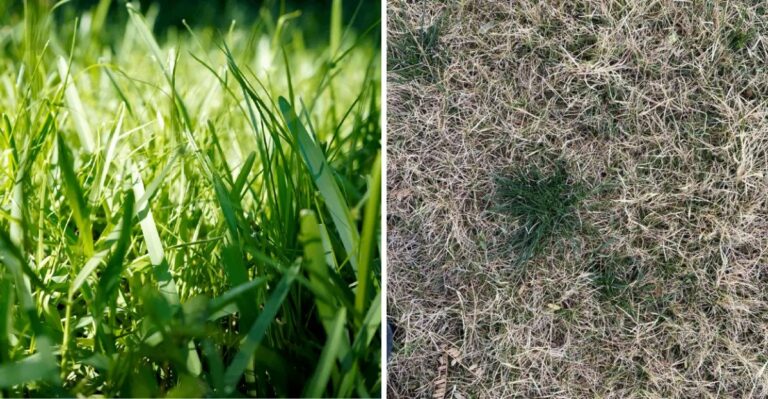
By late August, most fescue lawns in the South look rough. Weeks of heat above 90 degrees push cool-season grass into dormancy or stress, and some areas just do not bounce back on their own.
Thin spots, bare patches, and faded color are all common signs of summer damage.
Fescue is not naturally built for southern summers. It survives, but it often thins out, especially in areas with poor soil drainage or heavy foot traffic.
Shade can help, but even shaded turf shows wear after a long hot stretch.
Some of that thinning is normal and expected. A lawn that looks decent in April may look struggling by August.
That does not mean the grass is gone for good; it often means the root system is exhausted and needs reinforcement through overseeding.
Overseeding fills in those gaps with fresh plants that have not been through a brutal season yet. New seedlings start with full energy and a clean slate.
Combined with cooler fall temperatures, they have a real chance to establish before winter arrives and fill in what summer thinned out.
Your Georgia Garden Changes Every Week. Your Plan Should Too.
Gardening in Georgia changes quickly throughout the season. Every Friday you’ll receive a simple weekly plan showing exactly what to plant, prune, fertilize, harvest, and protect so you never miss the right timing.
3. Start By Checking Which Areas Actually Need New Seed
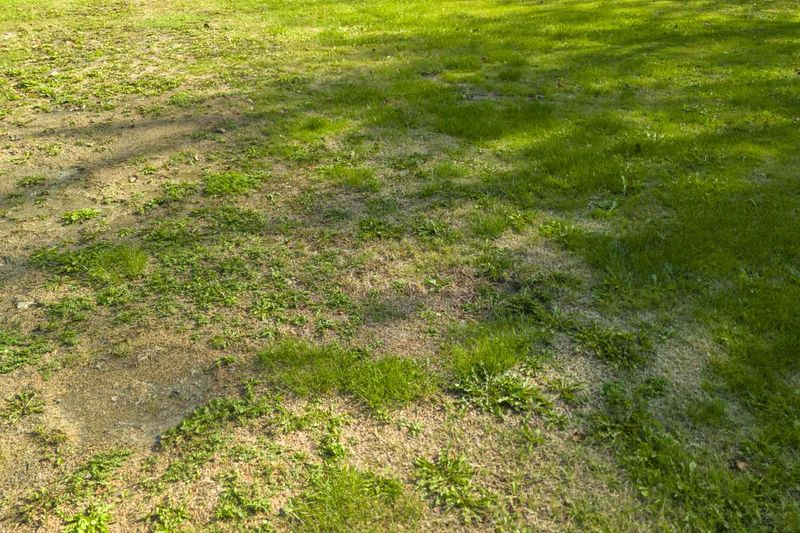
Walking your yard before overseeding is one of the most useful things you can do. Not every section needs seed.
Spreading seed over healthy, dense turf wastes product and rarely improves anything. Knowing exactly where the weak spots are saves time and money.
Look for areas where you can see soil through the grass. If bare ground is visible from standing height, that spot needs attention.
Thin areas where grass blades are sparse but soil is not fully exposed may also benefit from overseeding, depending on how thin they are.
Pay attention to patterns. Spots near sidewalks or driveways often suffer from heat reflected off hard surfaces.
Low-lying areas may stay wet too long and thin out from root rot or disease. High-traffic paths wear down faster than surrounding turf.
Mark problem areas with small flags or a simple sketch on paper. Knowing the size of each bare zone helps you estimate how much seed to buy.
Buying too little means patchy results. Buying too much is a waste.
A rough measurement of each problem area keeps your seed purchase practical and on target.
4. Good Soil Contact Makes Germination Much More Reliable
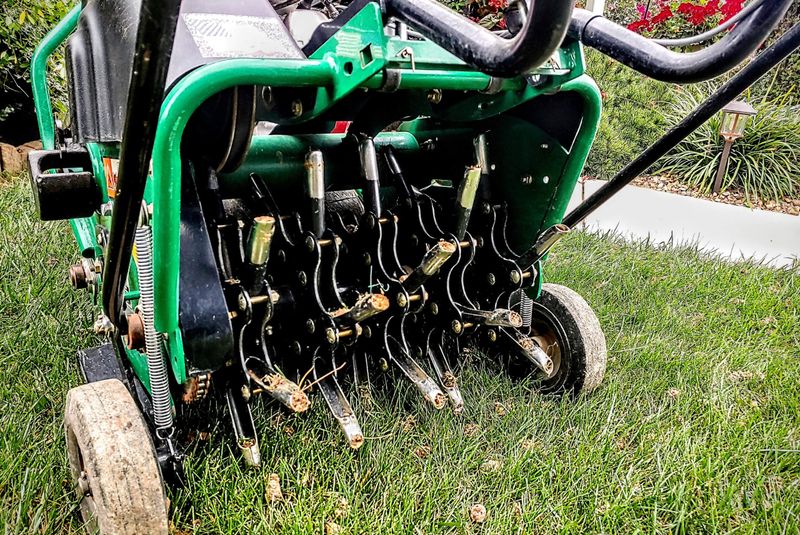
Seed sitting on top of thatch or dry, compacted soil rarely sprouts well. Germination depends on moisture reaching the seed consistently, and that is hard to achieve when seeds are not in contact with actual soil.
Getting seed-to-soil contact right is one of the most overlooked steps in overseeding.
Aerating before you seed makes a noticeable difference. Core aeration pulls small plugs of soil out of the ground, opening up space for seeds to fall into.
Seeds that land in those holes have much better moisture retention and contact than seeds resting on the surface.
Dethatching is another option if your lawn has a thick thatch layer. Thatch over half an inch acts like a barrier between seed and soil.
Raking it out, or running a dethatcher over the lawn, clears the way for better seed placement.
After seeding, a light raking or a pass with a lawn roller can press seeds into the soil surface. You do not need perfect coverage, just consistent contact across the seeded areas.
Even small improvements in contact can lead to noticeably better germination rates across your lawn.
5. Choose Quality Seed Before Overseeding Begins
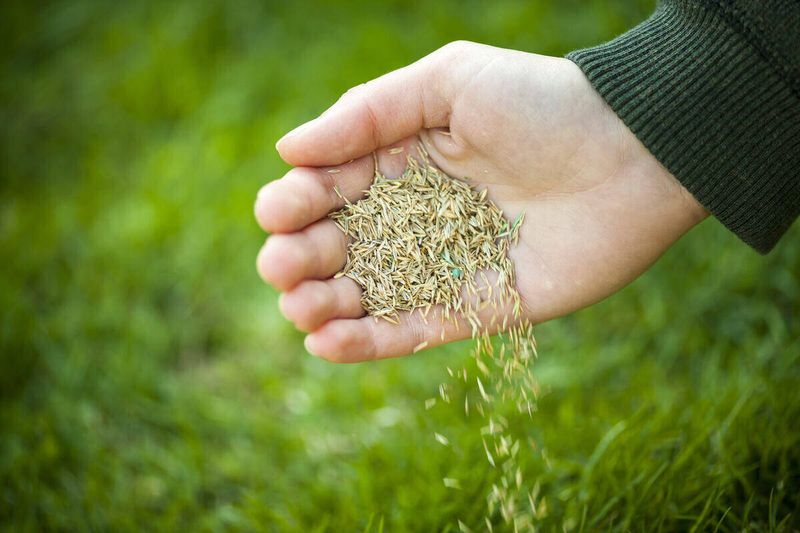
Cheap seed is one of the most common ways homeowners end up disappointed after overseeding. Bargain bags often include lower germination rates, older seed stock, or varieties not suited for the transition zone.
Spending a little more on quality seed upfront tends to pay off by late fall.
Look for tall fescue varieties labeled as turf-type. These have finer blades, better heat tolerance for a cool-season grass, and improved disease resistance compared to older pasture-type varieties.
The label on the bag should show a germination rate of at least 85 percent and a current year test date.
Endophyte-enhanced varieties are worth considering. These contain a natural fungus inside the seed that can help the plant resist certain insects and stresses.
Not every brand offers this, but it is a useful feature when available.
Buying from a local farm supply store or a lawn specialty retailer often gives you access to regionally tested varieties. Staff at those stores usually know which blends have performed well locally.
Seed sold in bulk is sometimes fresher than pre-bagged product, though that depends on how the store stores it. Check packaging dates when possible.
6. Moisture Becomes Critical Once The Seed Goes Down
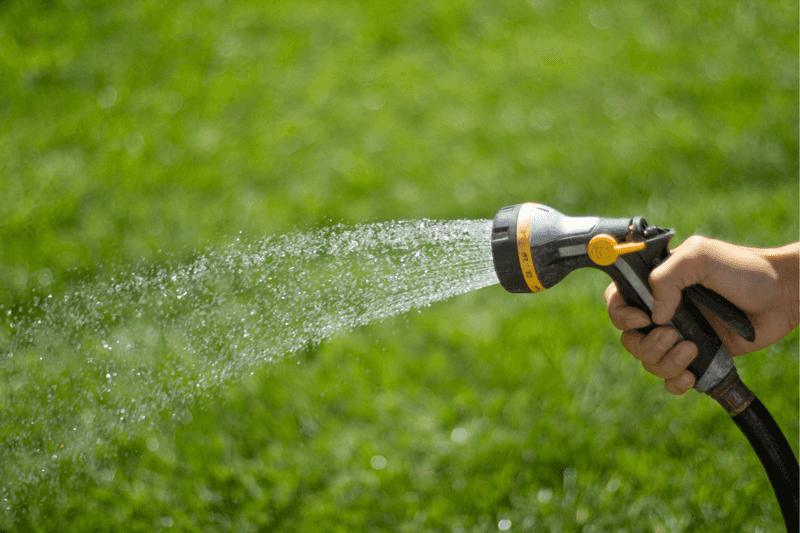
Fescue seed needs consistent moisture to sprout, and the first two weeks after seeding are the most demanding. Seeds that dry out before germination starts may not recover.
Keeping the top inch of soil moist during this period is the main job after seeding.
Light, frequent watering works better than heavy, infrequent sessions during germination. Watering two or three times a day for short periods keeps the surface from drying out without oversaturating the soil.
Once seedlings reach about an inch tall, you can shift to deeper, less frequent watering to encourage root growth.
Morning watering is generally better than evening sessions. Wet grass sitting overnight can invite fungal issues, especially in warm fall weather.
Getting the watering done early gives the soil surface time to dry slightly before nighttime temperatures drop.
If rain is in the forecast, adjust your schedule accordingly. Overwatering is a real concern and can wash seeds out of position or create soggy conditions that slow root development.
A simple rain gauge helps you track natural rainfall so you are not guessing about whether your lawn needs more water on any given day.
7. Early Fall Gives New Grass Time To Establish
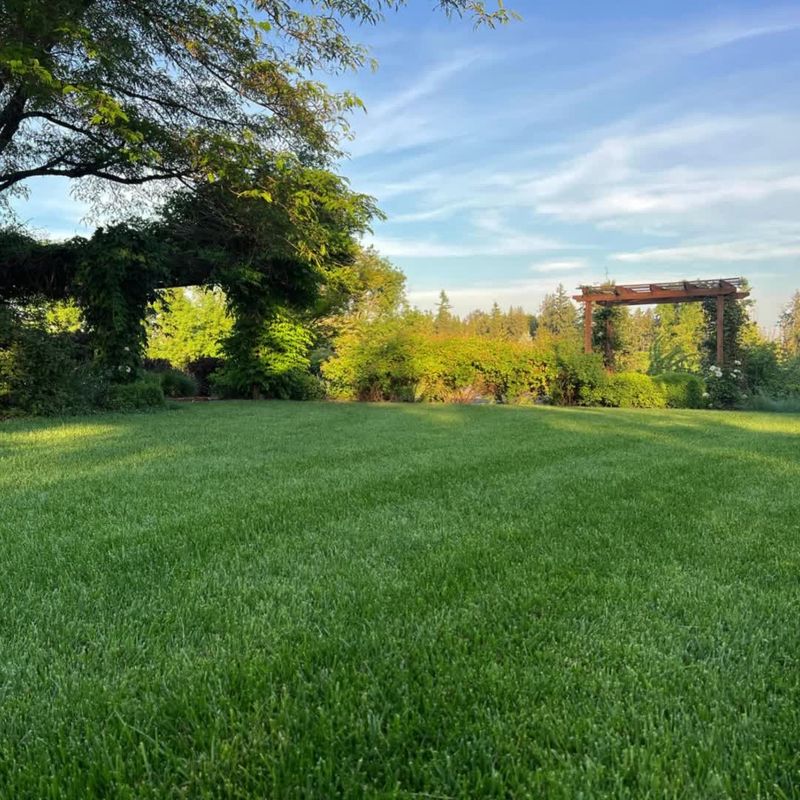
Getting seed down in late September or early October gives young fescue plants roughly six to eight weeks of solid growing weather before temperatures drop sharply.
That window is not huge, but it is enough for roots to develop to a useful depth if conditions cooperate.
Root depth matters more than blade height going into winter. Shallow-rooted seedlings are more vulnerable to frost heaving and cold stress.
Deeper roots give the plant stability and better access to soil moisture during dry winter stretches common across the Southeast.
Avoid mowing newly seeded areas until grass reaches about three to four inches tall. Cutting too early stresses young plants that are still anchoring their root systems.
Once the lawn is ready for a first mow, keep the blade height at three inches or higher through the fall season.
Fertilizing with a starter fertilizer at seeding time gives new grass a boost of phosphorus, which supports root development. Follow up with a fall nitrogen application in November to strengthen the turf heading into winter.
Skipping fertilizer is not a catastrophic mistake, but adding it tends to produce noticeably thicker, more resilient results by spring in Georgia and across similar climates.