The One Thing You Must Do To Crape Myrtles In Georgia Before August Is Over
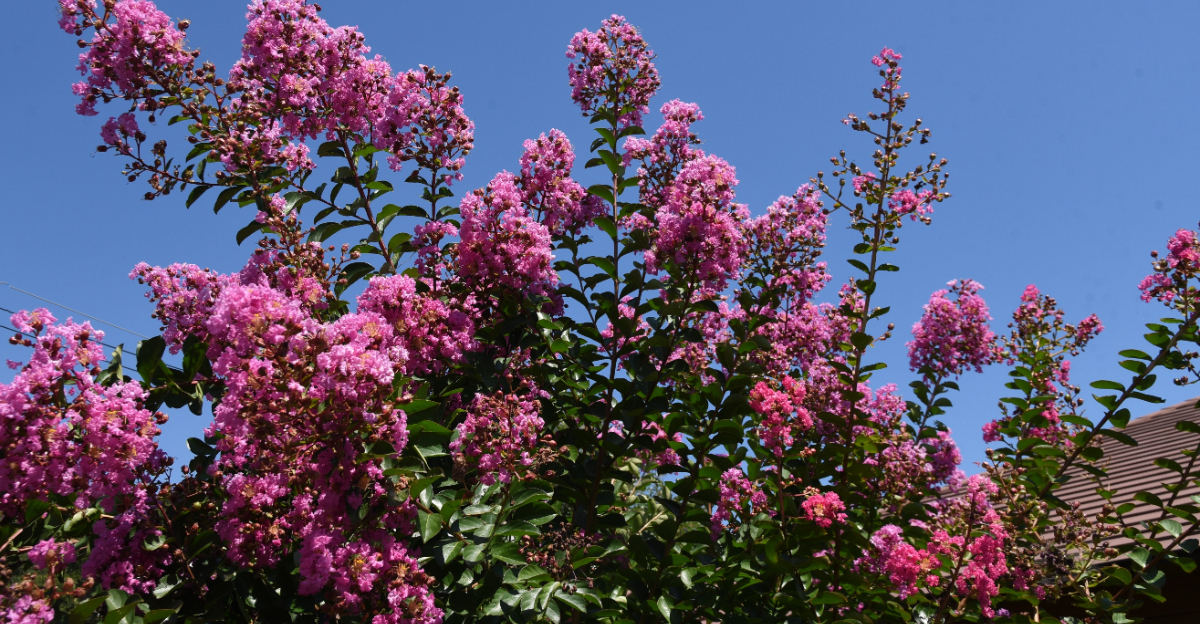
Your crape myrtles have worked hard all summer, and August is not the time to forget about them.
Before the month ends, give these flowering favorites some attention so they can finish the season in better shape.
Georgia heat can leave plants under stress, even when those blooms make everything look perfectly fine from the sidewalk.
That is why one simple task deserves a spot on your garden schedule before September arrives and seasonal conditions begin shifting.
Handle it correctly now, and you can support your crape myrtles without making the harsh mistakes that often cause unnecessary stress.
Timing matters here, so make this task a priority before August ends. A little attention now can help your crape myrtles move into the next part of the season in better condition.
1. Remove Spent Flowers To Encourage Another Bloom
Spent blooms sitting on a crape myrtle are not just an eyesore. Removing those faded clusters may encourage another flush of flowers.
Removing those faded clusters is called deadheading, and it can nudge the tree into another round of blooming before fall arrives.
Grab a pair of clean pruning shears and snip off the old seed heads where the flower cluster meets the branch tip. You do not need to cut deep into the branch.
Just remove the spent portion and let the tree do the rest.
Timing matters here. Crape myrtles in warm climates often have enough growing season left to push out a second flush of color if you deadhead early enough in August.
Wait too long, and cooler temperatures may cut that process short before blooms can fully open.
Not every tree will respond the same way. Older trees, stressed trees, or varieties that bloom only once per season may not rebloom even with deadheading.
Soil health, watering habits, and sun exposure all play a role in whether a second bloom actually shows up. Deadheading is worth doing, but keep your expectations realistic and practical.
2. Early Blooming Trees Have The Best Chance
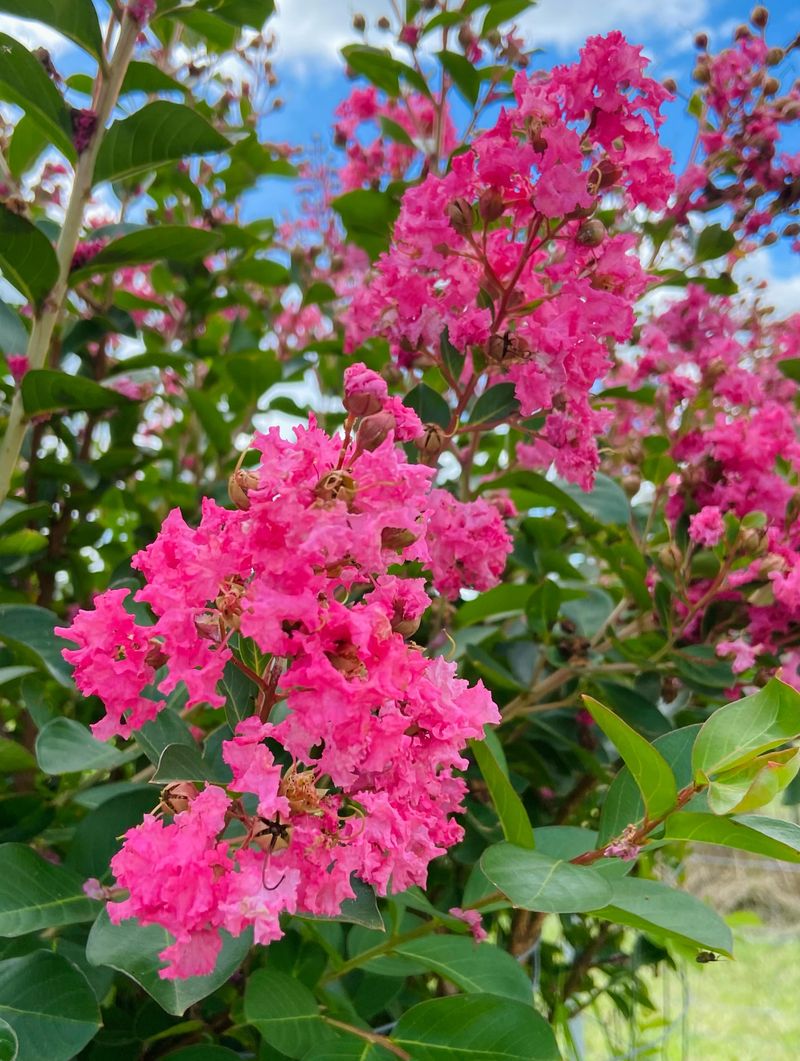
Crape myrtles that bloom earlier in the season tend to have a better shot at producing a second round of flowers before fall sets in. More growing season remains ahead of them, giving the tree time to recover and push new growth.
Late-blooming varieties are already working against the clock by the time August rolls around. Shorter days and gradually cooling nights signal the tree to start slowing down, not speeding up.
That natural shift limits how much energy is available for a second bloom cycle.
Knowing which variety you have planted actually helps you set realistic expectations. Some crape myrtles are bred to bloom in waves, while others are single-season bloomers regardless of what you do.
A quick check of the variety name can save a lot of guesswork.
Early bloomers that were deadheaded promptly after their first flush are the most likely candidates for a bonus round of color. If your tree finished its first bloom in June or early July, there is still a reasonable window.
Your Georgia Garden Changes Every Week. Your Plan Should Too.
Gardening in Georgia changes quickly throughout the season. Every Friday you’ll receive a simple weekly plan showing exactly what to plant, prune, fertilize, harvest, and protect so you never miss the right timing.
Trees that peaked in late July may have a tighter timeline, and results can vary based on local weather patterns and individual tree health.
Soil fertility and consistent watering can also influence whether the tree has enough energy to attempt another bloom.
3. Give The Tree Water During Dry Spells
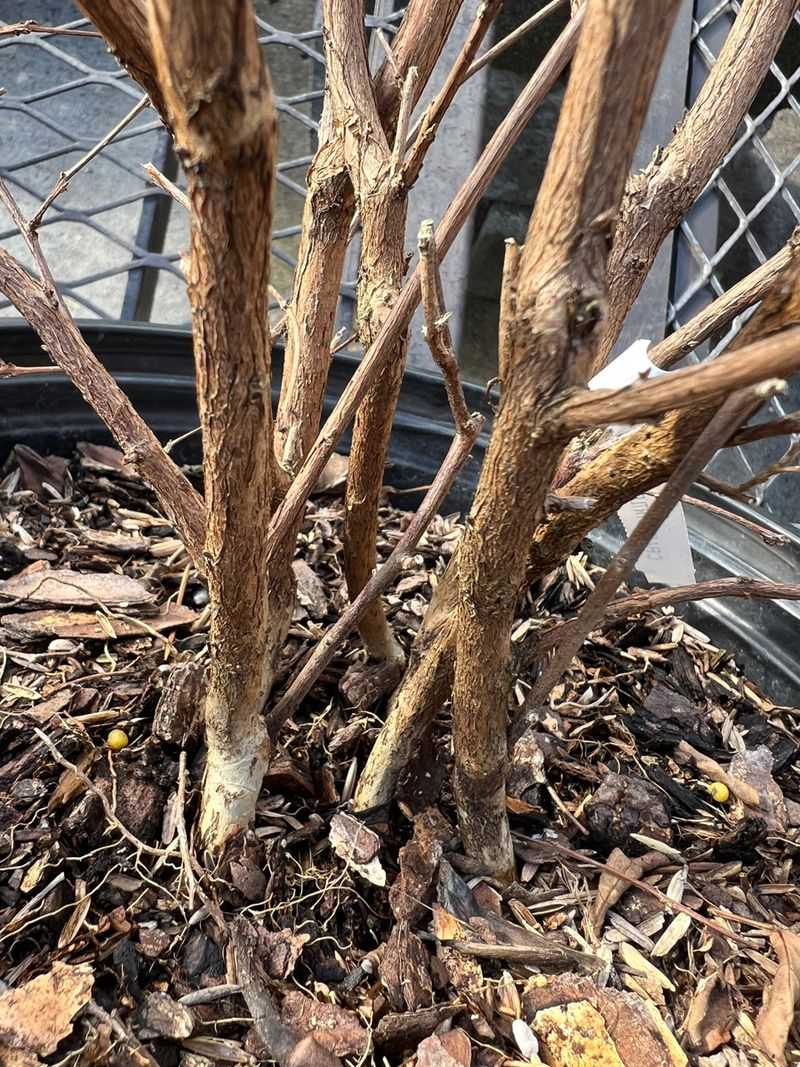
August heat in Georgia can be brutal, and dry stretches are common. A crape myrtle under drought stress is not going to put energy into producing new blooms.
Water is one of the most straightforward things you can give the tree during this stretch.
Established crape myrtles are reasonably drought-tolerant once they have been in the ground for several years. However, drought tolerance does not mean drought-proof.
Extended dry periods without any rain can still cause stress that shows up as wilting leaves, poor bloom production, or early leaf drop.
Watering deeply and less frequently works better than light daily watering. A slow, deep soak once or twice a week during a dry spell encourages roots to reach further down into the soil.
Shallow watering tends to keep roots near the surface where they are more vulnerable to heat.
Mulching around the base of the tree helps retain soil moisture between watering sessions.
A two to three inch layer of organic mulch spread around the root zone, but kept a few inches away from the trunk, can make a noticeable difference during hot and dry weeks. Avoid overwatering too, since soggy soil creates its own set of problems.
4. Remove Suckers Growing Around The Base
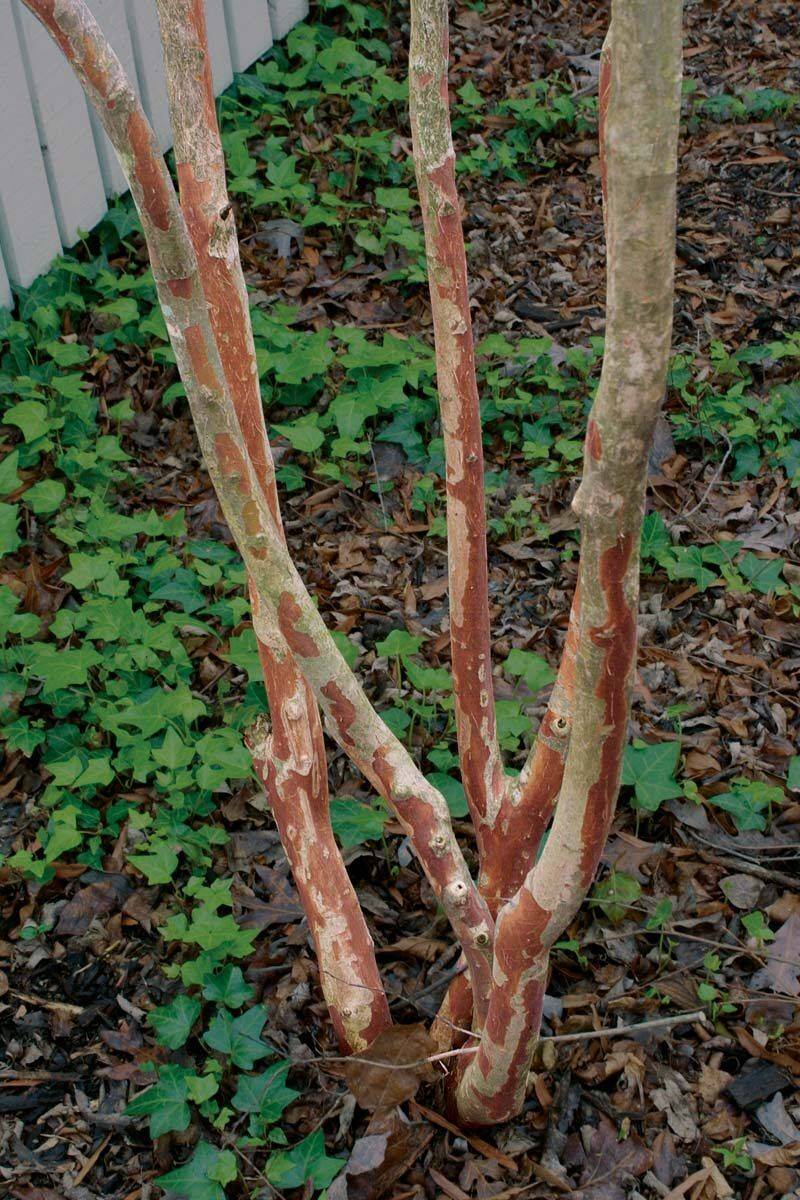
Suckers are those thin, wispy shoots that sprout up from the base of the trunk or from the roots just below the soil surface. They look harmless at first, but they pull energy away from the main tree and the flower production you actually want.
Removing them is simple and takes very little time. Snap or cut them off as close to the base as possible.
Leaving a stub behind often encourages them to regrow faster, so a clean removal right at the source is the better move.
August is a good time to check for suckers because the tree is actively growing and new ones can pop up quickly during warm months. Making it a habit to scan the base of your crape myrtle every few weeks keeps sucker growth from getting out of hand.
Left unchecked over time, suckers can turn into a cluster of competing stems that change the look of the entire tree.
Some people intentionally allow this to create a shrub-like form, but if you are maintaining a single or multi-trunk tree shape, regular sucker removal keeps the structure clean.
Pulling suckers by hand while they are still young and small is easier than cutting through woody growth that has been left to develop over several weeks.
5. A Second Bloom Is Not Guaranteed
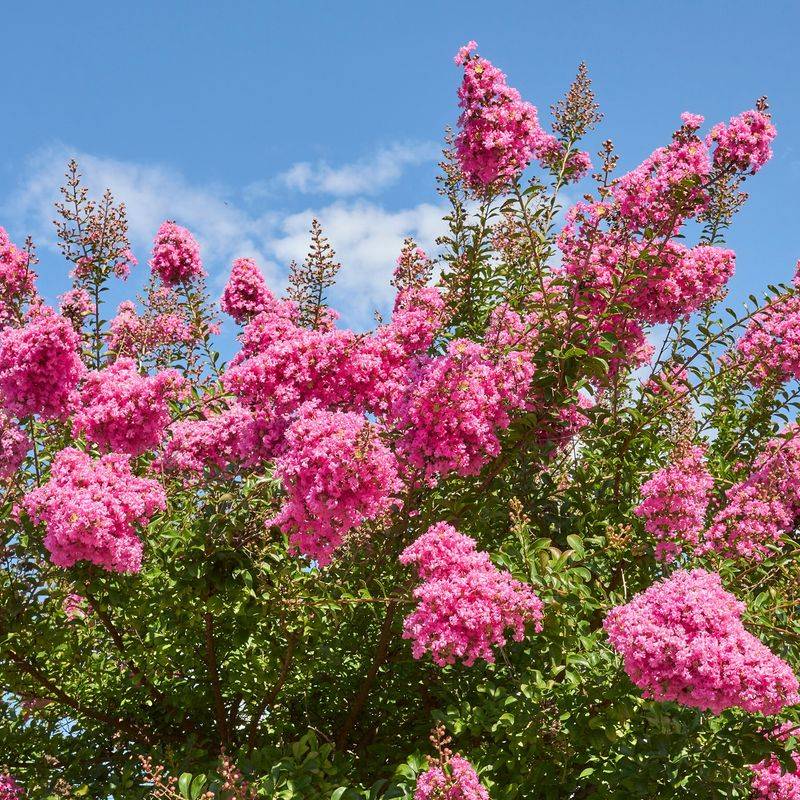
Honest gardening advice sometimes means saying what people do not always want to hear. Deadheading and good care can encourage a second bloom, but no amount of effort makes it a certainty.
Several factors work together to determine the outcome.
Variety plays a significant role. Some crape myrtles are simply not bred to rebloom.
Others will push a second flush readily under the right conditions. Knowing what you planted is genuinely useful information, not just a gardening formality.
Weather is another major variable. A stretch of unusually cool nights in late August can shut down bloom production before it even starts.
Prolonged heat with no rain can do the same by stressing the tree at a critical moment. Neither outcome is fully within a gardener’s control.
Tree age and overall health also factor in. A young tree still establishing its root system may not have the reserves needed to push a second bloom.
A mature, well-fed tree in good health has a better chance, but even then, results vary from season to season. Setting realistic expectations keeps gardening enjoyable rather than frustrating.
Focus on the care practices that support the tree’s long-term health.
6. Avoid Heavy Pruning At The End Of Summer
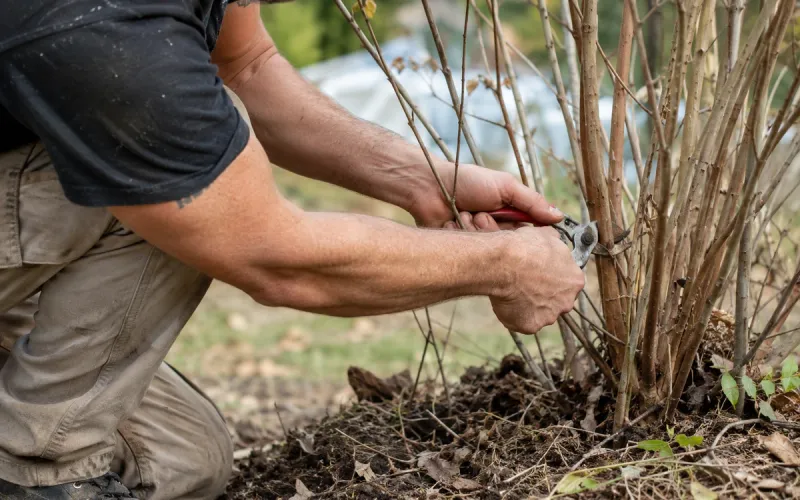
Cutting a crape myrtle back hard at the end of summer is a mistake that sets the tree up for a rough stretch ahead. Heavy pruning triggers new growth, and that soft new growth has very little time to harden off before cooler temperatures arrive.
Tender new shoots that emerge after a late-summer pruning are vulnerable to cold snaps. In Georgia, fall temperatures can shift quickly, and young growth that has not had time to mature is at a disadvantage when that happens.
Heavy pruning also removes the seed heads and branch tips that might still produce late blooms. Cutting those off eliminates any remaining chance of color before the season wraps up.
Late summer is simply not the right time for aggressive cuts.
Light cleanup is fine. Removing suckers, snipping off spent flowers, or tidying up crossing branches is reasonable during this period.
But dropping the canopy significantly or cutting back major limbs should wait. Crape myrtles are resilient trees, and they can handle pruning well when it happens at the right time.
Doing it at the wrong time does not ruin the tree permanently, but it can stress the plant unnecessarily and affect next season’s performance.
7. Save Regular Pruning For Late Winter
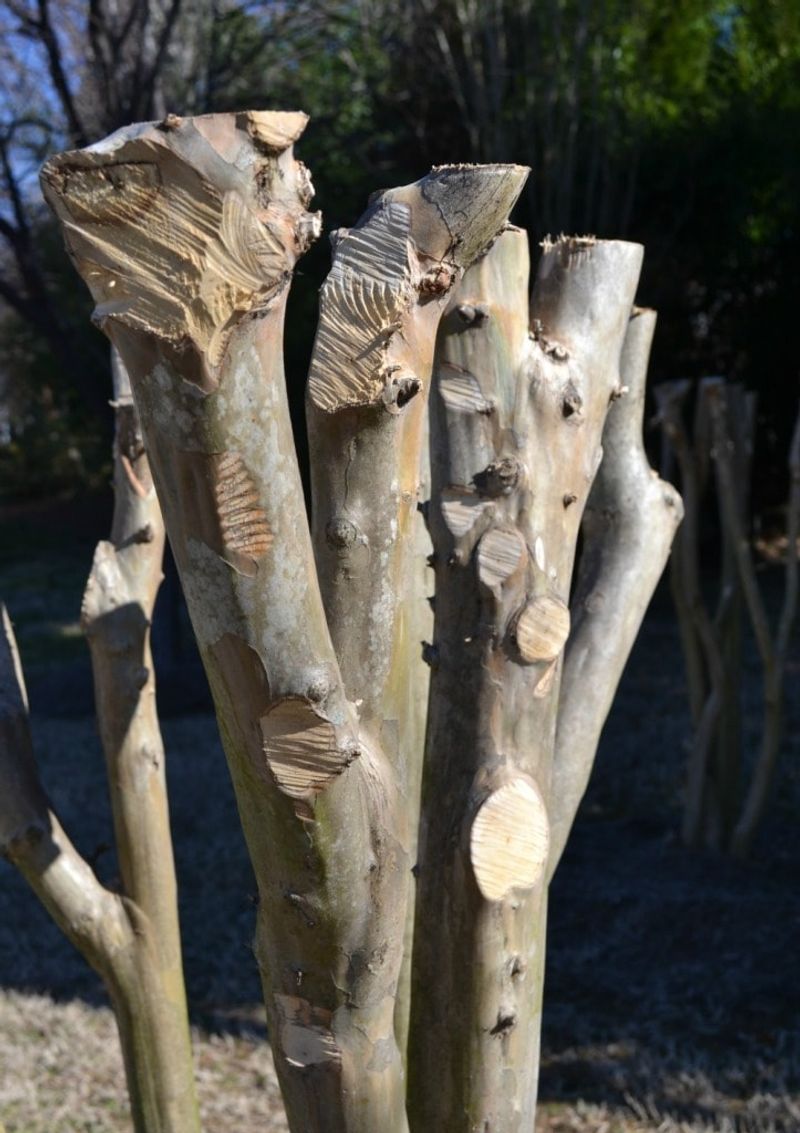
Late winter is the sweet spot for pruning crape myrtles. Sometime between late January and early March, depending on your local conditions, is when most experienced gardeners make their structural cuts.
The tree is dormant, and new growth has not started pushing yet.
Pruning during dormancy gives the tree a clean slate heading into spring. Cuts heal more efficiently, and you can see the branch structure clearly without leaves in the way.
Shaping the tree at this stage is much easier and more precise.
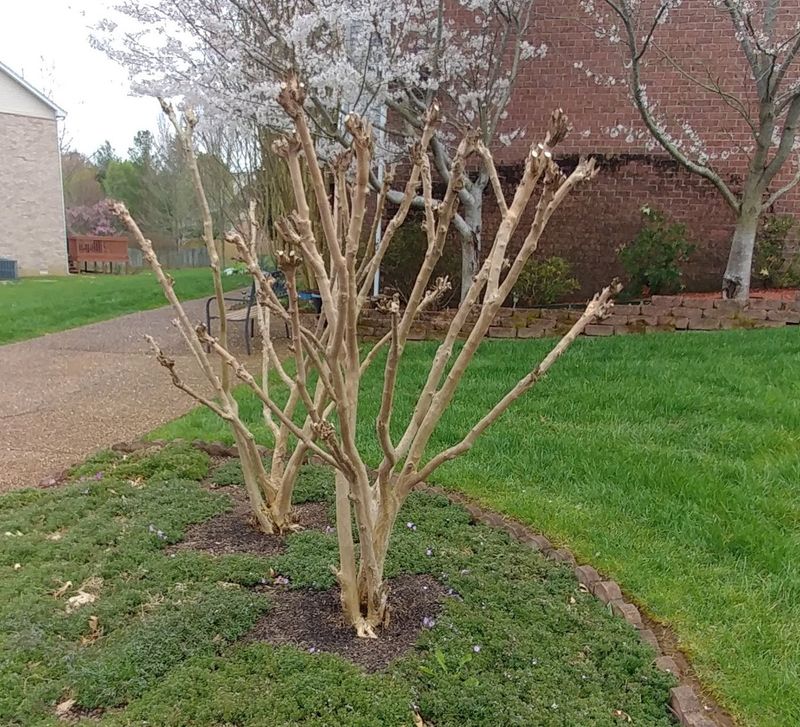
One important note: avoid the habit sometimes called crape murder. That is when trees get topped or cut back to thick stubs every year.
Repeated topping creates knobby growth points and can weaken branch structure over time. Light, selective pruning that removes crossing branches and maintains natural shape is a much better approach.
In Georgia, late winter pruning fits well into the seasonal rhythm of the garden. By the time spring warmth arrives and growth begins, the tree has already been shaped and is ready to channel its energy into healthy new shoots and blooms.
If you missed the late winter window, early spring before bud break is still workable. Pruning after new growth has started is less ideal but not catastrophic.