That Wilting Texas Plant You Keep Watering Is Not Drought Stressed (Here’s The Real Problem)
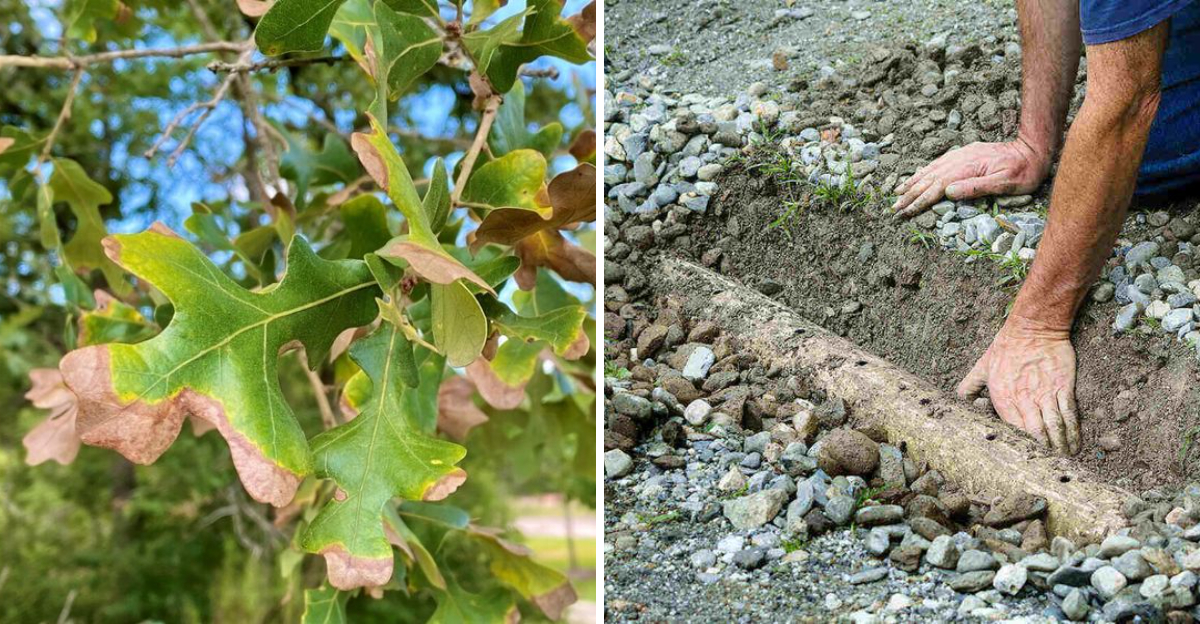
A Texas plant can look desperately thirsty while sitting in soil that is wet.
That is what makes wilt so easy to misread.
Leaves sag. Stems soften. The afternoon sun feels brutal, and the hose suddenly looks like the obvious rescue plan.
Sometimes that instinct is right. Other times, one more soaking pushes an already stressed root system in the wrong direction.
So what is the plant actually telling you?
The clue is usually below the leaves. Saturated soil can starve roots of oxygen. Heavy clay can hold water around them for too long.
Salt buildup can interfere with water uptake. Heat reflected from pavement can scorch foliage even when the root zone has enough moisture.
Texas weather makes the symptoms overlap.
That means wilt should start an inspection, not an automatic watering cycle.
Check the soil. Look at drainage. Notice when the drooping appears and whether the plant recovers after sunset.
The hose can wait two minutes.
Those two minutes may save the plant from receiving the wrong help.
1. Check The Soil Before Adding Water
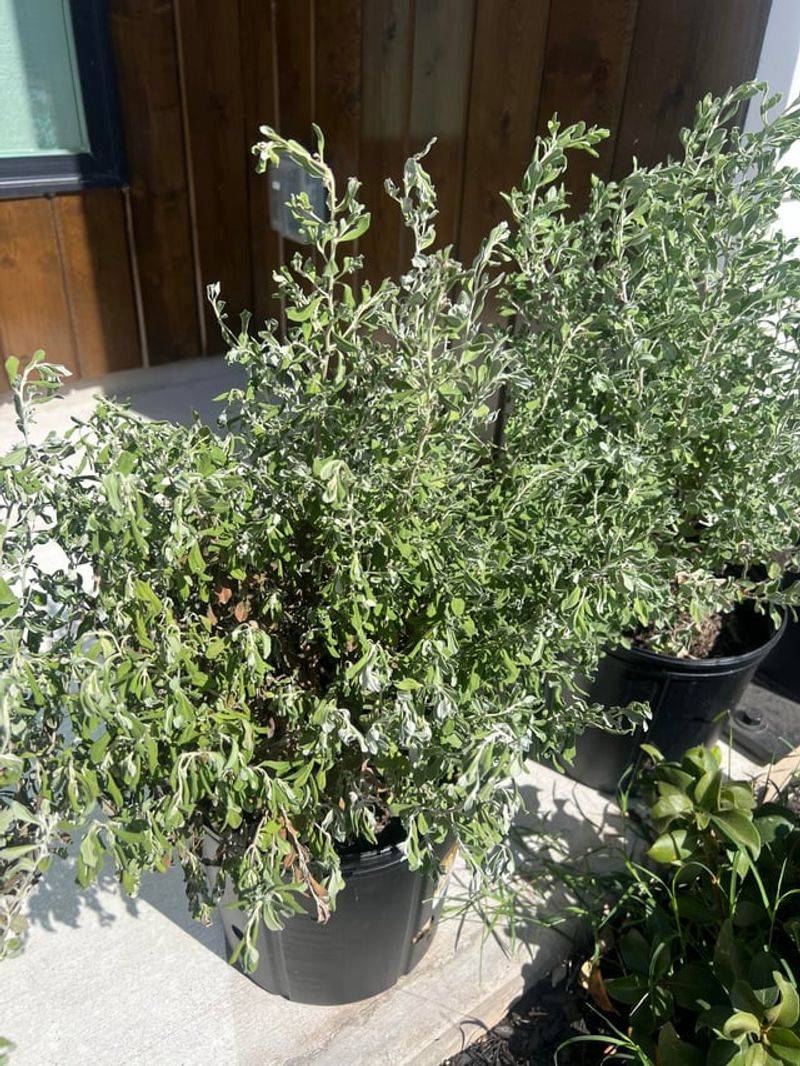
A drooping plant at three in the afternoon is not automatically begging for a drink.
Start with the soil.
Push a finger, trowel, or moisture probe several inches into the root zone instead of judging the dry crust on top. Texas heat can bake the surface while deeper soil stays cool and damp.
That is especially common in clay, mulched beds, and containers that hold moisture longer than expected.
Timing gives another clue.
Some plants wilt temporarily during the hottest part of the day because leaves lose water faster than roots can replace it.
Once temperatures ease, the foliage may perk up again without any extra irrigation. A plant that looks normal by evening is telling a very different story from one that stays limp overnight and into the next morning.
Check more than one spot around the root area. Water does not always spread evenly, especially with drip emitters or compacted soil.
Then decide.
Dry soil several inches down may justify a slow, thorough watering. Damp soil means the hose should stay off while you look for another cause.
This two-minute check prevents the classic Texas summer mistake: treating every droop like drought.
Leaves are dramatic.
The root zone usually gives the more useful answer.
2. Look For Waterlogged Roots First
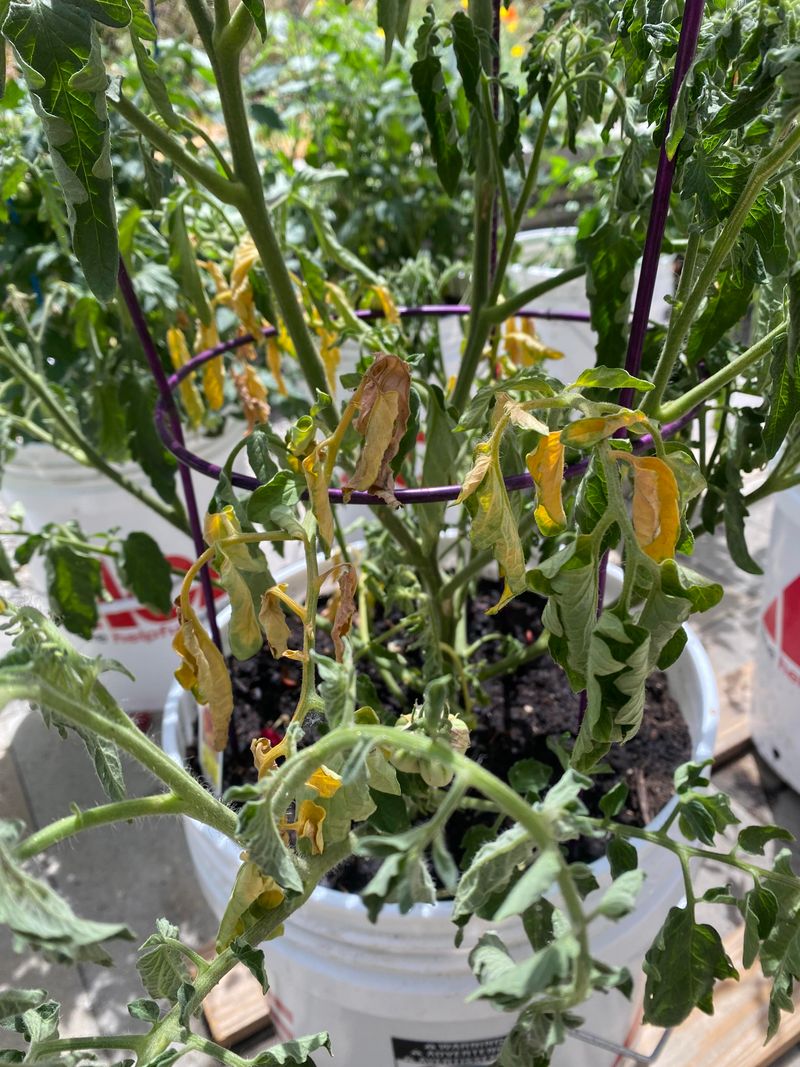
Wet soil and wilted leaves can exist at the same time, and that combination deserves attention.
Roots need oxygen as well as water. When soil stays saturated, water fills the pore spaces that normally hold air. Root function slows, and the plant may struggle to move moisture and nutrients upward even though plenty of water surrounds it.
That is why overwatered plants can look strangely thirsty.
Check how long the soil remains wet after irrigation or rain. A bed that still feels saturated several days later may have a drainage problem.
In containers, lift the pot after watering. One that stays unusually heavy can be holding far more moisture than the roots can use.
Your Texas Garden Changes Every Week. Your Plan Should Too.
Gardening in Texas changes quickly throughout the season. Every Friday you’ll receive a simple weekly plan showing exactly what to plant, prune, fertilize, harvest, and protect so you never miss the right timing.
Other clues include a persistently damp surface, algae, a sour smell, or yellowing foliage alongside wilt.
Do not respond with another automatic watering cycle.
Pause irrigation and let the root zone lose some excess moisture while you investigate why drainage is slow. Empty standing water from saucers and make sure container drain holes are open.
In the ground, the solution may involve irrigation adjustments, soil improvement, or moving moisture-sensitive plants out of low spots.
The plant is not always asking for more.
Sometimes it is asking for air.
A root zone that feels like a soaked sponge does not need another turn with the hose.
3. Test Drainage Around The Plant
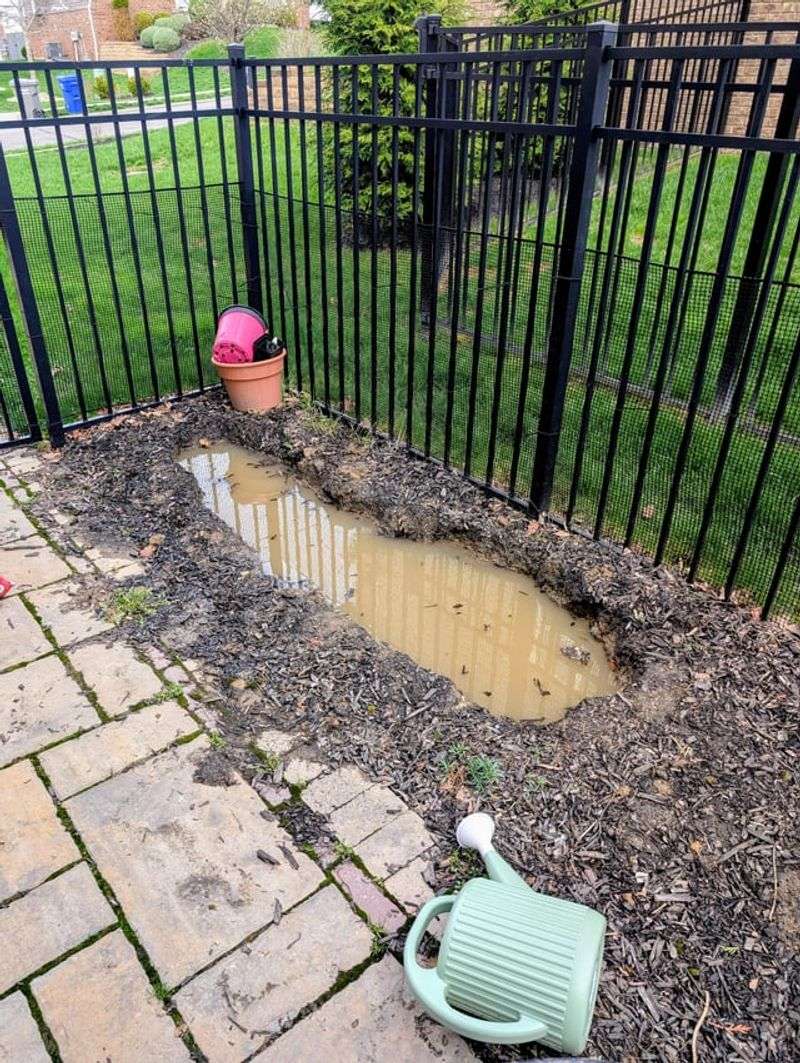
One low spot in a Texas yard can behave like a bathtub after every storm.
That becomes a problem fast when heavy soil slows the escape route.
Many Texas landscapes contain clay, but clay itself is not automatically bad soil. The trouble starts when soil structure, compaction, grading, or a naturally low position keeps the root zone saturated for long stretches.
Watch what happens after watering.
Puddles that linger, soil that stays slick for days, or runoff that consistently collects around one plant all point toward poor drainage.
A simple test hole can help you compare locations, but treat any fixed “ideal” drainage rate as a guide rather than a universal rule. Plant needs and soil types differ.
Containers deserve the same inspection.
Check for blocked drainage holes, compacted potting mix, decorative outer pots that trap water, and saucers that stay full. A beautiful container can become a tiny swamp surprisingly quickly.
For in-ground beds, improving the site may mean redirecting runoff, reducing compaction, adding organic matter over time, or using a raised planting area for species that dislike wet feet.
Do not keep adding water while the root zone is already struggling to drain.
That only turns a slow problem into a deeper one.
Good irrigation gets plenty of attention.
Good drainage is what lets that irrigation actually help.
4. Inspect Roots For Rot And Damage
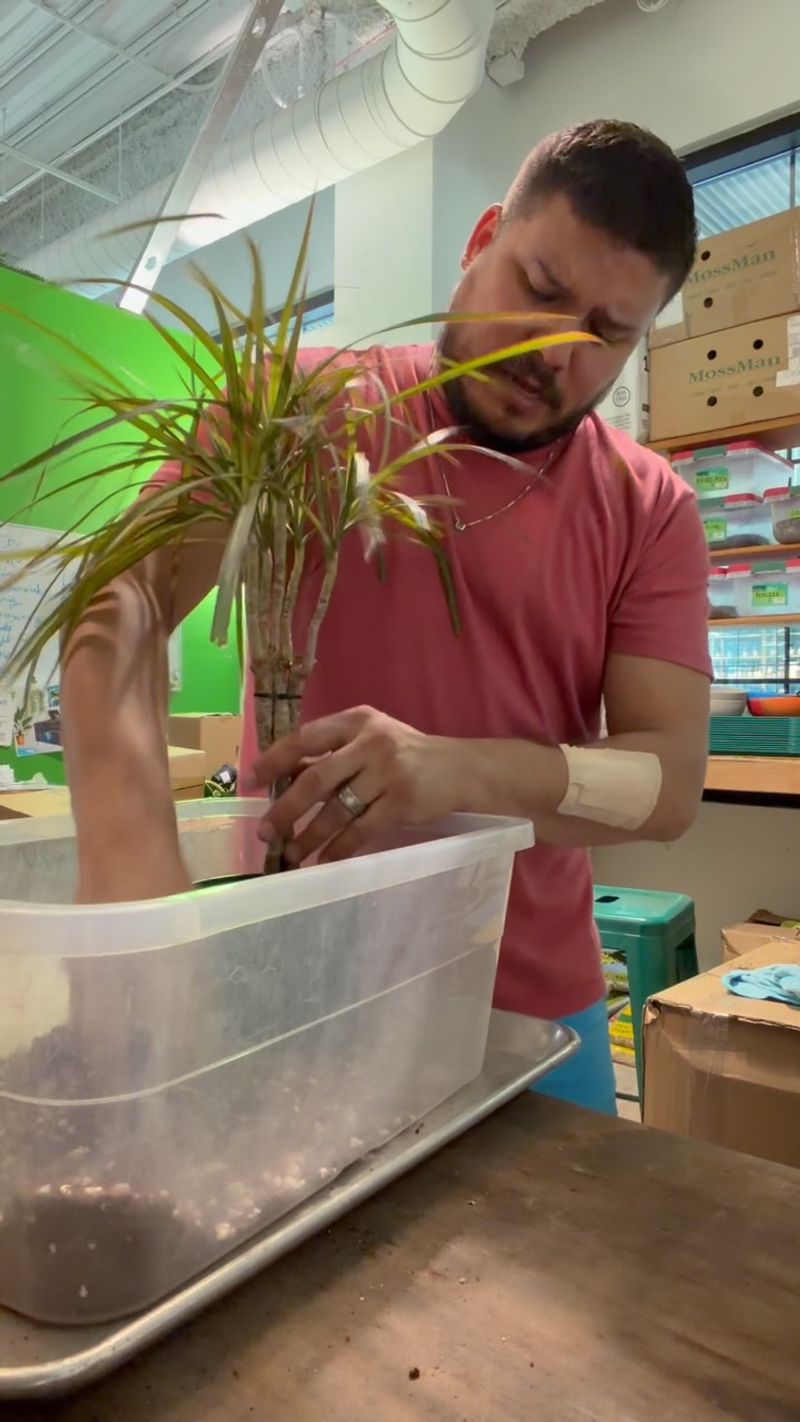
Yellow leaves, persistent wilt, and a suspicious smell near the root zone deserve more than another irrigation adjustment.
Root damage may be involved.
For a container plant, slide the root ball out carefully and look at the roots. Healthy roots are generally firm and light colored, although natural color varies by species. Soft, dark, collapsing tissue or a sour odor can point toward decay.
Warm, wet conditions can favor several root-rotting pathogens, including species of Phytophthora. Poor drainage often makes those problems easier to develop.
In a landscape bed, avoid digging aggressively around an established plant just to inspect every root. That can create more injury.
Instead, check drainage, examine the crown and lower stem, and look for patterns such as progressive yellowing, dieback, or decline that continues despite moist soil.
Physical damage matters too.
Construction, edging, trenching, repeated foot traffic, and deep soil compaction can injure roots or reduce their ability to function. A damaged root system may leave the top wilting even when the surrounding soil contains plenty of moisture.
The response depends on the cause.
Improving drainage and correcting irrigation can help prevent further stress. Severely affected plants may need professional diagnosis rather than home surgery.
Wilt is a symptom, not a verdict.
Before treating the leaves, make sure the real trouble is not several inches underground.
5. Consider Salt Stress In Texas Soil
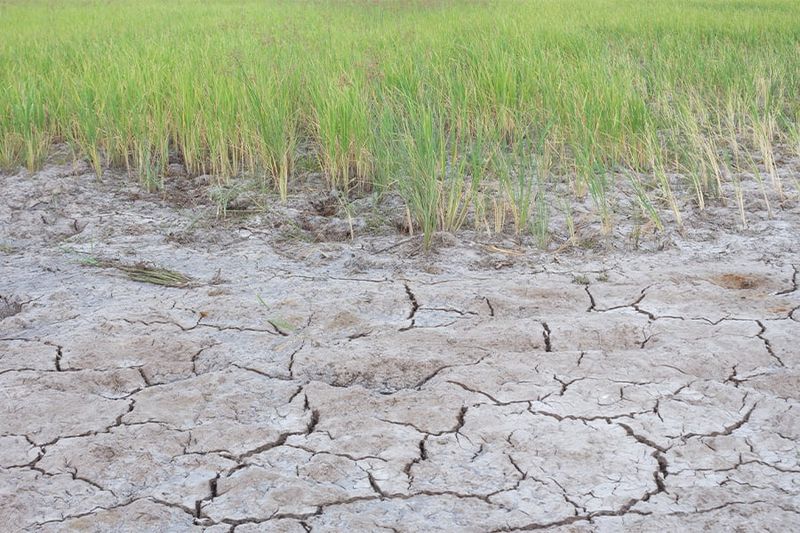
A pale crust across the soil surface can explain why a wet plant still behaves thirsty.
Salts change how roots take up water.
In saline soil or potting mix, water may be physically present while becoming harder for the plant to absorb. The result can look a lot like drought: wilt, slow growth, browned leaf margins, and general stress.
Parts of Texas naturally have more saline soils or irrigation water than others. Salt can also build up from repeated fertilizer use, reclaimed or mineral-heavy water, and evaporation in containers.
Pots are especially vulnerable because dissolved salts remain behind as water evaporates.
Do not diagnose salinity from a white crust alone. Mineral deposits can have several causes. A soil or water test gives you a much better answer when salt stress is suspected.
The fix also depends on drainage.
Leaching salts with cleaner water can help only when excess water can move freely out of the root zone. Flushing a poorly drained bed simply creates another problem.
Reduce unnecessary fertilizer, check irrigation-water quality when concerns persist, and keep container drainage open.
This is one of the strangest summer garden situations: the plant can be surrounded by moisture and still struggle to use it.
More water is not automatically the cure.
First make sure the water already there is actually available to the roots.
6. Rule Out Heat Scorch Above Ground
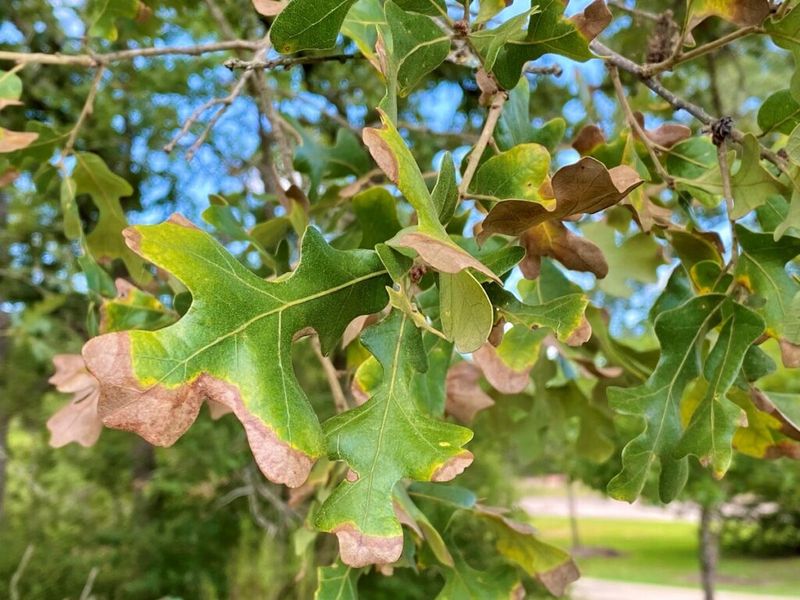
The west side of a plant can tell a completely different story from the shaded side.
That pattern points toward heat exposure rather than simple thirst.
Texas summer sun is intense on its own. Add heat reflected from brick, stucco, concrete, stone, or metal fencing and foliage can experience a much harsher microclimate than the forecast suggests.
Look closely at where the damage appears.
Heat or sun scorch often hits the most exposed leaves first, producing bleached patches, crispy margins, or browning on the south and west sides. Drought stress can affect the whole plant more broadly, although symptoms can overlap.
Extra water does not cool a bad planting site enough to solve chronic reflected heat.
Instead, reduce the heat load where practical. Temporary shade cloth can protect sensitive plants during severe stretches.
Taller neighboring plants may provide afternoon cover. A proper mulch layer can moderate root-zone temperature and slow evaporation.
Keep mulch off the crown and trunk rather than piling it against plant tissue.
Species choice matters too. A plant repeatedly scorched beside a west-facing wall may simply be in the wrong place for a Texas summer.
The leaves are not necessarily saying, “More water.”
They may be saying, “Please move me away from the outdoor pizza oven.”
That is a very different gardening problem.
7. Watch For Nematode And Disease Clues
A plant that wilts while nearby plants stay comfortable deserves a closer inspection.
Roots and stems may be carrying the clue.
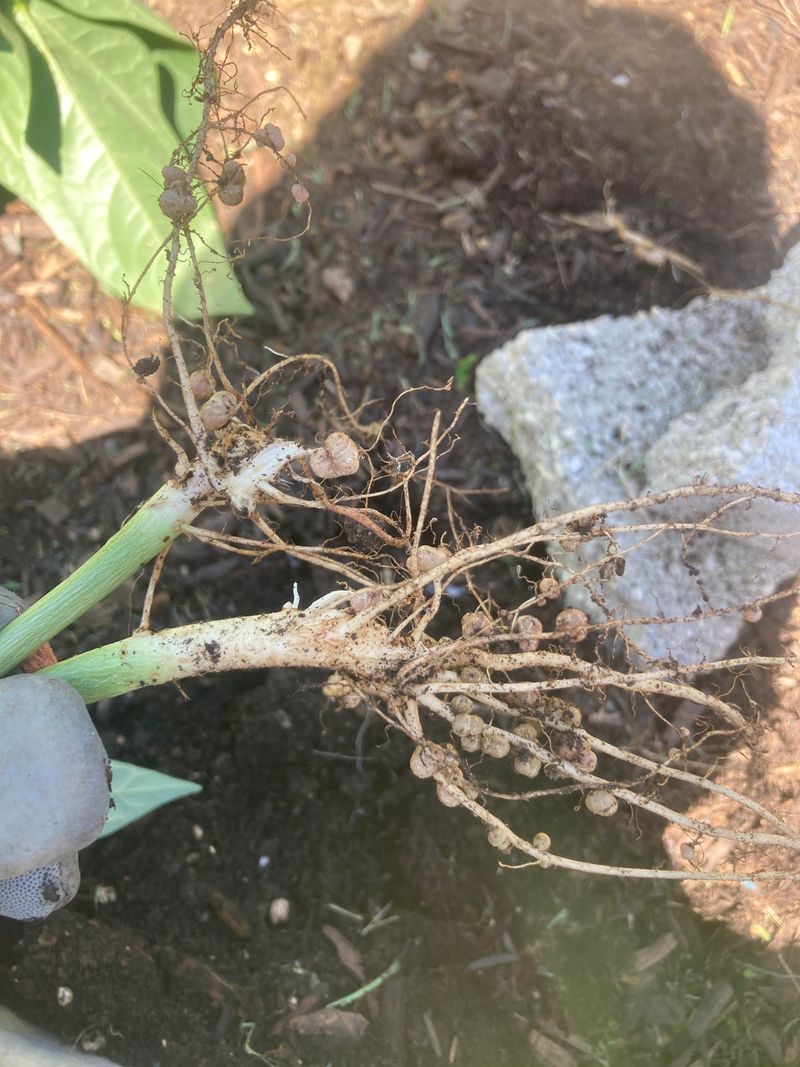
Root-knot nematodes can cause swollen galls on susceptible plant roots, especially in warm soils. Those damaged roots become less efficient at moving water and nutrients, so the top of the plant may wilt even when moisture is available.
Several vascular diseases can create similar confusion.
Pathogens associated with Fusarium, Verticillium, or bacterial wilt can interfere with water movement inside susceptible plants.
Symptoms vary by host, so avoid diagnosing a disease from wilt alone. One-sided decline, unusual stem discoloration, progressive yellowing, or recurring wilt despite appropriate soil moisture can justify further investigation.
Pulling every plant apart looking for a culprit is not the answer.
Check the crop or ornamental species, document the symptom pattern, and inspect roots only when removal or sampling makes sense.
A county Extension office or diagnostic laboratory can help identify problems that cannot be separated reliably by appearance.
That matters because treatment changes completely with the diagnosis.
More irrigation will not repair a blocked vascular system, and fungicide will not correct simple afternoon heat wilt.
The same drooping leaves can come from very different problems.
This is where good gardening starts to look a little like detective work.
Follow the clues before choosing the remedy.
8. Fix The Cause Before Watering Again
An irrigation controller does not know that yesterday’s thunderstorm soaked the bed.
It also does not know that one corner is clay, another is sandy, and the plant beside the driveway gets twice the reflected heat.
That is why automatic watering should never outrank observation.
Before the next cycle runs, check moisture where the roots actually are. Adjust irrigation for rainfall, soil type, plant maturity, season, and local watering restrictions.
Established landscape plants often benefit from deeper watering followed by time for the soil to drain rather than constant shallow sprinkles.
Containers need their own schedule.
Small pots can dry quickly, while large glazed containers may stay wet much longer. Drainage holes must remain open, and standing water should not collect around roots.
For beds with recurring saturation, fix drainage rather than repeatedly changing the watering duration. For salt problems, confirm the issue and improve water quality or leaching conditions. For disease or nematodes, use a diagnosis-based response.
The important habit is simple: treat the cause, not the wilt.
Texas heat makes gardeners understandably nervous when leaves droop, but reflex watering can hide the real problem and sometimes worsen it.
The hose is a tool, not a diagnosis.
Use it after the soil and the plant agree that water is actually what comes next.