The One Thing To Do With Georgia Iris Plants Before August Ends
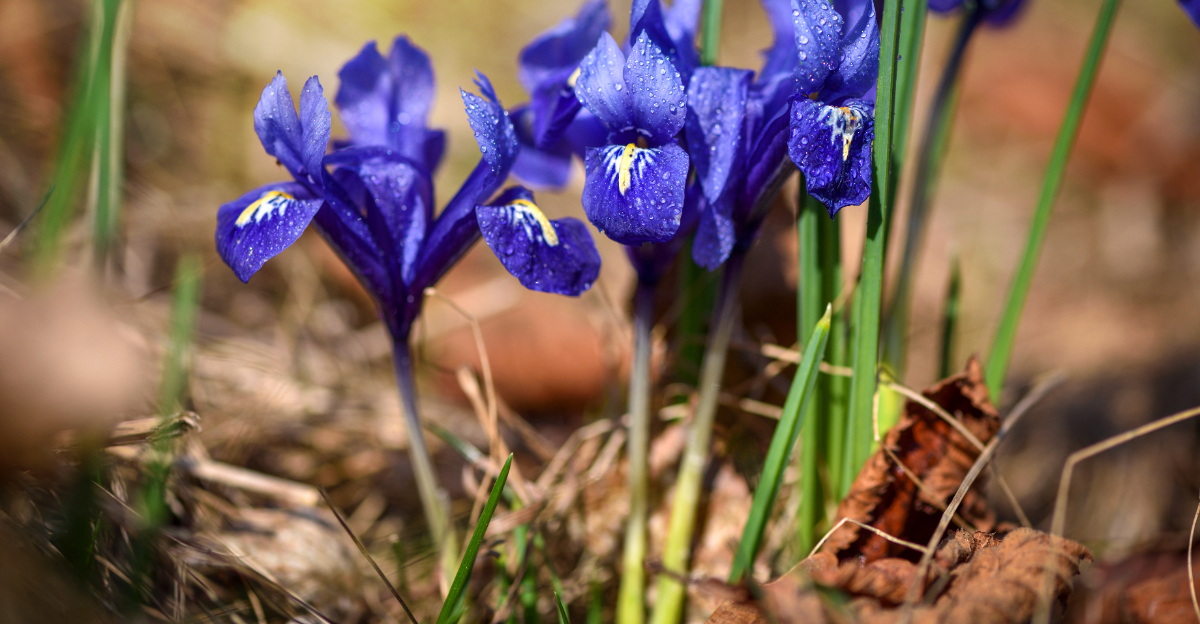
Your irises may look quiet right now, but late August is a good time to give them some attention.
One simple task can make a noticeable difference when their next growing season arrives.
Georgia’s summer weather can leave established iris clumps crowded after several years in the same spot. That crowding is easy to overlook once the spring flowers have disappeared.
Take a closer look at your plants before August slips away. What you notice around the rhizomes can tell you whether it is time to act.
This is not about giving your flower bed a complete makeover. Instead, focus on one timely job that helps older clumps regain the space they need.
Getting the timing right matters more than doing extra work. Your irises will benefit from attention now.
1. Divide Crowded Iris Clumps Before August Ends
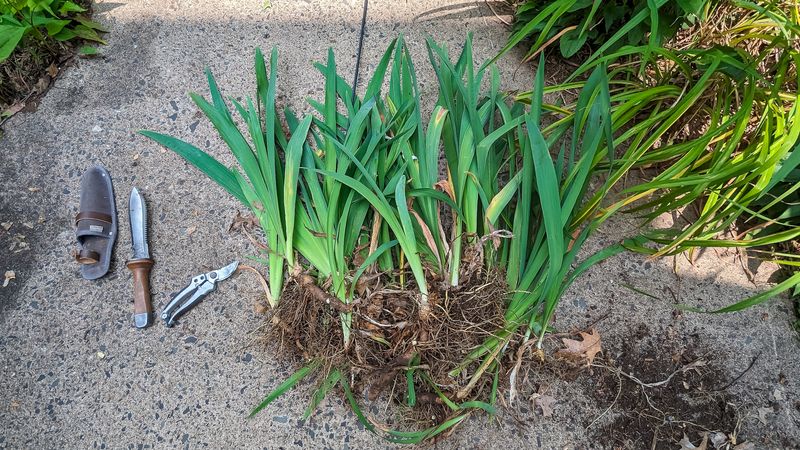
Crowded iris clumps are one of the most common reasons gardeners end up disappointed come spring. When rhizomes run out of space, they compete for nutrients, water, and sunlight.
Bloom production drops noticeably, sometimes by half or more.
Late July through mid-August is generally considered the sweet spot for dividing bearded irises in warm Southern climates. Dividing during this window gives roots enough time to anchor before cold weather sets in.
Waiting until September or later can shorten that establishment window significantly.
Irises tend to go semi-dormant after their spring bloom period ends. That natural rest phase makes late summer a practical time to work with the rhizomes without causing too much stress to the plant.
Clumps that have not been divided in three to five years are usually the most congested. You can often tell just by looking at them.
The center of the clump tends to look woody and sparse while the outer edges are more active.
Dividing is not complicated, but timing does matter. Getting your clumps divided before August ends sets the stage for stronger, healthier blooms the following spring.
A little work now pays off in a big way once flowering season returns.
2. Crowded Rhizomes Can Produce Fewer Flowers
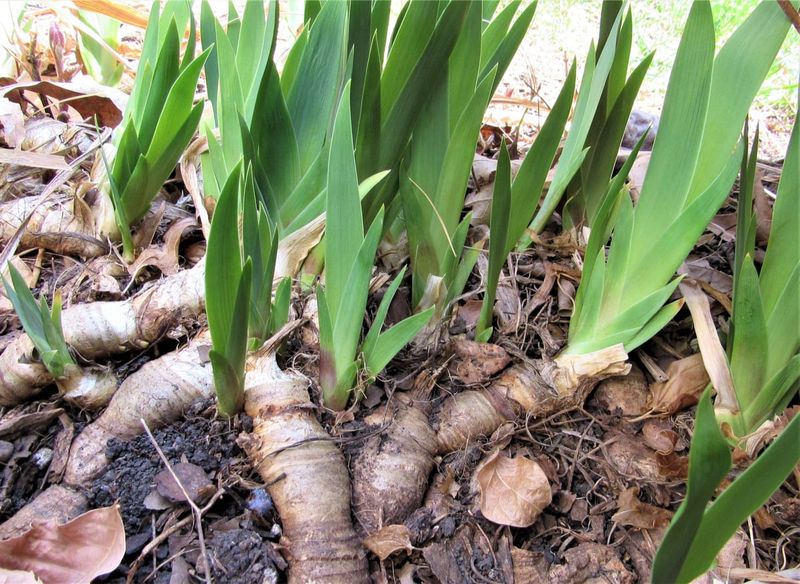
Fewer blooms on your irises is a clear signal worth paying attention to. Overcrowded rhizomes struggle to access what they need, and flower production is often the first thing to suffer.
It is not a dramatic change at first, but over a few seasons it becomes hard to ignore.
Bearded irises bloom from newer growth along the outer edges of the clump. Older rhizomes near the center gradually stop producing flowers.
When the whole clump gets packed too tightly, even the healthy outer sections can underperform.
Nutrients in the soil around a dense clump get used up faster. Roots tangle and restrict each other.
Airflow between leaves drops, which can also increase the chance of fungal problems in humid conditions like those common across much of Georgia in summer.
Reduced flowering is not just a cosmetic issue. It usually signals that the plant is under real stress.
Dividing the clump gives each section more room, more access to soil nutrients, and a better shot at producing strong bloom stalks the next season.
Your Georgia Garden Changes Every Week. Your Plan Should Too.
Gardening in Georgia changes quickly throughout the season. Every Friday you’ll receive a simple weekly plan showing exactly what to plant, prune, fertilize, harvest, and protect so you never miss the right timing.
Some gardeners assume fewer flowers means the variety has run its course. More often, the plants just need more space.
Dividing is one of the simplest ways to bring the bloom count back up without replacing anything.
3. Check The Rhizomes Before You Start Dividing
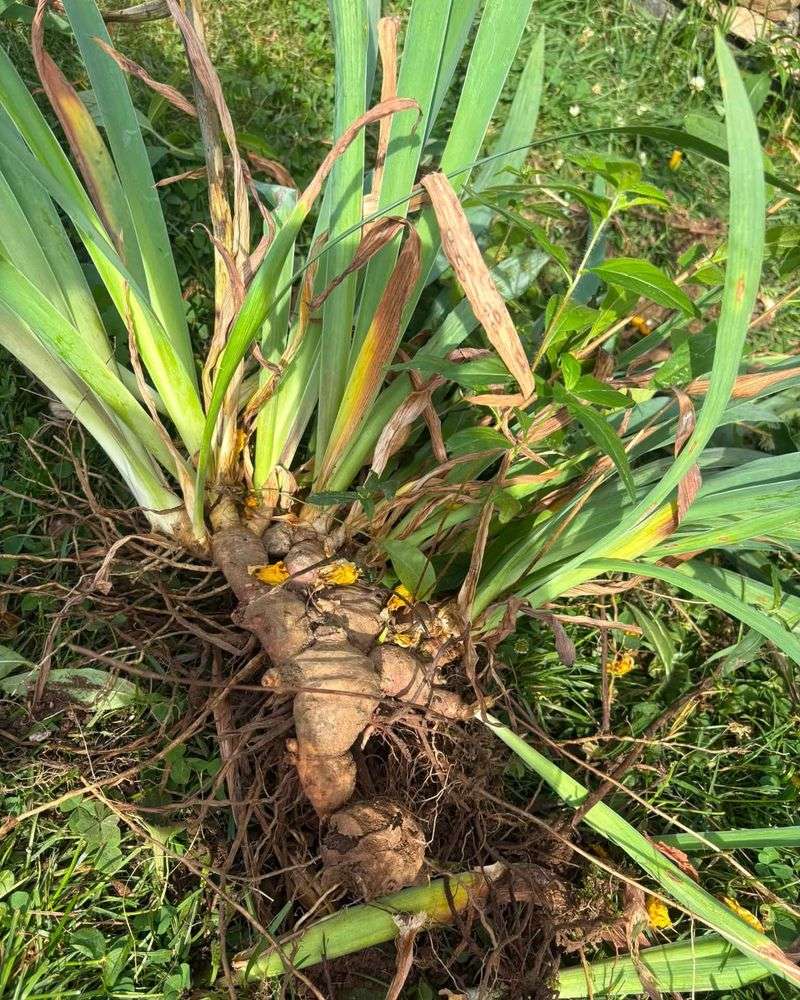
Before pulling anything out of the ground, take a few minutes to look at what you are working with. Not every rhizome in a crowded clump is worth keeping.
Some will be soft, discolored, or shriveled, and those sections should be set aside.
Healthy rhizomes feel firm when you press them lightly. They are usually tan to light brown on the outside and pale or cream-colored when you cut into them.
Soft or mushy sections often indicate rot, which can spread if left attached to healthy growth.
Iris borers are another thing to watch for. These pests tunnel through rhizomes and leave behind hollowed-out sections or dark, water-soaked trails.
If you spot borer damage, remove and bag those sections rather than leaving them in the garden.
Checking rhizomes before dividing helps you make smarter decisions about what to replant. You save time, avoid reintroducing problem sections back into the bed, and start fresh with the strongest material available.
A quick visual check only takes a few minutes. Lay the rhizomes out on a flat surface after lifting and go through them one by one.
Keeping only the firm, healthy sections gives your new plantings the best possible start before the growing season shifts.
4. Lift The Rhizomes Without Damaging Healthy Roots
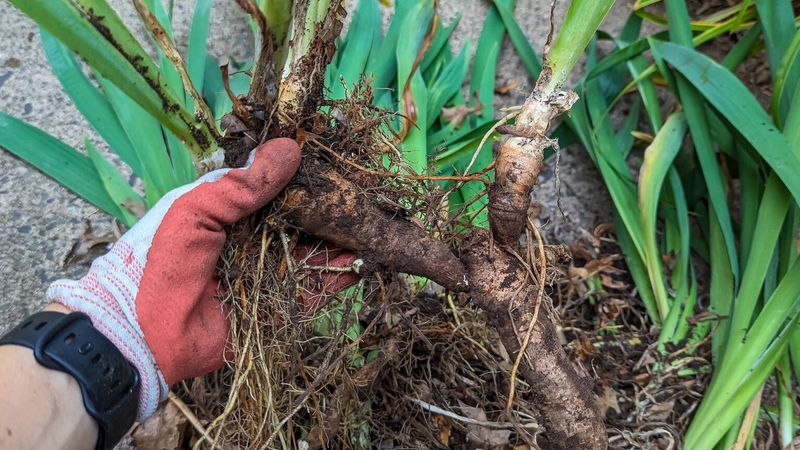
Lifting iris rhizomes without snapping off healthy roots takes a bit of patience and the right tool. A garden fork works better than a shovel for this job.
It loosens the soil around the clump without slicing directly through the rhizomes.
Start by pushing the fork into the soil about six to eight inches away from the outer edge of the clump. Rock it back and forth gently to loosen the surrounding soil before lifting.
Working in a circle around the clump before prying upward helps reduce the chance of breaking roots or rhizomes.
Once the clump starts to lift, use your hands to help guide it out. Some roots will still be anchored deeper, so avoid yanking the clump straight up.
A slow, steady lift is much easier on the plant than a single hard pull.
After the clump is out, shake off loose soil so you can see the rhizomes clearly. Rinsing with a garden hose can help too, especially when soil is heavy or clay-based, which is common in many parts of the Southeast.
Roots that are white and firm are in good shape. Avoid cutting or tearing them unnecessarily during this stage.
Keeping those roots intact gives each division a better foundation once it goes back into the ground.
5. Separate Strong Sections From Older Center Growth
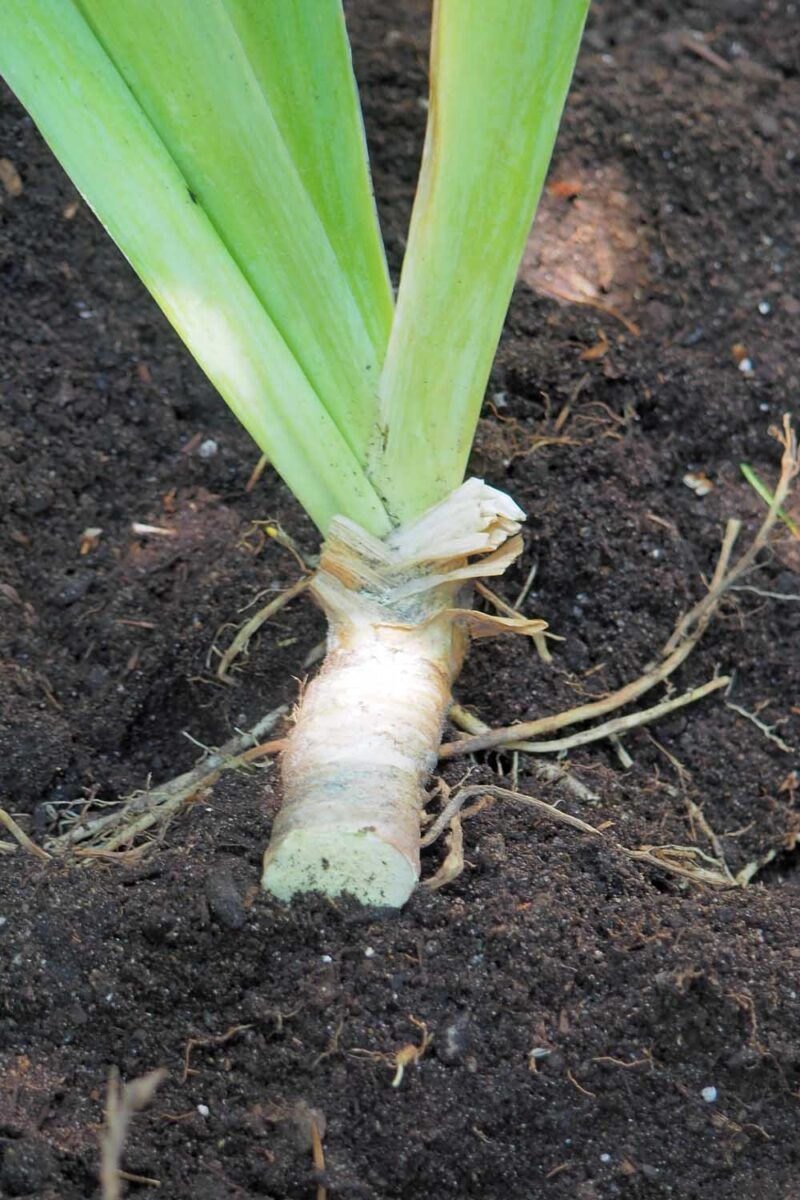
Old center growth is easy to spot once the clump is out of the ground. It tends to look darker, feel harder, and rarely has visible leaf fans attached.
Those sections have already done their job and are unlikely to produce new blooms.
Focus on the younger sections growing outward from the center. Each division should ideally have at least one healthy fan of leaves and a firm, plump rhizome attached.
Sections with two or three leaf fans are even better if you can find them.
Use a clean, sharp knife to separate sections that are tightly connected. Cut between rhizomes rather than through them when possible.
Trim the leaf fans back to about four to six inches tall, which helps reduce water loss while the roots re-establish.
Some gardeners let their cut divisions sit in a shaded spot for a few hours before replanting. This allows the cut surfaces to dry slightly, which may help reduce the chance of rot at the cut ends.
Results can vary depending on conditions.
Sorting through the clump and choosing the strongest sections takes time, but it is worth doing carefully. Replanting weak or spent sections just means dealing with poor performance again in a season or two.
Start with your best material for the strongest results.
6. Replant Each Division At The Proper Depth
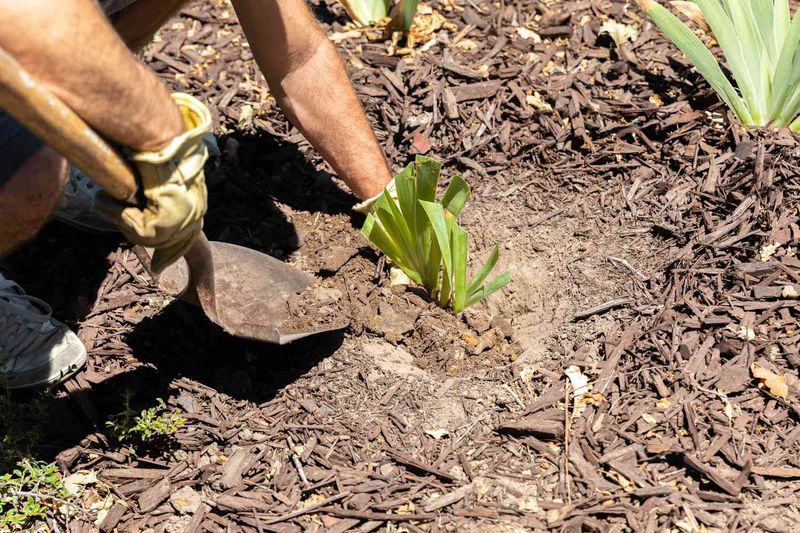
Planting depth is one of the most common mistakes people make when replanting iris divisions. Bearded irises need their rhizomes sitting at or just barely below the soil surface.
Burying them too deep is a frequent reason why irises fail to bloom the following season.
In warm climates, many experienced growers plant rhizomes with the top surface slightly exposed to sunlight. The rhizome needs some warmth and light to encourage strong bloom production.
A thin layer of soil over the top is usually fine, but more than an inch of coverage tends to cause problems.
Prepare the planting area before setting the divisions in. Loosen the soil about eight to ten inches deep.
If your soil is heavy clay, mixing in a small amount of coarse sand or compost can improve drainage, which irises prefer over consistently wet conditions.
Space divisions at least twelve to eighteen inches apart. Irises spread over time, and giving them room from the start reduces how quickly the clump becomes crowded again.
Proper spacing also improves airflow around the plants.
Set each division so the leaf fan faces the direction you want growth to spread. Press the soil firmly around the roots without covering the rhizome top.
A gentle press with your hand is enough to eliminate large air pockets around the roots.
7. Water Thoroughly While New Roots Get Established
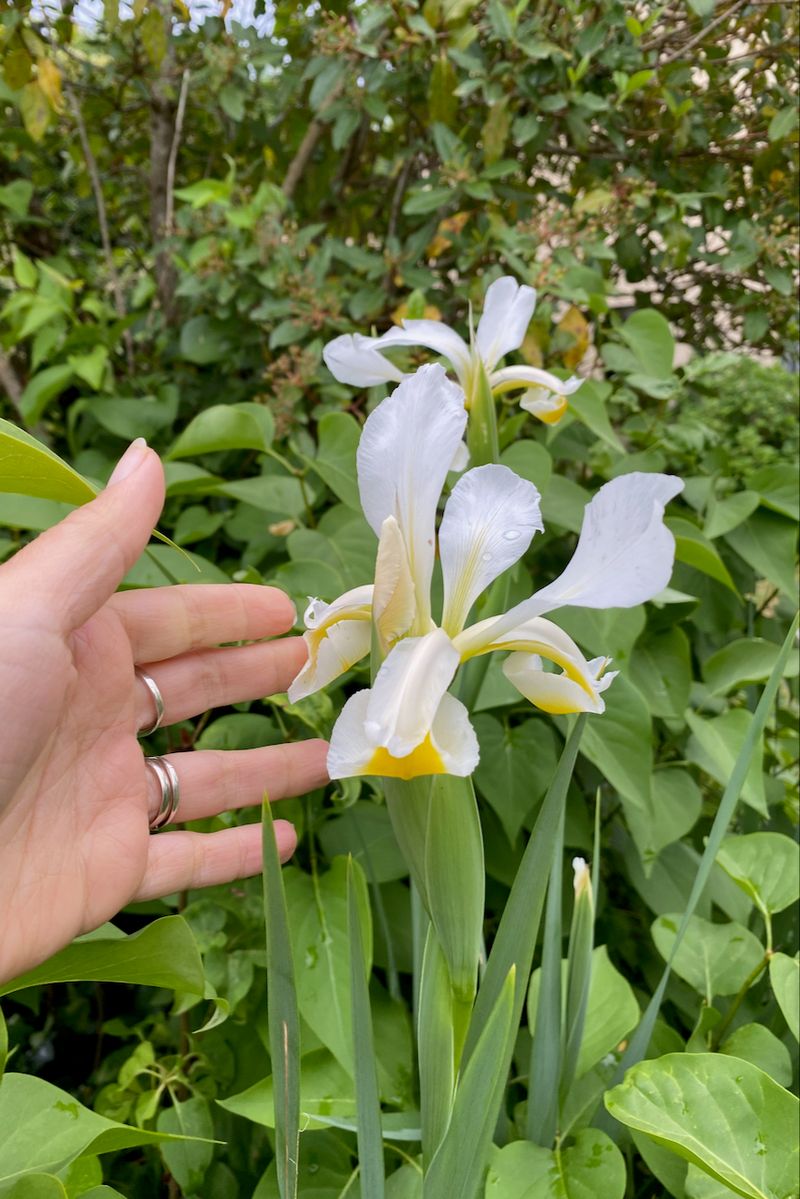
Watering right after replanting is one step you do not want to skip. Newly planted iris divisions need moisture to help their roots make contact with the surrounding soil.
Without that initial watering, roots can dry out before they have a chance to anchor.
Give the bed a deep, slow soak right after planting. Let water penetrate several inches into the soil rather than just wetting the surface.
A quick sprinkle does not do much for roots that are trying to push down into the ground.
After that first watering, scale back. Irises do not like sitting in constantly wet soil.
In Georgia, late summer rainfall can be unpredictable, so check the soil every few days rather than watering on a fixed schedule. If the top inch or two feels dry, water again.
Avoid overhead watering when possible. Keeping water off the rhizome surface and leaf bases can help reduce the chance of fungal issues, which tend to be more common in humid, warm conditions.
Once you start seeing new leaf growth pushing up from the center of the fan, that is a good sign roots are taking hold. At that point, the division is past the most vulnerable stage and can handle normal rainfall patterns with less hands-on attention from you.