This Fragrant Ohio Herb Outperforms Mulch Near The Foundation
Your foundation has a problem mulch can’t fix, and one low-growing Ohio native solves it without a single bag from the garden center.
Walk along the shady side of your house and you’ll likely see the same tired routine: bare soil, thinning mulch, and weeds pushing through by midsummer.
Mulch breaks down fast. It washes away in heavy rain.
It needs constant refilling year after year. One shade-loving herb skips all of that.
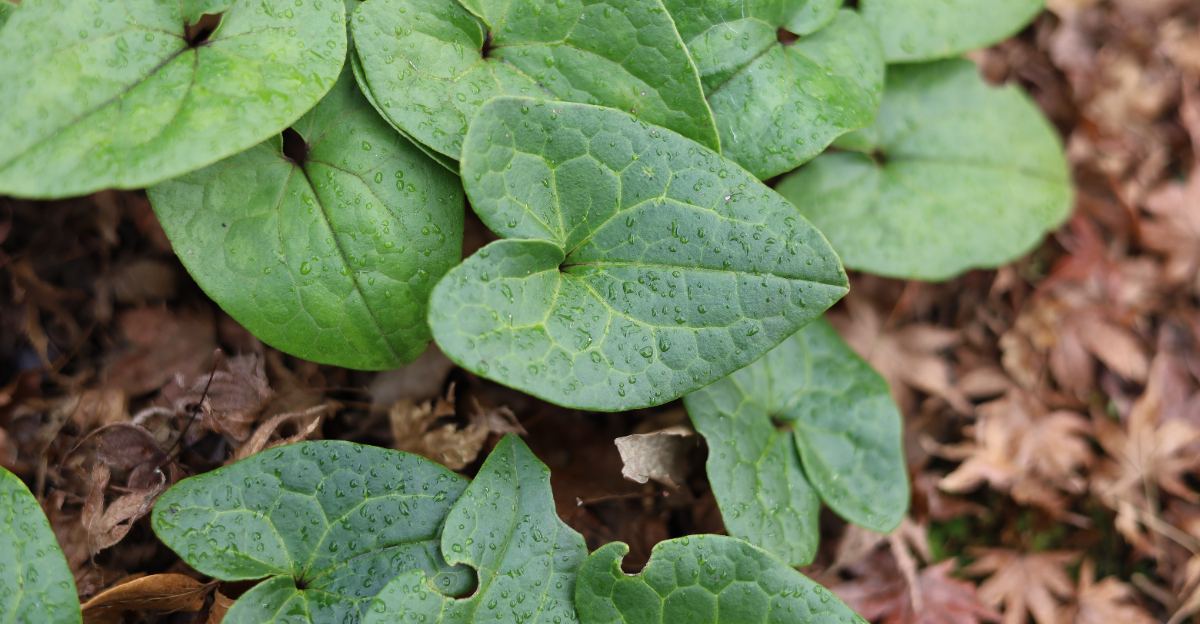
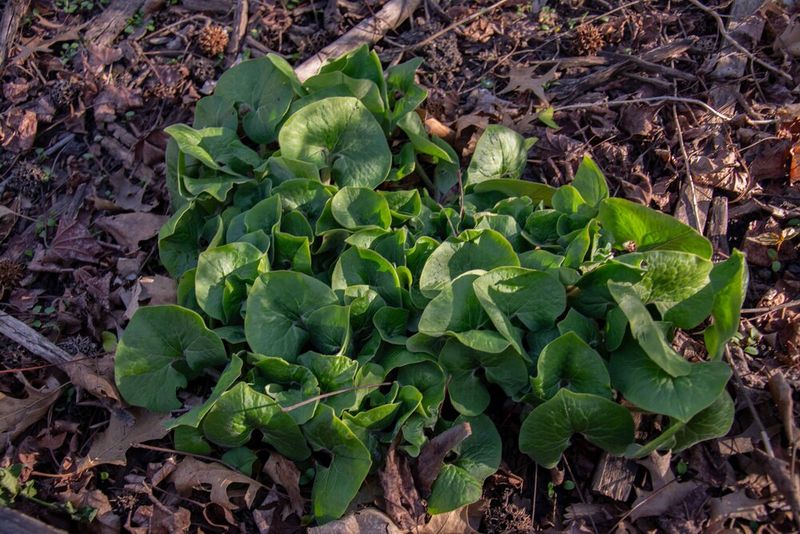
Its broad, heart-shaped leaves knit together into a living carpet, blocking weeds and holding moisture against your foundation better than wood chips ever could.
Crush a leaf between your fingers and you’ll catch a sharp, spicy scent that early settlers once used in place of an expensive imported spice.
This plant spreads slowly, stays low, and thrives in the exact deep shade where grass gives up. Your foundation deserves better than another mulch delivery.
Meet the herb built for the job.
1. Wild Ginger Turns Bare Foundation Soil Into Living Cover
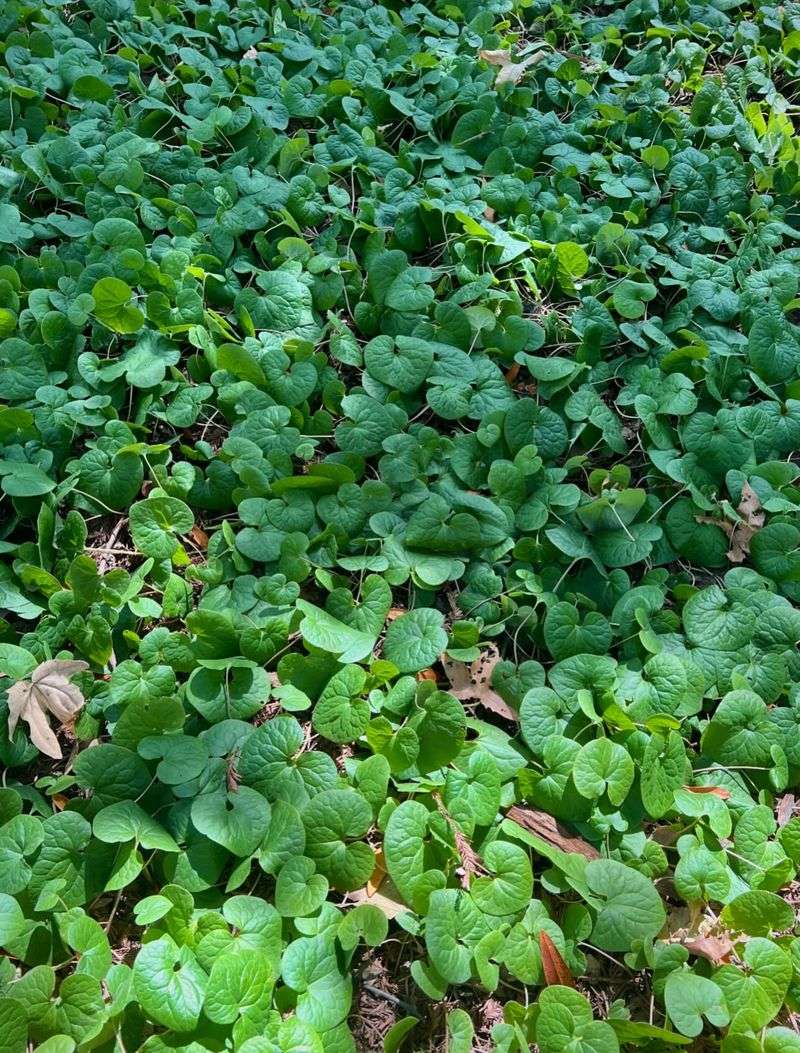
Canadian wild ginger, known botanically as Asarum canadense, is a low-growing herbaceous perennial native to Ohio and much of eastern North America. It stays close to the ground, typically reaching about six to twelve inches in height.
Its broad, heart-shaped leaves grow in pairs and can span several inches across, giving each plant a noticeable presence even when young.
The plant spreads by underground stems called rhizomes. Over time, an established colony produces a widening patch of foliage that covers bare soil with living vegetation.
That is the core idea behind using it near a shaded house edge. Rather than applying a fresh layer of organic material each spring, a gardener can let the plant itself do the covering work.
Getting there takes patience. Extension sources consistently describe this plant as slow to establish.
A new planting will leave soil exposed for some time. Do not expect a full mat in one season.
The leaves drop seasonally, so the plant is deciduous, not evergreen. Winter coverage is not part of the deal.
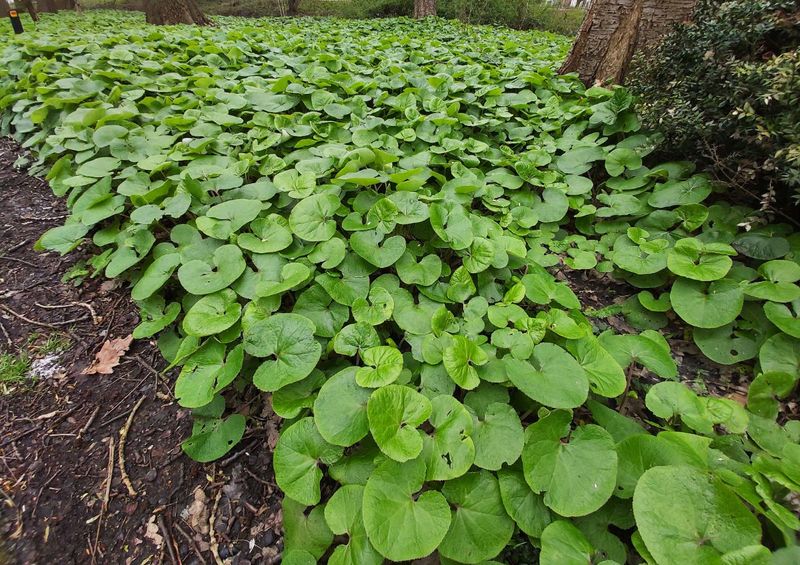
Still, once a patch fills in, the overlapping foliage creates a visible, textured layer of green across the bed. That living layer is what makes this plant worth considering as an alternative to repeated bare-soil mulching in a suitable shaded spot.
2. Heart Shaped Leaves Close The Gaps Mulch Leaves Bare
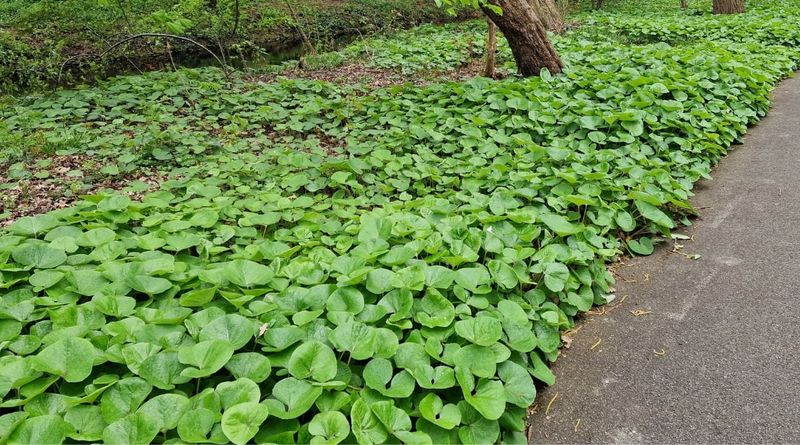
Each pair of broad, velvety, heart-shaped leaves on a mature plant reaches out to occupy real estate in the bed. The leaves are soft in texture and a rich medium green.
As individual plants spread, their foliage begins to overlap with neighboring plants, gradually closing the open patches of soil between them.
A conventional mulch layer covers the ground immediately after it is applied. A living groundcover like this one needs time before it reaches that same effect.
Small gaps remain visible while plants are still young and spacing is wide. That is a realistic part of the process, not a flaw to hide.
The difference between the two approaches becomes clearer over several seasons. Mulch is an inert material placed on the surface.
Your Ohio Garden Changes Every Week. Your Plan Should Too.
Gardening in Ohio changes quickly throughout the season. Every Friday you’ll receive a simple weekly plan showing exactly what to plant, prune, fertilize, harvest, and protect so you never miss the right timing.
The plant is living vegetation that grows, expands, and responds to its environment. Those are overlapping but genuinely different jobs.
Mulch can moderate soil temperature and reduce moisture loss in ways a young, sparse planting cannot match.
A mature patch, though, can shade portions of the soil, occupy growing space, and reduce the amount of visible bare ground. It also adds seasonal foliage interest that a layer of wood chips simply cannot provide.
Neither approach is perfect for every bed, and understanding that distinction helps a gardener choose wisely.
3. Shady House Edges Are Where It Fits Best
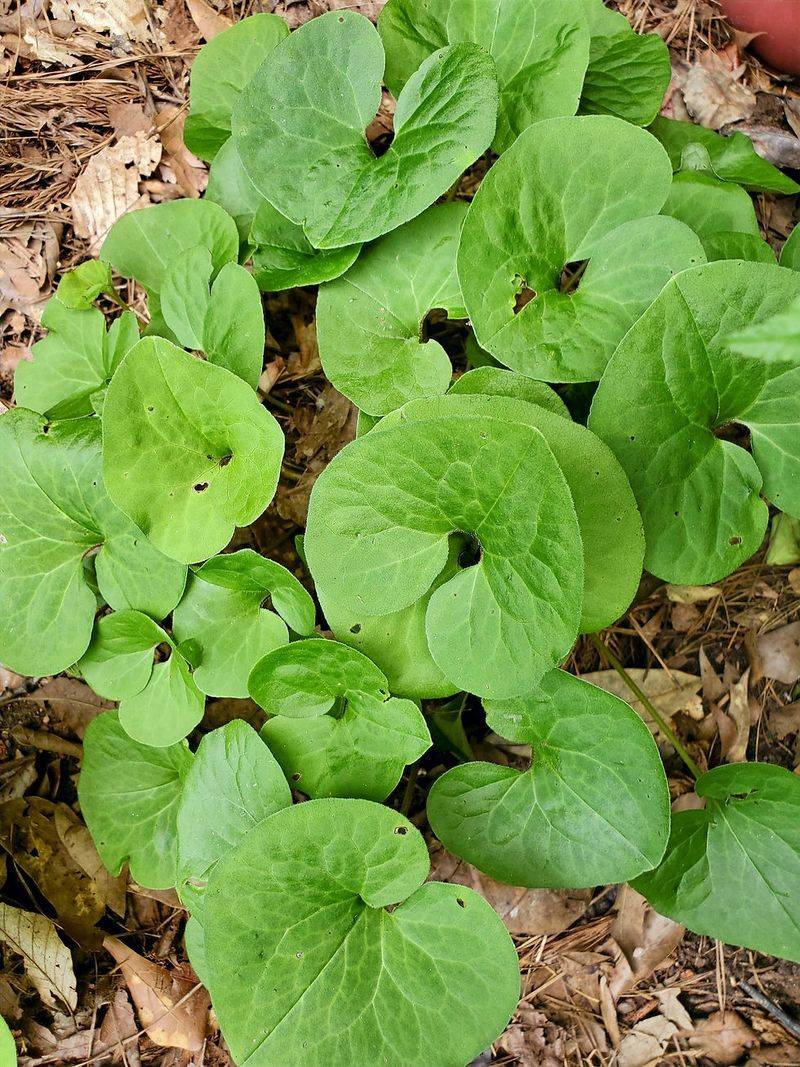
Many beds along the sides of houses receive limited direct sun. Trees, rooflines, neighboring structures, and the walls themselves all cast shade that shifts through the day.
Canadian wild ginger performs well in part shade to full shade conditions, making it a reasonable candidate for those lower-light spots that challenge many other plants.
Placement along a shaded house edge in Ohio can work well when the other conditions are right. Light alone does not tell the whole story, though.
A bed that receives filtered woodland light and stays reasonably moist is a very different environment from one that sits under a wide roof overhang with dry soil below.
Roof overhangs can create what is sometimes called a rain shadow, a zone where little rainfall actually reaches the soil. Shade from the building does not automatically mean the ground stays moist.
A gardener should press a finger into the soil before assuming the bed is suitable. Dry, compacted soil under an overhang may need amendment or irrigation before this plant can establish.
Excessive direct sun can stress the foliage, and the plant is not built for hot, exposed spots. Choose placement based on actual light and soil conditions instead of compass direction alone.
This gives the planting a better chance of establishing and spreading successfully.
4. Spreading Rhizomes Slowly Build A Green Carpet
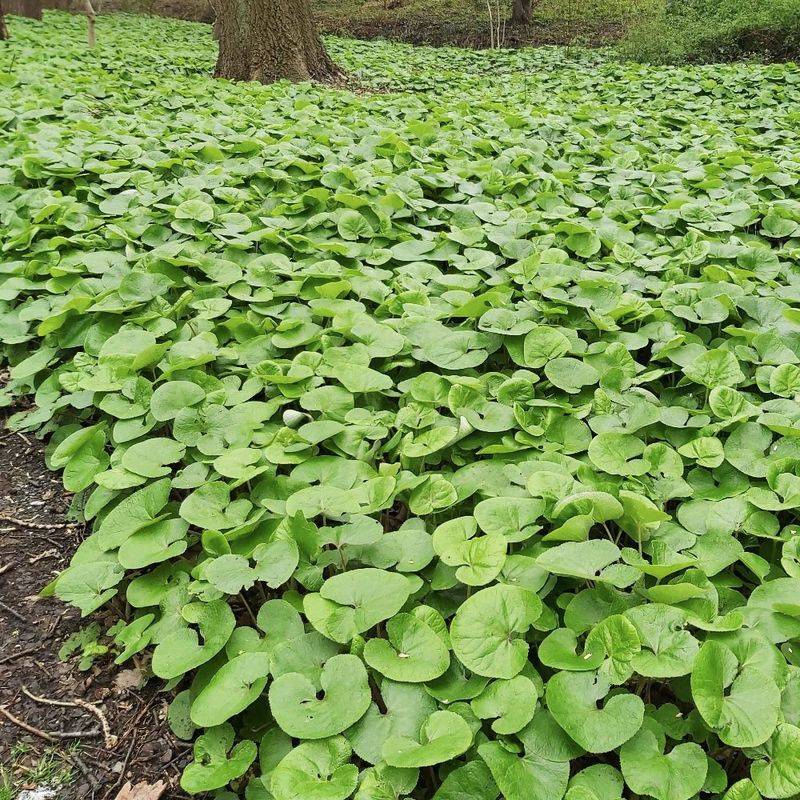
Underground stems, called rhizomes, are what allow this plant to expand beyond its original planting spot. A rhizome is simply a stem that grows horizontally beneath the soil surface rather than upward.
New shoots emerge from points along that stem, and over time, the colony widens outward from the center.
The spread is gradual. Extension sources do not describe this plant as a fast colonizer.
A small planting will not fill a large bed quickly. Gardeners who want faster coverage typically plant more starts closer together, accepting a higher initial cost in exchange for quicker results.
That slow, steady spread is actually useful in a managed landscape bed. The plant stays roughly where it is put and expands in a controlled way rather than jumping to distant areas.
Rhizomatous growth does not make a plant invasive. It simply means the colony grows outward over time from a central point.
One practical consideration is bed size and plant neighbors. A spreading groundcover needs room.
A small, tightly planted bed with delicate perennials or bulbs may not be the right fit. The expanding colony can crowd out smaller neighbors as it fills in.
Choosing a bed with enough open space lets the plant do its job without creating competition problems for other plants nearby.
5. Dense Growth Gives New Weeds Less Open Ground
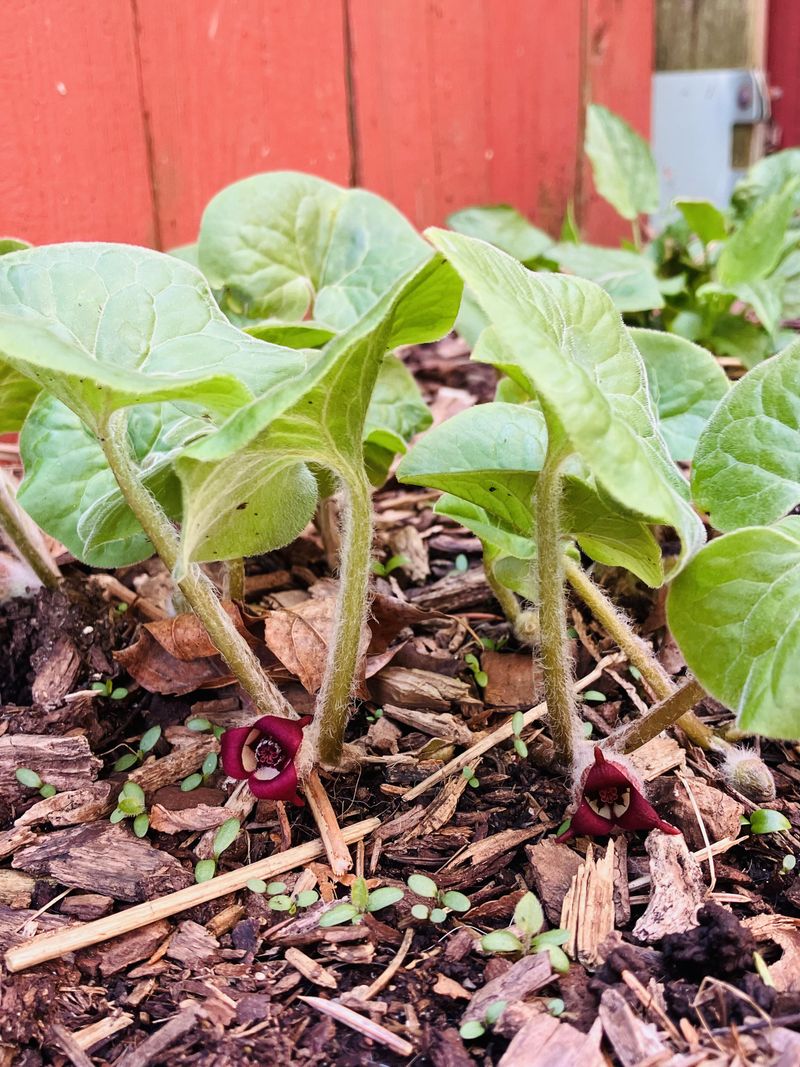
Bare soil is an open invitation for weed seedlings. Any exposed patch of ground in a garden bed can quickly become a sprouting site for whatever seeds blow in or drop from nearby plants.
An established groundcover patch reduces the amount of exposed soil, which can make it harder for some new weed seedlings to find the light and space they need.
That is not the same as weed-proof coverage. Persistent perennial weeds that are already rooted in the bed will not disappear once the groundcover fills in.
Managing existing problem weeds before planting gives the groundcover a much better start. Trying to establish any new plant in a bed full of competing weeds is a losing proposition.
Gardeners working in Ohio sometimes find that shaded foundation beds accumulate opportunistic seedlings from nearby trees or shrubs.
A dense planting of native groundcover can make establishment harder for some of those seedlings over time, though it is not a guarantee.
Gaps in young plantings still allow weeds to take hold.
Fresh mulch suppresses many weed seedlings effectively right after application. Young wild ginger plants cannot match that immediate effect.
Light mulch between new plants during establishment is a reasonable practice. Just avoid piling material over the crowns or emerging shoots.
The groundcover and the mulch can work together during that early phase before the foliage fills in.
6. That Spicy Scent Explains The Ginger Name
Pick up a piece of the root or disturb the rhizomes during transplanting, and you will notice a spicy, ginger-like scent rising from the plant material. That aroma is the source of the common name.
The characteristic smell is associated primarily with the roots and rhizomes, not the leaves above ground. Walking past the bed will not fill the air with fragrance.
The name can mislead people into thinking this plant is related to the ginger sold in grocery stores. It is not.
Culinary ginger is Zingiber officinale, a tropical plant from a completely different family. Canadian wild ginger belongs to the family Aristolochiaceae and shares only a sensory similarity with its culinary namesake, not a botanical one.
Some historical accounts mention that Indigenous peoples and early settlers used parts of this plant. That history does not establish current safety.
Modern guidance does not support using Asarum canadense as a food or beverage ingredient. Some Asarum species contain compounds that raise health concerns, and current safety guidance takes priority over older culinary traditions.
The plant belongs in the garden bed, not in the kitchen.
The aromatic rhizomes are a genuinely interesting feature of this native plant. Appreciating the scent during planting or division is perfectly reasonable.
Digging into the plant specifically to release the fragrance is unnecessary and can stress an establishing colony.
7. Moist Soil Helps The Groundcover Settle In
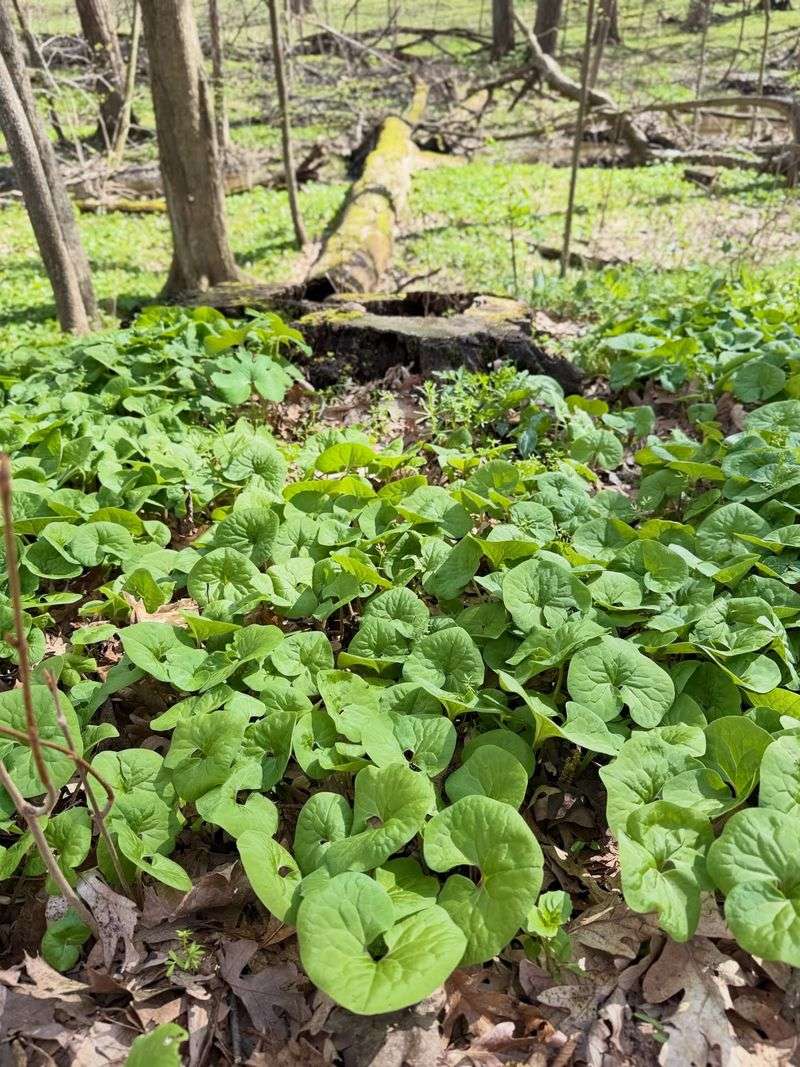
Checking actual soil moisture before planting tells you more than any general rule can. Canadian wild ginger performs best in moist, well-drained soil that resembles the woodland floor conditions it naturally occupies.
It is not a wetland plant, and it does not want waterlogged roots. Evenly moist soil through the growing season gives it the best foundation for establishment.
New transplants need closer attention than established plants. Roots are not yet deep enough to pull moisture from lower soil layers.
Checking the soil regularly and watering when the top inch or two becomes dry is a practical approach. No single watering schedule fits every yard, since sun exposure, soil type, and seasonal rainfall all vary.
Some sources note that established plants can tolerate drier periods better than young ones. That tolerance has limits, though, and the plant is not suited to consistently dry sites.
Gardeners in Ohio who deal with clay-heavy soil should know that clay texture and drainage are separate issues. Clay soil can hold moisture well, which may actually suit this plant, as long as it drains after rain and does not stay soggy.
Amending compacted or very sandy soil before planting can improve moisture retention. Add organic matter to the bed before planting to create a better start for the colony.
This can reduce early stress during the first growing season.
8. Mulch Still Wins Where The Site Is Too Hot And Dry
Not every bed beside a house suits this plant. Canadian wild ginger will struggle in harsh sites.
Avoid south-facing walls with intense afternoon sun, dry beds under wide overhangs, and compacted soil along hot driveway edges. Putting a woodland plant in those conditions sets it up for failure, not coverage.
Organic mulch remains a practical choice in those situations. It covers exposed soil immediately, requires no establishment period, and does not compete with nearby plants for water.
When plants are widely spaced or conditions do not support dense groundcover, mulch is the more reliable option. A living plant still requires suitable conditions to thrive.
The deciduous nature of this plant is another honest limitation. Its leaves drop in fall and do not return until spring.
During dormancy, the bed looks like bare mulched soil anyway. Mulch remains visible and functional through winter in a way that a deciduous groundcover simply cannot match.
Gardeners in Ohio who want year-round green coverage from a living plant will need a different species for most foundation beds.
The right question is whether the bed actually fits the plant’s woodland preferences. Moist soil, limited direct sun, and enough room to spread are the real requirements.
Where those conditions exist, this native groundcover can reduce the need for repeated mulch applications over time. Where they do not, mulch remains the more sensible tool.
9. Choosing The Right Bed Makes All The Difference

Late summer is a reasonable time to evaluate a foundation bed before making planting decisions. The angle of sunlight is changing, and you can observe which areas have stayed moist through the season and which have baked dry.
Those observations tell you more about suitability than any general plant description can.
A cool bed with filtered light from nearby trees and consistent summer moisture is a strong candidate for this native groundcover.
A bed that has cracked, dried, or gone weeks without natural rainfall reaching it is a better candidate for continued mulching or a different plant altogether.
Matching the plant to the actual site conditions is the central lesson here. Canadian wild ginger can reduce the need for repeated bare-soil mulching in the right shaded bed.
It cannot replace mulch in every situation, and it was never meant to. The two approaches serve overlapping but distinct purposes depending on what the site actually offers.
Starting with a small planting in the most suitable corner of the bed lets you observe how the plant responds before committing to a larger area. Light mulch between young plants during establishment keeps exposed soil covered while the colony expands.
Over several seasons, a well-sited patch can fill in and reduce bare ground. It can also add a quiet, textured presence to a corner that once required constant refreshing.