The Most Underrated Ohio Vegetable That Produces In July When Everything Else Slows Down
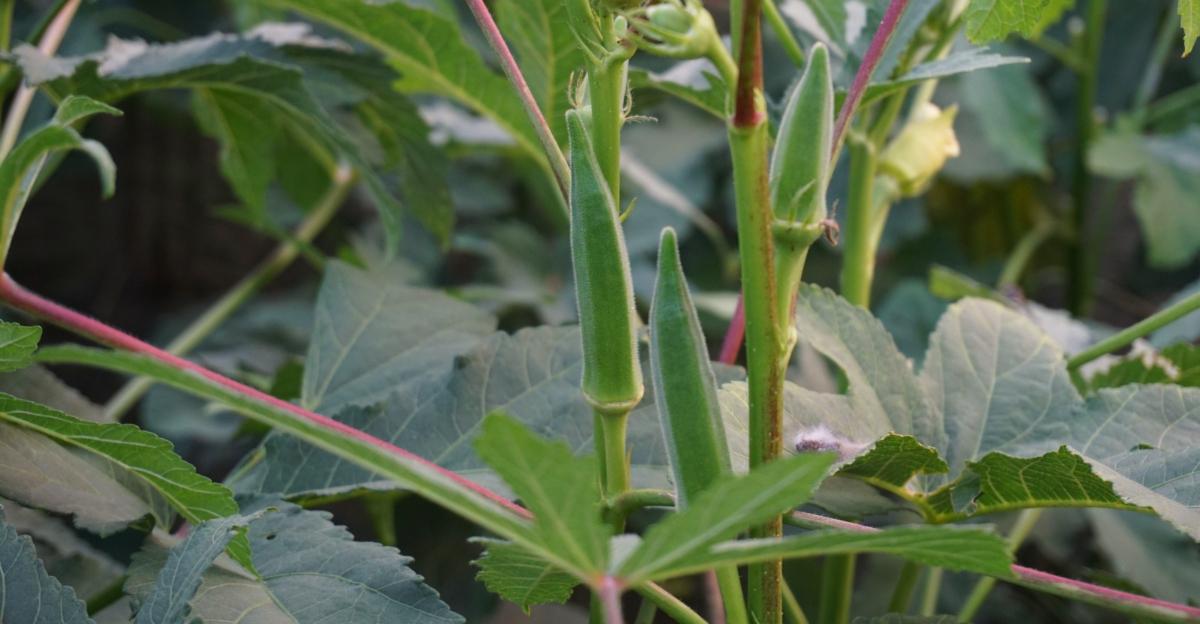
July in an Ohio vegetable garden can feel a little dramatic. Some crops that looked incredible in June start slowing down, the heat gets serious, and the soil dries out faster than anyone wants to deal with.
It is the month that separates the garden optimists from the garden realists, honestly. But here’s the thing: July is also when okra quietly becomes the most impressive plant in the yard.
While other vegetables are taking a breather, okra is out there absolutely thriving in the heat, producing tender pods at a pace that rewards anyone who keeps up with regular picking.
A lot of Ohio gardeners overlook okra entirely, which is a shame because it is one of the most reliable warm-season performers out there.
Consider this a formal introduction. You two are going to get along great.
1. Okra Handles Summer Heat Well
Hot July afternoons in Ohio can wear down even the most enthusiastic vegetable beds. Soil temperatures climb, rainfall becomes less reliable, and some crops start showing signs of stress.
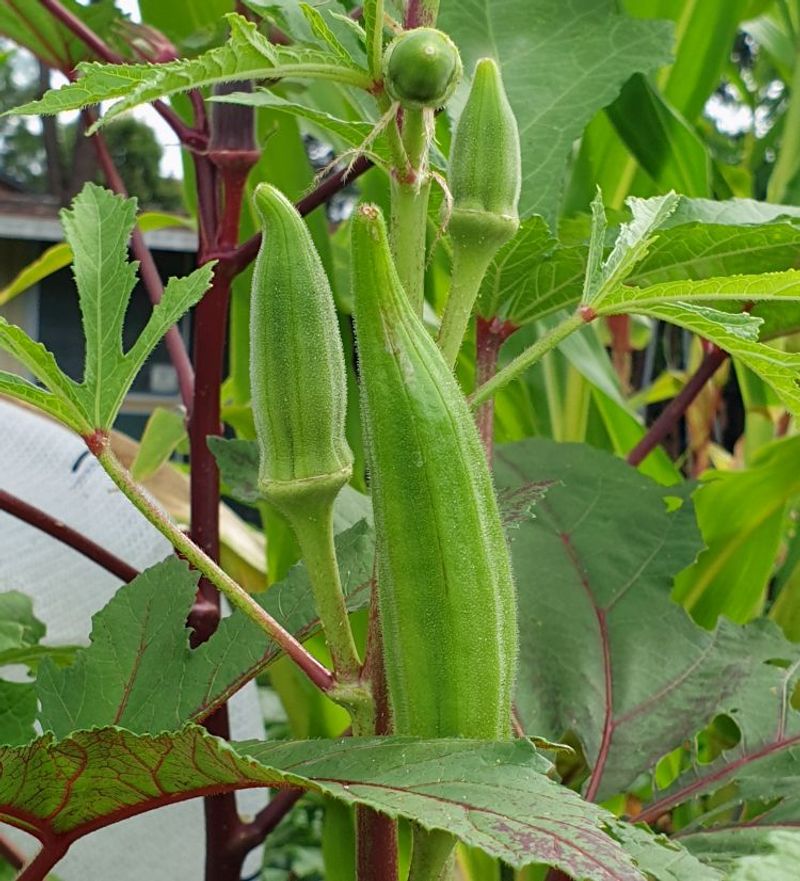
Okra, however, tends to settle in and grow more comfortably as summer temperatures rise.
Okra is a warm-season crop with roots in tropical growing regions, which means it is built for heat. When soil temperatures are consistently warm, okra plants establish well and begin pushing out flowers and pods with steady regularity.
Cooler-season crops like lettuce or spinach fade quickly in July heat, but okra finds its stride.
For Ohio gardeners who have watched their spring garden slow down by midsummer, okra offers a useful change. It does not need coddling during a hot stretch the way some other vegetables might.
The key is making sure plants have enough moisture during dry spells, since prolonged dry conditions can slow pod development.
Consistent watering at the base of the plant, combined with warm sunny conditions, gives okra a solid foundation to keep producing through the heart of Ohio’s summer season without asking for much in return.
2. July Planting Can Still Work In Ohio
Many Ohio gardeners assume that by July the planting window has closed, but that is not quite right for warm-season crops like okra.
With enough warm days remaining before fall temperatures arrive, a July planting can still deliver a meaningful harvest in many parts of Ohio.
Okra grows quickly once soil is warm and seeds germinate. In Ohio, soil temperatures in July are typically well above the threshold okra needs to sprout and establish.
Gardeners who missed the late May or early June planting window can still put seeds in the ground in early July and reasonably expect pods to form before the season winds down.
The key is choosing a shorter-season okra variety if planting on the later side. Some varieties mature faster than others, which gives late planters a better chance at a productive harvest window.
Raised beds tend to warm up faster than in-ground rows, making them a smart choice for July planting in Ohio.
Your Ohio Garden Changes Every Week. Your Plan Should Too.
Gardening in Ohio changes quickly throughout the season. Every Friday you’ll receive a simple weekly plan showing exactly what to plant, prune, fertilize, harvest, and protect so you never miss the right timing.
Soaking seeds overnight before planting can also speed up germination, giving the young plants a head start in warm, sunny Ohio garden beds that still have weeks of productive growing weather ahead.
3. Warm Soil Helps Okra Grow Strongly
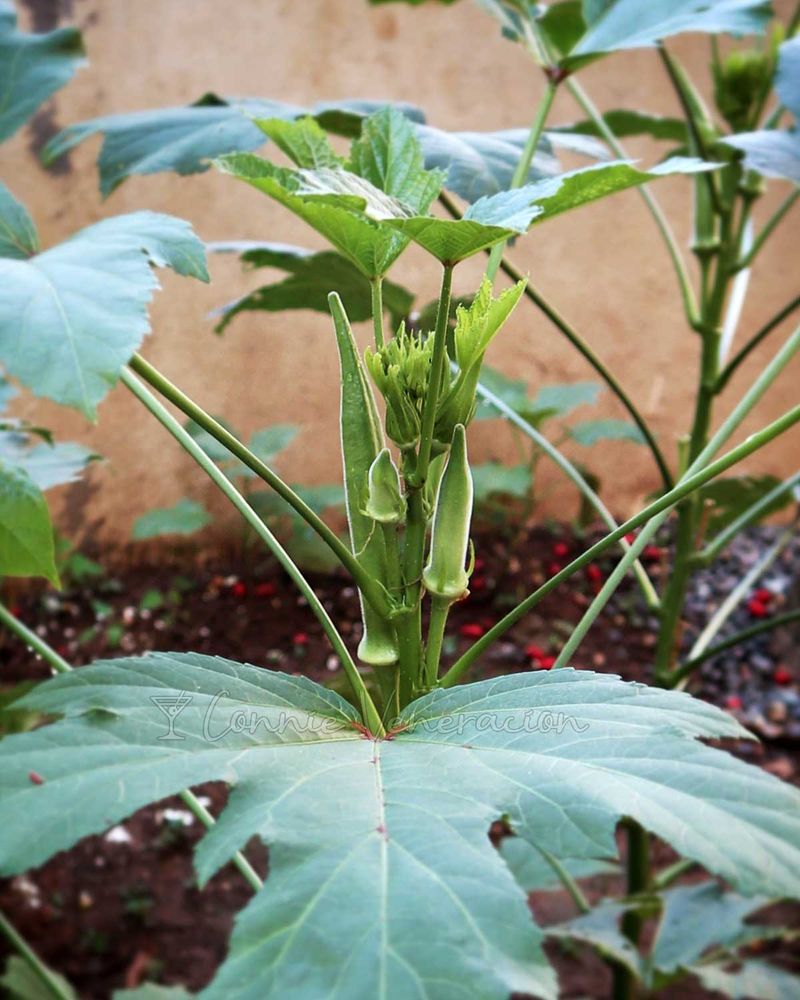
Soil temperature plays a bigger role in vegetable gardening than many homeowners realize. For okra, warm soil is not just helpful, it is genuinely necessary for strong germination and early plant development.
Cold or cool soil slows seeds down and can lead to uneven sprouting.
In Ohio, July soil temperatures in a sunny garden bed are usually well suited for okra. The surface layer heats up quickly during warm stretches, and raised beds or south-facing rows can hold warmth even more effectively.
Gardeners who have struggled with okra germinating slowly in spring often find that a later planting in warmer soil actually produces more consistent results.
Beyond germination, warm soil supports ongoing root development and nutrient uptake throughout the growing season. Okra roots spread outward and downward as the plant matures, and warm, loose soil makes that process easier.
Compacted or poorly structured soil can limit how well roots establish, so loosening the bed before planting and mixing in some compost helps create conditions where okra can grow with confidence.
Ohio gardeners who take a few minutes to prep their soil before planting are more likely to see steady, productive growth from their okra plants as summer moves along.
4. Full Sun Supports Better Pod Production
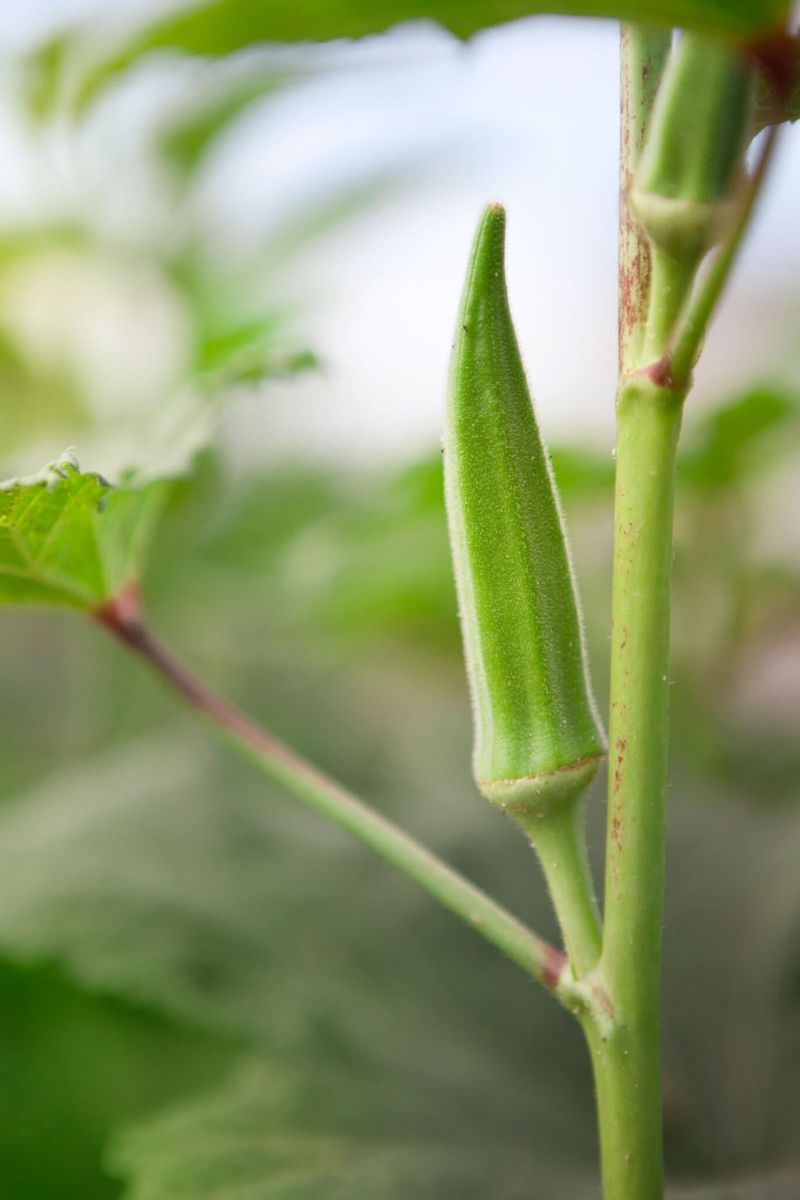
Okra is not a vegetable that tolerates shade well. Gardeners who have tried growing it in a partly shaded spot often notice that plants stay smaller, flower less frequently, and produce fewer pods than expected.
Full sun exposure makes a real difference in how well okra performs.
A spot that receives at least six to eight hours of direct sunlight each day gives okra the energy it needs to grow tall, flower consistently, and push out pods throughout the summer.
In Ohio, July days are long and sun angles are high, which means a well-placed garden bed can capture plenty of light during the peak of the season.
Before planting, it helps to observe how sunlight moves across your yard at different times of day. Tall fences, mature trees, or nearby structures can cast more shade than expected, especially in the afternoon hours when sun intensity is highest.
South-facing beds or open backyard rows away from shade sources tend to work best for okra in Ohio residential gardens.
Even a few extra hours of direct light each day can translate into noticeably more flowers and pods, making sun placement one of the simplest ways to improve an okra harvest without spending extra money or effort.
5. Regular Picking Keeps Pods Tender
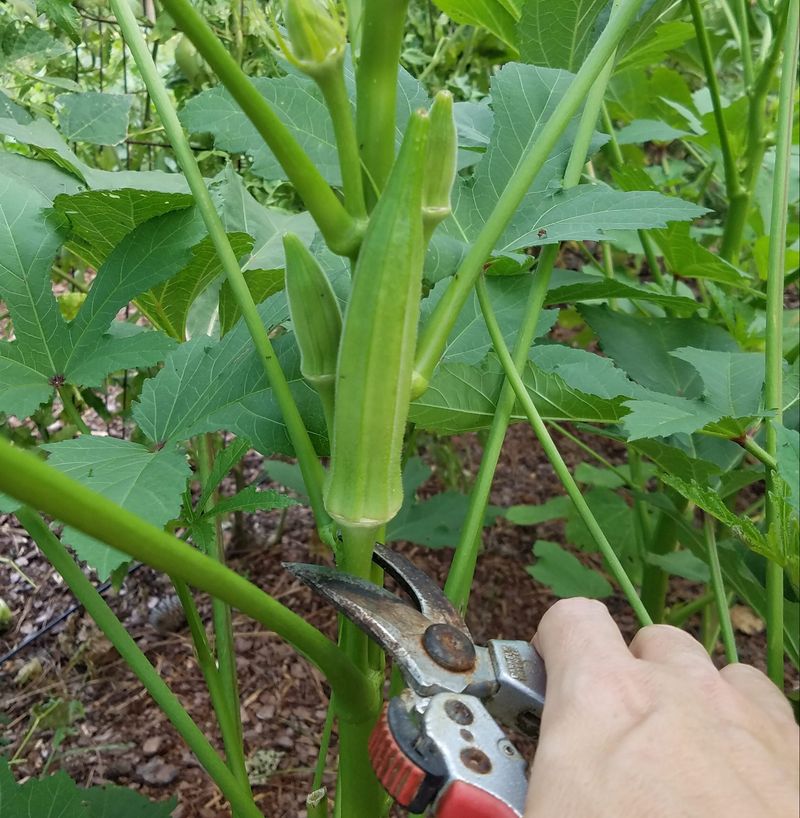
One of the most practical things an Ohio gardener can do for their okra plants is visit the bed every day or two during harvest season.
Okra pods grow quickly in warm weather, and a pod that looks small and tender one morning can become large and fibrous within just a couple of days.
When pods are left on the plant too long, they become tough and woody, which makes them unpleasant to eat. More importantly, leaving mature pods on the plant signals to the okra that it has done its job and can slow down production.
Regular harvesting keeps the plant focused on producing new flowers and pods rather than putting energy into seeds inside the older ones.
Most gardeners find that pods harvested at around two to four inches long are at their best for texture and flavor. Using a small pair of garden scissors or pruning snips makes clean cuts without damaging the stem.
Wearing gloves and a long-sleeved shirt during harvest is a smart habit since okra leaves and stems can cause mild skin irritation for some people.
Consistent picking is one of the most effective tools for keeping an Ohio okra plant productive well into late summer.
6. Young Pods Taste Better Than Large Ones
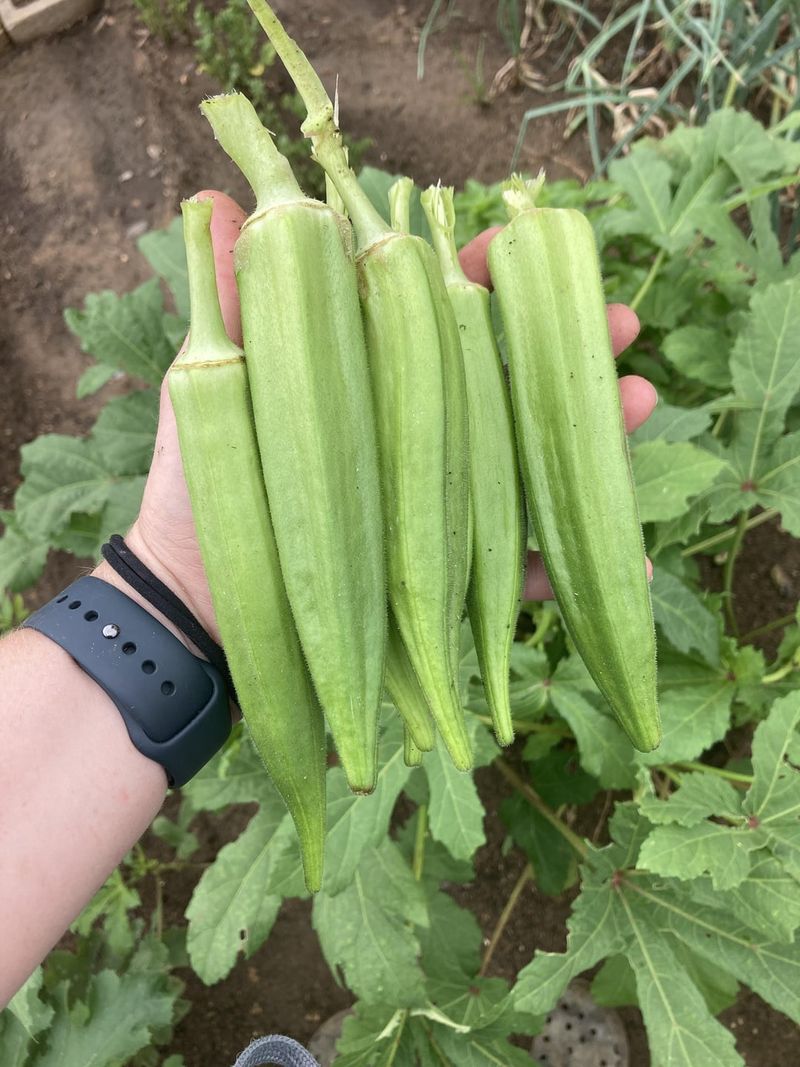
There is a noticeable difference between an okra pod picked at the right stage and one that has grown too large. Young pods have a pleasant, slightly firm texture and a mild flavor that works well in soups, stews, stir-fries, and roasted vegetable dishes.
Large pods often develop a tough outer layer and fibrous interior that most people find less enjoyable.
The shift from tender to tough can happen surprisingly fast during warm Ohio summer weather. A pod that seems perfect on Monday morning may already be past its best eating stage by Wednesday afternoon.
This is one reason why frequent garden visits during okra season matter more than they might with slower-maturing vegetables.
For gardeners who are new to okra, a simple squeeze test can help. A young pod should feel slightly firm but give a little under gentle pressure.
If a pod feels very hard or the tip snaps off with a loud crack rather than a clean bend, it has likely grown beyond the ideal harvest window.
Cooking okra at the right stage also reduces the concern some people have about its natural thickening quality, since younger pods tend to be less pronounced in that characteristic.
Picking young is simply the most reliable way to enjoy okra from an Ohio summer garden.
7. Okra Fits Sunny Backyard Beds
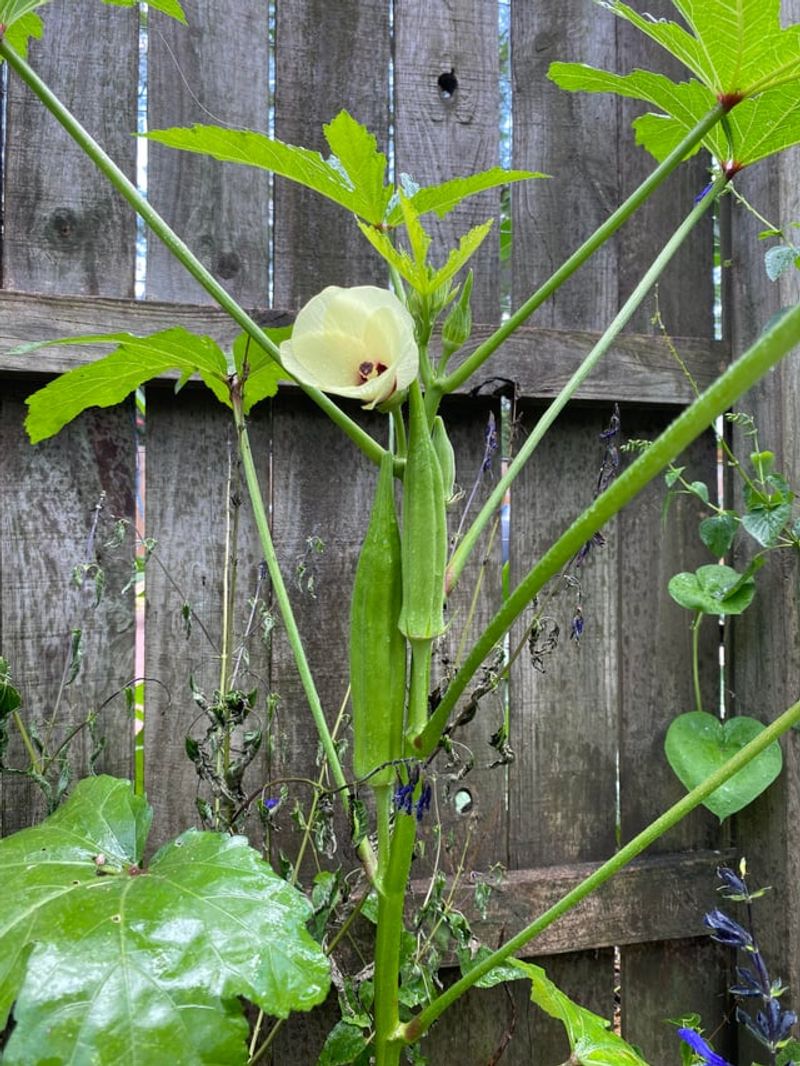
Backyard vegetable gardens in Ohio come in all shapes and sizes, from small raised beds near a back porch to longer in-ground rows along a fence line.
Okra fits into many of these setups reasonably well, as long as the location receives full sun and the soil drains without pooling water after rain.
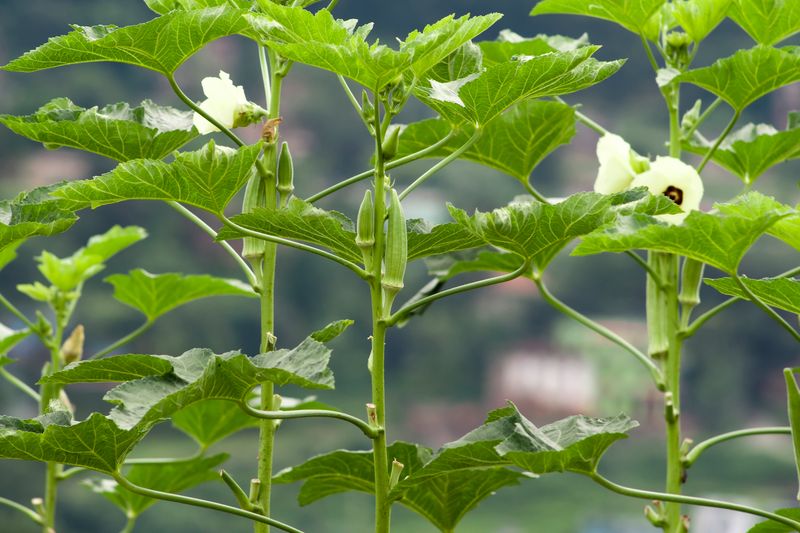
One thing to keep in mind is that okra plants can grow quite tall, sometimes reaching five feet or more depending on the variety. Planting okra along the north end of a bed or garden row helps prevent it from casting shade over shorter neighboring crops.
Dwarf or compact varieties are also available for gardeners working with smaller spaces or lower raised bed walls.
Edible borders and mixed vegetable beds can incorporate okra as a vertical accent plant that also happens to produce food.
The large yellow flowers with red centers are genuinely attractive, which makes okra a more visually interesting addition to a backyard garden than many people expect.
Ohio homeowners who grow vegetables in sunny side yards, community garden plots, or dedicated kitchen garden beds often find that okra slots in without requiring major changes to their existing setup.
A little planning around sun exposure and plant height goes a long way toward a productive summer harvest.
8. Good Drainage Helps Plants Perform
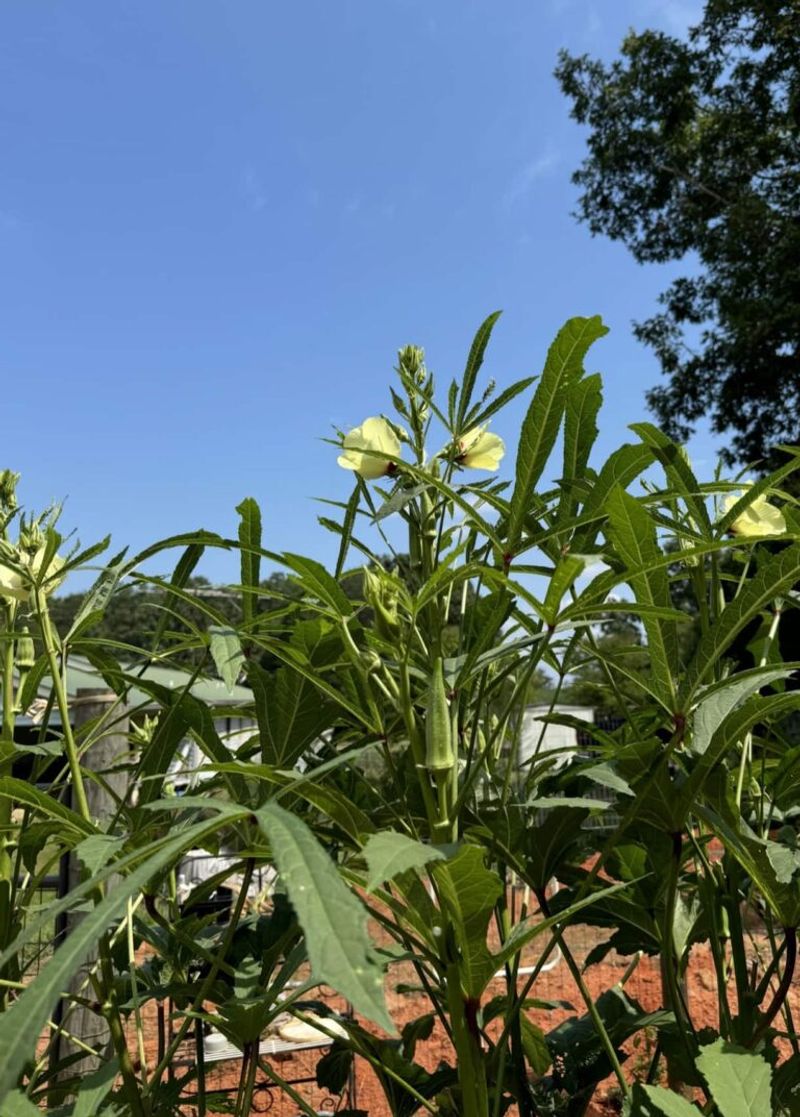
Standing water around okra roots is one of the more common reasons plants struggle in Ohio home gardens. Okra does need regular moisture, especially during dry stretches in July and August, but it does not tolerate waterlogged soil for extended periods.
Roots sitting in poorly drained ground can develop problems that limit plant health and pod production.
Ohio soils vary widely across the state. Some areas have heavier clay soils that hold moisture longer, while others have sandier or loamier ground that drains more freely.
Gardeners working with clay-heavy soil can improve drainage by raising the bed height, mixing in compost or aged organic matter, and avoiding overwatering during wet stretches of summer weather.
Raised beds are a practical solution for Ohio gardeners who have struggled with drainage issues in the past.
Filling a raised bed with a well-balanced mix of topsoil, compost, and coarse material creates conditions where okra roots can access moisture without sitting in standing water.
Checking how quickly water moves through a bed after a heavy rain gives a useful sense of whether drainage adjustments are needed before planting.
A bed that drains well but holds some moisture is close to the ideal growing environment for a productive Ohio okra planting.
9. It Offers A Longer Summer Harvest Window
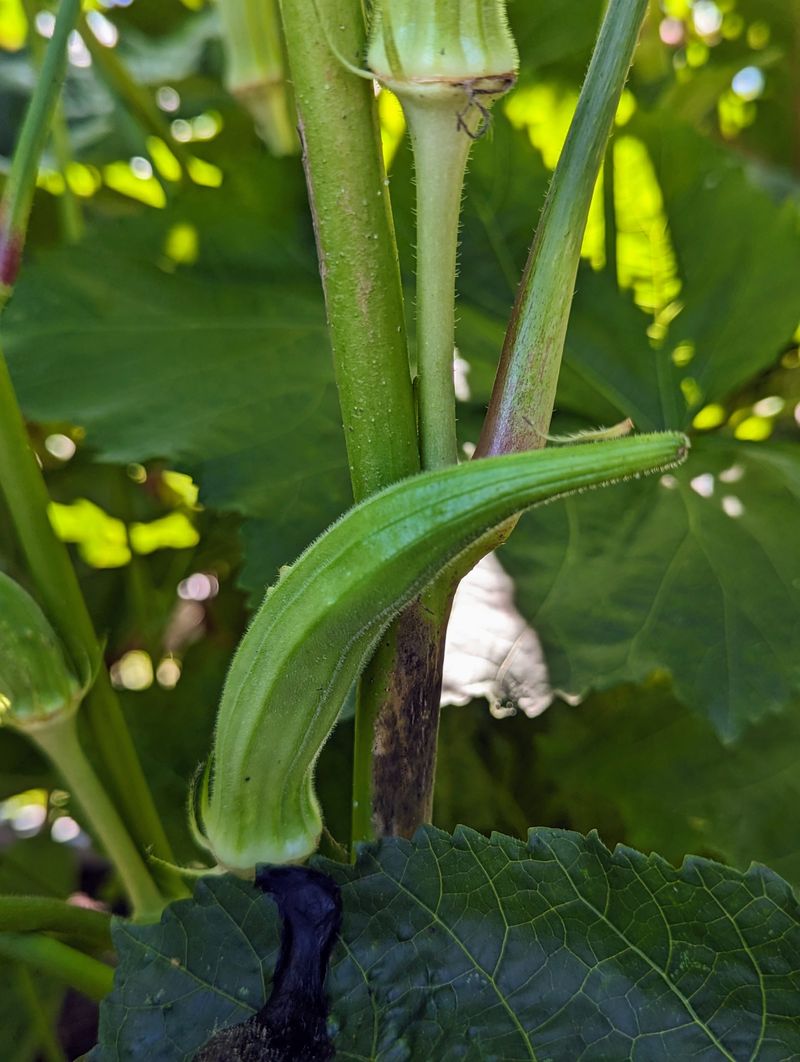
Some vegetables in an Ohio garden have a fairly narrow harvest window. Lettuce bolts, peas finish up, and early bush beans may only produce for a few weeks before the planting is spent.
Okra behaves differently, offering a harvest window that can stretch across much of the summer when plants are well maintained.
Once an okra plant begins producing pods, it can continue doing so for several weeks as long as conditions stay warm, watering remains consistent, and pods are picked regularly.
For Ohio gardeners who want to keep harvesting from the same bed without replanting, this extended productivity is genuinely useful.
It reduces the pressure to time successive plantings as carefully as some other crops require.
Tomatoes, peppers, and cucumbers can also provide long harvest windows with good care, so okra is not unique in this way. What makes okra stand out is that it handles the hottest part of Ohio’s summer without as much coaxing.
When other beds start looking tired from heat stress or irregular moisture, a well-established okra row often keeps moving forward.
For home gardeners who want something reliable producing in their sunny Ohio beds from July onward, okra is a straightforward, low-fuss option worth including in the summer garden plan.