Michigan Yard Habits That Keep Beneficial Insects Coming Back
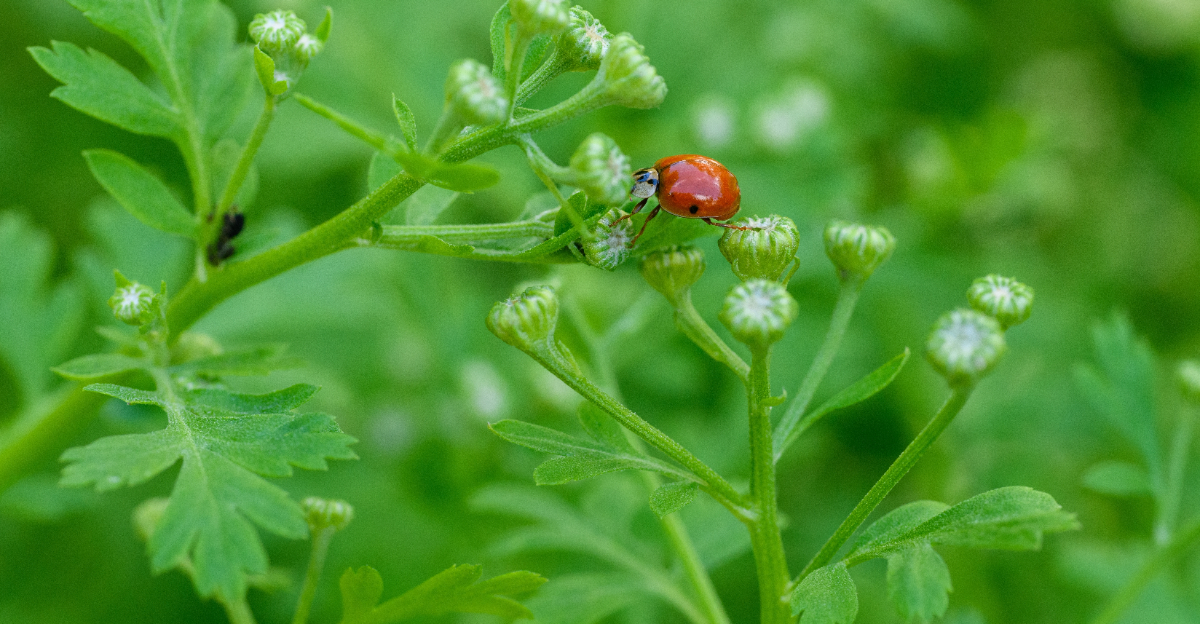
Beneficial insects quietly do a lot of work in a Michigan yard, yet most homeowners have no idea what actually keeps them coming back season after season.
Some yards seem to attract these helpful visitors effortlessly, while others rarely see much activity at all despite similar plantings.
The difference usually comes down to a handful of small habits that most people never realize matter this much.
Understanding what draws these insects in, and what quietly drives them away, could completely change how your yard functions without adding much extra work.
Many homeowners are surprised to learn how much influence these small choices actually have. Once you start paying attention to these patterns, the difference becomes noticeable fairly quickly.
This knowledge could turn your yard into the kind of place beneficial insects actually want to stick around in.
1. Plant More Native Flowers
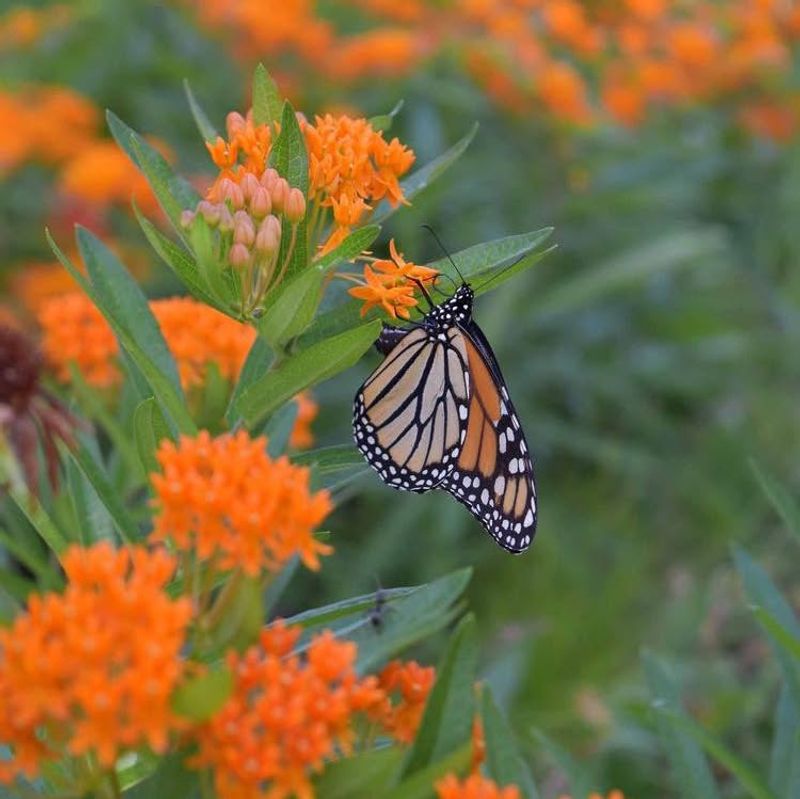
Michigan native flowers are like a favorite restaurant that bugs never get tired of visiting. Plants such as purple coneflower, bee balm, and black-eyed Susan have grown here for thousands of years, so local insects already know and trust them.
These flowers give out nectar, pollen, and seeds at just the right times of year. Early bloomers wake up hungry bees in spring, summer flowers feed busy pollinators during the warm months, and fall plants offer one last big meal before the cold arrives.
When you plant a mix of natives, you spread out the food supply across the whole growing season. That means beneficial insects always have something to eat, so they stick around instead of flying off to find better spots.
Native plants also match Michigan’s soil and weather, which makes your job much easier. They handle dry summers and cold winters without a lot of extra care, so you water less and worry less.
Try grouping the same flowers together in clumps rather than spreading single plants around. Bugs find big patches faster, and they spend less energy hopping from bloom to bloom.
Here is a fun fact: a single stand of goldenrod can feed dozens of different insect species at once during fall. That kind of buffet keeps helpers coming back season after season.
Start with three or four native types you like, then add more each year. Before long your yard becomes a well-known feeding stop that beneficial insects visit again and again.
2. Leave Some Leaves Behind
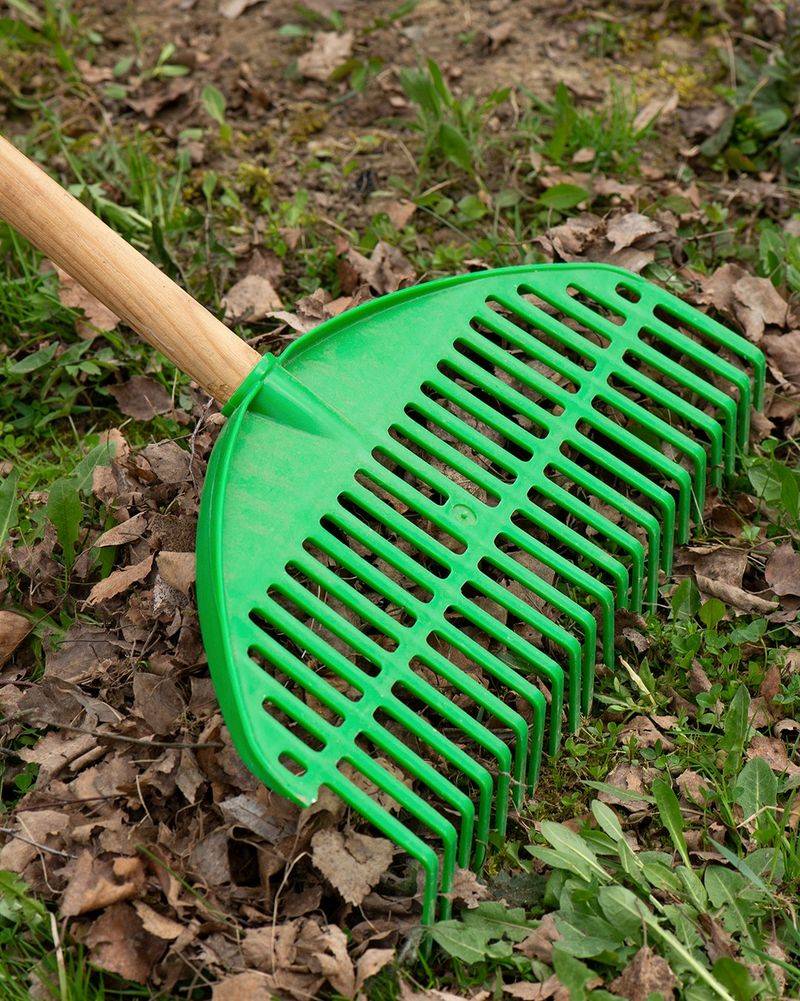
Every fall, people rush to rake up every single leaf, but those leaves are actually free bug shelters. A soft layer of leaf litter turns your garden into a warm hideout where helpful insects can rest through the cold months.
Many beneficial bugs, like certain butterflies, moths, and beetles, spend winter tucked under leaves or inside them. Some hide as tiny eggs, some curl up as caterpillars, and others wait out the cold as fully grown adults.
When you clear away all the leaves, you accidentally toss out these sleeping helpers. Leaving a light blanket of leaves in your flower beds gives them a safe place to wait until spring warms things up.
Your Michigan Garden Changes Every Week. Your Plan Should Too.
Gardening in Michigan changes quickly throughout the season. Every Friday you’ll receive a simple weekly plan showing exactly what to plant, prune, fertilize, harvest, and protect so you never miss the right timing.
Leaf litter does more than shelter bugs. As it breaks down, it feeds the soil with rich nutrients, holds in moisture, and keeps weeds from popping up.
Your plants get healthier while you do less work. You do not have to leave leaves everywhere. Keep pathways and the lawn tidy, then let leaves pile up gently around shrubs, trees, and garden corners where they will not bother anyone.
If big leaves clump together too much, chop them lightly with a mower or gather them into loose piles. Broken pieces settle nicely and still give bugs plenty of cover.
Come spring, those sheltered insects wake up ready to pollinate flowers and munch on garden pests. By skipping a bit of raking, you build a cozy home that keeps beneficial insects coming back year after year.
3. Skip Broad Pesticide Sprays
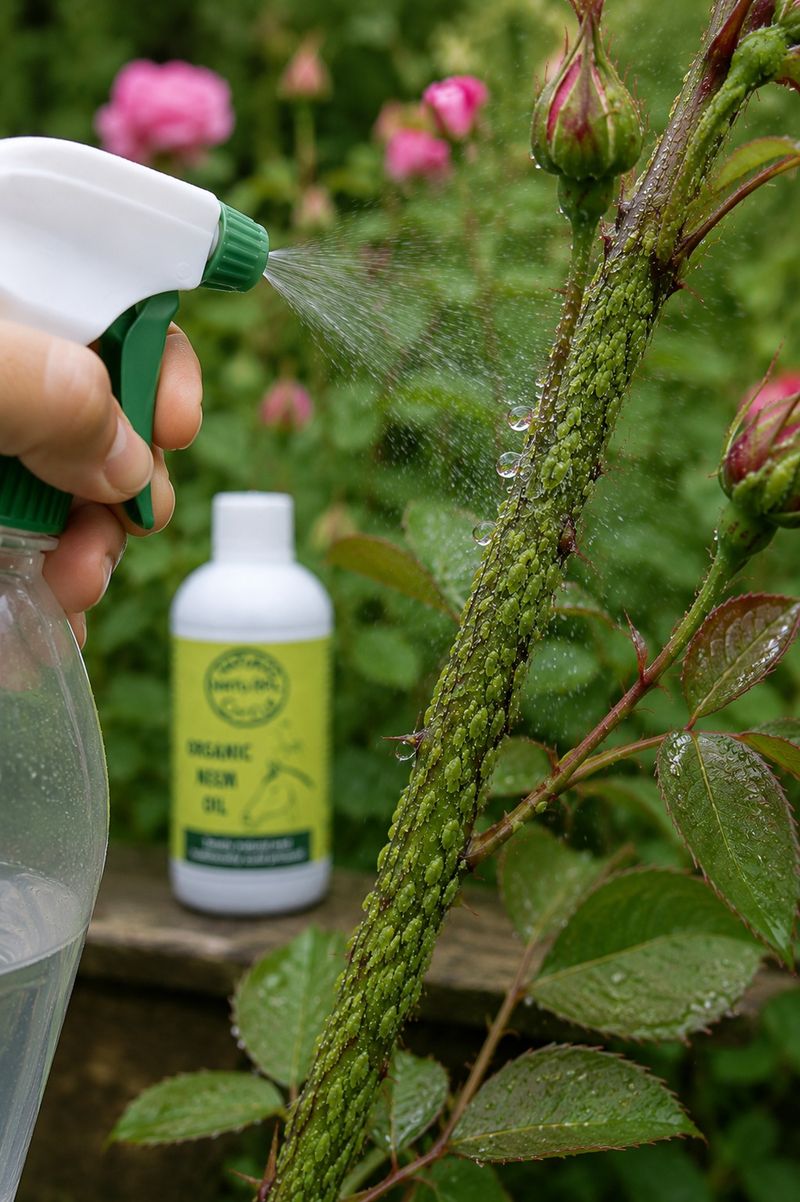
Reaching for a spray bottle at the first sign of a bug can backfire in a big way. Broad pesticides do not know the difference between troublemakers and heroes, so they wipe out helpful insects along with the pests.
Lady beetles, green lacewings, and native bees are some of your yard’s hardest workers. Lady beetles gobble up aphids by the hundreds, lacewing young hunt tiny pests, and bees carry pollen that helps your garden produce fruit and seeds.
When you spray everything, you lose these free helpers and often make pest problems worse. Without their natural enemies around, harmful bugs bounce back fast and take over.
Try to spot-treat only the exact plant that has trouble, and always identify the bug first. Many crawling things in your garden are actually on your side, so a quick check saves a lot of helpers.
Simple tricks work great without chemicals. A strong blast of water knocks aphids off leaves, and picking pests by hand handles small problems in minutes.
You can also let nature balance itself. If you wait a few days, lady beetles and other predators usually show up to handle an aphid crowd on their own.
Here is something worth remembering: even sprays labeled as natural can harm bees if used on open flowers. Spray in the evening when bees are resting, and never on blooms.
By going easy on chemicals, you protect the tiny army that keeps your garden thriving and welcomes even more beneficial insects each season.
4. Grow Different Flower Shapes
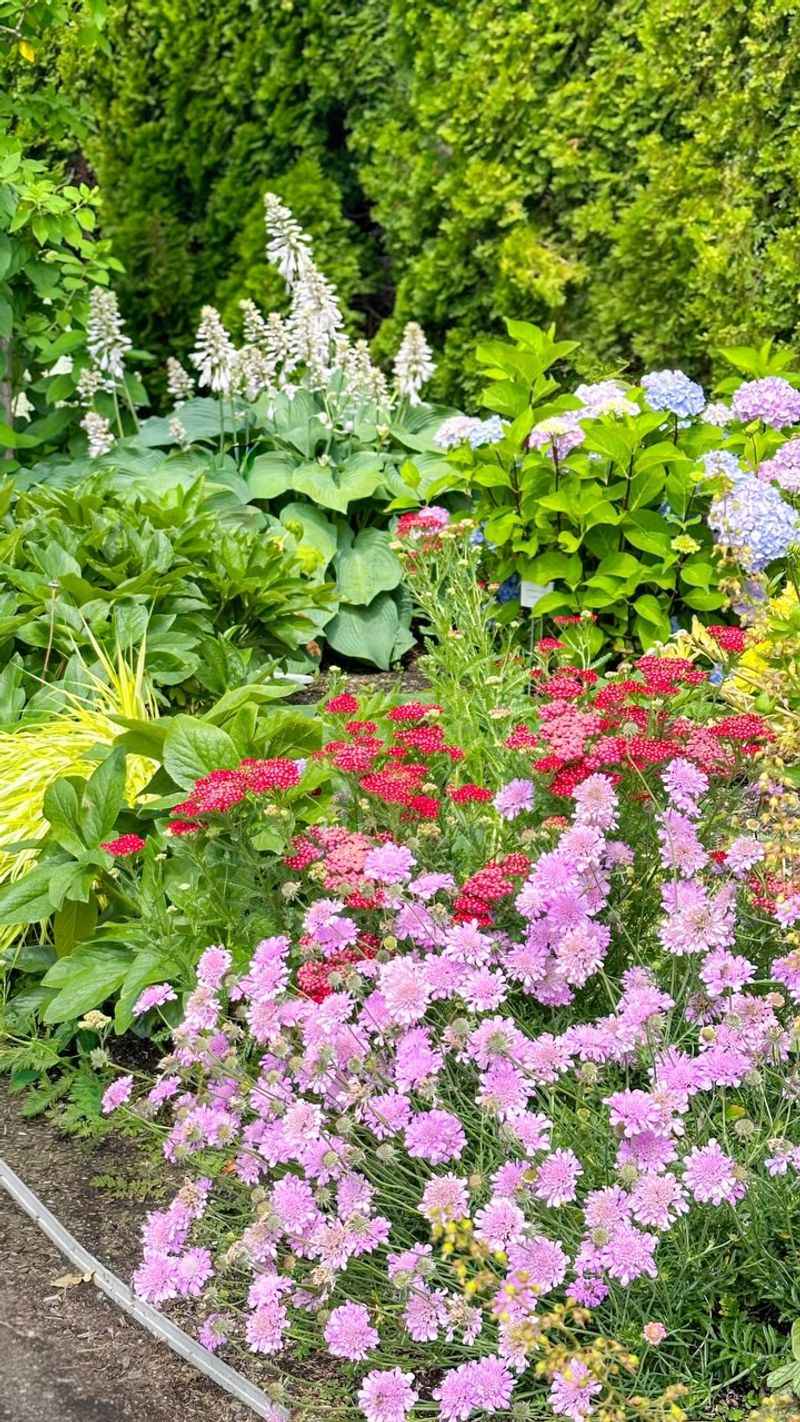
Imagine going to a party where every snack is the exact same size and shape. Some guests would leave hungry.
Bugs feel the same way about flowers, since different insects need different bloom shapes to reach their food.
Flat, open flowers like daisies and yarrow act like landing pads for small helpers such as hoverflies and tiny wasps. These bugs have short mouthparts, so they need easy-to-reach nectar sitting out in the open.
Tube-shaped flowers like bee balm and honeysuckle work best for insects with long tongues, such as bumblebees and butterflies. They dip deep inside to sip the sweet nectar hidden at the bottom.
Clustered blooms, where many tiny flowers grow together, give bugs a whole meal in one spot. Plants like goldenrod and Queen Anne’s lace let insects feed without flying far.
By mixing all these shapes in your yard, you invite a huge variety of helpers instead of just one or two kinds. More types of beneficial insects means better pollination and stronger pest control.
Try planting flowers of different heights too, from ground covers to tall stalks. This creates layers that suit bugs who feed low and those who prefer to work up high.
Bloom color adds another layer of appeal. Bees love blue, purple, and yellow, while butterflies often head straight for red and orange.
When you offer a buffet of shapes, sizes, and colors, your garden becomes a welcoming spot for every kind of helper. That variety keeps beneficial insects returning all season long.
5. Add Water Sources
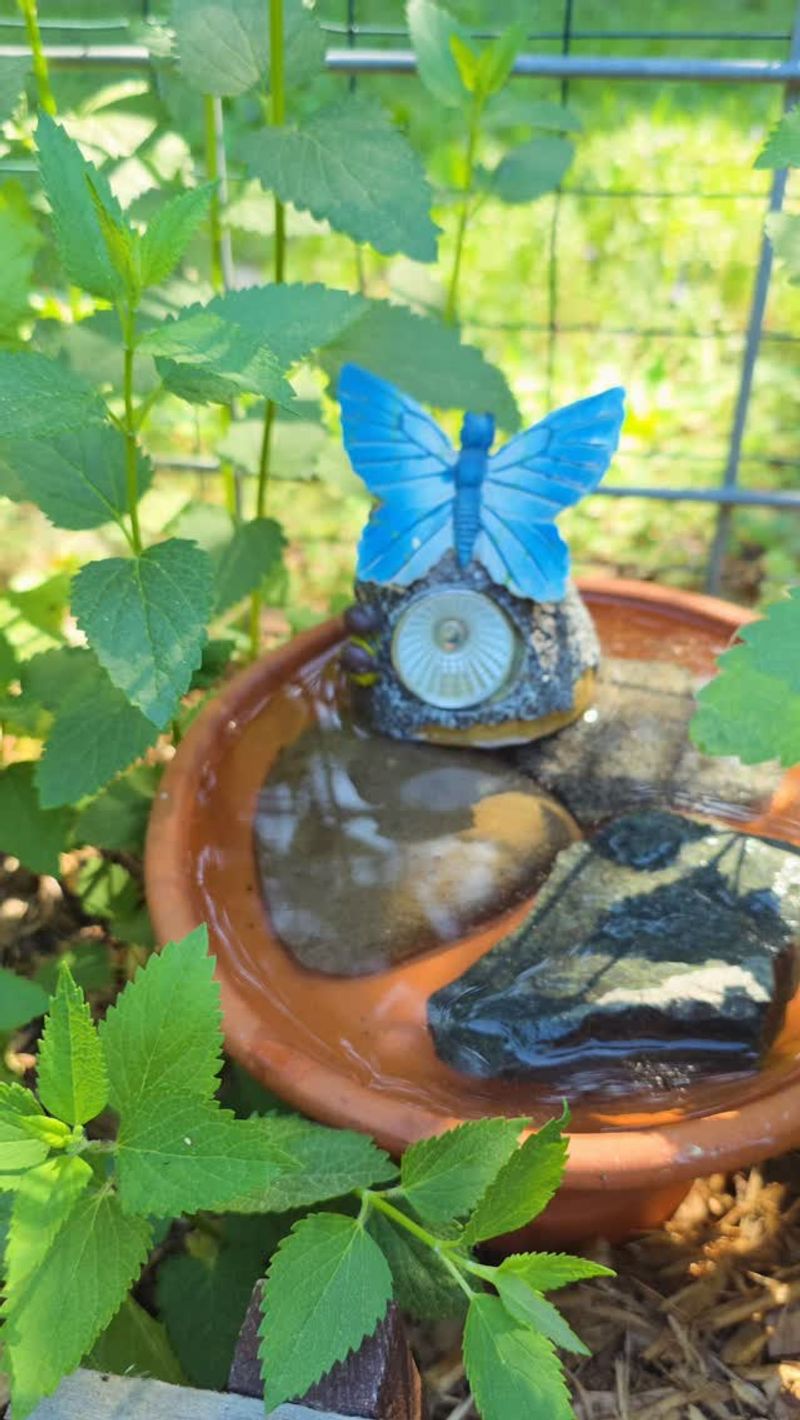
Bugs get thirsty just like we do, especially on hot Michigan summer days. A little water in your yard can make a huge difference in how many helpers decide to stay.
Beneficial insects cannot drink from deep birdbaths or ponds without trouble. They need shallow, safe spots where they can sip without slipping in and getting stuck.
A simple fix is a shallow dish filled with pebbles and a bit of water. The stones stick out above the surface, giving bees and butterflies a dry place to stand while they drink.
Damp patches of soil help too. Butterflies love to gather on wet ground in a habit called puddling, where they soak up water and important minerals at the same time.
You can create a damp spot by letting a hose drip slowly onto a shady bit of dirt. Add a few flat rocks nearby so bugs can rest and warm up in the sun.
Change the water every few days to keep it fresh and to stop mosquitoes from moving in. Clean water keeps your helpers healthy and happy.
Place your water source close to flowers so insects do not have to travel far between drinking and eating. A short trip means they save energy and stick around longer.
Even a small saucer near your garden can become a popular watering hole. Once bugs learn where to find a reliable drink, they will keep coming back to your yard again and again.
6. Let Some Plants Go To Seed
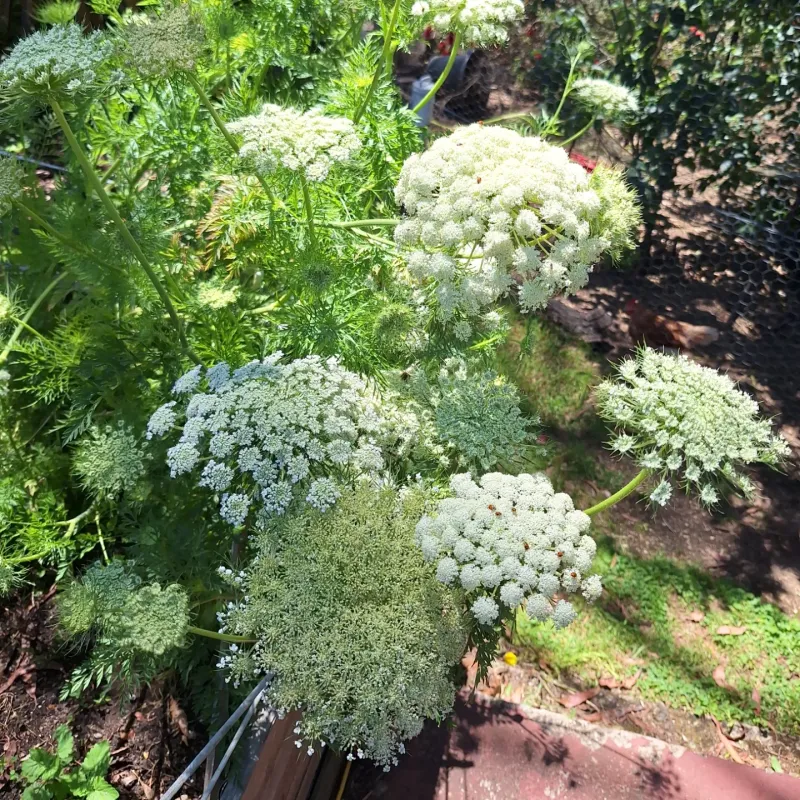
It feels natural to snip off flowers once they fade, but those spent blooms have a second job to do. When you let plants go to seed, you turn them into a food source and shelter all rolled into one.
Seed heads from plants like coneflower, black-eyed Susan, and native grasses hold tasty snacks that bugs and birds enjoy. Many insects lay eggs inside or hide among the dried stems for protection.
Leaving seed heads standing through fall and winter gives helpers a safe place to wait out the cold. Hollow stems become tiny bedrooms for native bees and other useful bugs.
There is a bonus for you as the gardener. Frost-covered seed heads look beautiful in a winter yard, adding shape and texture when most plants have gone quiet.
Birds get in on the action too. Goldfinches and chickadees flock to coneflower and sunflower heads, filling your yard with movement and song during the chilly months.
You do not need to leave every plant standing. Pick a few sturdy types in your beds and let them stay tall while you tidy up the rest.
Wait until spring to cut old stems back, and even then, leave a few inches so nesting bugs can finish their cycle. This small pause makes a big difference for insect families.
By letting nature take its course, you feed wildlife, add winter beauty, and give beneficial insects a reason to return once warm weather comes back around.
7. Keep A Wild Corner
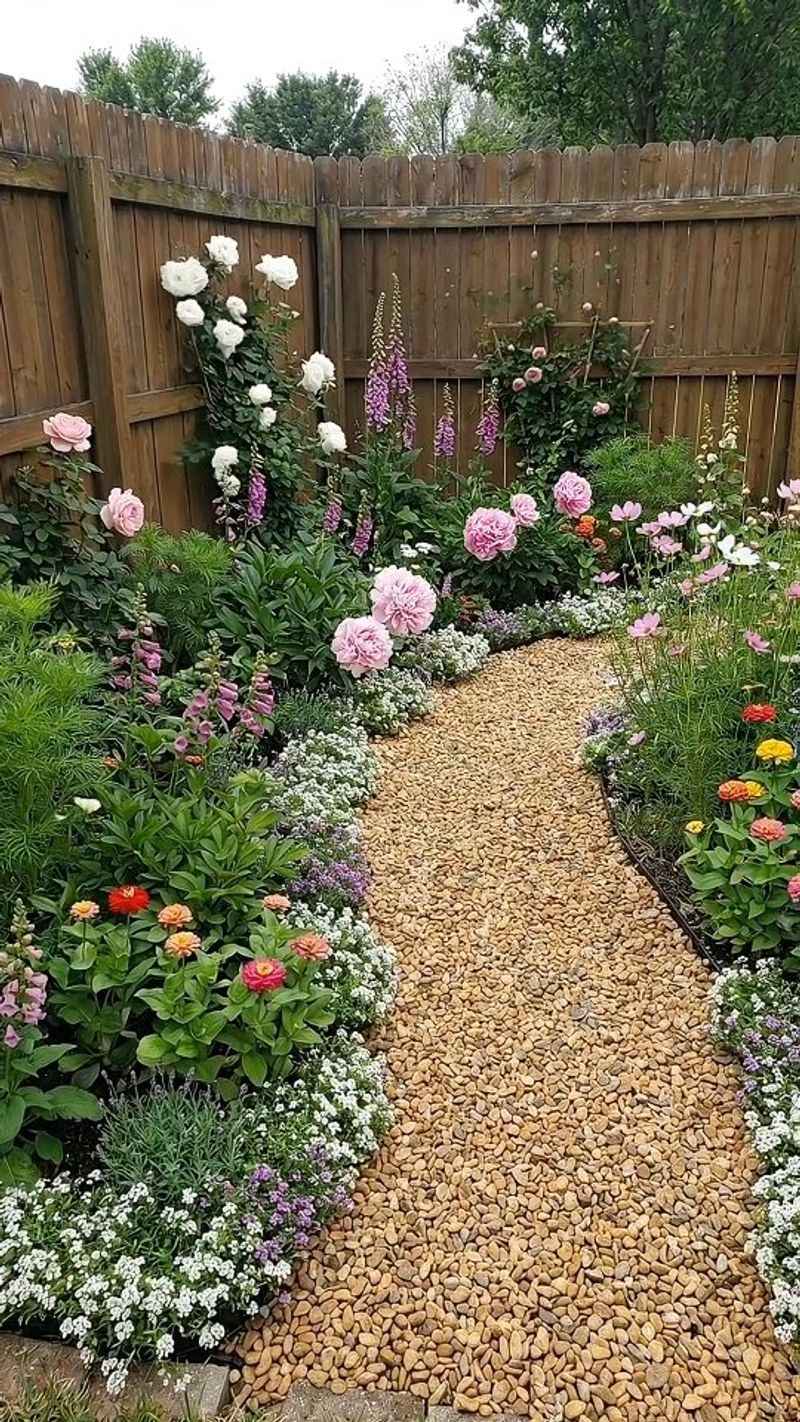
Not every part of your yard needs to look neat and trimmed. Setting aside one small wild corner can become the most exciting spot for beneficial insects in your whole garden.
A less-managed area lets nature do its own thing. Native plants, standing stems, and a soft layer of leaves come together to build a rich home for all sorts of helpers.
Bugs love this kind of relaxed space because it offers everything they need in one place. They find food, shelter, and safe spots to raise their young without any disturbance.
Hollow and pithy stems make cozy nests for solitary bees, who make up most of Michigan’s bee species. These gentle bees rarely sting and are amazing pollinators.
Leaf litter and low plants give ground beetles and spiders a place to hunt garden pests. That means your wild corner quietly works as free pest control for the rest of the yard.
You can keep this area simple. Just pick a back corner, plant a few natives, and then step back and let it grow a little rougher than the rest.
To keep it from looking messy, add a small border of stones or a neat edge around it. That shows the wildness is on purpose, not neglect.
Over time, this little patch fills with buzzing, fluttering life. A single wild corner sends a clear welcome sign, keeping beneficial insects coming back to your yard season after season.
8. Grow Plants Without Perfect Cleanup
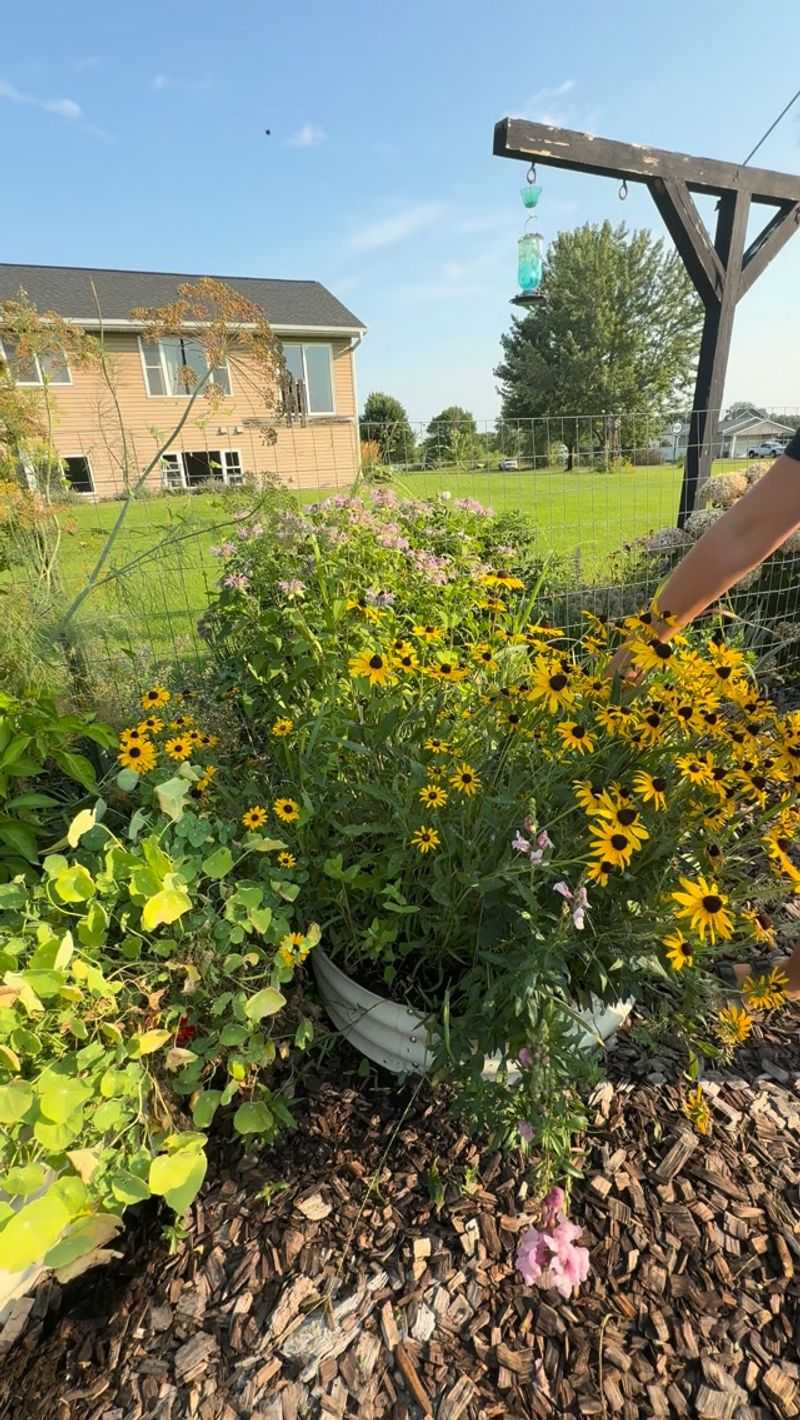
A picture-perfect, spotless yard might look great to us, but bugs often find it empty and unwelcoming. A little bit of mess is actually one of the best gifts you can give beneficial insects.
When a garden gets scrubbed clean of every twig, leaf, and old stem, helpers lose their hiding spots. All that natural material is where bugs shelter, nest, and find food.
Leaving some plant debris, mulch, and fallen stems creates a layered world full of nooks and crannies. Insects tuck into these spaces to stay safe from weather and hungry predators.
Bare, tidy soil dries out fast and offers nothing for ground-dwelling helpers. A natural cover keeps the ground moist and cool, which many bugs and worms need to thrive.
You do not have to give up a nice-looking yard to help wildlife. Keep the front tidy if you like, then allow the back beds to stay a bit more relaxed and natural.
Skip the urge to prune everything down in fall. Waiting until late spring gives overwintering insects time to finish their life cycle safely inside old stems.
Fallen logs and small brush piles add even more value. They slowly break down, feeding the soil while sheltering beetles, bees, and other useful creatures.
Think of a slightly messy garden as a living, working space rather than a showroom. That easygoing style supports way more helpers, and it keeps beneficial insects returning to your Michigan yard all year.