What To Plant This Weekend In Georgia For Fall Greens And Root Crops
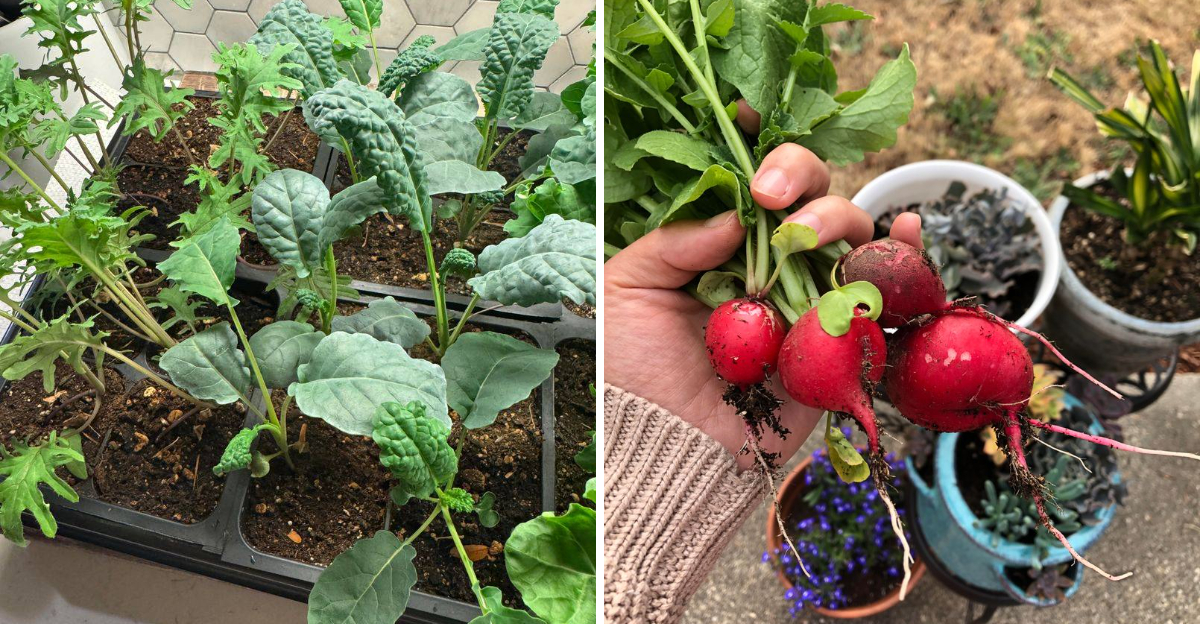
Georgia still feels like midsummer on an August weekend, but the vegetable garden already has one foot in fall.
Tomatoes may steam in the sun. Raised beds feel hot enough to cook on. Nothing about the afternoon suggests cool-season crops belong anywhere near that soil.
Yet the calendar says otherwise.
Beets, carrots, collards, kale, mustard, turnips, and radishes need time to sprout, root, and gain size before shorter days slow the garden. Wait until October feels comfortable and several windows may already be narrow or closed.
So what deserves space this weekend?
The answer changes from the mountains to the coast. Some seeds can go straight into prepared rows now. Transplants can give slower crops a useful head start. Shade and steady moisture can help new starts through late-summer heat.
The secret is simple: plant for the weather ahead, not the weather outside today.
A sweaty hour with a seed packet now can turn bare soil into crisp roots and leafy harvests after summer finally loosens its grip across Georgia.
1. Sow Beets Starting This Weekend
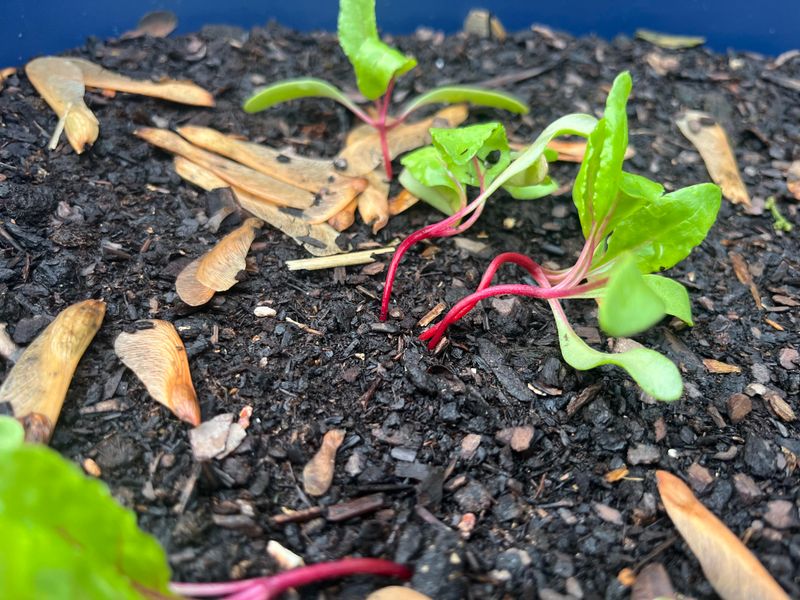
An empty strip of soil can start earning its keep before August ends.
Beets are firmly inside Georgia’s fall sowing window this weekend. UGA’s current fall vegetable guide lists August 15 through October 1 for seed, so there is no need to wait for cool mornings before getting a row started.
Direct sow into loose soil and give each seed cluster room to become a proper root. Once seedlings emerge, thin them to roughly three to four inches apart.
Beet “seeds” are actually clustered fruits that can produce more than one seedling, so an untouched row can become crowded fast.
Moisture matters most while the row germinates. Late-summer heat can dry the upper soil quickly, so keep that shallow zone consistently damp without turning it muddy. A light mulch beside the row can help slow evaporation after seedlings appear.
Do not overdo nitrogen either. Too much can produce impressive leaves while the roots lag behind.
The payoff comes in two stages. Young greens can be harvested before the roots finish, while mature beets generally need around 60 to 70 days under good conditions.
North Georgia gardeners benefit from an earlier start. Farther south, the calendar offers more breathing room.
One seed row now can put both salad greens and roasted roots on the fall menu.
That is efficient use of August dirt.
2. Get Carrots Into Prepared Rows
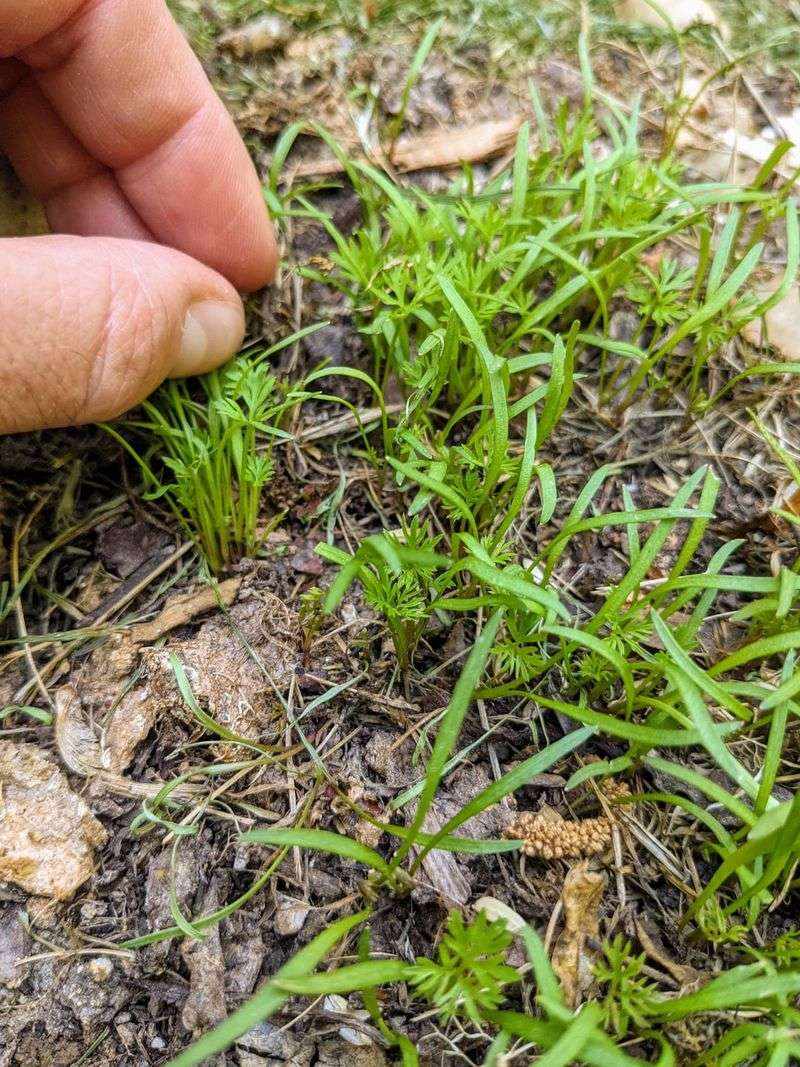
Carrot seeds are tiny enough to disappear into the soil, and August heat makes them even easier to lose.
This weekend falls right at the front of Georgia’s recommended fall carrot window. UGA lists August 15 through September 15, which makes late August especially useful for gardeners who want roots to size up before winter growth slows.
Prepare the row before opening the packet. Carrots need loose soil with as few stones and hard clods as possible. Heavy Georgia clay can still grow tasty roots, but compacted ground often produces short, forked shapes.
Sow shallowly, about a quarter inch deep, and press the soil gently for good seed contact.
Your Georgia Garden Changes Every Week. Your Plan Should Too.
Gardening in Georgia changes quickly throughout the season. Every Friday you’ll receive a simple weekly plan showing exactly what to plant, prune, fertilize, harvest, and protect so you never miss the right timing.
Then guard the moisture.
Carrot seed can take a while to emerge, and the surface must not repeatedly dry during that period. A light cover of burlap, shade cloth, or another breathable material can help keep the row cooler and more evenly moist. Remove it as soon as seedlings appear.
Thin young carrots to about two inches apart once they are large enough to handle. Crowding leaves no room for roots to expand.
Northern gardeners have less time to waste, while central and southern Georgia have a longer runway.
The hardest part is keeping an apparently empty row cared for.
Carrots reward that patience later, one orange surprise at a time.
3. Plant Collards For Fall Leaves
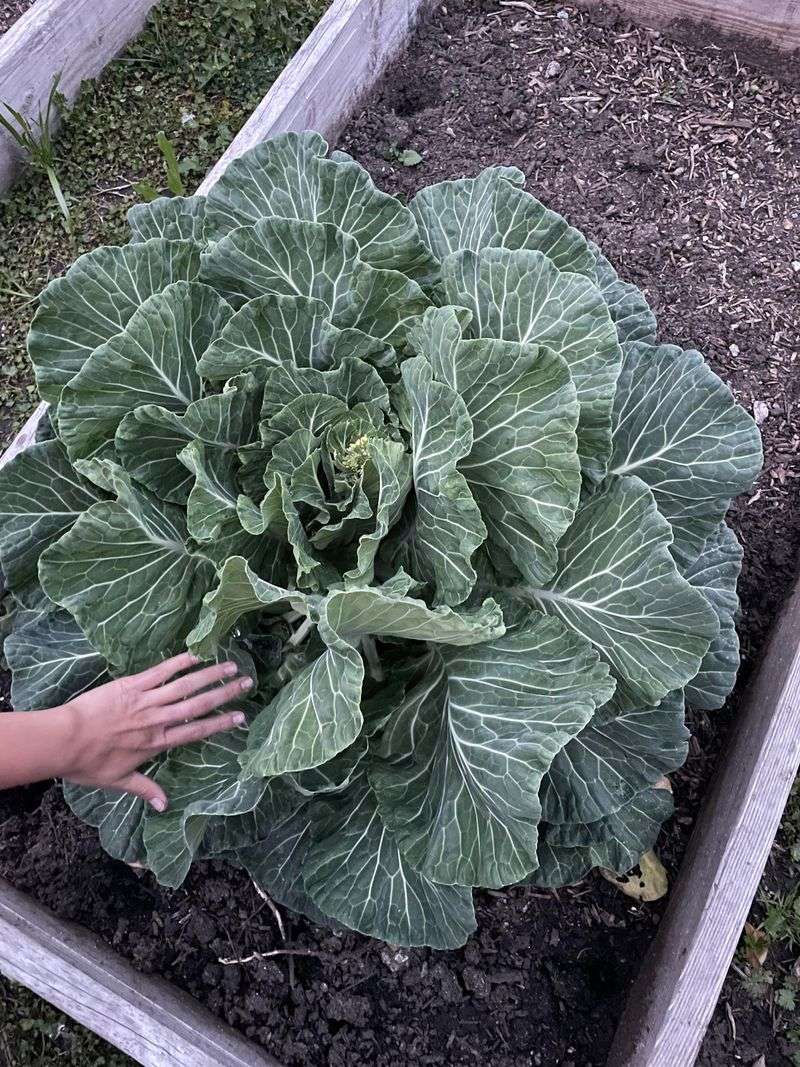
A tray of collard transplants can look almost absurd beside a heat-baked Georgia driveway.
Put them in the right bed, though, and August becomes the start of a long fall harvest.
UGA lists collards among crops that can go into Georgia gardens from August 15 through October 1, with seed or transplants both suitable.
Transplants are especially handy now because they skip several weeks of vulnerable seedling growth during the hottest part of the transition.
Give each plant real space. Around eighteen to twenty-four inches between plants allows leaves to expand and helps air move through the bed during humid weather.
Water deeply after transplanting and keep the root zone evenly moist while the plants settle. Mulch can reduce evaporation and keep soil temperature steadier, but leave a little breathing room around the stems.
Direct seed works too. Keep newly sown rows consistently moist until seedlings establish, then thin before plants begin crowding one another.
As temperatures ease, collards usually become much easier to manage. Light frost can improve flavor, which is one reason the crop feels so at home in a Southern fall garden.
North Georgia gardeners should prioritize establishment now. Central Georgia has more flexibility, and the southern part of the state can plant later.
August may still feel like sweet-tea weather.
The collards are already preparing for sweater season.
4. Start Kale Before September
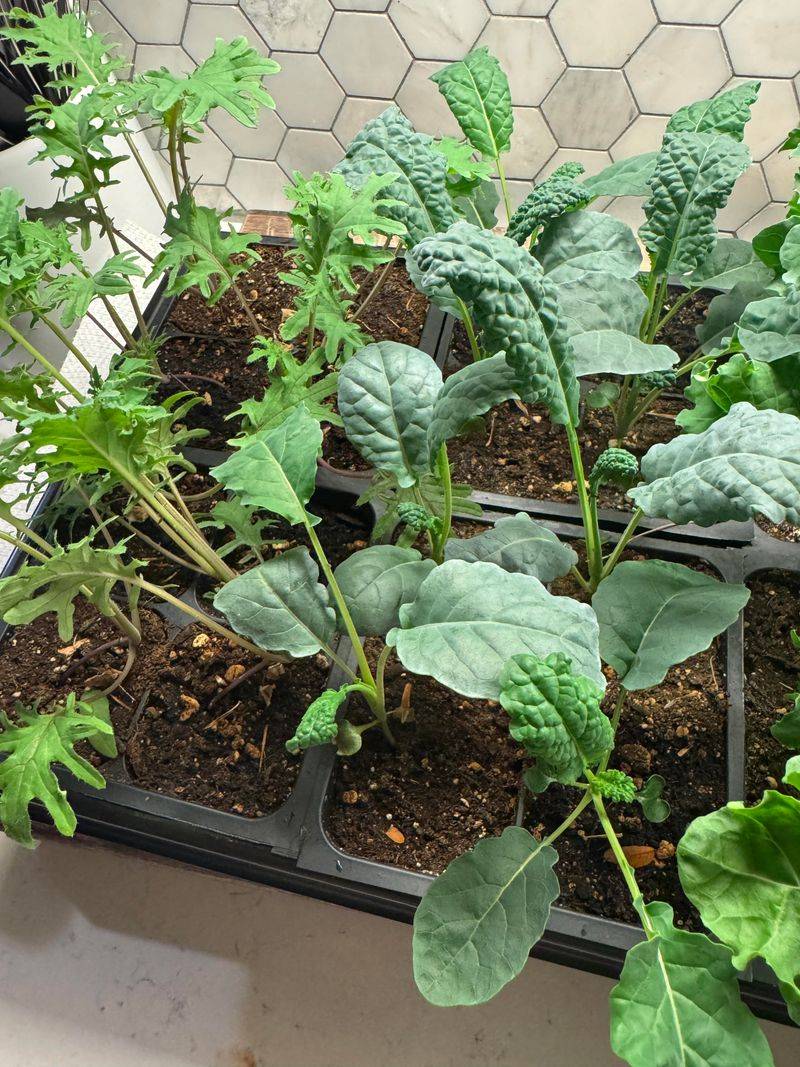
Kale does not need chilly air on planting day to become a cool-season success.
Late August gives young plants time to establish before autumn’s shorter days begin to slow growth. UGA’s current fall chart places kale from August 15 through September 30, with transplants offering a straightforward route into the fall garden.
Set transplants in prepared soil with enough room for mature foliage. Around eighteen inches between plants works well for many garden-sized varieties.
Starting seed now is another option when you use a protected seedbed or containers, then move those seedlings once conditions become friendlier.
UGA Extension also recommends partially shaded August seedbeds for crops such as kale when late-summer temperatures remain intense.
The biggest August challenge is heat around young roots.
A light organic mulch helps moderate soil temperature and reduces how quickly water disappears after irrigation. Morning watering gives plants a chance to hydrate before the hottest part of the day.
Avoid burying stems beneath a thick mulch collar.
North Georgia gardeners gain the most from an August start because colder weather arrives sooner. Middle and South Georgia have more room to maneuver.
Later, cooler nights can make the leaves taste sweeter.
For now, the job is simply to establish roots.
Kale may be famous for cold tolerance, but its fall season often begins with a gardener sweating over the hose.
5. Sow Mustard For Fast Greens
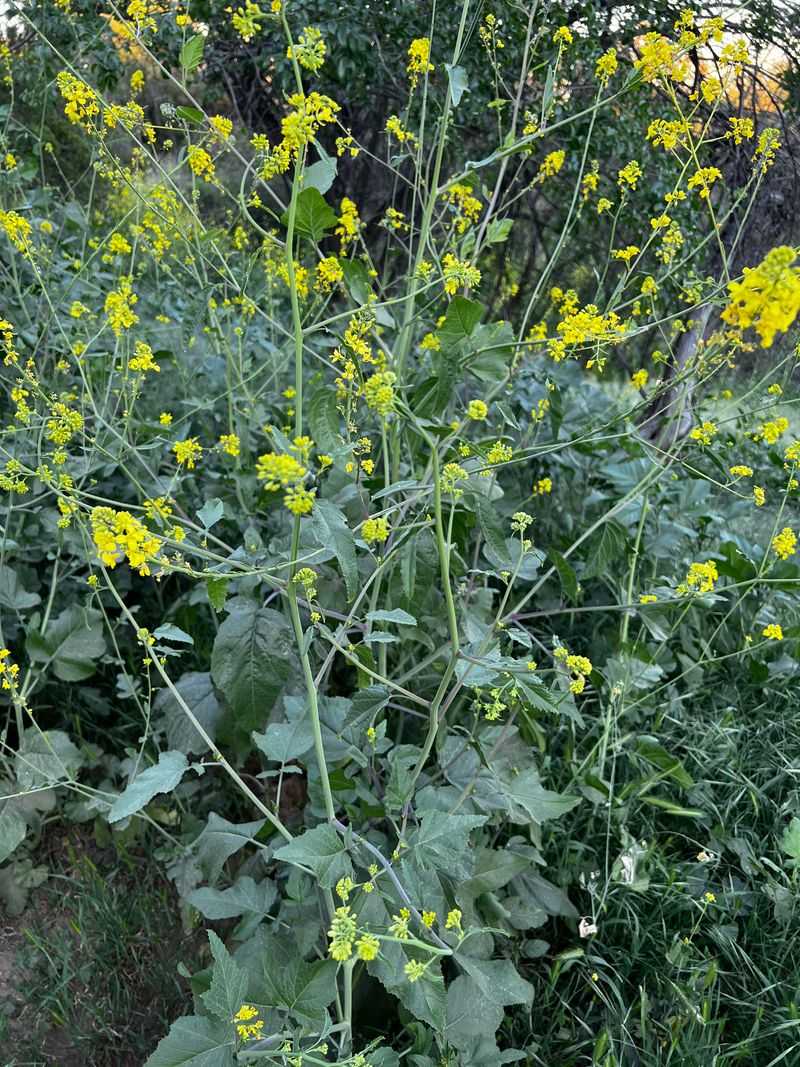
A fast crop earns extra points when the fall calendar still feels uncertain.
Mustard greens fit that role beautifully. UGA’s fall planting chart places mustard from August 15 through September 30, with direct seeding recommended and roughly 40 to 50 days to harvest.
Sow seed directly into a prepared row.
Keep it shallow, maintain steady moisture, and thin seedlings as they emerge. Plants grown mainly for baby leaves can stay closer together, while full-sized plants need more room to spread.
August warmth usually encourages quick germination, but the top layer of soil can dry just as quickly. Check the row daily until seedlings have established enough roots to handle longer gaps between irrigation.
Succession sowing makes mustard even more useful.
Plant one short row this weekend, then another after roughly two weeks. That spreads the harvest instead of producing a refrigerator full of mature greens all at once.
Northern Georgia gardeners should use the earlier part of the fall window. Central and southern growers can continue later as temperatures moderate.
Harvest outer leaves while they are tender and leave the center intact for more growth.
The flavor brings a peppery bite that fits cooler meals surprisingly well.
Mustard does not ask for months of suspense.
It shows up fast, fills the bowl, and makes an empty August row look very smart in hindsight.
6. Plant Turnips For Roots And Tops
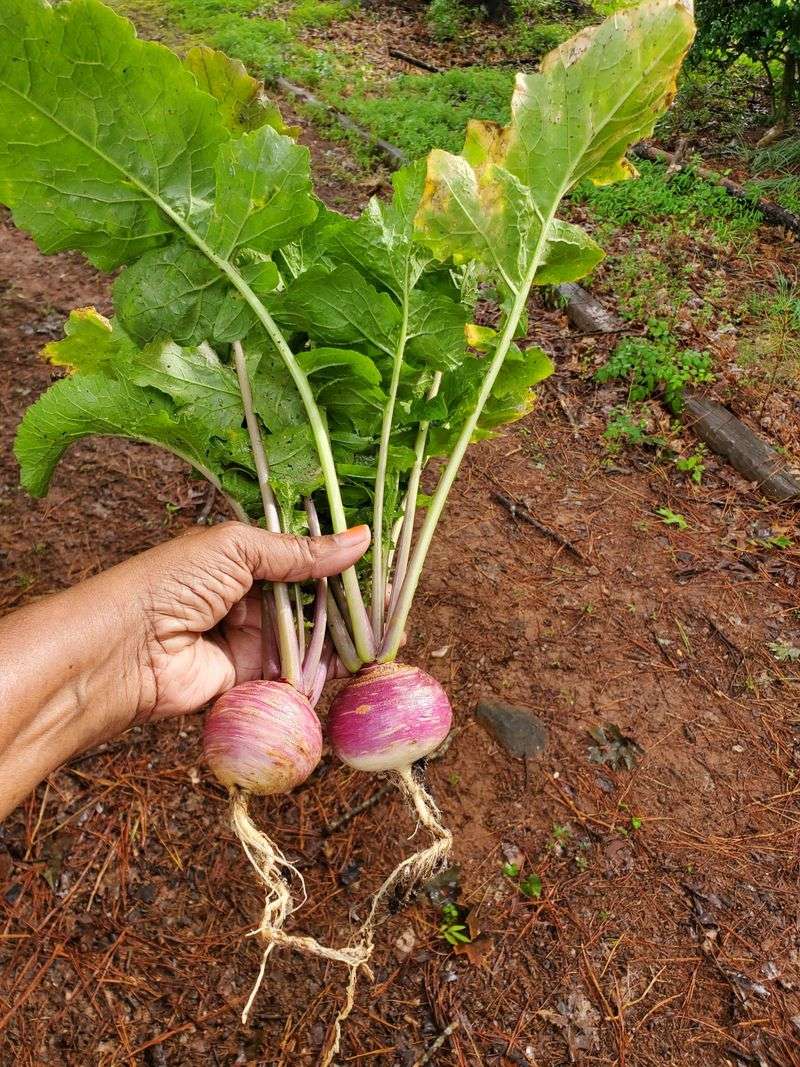
One packet of turnip seed can produce two separate reasons to plant this weekend.
The roots are the obvious prize, but the greens can reach the kitchen first.
UGA guidance includes turnips among Georgia’s direct-seeded fall crops, and its Middle Georgia planting chart places the fall window roughly from August 10 through September 15, with northern gardens generally moving earlier and southern gardens able to plant somewhat later.
Direct sow seed into loose soil and keep the row evenly moist.
After seedlings emerge, thin them according to your goal. Plants destined for full roots need several inches of space. A denser row can work when greens are the main harvest.
Eat the thinnings instead of tossing them.
That turns a necessary garden chore into the first small harvest from the bed.
Consistent moisture helps roots stay tender and reduces rough growth. Sudden swings between very dry and very wet soil can hurt quality, so regular checks matter during Georgia’s late-summer heat.
Avoid excessive nitrogen once plants establish. A giant leafy top is less exciting when the root beneath it never develops properly.
Many turnips mature quickly enough to make another short sowing worthwhile.
Plant a row now and another later.
Turnips are generous like that.
Even the seedlings you remove on purpose can end up in dinner.
7. Start Radishes For Quick Harvests
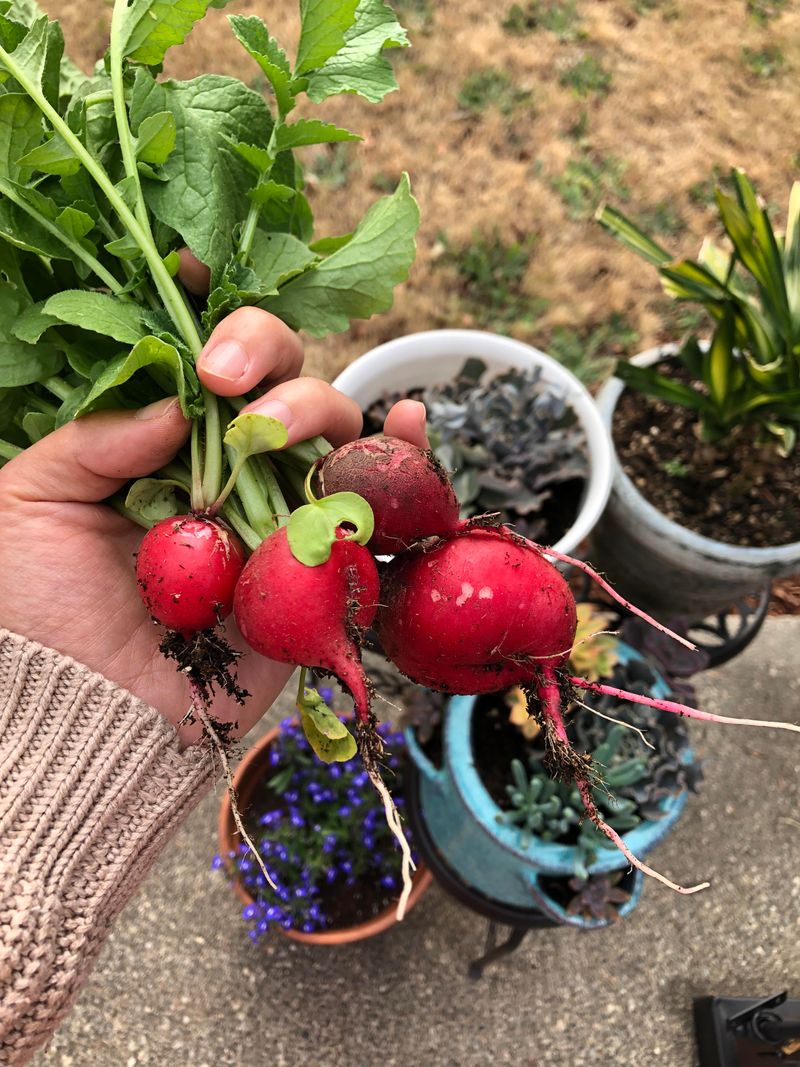
Gardeners who like fast proof that fall planting was worth the trouble should save room for radishes.
UGA’s current fall guide places radish planting from August 15 through October 15 and lists roughly 20 to 40 days to harvest. That makes this weekend a genuine starting point rather than wishful late-summer gardening.
Extreme heat can still complicate the first sowing.
A bed with some afternoon protection can give seedlings an easier start during a hot spell. Farther south, a short delay may sometimes produce better roots than forcing germination through the harshest conditions.
Sow seeds about half an inch deep and leave enough space for roots to swell. Thin seedlings once they are established rather than letting the row become a green traffic jam.
Keep moisture consistent.
Dry soil can make roots tougher and sharper in flavor, while crowding can leave you with plenty of foliage and disappointing radishes.
Succession sowing is where this crop really earns its space. Plant a small patch now, then another after ten days or two weeks as the weather improves.
Radishes also fit neatly between slower crops while those plants remain small.
By the time carrots demand more room, the first radishes may already be gone.
That is more than a quick harvest.
It is vegetable-bed time management with a peppery crunch.