What Spider Webs Taking Over Your North Carolina Yard In August Really Mean
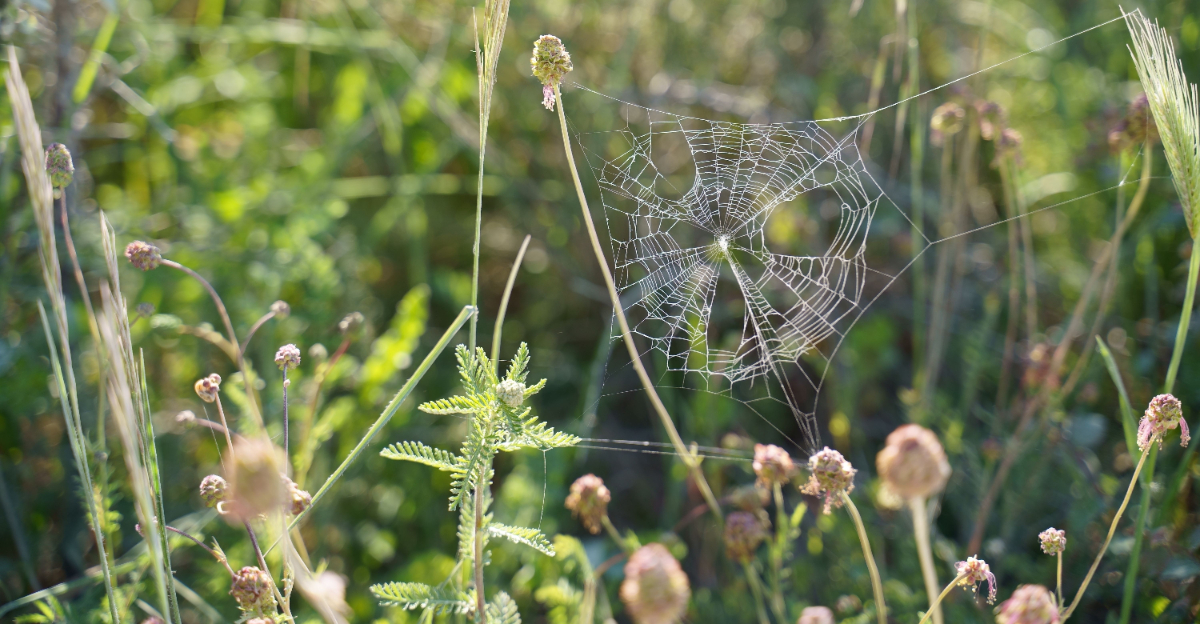
A sudden explosion of spider webs draped across bushes, porches, and fence lines catches many North Carolina homeowners off guard every August.
It’s easy to assume something has gone wrong, especially when webs seem to appear overnight in places they never showed up before.
But this yearly surge actually has a clear, predictable explanation tied to what’s happening in the garden this time of year. Understanding what’s really going on changes how most people react to all that webbing suddenly everywhere.
Some homeowners even discover this seasonal spike is doing them a bigger favor than they realized. Once you know the reason behind it, those webs stop feeling like a nuisance and start making a lot more sense.
It’s one of those late summer patterns that repeats every year, yet still catches people by surprise.
1. Late Summer Is Spider Season
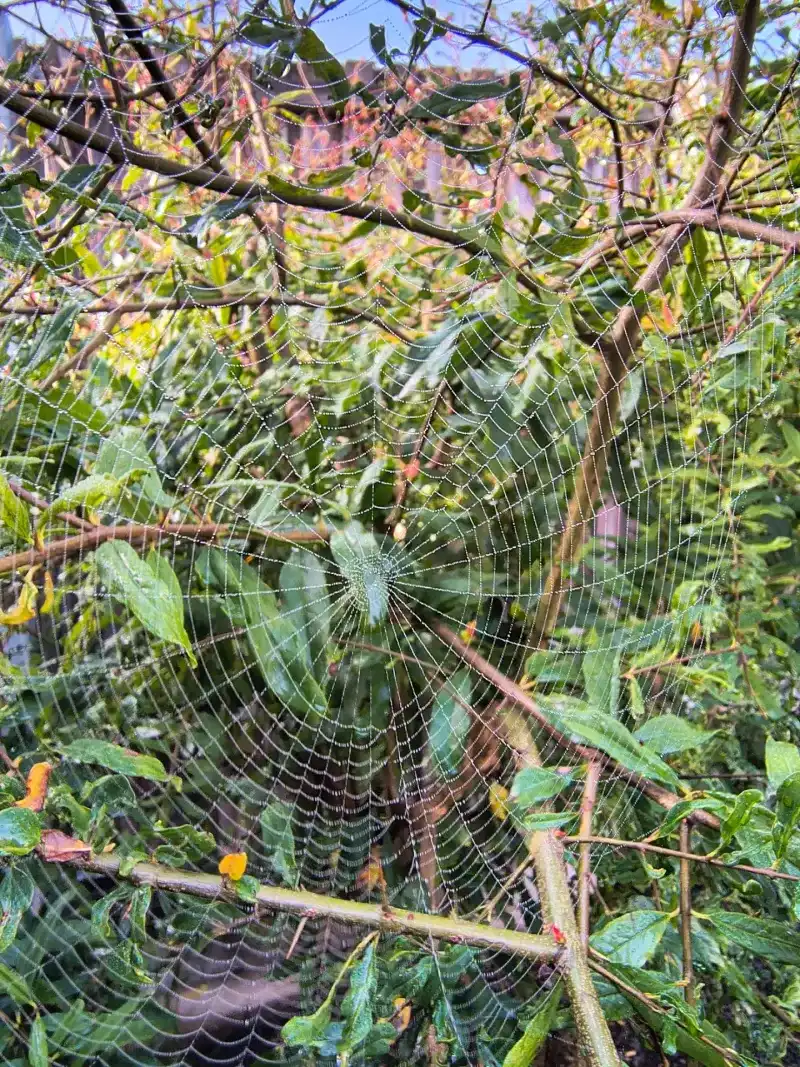
August in North Carolina turns into prime time for spider watching. The spiders that seemed invisible earlier in the year are suddenly everywhere, stretched across doorways, fences, and garden paths.
Warm weather has a lot to do with it. Spiders grow slowly through spring and early summer, feeding and molting as they get bigger.
By the time late summer rolls around, they have reached a size where their webs are simply too large to miss.
The timing lines up perfectly with insect activity too. Bugs multiply fast in the heat, so spiders have plenty to eat and stay busy spinning traps.
More food means more energy for building, and more building means more webs catching the morning sun.
Humidity in North Carolina plays a role as well. Sticky, damp mornings leave dew clinging to silk, which makes each web sparkle and stand out.
A web that was there all along suddenly becomes impossible to overlook once it is dotted with tiny water drops.
Many people think a spider invasion has happened overnight, but the truth is gentler. The spiders were quietly living in your yard the whole time, growing up and doing their work.
August just happens to be the moment when everything peaks at once.
Seeing this seasonal rush is completely normal across the state. Instead of feeling overwhelmed, try thinking of it as nature reaching its busy late summer rhythm, with these eight legged residents finally taking center stage in your yard.
2. The Spiders Are Finally Full Size
Ever notice how the webs in August look bigger and fancier than the small ones from June? That change happens because the spiders themselves have grown up.
Orb weavers, the ones that spin those beautiful round webs, start life tiny. As babies, they build small, simple webs that barely catch the eye.
With each molt through the summer, they get larger, and their web building skills improve right along with their size.
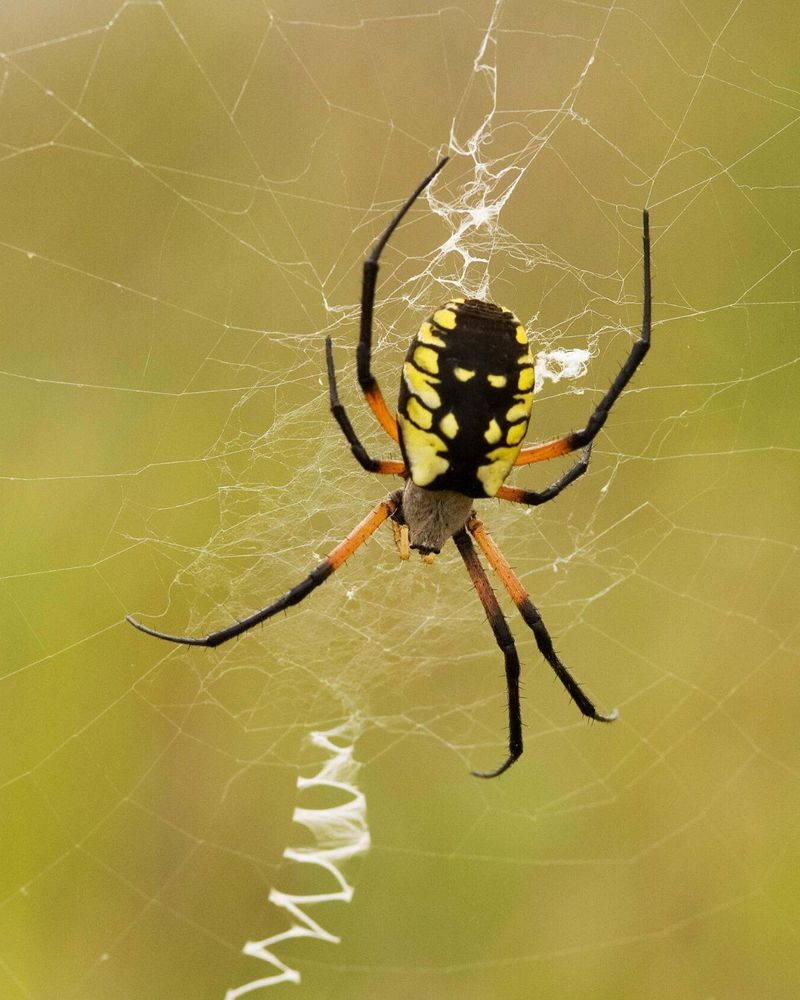
By late summer, mature females are the largest they will ever be. A full grown garden spider can spin a web that stretches two feet across or more, anchored between shrubs, porch rails, or tall flowers.
Your North Carolina Garden Changes Every Week. Your Plan Should Too.
Gardening in North Carolina changes quickly throughout the season. Every Friday you’ll receive a simple weekly plan showing exactly what to plant, prune, fertilize, harvest, and protect so you never miss the right timing.
Bigger bodies also mean bigger appetites. To feed themselves, these spiders need wide traps that can snag larger flying insects.
That is why the late season webs feel so grand compared to the delicate ones from earlier months.
The famous yellow and black garden spider is a great example. Its striking colors and huge web make it one of the most noticed spiders in North Carolina yards, and it usually shows off right around this time of year.
Females often stay in one favorite spot, guarding their giant web and waiting for a meal. Males tend to be much smaller and wander more, so the impressive webs you spot usually belong to the ladies.
So when the webbing suddenly looks like professional artwork, you are simply seeing the result of a full summer of growth reaching its grand finish.
3. Your Yard Has Plenty Of Insects
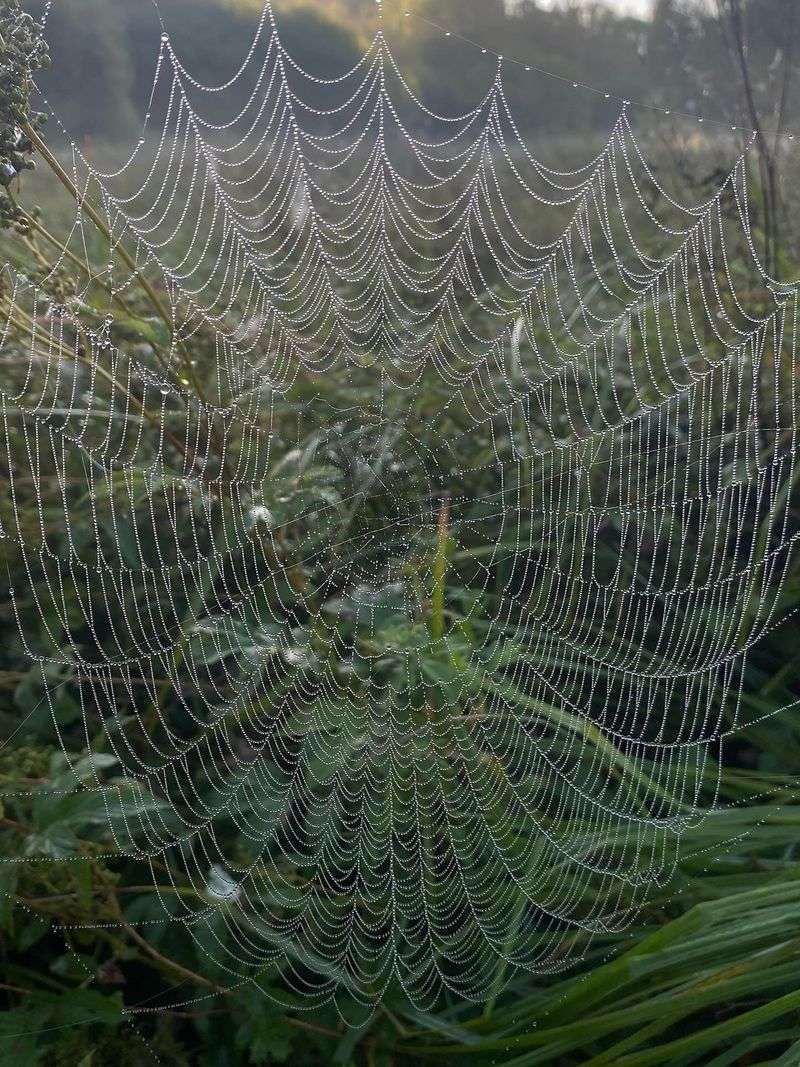
A yard full of webs is actually a compliment to your yard. Spiders only settle where the hunting is good, so lots of webbing points to a healthy supply of insects nearby.
Think of each web as a little business. A spider will not waste energy spinning a huge trap in a spot with no food.
When you see many webs, it means the spiders have found a steady buffet of flies, moths, mosquitoes, and other small bugs.
Gardens, flower beds, and leafy plants naturally draw insects looking for nectar and shelter. Where those bugs gather, spiders follow close behind, setting up shop to catch the crowd.
North Carolina yards in summer are especially lively. Warm nights and blooming plants keep insects moving, giving spiders a reason to build again and again in the same busy areas.
This connection works like a natural balance. More insects support more spiders, and more spiders help keep the insect numbers in check.
Your yard becomes its own little ecosystem, humming along without any help from you.
If webs seem to cluster near your vegetable patch or flower rows, that is a clue those areas are full of life. The spiders are simply following the food, just like any smart hunter would.
Rather than worrying about the webs, you can take them as proof that your outdoor space is thriving. A lively yard with plenty of bugs and their web spinning neighbors is a sign of a healthy, active backyard environment.
4. Porch Lights Create Feeding Hotspots
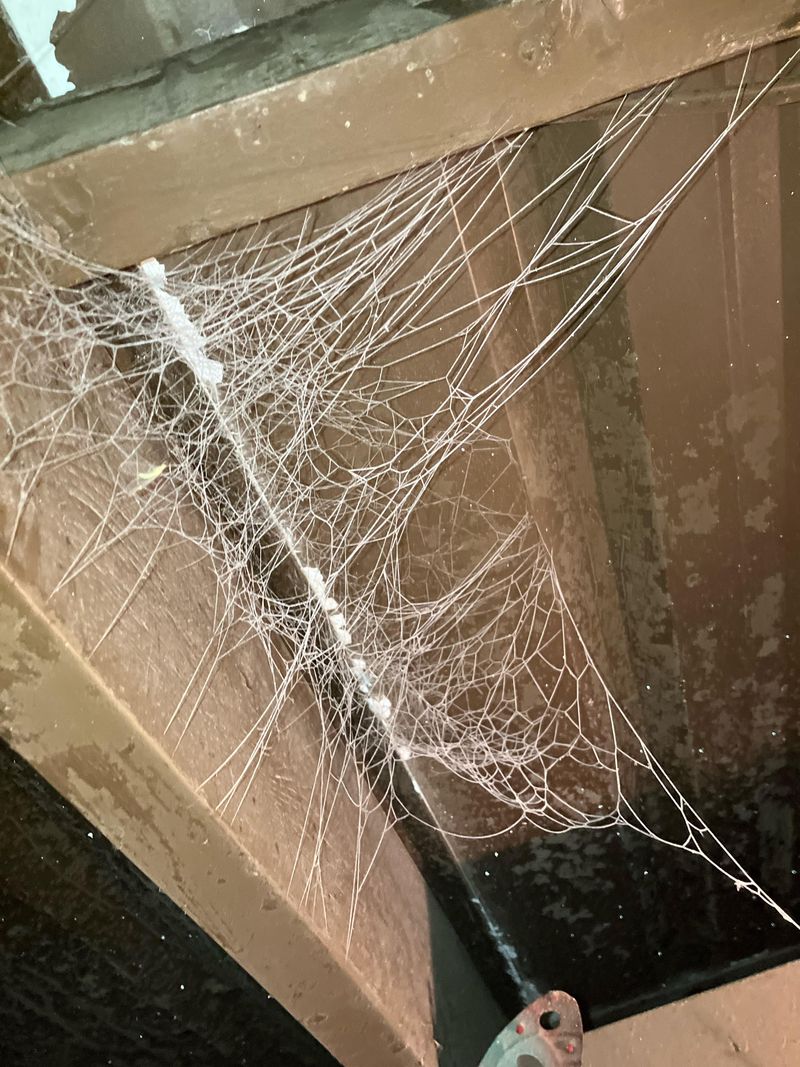
Turn on your porch light some evening and watch what happens. Within minutes, moths, beetles, and gnats swirl around the glow, and spiders know this show well.
Insects are drawn to light like it is a magnet. They gather near lamps, windows, and glowing doorways in big numbers, which makes those spots perfect for a hungry spider hoping for an easy meal.
Smart web builders set up their traps right where the action is. You will often find webs stretched across the corner of a porch light, along a window frame, or near a bright entryway because that is where dinner keeps arriving.
Water sources add to the appeal. Birdbaths, dripping faucets, damp gutters, and puddles pull in thirsty insects, and spiders happily build nearby to take advantage of the traffic.
This is why the areas around your home sometimes seem covered in webs while the middle of the yard stays clearer. The spiders are following the crowds of bugs, and the crowds follow the light and moisture.
You can reduce this a bit if it bothers you. Switching to yellow bug lights or turning off outdoor lamps when you do not need them draws fewer insects, which means fewer webs in those spots.
Still, these lighted hunting grounds show just how clever spiders can be. They read their surroundings, notice where food gathers, and place their webs with real strategy, making your porch a five star restaurant for the neighborhood spiders.
5. Storms Can Shift Spider Activity
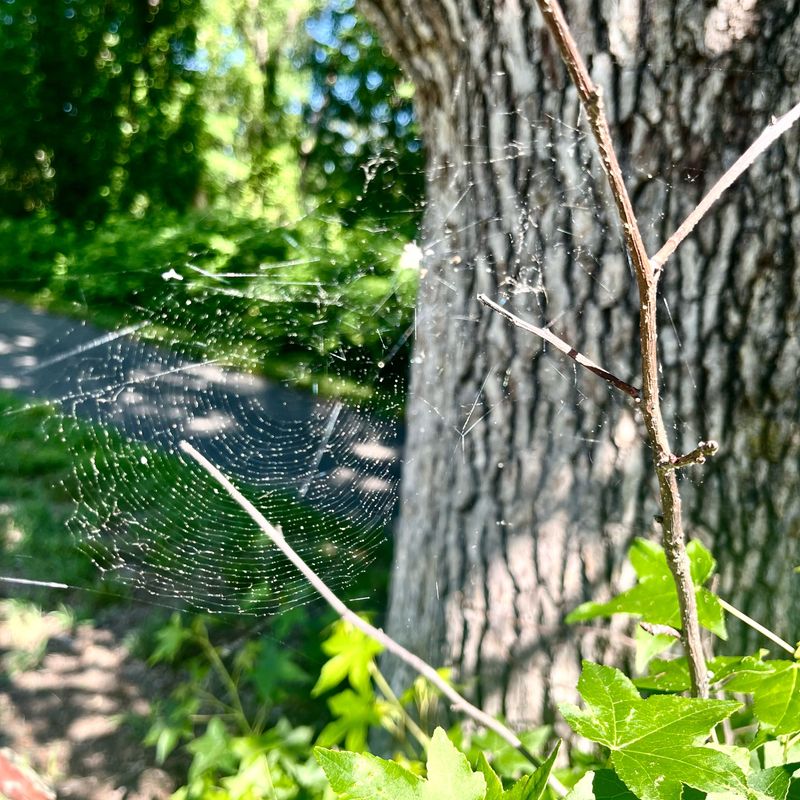
Summer storms roll through North Carolina often, and they can shake up where spiders decide to settle. After heavy rain, you might notice webs appearing in new corners of your yard.
Strong wind and pounding rain often wreck the webs spiders worked hard to build. Rather than giving up, spiders look for safer, more sheltered places to rebuild, like under eaves, inside doorways, or beneath thick bushes.
That search for shelter is why webs sometimes seem to move closer to your house after a storm. The spiders are simply hunting for protected spots where their silk will last longer.
Storms also stir up plenty of food. Fallen branches, soggy leaves, and piles of storm debris attract insects looking for moisture and hiding places. Where the bugs gather, spiders quickly follow.
Damp conditions after rain keep insects active for days. All that extra prey gives spiders a reason to spin fresh webs and stay busy, which can make your yard look suddenly full of silk.
Vegetation that grows fast in wet weather adds even more real estate. Tall grass, bushy plants, and leafy stems give spiders plenty of anchor points for building their next trap.
So if a burst of webs shows up right after a storm passes, weather is likely the reason. The spiders are reacting to their changing world, rebuilding smarter and moving toward the best food and shelter.
It is a quick reminder of how closely these creatures pay attention to the weather around them.
6. Some Webs Appear Overnight
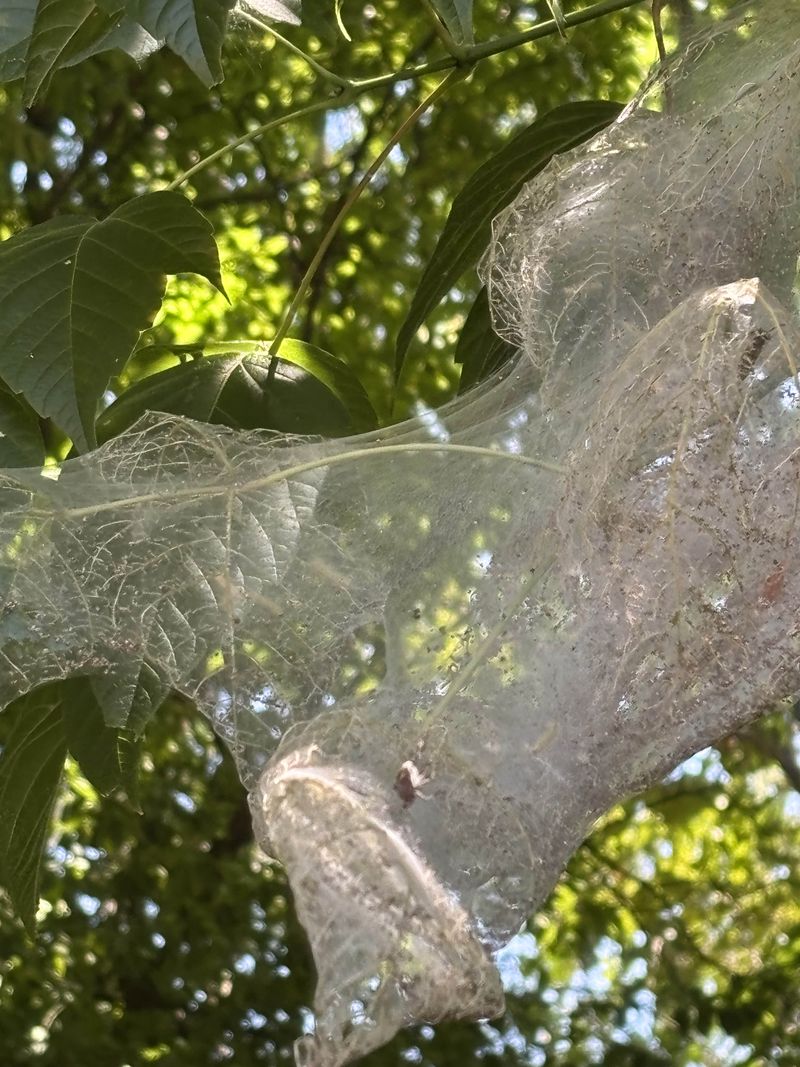
Step outside one morning and a huge, perfect web might be waiting where nothing stood the night before. It can feel like magic, but there is a simple explanation.
Many orb weavers rebuild their webs every single night. They take down the old, damaged silk and spin a brand new trap in just an hour or two, often in the dark while you sleep.
Fresh silk is stickier and stronger, so nightly rebuilding keeps their traps working at full power. A worn web loses its grip, and a good hunter cannot afford a broken tool.
Some spiders even eat their old web before spinning a new one. That way they recycle the protein and use it to make the next batch of silk, wasting nothing in the process.
Because this happens overnight, you only see the finished result. By morning, dew settles on the fresh strands and makes the web glitter, which is why it seems to appear out of nowhere.
This nightly habit is also why a yard can look suddenly covered in webbing. Several spiders working through the night can transform a space by sunrise, giving the whole yard a lacy new look.
If you clear a web during the day, do not be surprised to find it back the next morning. The spider simply chose that spot for a reason and rebuilt in its favorite location.
Watching this quiet, steady work reminds us how hardworking these small builders really are, crafting fresh masterpieces night after night without ever slowing down.
7. Most Garden Spiders Are Helping
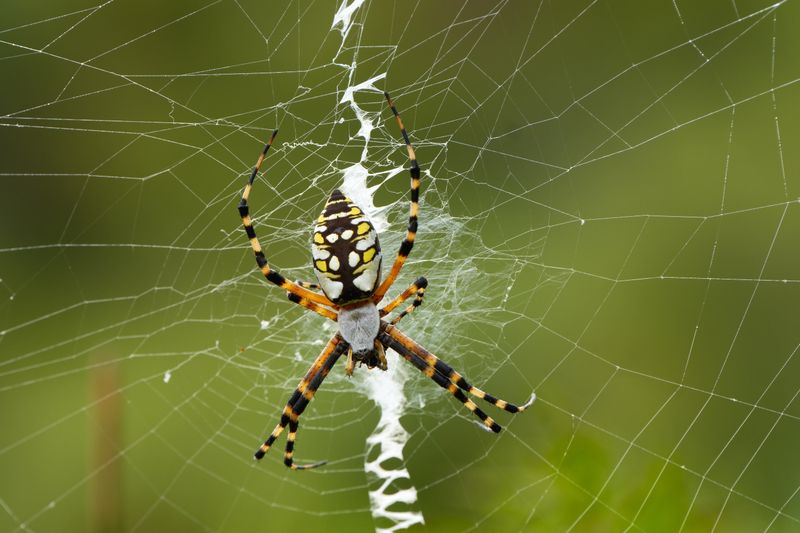
Here is some good news about all that webbing: most of the spiders behind it are on your side. Garden spiders work as free pest control, quietly protecting your plants day and night.
Every web that catches a mosquito, fly, or plant munching beetle is doing you a favor. A single busy spider can trap dozens of insects in a week, keeping annoying pests from taking over your yard.
Because of this, outdoor spiders rarely need any spray or treatment. Reaching for pesticides can actually backfire, since it removes the helpful hunters that keep bug numbers low naturally.
The common orb weavers you see in North Carolina are gentle toward people. They would rather hide or drop from their web than bother you, and they stay focused on catching bugs, not chasing humans.
Their webs might feel like a nuisance across a walkway, but a simple wave of a stick clears the path without harming anyone. The spider will move over and rebuild somewhere less busy.
Keeping a few spiders around means fewer pests on your tomatoes, roses, and herbs. Gardeners who leave them alone often notice healthier plants and less trouble from chewing insects.
Try to see these eight legged helpers as partners in your garden rather than intruders. They ask for nothing, cost nothing, and work around the clock to keep the balance right.
Next time a web stops you in your tracks, take a second to appreciate the tiny gardener guarding your yard so faithfully through the late summer season.