What Arizona Roses Need In Late August Before Fall Growth Begins
Your roses have pushed through months of intense summer conditions, and late August brings an important turning point. What happens now can influence how they enter the next growing period.
This is not the moment to treat every tired-looking stem as a sign that something went wrong. Roses naturally respond to demanding weather, and their needs begin shifting as summer winds down.
For Arizona gardeners, the weeks ahead offer a valuable opportunity to prepare plants for renewed activity. The key is knowing which care deserves attention now and which tasks should wait.
Take a closer look at your roses before reaching for the usual garden supplies. Their condition can help guide your next move.
Fall growth may feel distant during lingering heat, but preparation starts earlier than expected.
Give your roses the right transition, and they can respond beautifully.
1. Roses Need Consistent Water Through Late August
Skipping even one watering session in late August can stress roses more than you might expect. Heat this time of year pulls moisture out of the soil faster than most people realize.
Roots that dry out even briefly can struggle to recover before fall growth begins.
Watering deeply and less often tends to work better than light daily sprinkles. A slow, deep soak encourages roots to push down into cooler soil layers.
That deeper root system helps plants handle the remaining summer heat more steadily.
Early morning watering is worth the effort. Wet leaves sitting in afternoon heat can invite fungal problems.
Getting water to the root zone before the sun climbs high keeps foliage drier and reduces that risk.
Check how fast your soil drains before adjusting your schedule. Sandy desert soils can lose moisture quickly, while heavier clay-based mixes hold it longer.
Watering frequency should match your specific soil type, not just a general rule.
Drip irrigation set at the base of each plant is one of the more efficient options for desert rose gardens. It delivers water directly where roots need it most.
Overhead sprinklers waste more water through evaporation and can wet foliage unnecessarily during hot afternoons.
Once you know how your soil responds, it becomes much easier to settle into a routine that works.
Paying attention to moisture around the roots can also help you adjust as temperatures begin to ease.
2. Check The Soil Before Reaching For The Hose

Overwatering is just as harmful as underwatering for roses growing in hot desert conditions. Roots sitting in soggy soil can suffocate and become vulnerable to rot.
Checking soil moisture before watering helps you avoid that problem entirely.
Push a finger or a wooden dowel about two inches into the soil near the base of your rose. Dry at that depth means it is time to water.
Still damp means you can likely wait another day before checking again.
Soil moisture meters are a practical tool for rose growers in Arizona who want more consistent readings. They take the guesswork out of it and are especially useful for gardeners who tend to water on a fixed schedule without checking conditions first.
Your Arizona Garden Changes Every Week. Your Plan Should Too.
Gardening in Arizona changes quickly throughout the season. Every Friday you’ll receive a simple weekly plan showing exactly what to plant, prune, fertilize, harvest, and protect so you never miss the right timing.
Soil type matters a lot here. Sandy soils drain fast and may need more frequent checks, sometimes every day during peak heat.
Heavier soils retain moisture longer, so checking every couple of days may be enough depending on recent temperatures.
Pot-grown roses dry out much faster than those planted in the ground. Container soil can go from adequately moist to bone dry in a single hot afternoon.
Checking those plants at least once daily during late August is a reasonable habit to build before the season shifts.
As temperatures begin to change, those daily checks can also show you when the soil starts holding moisture longer.
That makes it easier to adjust your routine gradually instead of following the same schedule through every weather change.
3. Refresh Mulch To Help Roots Stay Cooler
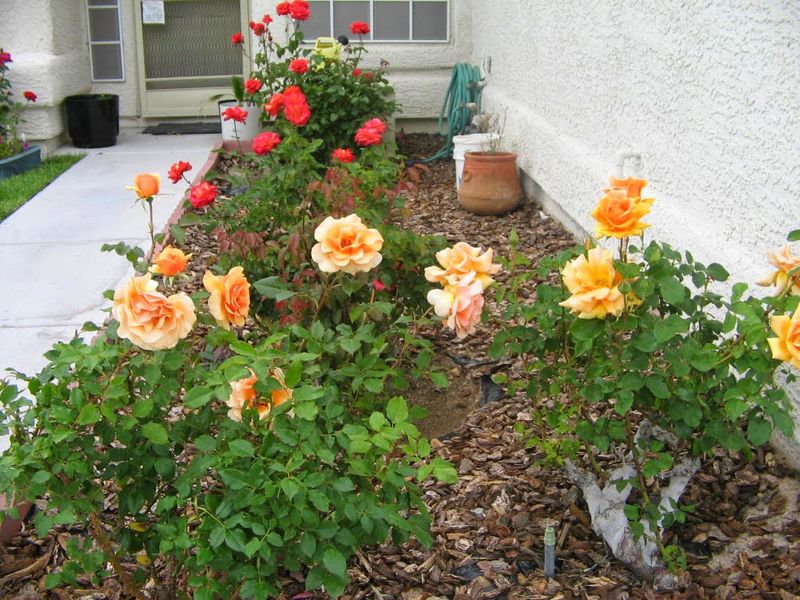
Mulch does quiet, steady work that most gardeners underestimate during summer. A fresh layer around your roses can lower soil temperature by several degrees, which matters a lot when August heat is relentless.
Roots that stay cooler tend to handle stress better heading into fall.
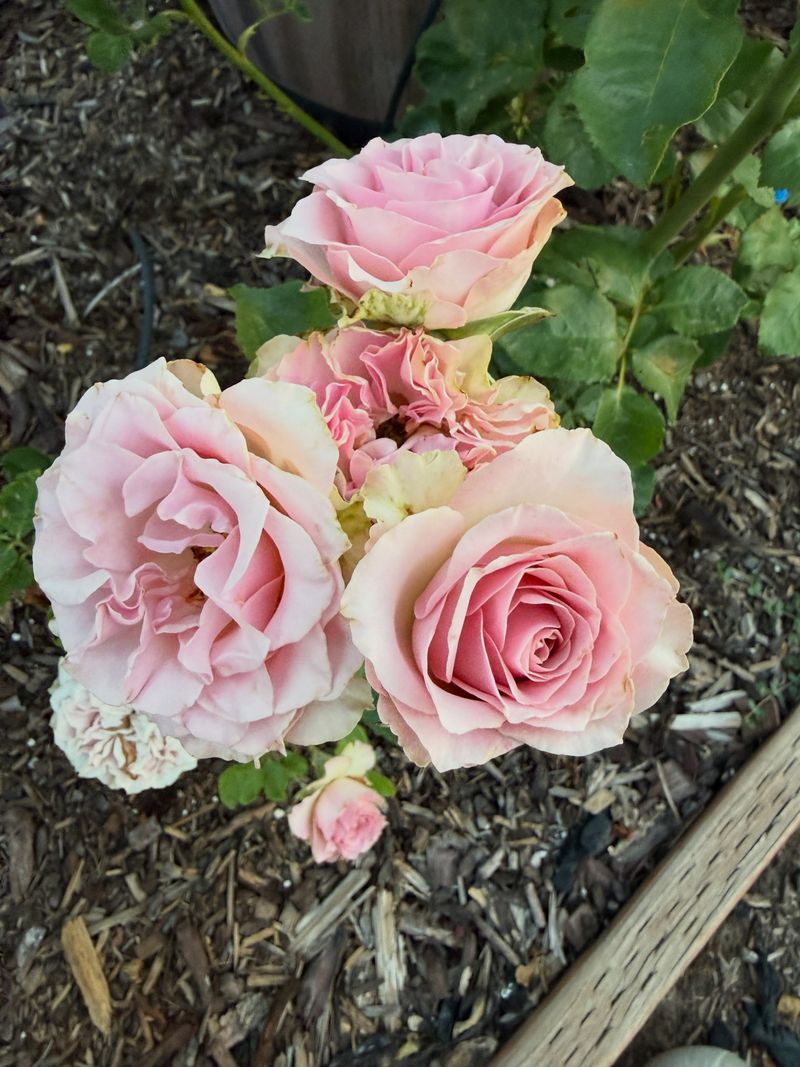
Aim for about three to four inches of mulch around the base of each plant. Keep it pulled a few inches back from the main stem so moisture does not collect directly against the bark.
That small gap helps reduce the chance of rot developing at the crown.
Wood chips and shredded bark are popular choices in desert gardens. They break down slowly, which means they last longer between applications.
Some gardeners also use straw or even gravel as a top dressing, though organic options tend to add a bit of nutrition as they break down over time.
Mulch that has thinned out or shifted over the summer should be topped off before September. Thin coverage lets soil heat up faster and lose moisture more quickly.
Refreshing it now costs very little effort but makes a real difference for root health.
Avoid piling mulch too thick in low spots where water pools. Standing water under heavy mulch can create conditions that weaken roots over time.
A level, even layer works best for consistent moisture retention.
4. Remove Spent Blooms And Damaged Leaves
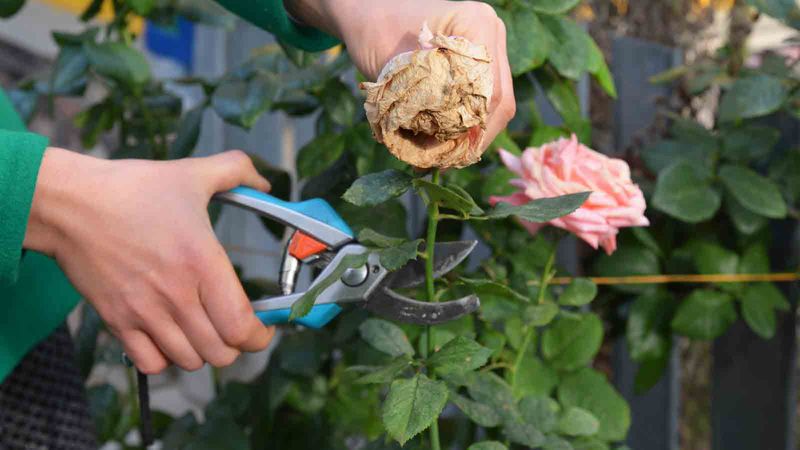
Spent blooms left on the plant send energy toward seed production instead of new growth. Snipping them off redirects that energy and keeps the plant focused on staying healthy through the remaining heat.
Late August is a good time to do a light cleanup pass on every bush.
Cut just above a leaf set with five leaflets when removing finished flowers. That node is where new growth is most likely to emerge once temperatures begin to drop.
Cutting too low can set the plant back, so keep your snips shallow and intentional.
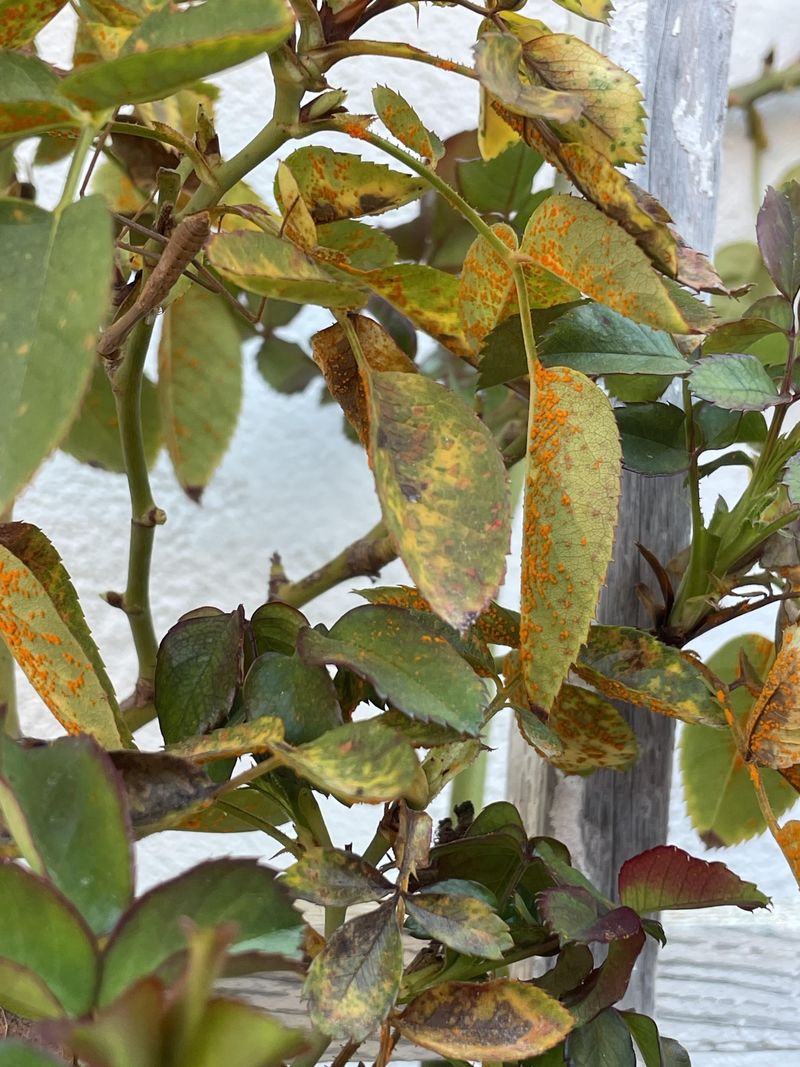
Yellowed or spotted leaves should come off too. Leaves showing signs of fungal spotting, sunscald, or insect damage are not contributing to the plant anymore.
Removing them reduces the chance of problems spreading to healthier foliage nearby.
Drop everything you remove into a bag and take it away from the garden area. Leaving diseased or damaged plant material on the ground near the base of roses can allow pathogens or pests to cycle back into the soil.
A clean garden bed reduces that risk significantly.
Wear gloves during any cleanup session, especially with thorny varieties. Scratches from rose canes can get irritated quickly in summer heat and dry desert air.
Light gardening gloves that still allow good grip work well for this kind of close, careful work.
5. Hold Off On Heavy Pruning For Now
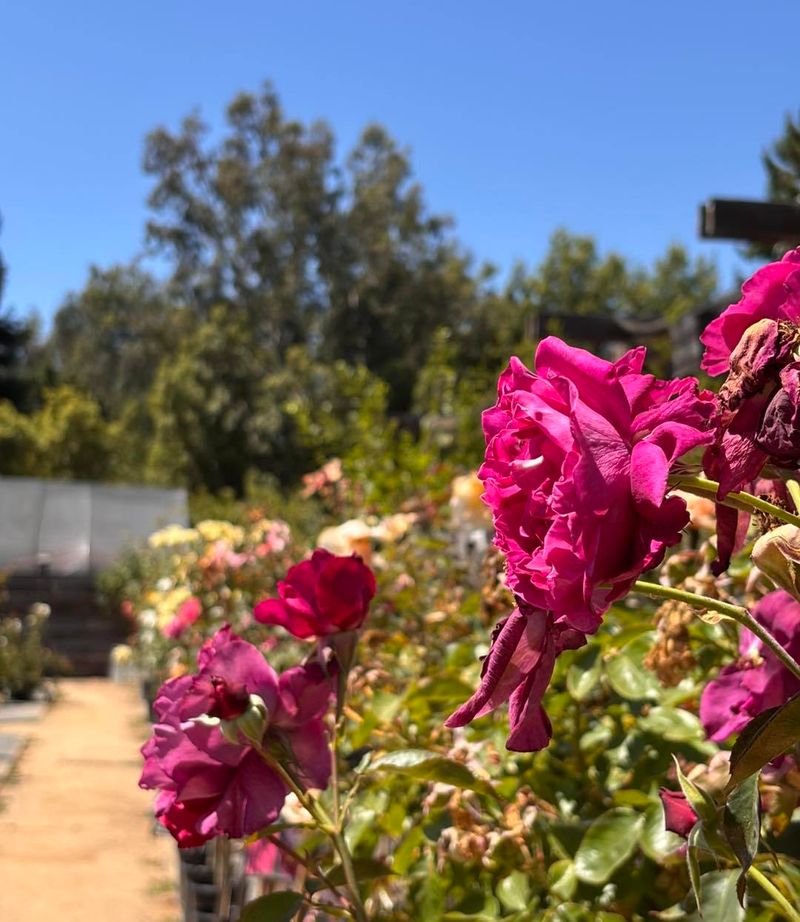
Hard pruning in late August pushes roses to produce new growth before conditions are ready for it. Fresh new shoots that emerge in peak heat are fragile and can struggle before cooler weather arrives.
Holding off protects the plant from that unnecessary stress.
Light cleanup is fine, but leave the main structure of the plant alone for now. Major shaping and cane reduction is better saved for mid-September through October in most desert climates.
Waiting those few extra weeks makes a meaningful difference in how roses respond.
Pruning triggers a growth response in roses. Cut a cane and the plant puts energy into pushing new buds from just below that cut.
In brutal late-summer heat, that new growth often struggles before it can establish properly.
Canes that look rough or weathered right now may actually still be functional. Bark that appears slightly dried or discolored in summer heat is not necessarily a sign of a failing cane.
Give the plant a chance to show you what recovers naturally once temperatures ease.
If a cane is clearly broken or damaged beyond recovery, removing it is reasonable. Structural damage that could cause further injury to the plant warrants action.
Outside of that, patience pays off more than aggressive cutting during these last weeks of summer heat in the desert.
6. Watch Leaves Closely For Pest Activity
Spider mites love hot, dry conditions, and late August in the desert gives them exactly what they want. Tiny and nearly invisible to the naked eye, they work fast and can cause real damage before most gardeners notice them.
Checking the undersides of leaves regularly is the best way to catch them early.
Look for fine webbing, pale stippling, or a dusty appearance on leaf surfaces. Those are common signs that mites are feeding.
A quick spray of water on the undersides of leaves can knock populations back, though repeated applications are usually needed to see results.
Aphids tend to cluster on new growth and bud tips. Soft-bodied and small, they drain sap from the plant and can cause buds to distort before they open.
A strong stream of water from a hose works reasonably well for dislodging them without chemicals.
Thrips are another pest worth watching for in late summer. Scratched or silvery-looking petals and deformed buds can be signs of thrip feeding.
Removing affected buds and keeping the area clean helps reduce their numbers over time.
In Arizona, beneficial insects like ladybugs can help manage some pest populations naturally. Avoiding broad-spectrum pesticides when possible gives those helpful insects a chance to do their work.
Spot-treating problem areas tends to be a more balanced approach than widespread spraying.
7. Wait For Cooler Weather Before Feeding
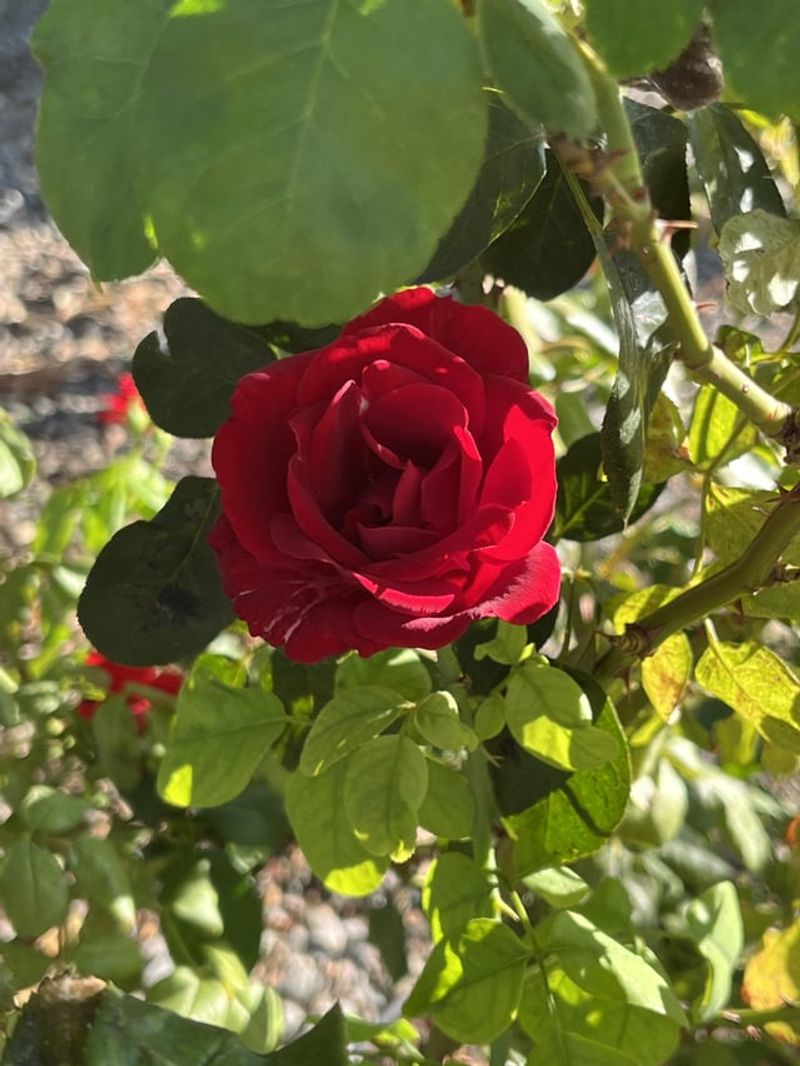
Fertilizing roses during peak late-summer heat can cause more harm than good. Pushing new growth when temperatures are still high puts fresh, tender shoots at risk before conditions are ready to support them.
Most experienced desert rose growers hold off on feeding until nighttime temperatures start to drop consistently.
Mid-September is often cited as a reasonable window to resume feeding in lower desert regions, though local conditions vary. Watch your overnight lows and daytime highs before deciding.
When highs are regularly below 100 degrees, the plant is in a better position to use nutrients productively.
Nitrogen-heavy fertilizers are especially worth holding off on right now. High nitrogen pushes leafy, soft growth that suffers in extreme heat.
Waiting for the right window means that new growth has a real chance to harden off properly.
Soil that is stressed and dry does not absorb fertilizer well anyway. Nutrients applied to dry or depleted soil can sit unused or even concentrate in ways that stress roots.
Watering thoroughly a day before feeding gives the soil a better chance to take up nutrients evenly.
Organic fertilizers like compost or worm castings release nutrients more slowly and are generally gentler on stressed plants.
If you feel the urge to do something now, a light top-dressing of compost around the base can support soil health without the risks of a concentrated fertilizer push.
8. New Growth Should Pick Up As Temperatures Ease
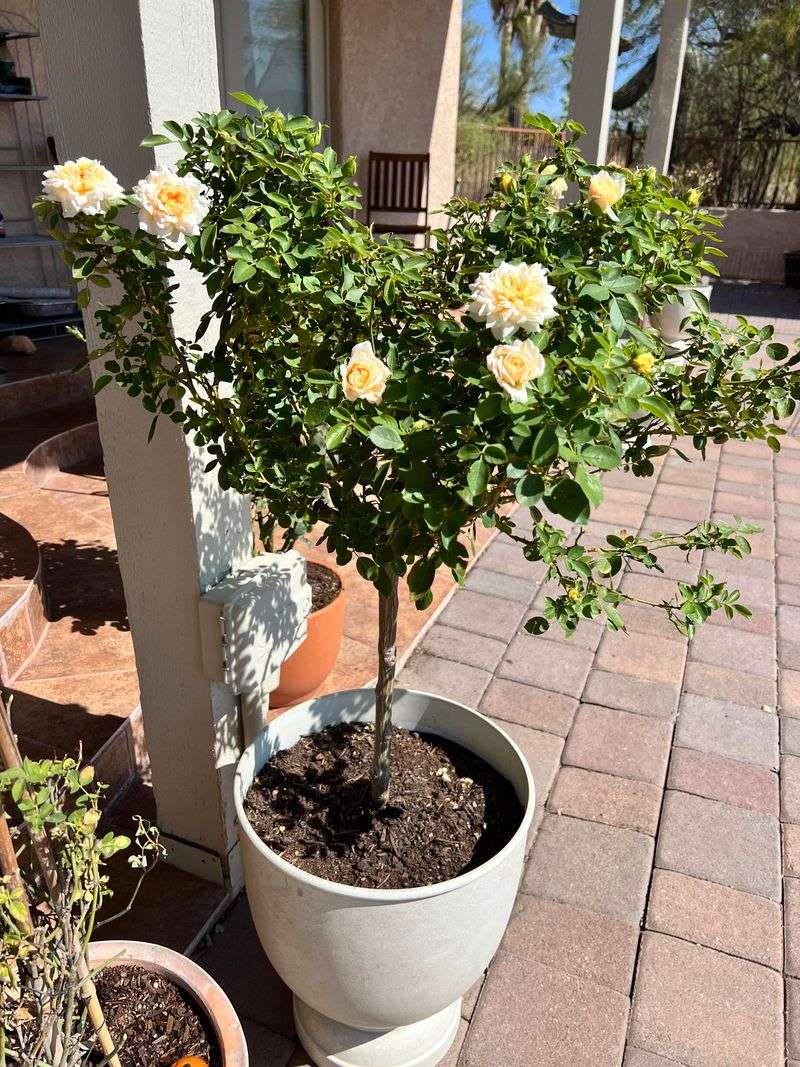
Roses in the desert have a second season, and it is worth looking forward to. Once daytime highs start dropping into the mid-90s and below, most rose varieties begin pushing new growth with real energy.
That shift usually starts showing up in September and picks up through October.
New leaves emerging from bud eyes along the canes are a good sign the plant is responding to changing conditions. Healthy new growth tends to be bright green and firm.
Pale or limp new shoots can indicate the plant still needs more time or better soil moisture before it fully recovers.
Fall bloom cycles in desert climates can be genuinely impressive. Roses that looked rough and stressed through August often bounce back with strong flushes of color once conditions improve.
Giving them consistent care through the tough weeks pays off when that happens.
Deadheading and light shaping become more useful again as new growth emerges in fall. Encouraging the plant to direct energy toward quality blooms rather than spent flowers makes a noticeable difference.
Regular attention during this window keeps the plant productive through the cooler months.
Not every variety responds the same way to the seasonal shift. Some types flush faster and more heavily than others.
Observing how your specific roses behave each fall helps you learn their patterns and time your care more effectively from one year to the next.