The Arizona Groundcover That Stays Cooler Than Gravel During 115° Heat
Gravel can become almost unbearable to walk near once the temperature reaches 115 degrees. It absorbs the sun all day and keeps releasing heat long after the afternoon peak has passed.
That is why more gardeners are looking at living groundcovers instead of covering every open space with rock. The right plant can soften the landscape while staying noticeably cooler.
Not every groundcover survives this kind of punishment. One tough variety continues growing through intense sun and long stretches of extreme heat with very little fuss.
Even in Arizona, where summer pushes plants to their limits, this low-growing option keeps proving how resilient it can be.
If your yard feels like it is radiating heat every afternoon, this groundcover may be the simple upgrade you have been looking for.
1. Meet Creeping Myoporum
Not every plant can shrug off triple-digit heat, but Creeping Myoporum pulls it off without much fuss.
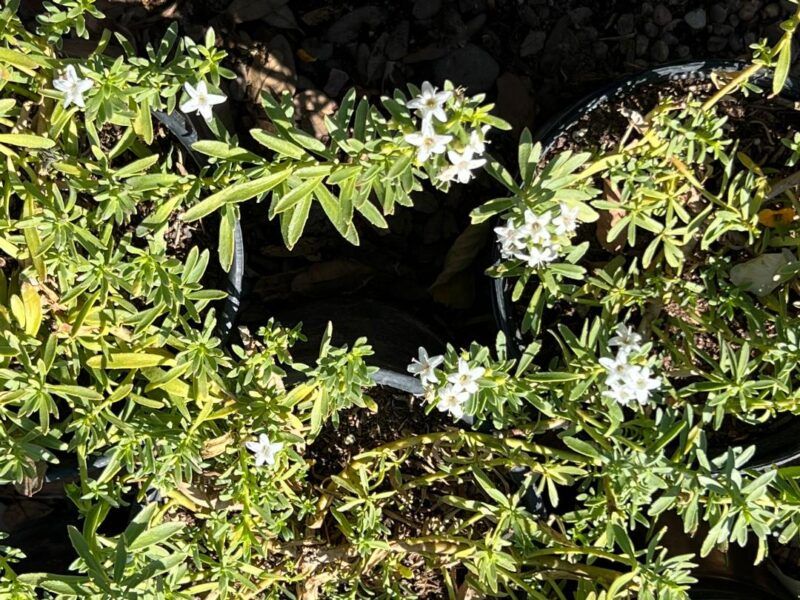
Known botanically as Myoporum parvifolium, it’s a low-growing Australian native that has found a surprisingly comfortable home in hot, dry climates across the American Southwest.
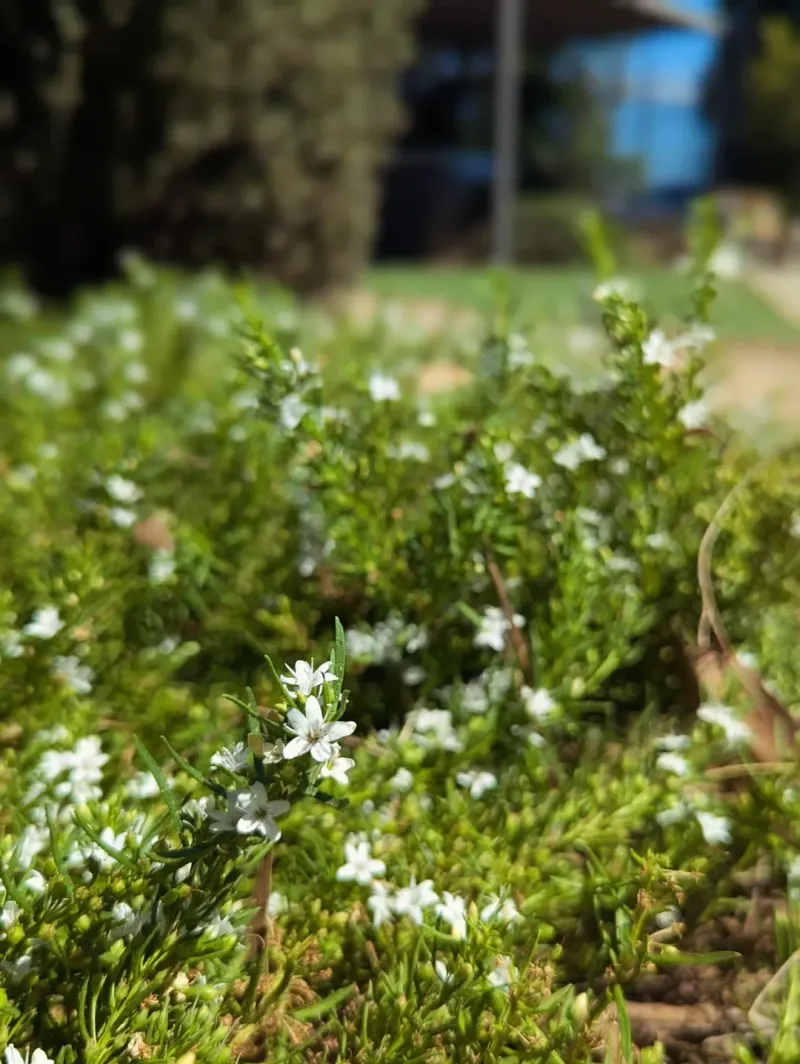
It spreads outward in a dense, flat mat that rarely grows taller than six inches. That low profile keeps it out of the wind and close to the ground, where it shades the soil beneath it.
Shaded soil stays noticeably cooler than exposed gravel or bare dirt. On a 115°F afternoon, that difference can be significant for both the plant and anything growing nearby.
Creeping Myoporum handles full sun well and tolerates reflected heat from walls, driveways, and fences. It won’t look crispy by August like many other groundcovers tend to do in harsh desert conditions.
Arizona gardeners have used it along slopes, in medians, and across open flat areas where nothing else wants to grow. It’s a practical, low-maintenance choice that earns its place without demanding constant attention or special care.
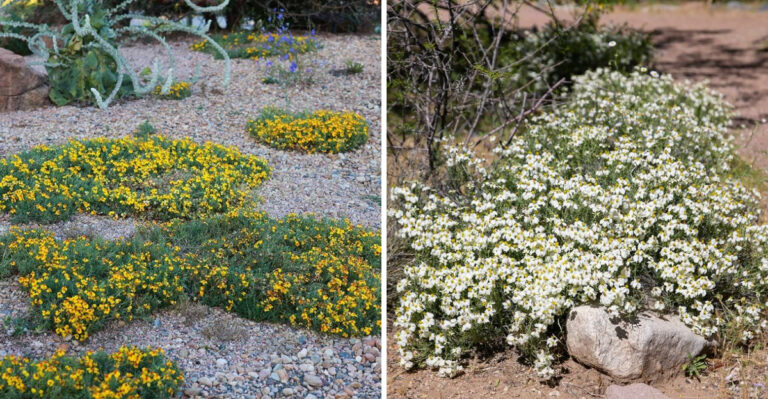
2. It Forms A Dense Living Carpet
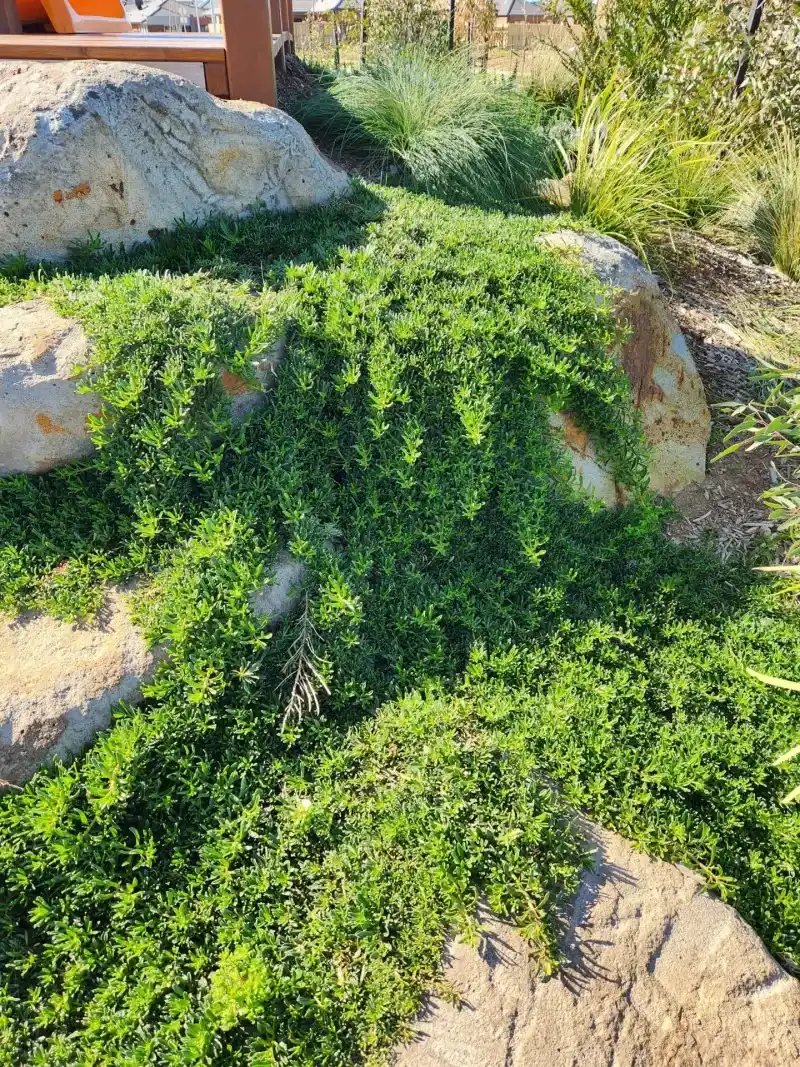
Picture a yard where weeds barely get a foothold. That’s what a well-established Creeping Myoporum planting looks like after a couple of growing seasons.
It spreads aggressively outward, filling gaps and crowding out unwanted plants without much help from you.
Each plant can spread six to nine feet wide over time, depending on soil conditions and water availability. Space them accordingly when planting, and they’ll knit together into one continuous green surface.
That dense canopy blocks sunlight from reaching bare soil. Less sunlight means fewer weed seeds germinating, which means less time pulling weeds on hot summer mornings.
The mat also traps a thin layer of humidity just above the soil surface. In dry desert air, that small buffer helps roots stay hydrated between waterings.
Gravel can’t do any of that. Rocks absorb heat all day and release it at night, keeping the surrounding air warmer than necessary.
A living carpet works the opposite way, using moisture to moderate temperature swings.
For anyone dealing with large open areas that are hard to maintain, Creeping Myoporum offers a realistic solution. It covers ground efficiently, looks tidy, and handles neglect far better than most alternatives in hot, low-rainfall environments.
Your Arizona Garden Changes Every Week. Your Plan Should Too.
Gardening in Arizona changes quickly throughout the season. Every Friday you’ll receive a simple weekly plan showing exactly what to plant, prune, fertilize, harvest, and protect so you never miss the right timing.
3. Tiny White Flowers Attract Pollinators
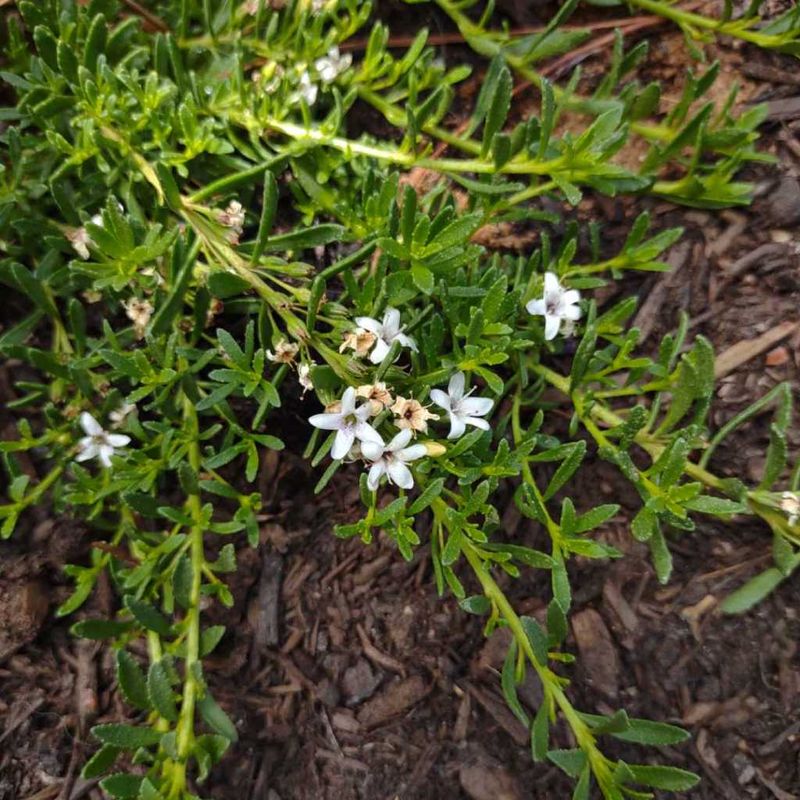
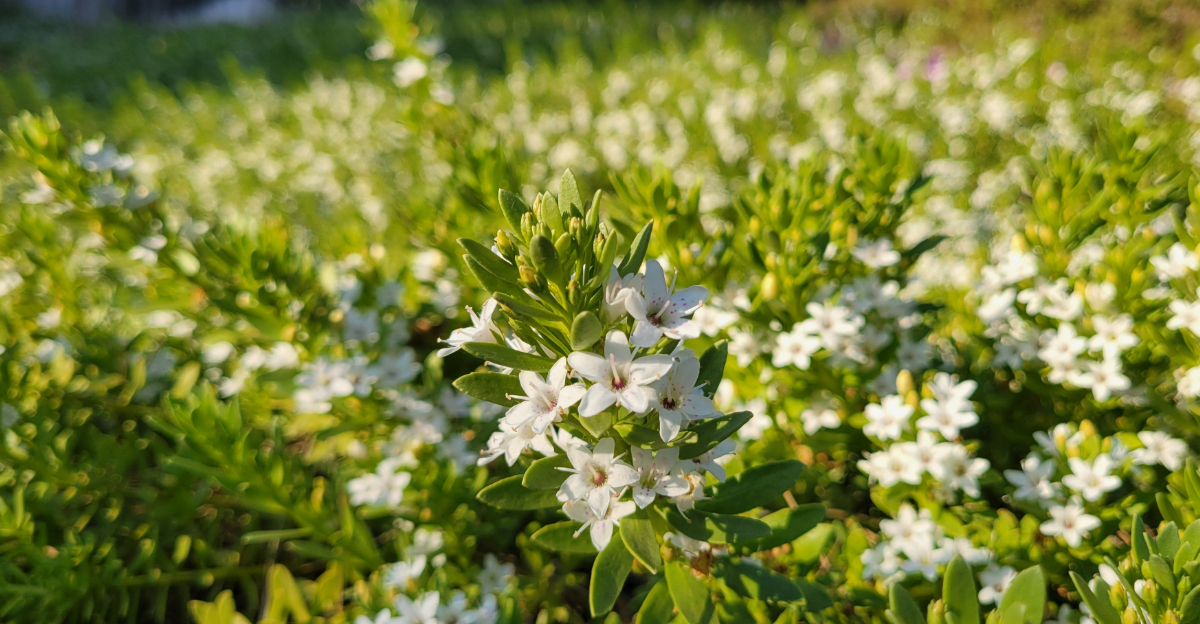
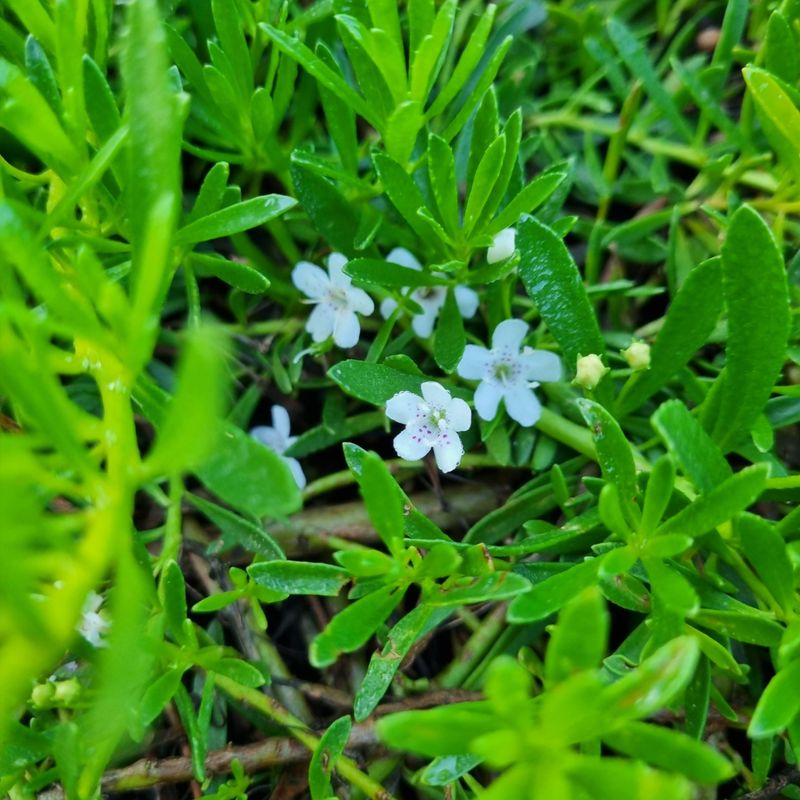
Functional doesn’t have to mean boring. Creeping Myoporum produces small white star-shaped flowers that appear mainly in spring and sometimes again in fall.
They’re subtle, but up close they’re genuinely pretty.
Bees notice them quickly. Native bees and honeybees both visit the blooms, especially in early morning when temperatures are still manageable.
Adding pollinator-friendly plants to a desert yard matters more than many gardeners realize.
Pollinator populations face pressure across the Southwest from habitat loss and heat stress. Groundcovers that flower, even modestly, give foraging insects one more reliable stop during the growing season.
The flowers don’t create a mess. Petals are tiny and drop cleanly without leaving behind sticky residue or large seed pods that need cleanup.
That’s a genuine advantage over flowering shrubs that can litter a yard.
After blooming, the plant continues looking green and full. It doesn’t go dormant or look ragged between flower cycles the way some perennials do in summer heat.
Planting a mix of groundcovers, including Creeping Myoporum, creates a layered habitat at ground level. That benefits insects, supports soil health, and makes a yard feel alive rather than just covered.
Small flowers, real impact.
4. Full Sun Produces The Best Growth
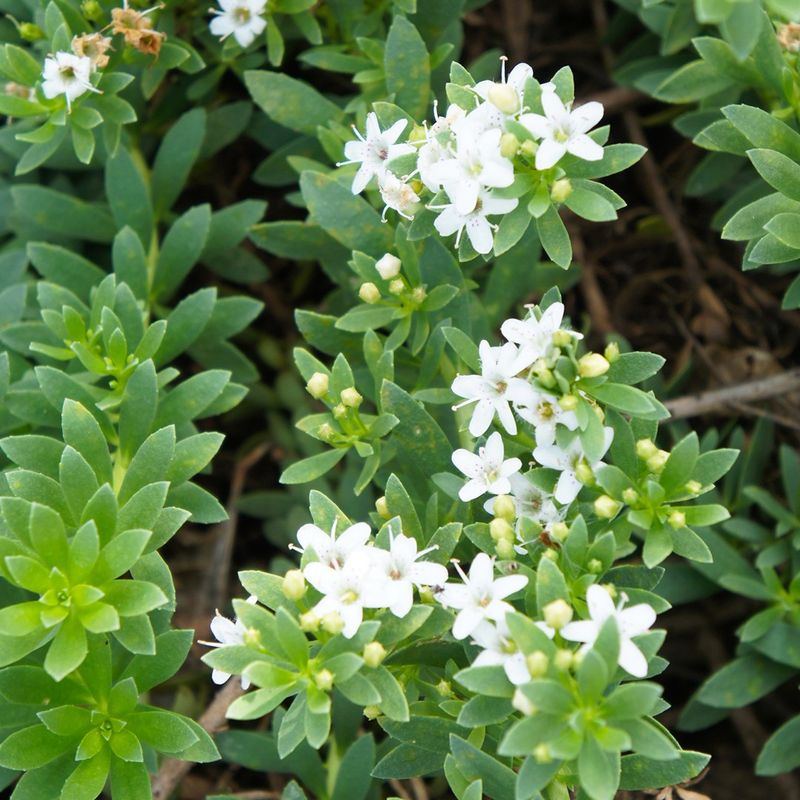
Shade lovers won’t cut it in a south-facing Arizona yard. Creeping Myoporum actually performs better with more sun exposure, which makes it well-suited for the spots most plants avoid entirely.
Full sun encourages tight, compact growth. Plants grown in partial shade tend to stretch and thin out, leaving gaps that weeds exploit quickly.
Direct sun keeps the mat dense and low.
Reflected heat from stucco walls or concrete driveways doesn’t seem to bother it much. Gardeners often place it along hot south and west exposures where summer conditions are most extreme.
Growth rate picks up noticeably during warm months. Spring and early summer are when Creeping Myoporum spreads fastest, taking advantage of longer days and rising soil temperatures before peak summer heat sets in.
It’s worth noting that very young plants benefit from some afternoon shade during their first summer. Once roots are established, usually after one full growing season, full sun exposure becomes an advantage rather than a stress factor.
Planting in fall gives roots time to develop before facing intense summer conditions. That head start matters in desert climates where summer arrives fast and stays long.
Give it sun, let it settle, and it will reward you with steady coverage year after year.
5. Well Drained Soil Supports Healthy Roots
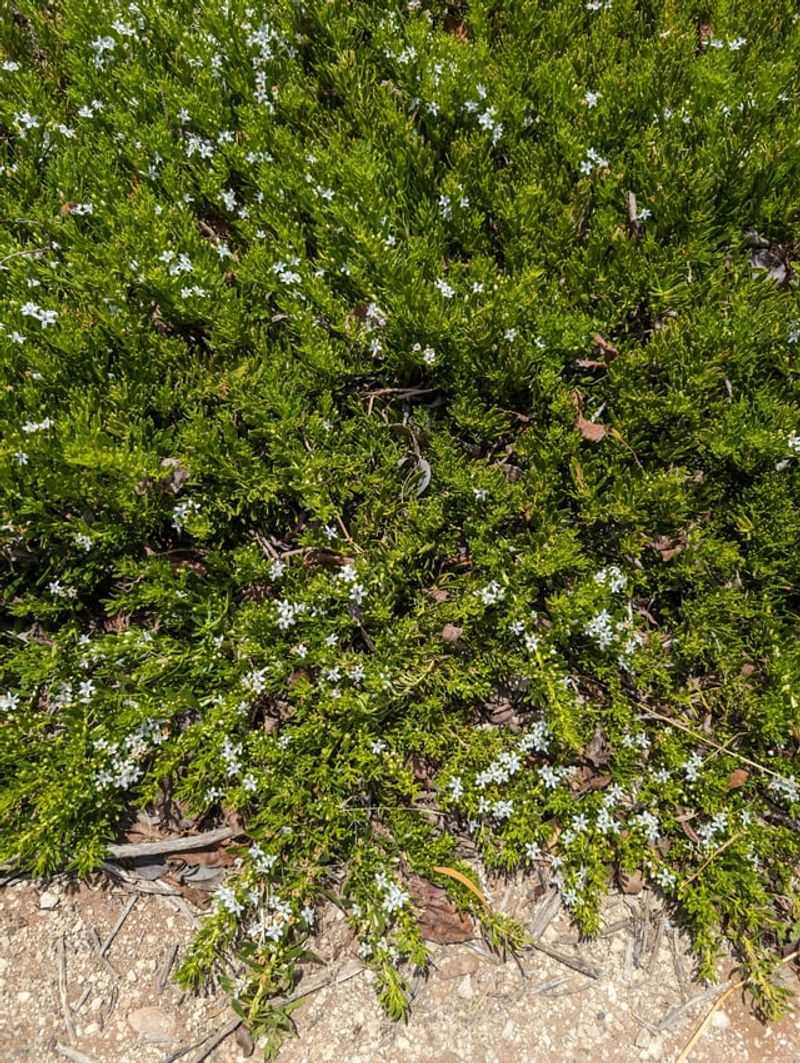
Soggy roots are the fastest way to lose a Creeping Myoporum planting. Despite its toughness in heat, this plant has one clear preference: it wants soil that drains fast and doesn’t hold standing water.
Sandy loam or decomposed granite mixed with native soil works well in most desert yard situations. Heavy clay soil needs amendment before planting, or roots will stay wet too long after irrigation and begin to rot.
Raised planting beds offer a practical fix for problem areas. Even a few inches of elevation improves drainage significantly in compacted or clay-heavy soils common in older desert neighborhoods.
Avoid planting in low spots where water naturally collects after rain or irrigation. Creeping Myoporum handles drought far better than it handles prolonged soil saturation.
Keep that in mind when choosing planting locations.
Once established, the root system becomes surprisingly efficient. It explores a wide area horizontally rather than driving deep, which suits shallow desert soils where rock layers are often just inches below the surface.
Good drainage also reduces the risk of fungal issues during monsoon season, when humidity spikes and soil stays damp longer than usual. Proper site selection from the start makes long-term care much simpler and keeps the planting looking healthy.
6. Established Plants Need Less Water
Water bills in desert cities can be brutal during summer. Creeping Myoporum offers some relief once it gets past the establishment phase, which typically takes about one full year with consistent irrigation.
After that first year, most established plantings survive on deep, infrequent watering rather than frequent shallow drinks. Watering deeply encourages roots to follow moisture downward, which builds drought resilience over time.
During peak summer heat, even drought-tolerant plants may need supplemental water every week or two, depending on soil type and sun exposure. Watch the plant rather than following a fixed schedule.
Slight wilting in the morning is a signal to water soon.
Drip irrigation works better than overhead sprinklers for this groundcover. Keeping foliage dry reduces fungal pressure, especially during humid monsoon periods when moisture lingers on leaves overnight.
Compared to turf grass, Creeping Myoporum uses a fraction of the water to cover the same area. That’s a meaningful difference in regions where water conservation carries real financial and environmental weight.
Mature plants also benefit from a layer of organic mulch around their edges during the establishment phase. Mulch slows evaporation and keeps soil temperatures steadier between irrigation cycles, giving roots a more stable environment to grow into.
7. Occasional Trimming Keeps It Neat
Left completely alone, Creeping Myoporum will eventually climb over sidewalk edges, spread into adjacent planting areas, and start looking a little unruly along borders. A bit of trimming goes a long way toward keeping things tidy.
Hand shears or a string trimmer work fine for edge cleanup. You don’t need any special equipment, and the job takes only a few minutes for a typical residential planting.
Trim edges two or three times a year to keep the mat within its intended boundaries. Late winter and early fall are good times, before major growth flushes begin.
Avoid heavy trimming during peak summer heat when plants are already under stress.
Removing old or woody stems occasionally encourages fresh new growth from the center of the mat. Thin patches sometimes develop in older plantings, and light pruning can help stimulate coverage in those gaps.
Unlike formal hedges or shaped shrubs, Creeping Myoporum doesn’t require precise cuts or regular shaping to look good. Rough, natural edges actually suit its character and blend well with informal desert garden styles.
For a plant that covers so much ground with so little effort, the maintenance commitment is genuinely modest.
A few trims per year, some occasional deep watering, and it handles the rest on its own through even the harshest Southwest summers.