The Last Week Ohio Gardeners Can Start Fall Lettuce and Spinach From Seed
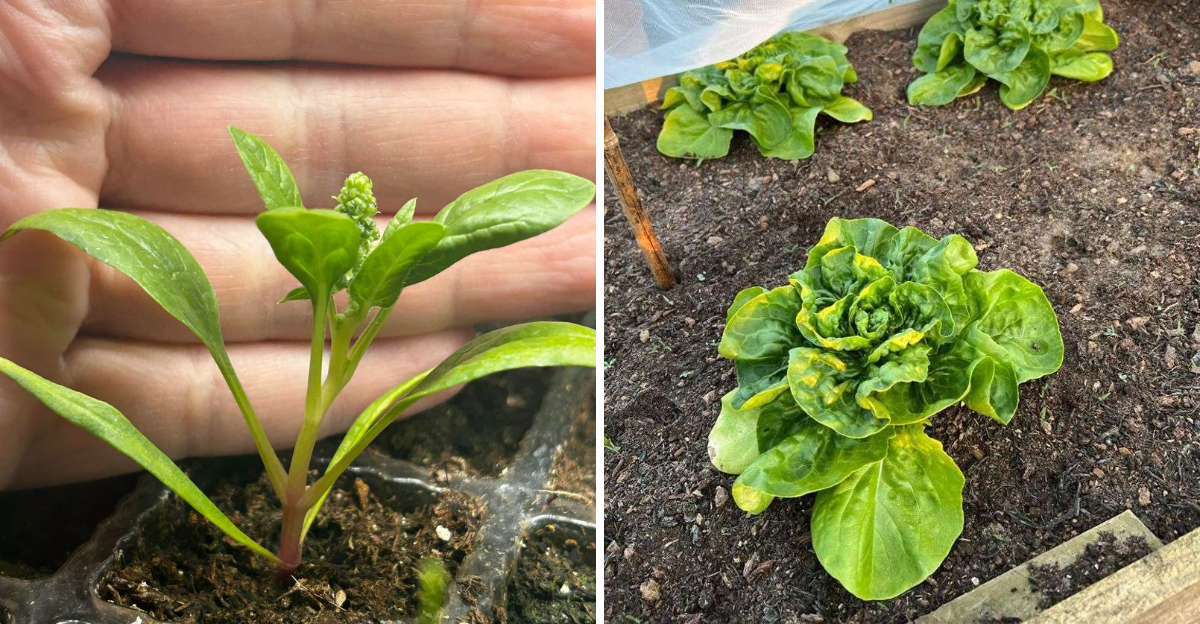
Late August can make an Ohio garden feel as though summer has time left.
Tomatoes are heavy. Peppers are still coloring. Afternoon soil feels warm, and the first frost seems far enough away to ignore.
That is exactly how the final sowing window slips past.
Cool-season greens need more than a packet’s printed days to maturity. Seeds must germinate, seedlings need enough light to size up, and September loses daylight faster than most gardeners notice.
Add Ohio’s regional frost differences, and one backyard has less breathing room than another.
So how many days are really left?
The answer depends on where you garden, how quickly the variety grows, and what protection you can offer once nights turn sharp.
This is the point when a short delay can change the harvest.
A row sown at the right moment can still fill a bowl deep into fall.
Wait beyond the useful window, and those same seeds may spend autumn producing little more than hopeful leaves before winter finally shuts the garden down.
1. Use Late August As The Safer Lettuce Window
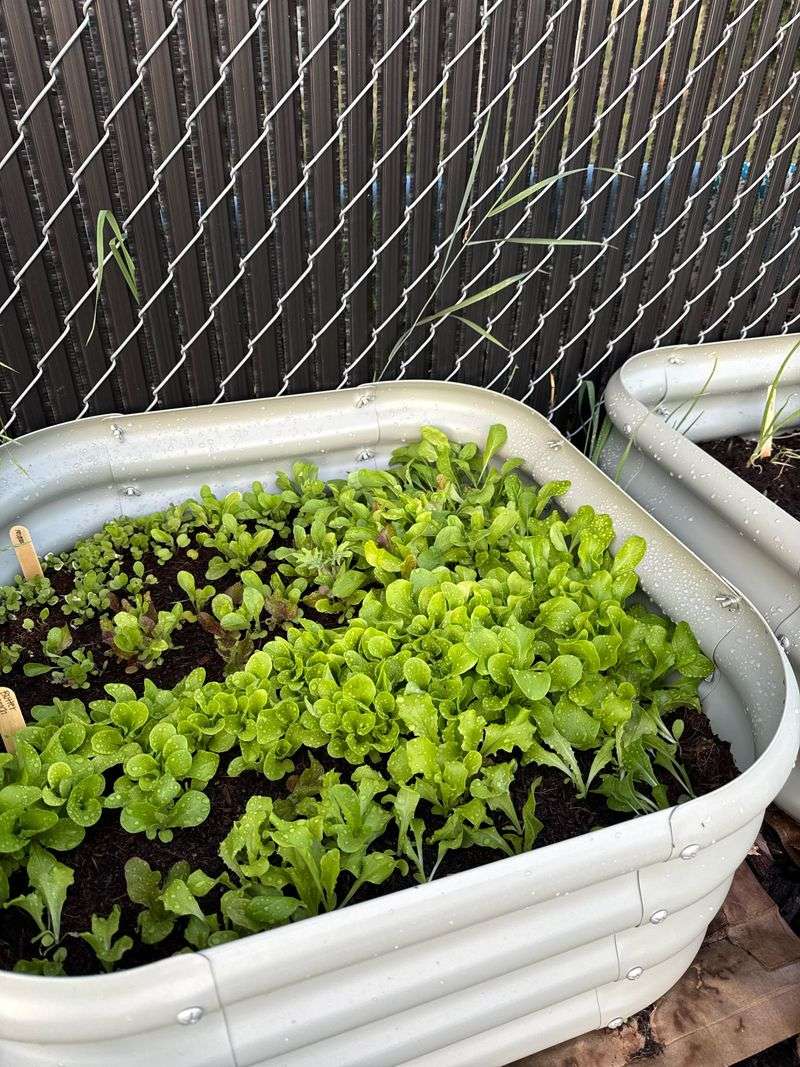
By late August, leaf lettuce is already running on a shorter clock than the weather suggests.
Ohio State Extension includes lettuce among the cool-season crops that can be seeded for fall, but northern gardeners have less time for a full-sized harvest than growers farther south.
Around Lorain County, for example, Extension guidance uses mid-October as a common first-frost reference point when counting backward for fall crops.
That makes the final week of August a safer target when you want heads or large loose-leaf plants rather than a handful of baby leaves.
Heat is the catch.
Lettuce seed can struggle in very warm soil, so sow during a cooler part of the day and keep the upper layer consistently moist. Afternoon shade from a taller crop, fence, or temporary shade cloth can make the seedbed easier to manage.
Direct sow shallowly and avoid burying the seed under a heavy layer of mulch before germination. Once seedlings emerge, thin according to the mature size of the variety.
Do not judge the deadline by frost alone. Shorter September days slow growth even before a hard freeze arrives.
Northern Ohio gardeners should treat late August seriously.
Central and southern gardens have more flexibility, but a prompt sowing still produces larger plants before daylight becomes the limiting factor.
The calendar may say summer.
Your lettuce row is already counting autumn.
2. Push Fast Lettuce Into Early September
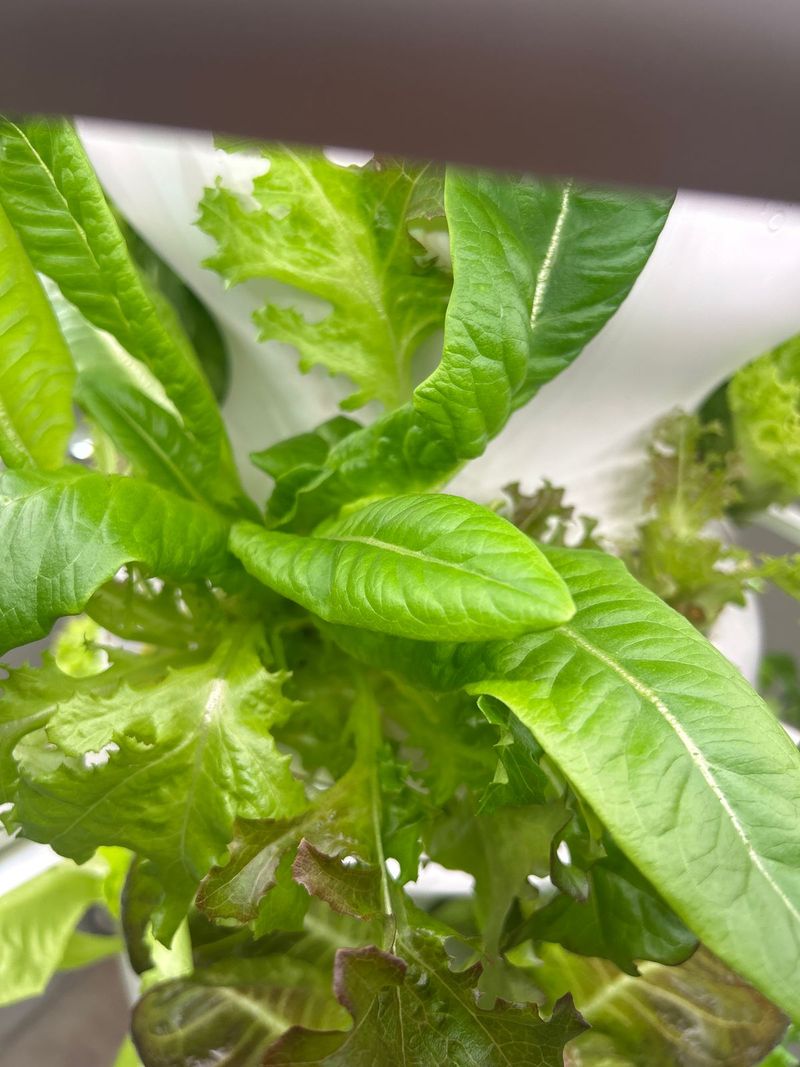
A missed August sowing does not automatically mean an empty salad bowl.
Fast loose-leaf types can still earn a place in early September, especially when the goal changes from mature heads to baby leaves.
Ohio State Extension has recommended direct-seeding lettuce for fall harvest into early September in central Ohio, then following with another short row later where conditions allow.
Speed becomes the priority.
Choose varieties marketed for loose-leaf, baby-leaf, or cut-and-come-again harvest rather than a slow romaine that needs weeks to build a dense head. Harvesting leaves at three or four inches lets you use the crop much sooner.
Your Ohio Garden Changes Every Week. Your Plan Should Too.
Gardening in Ohio changes quickly throughout the season. Every Friday you’ll receive a simple weekly plan showing exactly what to plant, prune, fertilize, harvest, and protect so you never miss the right timing.
Keep the seedbed evenly moist through germination.
September can still deliver hot afternoons, and a shallow row can dry surprisingly fast. Light shade during a warm spell may help, but remove unnecessary cover as temperatures ease so seedlings receive as much fall light as possible.
Sow a short row rather than committing the entire bed.
That gives you room for another succession if the weather stays favorable and reduces the disappointment from one late planting that stalls.
A protected bed can stretch the opportunity farther than an exposed one.
Still, every September week costs daylight.
Early sowing gives the leaves time to build before growth slows, while a late sowing may remain useful only at baby size.
At this point, small leaves are not a consolation prize.
They are the strategy.
3. Wait For Cooler Soil Before Sowing Spinach
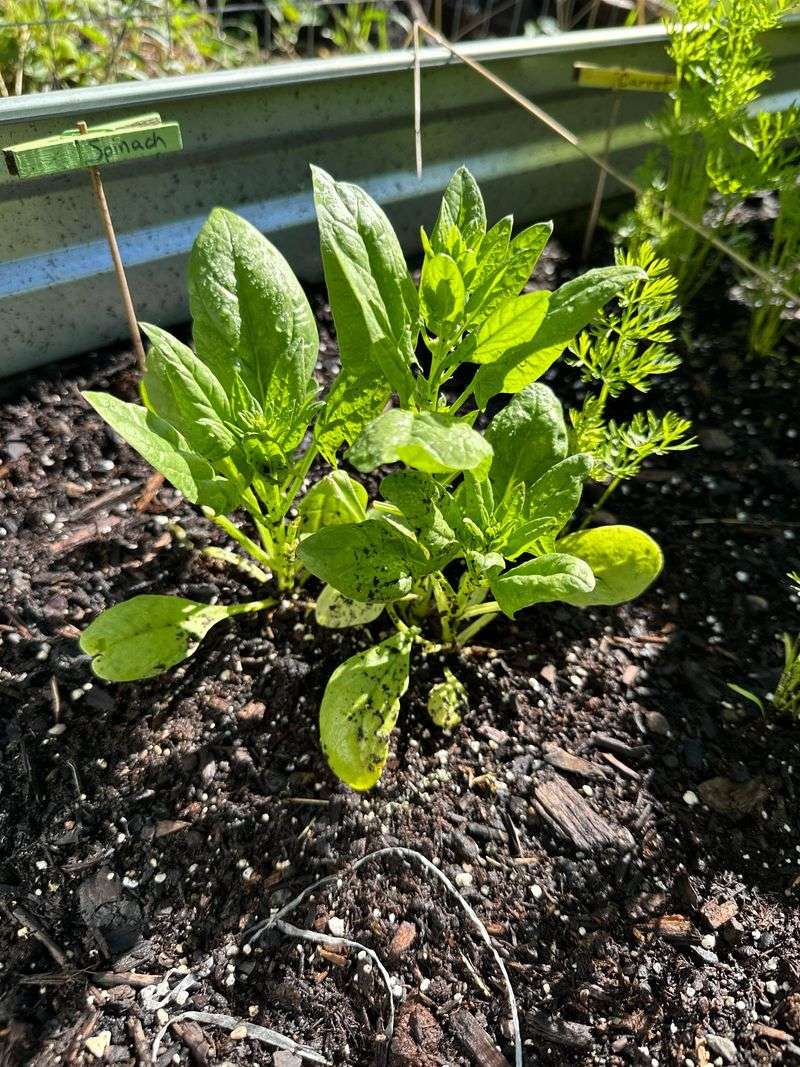
Warm soil can make the earlier planting date the wrong planting date for spinach.
Ohio State Extension notes that spinach is particularly sensitive to heat during germination. In a 2026 Ohio gardening update, Extension stated that spinach may fail to germinate once soil temperatures rise above about 68 degrees Fahrenheit.
Franklin County Extension has also advised waiting in early September when conditions remain too warm for reliable emergence.
That makes soil temperature more useful than impatience.
Check the bed in the morning, especially after several hot days. A site that receives afternoon shade will usually cool sooner than a raised bed surrounded by sun-heated pavement.
Keep the future row watered so the soil does not become hot and powder-dry, but avoid soaking it into a saturated trench.
Temporary shade can help the surface cool.
Once conditions moderate, sow spinach about half an inch deep and keep moisture steady while the seed wakes up. Do not repeatedly dig up seeds to see what they are doing.
Northern Ohio gardeners have less room to wait, which creates the classic fall spinach problem: sow too early into heat or too late into shrinking daylight.
That is why the final date is not purely a date.
The best window opens when the soil cools enough for germination while enough autumn remains for seedlings to size up.
Spinach makes you earn the timing.
Its fall leaves are usually worth the negotiation.
4. Use September As The Main Spinach Window
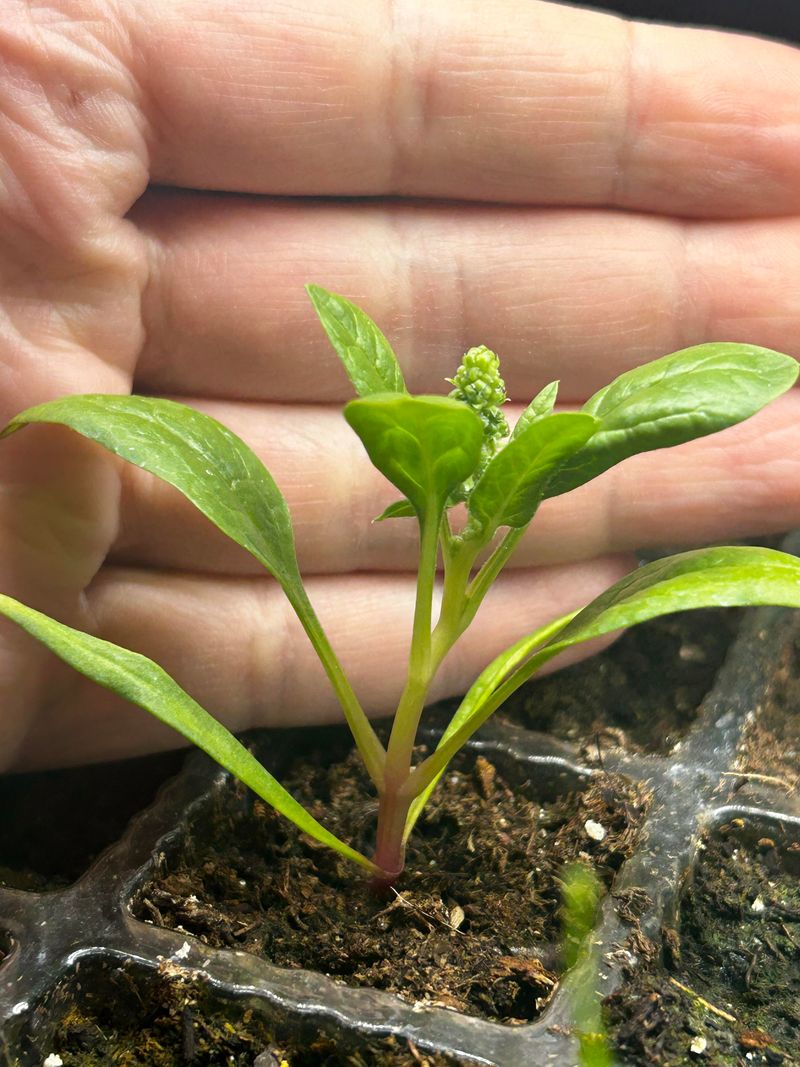
The first part of September is where spinach finally starts making more sense across much of Ohio.
Ohio State guidance continues to describe spinach as a fast-maturing cool-season crop suited to fall planting, while local Extension advice has repeatedly placed its useful sowing period around the transition from late August into September.
The exact week shifts with local temperatures and how quickly nights begin cooling.
Once the seedbed is ready, direct sow rather than starting a complicated transplant operation.
Place seed roughly half an inch deep and keep the row evenly moist through germination. Thin seedlings once true leaves appear so plants have room to develop and air can move through the foliage.
Do not chase huge plants.
Fall spinach can be harvested young, and small leaves give late sowings a realistic payoff before severe cold arrives.
Established spinach also tolerates cold better than lettuce, so it can remain useful after more tender salad greens start slowing down.
Northern Ohio gardeners should favor the beginning of September rather than waiting for perfect sweater weather.
Central and southern growers may have a little more breathing room, particularly with protection ready.
The key is getting enough leaf growth before daylight becomes scarce.
Cold tolerance helps only after the plant exists.
A packet sitting on the shelf through the best germination weather has no winter toughness at all.
Early September is the moment to turn that packet into an actual row.
5. Extend Spinach Planting With Row Cover
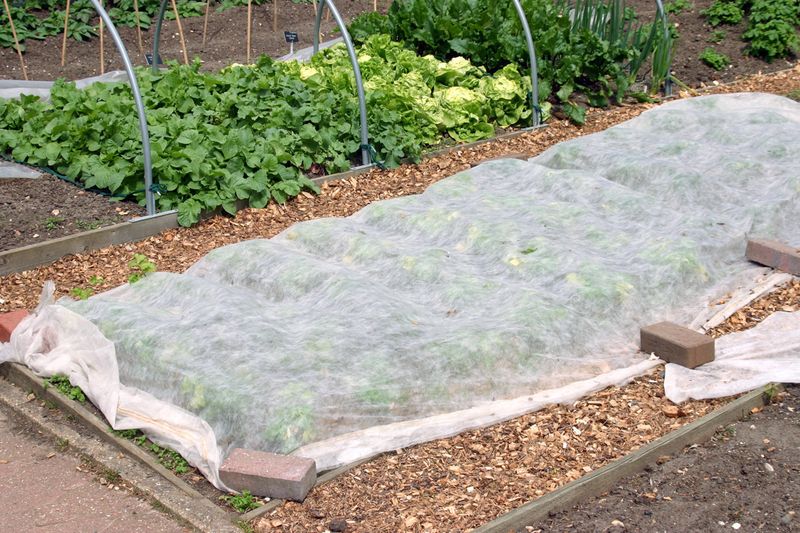
One layer of fabric can change how nervous you feel about a late sowing.
Floating row cover is useful for lettuce and spinach because it moderates the transition into colder weather without requiring a permanent greenhouse.
Ohio State Extension regularly uses row cover in season-extension guidance for cool-season crops and notes that lettuce is less cold hardy than spinach.
Install the cover before the first threatening night rather than wrestling with it after dark.
Support it loosely over the plants or float lightweight material directly above them, depending on the product. Secure the edges well enough that cold wind cannot simply slide underneath.
Protection does not reset the calendar.
September seedlings still have to build leaves during shortening days, and no fabric can give a tiny plant back the sunlight it missed. Row cover is better at protecting established growth than rescuing seed that went into the ground far too late.
Use it to buy breathing room around the edges of the season.
A late-August lettuce row may continue producing after an exposed bed slows. Early-September spinach can stay harvestable deeper into fall, especially during brief cold snaps.
Vent or remove protection when warm, sunny days return and the product calls for it.
Think of row cover as insurance for a sensible sowing date.
It can stretch the harvest.
It cannot turn October into August.
That distinction keeps one useful garden tool from becoming an excuse to plant weeks beyond reason.
6. Count Back From Your Local Frost Date
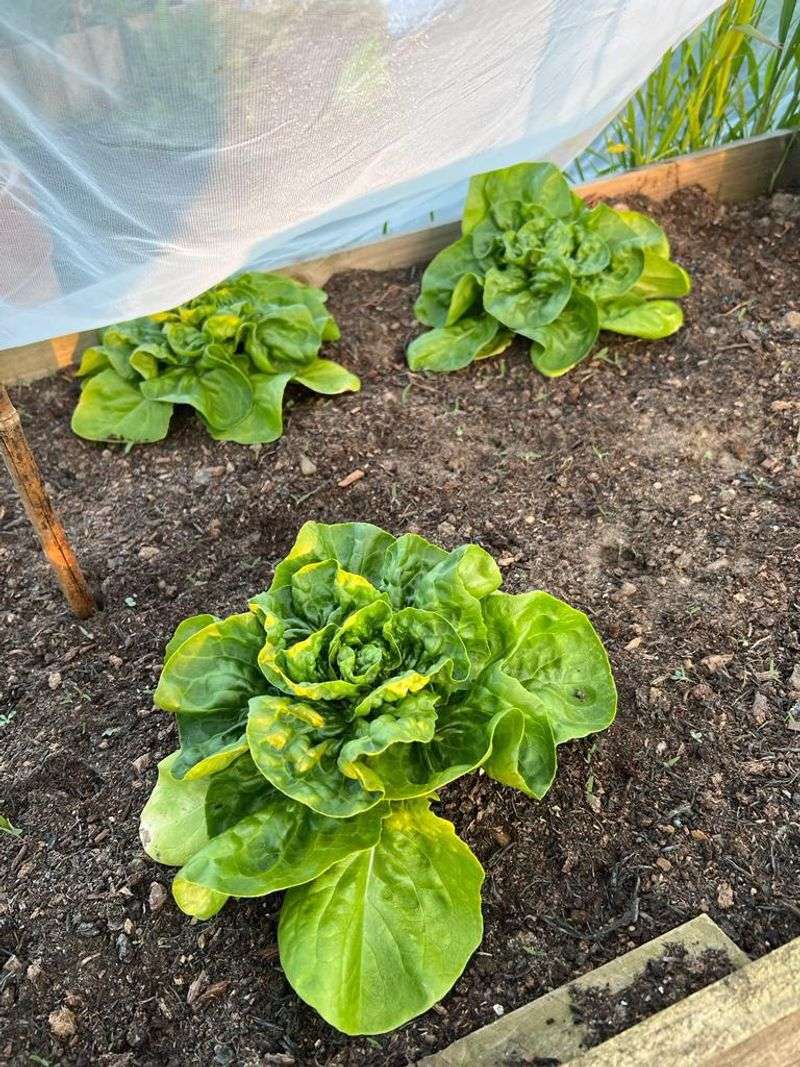
A Cleveland-area garden and a Cincinnati backyard should not share one last-sowing date.
Ohio stretches far enough north to south that fall arrives on noticeably different schedules. Lorain County
Extension notes that frosts are common there around mid-October and recommends counting backward from local frost timing, then adding germination time and a cushion for fall slowdown.
That makes northern Ohio the place to act first.
For lettuce headed toward full size, late August is the safer zone. Fast baby-leaf types can sometimes move into early September with protection and favorable weather.
Spinach often needs the cooler soil of late August or early September, so northern growers have less room for delay once germination conditions finally improve.
Central Ohio usually gains a little time.
Franklin County Extension has documented early-September fall sowing of lettuce and recommends waiting briefly on spinach when the soil remains too warm.
Southern Ohio can often push later, but shorter days still apply there too.
Do not simply subtract the seed packet’s days to maturity from the first frost date. Add time for germination and slower autumn growth.
Your own yard can shift the window again.
Low spots cool sooner. Urban walls can hold warmth. Raised beds may heat and cool differently from ground beds.
The state line tells you that you garden in Ohio.
Your microclimate tells you when the final week actually arrives.
7. Choose Fast Varieties When Time Runs Short
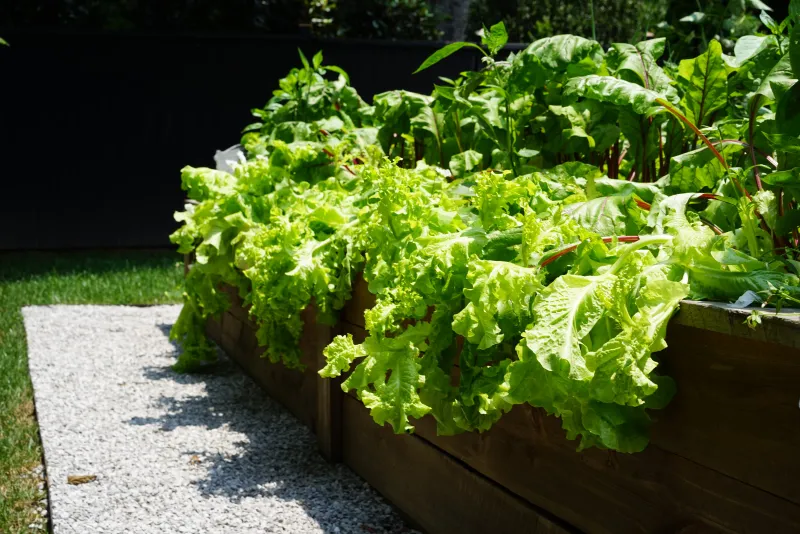
Once the window narrows, variety choice starts acting like extra time.
A slow heading lettuce may be a poor late bet while a quick loose-leaf selection can still produce repeated small harvests.
Spinach varieties bred for vigorous growth and cool-season performance give you a similar advantage, although no cultivar can overcome hot soil that prevents germination.
Read the packet for days to maturity, then treat that number as optimistic for fall.
September brings shorter days and cooler conditions, so plants commonly take longer than they would during bright spring weather.
Ohio Extension recommends counting backward from local frost timing while allowing additional time for germination and a maturity cushion.
Baby-leaf harvest changes the math.
Sow lettuce or spinach somewhat closer for young-leaf production and begin cutting once the leaves reach a useful size. You do not need to wait for a full lettuce head or a giant spinach rosette to call the planting successful.
Succession sowing can help too.
Use two short rows a week or two apart rather than one giant sowing. The first planting may produce the main harvest while the second becomes a smaller bonus under cover.
At the edge of Ohio’s fall window, realistic expectations matter more than bravado.
Choose speed. Protect what emerges. Harvest young when necessary.
The last useful sowing is not the one that survives until winter.
It is the one that actually gives you something worth carrying into the kitchen.