How To Prepare Your Arizona Raised Beds For Fall Without Using Chemical Fertilizers
You have weeks left before Arizona’s growing window slams shut, and everything underground is already stirring. Gardeners across the state are moving fast right now.
Arizona summers punish soil in ways most beds never fully recover from, and synthetic fertilizer only masks that damage. Salt residue builds quietly while your plants pay for it later.
Nature already solved this problem long before chemical companies existed, and living soil rebuilds itself once you stop interrupting it. Microbes, not bags of granules, decide what your harvest becomes.
Fall rewards gardeners willing to trust biology over shortcuts, while neighbors reaching for synthetic bags fall further behind. Your timing this month determines everything that grows next.
Desert soil forgives almost nothing once the season turns. Wait too long, and you’ll spend winter watching someone else’s garden thrive.
1. Clearing Out Summer Growth The Right Way
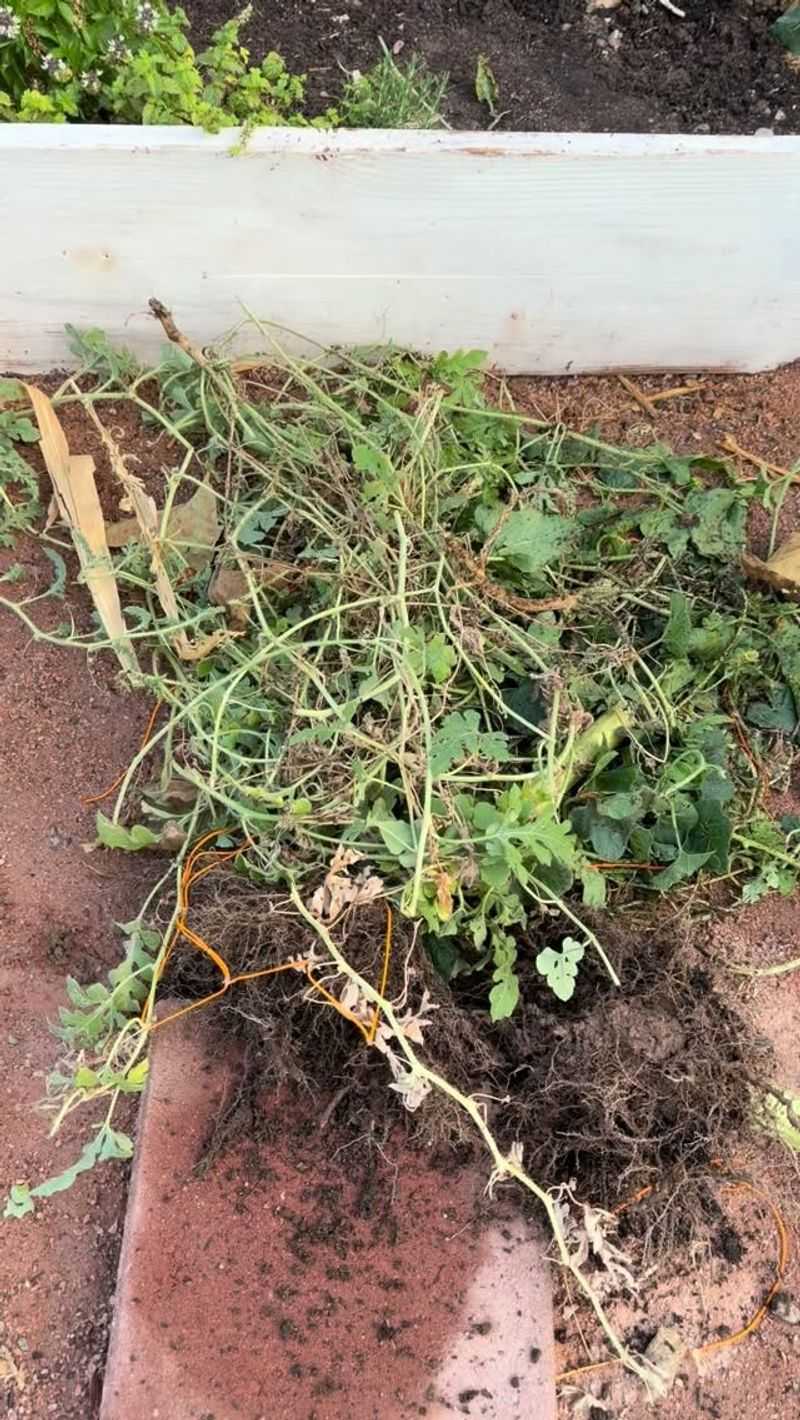
Dried tomato vines and crispy pepper plants are telling you something. They are done, and your bed needs a fresh start before fall planting begins.
Pull spent plants out by the roots rather than cutting them at the soil line. Leaving roots behind can harbor pests and slow down your soil’s recovery between seasons.
Check each plant carefully before tossing it into a pile. Diseased foliage should go into the trash, not the compost bin, to avoid spreading problems to your next crop.
Shake loose soil from root balls back into the bed as you work. Every bit of that desert-amended soil is worth keeping right where it is.
Once the bed is cleared, give it a good visual inspection for pests hiding near the surface. Whitefly eggs, spider mite webs, and aphid clusters often survive on plant debris left behind.
Run a gloved hand lightly across the top inch of soil to feel for unusual clumping or crusting. Hard, compacted patches near the surface can block water and air from reaching plant roots below.
Use a hand rake to gently loosen the top two inches without disturbing the deeper soil structure. Aggressive tilling destroys the fungal networks that help feed your plants naturally.
A clean, loosened bed is your blank canvas for fall. The effort you put in now sets the tone for everything that grows next.
2. Testing Your Soil Before Adding Anything New
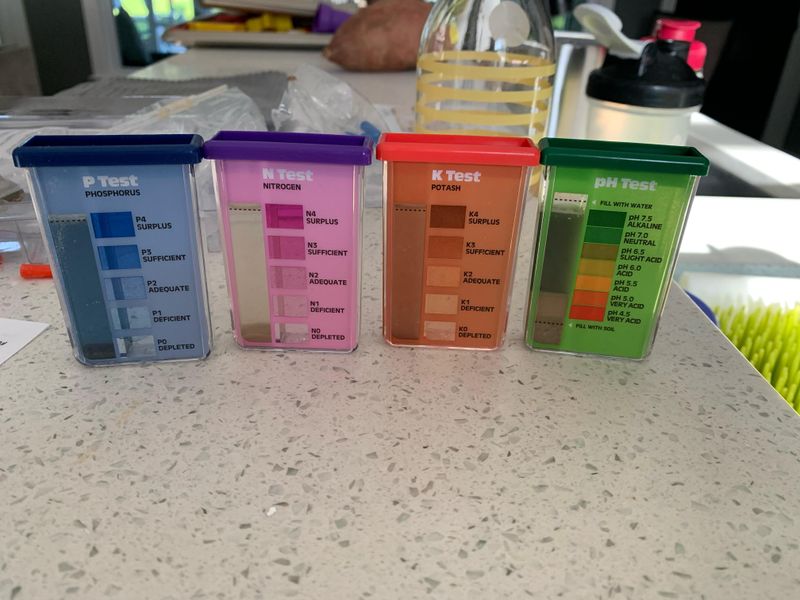
Guessing what your soil needs is like cooking without tasting first. A quick soil test takes the guesswork out of your fall prep entirely.
Basic soil test kits are available at most garden centers and online for an affordable price. They measure pH, nitrogen, phosphorus, and potassium, giving you a clear starting picture.
Desert soils in the Southwest tend to run alkaline, often landing between 7.5 and 8.5 on the pH scale. Most vegetables prefer a range closer to 6.0 to 7.0, so knowing where you stand matters a lot.
Collect soil from at least three spots in each raised bed for an accurate reading. Mixing samples together before testing gives you a more representative result than testing one single scoop.
Write down your results before doing anything else to your beds. Those numbers will guide every amendment decision you make this fall without any chemical fertilizers involved.
Your Arizona Garden Changes Every Week. Your Plan Should Too.
Gardening in Arizona changes quickly throughout the season. Every Friday you’ll receive a simple weekly plan showing exactly what to plant, prune, fertilize, harvest, and protect so you never miss the right timing.
Low nitrogen readings mean your plants struggled to feed themselves all summer. That is a signal to add compost, aged manure, or other organic matter before new seeds go in.
High phosphorus levels, on the other hand, mean you should hold off on bone meal or similar amendments this season. Adding more of what is already abundant can actually lock out other nutrients plants need.
Soil knowledge is genuine power in the garden. One test can save you months of frustration and wasted effort down the road.
3. Compost And Organic Amendments Worth Adding Now
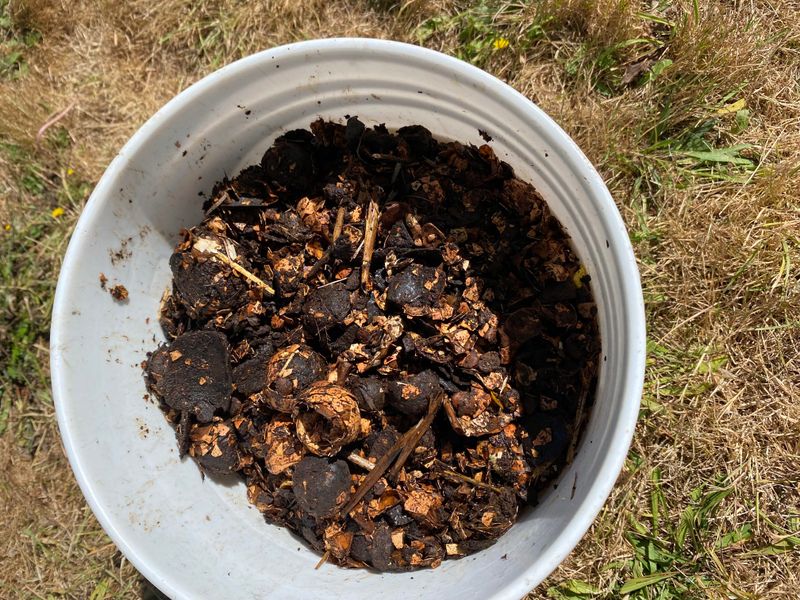
Fresh compost gives your soil a powerful, immediate boost. Adding it before fall planting kicks your bed’s biological activity into high gear right when you need it most.
Aim to work two to three inches of finished compost into the top six inches of your bed. That ratio gives soil microbes enough organic material to feed on through the entire season.
Homemade compost is ideal, but bagged options from the garden center work just as well. Look for products labeled as fully composted or finished to avoid burning tender seedling roots.
Worm castings are another powerful organic amendment worth mixing in at this stage. A small amount goes a long way, and they add beneficial microorganisms that synthetic products simply cannot match.
Kelp meal is a lesser-known gem that improves soil structure and delivers trace minerals. Sprinkle it lightly across the bed surface before working it in with a hand fork.
Blood meal can give nitrogen levels a natural boost if your test showed a deficiency. Use it sparingly though, since too much can create a nitrogen spike that harms rather than helps young plants.
Greensand is worth considering if your test revealed low potassium. Mined from ancient ocean deposits, it releases minerals slowly and improves the overall texture of sandy desert soils.
Layer your amendments thoughtfully rather than dumping everything in at once. Your soil will thank you with steady, reliable growth all season long.
4. Aged Manure Options That Boost Fertility Naturally
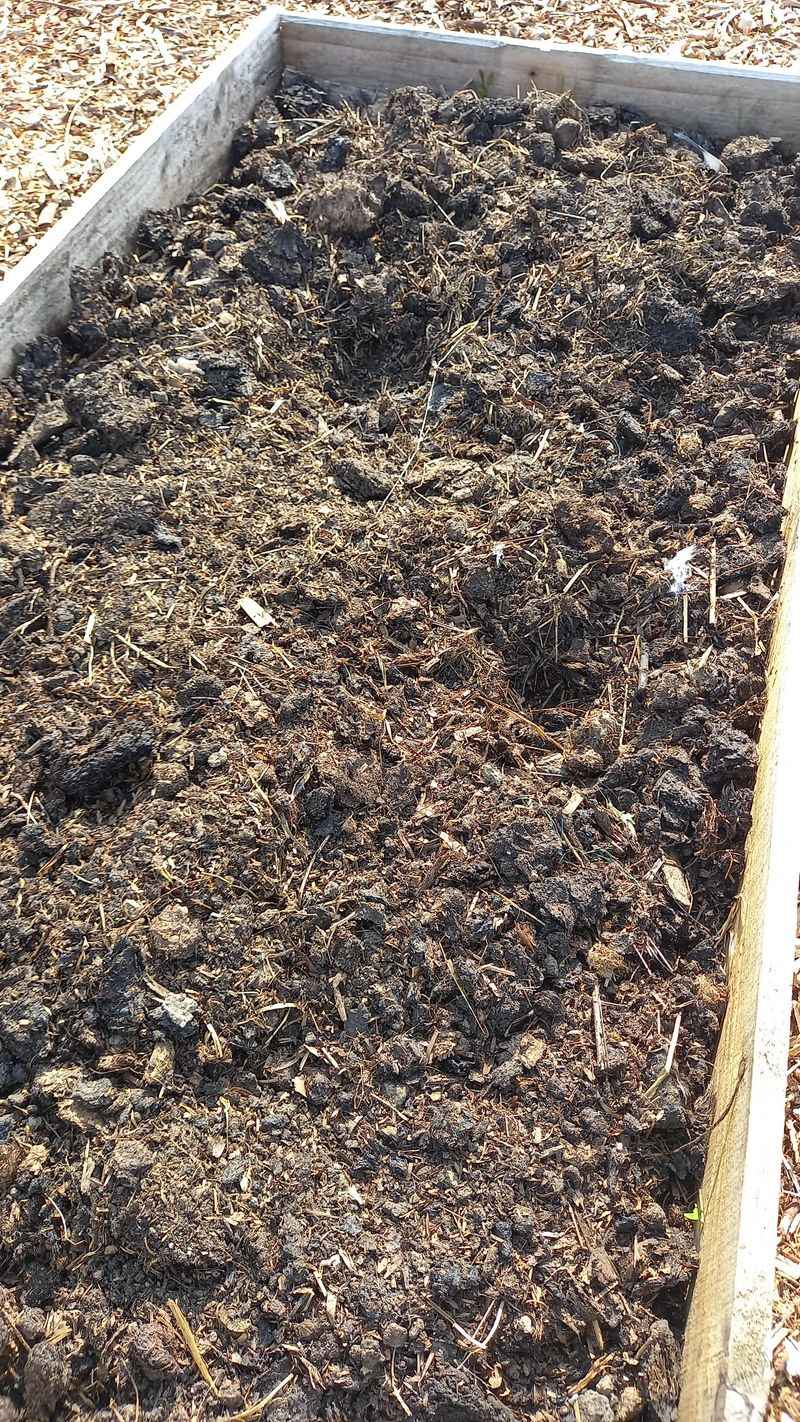
Not all manure is created equal, and choosing the right type makes a real difference. Aged manure from the right source can transform tired, depleted soil into something remarkable.
Chicken manure is one of the most nitrogen-rich options available to Arizona gardeners. Because it is so concentrated, it must be fully aged or composted before use to avoid burning plant roots.
Cow manure is milder and easier to work with straight from the bag. It conditions soil texture beautifully, especially in raised beds that have become compacted from summer heat and heavy watering.
Rabbit manure is a standout choice because it can go directly into the bed without aging first. It releases nutrients slowly and consistently, making it ideal for fall crops like lettuce, spinach, and carrots.
Horse manure is widely available in rural parts of the Southwest, often for free from local stables. Always confirm it has been composted for at least six months to eliminate weed seeds and pathogens.
Steer clear of fresh manure from any source right before planting. Fresh material generates heat as it breaks down, which can damage seedlings and create an inhospitable environment for germination.
Mix aged manure into the top four to six inches of your bed alongside compost for best results. Combining the two creates a nutrient-dense growing medium that rivals anything sold in a synthetic fertilizer bag.
Your fall crops will root into something genuinely alive. That is the kind of foundation that keeps producing season after season.
5. Cover Crops That Rebuild Soil Between Seasons
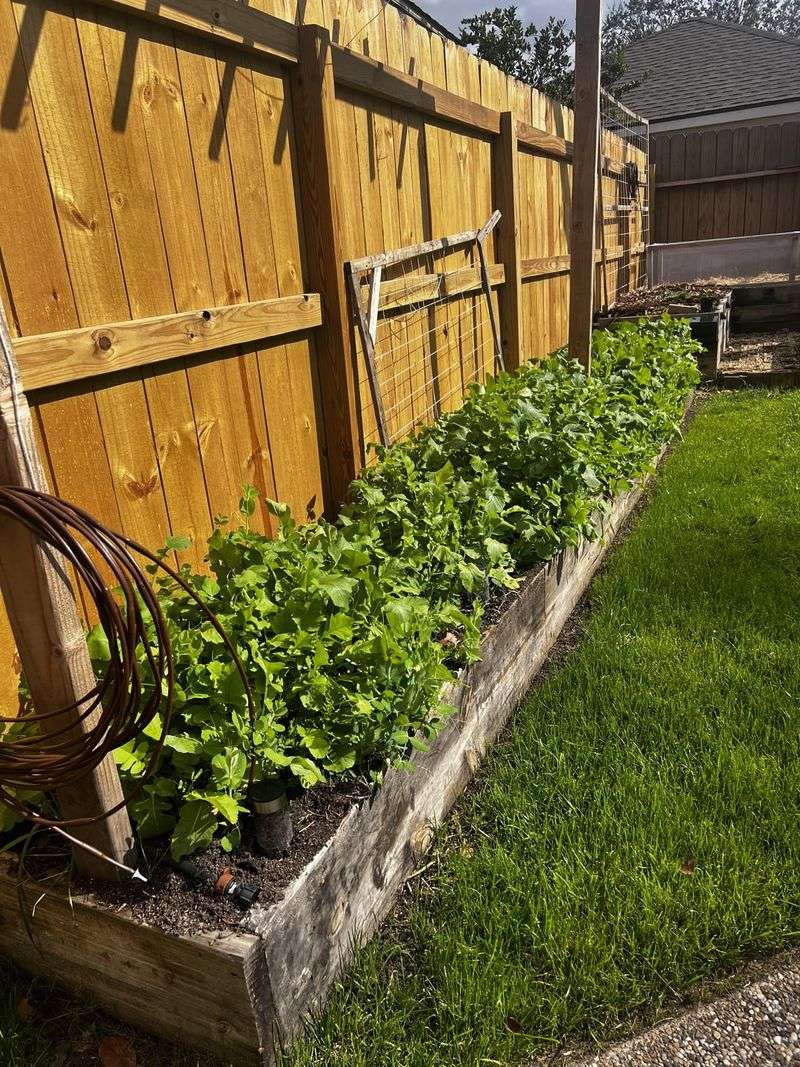
Cover crops are one of gardening’s most underrated tools. Planting a quick-growing cover between seasons can rebuild fertility, prevent erosion, and suppress weeds all at the same time.
Legumes like hairy vetch, crimson clover, and Austrian winter peas are excellent choices for fall. They fix atmospheric nitrogen directly into the soil through their root systems, feeding future crops for free.
Cereal rye is another solid option that grows fast even in cooler desert nights. Its deep roots break up compacted soil layers and add significant organic matter when turned under in spring.
Buckwheat is worth planting if you have a short window before your main fall crops need to go in. It grows quickly, suppresses weeds aggressively, and breaks down fast once you turn it under.
Plan to cut cover crops down before they go to seed to keep things tidy. Letting them flower and drop seeds can create a weedy mess that complicates your next planting cycle.
Chop and drop the cut material directly onto the bed surface as mulch. Within a few weeks, soil organisms will begin breaking it down into usable organic matter right where your plants need it.
Alternatively, you can turn the cover crop into the top few inches of soil as a green manure. This technique adds a burst of nitrogen and organic carbon that supercharges microbial activity below the surface.
A cover crop investment now pays dividends every season that follows. Healthy soil builds on itself, and that momentum is genuinely exciting to watch.
6. Mulching Techniques That Lock In Nutrients
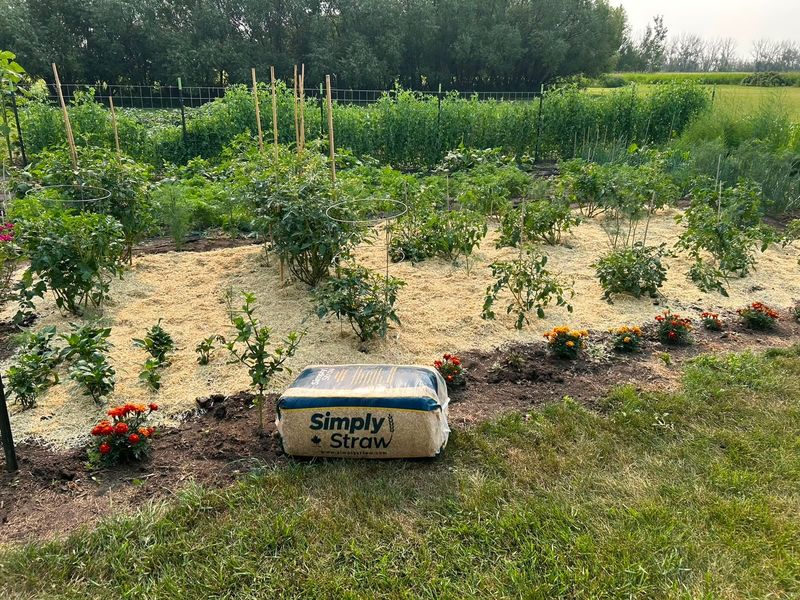
Mulch is one of the hardest-working layers in any raised bed. A good mulch cover holds moisture, moderates soil temperature, and feeds your soil as it breaks down over time.
Straw is the most popular choice for fall vegetable beds and for good reason. It is lightweight, easy to spread, and breaks down at a pace that adds organic matter without overwhelming the soil.
Wood chip mulch works well between beds and around perennial herbs, but use it cautiously inside planting areas. Thick wood chips can temporarily tie up nitrogen as they decompose, competing with your vegetables for that nutrient.
Shredded leaves are a free and fantastic mulching material if you have access to them. Run them through a lawn mower first to speed up decomposition and prevent them from matting together in the rain.
Apply mulch in a layer two to three inches deep across the bed surface. Thinner layers dry out too fast, while thicker applications can create a moisture barrier that prevents water from reaching plant roots.
Keep mulch pulled back slightly from plant stems and seedling bases. Direct contact with stems can trap moisture and encourage rot at the soil line, which is a problem that sneaks up fast.
Refresh your mulch layer mid-season if it starts to thin out or compact. Consistent coverage is what keeps the soil biology underneath happy and productive throughout fall and into early winter.
Good mulching is quiet, steady garden magic. It works around the clock so you do not have to.
7. Timing Your Prep For Arizona’s Fall Growing Window
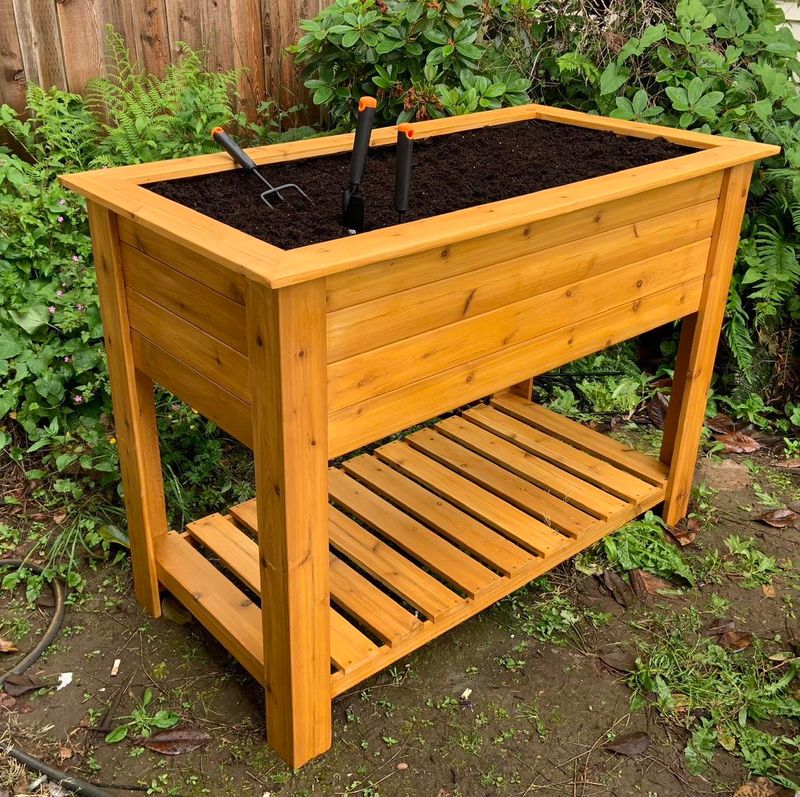
Timing is everything in desert gardening, and fall is no exception. Miss the planting window by even two weeks and your crops may not have enough cool weather to mature properly.
In low desert areas like Phoenix and Tucson, the fall planting window generally opens in late summer for warm-season crops and shifts to early fall for cool-season vegetables. Knowing your zone and elevation changes this calculation significantly.
Start bed prep at least two to three weeks before your target planting date. That lead time allows amendments to begin breaking down and soil microbes to reactivate before seeds or transplants go in.
Soil temperature matters more than air temperature when deciding if your bed is ready. Most cool-season crops germinate best when soil sits between 50 and 75 degrees Fahrenheit.
Use an inexpensive soil thermometer to track your bed’s temperature in the early morning. Early morning readings give you the most accurate picture of what seeds will actually experience during germination.
Watch the ten-day forecast closely as you prep your beds for fall planting. A late heat wave can push soil temps above 85 degrees, which stalls germination and stresses newly transplanted seedlings.
Shade cloth stretched over beds during the hottest part of the day can help lower soil temperature by several degrees. A 30 to 40 percent shade rating is usually enough without blocking too much light for plant growth.
Nail the timing and fall becomes your most rewarding season in the garden. Everything clicks when preparation meets the right conditions at exactly the right moment.
8. Watering Adjustments As Beds Transition Into Fall
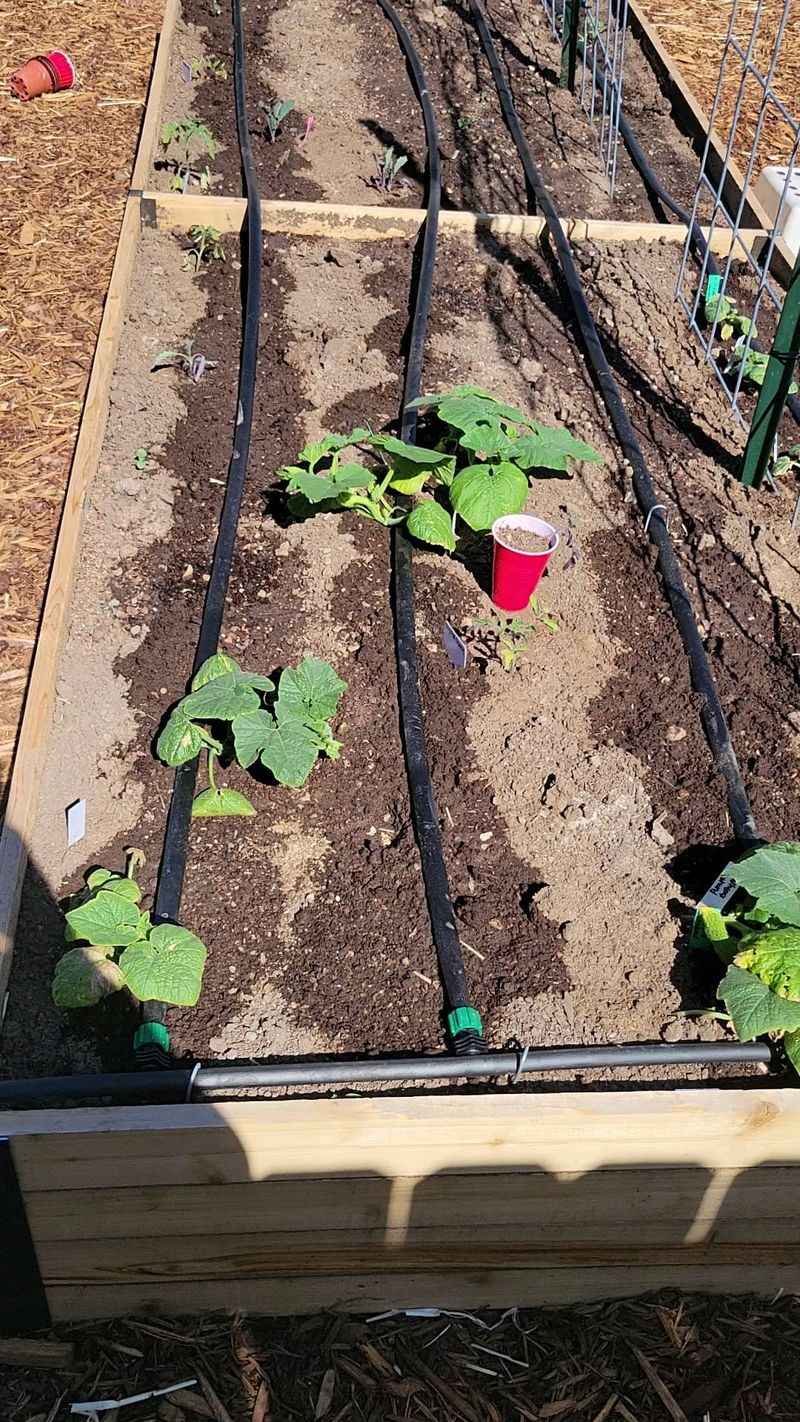
Summer watering habits do not translate well into fall, and many Arizona gardeners make this mistake every year. As temperatures drop, your raised beds need noticeably less frequent irrigation to stay in balance.
Overwatering in fall is one of the most common causes of root rot and fungal disease in cool-season crops. Cooler air means slower evaporation, so soil stays moist much longer between watering cycles.
Stick your finger two inches into the soil before turning on any irrigation system. If it still feels damp at that depth, hold off and check again the following day before watering.
Drip irrigation is ideal for raised beds because it delivers water directly to the root zone. Surface watering with a hose or sprinkler can wet foliage unnecessarily, inviting powdery mildew and other fungal issues.
Adjust your irrigation timer as nighttime lows begin dropping in September and October. What worked on a three-day schedule in summer may only be needed every five to seven days by mid-fall.
Morning watering is strongly preferred over evening irrigation in any season. Wet foliage that sits overnight in cooler temperatures creates the perfect environment for fungal spores to take hold and spread.
Mulching your beds, as covered earlier, dramatically reduces how often you need to water. That combination of fewer irrigation cycles and organic mulch is a powerful pairing for low-effort fall gardening.
Every smart step you take now pays off across the entire fall season. Water wisely, and your soil will stay balanced and alive all the way through harvest.