Why Leaving Himalayan Blackberry Crowns In The Soil Keeps Oregon Yards Infested
Himalayan blackberry has a talent for making a yard feel like it belongs to the plant instead of the homeowner.
One season it is a few thorny stems along a fence line, and before long it can turn into a dense, tangled patch that seems determined to claim every empty corner.
Impressive persistence, but not exactly the garden feature most people were hoping for.
The frustrating part is that removing what you can see is often the easiest part. Those sprawling canes may get cut back, cleared away, or hauled off, leaving the area looking dramatically better.
Then, months later, new growth appears and the whole battle starts again. Cue the gardening déjà vu.
That is because what happens below the surface can matter just as much as the thorny growth above ground.
A cleanup that only focuses on the obvious parts may leave behind the very thing helping the plant return.
If Himalayan blackberry keeps making surprise comebacks in your Oregon yard, the answer may not be another round of cutting.
Taking a closer look at what remains underground can change how you approach the problem entirely.
1. The Crown Is The Part That Keeps Blackberry Coming Back
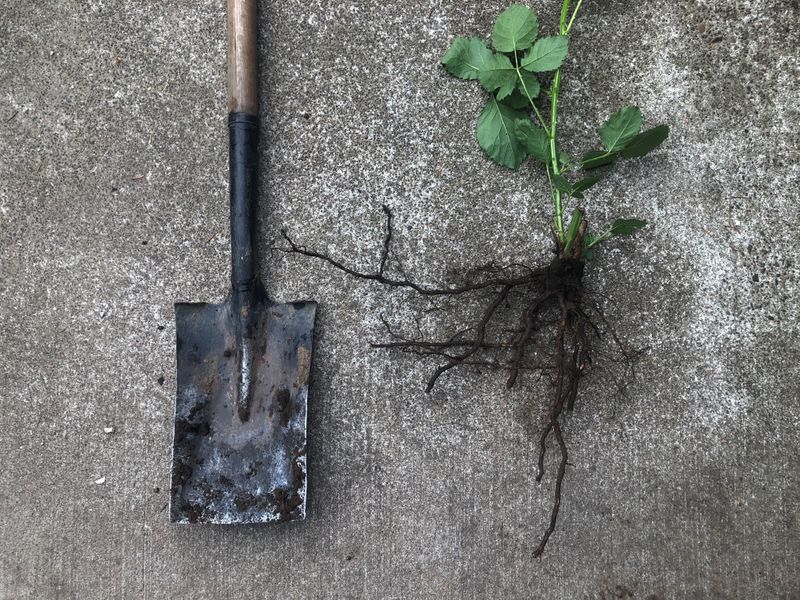
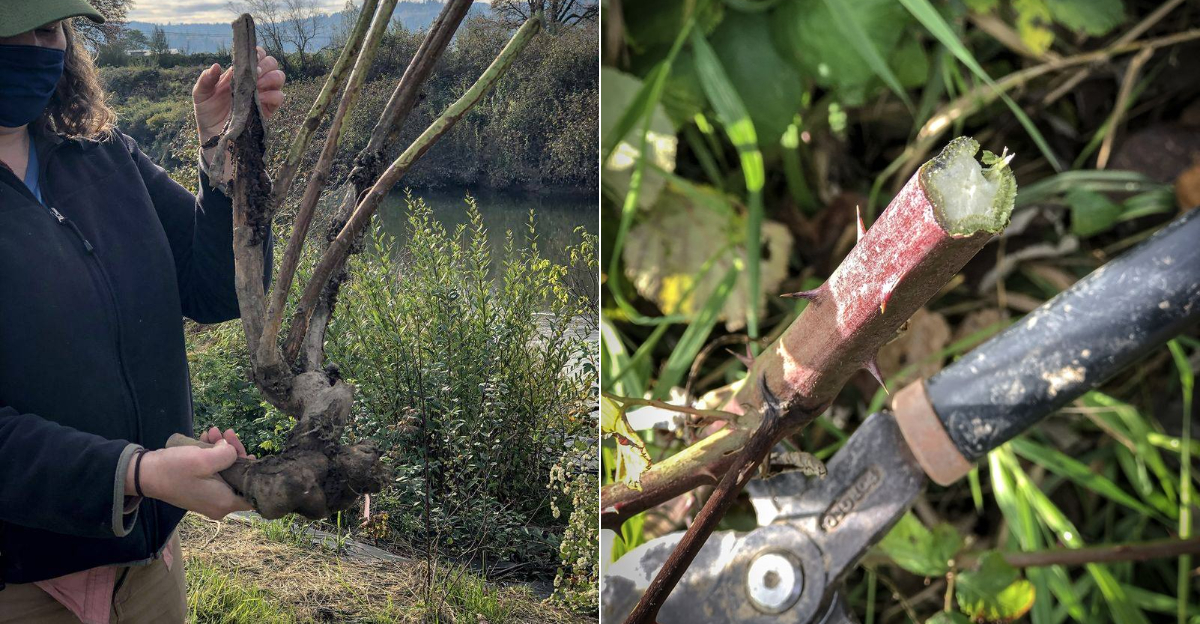
Most people have never seen a blackberry crown up close, and that is part of the problem. The crown is the thick, woody base of the plant where the stems meet the roots.
It sits right at or just below the soil surface, and it is built to survive almost anything.
The crown stores starch and other nutrients the plant uses to bounce back after being cut or damaged. Think of it like a rechargeable battery packed with energy.
Even after every visible cane is removed, the crown still has plenty of fuel left to push out new growth.
This structure is not soft or easy to break apart. Mature crowns can grow as wide as a dinner plate and feel almost like wood.
They anchor the plant firmly and make hand-pulling extremely difficult without the right tools. Many homeowners pull out armfuls of canes and feel like they made progress, only to see fresh green shoots appear a few weeks later.
That regrowth is coming straight from the crown. Until the crown is fully removed or destroyed, the plant is not gone.
It is just resting. Recognizing the crown as the true source of the plant’s persistence is the most important shift in thinking any homeowner can make when tackling a blackberry patch.
2. Cutting Canes Does Not Remove The Real Problem
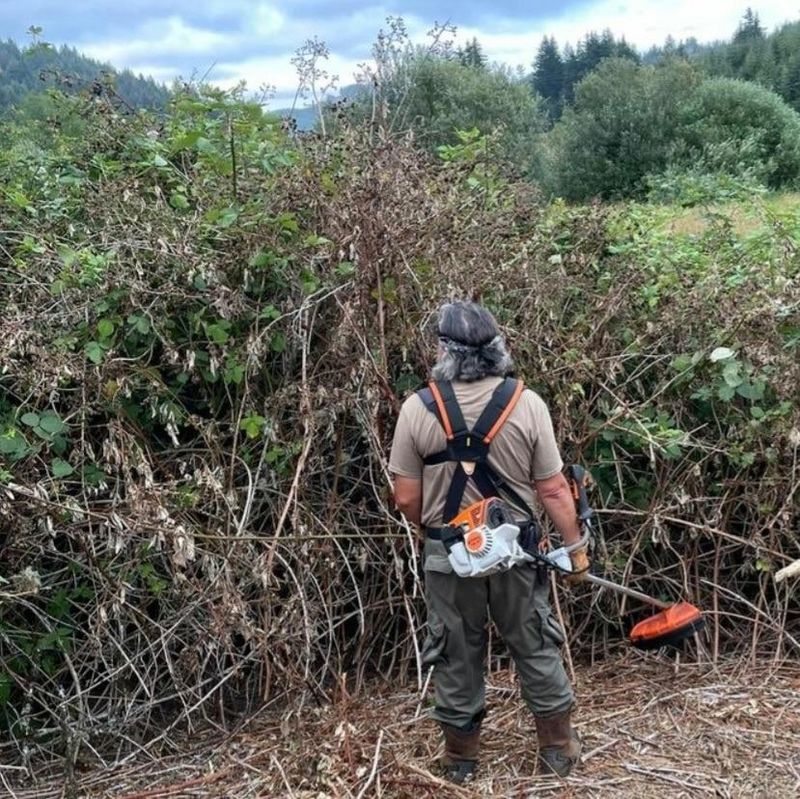
Grab a pair of loppers and start cutting, and it feels like real progress. The canes fall, the patch looks smaller, and the yard seems more manageable.
But cutting canes is really just trimming the surface of a much bigger problem.
Below the soil, the crown is completely untouched. Cutting the canes actually triggers a stress response in the plant.
It pushes more energy into producing new shoots, sometimes sending up multiple new canes for every one that was cut. This makes the patch grow back thicker than before.
Your Oregon Garden Changes Every Week. Your Plan Should Too.
Gardening in Oregon changes quickly throughout the season. Every Friday you’ll receive a simple weekly plan showing exactly what to plant, prune, fertilize, harvest, and protect so you never miss the right timing.
Loppers and pruning shears are useful tools, but they need to be part of a bigger plan. Cutting alone, without any follow-up digging or root removal, is like mowing over a weed.
The top disappears, but the root system keeps working underground. Cane cutting is a good first step because it makes the area safer and easier to work in.
Thick, thorny canes are hard to move around, and clearing them first gives better access to the ground. But it should always be step one, not the final step.
Homeowners who stop after cutting canes often find themselves repeating the same work season after season without making lasting progress. The canes are the symptom. The crown is the cause.
3. Hidden Crowns Can Send Up New Shoots
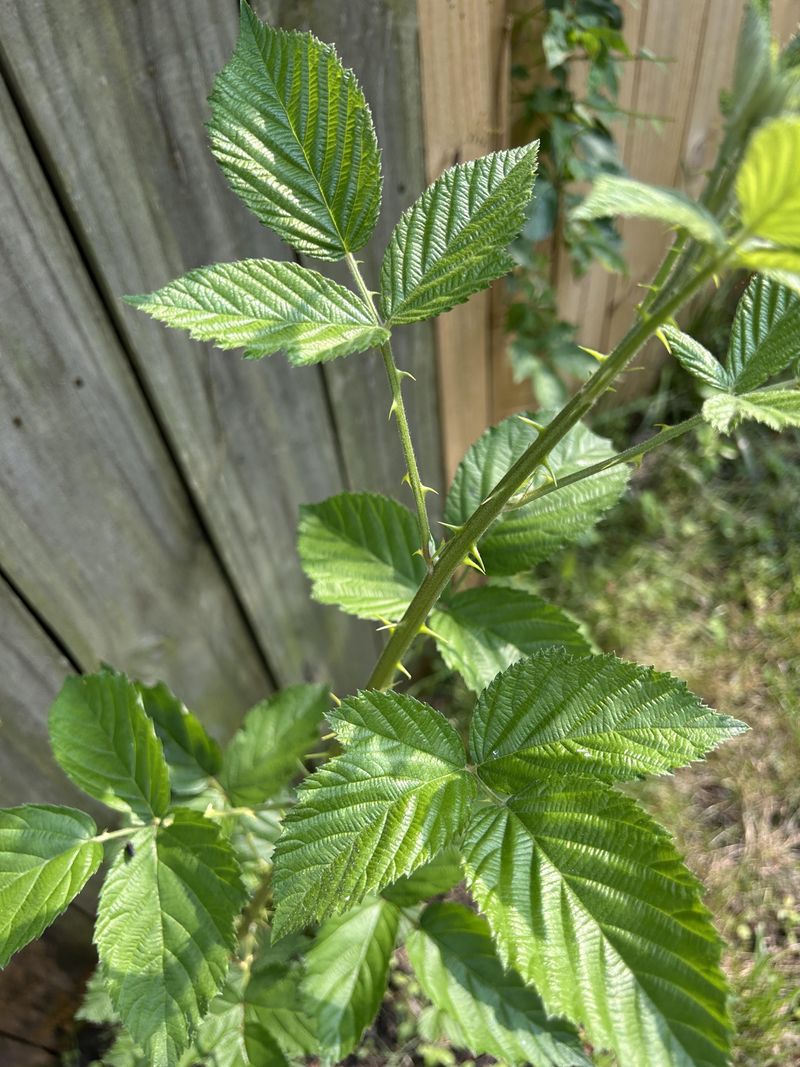
One of the sneakiest things about Himalayan blackberry is how well the crown hides. In an established patch, the ground is usually covered with withered leaves, old canes, and tangled debris.
The crown can be buried under all of that and nearly invisible to someone walking by. Even after clearing away the top growth, the crown may not be obvious.
Soil can shift and cover it over time, or it may be tucked just below the surface where it is easy to miss.
A crown that looks withered or dried out can still be very much alive and ready to grow. New shoots from a hidden crown often appear in unexpected places, sometimes several feet away from where the original canes were growing.
The plant can push growth through cracks in patios, along fence lines, or up through mulch. People often assume a new plant has sprouted from seed, but in many cases, it is the same old crown sending up a runner.
Checking the area carefully after clearing is always a good idea. Prod the soil with a digging tool to locate any remaining crowns.
If you find a firm, woody mass just under the surface, that is the crown, and it needs to come out. Leaving it in place, even accidentally, will restart the whole cycle.
4. Tiny Root Pieces Can Keep The Patch Alive
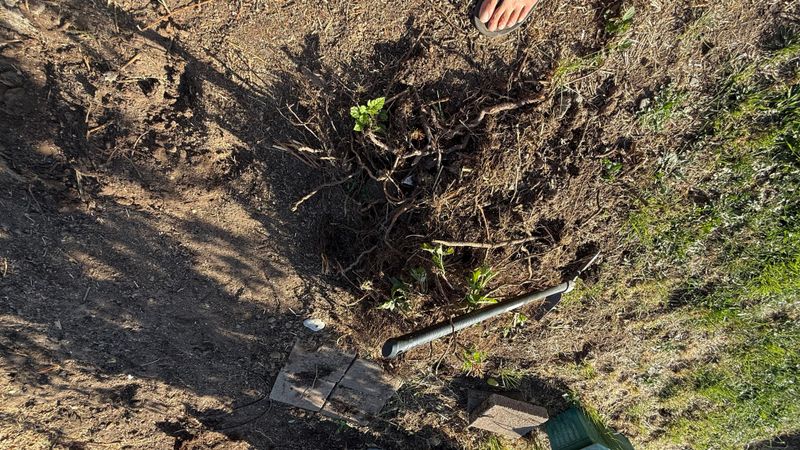
Here is something most people do not expect: even a small piece of root left in the ground can grow into a new plant. Himalayan blackberry has a root system that is surprisingly good at regenerating from fragments.
This is one reason why tilling or chopping through roots with a machine can sometimes make the problem worse.
When a rototiller runs through a blackberry patch, it cuts the roots into dozens of small pieces. Each piece has the potential to sprout new growth if conditions are right.
Instead of removing the plant, tilling can accidentally spread it across a wider area of the yard.
Hand digging is slower, but it gives much better control. Working carefully around the crown and following the main roots outward helps remove more of the root system in one piece.
The goal is to get out as much as possible without chopping things up. Even with careful digging, some small root pieces will stay behind.
That is why follow-up visits matter so much. Any root fragments that sprout should be pulled immediately before they have time to re-establish a crown.
Catching regrowth early, when it is still small and shallow-rooted, is far easier than waiting until a new crown has formed. Persistence and attention to detail are what separate a successful removal from one that fails.
5. New Growth Often Appears Weeks After Cutting
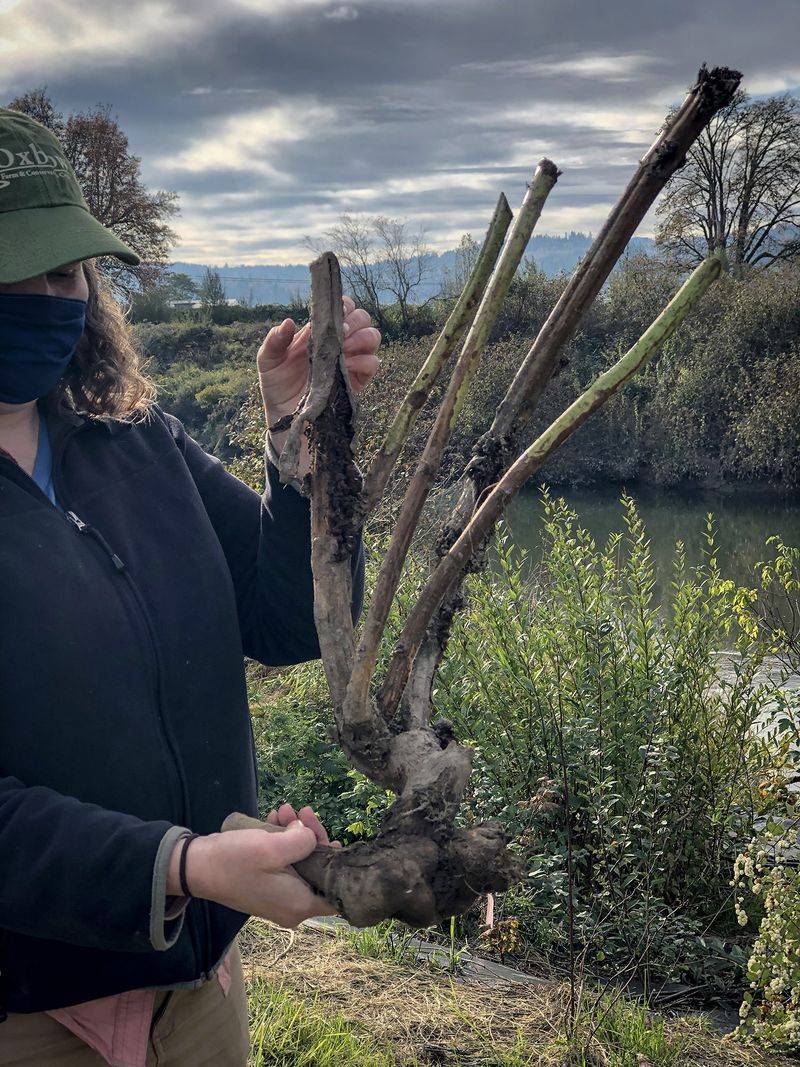
After cutting back a big blackberry patch, it is easy to feel like the work is done. The yard looks cleaner, the canes are gone, and everything seems under control.
Then, a few weeks later, small green shoots start poking up from the ground. This delayed regrowth catches a lot of homeowners off guard. The plant was not gone.
It was just regrouping. The crown uses its stored energy reserves to push out new shoots, and it can do this surprisingly quickly, sometimes within two to three weeks of cutting.
Warm weather speeds up this process. In spring and early summer, when soil temperatures rise and rain is still falling, regrowth can be especially fast.
A small shoot can become a foot-tall cane in just a couple of weeks under the right conditions. Watching for this regrowth and responding quickly is a big part of successful removal.
When new shoots appear, they should be pulled out at the base rather than cut. Pulling gives a better chance of disturbing or removing part of the crown. If the shoot snaps off at soil level, the crown is still intact and will try again.
Setting a reminder to check the area every two to three weeks after the initial clearing helps catch regrowth before it gets out of hand. Staying on schedule makes a real difference in long-term results.
6. Digging Around The Crown Matters More Than Mowing
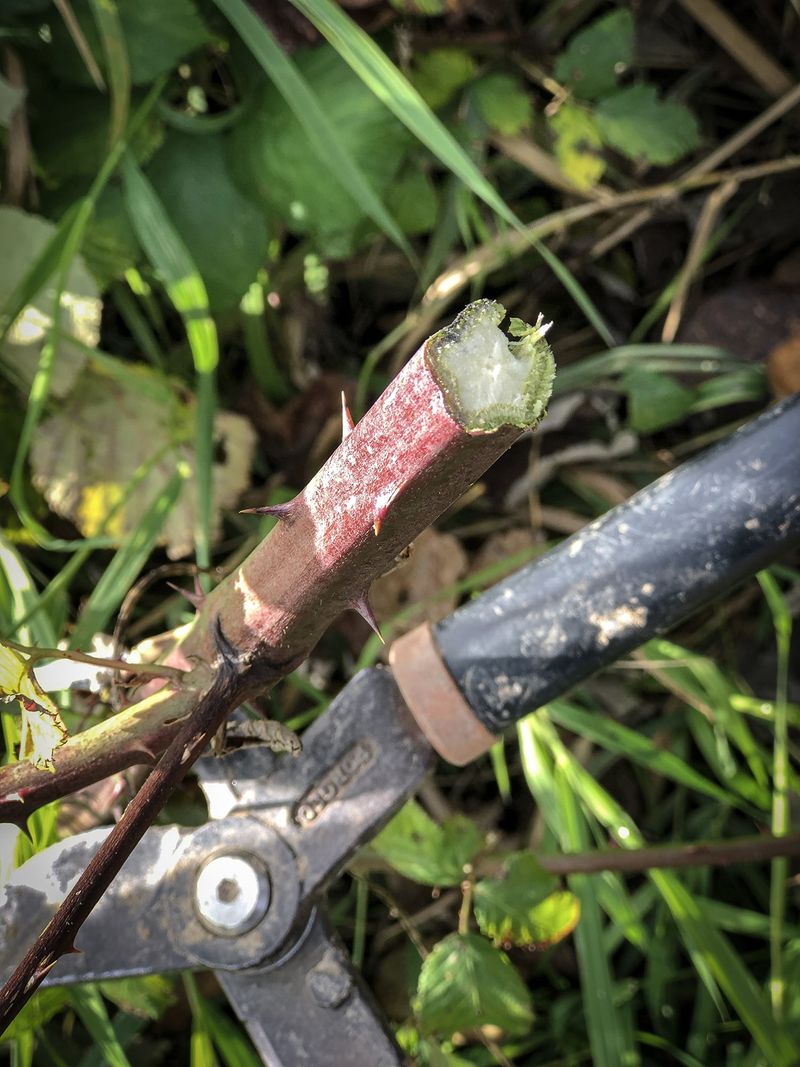
Mowing over a blackberry patch can look satisfying in the moment. The tall canes get knocked down, the area looks neat, and the job feels done.
But mowing is one of the least effective ways to deal with Himalayan blackberry in the long run.
A mower blade cuts canes at or near the soil surface, leaving the crown completely undisturbed. The crown does not care about the mower.
It simply sends up new canes to replace the ones that were cut. Over time, repeated mowing can actually encourage the crown to spread wider as it works to compensate for the constant loss of above-ground growth.
Digging is harder work, but it addresses the actual source of the problem. Using a mattock, digging bar, or heavy garden fork to loosen the soil around the crown allows for better access.
Once the soil is loosened, the crown can often be pried out in large sections. Working around the perimeter of the crown first, then levering it upward from underneath, is a method that works well in most soil types.
Rocky or clay-heavy soils in many parts of Oregon can make this harder, but the effort is worth it. A crown that is fully removed cannot grow back.
A crown that is mowed over will be waiting patiently for the next season. Choosing the right tool for the job changes everything.
7. Removing The Top Growth Is Only The First Step
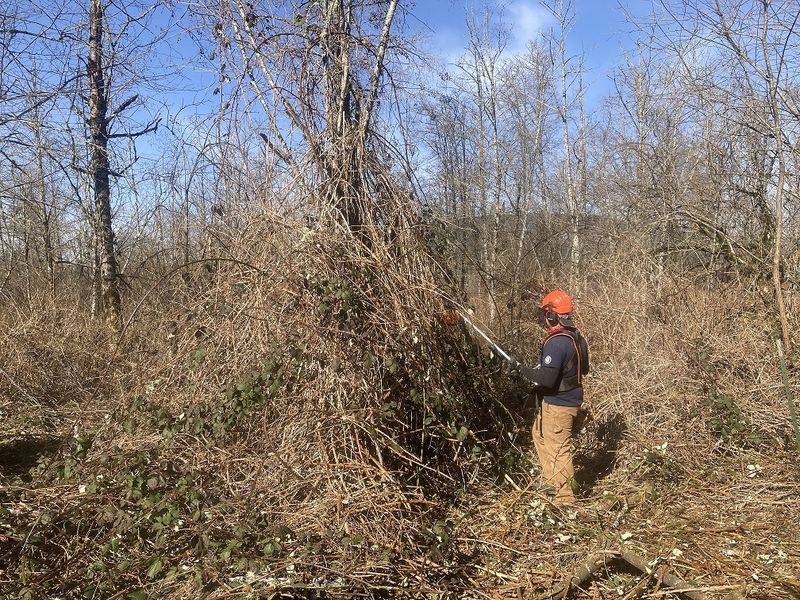
Clearing the canes and leaves from a blackberry patch is genuinely necessary work. It makes the area safer, reduces the spread of seeds, and gives much better access to the ground below. But stopping there is where many removal efforts go wrong.
Top growth removal is the opening move, not the final one. Once the canes are cleared, the real work begins underground.
The crown and root system need to be addressed before any lasting progress can be made. Skipping this step is like treating a fever without looking for the infection causing it.
After clearing the top growth, take time to map out where the crowns are located. In a large patch, there may be several crowns connected by a network of roots.
Each one needs to be located and removed. Using a sturdy digging tool, work through the area methodically rather than randomly.
Starting at one edge and working inward helps avoid missing sections. Bag or tarp the removed crowns and roots for disposal.
Do not compost them, as they can re-root even in a compost pile. Many Oregon counties have specific disposal guidelines for invasive plants, so checking local rules is a smart move.
Once the top growth is gone and the crowns are out, the site still needs monitoring. The first step opens the door. The follow-through is what closes it for good.
8. Missed Crowns Can Restart An Entire Thicket
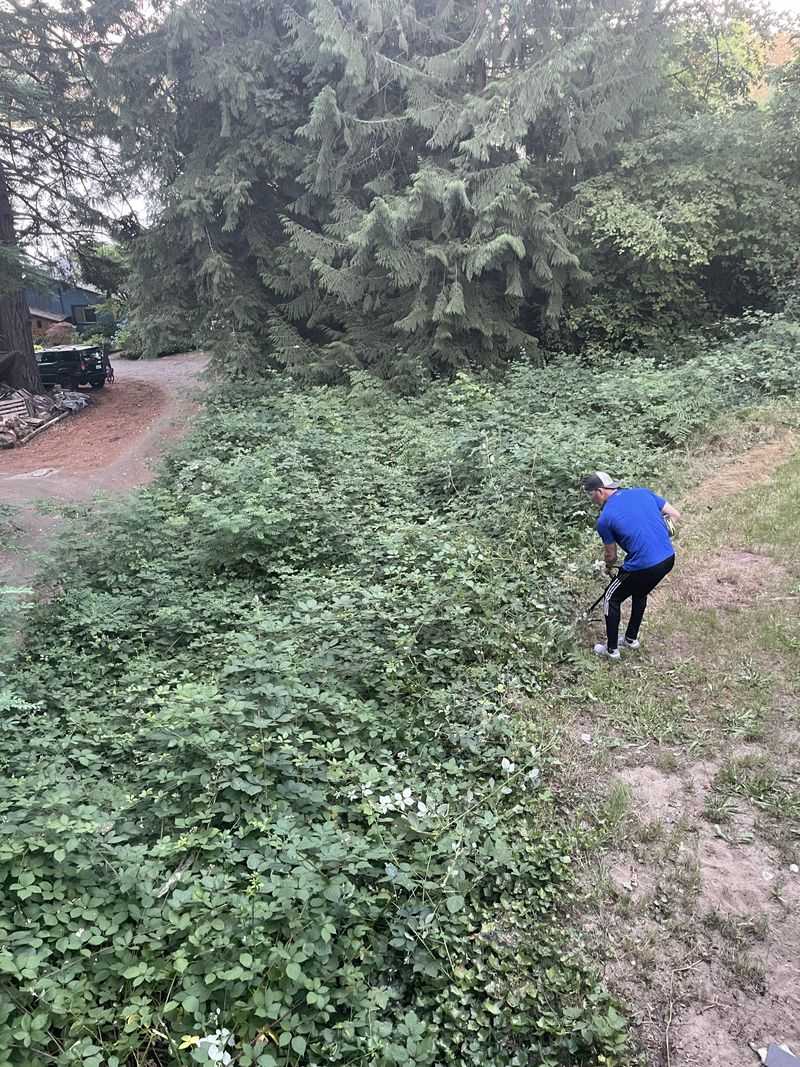
One missed crown can undo months of hard work. That might sound dramatic, but it is simply how this plant operates.
A single surviving crown has everything it needs to rebuild a full thicket over one or two growing seasons.
Himalayan blackberry grows fast. Canes can extend several feet in a single growing season, and where the tips touch the ground, they root and form new crowns.
One missed crown becomes two, then five, then a patch that covers the entire fence line again.
Large patches often have multiple crowns spread across the area, especially in spots where old canes have arched over and re-rooted. Each of those contact points can develop its own crown over time.
During removal, it helps to treat each section of the patch separately and check carefully for crowns at the edges, not just in the center. Edge crowns are easy to miss because the growth above them may look thinner or less established.
After the main removal is done, walking the perimeter of the cleared area every few weeks helps catch any missed crowns before they get a foothold again.
Flagging the location of any suspicious woody masses in the soil before digging makes it easier to track what has been addressed and what still needs attention. Thoroughness at this stage pays off in a big way later.
9. Repeated Follow-Up Is Needed After Removal
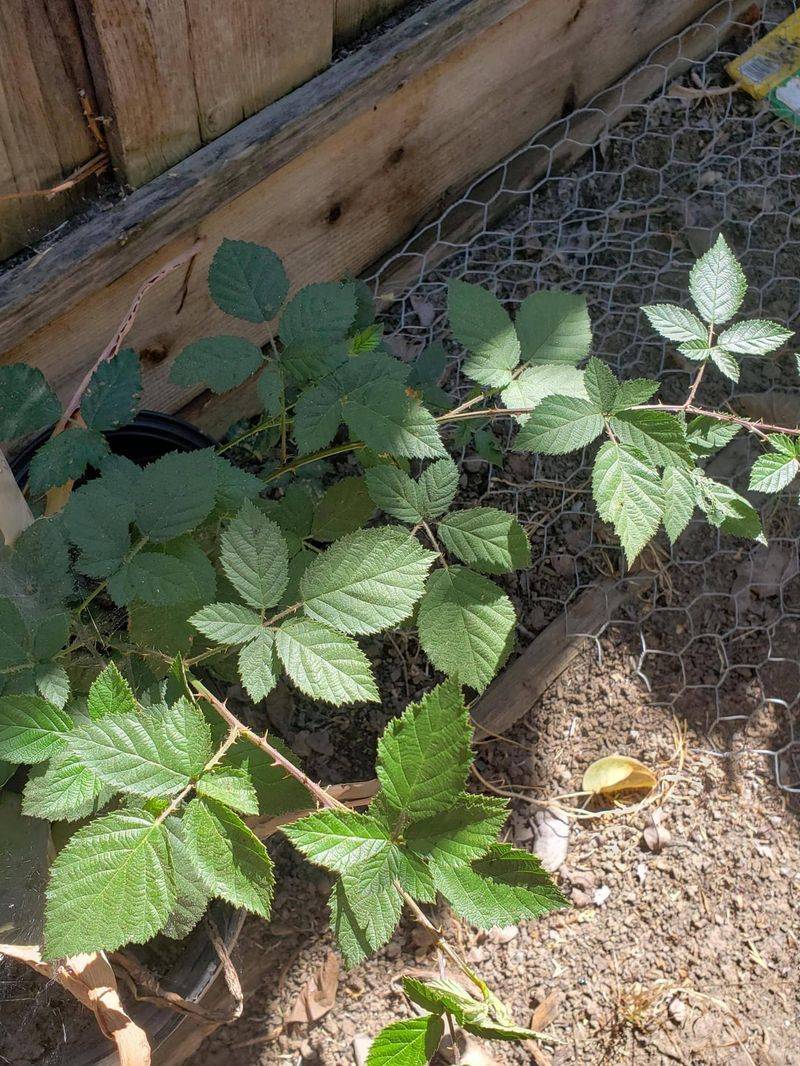
Getting the crown out is a major win, but the work does not stop there. Himalayan blackberry removal is not a one-time event.
It is a process that unfolds over multiple seasons, and follow-up visits are what make the difference between a yard that stays clear and one that fills back in.
Root fragments left behind will sprout. Seeds in the soil can germinate. Neighboring plants can send runners into the cleared area. All of these things mean that even a thorough removal job needs to be revisited regularly.
Planning for follow-up from the start helps avoid disappointment later. A good schedule is to check the cleared area every two to three weeks during the growing season.
Any new sprouts should be pulled immediately while they are still small and easy to remove.
As the seasons pass and fewer sprouts appear, the check-ins can become less frequent. Most removal projects start showing real, lasting results after two to three full growing seasons of consistent follow-up.
That timeline can feel long, but each season gets easier as the underground reserves are depleted. Keeping a simple log of where regrowth appears helps identify spots that need extra attention.
Staying patient and consistent is the most effective long-term strategy. Oregon yards that have been reclaimed from blackberry patches are proof that persistence, paired with the right approach, really does work.