What North Carolina Gardeners Must Do To Bush Beans In August For A Late Harvest
Heat like this usually convinces you the growing season has already come to an end. Bush beans planted in North Carolina soil right now tell you a very different story.
You can still plant now and pull a full harvest before frost ever lands hard. Speed becomes your single greatest advantage this late into any long North Carolina summer stretch.
Soil temperature alone decides if your seeds sprout right on schedule or simply stall. Every choice you make right now shapes exactly what you pull from the ground later. Missing a step early can cost you the whole harvest later.
Nail these details, and your beans outlast whatever frost hits this fall.
The Step That Determines If Your Seeds Even Sprout
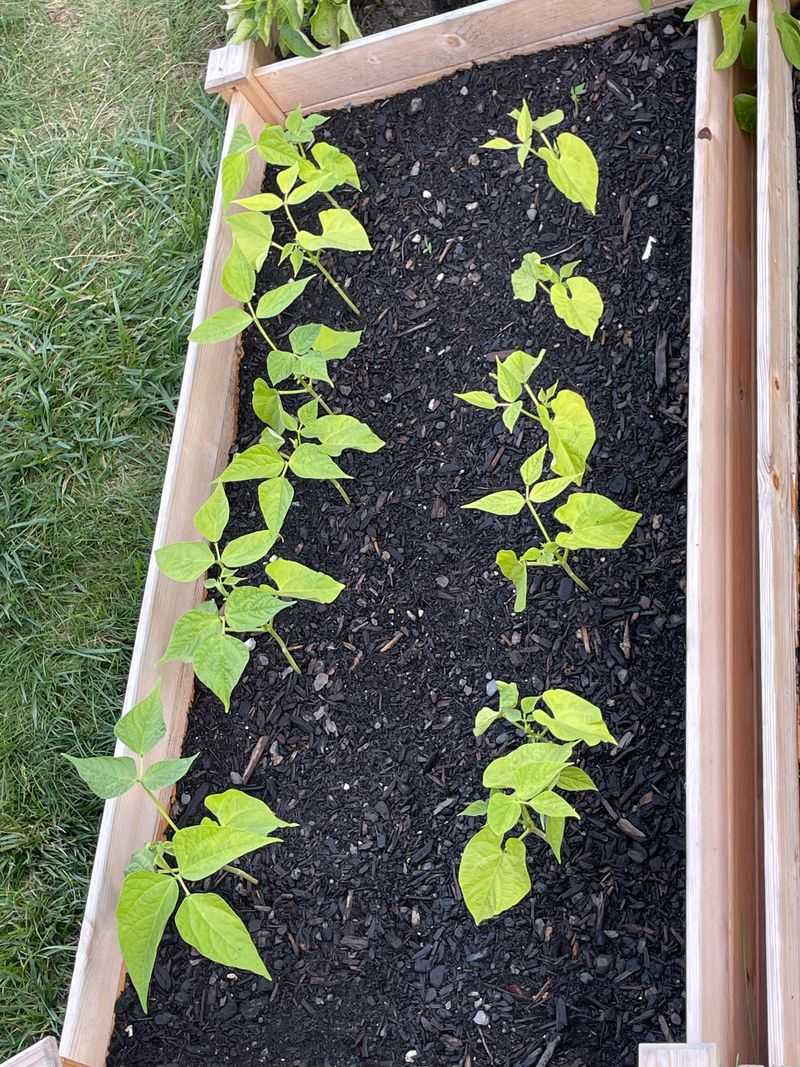
Planting depth is the quiet secret most gardeners overlook. Push your bush bean seeds about one inch deep into the soil for the best results.
Too shallow, and the seeds dry out before they even get started. Too deep, and the seedlings exhaust their energy before reaching sunlight.
Soil temperature matters just as much as depth when it comes to sprouting. Bush beans need soil that stays above 60 degrees Fahrenheit to germinate reliably.
August soil in North Carolina often runs warm, which actually works in your favor. Check the temperature with a simple soil thermometer before you plant a single seed.
Spacing your seeds about four to six inches apart gives each plant room to grow strong. Crowded plants compete for nutrients, and that competition slows everything down.
Choose a fast-maturing variety like Contender or Provider for late-season success. These types reach harvest in about 50 days, fitting neatly before fall frosts arrive.
Firm the soil gently over each seed after planting to ensure good contact. Loose, airy soil around seeds leads to uneven moisture and poor sprouting rates.
Pre-soaking your seeds for four to six hours before planting can speed germination. Hydrated seeds wake up faster and push through the soil with more energy.
Nail this first step, and it sets the tone for your entire late harvest. Everything else becomes much easier to manage from here.
The Reason Late Summer Soil Dries Out Faster Than You Expect
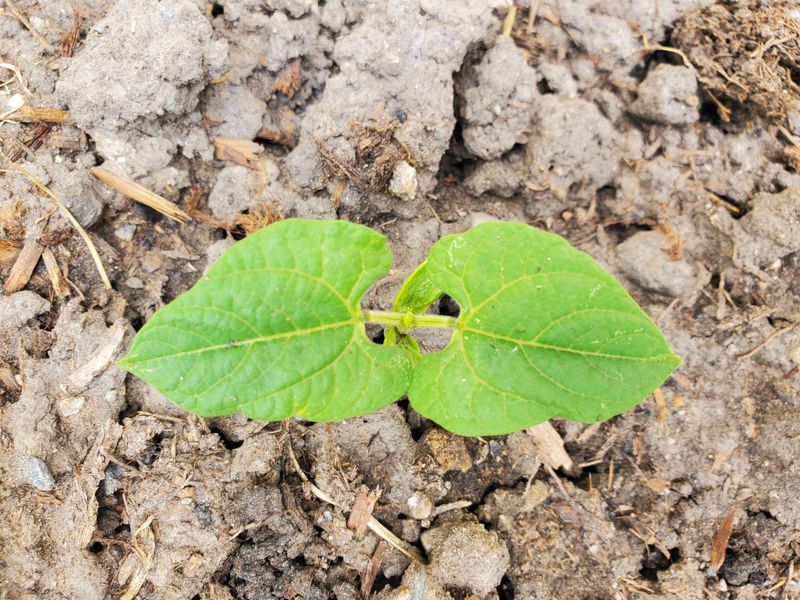
August sun is relentless, and your soil feels every bit of it. Heat draws moisture out of the ground faster than most gardeners realize during late summer.
Sandy soils, common in many parts of North Carolina, lose water especially quickly. They drain well, but that same drainage works against you when seeds need consistent moisture.
Clay-heavy soils hold water longer but can crust over on the surface after drying. That crust acts like a lid, blocking tender seedlings from pushing through to fresh air.
Organic matter is your best defense against rapid moisture loss in any soil type. Mixing compost into your planting bed helps the ground hold water longer between watering sessions.
Raised beds tend to dry out even faster than in-ground plots during hot weather. The exposed sides of a raised bed release heat and moisture from multiple directions at once.
Your North Carolina Garden Changes Every Week. Your Plan Should Too.
Gardening in North Carolina changes quickly throughout the season. Every Friday you’ll receive a simple weekly plan showing exactly what to plant, prune, fertilize, harvest, and protect so you never miss the right timing.
Afternoon shade from nearby shrubs or a shade cloth can slow evaporation significantly. Even one or two hours of blocked sun makes a measurable difference in soil moisture levels.
Check your soil at a two-inch depth before deciding whether to water or wait. Surface dryness can fool you into skipping a watering session your plants actually need.
Late summer soil in North Carolina can swing from soggy to bone-dry within 24 hours. That swing alone separates a successful late harvest from a disappointing one.
The Watering Frequency Bush Beans Need During Germination
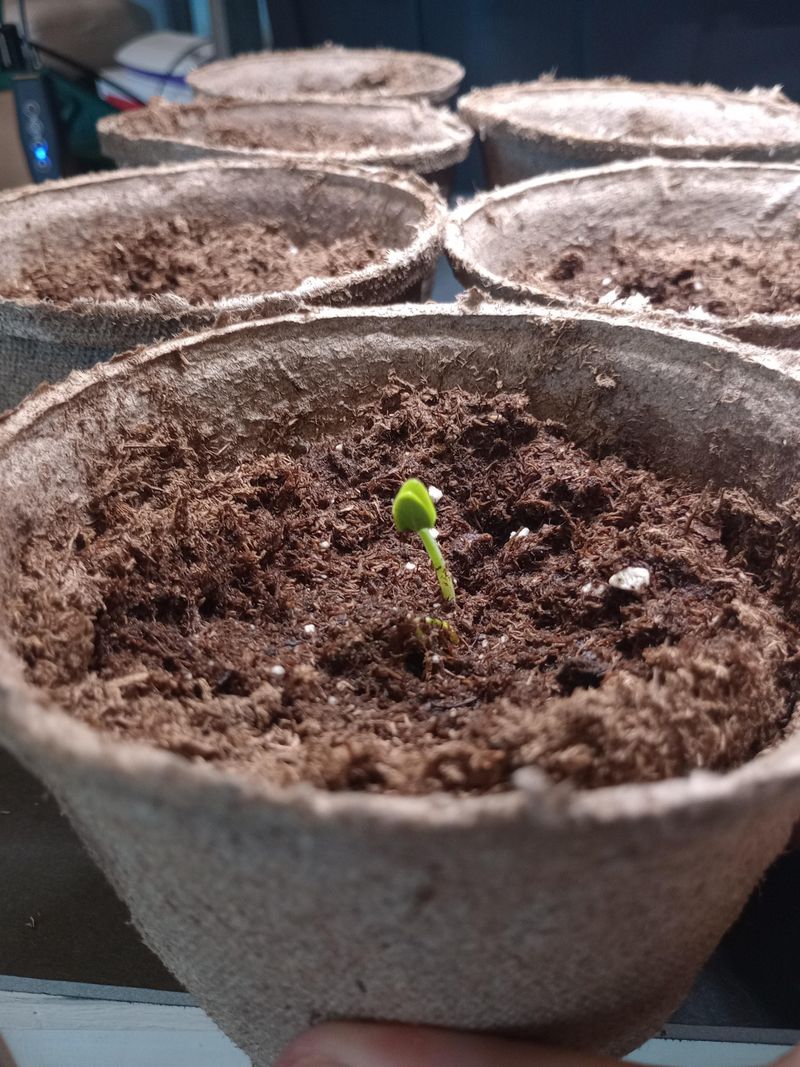
Germination is the most water-sensitive stage in a bush bean’s entire life. Miss a day of moisture during this window, and those seeds may never recover enough to sprout.
Water your newly planted bed at least once a day during August germination. On days above 90 degrees, twice-daily watering keeps the soil from drying out between sessions.
Morning watering is the gold standard for most gardeners working with late-season crops. It gives moisture time to soak in before afternoon heat pulls it back out of the ground.
Evening watering works as a solid backup when mornings aren’t possible. Just avoid soaking the foliage late at night, since wet leaves in cool air invite fungal problems.
A gentle spray setting on your hose prevents seeds from washing out of position. Strong water pressure can shift seeds around and disrupt the even spacing you worked to create.
Aim for about one inch of water per week across your bush bean planting area. Supplement rainfall with hand watering whenever the weekly total falls short of that target.
Stick your finger two inches into the soil before each watering session. If the soil feels moist at that depth, you can safely skip a session without stressing the seeds.
Consistency reliably beats intensity during the germination phase. Light, frequent watering does far more good than one heavy drenching every few days.
Signs Your Watering Routine Isn’t Doing Enough
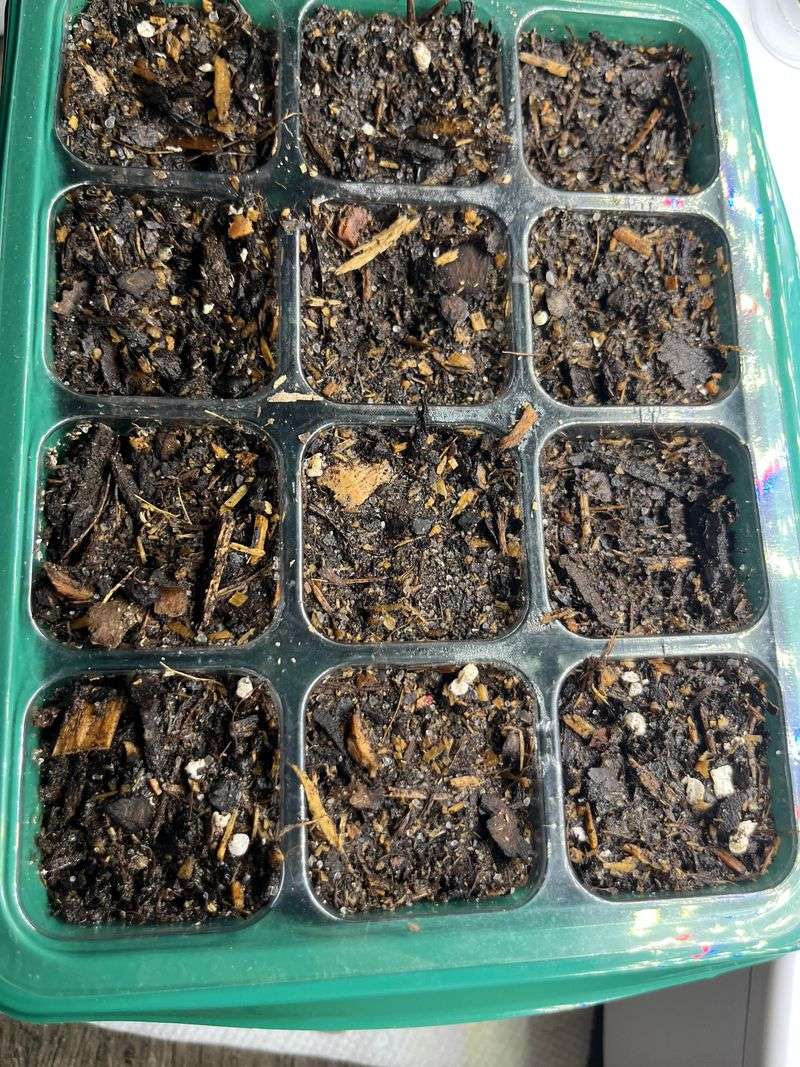
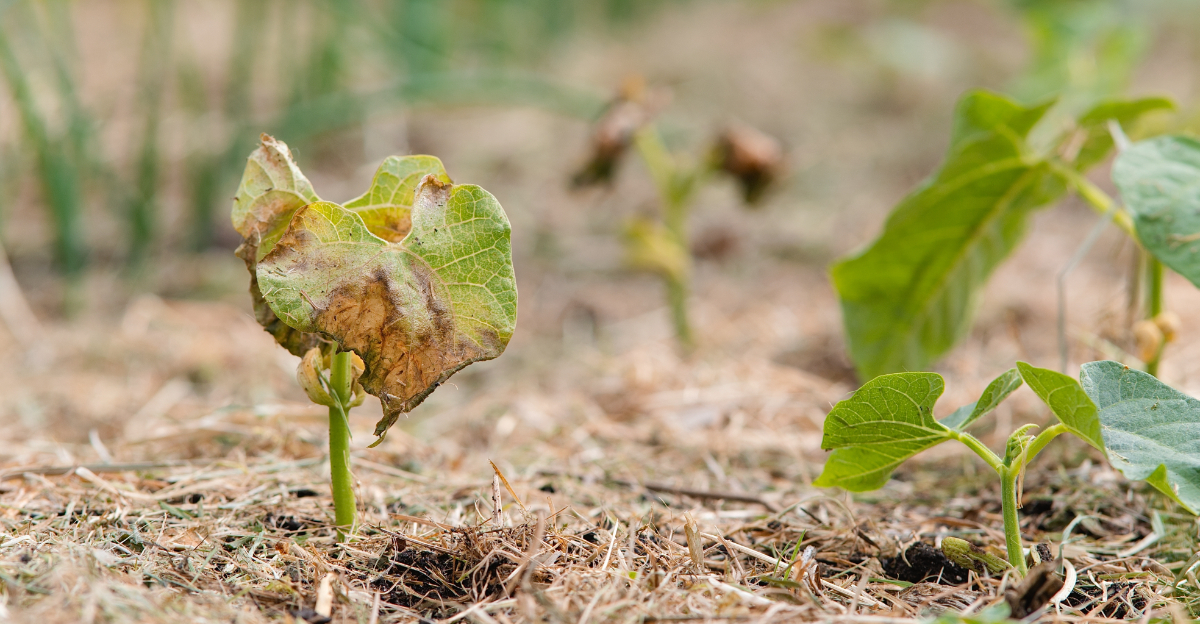
Your bush beans will tell you when something is wrong, if you know how to listen. Yellowing leaves on young seedlings are one of the earliest signs of water stress.
Wilting in the morning is a serious red flag worth paying attention to immediately. Plants that droop before the heat of the day has even peaked are already struggling badly.
Stunted growth is another clue that moisture isn’t reaching the roots consistently enough. Seedlings that barely seem to grow from one day to the next are often running on empty.
Soil that looks powdery or cracked at the surface needs water right away. That visual cue means the top layer has dried past the point of holding any moisture, leaving seeds exposed to damaging heat.
Leaf edges that curl inward are a plant’s way of protecting itself from moisture loss. Once you spot that curl, your plants are already under significant stress that needs quick attention.
Pale or washed-out leaf color can signal both underwatering and nutrient issues. Rule out moisture problems first by improving your watering schedule before adding any fertilizers to the mix.
Check the soil two inches below the surface when you notice any of these signs. If it feels dry at that depth, your watering routine needs an immediate adjustment.
Early action on these signals makes recovery much faster and more likely for your late harvest. A few days of neglect can set your crop back by a full week.
Simple Adjustments That Keep Moisture Where Beans Need It
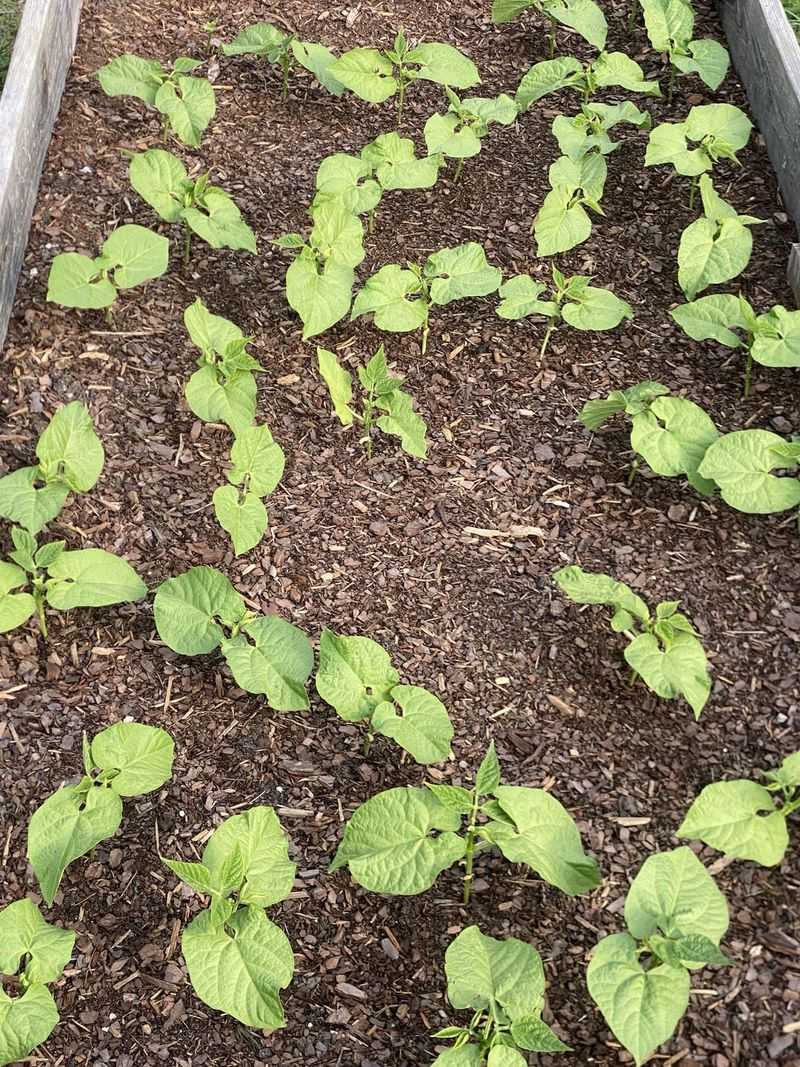
Mulch is the single easiest upgrade you can make to your watering routine. A two-to-three inch layer of straw or shredded leaves slows evaporation dramatically in late summer heat.
Apply mulch right after planting to lock in the moisture from your first watering. Waiting too long to mulch means losing ground during the most critical germination window.
Drip irrigation is a smart upgrade for gardeners serious about a late-season bush bean crop. It delivers water directly to the root zone, skipping the leaf surfaces altogether.
Soaker hoses are a budget-friendly alternative that works almost as well as drip systems. Lay them along your rows before planting and cover them lightly with soil or mulch.
Watering in the early morning keeps moisture available during the hottest part of the day. Plants absorb more water before temperatures peak, making each gallon you use count for more.
Grouping your bush bean rows closer together creates a natural canopy as plants grow. That shared shade reduces soil temperature and slows evaporation between your watering sessions.
Adding compost to your soil before planting improves water retention without waterlogging the roots. Well-amended soil stays moist longer and drains fast enough to prevent rot from setting in.
These small shifts add up to a much healthier growing environment for your crop. A few smart adjustments now can mean the difference between a thin yield and a full harvest basket.
The Cost Of Skipping This Step
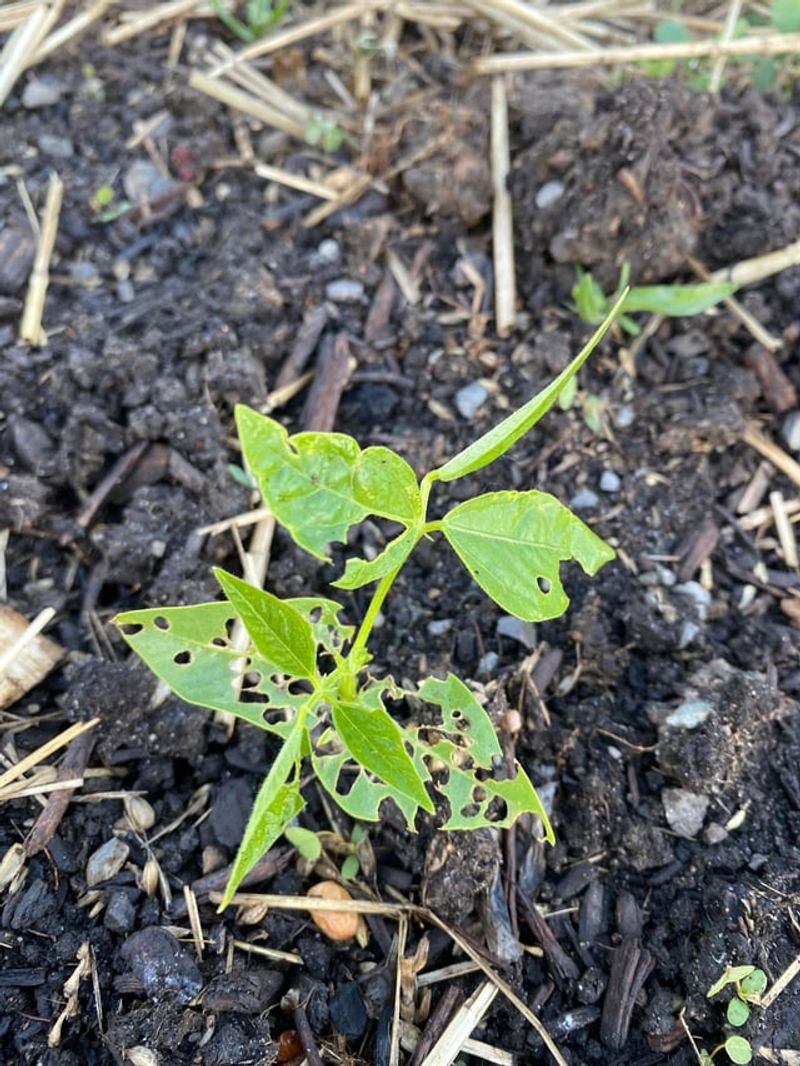
Skipping proper moisture management during August planting has real consequences. Seeds that dry out during germination simply won’t sprout, leaving you with bare soil and wasted time.
Failed germination this late in the season means losing your chance at fall beans altogether. The frost window in North Carolina closes fast, leaving little room to replant and try again.
Uneven moisture leads to uneven germination, which creates a patchy, hard-to-manage crop. Some plants race ahead while others lag behind, making harvest timing frustrating and inefficient.
Stressed seedlings that survive inconsistent watering often become weak, low-producing plants. They put energy into surviving rather than growing pods, which cuts your yield significantly.
Pest pressure increases on plants weakened by drought stress during early growth stages. Aphids and spider mites target struggling seedlings far more aggressively than healthy, well-watered ones.
Disease risk also climbs when plants cycle between too wet and too dry repeatedly. Inconsistent moisture creates conditions where fungal and bacterial problems take hold more easily.
A failed late planting doesn’t just cost you beans for dinner this fall. It also means lost money on seeds, soil amendments, and the time you spent preparing the bed.
Gardeners who skip this step often end up watching their neighbors bring in a full crop while their own beds sit empty. Consistent moisture management separates a thriving harvest from a season-ending disappointment.