Why Michigan Grape Growers Should Check For Spotted Lanternfly Before Vines Show Damage
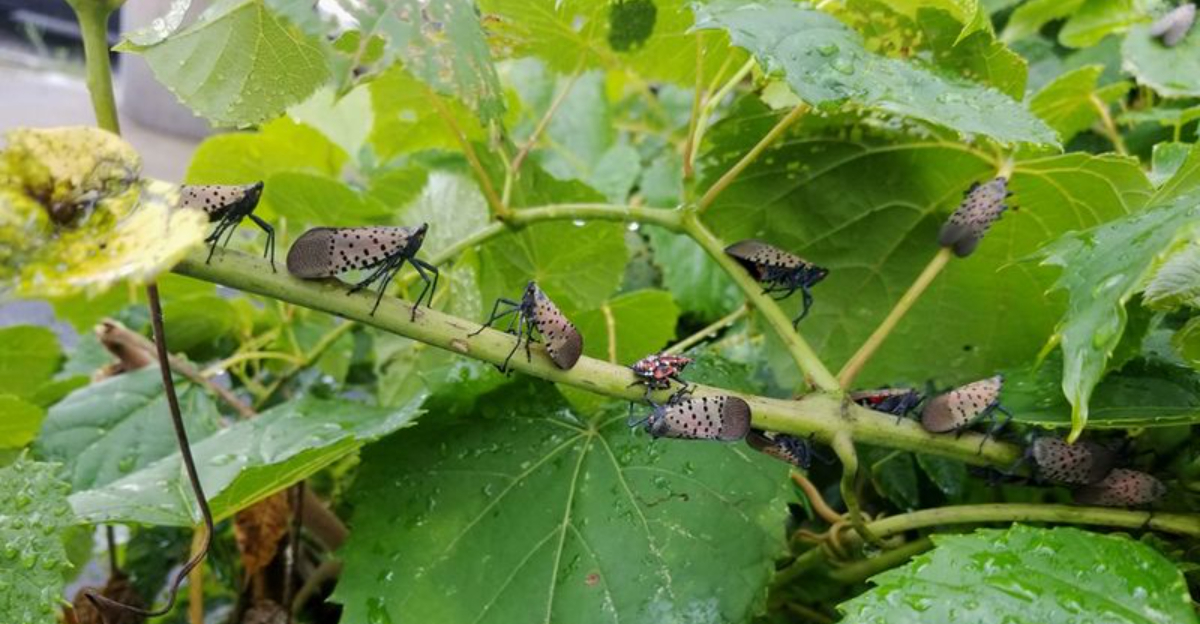
Spotted lanternfly has a habit of causing serious harm to grape vines well before any obvious symptoms show up on the plants themselves.
Michigan grape growers who wait for visible damage before checking are often already dealing with a problem that has been building for weeks.
There’s a specific reason this pest targets vines so effectively, one that has everything to do with how it feeds and where it prefers to hide.
Understanding what to look for now, before symptoms ever appear, gives growers a real advantage compared to reacting after the fact.
Many people don’t realize just how much damage can happen behind the scenes before a vine ever looks visibly stressed. Once you know exactly where and how to check, catching this pest early becomes far more manageable.
This knowledge could be the difference between protecting this year’s harvest and losing it to a problem you never saw coming.
1. The Insect Can Hide Before Damage Appears
Sneaky is the perfect word for spotted lanternfly. These bugs often settle onto grapevines quietly, feeding for a while before the plant shows any signs of stress.
By the time leaves start to wilt or growth slows down, the pests may have been feeding for days or even weeks. That head start gives them plenty of time to multiply and move around your vineyard.
Waiting for damage to appear means you are already behind. Grapevines can look green and healthy on the outside while trouble builds underneath. The insects blend in against bark and stems, especially the young ones.
A quick glance from a distance rarely reveals them, so you have to get close and really look. Checking your vines by hand makes a huge difference. Run your eyes along the trunk, the shoots, and the underside of leaves where these pests like to gather.
Early morning or evening can be a good time since the bugs move more slowly and stay put.
Bring a flashlight and inspect shady spots and crevices in the bark. Look for clusters, since spotted lanternfly often group together while feeding. The goal is simple. Find them before your vines tell you something is wrong.
Regular walks through the rows turn you into an early detective, and that early warning gives you time to act. A few minutes of careful looking each week can save you from a much bigger headache later in the season.
2. Grapevines Are A Known Host
Out of all the plants spotted lanternfly enjoys, grapevines rank near the top of its menu. That fact alone should make every grower pay close attention.
These insects use their mouthparts to pierce stems and drink the sweet sap inside. Grapevines offer exactly the kind of juicy, sugary food they love.
When a vineyard sits nearby, it becomes a magnet for feeding and gathering.
Because grapes are such a favorite target, vineyards face more pressure than many other crops. A pest that finds a comfortable food source tends to stay and invite more of its kind.
Your Michigan Garden Changes Every Week. Your Plan Should Too.
Gardening in Michigan changes quickly throughout the season. Every Friday you’ll receive a simple weekly plan showing exactly what to plant, prune, fertilize, harvest, and protect so you never miss the right timing.
That is why steady monitoring matters so much for grape growers in particular.
Keep an eye on the entire plant, not just the leaves. Check the main trunk, the growing shoots, and the areas near fruit clusters. These spots often show the first activity because the sap flows freely there.
It also helps to know what surrounds your vineyard. Spotted lanternfly loves tree of heaven, a common weedy tree, and often stops there before moving to grapes.
Spotting that plant nearby is a clue to watch your vines even more carefully. Talk with neighbors and local growers about what they are seeing. Sharing information helps everyone stay alert.
Since grapevines attract these pests so strongly, treating your vineyard as a high-risk zone is a smart mindset.
Understanding why grapes draw them in gives you a reason to check often. Knowledge like this turns careful watching into real protection for your crop.
3. Adults Become Easier To Spot Late Season
Late in the growing season, spotted lanternfly adults start showing off, and that actually works in your favor. Bigger and bolder, they are much easier to notice than earlier stages.
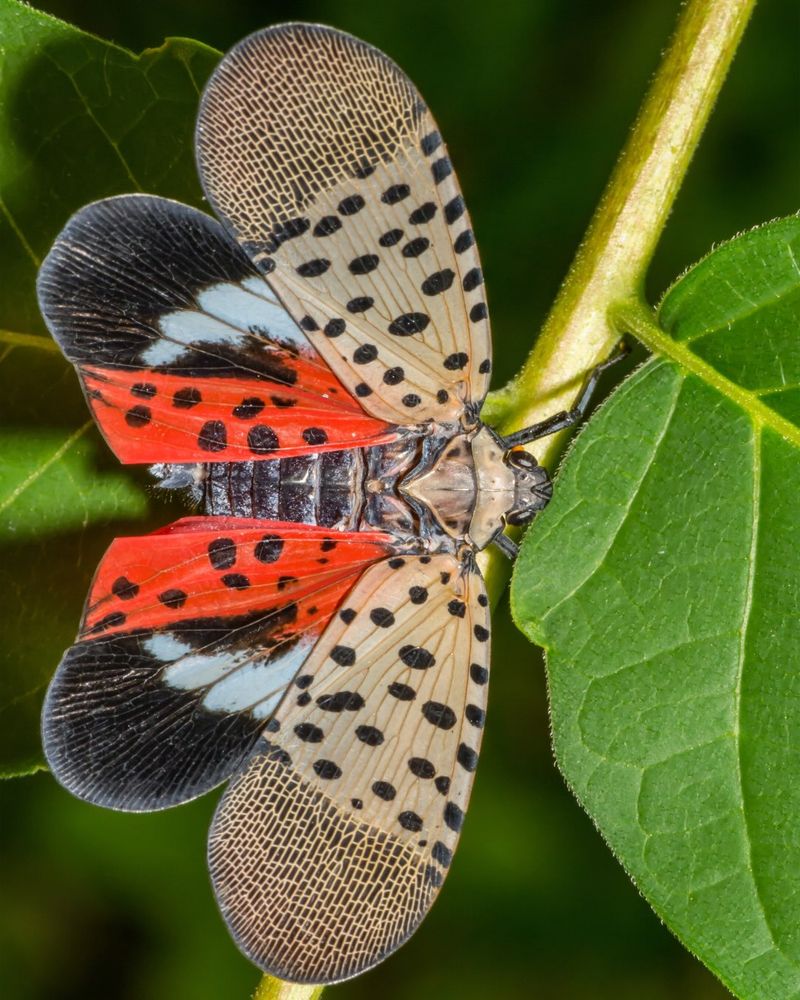
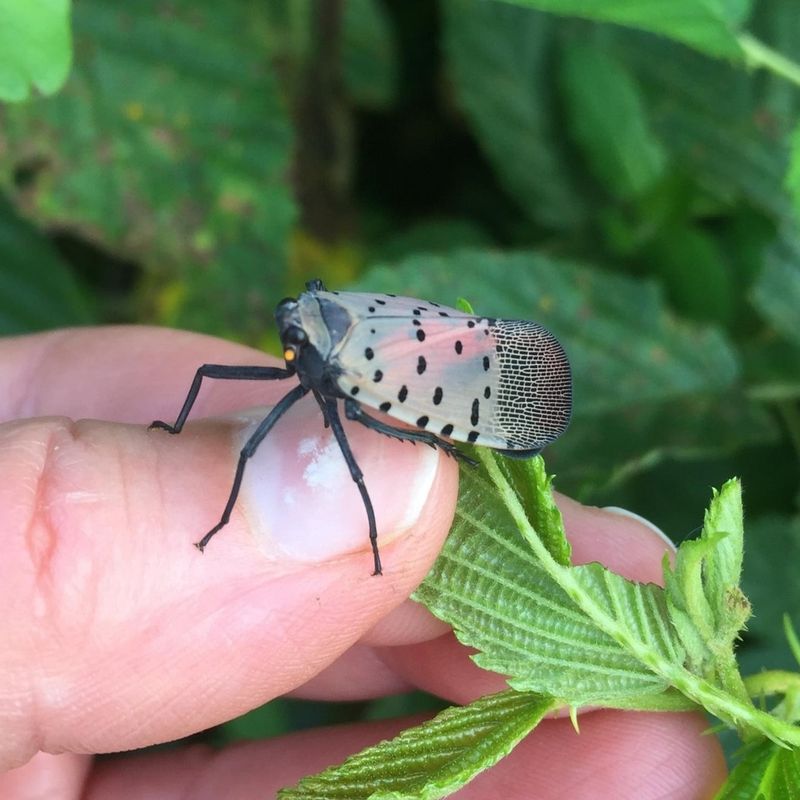
Adults measure about an inch long when resting. Their front wings look gray with black spots, giving them a speckled appearance.
When they open up, bright red patches with black bands flash underneath, which is a real giveaway.
You might catch them hopping or fluttering short distances when disturbed. They gather in groups on trunks, posts, and vine stems, especially in warm afternoon sun.
Once you know that flash of red, they become hard to miss. Walk your rows during late summer and early fall with these features in mind. Look at fence posts, wooden stakes, and the shady sides of trees at the edge of your property.
Adults often rest in these spots between feeding. Their eggs come next, laid as gray, mud-like patches on smooth surfaces. Spotting adults now warns you that egg-laying could follow, so you can plan ahead.
Take a photo if you find one so you can confirm the identity and report it. Michigan officials want to track where these pests appear, and your report helps everyone.
Because adults stand out so clearly, this season becomes a golden chance to catch a growing population. Use their bright colors and larger size to your advantage, and let those late-season checks guide your next steps toward protecting your vines.
4. Nymphs Can Be The First Warning
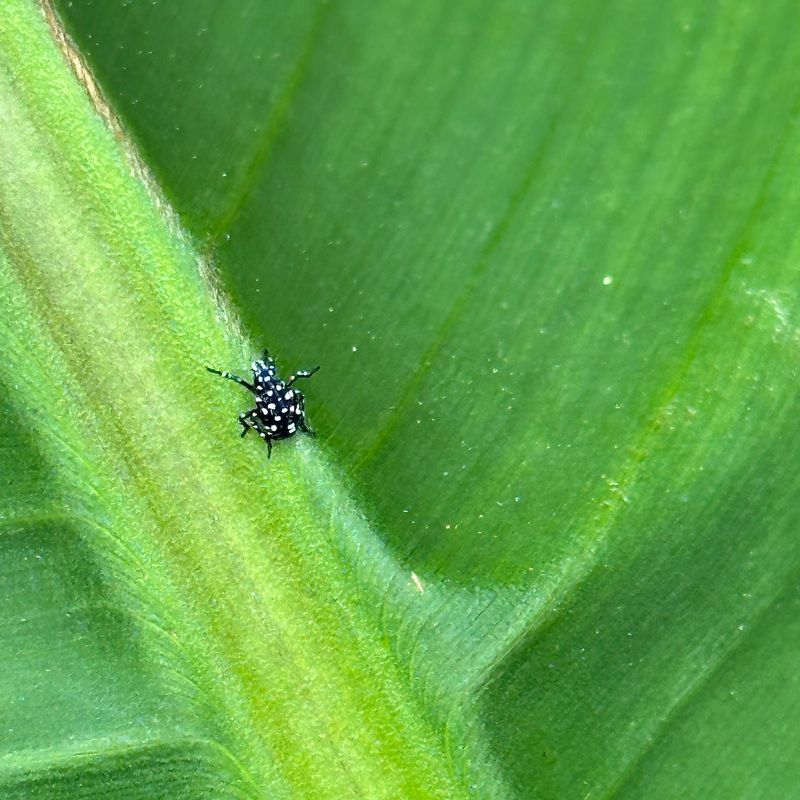
Before the flashy adults arrive, tiny nymphs quietly signal that trouble may be brewing. These young bugs often give Michigan growers their first real clue.
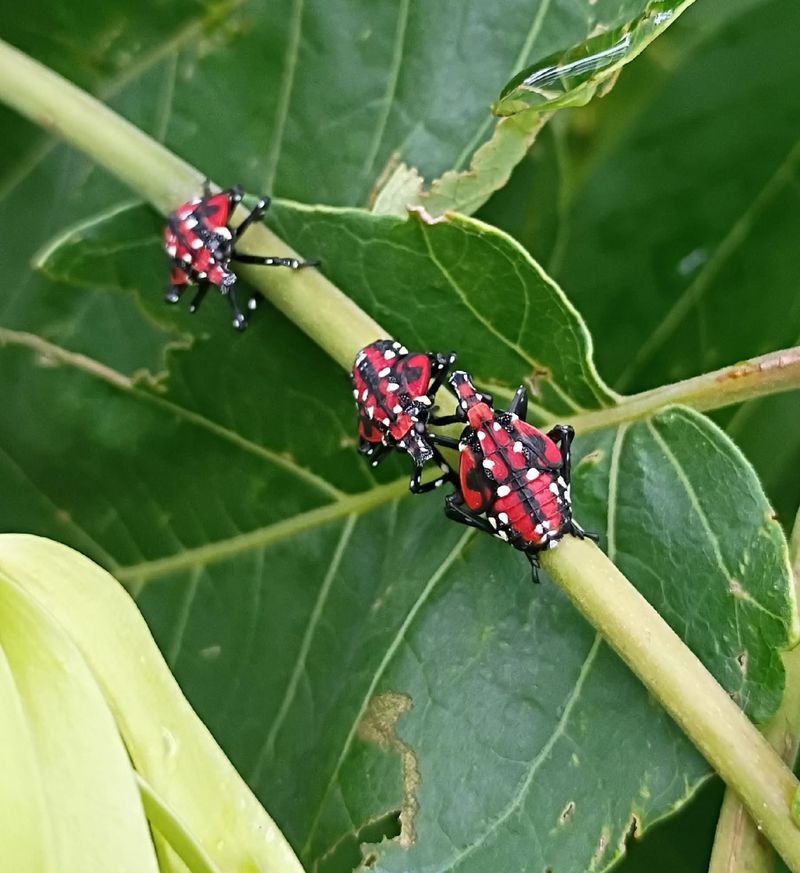
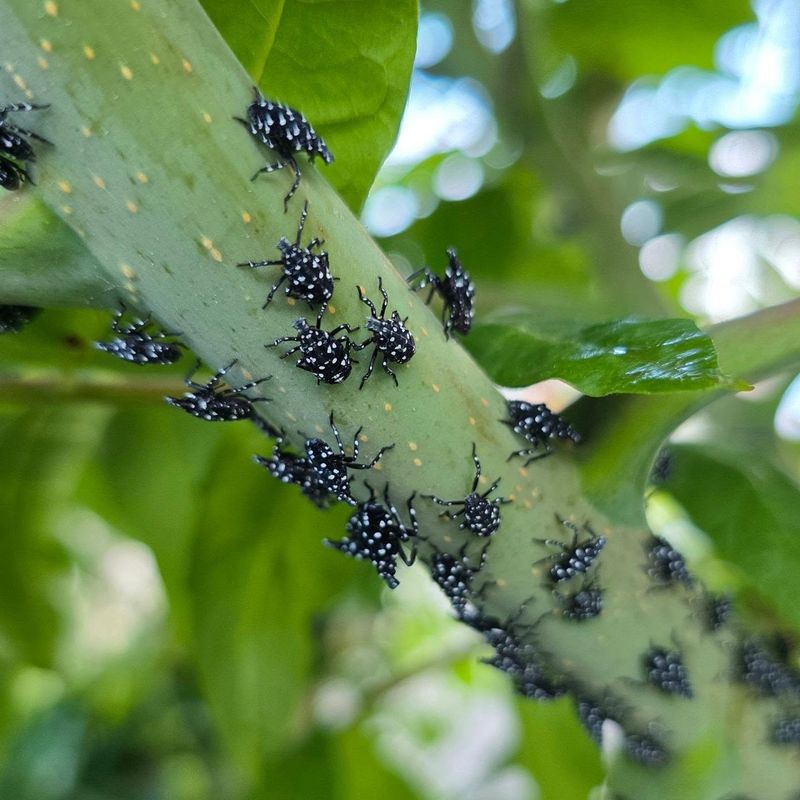
Early nymphs are small and black with bright white spots. They look almost like little dots moving across stems and leaves.
As they grow, later nymphs turn red with black patches and white spots, becoming even more colorful and noticeable.
Both stages cannot fly, so they crawl and hop instead. That means they tend to stay close to where they hatched, often clustering on new shoots and tender growth.
Finding them early is a big win. Spring and early summer are prime times to search for nymphs. Bend down and check low stems, leaf undersides, and the base of your vines. They love fresh, soft plant parts full of sap.
Because they gather in groups, one nymph often means more are nearby. Spotting even a few gives you a chance to act before the population explodes into feeding adults later on.
Keep a small notebook or phone note about where and when you see them. Tracking their location helps you focus your checks and share useful details with local experts.
Nymphs may be little, but they carry a big message. Catching these small crawlers early turns you into a step-ahead grower instead of a surprised one.
Make a habit of scanning for them during your regular vineyard walks, and let those tiny spotted bugs guide your attention toward keeping your vines safe.
5. Feeding Creates Plant Stress
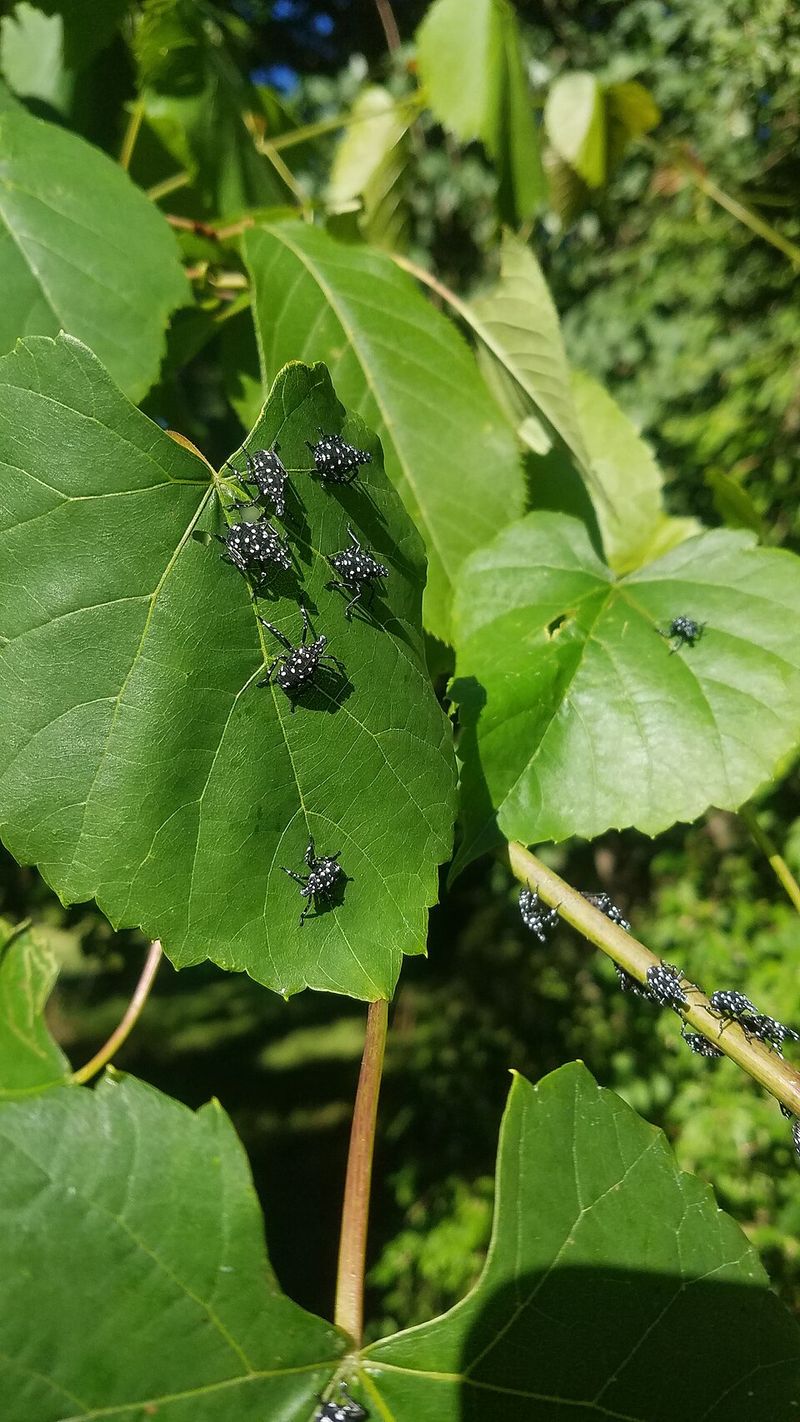
Every time a spotted lanternfly feeds, it pulls sap straight out of your vine. Sap is like the plant’s food and water rolled into one, so losing it takes a toll.
A single bug feeding here and there causes little harm. The problem grows when large numbers gather and feed at the same time.
Heavy groups can drain a lot of sap, leaving the vine tired and weak. Stressed vines may show slower growth, yellowing leaves, or wilting shoots. Over time, a weakened plant struggles to ripen fruit and store energy for the next season.
That can mean smaller harvests and lower quality grapes. Vines already dealing with dry weather or poor soil feel the pressure even more. Adding a hungry crowd of insects on top of other stress makes recovery harder for the plant.
This is why catching an infestation early truly matters. Fewer bugs means less sap loss, which keeps your vines strong and productive. Waiting until leaves droop lets the stress build up first.
Watch for early signs like sticky spots, clustered insects, or leaves that seem off-color. These small hints often appear before serious weakness sets in.
Keeping your vines healthy in other ways also helps them handle pressure. Good watering, proper pruning, and steady care give plants the strength to bounce back.
When you combine strong plant care with early pest checks, you build a vineyard that can shrug off trouble and keep growing beautiful, healthy grapes.
6. Honeydew Can Cause Secondary Problems
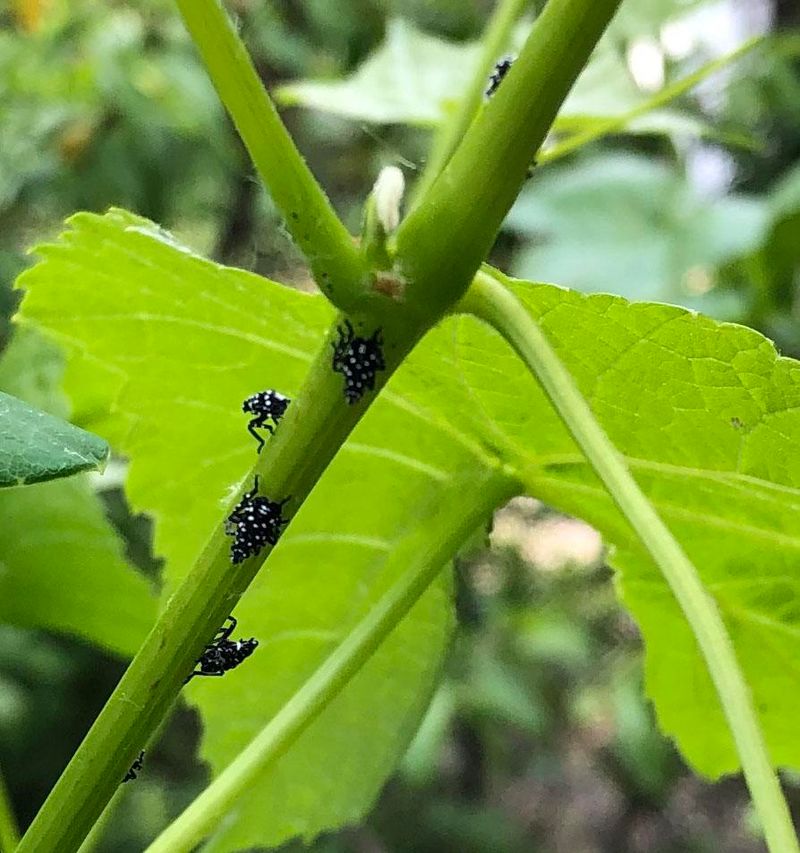
Feeding is only part of the story with spotted lanternfly. As these bugs drink sap, they release a sticky, sugary liquid called honeydew, and it creates a whole new set of headaches.
Honeydew coats leaves, stems, and even the ground below. That shiny, sticky layer might not seem like much at first, but it sets the stage for bigger issues around your vines.
One common result is sooty mold, a black fungus that grows on the sugary coating. This mold does not feed on the plant directly, yet it blocks sunlight from reaching the leaves.
Less sunlight means the vine makes less energy, which can slow growth and hurt fruit quality.
The sweet honeydew also draws in other visitors. Ants, wasps, bees, and flies often show up to feast on the sticky treat. A buzzing crowd near your grapes makes harvest work harder and less pleasant.
Grapes covered in mold or honeydew lose value too. Buyers want clean, healthy fruit, and sticky, blackened clusters simply do not sell well.
Look for that telltale shine on leaves and a dark, dusty film during your checks. These signs often point to feeding happening nearby, even if you have not spotted the bugs yet.
Cleaning affected areas and reducing the pest population early keeps honeydew from piling up. The sooner you notice the stickiness, the easier it is to stop mold and hungry insects from spreading.
Staying alert to honeydew gives you one more powerful way to protect your vines and your fruit.
7. Early Checks Help Slow Spread
Stopping a pest from spreading starts with catching it early, and that is where your regular checks shine. A little watchfulness now can protect your whole region later.
Spotted lanternfly is a strong hitchhiker. Adults and their egg patches ride along on trucks, firewood, outdoor furniture, and equipment. That is how they travel far from where they first appear.
Because of this, checking more than just your vines helps a lot. Look over nearby trees, fence posts, stone piles, and any outdoor gear stored near the vineyard. Egg masses often hide on flat, smooth surfaces you might overlook.
Inspect anything new that arrives on your property. Deliveries, plants, and used materials can carry hidden pests. A quick look before bringing items into your vineyard blocks an easy path for spreading.
If you find something suspicious, take a photo and report it to Michigan agriculture officials. Your report helps experts track new populations and respond fast. Early reports have helped many areas stay ahead of these bugs.
Scrape off egg masses when you find them and follow local guidance on how to handle them safely. Removing eggs before they hatch reduces next year’s numbers right away.
Team up with neighbors so everyone watches together. Pests do not stop at property lines, so a whole community staying alert works far better than one grower alone.
Simple habits like weekly walks, careful inspections, and quick reporting turn you into a strong first line of defense. Small actions, done often, keep your vines and your fellow growers protected all season long.