8 Native Ohio Plants To Grow Instead Of Thirsty Annuals In August Heat
August heat has probably already claimed a few annuals in your flower beds, and the water bill to keep the rest alive isn’t cheap either.
Petunias, impatiens, and other summer favorites demand near-daily water once temperatures climb this high, and one missed week can turn a full bed into a crispy mess.
Ohio’s native plants never signed up for that deal. They evolved alongside this exact climate, deep summer heat, unpredictable rain, heavy clay soil, and none of it fazes them once established.
Deep root systems reach moisture buried far below where annuals ever stretch, so native plants keep their color and shape through stretches that would flatten anything imported from a greenhouse.
Less water, less stress, and a yard that still looks intentional in late August instead of lifeless.
Eight natives stand out above the rest, and your water bill will thank you for the switch.
1. Grow Purple Coneflower For Reliable Summer Color
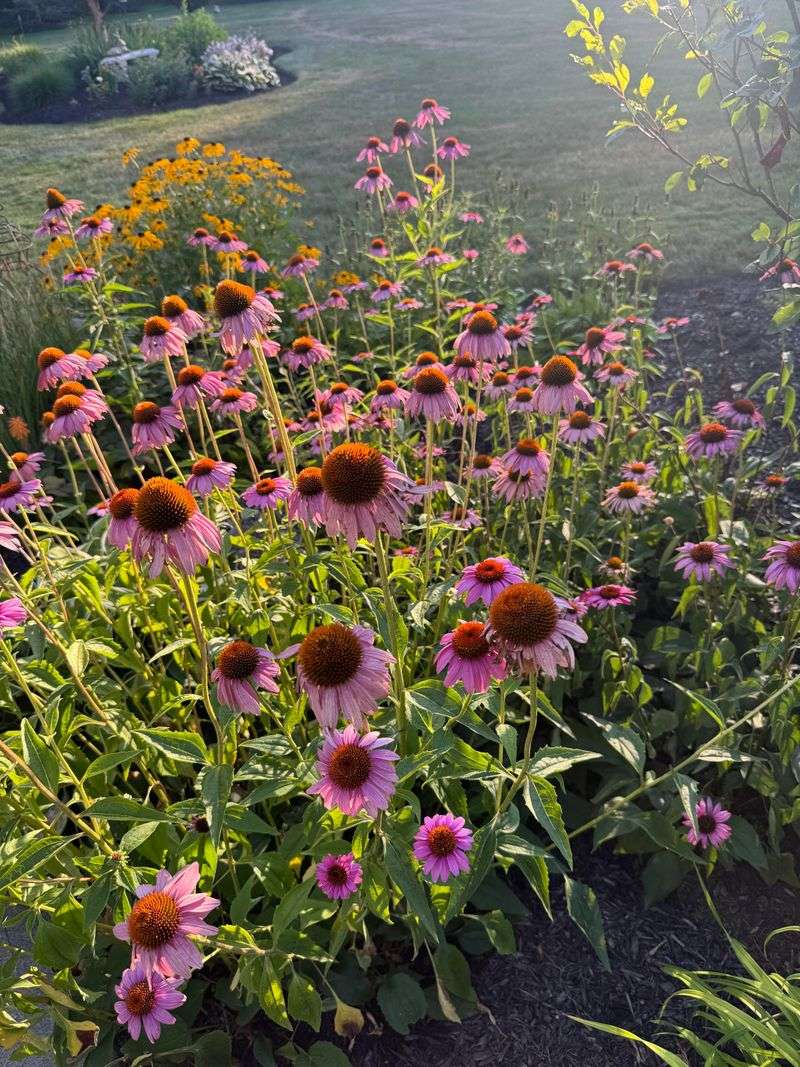
Some flowers just refuse to quit, even when the thermometer pushes past 90 degrees. Purple Coneflower (Echinacea purpurea) is one of those plants.
Its bold pink-purple blooms open in late June and keep going strong through August, long after many annuals have started to fade.
This native perennial thrives in full sun and handles Ohio’s summer heat without missing a beat. It prefers well-drained soil and actually does better when you do not over-water it.
Once established, it rarely needs irrigation beyond natural rainfall. That alone makes it a big upgrade over thirsty petunias or begonias.
Pollinators absolutely love it. Bees, butterflies, and goldfinches all visit coneflowers regularly.
Goldfinches, in particular, will pick the seed heads clean in fall, so there is good reason to leave spent blooms standing.
Purple Coneflower grows two to four feet tall and spreads slowly over time. You can plant it in garden beds, along borders, or mixed with ornamental grasses.
It pairs especially well with Black-Eyed Susan for a classic native combo.
OSU Extension recommends coneflowers as one of the best native perennials for Ohio home gardens. Trimming spent flowers encourages more blooms, but leaving some seed heads standing benefits wildlife.
Divide clumps every three to four years to keep plants healthy and vigorous.
2. Plant Black Eyed Susan For Heat Loving Blooms
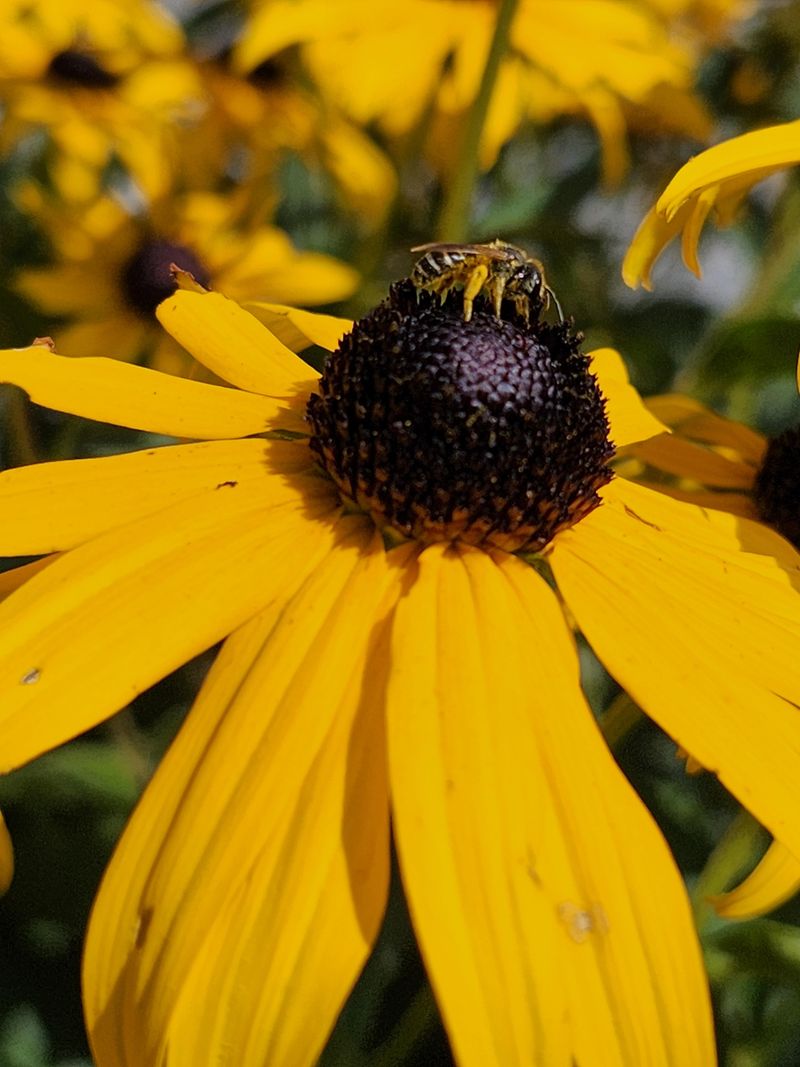
Walk past almost any sunny Ohio roadside in July and August, and you will likely spot a cheerful yellow flower with a dark brown center. Black-Eyed Susan (Rudbeckia hirta) is one of the most recognizable native wildflowers in the region, and it earns its reputation every single summer.
This plant thrives in full sun and tolerates poor, dry soil far better than most annual flowers. It does not need rich garden beds or frequent fertilizing.
In fact, too much fertilizer can make it grow floppy rather than sturdy. Plant it in a sunny spot, water it while it gets established, and then mostly leave it alone.
Black-Eyed Susan blooms from late June through September. The bright golden-yellow flowers attract bees, butterflies, and beneficial insects.
Your Ohio Garden Changes Every Week. Your Plan Should Too.
Gardening in Ohio changes quickly throughout the season. Every Friday you’ll receive a simple weekly plan showing exactly what to plant, prune, fertilize, harvest, and protect so you never miss the right timing.
Small songbirds feed on the seed heads in fall and winter, adding another layer of wildlife value.
Plants typically grow one to three feet tall. They self-seed readily, so a small planting can fill in nicely over a couple of seasons.
If you want to control spreading, simply remove spent flower heads before seeds mature.
Black-Eyed Susan works well along fences, in meadow-style plantings, or mixed into traditional garden borders. It is a low-maintenance, high-reward plant that holds its own through the hottest weeks of summer without any fuss.
3. Add Butterfly Weed For A Pollinator Friendly Garden
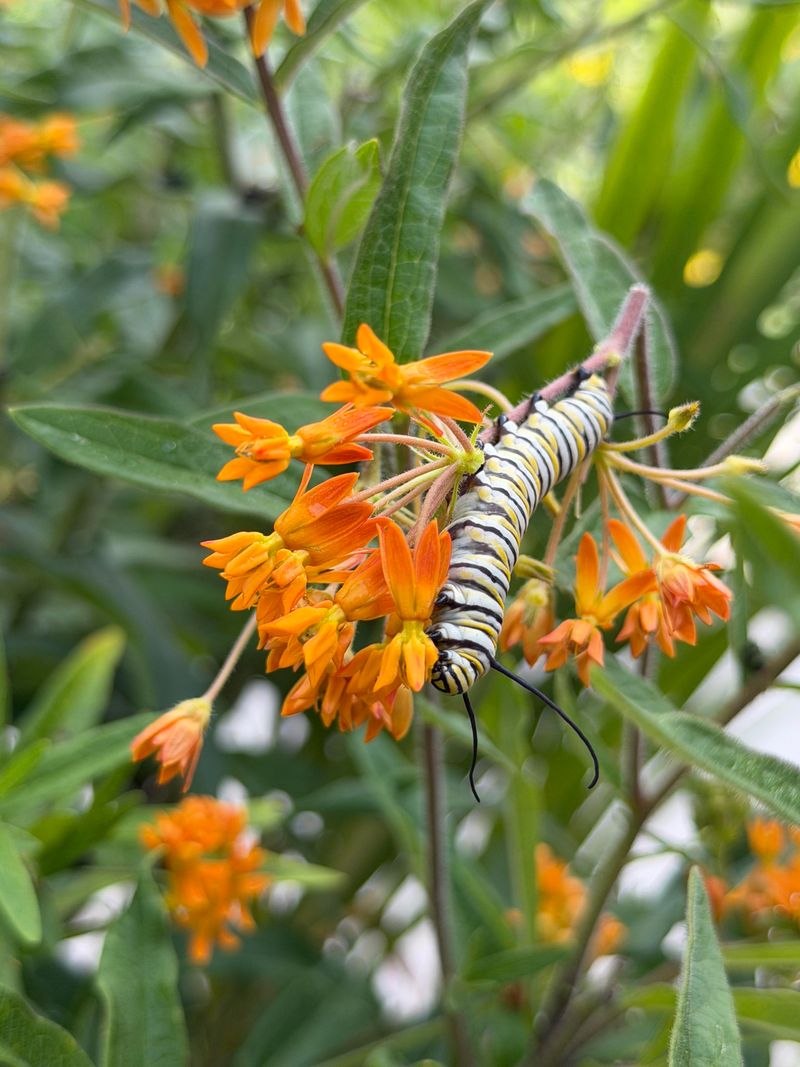
Few native plants deliver as much color and ecological value as Butterfly Weed (Asclepias tuberosa). Its clusters of vivid orange flowers are almost impossible to miss in a summer garden.
Monarch butterflies rely on this plant as a host for their larvae, making it one of the most important natives you can grow.
Unlike some milkweeds, Butterfly Weed does not produce the milky sap its relatives are known for. It grows one to two feet tall and forms a tidy, upright clump that fits easily into garden beds or containers.
The flowers appear from June through August and attract not just monarchs, but dozens of other bee and butterfly species as well.
Drought tolerance is one of this plant’s strongest qualities. It grows naturally in dry, rocky, or sandy soils and develops a deep taproot that helps it find moisture during dry spells.
Avoid planting it in heavy clay or wet spots, as poor drainage can cause root problems.
Because of that deep taproot, Butterfly Weed does not transplant well once established. Choose your planting location carefully from the start.
It is slow to emerge in spring, so mark its location so you do not accidentally dig it up.
Full sun is essential. Give it at least six hours of direct sunlight daily, and it will reward you with months of brilliant color and a garden full of pollinators all season long.
4. Choose Wild Bergamot For Fragrant Native Flowers
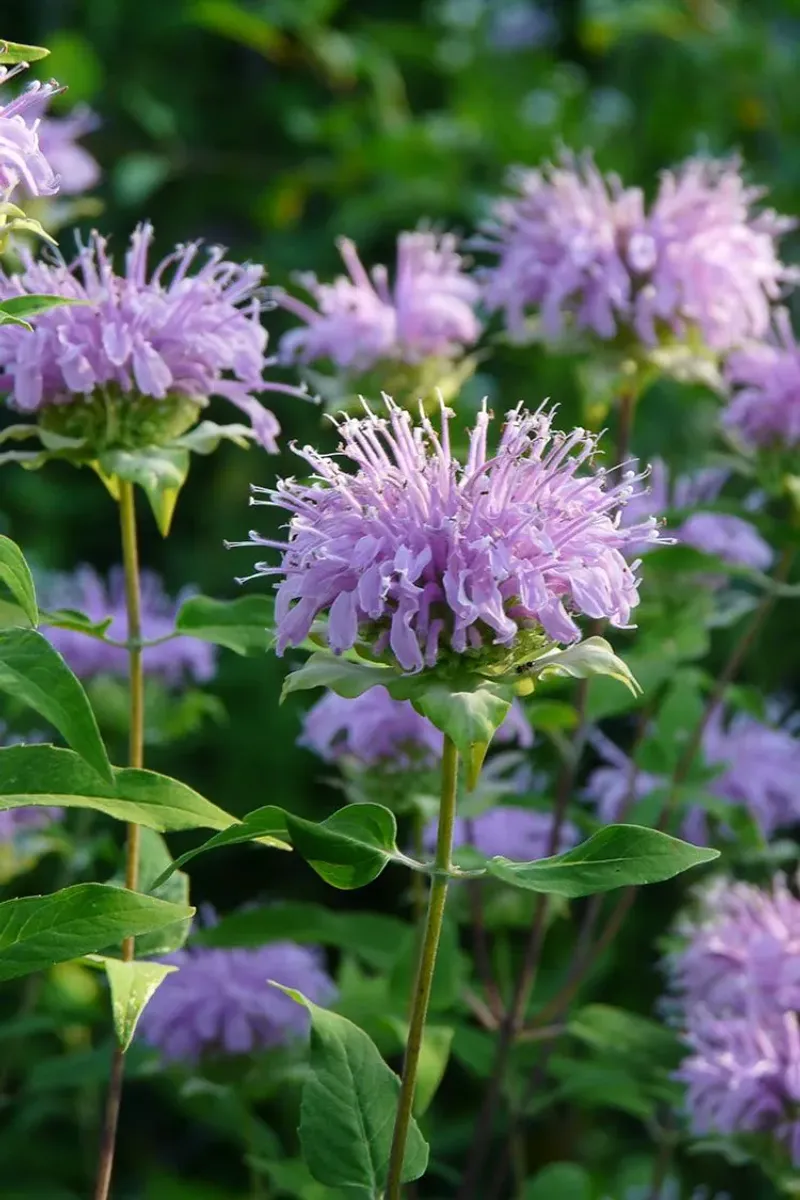
Rub a leaf of Wild Bergamot (Monarda fistulosa) between your fingers and you will get a pleasant oregano-like scent that fills the air around you. This native perennial brings more than fragrance to the garden.
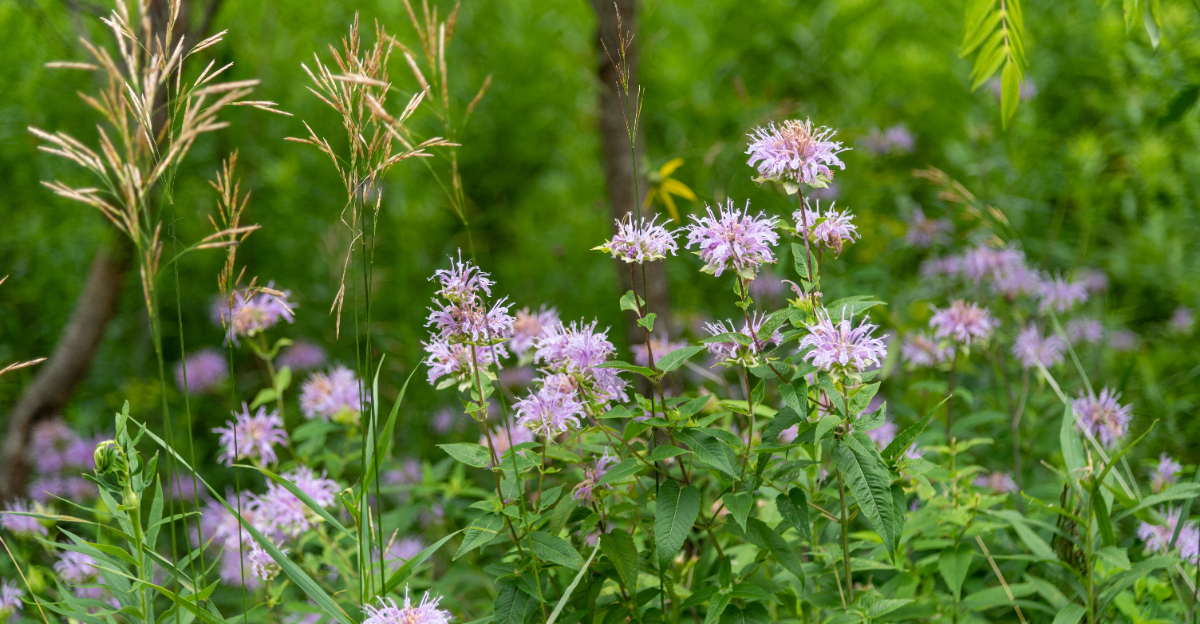
Its soft lavender-pink flowers bloom in round clusters from July into August, creating a beautiful textural contrast with other summer plants.
Wild Bergamot is built for hot, dry summers. It grows naturally in open fields, prairies, and woodland edges across the state.
In home gardens, it performs best in full sun to light shade with well-drained soil. Once established, it handles summer heat and limited rainfall with ease.
Pollinators are drawn to its flowers in impressive numbers. Bumblebees, hummingbirds, and many native bee species are frequent visitors.
The tubular flower shape is especially well-suited to long-tongued pollinators that struggle to access some other blooms.
Plants grow two to four feet tall and spread by rhizomes, forming attractive colonies over time. If you want to limit spreading, divide clumps every few years and share extras with neighbors.
Good air circulation between plants helps reduce powdery mildew, which can appear in humid summers.
Wild Bergamot works beautifully in cottage gardens, prairie-style plantings, and naturalized areas. Its dried seed heads also add winter interest to the garden, giving you value long after the blooming season ends.
5. Grow Ohio Spiderwort For Tough Early Summer Color
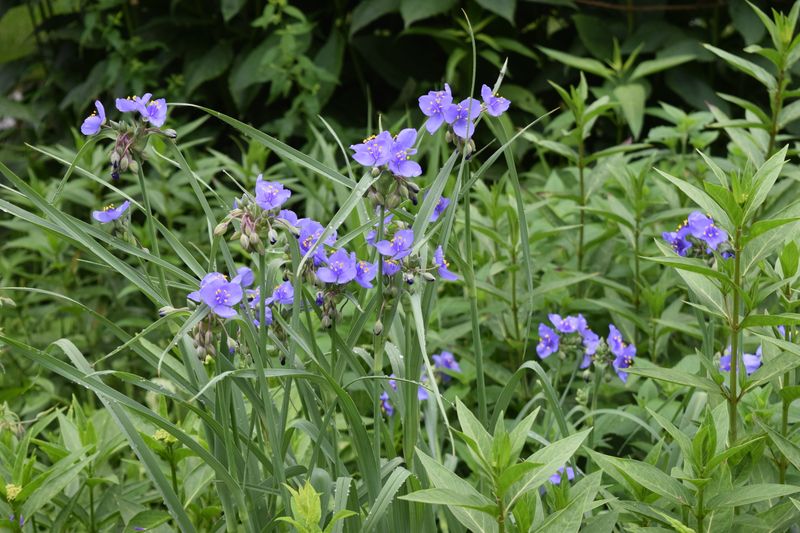
Most gardeners discover Ohio Spiderwort (Tradescantia ohiensis) by accident, and then wonder why they never planted it on purpose. Its three-petaled flowers are a rich blue-violet color that stands out beautifully in morning light.
Each bloom lasts just one day, but new ones open continuously from May through July.
This native perennial is remarkably adaptable. It grows in full sun or partial shade and tolerates a wide range of soil types, including clay soils that many other plants struggle in.
That flexibility makes it a practical choice for Ohio gardens where soil conditions are less than ideal.
After blooming wraps up in midsummer, the foliage can look a little tired. Cutting plants back by about half will encourage fresh new growth and sometimes a second round of blooms in late summer.
This simple trick keeps the plant looking tidy through the rest of the season.
Spiderwort grows one to three feet tall and clumps up steadily over time. You can divide established clumps in spring to create new plants for other areas of your yard.
It pairs nicely with ferns, hostas, or native grasses in mixed beds.
Because it blooms earlier than most summer natives, Spiderwort fills a valuable gap in the garden calendar. Planting it alongside later-blooming perennials ensures you have color from late spring through fall without relying on any water-hungry annual flowers.
6. Plant Little Bluestem For A Water Wise Landscape
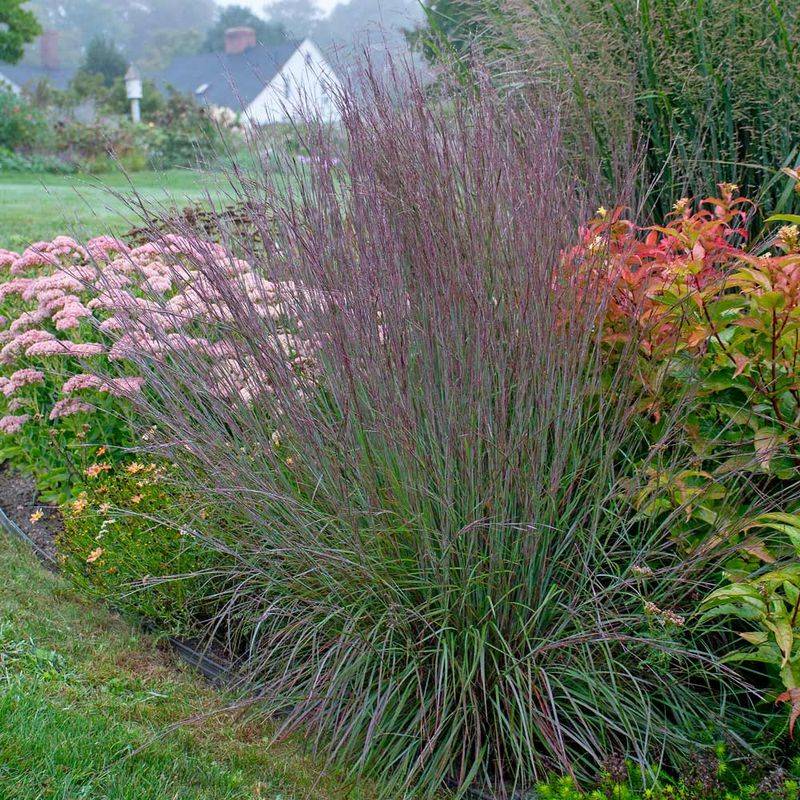
Not every garden hero produces flowers. Little Bluestem (Schizachyrium scoparium) is a native grass that earns its place through texture, movement, and four-season interest.
Its blue-green summer foliage shifts to striking shades of copper, red, and bronze in fall, making it one of the most visually dynamic plants you can add to a landscape.
Drought tolerance is exceptional. Little Bluestem grows naturally in Ohio prairies and dry hillsides, where it thrives with minimal moisture.
It actually performs better in lean, well-drained soil than in rich garden beds. Too much fertilizer or moisture causes it to flop rather than stand upright.
The fluffy white seed heads that appear in late summer attract birds, especially juncos and sparrows, which feed on the seeds through winter. Leaving the plant standing through the cold months provides both food and shelter for small wildlife.
Plants grow two to four feet tall and work well in mass plantings, mixed borders, or as a low-maintenance lawn alternative in dry areas. They need very little care once established.
Cutting them back to about four inches in late winter or early spring before new growth begins is essentially the only maintenance required.
Little Bluestem is a smart choice for gardeners who want to reduce watering, lower maintenance time, and still have a yard that looks interesting and intentional from every season of the year.
7. Add New England Aster For Late Season Garden Interest
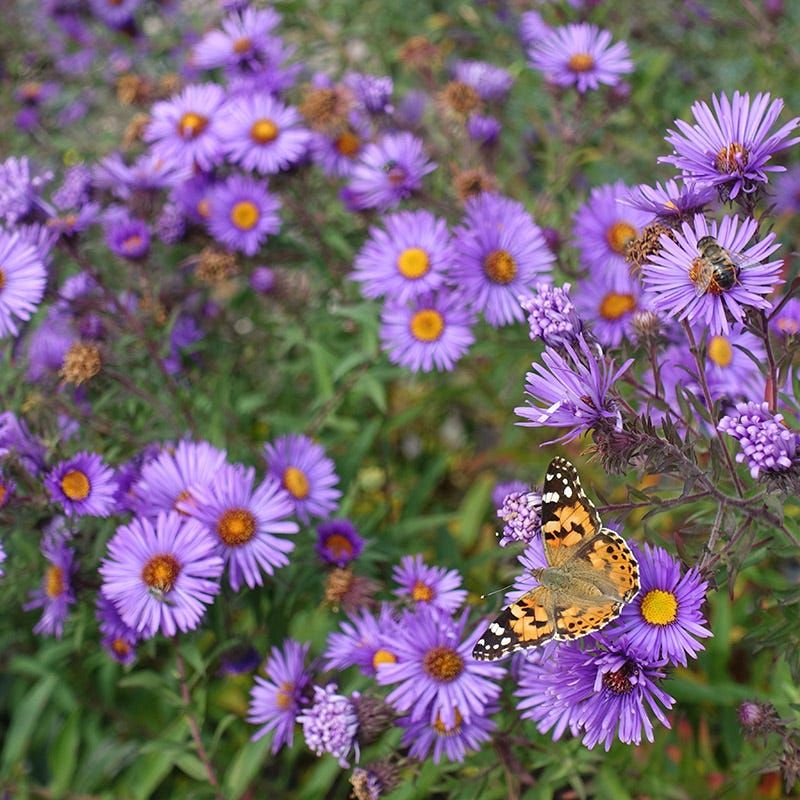
By late August, many gardens start to look worn out. Flowers fade, foliage gets ragged, and the energy of early summer feels long gone.
New England Aster (Symphyotrichum novae-angliae) is the plant that rescues the late-season garden. Its deep purple, pink, or lavender flowers open just as many other plants are winding down.
Bloom time runs from August through October, making it one of the longest-blooming native plants available to gardeners.
That extended season is especially valuable because it supports migrating monarchs and native bees that need late-season nectar before cold weather arrives.
New England Aster grows three to six feet tall in full sun with average to moist soil. It can get floppy if grown in too much shade or very rich soil.
Pinching plants back by about half in late June encourages bushier, more compact growth and more flowers overall.
The plant spreads by both seeds and underground runners. Dividing clumps every two to three years keeps them productive and prevents overcrowding.
Divisions are easy to share or replant in other spots around the yard.
For best results, plant New England Aster near the back of a border where its height can be an asset rather than a problem. Pair it with Little Bluestem or Prairie Dropseed to create a layered, naturalistic planting that looks stunning well into fall.
8. Grow Prairie Dropseed For A Hardy Native Grass
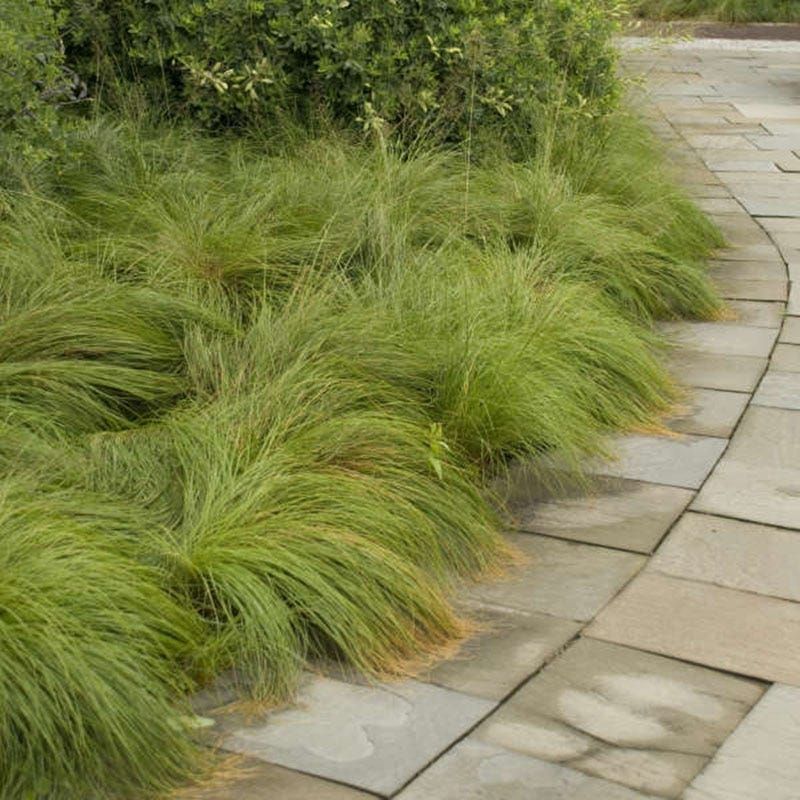
Prairie Dropseed (Sporobolus heterolepis) is the kind of plant that landscape designers love and low-maintenance gardeners appreciate. It forms a dense, graceful mound of fine-textured foliage that looks elegant without requiring much effort.
In late summer, it sends up airy seed heads that carry a subtle sweet fragrance, which surprises many gardeners the first time they notice it.
This native grass is exceptionally durable. It handles full sun, dry soils, and summer heat without complaint.
In Ohio landscapes, it is well-suited to sites where other plants struggle, including south-facing slopes, parking strips, or areas with compacted soil.
Growth is slow at first, but patience pays off. By the third year, established clumps are full and impressive.
Prairie Dropseed is long-lived and rarely needs dividing. Once it finds a spot it likes, it tends to stay healthy and attractive for many years with very little intervention.
Fall color is another bonus. The foliage turns a warm golden-orange as temperatures cool, giving the plant a second moment of visual interest after the seed heads have matured.
Birds and small mammals use the seeds as a food source in late fall and early winter.
Prairie Dropseed works well as an edging plant, a ground cover alternative, or a filler between taller perennials. Its tidy habit and minimal care requirements make it one of the most reliable native grasses you can plant in an Ohio garden.