What Those Overnight Mushrooms In A Maryland Lawn Are Actually Feeding On
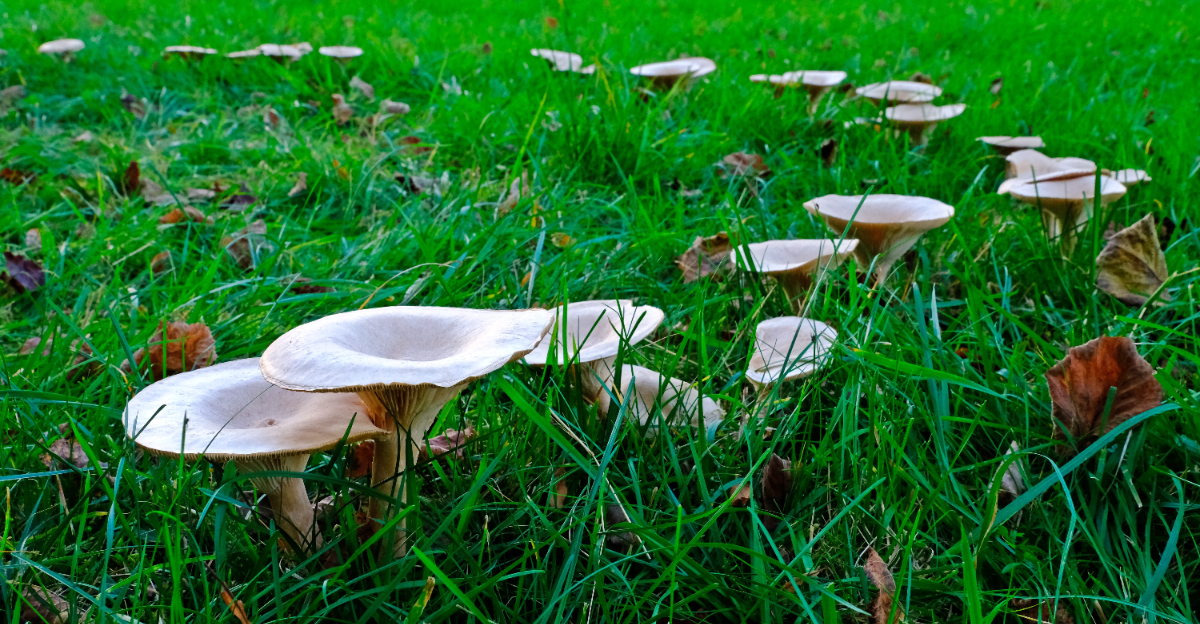
Mushrooms don’t appear on your lawn overnight without reason. Something beneath the surface in Maryland yards has been quietly at work for weeks.
Rain triggers what soil has already been holding onto. Dozens of caps popping up in a single night feels alarming, and it should.
An overnight flush like this rarely happens by accident. Your grass has been sending signals long before those mushrooms broke through. Maryland weather this season only sped up what was already brewing.
Pulling the mushrooms out by hand solves nothing on its own. Real answers live underground, far from where you can see them.
You need to know what’s really going on beneath your feet. Your lawn is telling you something, and ignoring it will cost you more than curb appeal.
Buried Decaying Wood Is What Feeds Them
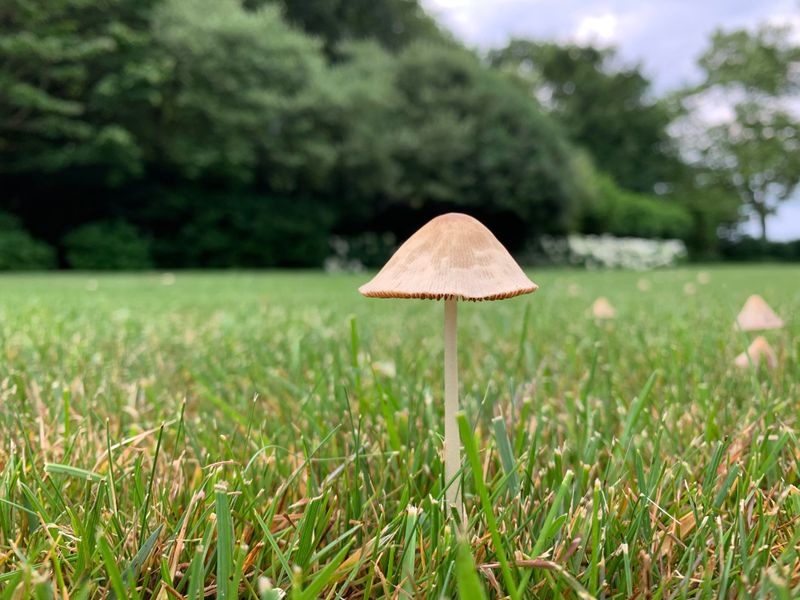
You probably don’t see it, but something is hiding under your lawn. Buried decaying wood is almost always the main food source behind sudden mushroom clusters like these.
Old tree stumps, leftover roots, and construction debris rot slowly underground. Fungi break down that wood by sending out a web of threads called mycelium through the soil.
The mushrooms you see on top are just the tip of the iceberg. Below ground, a massive network is quietly digesting wood that could be years old.
Builders often bury scrap lumber when grading new lots. Homeowners grind stumps but leave the roots to rot beneath the surface.
That buried organic matter becomes a long-term food source for fungal colonies. As long as wood remains underground, mushrooms will keep popping up after rain.
Fungal decomposers are actually doing your yard a favor in the big picture. They convert decayed wood into nutrients that feed your grass and garden plants.
Locating the food source isn’t always straightforward. Probing the soil near a mushroom cluster usually reveals a chunk of buried wood within a foot or two.
Digging it out is the most direct fix. Once the food supply is gone, the fungal colony eventually fades and mushrooms stop returning to that spot.
Rings That Appear After A Single Rainy Night
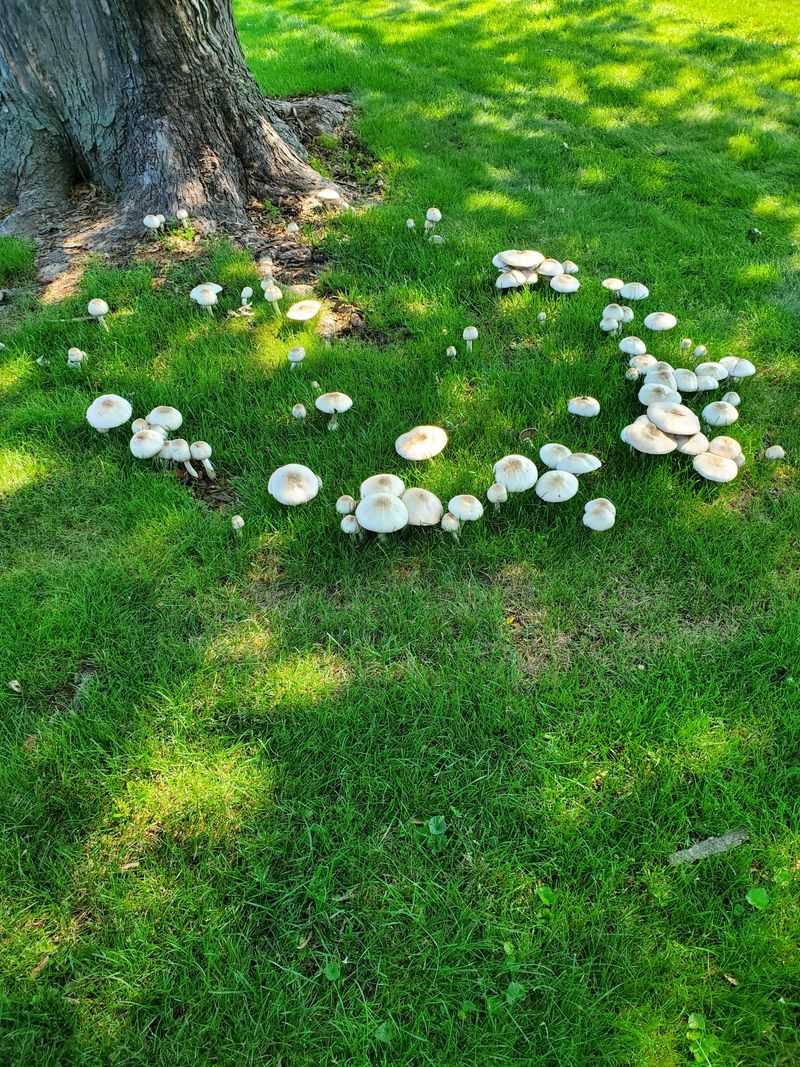
Waking up to a perfect circle of mushrooms feels almost magical, but science explains it clearly. Fairy rings form when a single fungal colony spreads outward in every direction from one central food source.
The colony eats the buried organic matter at its edges, which is where nutrients are freshest. That outward growth creates a ring shape that can expand by several inches each year.
Maryland’s warm, humid summers make fairy rings especially common here. A single rainy night gives the mycelium enough moisture to push mushrooms up almost instantly.
Some rings have been growing for decades without the homeowner ever knowing. The underground colony keeps quietly feeding on buried roots or old wood far below the surface.
Grass inside a fairy ring sometimes looks darker green because the fungi release nitrogen as they break down organic matter. Other times, the grass inside turns brown due to a water-repelling layer the mycelium creates in the soil.
Your Maryland Garden Changes Every Week. Your Plan Should Too.
Gardening in Maryland changes quickly throughout the season. Every Friday you’ll receive a simple weekly plan showing exactly what to plant, prune, fertilize, harvest, and protect so you never miss the right timing.
Breaking the ring pattern on the surface does nothing to stop it. The real action is happening underground where the colony continues its slow, steady feast.
Aerating the soil inside the ring can help water penetrate that water-repelling layer. Consistent watering and nitrogen fertilizer often help the grass recover its healthy color.
Fairy rings are stubborn, but they are not permanent. Removing the buried food source is the most reliable way to stop the ring from expanding further across your yard.
Decaying Wood And Organic Debris Buried Underground
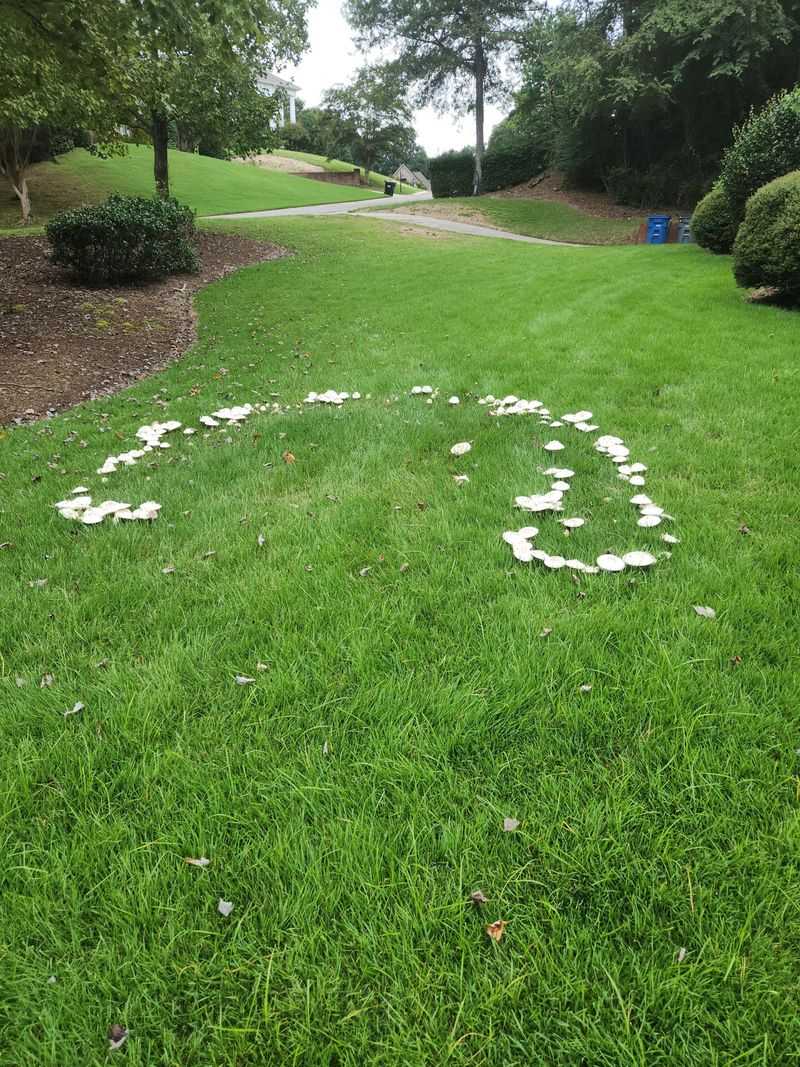
Most homeowners are surprised to learn what is actually underneath their lawn. Decaying wood and organic debris buried underground are the primary fuel for most lawn mushroom outbreaks.
When a tree is removed, the roots stay in the ground and begin to rot. That slow decomposition process can feed fungal colonies for years, depending on the wood species and soil conditions.
Construction fill is another sneaky culprit that often goes unnoticed. Scrap lumber, old mulch piles, and buried yard waste all become underground buffets for hungry fungi.
Mushrooms that pop up in a straight line often signal a buried root running beneath the surface. Following that line usually leads back to an old tree location or a filled-in garden bed.
Organic matter breaks down fastest in warm, moist conditions. Maryland summers provide exactly that, which is why mushroom outbreaks tend to peak between June and October.
Removing the buried source is more effective than any surface treatment. Dig down eighteen to twenty-four inches near the mushroom cluster to locate and remove the rotting material.
If digging is not practical, you can accelerate decomposition by adding a high-nitrogen fertilizer to the area. Nitrogen speeds up microbial activity, which breaks down wood faster and shortens the fungal colony’s lifespan.
Patience matters here because there are no overnight fixes. Addressing the buried debris directly gives your lawn the best chance of staying mushroom-free long-term.
The Conditions That Bring Them Out So Fast In Maryland
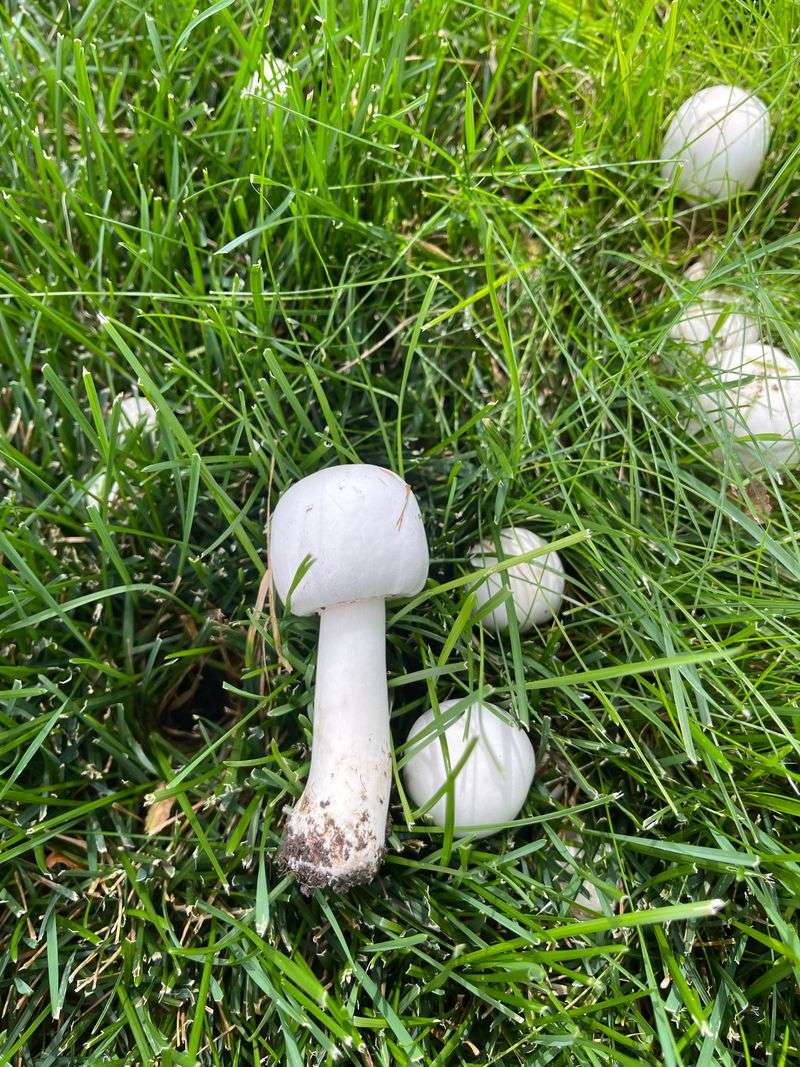
Maryland has a reputation for unpredictable weather, and fungi love every bit of it. The combination of summer heat, heavy rain, and humidity creates near-perfect conditions for rapid mushroom growth.
Fresh mushroom clusters can appear in as little as four to eight hours under the right conditions. Soil temperature above 50 degrees Fahrenheit combined with moisture triggers the mycelium to push fruiting bodies upward fast.
The Chesapeake Bay region adds extra humidity to the air year-round. That moisture keeps the top layer of soil consistently damp, which is exactly what fungal colonies need to fruit quickly.
Shaded areas of your lawn stay wet longer after rain. Mushrooms consistently appearing under trees or along fence lines are feeding on moisture-rich spots where organic matter breaks down faster.
Clay-heavy soils common in many parts of this state hold water close to the surface. That moisture retention gives underground mycelium a longer window to produce mushrooms after each rain event.
Temperature swings between cool nights and warm days also encourage fruiting. Fungi sense those changes and respond by pushing mushrooms up while conditions are favorable.
Mowing your lawn at the right height helps reduce moisture retention at the soil surface. Keeping grass at three inches allows airflow that helps dry the top layer faster after rain.
Understanding these triggers gives you real power over the problem. Adjusting drainage, shade, and soil type can significantly reduce how often mushrooms appear in your yard.
Removing Them Without Damaging The Grass Underneath
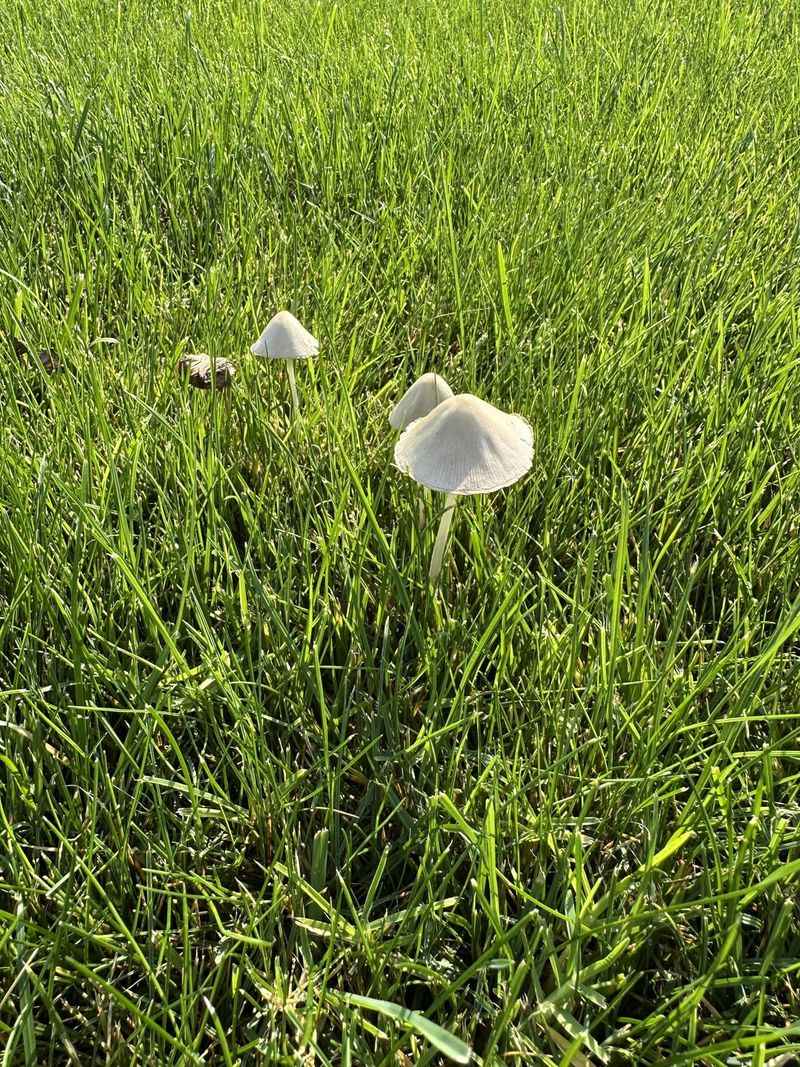
Grabbing mushrooms and yanking them out feels satisfying, but technique actually matters here. Pulling carelessly can tear up grass roots and leave bare patches that take weeks to recover.
The best approach is to twist each mushroom gently at the base and lift it out intact. Removing the whole stem prevents the cap from breaking off and releasing spores into the surrounding soil.
Wear gloves every time you handle lawn mushrooms. Some species cause skin irritation, and a few found in the region are toxic if accidentally touched and then transferred to your mouth.
Dispose of collected mushrooms in a sealed bag rather than tossing them into a compost pile. Adding them to compost can spread spores and create new fungal colonies in unexpected places.
After removal, lightly rake the area to improve airflow at the soil surface. Better air circulation helps the top layer of soil dry out faster between rain events.
Avoid using fungicide sprays directly on your grass as a first response. Most commercially available fungicides do not penetrate deep enough to reach the underground mycelium that feeds the colony.
A diluted dish soap and water solution can sometimes help loosen surface growth in small patches. Mix two tablespoons of soap per gallon of water and drench the affected area thoroughly.
Consistent removal over several seasons weakens the colony above ground. Combined with addressing the buried food source, regular hand-picking is one of the most effective tools you have.
Long-Term Fixes For Yards That Keep Growing Them
If mushrooms keep coming back season after season, a surface fix is never enough. Lasting results come from changing the underground conditions that allow fungal colonies to thrive.
Start by mapping where mushrooms consistently appear across your yard. Clusters that show up in the same spots each year point directly to buried organic material that needs to be excavated and removed.
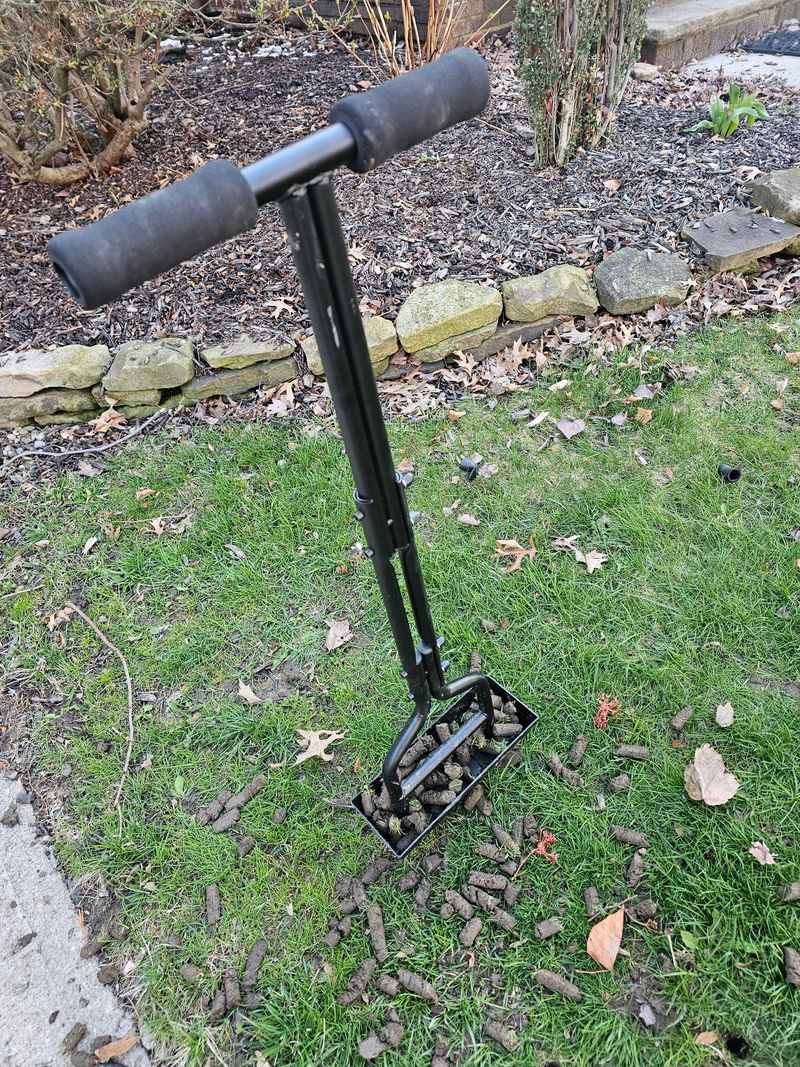
Core aeration is one of the best long-term tools for mushroom-prone lawns. Pulling plugs from the soil improves drainage, breaks up water-retaining layers, and allows oxygen to reach the underground mycelium.
Improving lawn drainage is especially important for yards with low spots or clay-heavy soil. Installing a French drain or regrading problem areas reduces the standing water that fungi depend on to fruit.
Reducing shade where mushrooms cluster consistently makes a real difference. Trimming back tree branches to allow more sunlight helps dry the soil surface faster after rain events.
Topdressing with sand mixed into compost can gradually improve soil structure over several seasons. Better structure means faster drainage and less moisture sitting in the root zone after heavy rain.
Keeping a consistent mowing schedule at three inches prevents thatch buildup. Thick thatch holds moisture and creates an ideal environment for mycelium to spread close to the soil surface.
Sudden mushroom clusters are a symptom, not the root problem. Fix what is underground, improve your drainage, and the mushrooms will have nowhere left to feed.