Why Moving A Mature Crape Myrtle In North Carolina Usually Goes Wrong
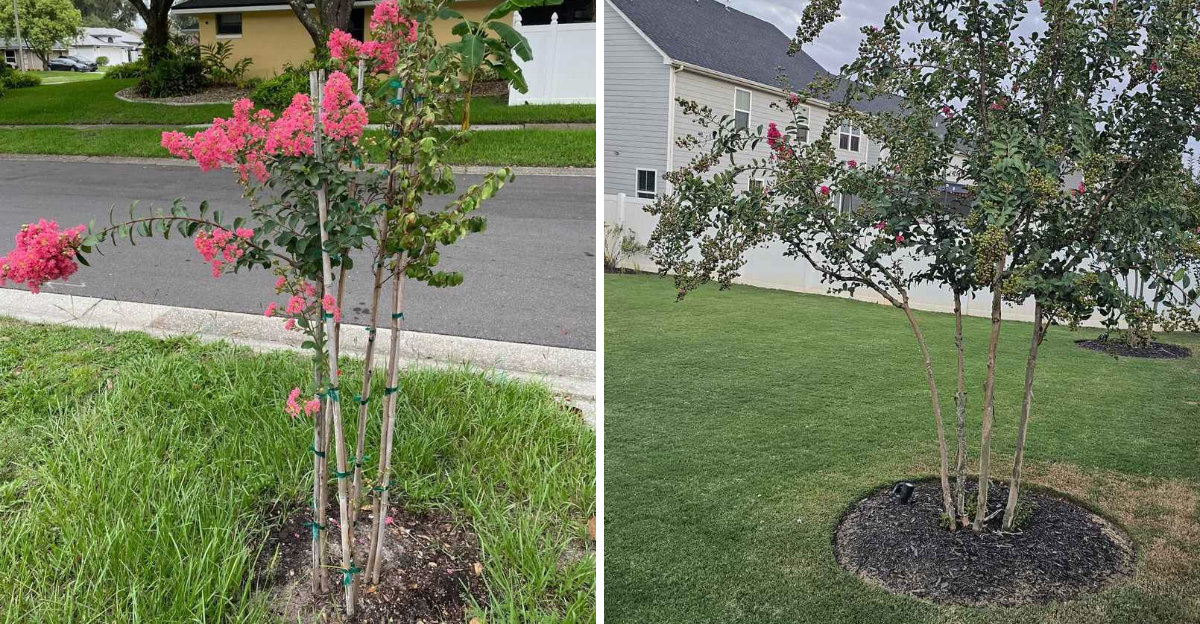
Relocating a large, established crape myrtle sounds simple enough on paper, just dig it up and replant it somewhere better suited to your yard’s layout.
But this seemingly straightforward task goes wrong far more often than most North Carolina homeowners expect, leaving a once thriving tree struggling or worse.
There’s a specific reason mature specimens react so poorly to transplanting, one that has little to do with how carefully the job gets done. Understanding this before attempting a move could save you from losing a tree that took years to reach its current size.
Many homeowners only learn this lesson after the damage is already done and difficult to reverse.
Once you know what’s actually at stake, the decision to move a mature crape myrtle looks a lot riskier than it first seemed. Sometimes leaving a tree exactly where it is turns out to be the smarter choice.
1. Most Of The Roots Stay Behind

Picture a tree that spent years spreading its roots far and wide beneath your yard. When you dig it up, most of those roots stay in the ground. That is the heart of the whole problem.
A mature crape myrtle sends roots out well past the edge of its branches. Some stretch two or three times wider than the leafy top you can see. No shovel or digging tool can reach all of them without wrecking your whole lawn.
When you cut through those roots, the tree loses a huge chunk of what feeds it water and nutrients. In many cases, gardeners only capture a small fraction of the original root network.
The rest gets left in the soil. Once the tree lands in its new home, it suddenly has way fewer roots than it needs. It still has a full, thirsty canopy but not enough underground support to keep everything going.
That mismatch causes serious transplant stress. You might notice wilting leaves, thin growth, or fewer blooms the following year. The tree is basically trying to run a big engine on a tiny fuel tank.
It puts all its energy into survival instead of looking pretty. The bigger and older the tree, the worse this gets. Younger plants bounce back faster because their roots are smaller and easier to save.
With a mature crape myrtle, the odds tilt against you from the very first cut of the shovel.
2. Bigger Trees Need Bigger Root Balls
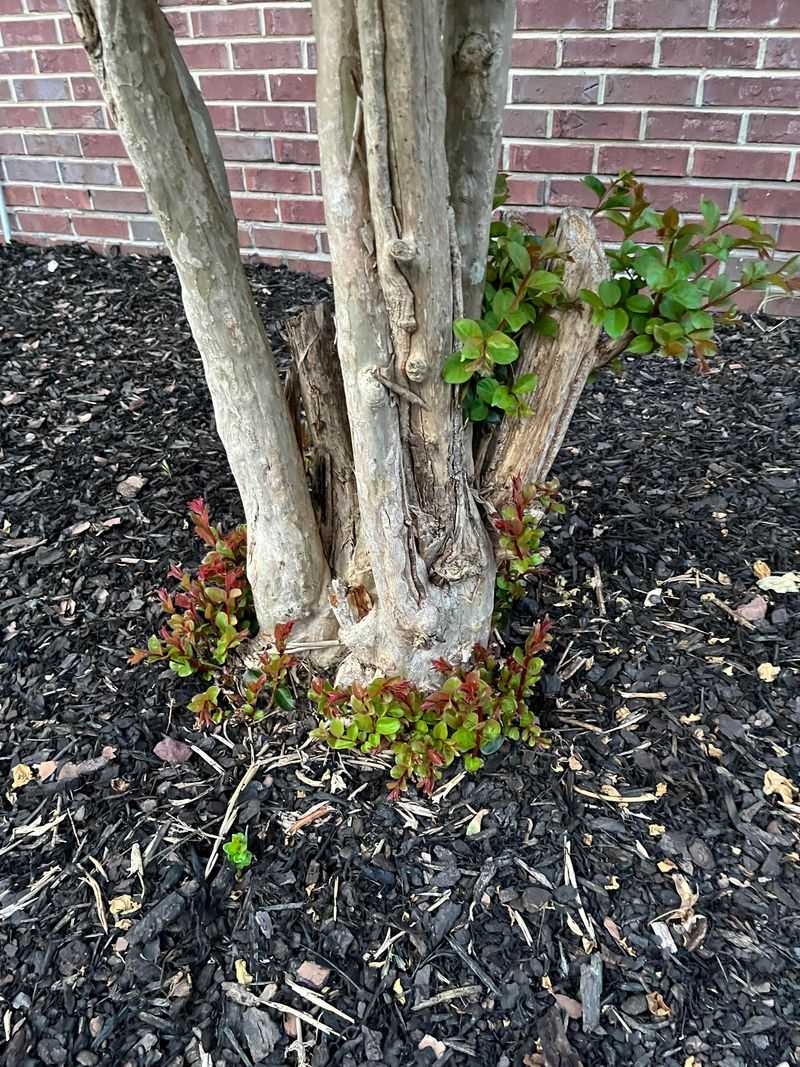
Here is a rule that surprises a lot of people. The taller and wider your crape myrtle grows, the more soil and roots you must move along with it. A tiny root ball simply will not do.
Nurseries follow a general guideline of about ten to twelve inches of root ball for every inch of trunk width. A mature crape myrtle with a thick trunk might need a root ball several feet across.
That much packed soil weighs hundreds of pounds. Most homeowners are not ready for that kind of load. A root ball big enough to keep the tree happy becomes almost impossible to lift by hand.
Your North Carolina Garden Changes Every Week. Your Plan Should Too.
Gardening in North Carolina changes quickly throughout the season. Every Friday you’ll receive a simple weekly plan showing exactly what to plant, prune, fertilize, harvest, and protect so you never miss the right timing.
People end up shrinking the ball just to move it, and that means slicing away even more roots.
When the root ball comes out too small, the tree pays the price. It arrives at its new spot with barely enough roots to hold itself steady, let alone drink and grow. The math just does not work in your favor.
Professional movers sometimes use special machines that scoop giant root balls. Those tools cost real money and are not something you can borrow from a neighbor. Without them, saving enough roots on a big tree is a tall order.
If you truly want to move a large crape myrtle, plan for a root ball far bigger than you first imagine. Underestimating the size is one of the most common mistakes. A generous root ball gives your tree its best shot at bouncing back strong.
3. Summer Heat Makes It Harder
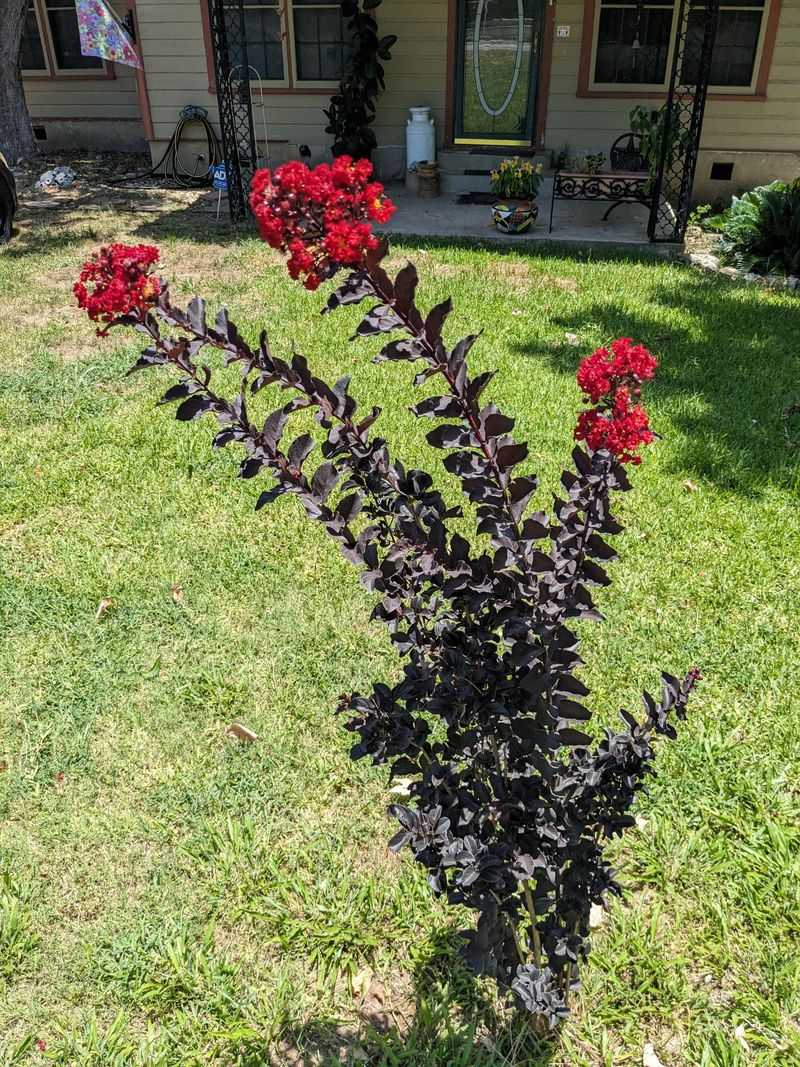
Summer in North Carolina can feel like standing in front of an open oven. That same heat turns transplanting into an uphill battle for any tree. Timing really matters here.
When temperatures climb into the nineties, plants lose water fast through their leaves. This process, called transpiration, speeds up in hot, sunny weather.
A freshly moved crape myrtle already lost most of its roots, so it cannot replace that lost water quickly enough.
The result is a tree that dries out from the inside. Leaves scorch, curl, and drop early. Blooms fade before they even get a chance to shine.
Hot soil adds another layer of trouble. Warm dirt dries out quicker, which means the few roots left behind sit in parched ground.
Even daily watering may not keep up with how fast moisture disappears during a heat wave.
Humidity in the South does not help as much as you might hope. The air feels sticky, but the ground still bakes under the sun. Your tree keeps demanding water it simply cannot pull up.
Moving during summer also stresses you as the gardener. Digging in the heat is exhausting and rushed, which leads to sloppy work and smaller root balls. Everything about the timing works against a good outcome.
If you want your crape myrtle to settle in without a fight, summer is the season to skip. Waiting for milder weather gives both you and the tree a far easier experience and a much better chance at success.
4. Fall Or Spring Is Safer

Timing can flip the whole story from struggle to success. Cooler seasons give your crape myrtle a gentle window to settle into new soil. This is when the odds finally start working in your favor.
During fall, the air turns crisp while the ground stays warm from the long summer. That combination is perfect.
Roots keep growing underground even after the leaves drop, so the tree quietly builds a stronger base before winter arrives.
Spring works well too, especially early in the season before the heat kicks in. The tree is waking up and eager to grow.
New roots push out steadily while temperatures stay mild and rain falls more often.
Cooler weather means less water lost through the leaves. In fall the canopy is fading, so the tree does not have to support a full crown of thirsty foliage. That gives the limited roots a real chance to catch up.
Rain also tends to be more generous in these seasons. Regular moisture helps the soil settle around the roots without you having to drag out the hose every single day. Nature does part of the work for you.
North Carolina gardeners often find that fall planting produces the best comeback. By the time the following summer rolls around, the tree already has fresh roots reaching into the surrounding soil.
It faces the heat much better prepared. Choosing the right season is one of the simplest ways to boost your chances. A little patience with timing pays off with a healthier, happier tree.
5. Heavy Pruning Does Not Fix Root Loss
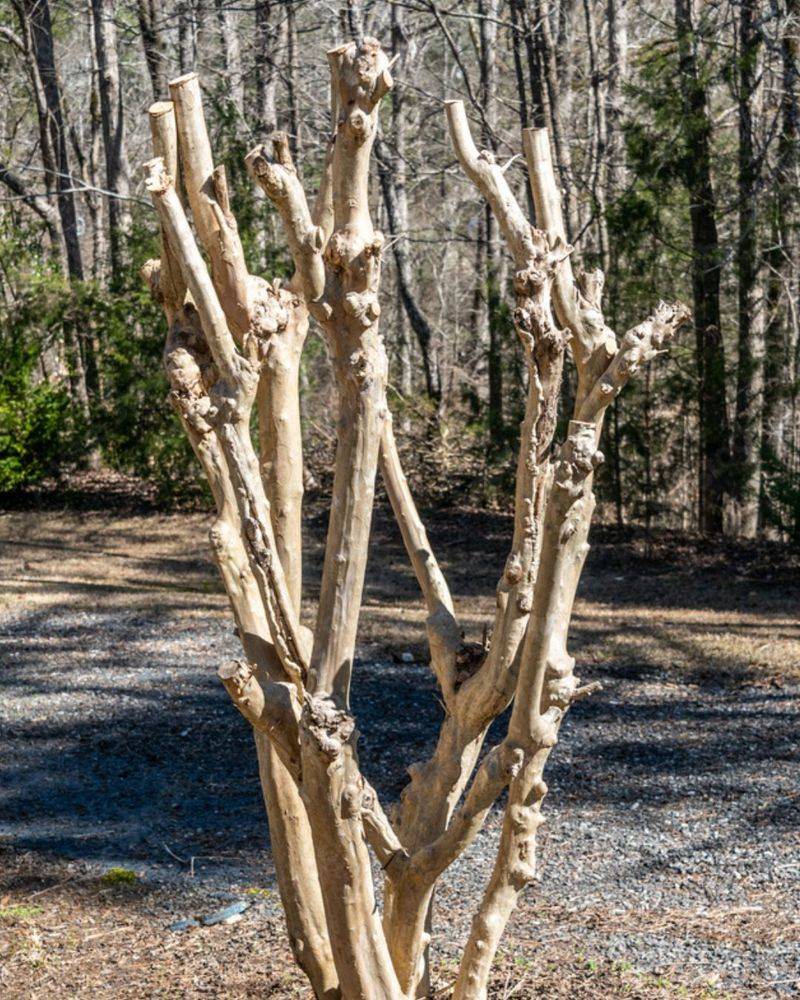
Lots of folks believe a good haircut will help a stressed tree recover. When it comes to crape myrtles, chopping the top back hard usually backfires. The idea sounds logical but misses how trees actually work.
The thinking goes like this: fewer branches mean less for the roots to support. So people cut the canopy way down, hoping to balance the loss of roots.
Unfortunately, that plan often slows recovery instead of speeding it up. Leaves are the tree’s food factory. Through sunlight, they make the sugars that fuel new root growth.
When you strip away most of the canopy, you also strip away the tree’s ability to feed those brand new roots.
A crape myrtle needs some leaves to power its comeback. Without enough of them, it has little energy to rebuild the underground network it just lost. The tree ends up stuck, unable to grow roots or a healthy top.
Severe topping also creates weak, ugly regrowth. Thin shoots sprout from the cut spots and never form a strong shape. The tree looks awkward for years and may struggle to bloom well.
Light, careful trimming can help remove broken or crossing branches. That kind of gentle cleanup is fine. The mistake is going overboard and hacking away half or more of the crown.
Give your tree a balanced approach instead. Keep most of its canopy, water it well, and let it use its leaves to heal from the inside out.
6. Recovery Can Take A Long Time
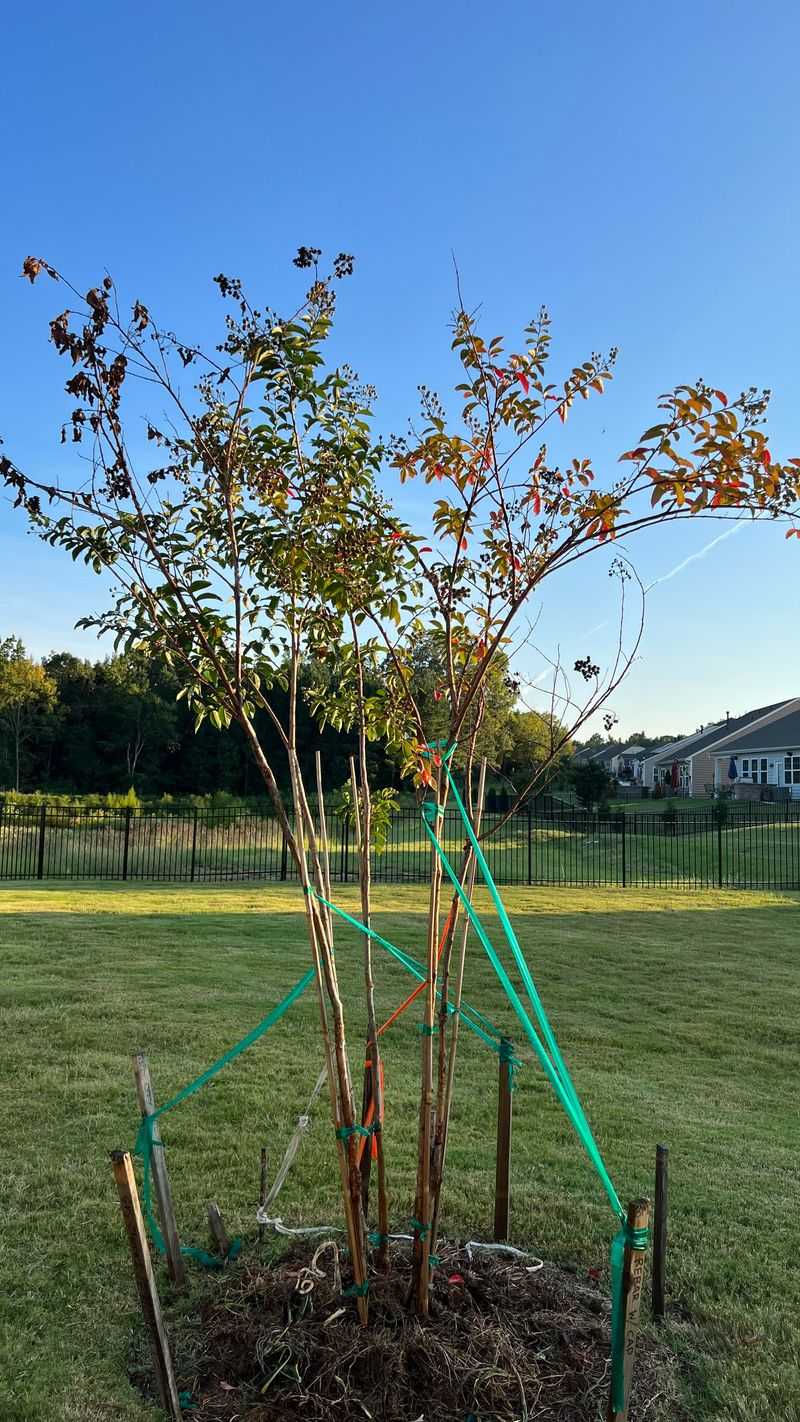
Patience is not optional when you move a big woody plant. A mature crape myrtle does not spring back in a few weeks. Rebuilding what it lost can stretch across several growing seasons.
Think about how long it took the tree to grow in the first place. Years of steady effort went into that wide root system.
Losing most of it in a single afternoon means the tree must start much of that work over again.
During the first season after moving, you may see little new growth. The tree focuses almost entirely on making roots, not leaves or flowers. Blooms might be sparse or skip a year completely.
The second and third seasons usually show slow improvement. New roots reach farther, the canopy fills back in, and flowering picks up. Even then, full recovery is not guaranteed.
Large trees carry more weight above ground compared to the roots they have left. That imbalance takes longer to fix than it would for a small sapling. The bigger the tree, the longer the wait.
Many gardeners lose heart during this quiet stretch. They expect quick results and feel let down when the tree looks plain for a couple of years. Setting realistic expectations helps you stay patient.
Steady care makes a real difference during this time. Keep watering, avoid piling on fertilizer, and give the tree room to heal at its own pace. If you can wait it out, a moved crape myrtle may eventually thrive again.
7. Watering Becomes Critical
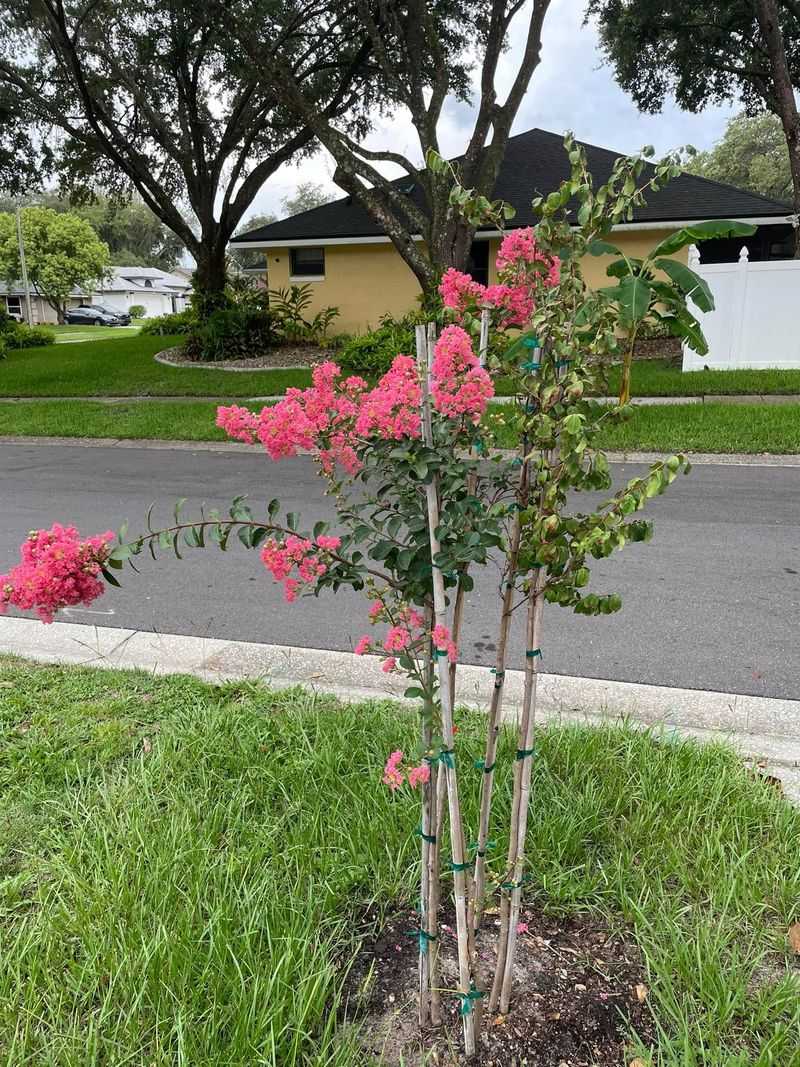
Water becomes your most powerful tool after a big move. With so many roots gone, the tree depends on you to keep it hydrated. Getting this part right can make or break the whole effort.
The small root ball left behind cannot gather much moisture on its own. It sits in a limited pocket of soil that dries out quickly.
Until new roots spread into the surrounding ground, that pocket needs steady attention.
Deep watering works better than a quick splash. A slow, long soak lets moisture sink down to where the roots actually live.
Shallow sprinkles only wet the surface and encourage weak, shallow roots.
Aim to keep the soil damp but not soggy. Roots need air too, so drowning them in standing water causes rot. The goal is a nice balance, like a wrung out sponge.
A layer of mulch around the base helps a lot. It locks in moisture, keeps the soil cooler, and cuts down on weeds fighting for water. Just keep the mulch a few inches away from the trunk.
During dry spells, check the soil often by poking a finger a couple inches down. If it feels dry, it is time to water. North Carolina summers can dry things out fast, so stay alert.
As new roots grow outward over the seasons, you can slowly ease back on watering. Consistent care in those early months builds the foundation for a tree that eventually stands strong on its own.
8. Sometimes A New Tree Is Easier
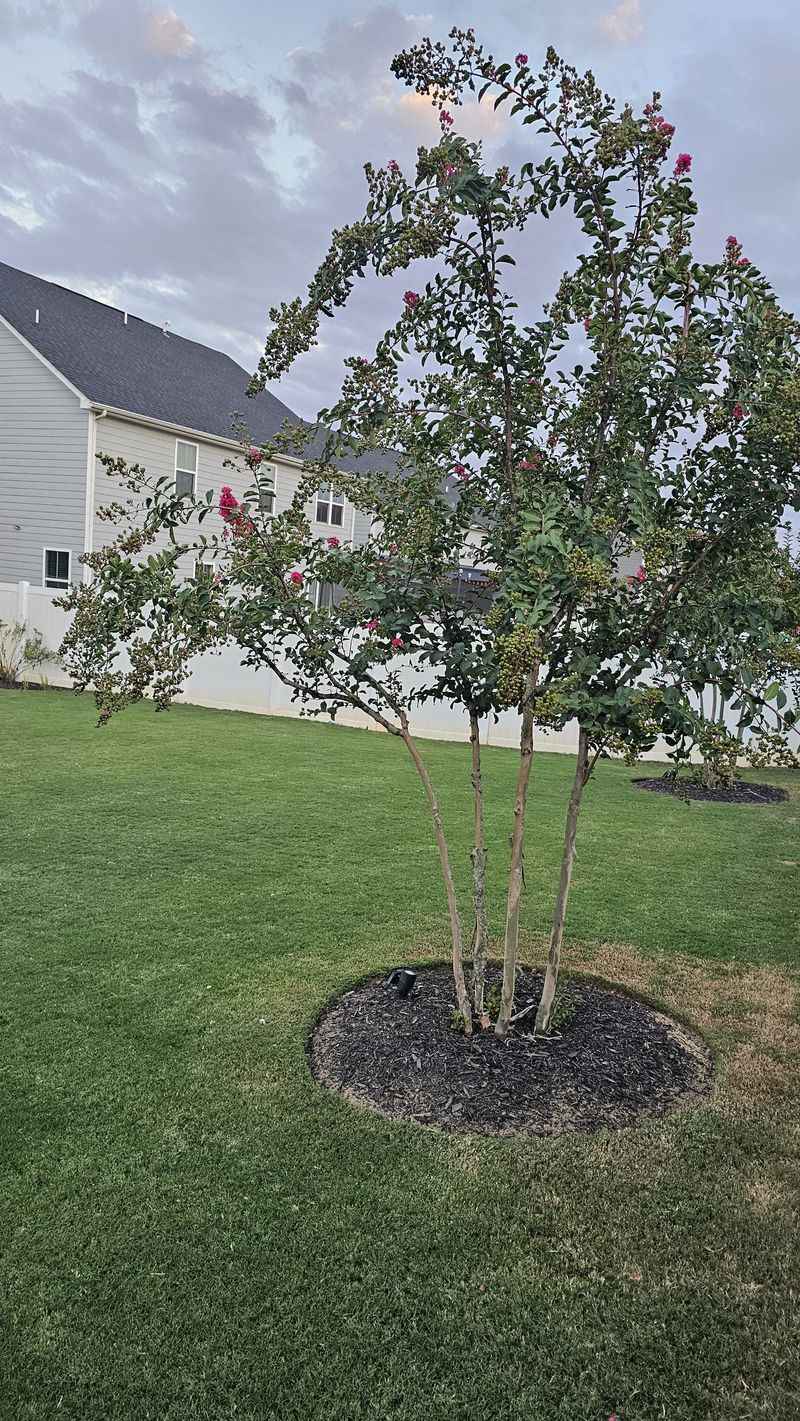
Here is a truth that saves many gardeners a headache. Moving a giant crape myrtle is not always the smart choice.
Often the easiest path is to leave the big one alone and plant a fresh young tree somewhere new.
Small crape myrtles cost far less than the effort of relocating a mature one. A young plant from a nursery slips into the ground easily. Its little root ball moves without heavy machines or backbreaking digging.
Young trees also settle in fast. With most of their roots intact, they face almost no transplant stress. Within a couple of years, they often catch up to where you hoped the moved tree would be.
Leaving the mature tree in place keeps its beauty right where it already shines. You avoid the risk of losing a plant you love during a rough move. Everybody wins in that setup.
Crape myrtles come in many sizes and colors these days. You can pick a variety that fits the new spot perfectly, from dwarf types to tall bloomers. That gives you a chance to add fresh style to your yard.
Think about your goals before grabbing a shovel. If the point is simply to have a crape myrtle in a certain area, a new tree gets you there with less stress and better odds.
Sometimes the wisest gardening move is knowing when not to move at all. Planting fresh can be the reliable, rewarding choice your yard will thank you for.