Maryland Shrub Trimming During Periods Of Hot Weather
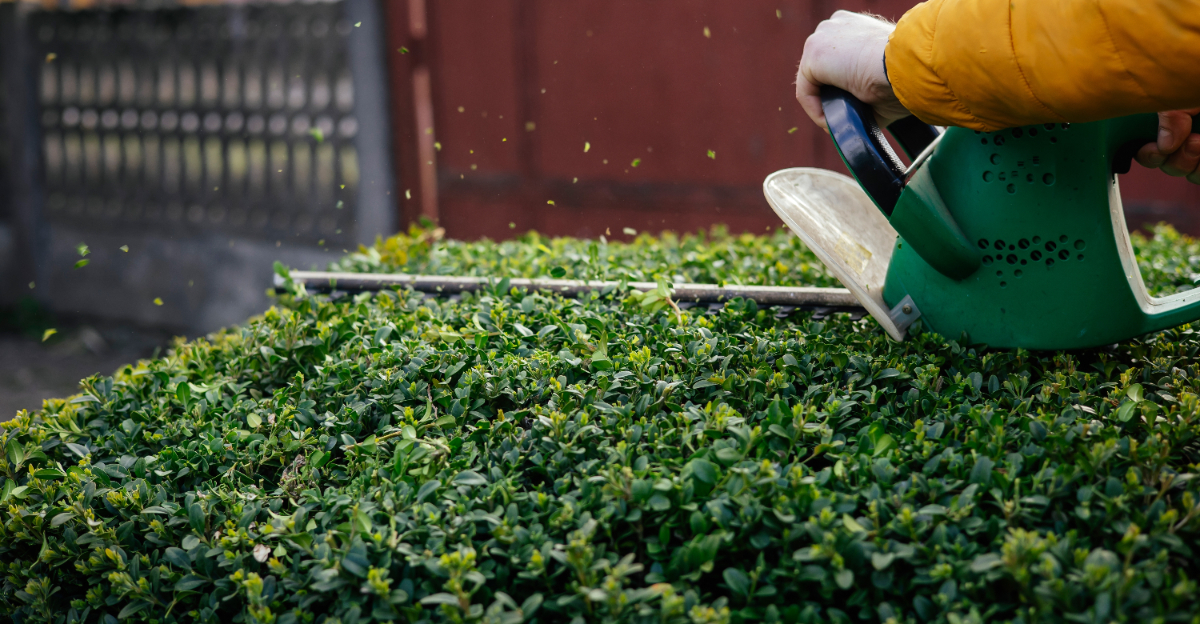
Maryland summers do not go easy on shrubs, and careless pruning during a heat wave can leave them struggling for the rest of the season. A single afternoon with the shears in July can undo months of careful growth.
Cutting back branches when temperatures climb strips away the shade shrubs rely on to protect their own roots and stems. Within days, exposed wood can scorch under direct sun, leaving marks that can take months to fade.
Smart timing and technique separate a thriving hedge from one that limps along until fall. Master these summer pruning rules, and the landscape can hold its color and shape through even the hottest months.
Signs A Shrub Is Stressed By Heat
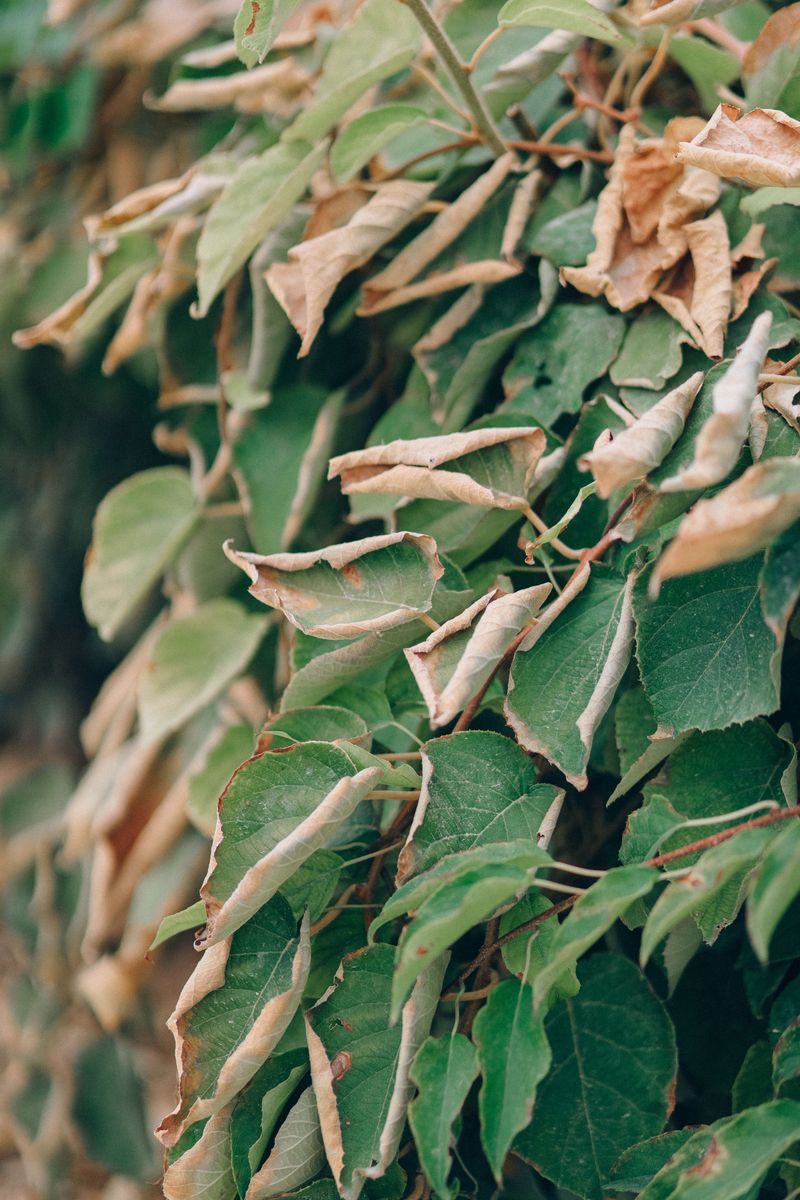
Your shrubs are sending you messages, and most people miss them. Wilting leaves in the early morning are the first red flag to notice.
When foliage curls inward, the plant is trying to protect its moisture. That curling is a survival move, not a cosmetic issue.
Browning leaf edges often show up next, especially on boxwoods and hollies. Scorched tips mean the roots cannot pull enough water to keep up with the heat.
Yellowing leaves can sometimes point to root stress as well. Nutrient deficiencies are a more common cause, though extreme soil temperatures can play a role.
Premature leaf drop is another warning sign that gets ignored too often. Shrubs shed foliage to reduce the surface area losing water to the air.
Drooping branch tips that do not spring back by evening are worth watching closely. This kind of persistent sag often means the shrub is losing water faster than its roots can replace it.
Stunted new growth or no growth at all during summer is also telling. Healthy shrubs push new shoots, but stressed ones go dormant to survive.
A dull or faded look to the foliage can also signal trouble building underneath the surface. Leaves lose their natural sheen when the plant redirects energy away from maintaining healthy tissue.
Checking your shrubs in the morning gives you the clearest picture of their health. Evening observations can be misleading because cooler air temporarily revives drooping plants.
Cutting a stressed shrub forces it to spend energy it simply does not have right now.
Timing Trims Around The Hottest Parts Of The Day
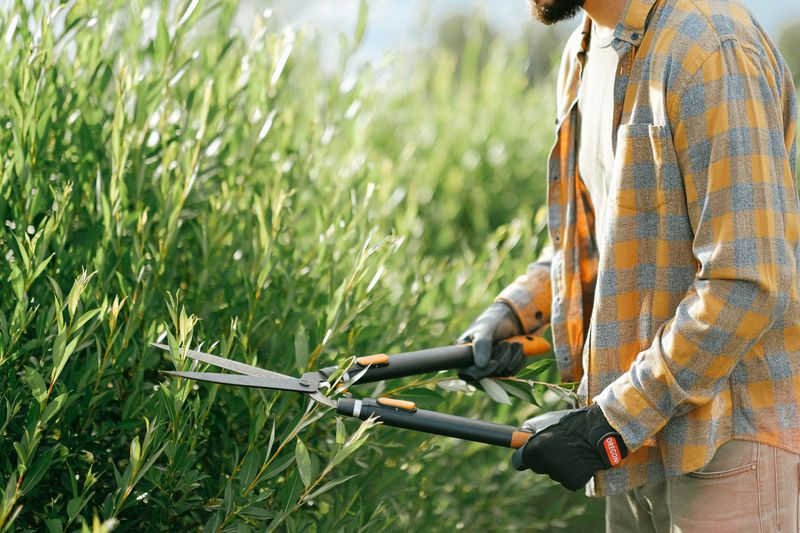
Timing matters a great deal when summer temperatures climb past ninety degrees. Trimming at the wrong hour can turn a routine task into a costly setback.
Early morning is your best window for any cutting work. Temperatures are lower, plants are hydrated from the night, and the sun has not yet peaked.
Between ten in the morning and four in the afternoon, the heat is harsh on freshly cut stems. Open cuts lose moisture fast when exposed to direct midday sun.
Late afternoon is your second-best option if mornings do not work for your schedule. The sun starts its descent, and temperatures drop just enough to reduce stress on trimmed plants.
Your Maryland Garden Changes Every Week. Your Plan Should Too.
Gardening in Maryland changes quickly throughout the season. Every Friday you’ll receive a simple weekly plan showing exactly what to plant, prune, fertilize, harvest, and protect so you never miss the right timing.
Avoid trimming on days when temperatures are forecast above ninety-five degrees. Even early morning cuts can struggle to heal when daytime heat is extreme.
Overcast days offer a surprising advantage for summer pruning in Maryland. Cloud cover acts like a natural buffer, keeping both you and your shrubs cooler during the process.
Plan your trimming sessions around the weather forecast, not just your calendar. A modest difference in temperature can influence whether a shrub thrives or struggles.
Setting an alarm for six in the morning might feel dramatic, but your shrubs will respond well to it.
Shrubs That Tolerate Pruning In Summer
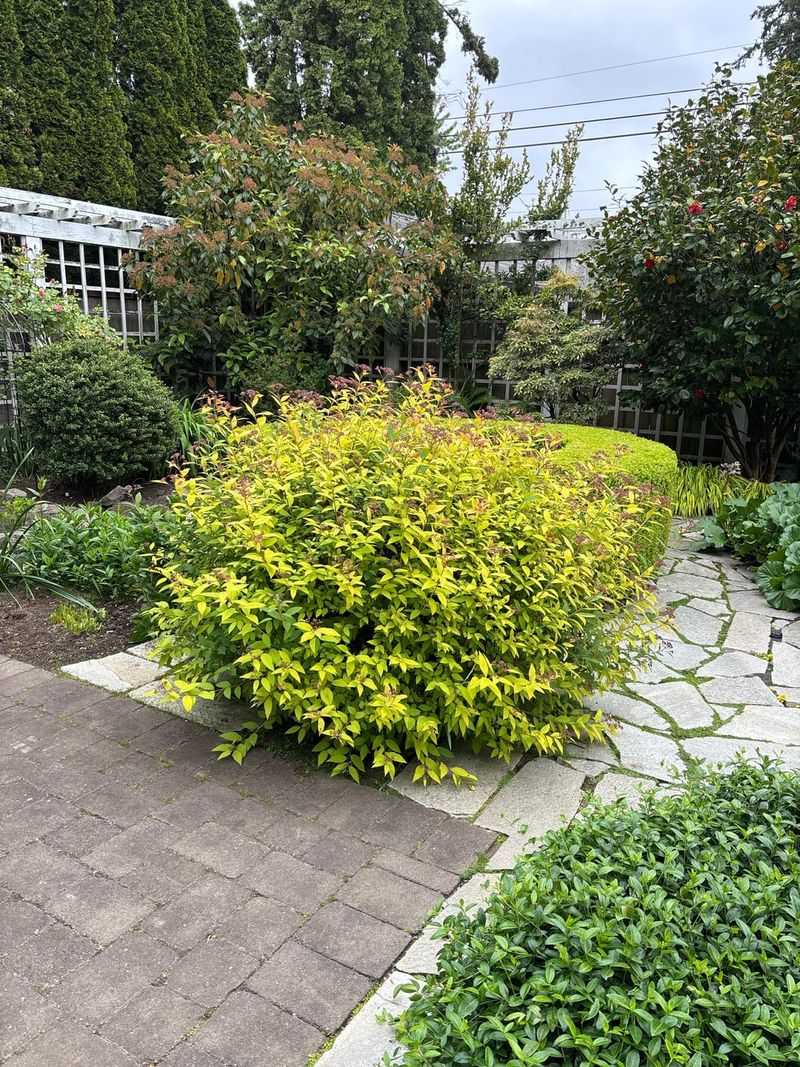
Not every shrub panics when the clippers come out in July. Some plants are genuinely built to handle a summer haircut without missing a beat.
Crape myrtles are the poster children for summer pruning success. They bloom on new growth, so a mid-season trim often encourages a second flush of flowers.
Knock Out roses handle summer cutting better than most gardeners expect. Light shaping after the first bloom wave keeps them producing color through September.
Spirea is another tough performer that bounces back quickly after a warm-weather trim. A modest shaping right after its blooms fade keeps the plant tidy and compact.
Butterfly bush thrives with light pruning throughout summer. Removing spent flower spikes pushes the plant to keep producing fresh blooms for pollinators.
Holly shrubs tolerate light shaping during summer without much drama. They are evergreen workhorses that recover well as long as you avoid cutting into old wood.
Abelia is another dependable performer when the heat is on. Its arching branches recover quickly from a light summer trim, and pruning often encourages a fresh round of small, fragrant blooms.
Ninebark holds up well to warm-weather shaping too. This hardy native shrub bounces back fast after cutting, making it a forgiving option for gardeners nervous about pruning in July.
Maryland shrub trimming during periods of hot weather is far less risky when you start with the right species on your list.
Shrubs Best Left Alone Until Fall
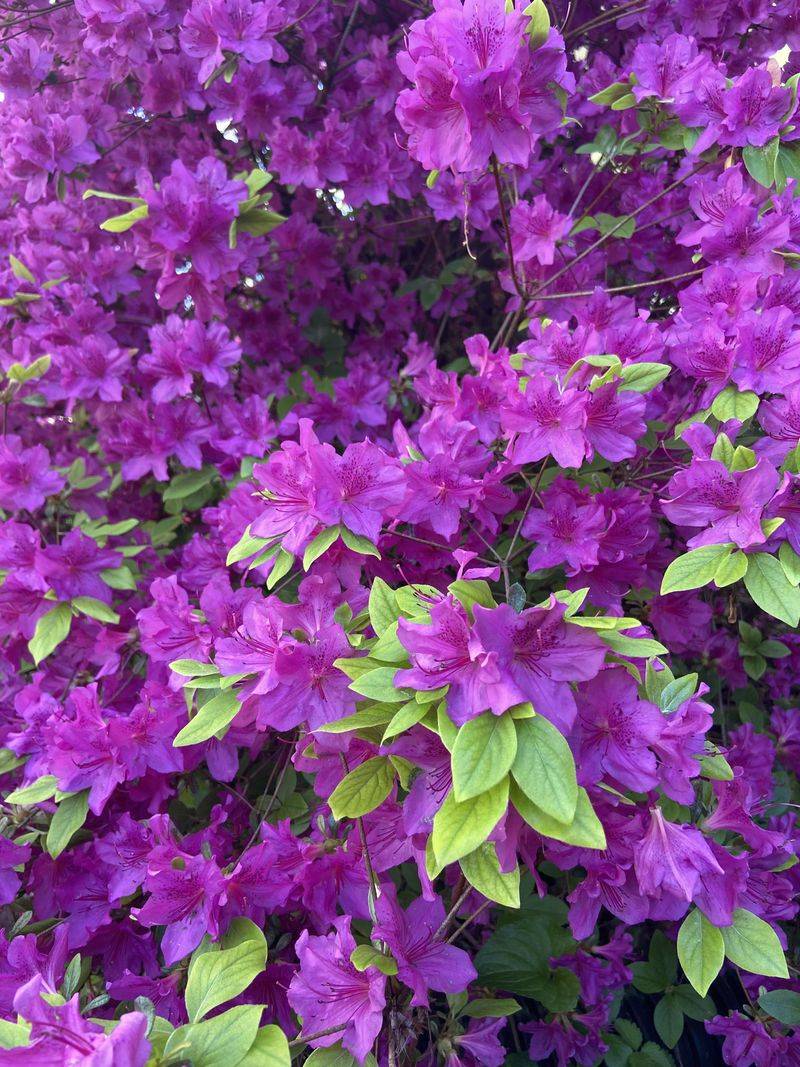
Some shrubs shut down the moment you cut them in summer heat. Knowing which ones to leave alone can save you months of recovery headaches.
Azaleas set their next season’s flower buds shortly after they finish blooming in spring. Cutting them in summer removes those buds and reduces next year’s spring show.
Rhododendrons follow the same bud-setting pattern as azaleas, making summer pruning a costly mistake. Patience with these plants pays off with a strong spring bloom.
Forsythia is another early bloomer that sets buds on old wood during summer. Trimming it now means watching bare branches instead of yellow flowers come March.
Mountain laurel, a Maryland native, is particularly sensitive to summer pruning stress. Its shallow roots struggle to support recovery when heat is already pushing the plant hard.
Lilac shrubs also fall into the leave-it-alone category for summer months. They bloom on old wood, and any summer cutting directly reduces next year’s flower count.
Oakleaf hydrangea blooms on old wood as well, making summer shaping a bad call. Wait until right after it finishes blooming for the best results with this beauty.
A general rule worth memorizing: if it bloomed before June, leave it alone until fall. Early bloomers almost always set buds for the following year during the hottest months.
Your clippers will get their chance when the temperatures cool down and the pressure on these plants finally eases.
Watering Before And After Trimming
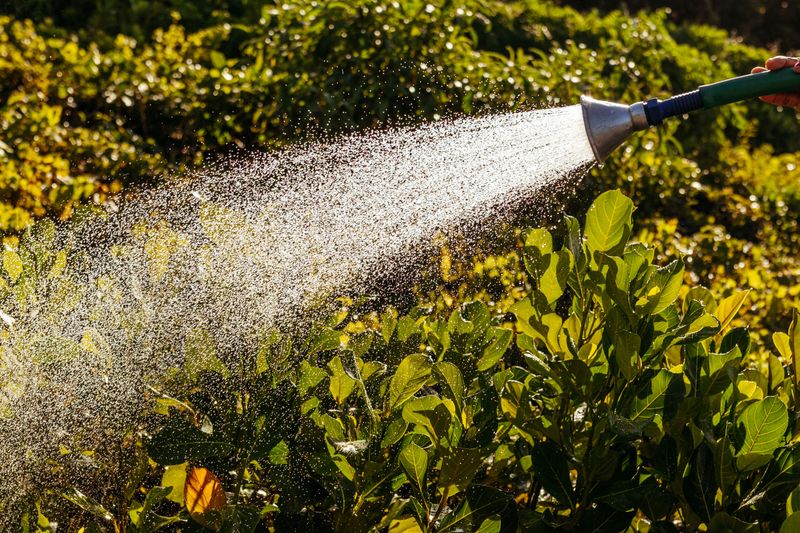
Water is the secret weapon in every smart summer pruning plan. A well-hydrated shrub handles the stress of cutting far better than a thirsty one.
Water your shrubs deeply the evening before you plan to trim. Deep watering encourages roots to pull moisture down into the soil where it stays cooler longer.
Shallow watering the morning of trimming is not enough to prepare a plant for cutting stress. Surface moisture evaporates quickly and does not reach the roots that need it most.
After trimming, water again within a few hours of finishing your work. Fresh cuts increase a plant’s water demand because the remaining foliage works harder to stay hydrated.
Aim the water at the base of the shrub, not the leaves. Wet foliage in summer sun can cause scorching that compounds the stress from pruning.
Mulching around the base immediately after watering locks in soil moisture beautifully. A two-to-three inch layer of mulch keeps roots cooler and reduces how often you need to water.
Watch the shrub closely for the first week after trimming in hot weather. Wilting that does not recover by morning is a sign the plant needs more water right away.
Consistent moisture during the recovery period is more valuable than one heavy soaking. Deep, steady watering keeps the root zone stable while the plant heals from its trim.
Maryland shrub trimming during periods of hot weather tends to go smoother when water is part of the plan from start to finish.
Tools And Techniques That Reduce Plant Stress
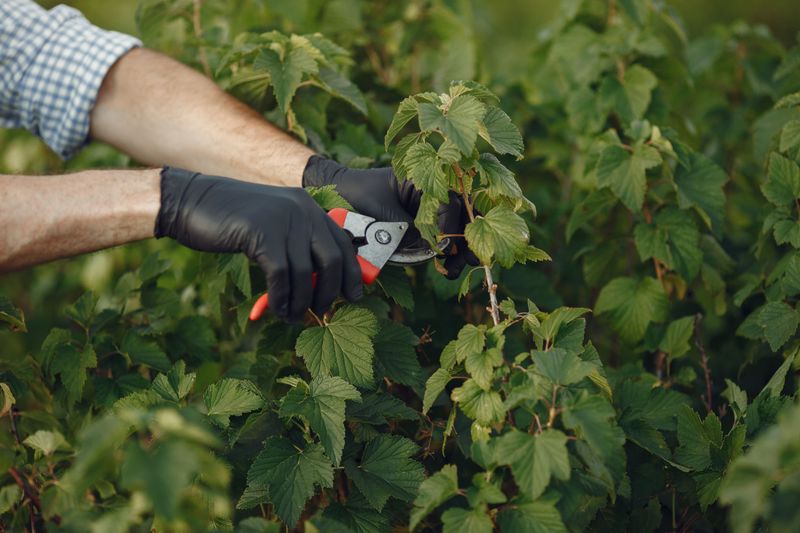
Dull blades are one of the most underrated causes of plant stress during summer trimming. A ragged cut tears tissue instead of slicing it cleanly, leaving the plant vulnerable to disease.
Sharp bypass pruners make cleaner cuts that heal faster in hot conditions. Invest in a quality sharpener and use it before every major trimming session.
Bypass pruners work better than anvil-style pruners for most shrub work in summer. Anvil pruners crush stems slightly, and crushed tissue heals slower when heat is a factor.
Sanitize your blades between shrubs to prevent spreading fungal or bacterial issues. A quick spray of diluted bleach solution on the blades takes seconds and prevents big problems.
Cut at a slight angle just above a leaf node or outward-facing bud. Angled cuts allow water to run off instead of pooling on the wound and inviting rot.
Avoid cutting into thick, woody stems during summer unless absolutely necessary. Large wounds take longer to seal and leave the plant exposed during its most vulnerable season.
Remove no more than one-third of the plant’s total volume in a single session. That rule protects the plant’s ability to photosynthesize and recover quickly.
Collect and remove all clippings from around the base of the shrub after trimming. Piled debris holds moisture against stems and creates a welcoming environment for pests and mold.