What Your Ohio Maple Trees Need Right Now To Stay Vibrant All Fall
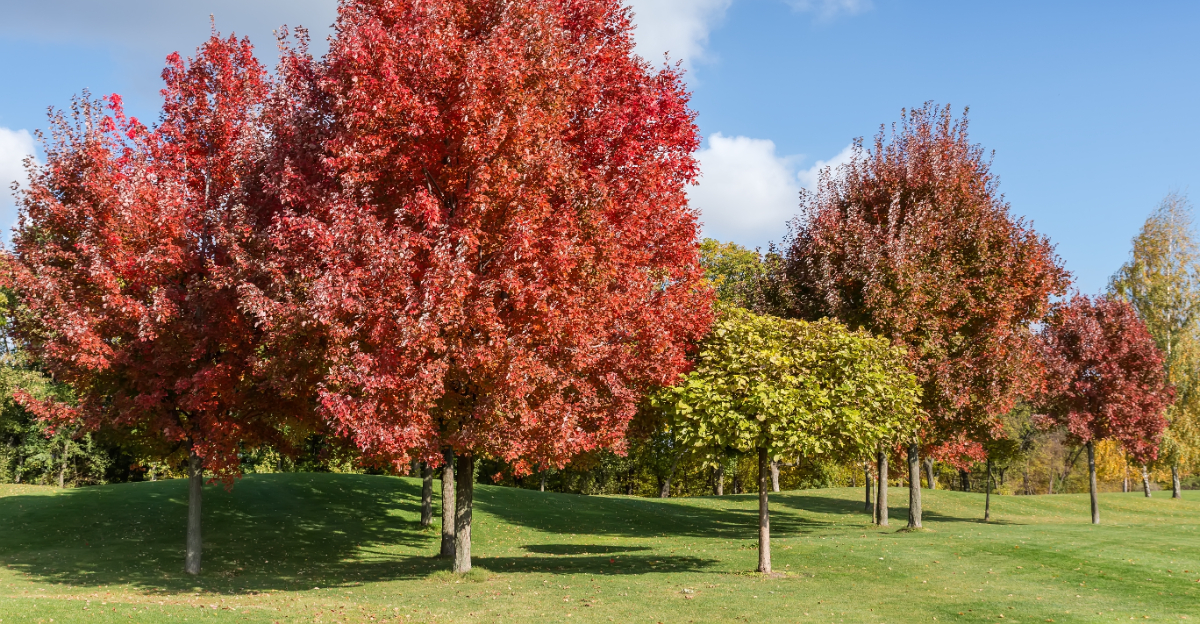
Ohio’s maple trees are weeks away from their fall show, and one easy step right now decides whether that color turns brilliant or falls flat.
Heat and dry stretches this time of year put real stress on maples, and stressed trees rarely produce the vivid reds and oranges everyone waits for every October.
A tree scrambling just to stay hydrated puts color production last on its list of priorities. Water depth matters more than frequency here too.
A quick surface sprinkle barely reaches roots that sit deeper than most homeowners realize, leaving the tree just as thirsty as before you turned on the hose.
Soil condition around the base plays a role as well, along with a few small adjustments that cost nothing but a few minutes this week.
Get this part right, and your maple rewards you with the kind of fall display neighbors stop to photograph.
1. Water Your Maples Now To Protect Their Fall Show
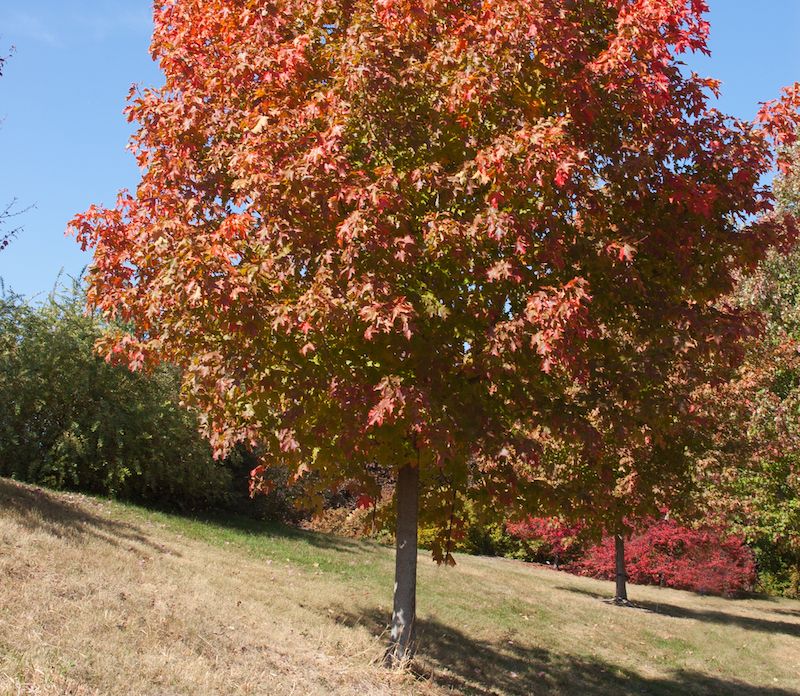
A dry August can quietly set back your maple trees (Acer species) before fall even begins. Late summer heat pulls moisture out of the soil fast, and shallow watering does not reach the deep roots where trees need it most.
Maples grow best with about one inch of water per week. During dry spells, you may need to supplement rainfall to keep the soil consistently moist.
A slow, deep watering once or twice a week is far better than light daily sprinkles that only wet the surface.
The best method is to let a garden hose trickle slowly near the base of the tree for 30 to 45 minutes. This encourages water to soak down to the root zone rather than run off.
Avoid wetting the trunk directly, as standing moisture there can encourage bark problems.
Check the soil before watering by pressing your finger about two inches into the ground. If it feels dry at that depth, your tree needs water.
If it still feels damp, wait another day or two.
Trees that go into fall well-hydrated tend to show better color and hold their leaves longer. Drought stress during late summer is one of the most overlooked reasons Ohio maples underperform in autumn.
2. Keep Maple Roots Cool Before Autumn Color Arrives
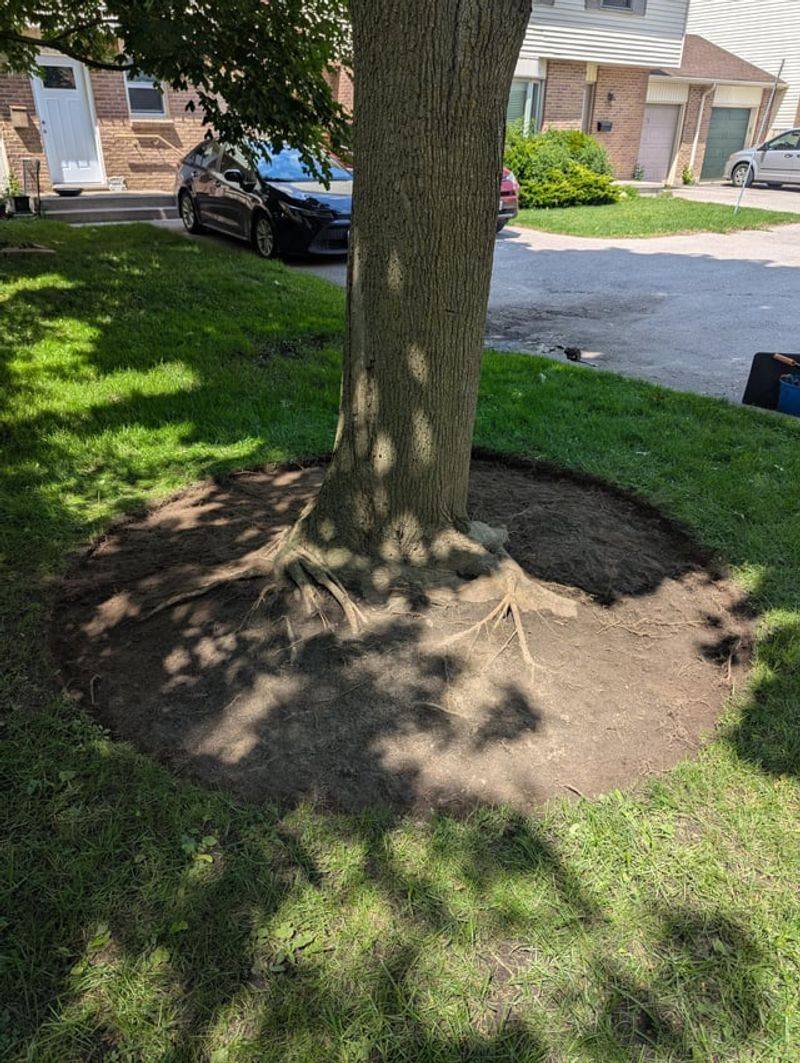
Hot soil is hard on tree roots. During Ohio summers, soil temperatures near the surface can climb high enough to stress roots and slow down the water and nutrient uptake your maple depends on.
One of the simplest ways to protect roots is to keep the soil temperature stable. Shading the root zone helps, but most homeowners do not realize how much of a difference the ground cover around their trees can make.
Grass growing right up to the trunk competes with the tree for water and nutrients. Removing turf from around the base of the tree and replacing it with a few inches of organic material creates a cooler, more stable environment for roots to thrive.
Keeping the root zone free from foot traffic also matters. Soil compaction is a real problem under trees in yards where people walk or park equipment.
Your Ohio Garden Changes Every Week. Your Plan Should Too.
Gardening in Ohio changes quickly throughout the season. Every Friday you’ll receive a simple weekly plan showing exactly what to plant, prune, fertilize, harvest, and protect so you never miss the right timing.
Compacted soil reduces the amount of oxygen available to roots, which slows tree growth and reduces overall health.
A healthy root zone is the foundation of a vibrant fall display. Roots that are cool, well-aerated, and free from competition are better able to support the tree through the stress of changing seasons.
Small improvements around the base of the tree now can lead to noticeably better results by October.
3. Stop Feeding Maples At The Wrong Time
Reaching for fertilizer in late summer might seem like a good idea, but timing is everything with maple trees. Applying nitrogen-rich fertilizer after midsummer can push new, tender growth that does not have enough time to harden before cold weather arrives.
Soft new growth is vulnerable to early frost damage. In Ohio, temperatures can drop quickly in September and October, and young shoots that formed late in the season may suffer as a result.
That kind of stress can weaken a tree heading into winter.
OSU Extension recommends that fertilizer for established shade trees be applied in early spring or in late fall after the tree has gone dormant.
Fertilizing during active late-summer growth encourages the tree to keep pushing leaves when it should be preparing to slow down.
If your maple looks pale or has shown signs of nutrient deficiency earlier in the season, a soil test is the right first step. Testing tells you exactly what your soil needs rather than guessing.
Your local OSU Extension office can help you get a reliable soil test done.
Skipping the late-summer fertilizer run is not neglect. For established maple trees, it is actually the smarter choice.
Letting the tree follow its natural seasonal rhythm supports stronger wood, better root development, and a more reliable fall color performance.
4. Give Your Trees The Soil Support They Need
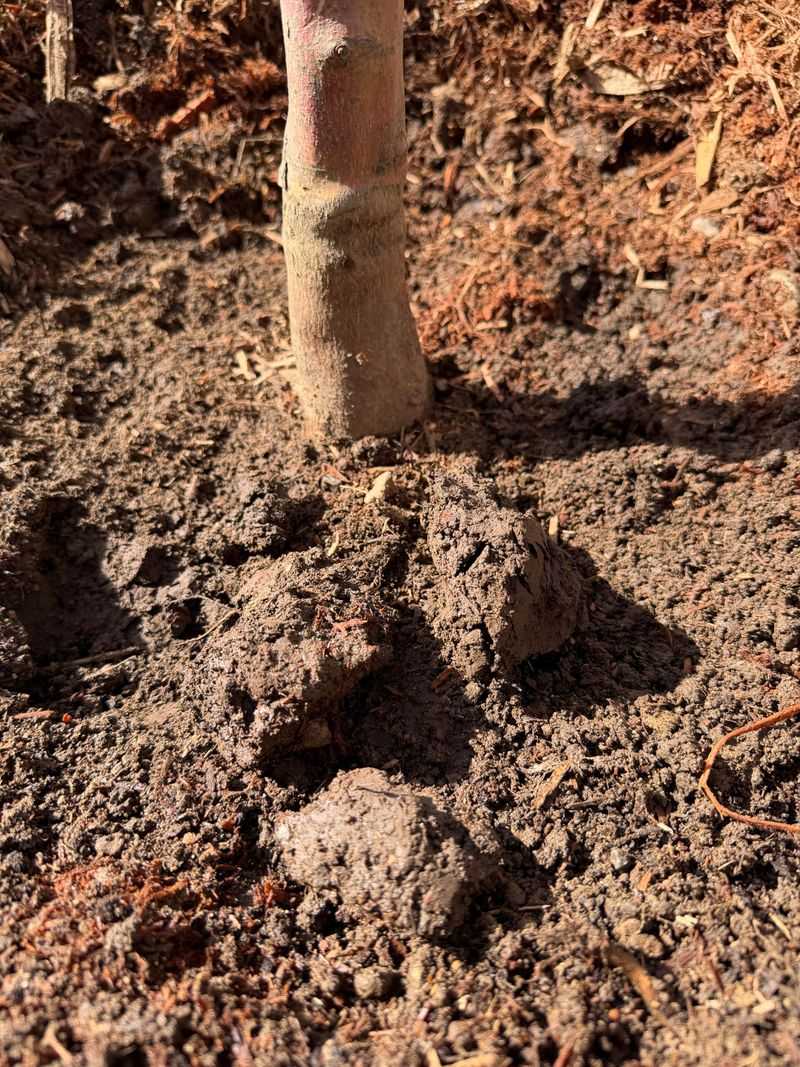
Soil quality shapes everything about how a maple tree grows. Poor drainage, heavy clay, or overly compacted ground can limit root growth and make it harder for trees to absorb the water and nutrients they need.
Many Ohio yards have clay-heavy soil that holds water too long after rain. Roots sitting in waterlogged soil are more likely to develop problems over time.
If you notice puddles forming under your tree after rain and staying for more than a day, drainage may be an issue worth addressing.
Adding a thin layer of compost to the soil surface around the tree is a low-effort way to improve soil structure over time. Compost breaks down slowly, feeding soil organisms and improving the texture of both clay and sandy soils.
Spread it lightly and do not work it into the soil near surface roots.
Avoid using weed destroyers or herbicides near maple roots. These products can travel through the soil and affect tree health in ways that are not always immediately visible.
Keep chemical applications away from the root zone whenever possible.
Good soil sets the stage for everything else. A maple growing in well-structured, well-draining soil is more resilient to summer heat, late-season drought, and the stress of transitioning into fall.
Improving the ground around your tree is one of the highest-value steps you can take.
5. Fix These Mulching Mistakes Before Fall
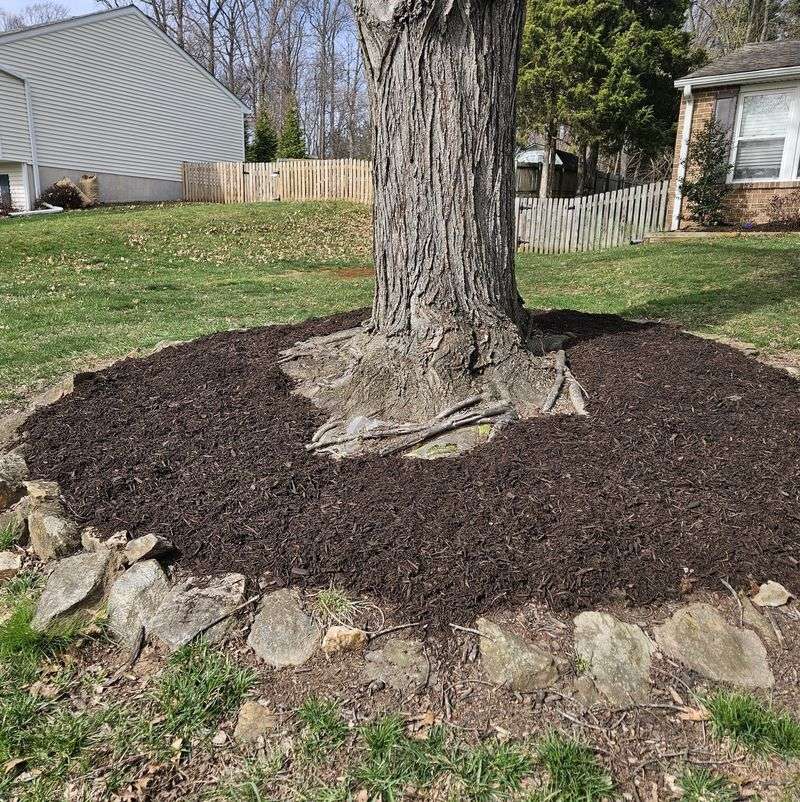
Mulch is one of the best tools a homeowner has for supporting tree health. Used correctly, it keeps moisture in the soil, moderates temperature swings, and reduces competition from weeds and grass.
The most common mulching mistake is piling it against the trunk. Mulch volcanoes, as arborists call them, trap moisture against the bark and create conditions that invite pests and disease.
Always leave a gap of two to three inches between the mulch and the base of the trunk.
Spread mulch in a wide, flat ring around the tree. A two to four inch depth is ideal.
Going deeper than four inches can actually reduce the oxygen available to roots and may cause more harm than good.
The ring should extend out as far as possible, ideally reaching the drip line of the tree where the outermost branches end. Most homeowners mulch too close to the trunk and not wide enough.
Wider is almost always better for root health.
Use natural wood chips or shredded bark when possible. Avoid dyed mulches or rubber mulch near trees, as these products do not break down and add nothing to soil health.
Fresh wood chip mulch from a local arborist is often free and works very well for Ohio maples. Refreshing mulch now, before fall, gives trees a real advantage heading into the cooler months.
6. Watch For These Maple Stress Warning Signs
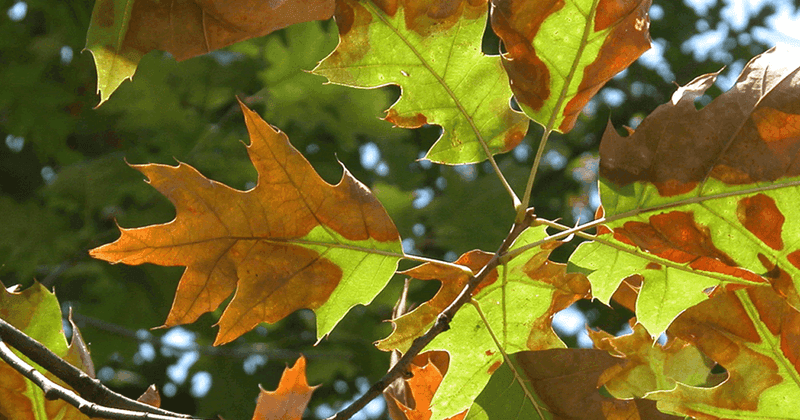
Your maple tree will often show you when something is wrong. Learning to read those signals before fall arrives gives you time to act and prevent small problems from becoming bigger ones.
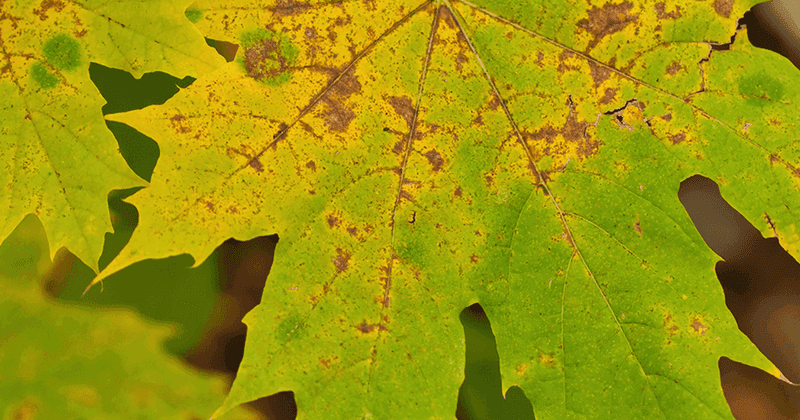
Yellowing leaves outside of normal fall color change can point to nutrient issues, overwatering, or poor drainage. Brown leaf edges or scorched-looking tips are often signs of drought stress or root problems.
Both issues are worth investigating rather than ignoring.
Tar spot is a fungal disease that shows up on silver and Norway maple leaves as large black spots. It looks alarming but rarely causes serious long-term harm to otherwise healthy trees.
Raking and removing fallen leaves in autumn helps reduce the spread of spores the following season.
Aphids and scale insects are common pests on maples. A heavy aphid infestation may cause sticky residue on leaves or on surfaces below the tree.
Most healthy, well-watered trees can handle minor pest pressure without intervention, but a large infestation is worth monitoring.
Verticillium wilt is a soil-borne fungal disease that can affect Ohio maples. Symptoms include sudden wilting or branch withering, sometimes on just one side of the tree.
If you notice this pattern, contact a certified arborist for an accurate diagnosis. Early attention to stress signs protects your investment and keeps trees performing their best through fall.
7. Avoid These Habits That Dull Autumn Color
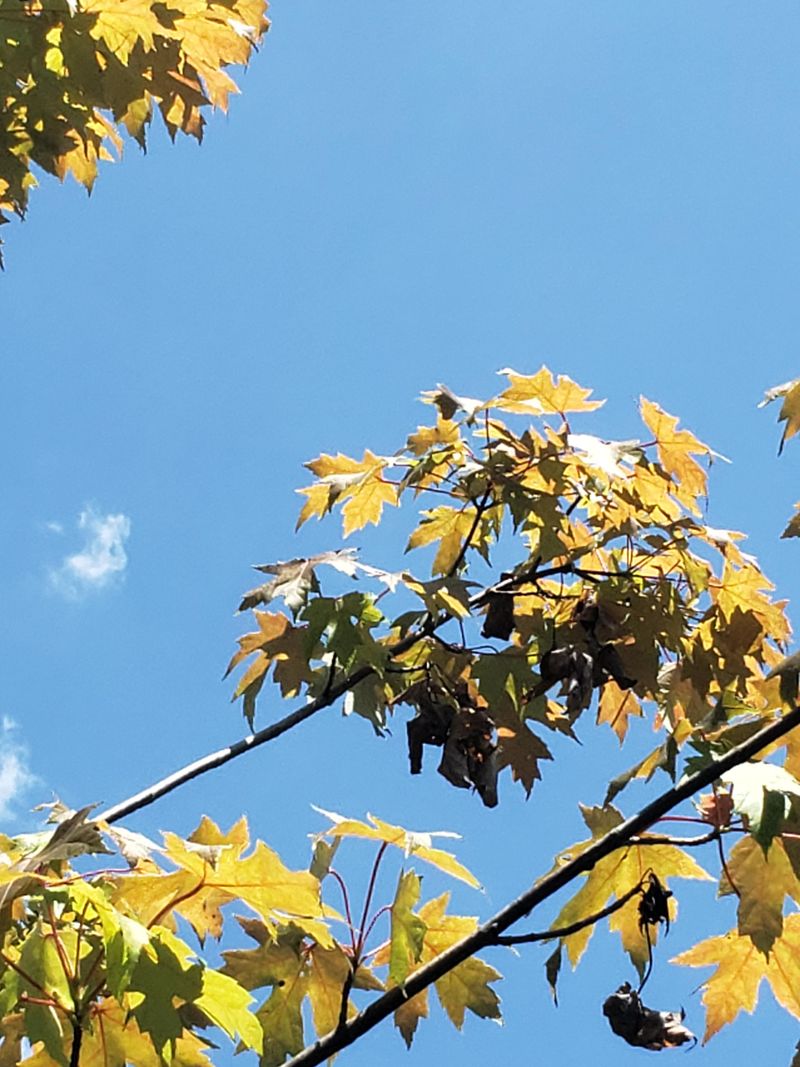
Some of the most common yard habits quietly work against your maple’s fall color without homeowners realizing it. A few small changes now can make a noticeable difference by the time October arrives.
Overwatering is just as damaging as underwatering. Soggy soil limits root oxygen and stresses trees in ways that can dull leaf color and cause early leaf drop.
Water deeply but allow the soil to partially dry between sessions rather than keeping it constantly saturated.
Mowing too close to the base of the tree repeatedly damages surface roots and bark. Even small wounds from string trimmers create entry points for pests and pathogens.
Keep mowing equipment away from the trunk and use mulch to protect that area instead.
Pruning large branches in late summer is another habit to reconsider. Major cuts made now may not seal properly before cold weather arrives.
Light pruning to remove clearly broken or rubbing branches is fine, but save significant structural pruning for late winter when the tree is dormant.
Parking vehicles or storing heavy equipment under the tree canopy compacts soil over the root zone. This reduces the tree’s ability to take up water and nutrients heading into fall.
Protecting the area under the canopy from traffic and compaction is a simple step that pays off in better tree health and richer autumn color year after year.
8. Set Your Maples Up For A Stunning Fall Display
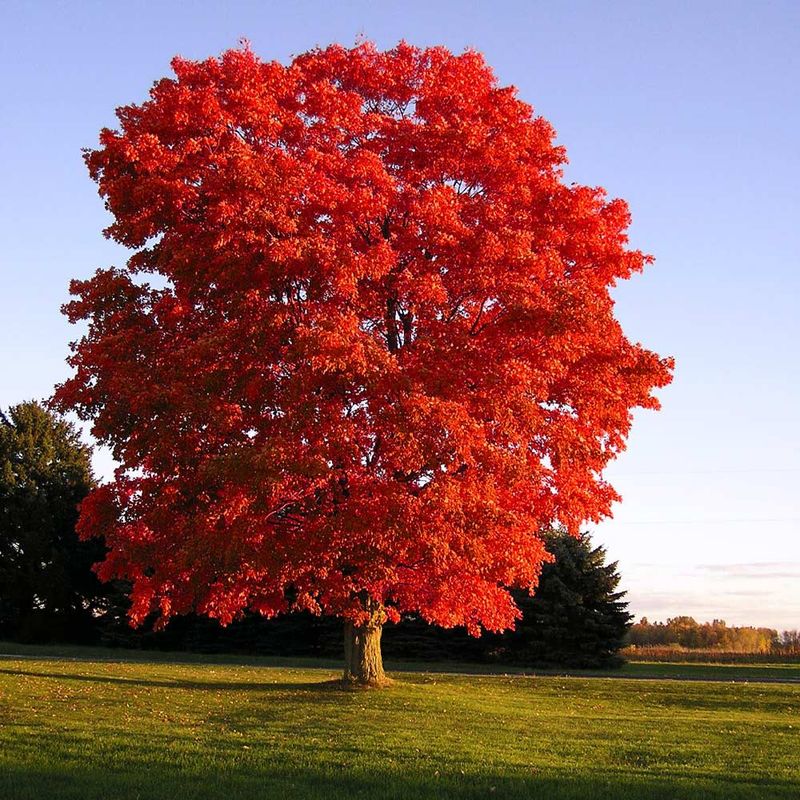
Everything you do for your maple trees between now and the first cool nights of September adds up. Late summer care is not just about keeping trees alive.
It is about helping them build the resources they need to put on a stunning fall show.
Run through a simple checklist before the season changes. Make sure your trees have been watered consistently during dry stretches.
Check that mulch is properly placed, wide, and not piled against the trunk. Look over the leaves for any early signs of stress or disease.
If you noticed soil or drainage concerns, start making small improvements now. A light top-dressing of compost around the root zone costs very little and benefits the tree over the coming months.
Healthy soil leads to healthier roots, and healthier roots support more vibrant fall color.
Ohio homeowners who take these steps tend to see a real difference in their trees by mid-October. A maple that has been well-supported through summer stress transitions into fall with more energy and more reliable color than one that has been neglected.
You do not need to do everything at once. Pick one or two areas to focus on this week and build from there.
Consistent, thoughtful care is what separates a tree that merely survives the season from one that genuinely thrives and lights up your yard every autumn.