The Ohio Lawn Weed That Sprouts In Fall And Takes Over By April
Tiny rounded leaves popping up in thin spots of the lawn this month are easy to overlook. Most homeowners are busy raking and never give them a glance.
This small weed is a winter annual, and across Ohio it sprouts in fall while lawn grasses are slowing down. It spends the cold months spreading quietly close to the ground.
By April, it can blanket bare patches with flowers and dense mats before the grass fully wakes up.
Pulling or treating it then is much harder, since the plants have had months to settle in and set seed.
Fall offers the easiest chance to get ahead of it while the seedlings are still small.
Kneel down near the edges of your driveway and walkways, where these seedlings often show up first.
1. Tiny Seedlings Slipping Into Thin Turf This Fall Rarely Get Noticed
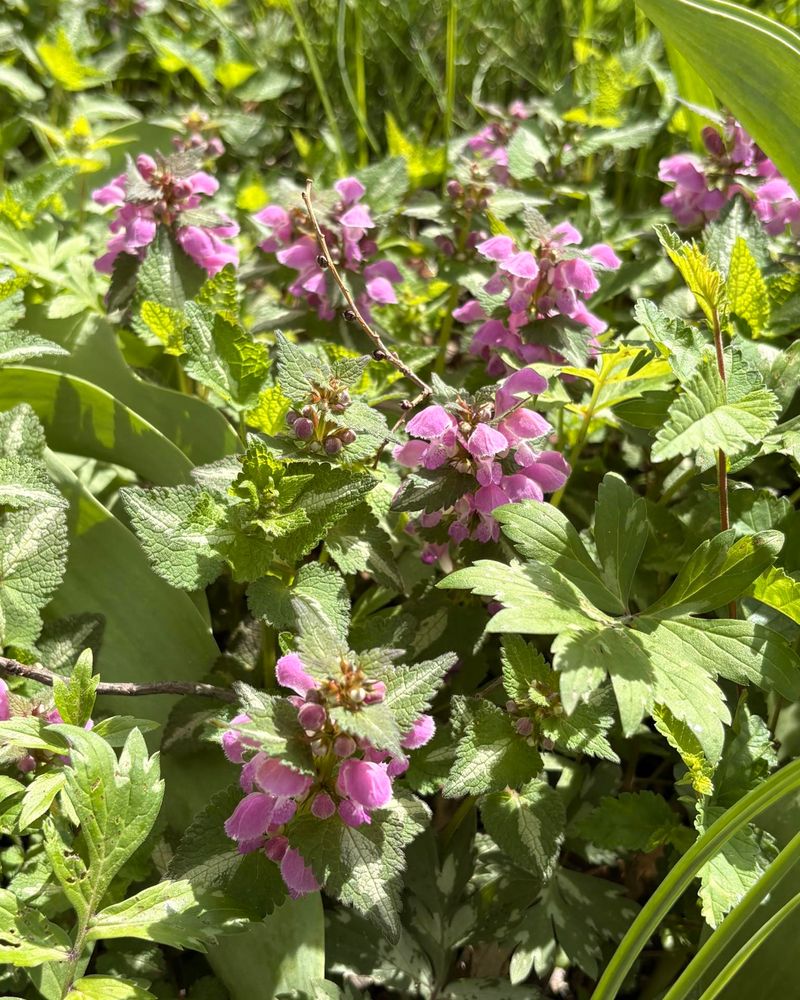
Small green specks in a fall lawn hardly look like trouble. Most homeowners mow right over them without a second glance.
Yet those tiny plants are often purple archangel, known to botanists as Lamium purpureum.
Purple archangel is a winter annual in the mint family, and it is widespread throughout Ohio.
Its seeds usually sprout from late summer into fall, once soil cools and moisture returns. Seedlings stay low and small, so they blend in easily with grass blades.
Thin or bare spots give the seeds their best chance to settle in.
Areas that tend to show seedlings first include spots near sidewalks, shady corners, and patches thinned by summer heat. Garden beds and freshly disturbed soil can also host a surprising number of them.
Gardeners often confuse purple archangel with henbit, another winter annual in the same plant family. Both show up in similar places and bloom around the same time, which makes the mix-up easy.
Walking your lawn slowly in October or early November can reveal what is coming.
Get down closer to ground level, especially in thin areas. Seedlings have small, rounded, scalloped leaves growing in opposite pairs.
Spotting them now gives you more choices later, and it helps you see which parts of the yard need attention before winter sets in.
2. Cool Months Carry It From Seedling To Seed Producer
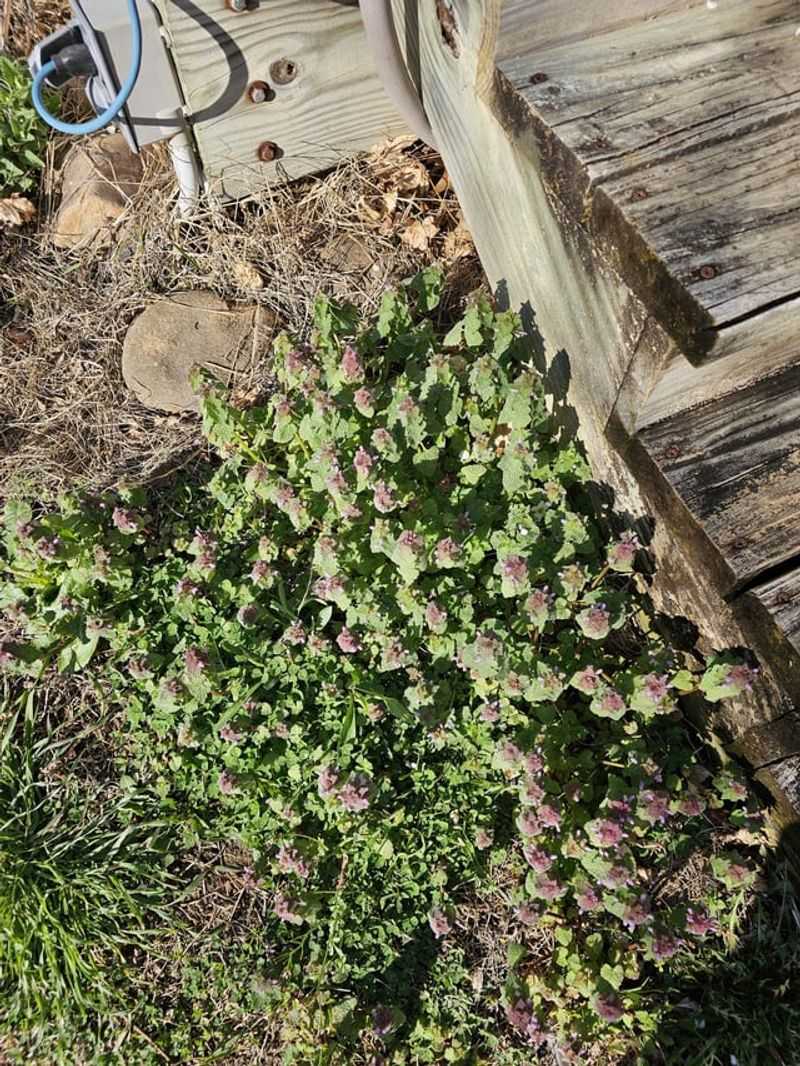
Winter does not stop purple archangel. It simply slows it down.
After sprouting in fall, young plants build roots and a few sets of leaves before the cold arrives. Through an Ohio winter, they sit low and wait, often staying green under snow or frost.
Warmer stretches in late winter can nudge them to grow a little.
Real growth picks up as spring arrives and daylight lengthens. Southern Ohio usually sees this happen a bit sooner than areas near Lake Erie, though weather each year can shift the timing.
Flowering often begins in early spring and may continue for weeks. Once flowers are pollinated, seeds form quickly, and plants can drop many seeds onto the soil below.
Those seeds are what fill your lawn with next fall’s crop.
When temperatures climb in late spring, the plants finish their life cycle and fade away. Brown, flattened patches may be left behind, especially where the weed grew thick.
Your Ohio Garden Changes Every Week. Your Plan Should Too.
Gardening in Ohio changes quickly throughout the season. Every Friday you’ll receive a simple weekly plan showing exactly what to plant, prune, fertilize, harvest, and protect so you never miss the right timing.
Understanding this cycle explains why spring treatment often feels disappointing. By the time the purple shows, most of the plant’s work is nearly done.
Paying attention during the cooler months lets you act while plants are young and before seeds hit the ground.
3. Square Stems And Purple Tinged Upper Leaves Help Identify It
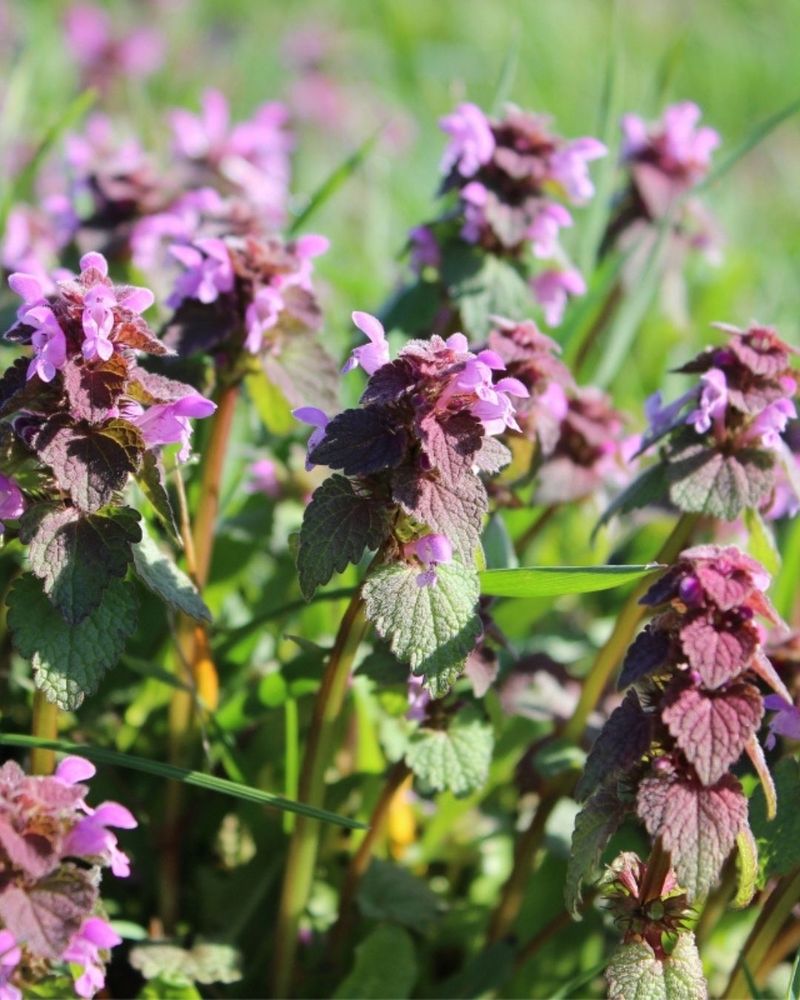
Roll a stem between your fingers and you will feel the answer. Purple archangel has a square stem, a classic trait of the mint family.
That quick touch test is one of the easiest ways to start an identification.
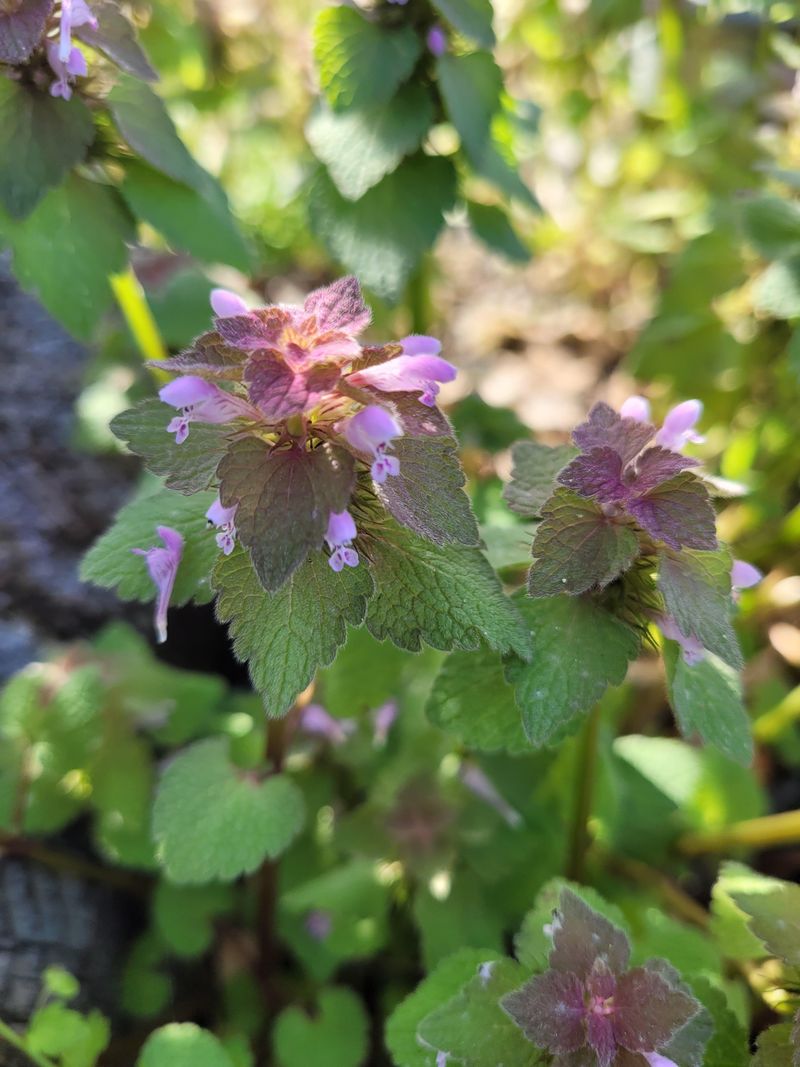
Leaves come in opposite pairs along the stem. Lower leaves sit on short stalks and look heart-shaped or rounded with soft, scalloped edges.
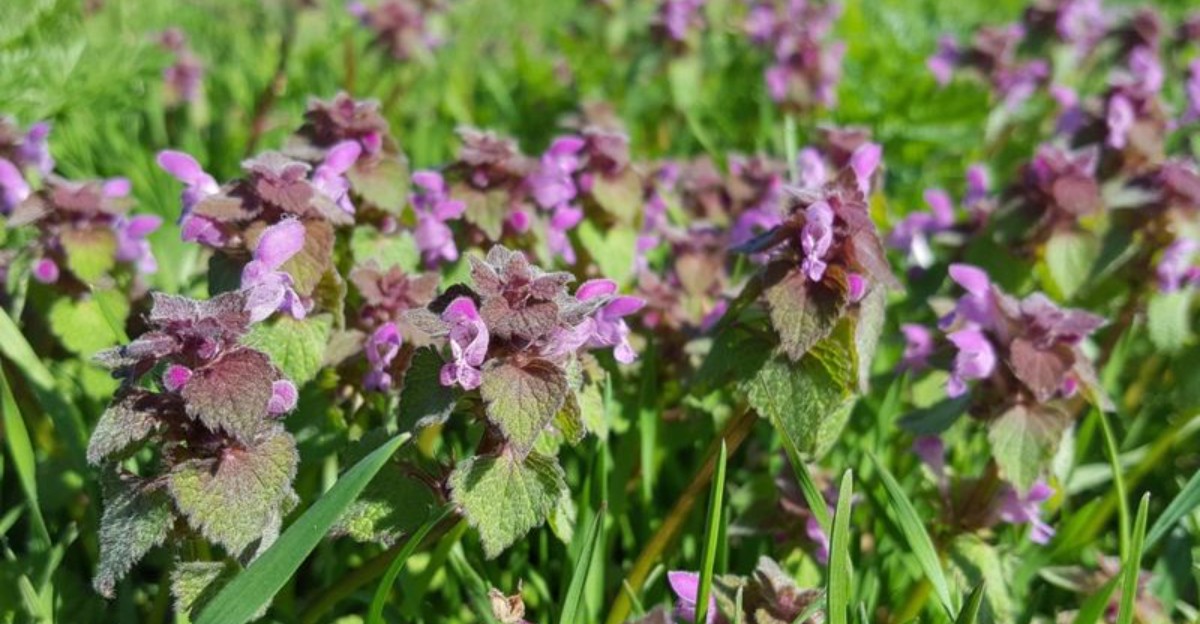
Up top, things look different. Upper leaves crowd together, take on a more triangular shape, and often show a reddish or purple tint.
Fine hairs cover the leaves, giving them a fuzzy, slightly soft feel.
From a distance, the stacked top leaves can look like a tiny pagoda or a little leafy cone. That layered look stands out once you know to watch for it in an Ohio yard.
Plants usually stay short, often just several inches tall. Stems tend to branch near the base, so one plant can spread into a small clump.
No strong scent comes from crushed leaves the way you might expect from mint, though some people notice a faint smell. Using several traits together, rather than just one, gives you the most reliable identification and avoids guessing.
4. Henbit Looks Similar But Its Upper Leaves Wrap Around The Stem
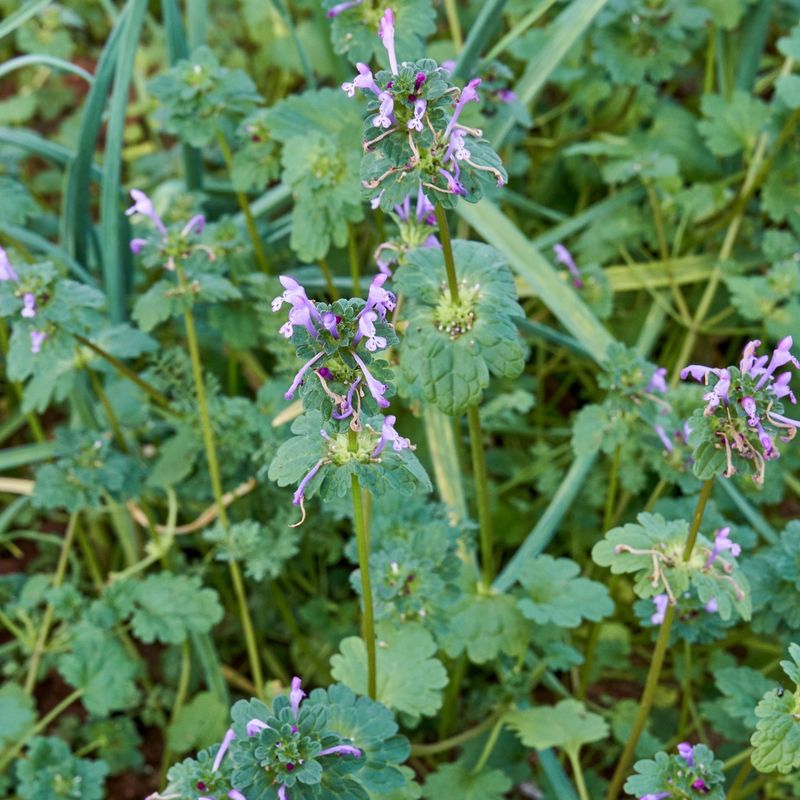
Two purple weeds, same season, same lawn. No wonder people mix them up.
Henbit, or Lamium amplexicaule, is a close cousin of purple archangel. Both have square stems, both are winter annuals, and both bloom with small purple flowers.
Leaves offer the clearest clue for telling them apart.
Henbit’s upper leaves have no stalks and appear to wrap or clasp around the stem. They look rounded and deeply scalloped, almost like little ruffled collars stacked along the stem.
Purple archangel’s upper leaves sit on short stalks and point outward in a crowded, triangular shape. Its top leaves also tend to be tinted purple, while henbit’s often stay greener.
Spacing helps as well, since henbit usually shows more bare stem between leaf pairs.
Flowers on henbit often look a bit longer and stick up above the leaves. Ohio lawns commonly host both weeds, sometimes growing side by side in the same patch.
Does the difference really matter? For lawn care, not as much as you might think.
Both respond to similar timing and control methods. Still, correct identification helps you learn your yard, track problem spots, and talk more clearly with an Extension office or lawn professional.
5. Purple Flowers Become Much Easier To Notice By Early Spring
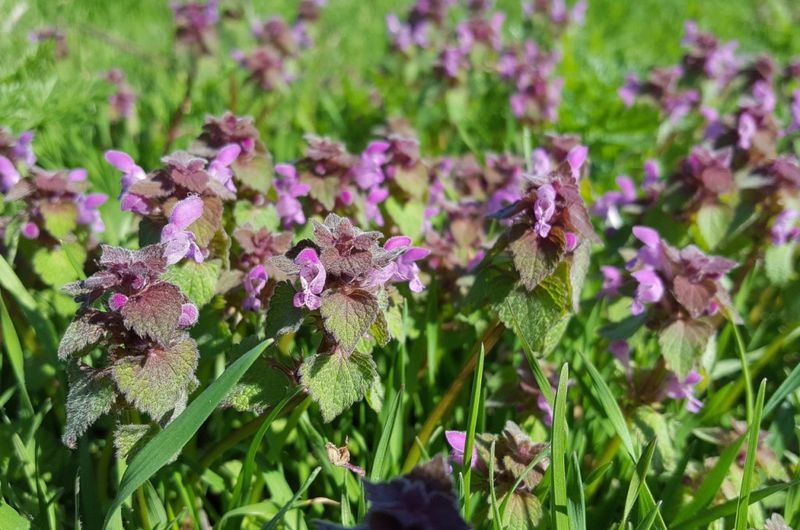
Suddenly, the whole yard looks purple. That shift tends to happen fast once spring warms up.
Small, tube-shaped flowers appear among the upper leaves, usually pinkish purple. Each bloom is tiny, but hundreds together can tint an entire lawn edge.
Bloom timing across Ohio often runs from March into May, depending on location and weather.
Early bees and other pollinators visit the flowers when little else is blooming. Some gardeners choose to leave a few patches in garden edges for that reason, which is a reasonable personal choice.
Noticing the weed now is useful, even if it feels late. Mark the worst spots on a sketch or with photos so you remember where to focus in fall.
Hand pulling works well for small patches, since roots are shallow.
Mowing can reduce flowering a bit, though plants that stay low may keep blooming below the blade. Spring herbicide sprays are possible, but results are often weaker on large, flowering plants.
Keep expectations realistic here. Plants will fade naturally as weather heats up, so heavy spring spraying may not be worth the cost.
Your best payoff comes from using this season to plan, not to panic.
6. Treating Young Plants In Fall Works Better Than Waiting For Spring
Timing beats strength when it comes to this weed. Small fall plants are much easier to control than big spring clumps.
Ohio State University Extension and other turf experts generally point to fall as the best window for winter annual broadleaf weeds.
Young plants have thin leaves and limited roots, so they take up herbicide more readily. Treating on a mild day, when weeds are actively growing, usually brings better results.
Broadleaf herbicides labeled for lawns, often containing ingredients such as 2,4-D, dicamba, or triclopyr, are commonly used. Purple archangel can be somewhat tolerant, so a combination product may work better than a single ingredient.
Always read and follow the label, including rates and temperature limits.
Preemergent products applied in late summer can reduce new seedlings in some cases. Be careful, though, because many also block grass seed you plan to sow.
Spot spraying is often enough for scattered plants. Hand pulling or a small weeding tool also works for a handful of seedlings.
Results vary with weather, product choice, and how dense the weed has become. Some plants may survive and need a follow-up.
Even so, fall action generally leaves far fewer flowers by April.
7. Thick Healthy Turf Leaves Fewer Openings For Next Year’s Crop
Dense grass is the quiet hero of weed control. Seeds need light and open soil to sprout, and a full lawn offers little of either.
Purple archangel tends to show up most where turf is thin, worn, or weak.
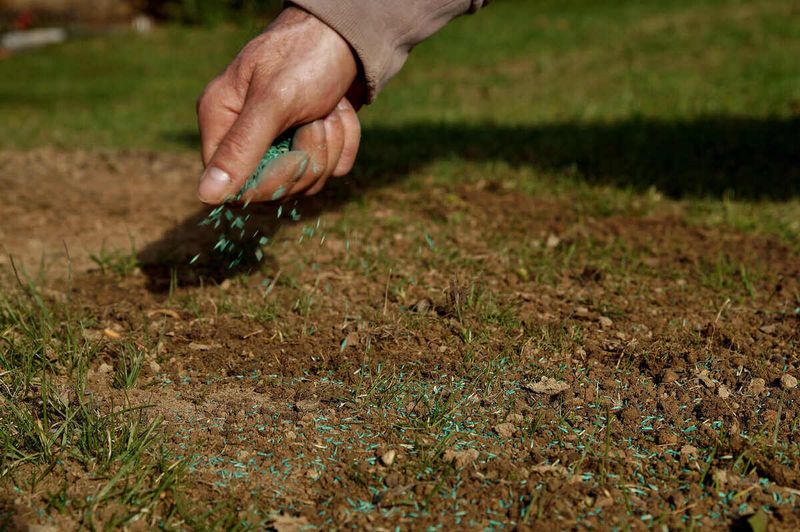
Overseeding in late summer to early fall is a solid move for most Ohio lawns with cool-season grasses. Tall fescue, Kentucky bluegrass, and perennial ryegrass are common choices.
Mowing height matters more than people expect.
Keeping grass around three inches or a bit taller helps shade the soil surface. Scalping the lawn short does the opposite and invites weeds in.
Fall fertilizing is often recommended for cool-season turf, but a soil test gives the clearest guidance. Your county Extension office can explain how to get one.
Look at why grass is thin in the first place. Heavy shade, compacted soil, poor drainage, or foot traffic can all play a role, and each needs a different fix.
Core aeration may help compacted areas in fall.
None of these steps will erase the weed entirely, especially if seeds are already in the soil. Over a few seasons, though, a thicker lawn usually means smaller purple patches and less work each spring.