Native Ohio Plants To Grow Instead Of Lamb’s Ear In Full Sun
Lamb’s ear earns its place in Ohio full sun gardens without much argument. Silver foliage, low maintenance, a texture that plays well against almost everything planted near it.
The problem shows up in Ohio winters. It rots, it flops, and the bed that looked intentional in September looks defeated by March.
Native plants built for full sun do not have that problem. They handle the winters, they come back stronger each season, and several of them bring a texture and a foliage interest that competes with lamb’s ear without the annual disappointment.
The swap is not a compromise. A few natives in full sun outperform lamb’s ear on every count that matters beyond the first impression at the garden center.
Full sun Ohio beds deserve plants that earn their place through every season. Lamb’s ear does it for three.
These natives do it for all four.
1. Choose Pussytoes For A Soft Native Ground Cover
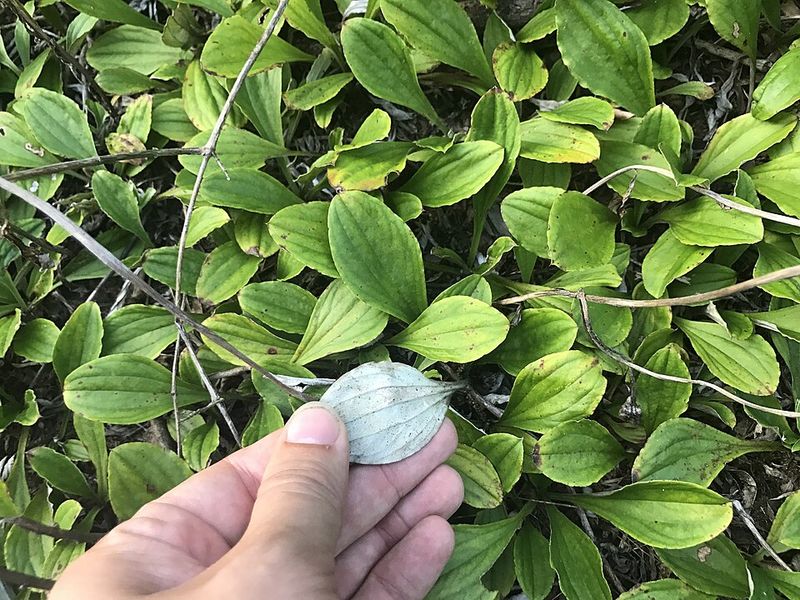
A fuzzy silver mat growing low along a sunny path edge might make you look twice. Pussytoes, belonging to the Antennaria genus, can create that soft, low-growing effect in dry, well-drained spots where lamb’s ear once spread.
Several Antennaria species are native to Ohio, including Antennaria plantaginifolia, commonly called plantain-leaved pussytoes. Ohio Department of Natural Resources records confirm its native status in the Buckeye State.
The leaves are small, pale grayish-green, and softly hairy. They feel gently textured like lamb’s ear, though they are much smaller and more compact.
Plants typically stay under six inches tall, making them a natural fit for border edges, dry open areas, or rocky sunny spots. They spread slowly by stolons, forming loose colonies over time.
Pussytoes prefer lean, well-drained soil and full to partial sun. Rich, moist soil tends to work against them.
The small white to pinkish flower clusters appear in spring and attract native bees and early pollinators, according to Lady Bird Johnson Wildflower Center plant data.
They will not give you the large plush leaves lamb’s ear is known for, but they bring a quieter, native softness to dry sunny edges.
Always source plants from nursery-propagated stock rather than collecting from wild populations.
2. Plant Pearly Everlasting For Silver Leaves And White Blooms
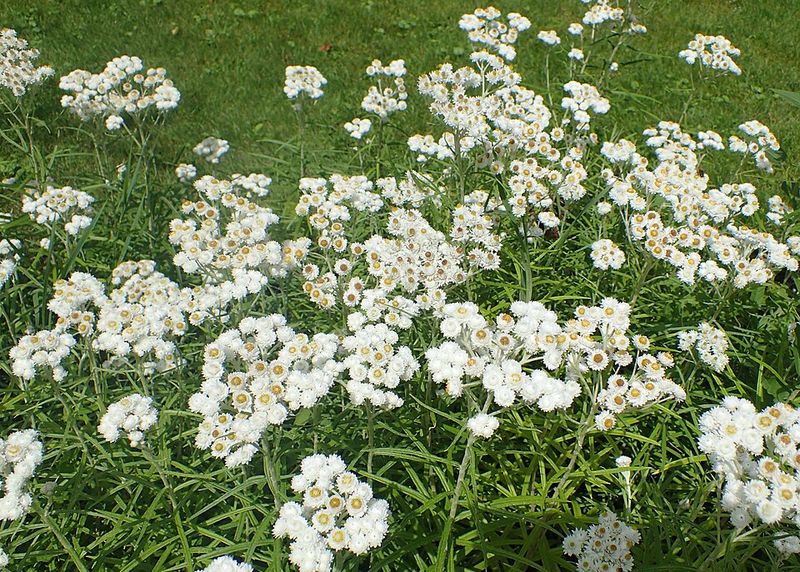
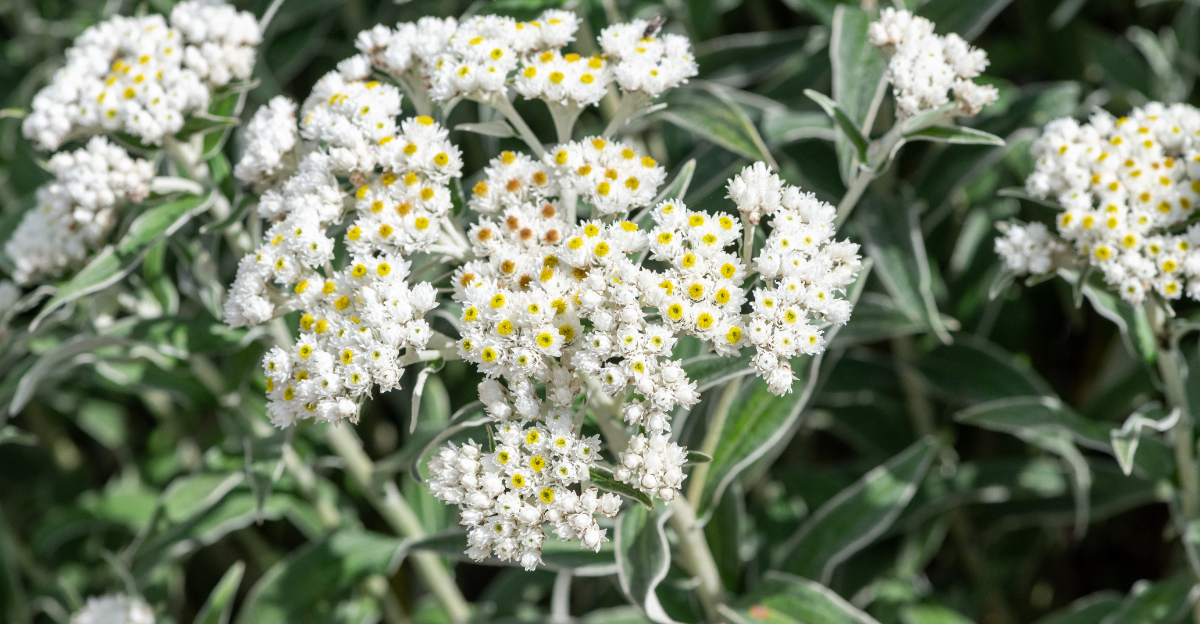
Pale, almost ghostly stems rising from a sunny border have a quiet beauty that is easy to underestimate. Pearly everlasting, Anaphalis margaritacea, brings whitish, woolly foliage to native gardens.
Its papery white flower clusters last well into late summer. Lady Bird Johnson Wildflower Center confirms it as a native species found across much of the eastern and central United States, including Ohio.
Plants typically reach one to three feet tall and prefer full sun with average to dry, well-drained soil. The silvery-white stems and lance-shaped leaves give it a pale, soft appearance that can echo the silver-gray tones gardeners love in lamb’s ear.
Unlike lamb’s ear, pearly everlasting has an upright, looser form, so it works better in meadow-style plantings or mid-border spots than as a tight low edging plant.
Your Ohio Garden Changes Every Week. Your Plan Should Too.
Gardening in Ohio changes quickly throughout the season. Every Friday you’ll receive a simple weekly plan showing exactly what to plant, prune, fertilize, harvest, and protect so you never miss the right timing.
The blooms are attractive to a range of native insects. University extension sources note that the American painted lady butterfly uses Anaphalis species as a larval host plant.
That adds real ecological value beyond visual appeal. Plant it where a taller, airy, silver-toned plant fits the design.
It handles dry conditions well once established. Source nursery-propagated plants, and give it room so air can move freely around the stems to keep it healthy through summer heat.
3. Use Mountain Mint For Fragrant Silver Green Texture
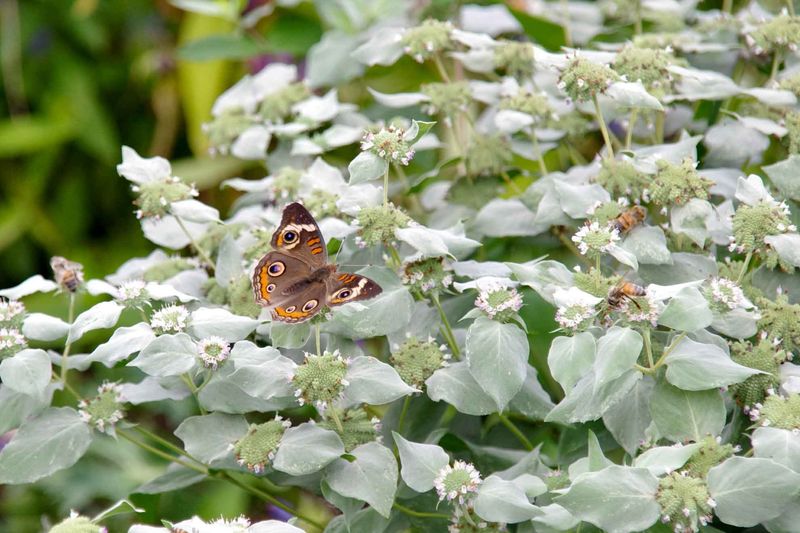
Brush a leaf and the sharp, clean scent hits you immediately. Mountain mint, especially Pycnanthemum muticum, brings that aromatic punch along with showy silver-green bracts that light up a sunny border from midsummer onward.
OSU Extension and Lady Bird Johnson Wildflower Center both confirm Pycnanthemum muticum as native to Ohio. They also list it as well-suited to full sun in the region.
The silvery bracts surrounding the small white flower clusters are the real visual draw. From a distance, the upper portions of the plant take on a pale, almost frosted appearance that can replace some of the silver-tone effect lamb’s ear provides.
Plants typically reach two to four feet tall, so this is not a low edging plant. It works best in mid-border or naturalized sunny areas where it has room to spread.
Mountain mint is known for strong pollinator value. Research from the Xerces Society and university native plant programs highlights Pycnanthemum species.
They rank among top native plants for attracting native bees, including specialists. It can spread by rhizomes in favorable conditions, so planting it where spread is welcome or dividing it every few years helps keep it in bounds.
Rich, moist soil may push it to spread faster. Lean, well-drained soil keeps growth more manageable.
Buy nursery-propagated plants from reputable native plant nurseries to ensure regional genetic stock.
4. Try Wild Bergamot For A Fuzzy Pollinator Magnet
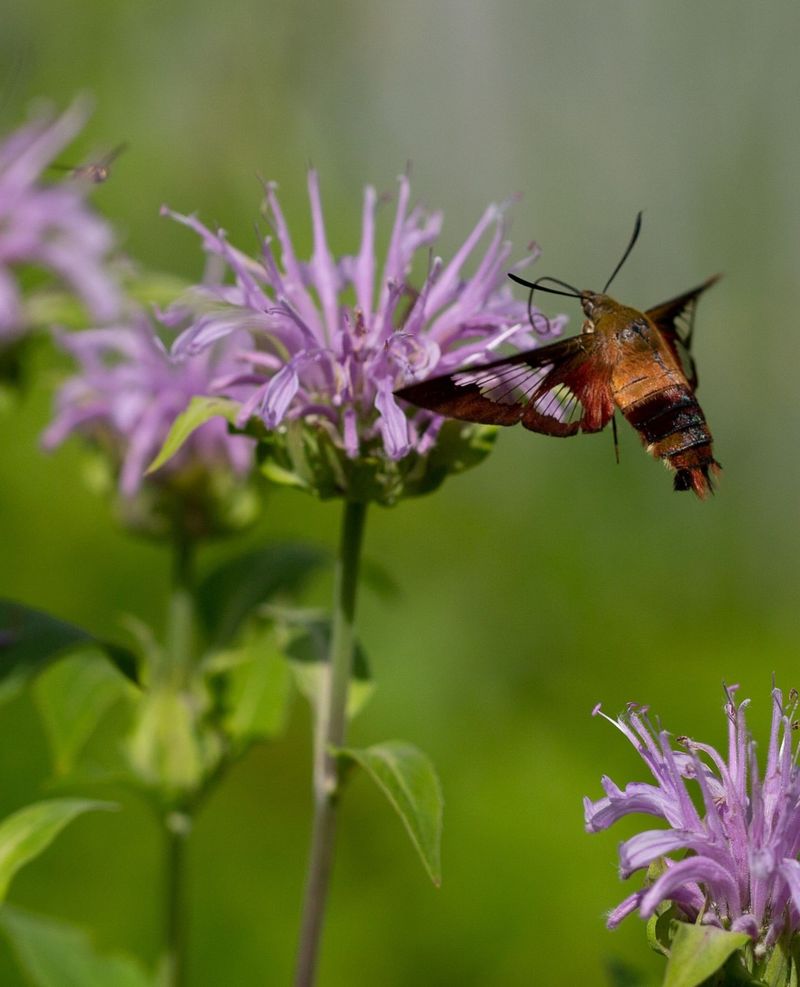
Lavender blooms buzzing with bees on a hot summer afternoon tell you something important about a plant’s value. Wild bergamot, Monarda fistulosa, earns that scene reliably in full sun Ohio gardens.
Ohio Department of Natural Resources records list it as a native species. OSU Extension also confirms it as a strong choice for sunny, well-drained native plantings across the state.
The foliage is soft and slightly hairy, with a pleasant oregano-like fragrance when touched. While the leaves are not silver like lamb’s ear, the soft texture and aromatic quality bring a sensory experience that fills a similar role in the garden.
Plants typically grow two to four feet tall and bloom from June into August. They produce rounded pale lavender to pink flower clusters that attract bumblebees, native bees, hummingbirds, and butterflies.
Powdery mildew can be an issue in humid conditions or crowded plantings. University extension sources recommend spacing plants at least eighteen to twenty-four inches apart to allow good airflow, which helps reduce mildew pressure.
Choosing locally sourced, nursery-propagated plants may also improve regional performance. Wild bergamot prefers average to dry, well-drained soil and handles drought reasonably well once established.
Avoid cutting it back too hard in spring before new growth appears. It is a genuine workhorse for full-sun pollinator plantings and replaces lamb’s ear through fragrance and ecological function rather than leaf shape.
5. Add Prairie Dropseed For Soft Sun Loving Texture
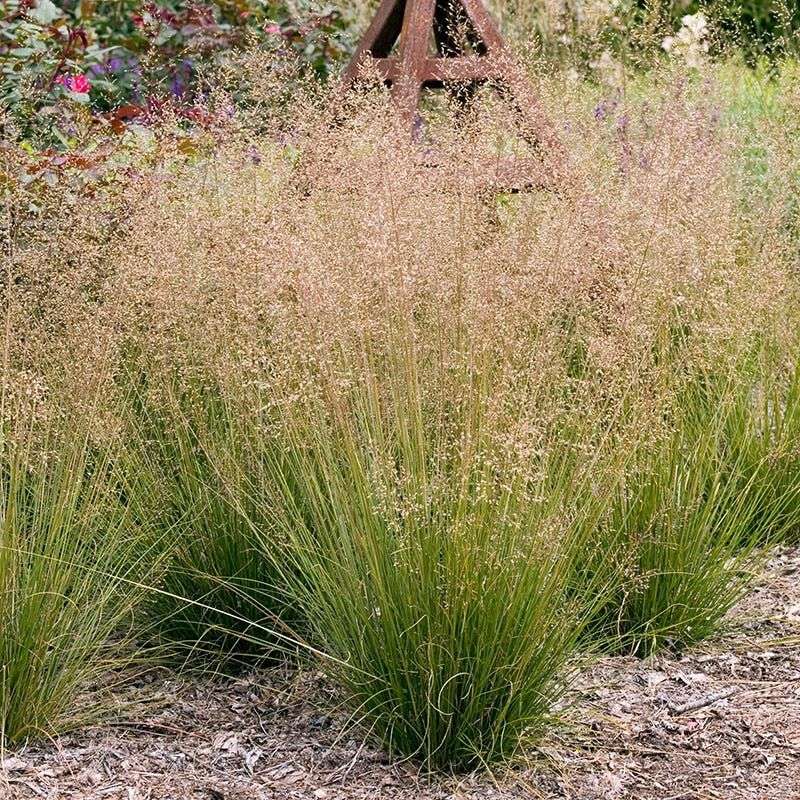
Soft, arching blades that catch morning light and sway in the slightest breeze bring a kind of calm elegance that very few plants match. Prairie dropseed, Sporobolus heterolepis, is a fine-textured native grass.
It can soften a sunny border through movement and delicate form rather than fuzzy leaves. Lady Bird Johnson Wildflower Center confirms it as a native grass found in the Midwest, including Ohio.
Mature clumps typically reach twelve to twenty-four inches tall and wide, with very fine, hair-like blades that arch gracefully outward. In late summer, airy flower panicles rise above the foliage and carry a faint, sweet fragrance.
Fall color shifts to warm orange and copper tones, giving the plant seasonal interest that lamb’s ear simply cannot offer.
Prairie dropseed thrives in full sun and lean, well-drained to dry soil. OSU Extension native plant guidance notes that it is slow to establish but very long-lived and low-maintenance once settled in.
Avoid planting it in rich, wet soil, as those conditions can reduce its performance. Use it as a soft edging plant along paths, in masses near borders, or as a filler between taller natives.
It does not spread aggressively, making it easy to manage. Source it from nursery-propagated stock, and expect it to look its best by its second or third growing season after planting.
6. Grow Butterfly Weed Where Lambs Ear Gets Too Wet
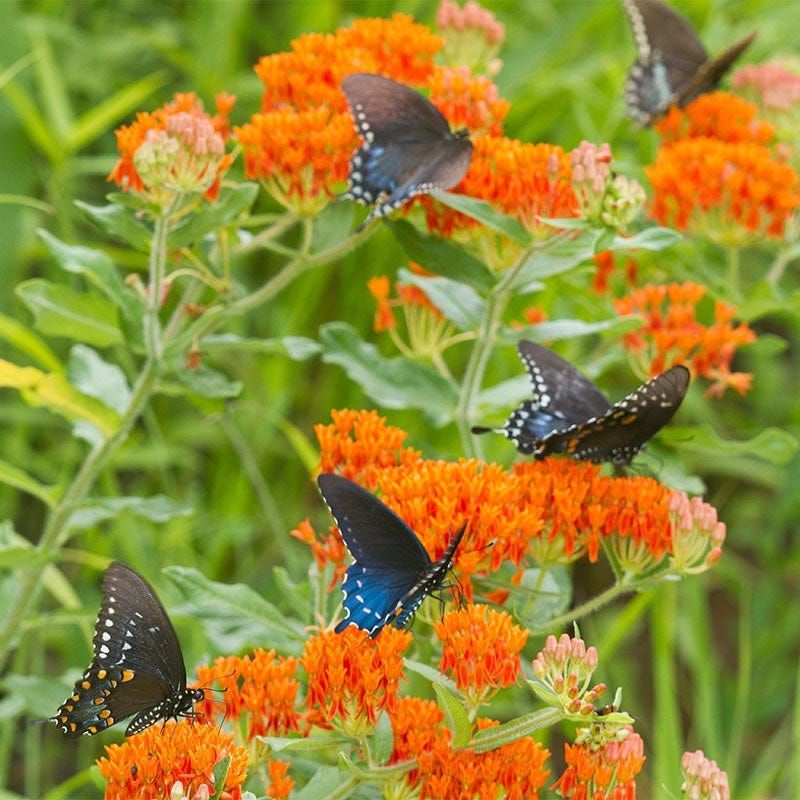
Orange flower clusters blazing against dry, gravelly soil in midsummer are a signature sight that few plants pull off with such confidence. Butterfly weed, Asclepias tuberosa, thrives in sunny, sharply drained spots.
It suits places where moisture drains fast and the soil stays lean. Ohio Department of Natural Resources confirms it as a native milkweed species with strong presence across the state.
Unlike common milkweed, butterfly weed does not spread aggressively by rhizomes and stays more clump-forming. It typically grows one to two feet tall and blooms from June through August.
The bright orange flowers attract monarch butterflies, which use Asclepias species as their required larval host plant. Native bees and other pollinators also visit the blooms regularly, according to Xerces Society and university extension pollinator resources.
Patience is important with butterfly weed. It develops a deep taproot, which makes it drought-tolerant but also means it can be slow to emerge in spring and resents transplanting once established.
Mark its location so you do not accidentally dig it up. Rich, wet, or heavy clay soil tends to cause root rot.
It does not mimic lamb’s ear foliage in any visual way, but it replaces lamb’s ear’s sunny border role with a burst of color and genuine monarch habitat value.
Always purchase nursery-propagated plants rather than collecting from wild roadsides or natural areas.
7. Use Little Bluestem For Blue Silver Summer Color
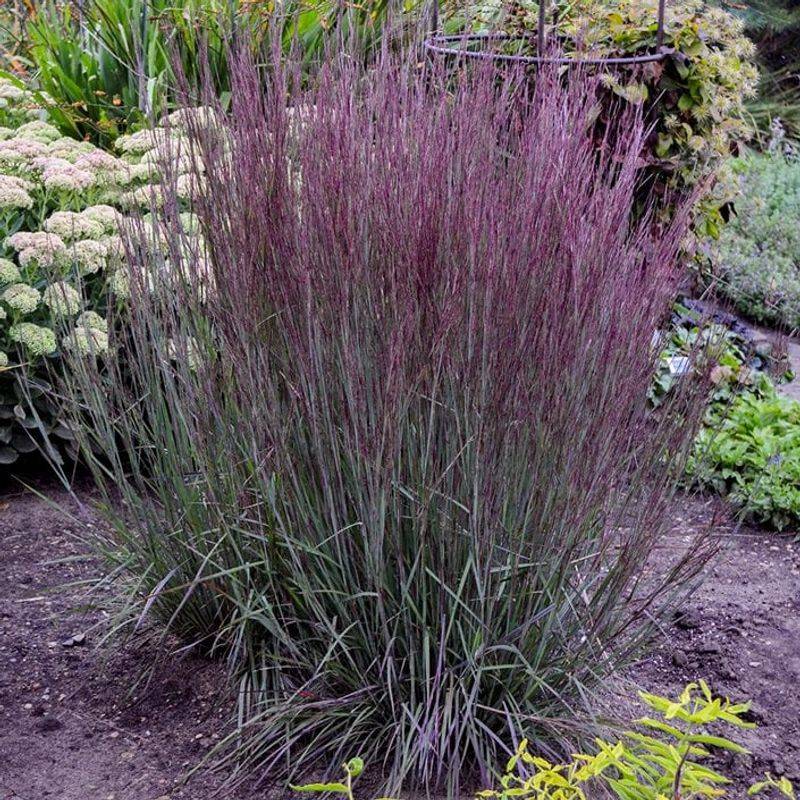
Cool blue-green blades standing upright in full summer heat look almost like a watercolor wash against brighter garden colors. Little bluestem, Schizachyrium scoparium, brings a blue-silver tone to sunny plantings.
It holds that color through summer before shifting to copper and russet in fall. Lady Bird Johnson Wildflower Center and Ohio Department of Natural Resources both confirm it as a native grass with strong presence in the Buckeye State.
Plants typically grow two to four feet tall and stay in tight, upright clumps. The silvery seed heads that develop in late summer add a soft, feathery texture that catches low afternoon light beautifully.
That combination of blue-green summer color and silver fall seedheads gives little bluestem a multi-season visual presence that lamb’s ear cannot match.
Full sun and dry to average, well-drained soil are the keys to success. University extension sources note that little bluestem tends to flop or lose its upright form when planted in rich, moist soil.
Grouping several plants together creates a stronger visual effect than planting single specimens. Cut stems back to a few inches in late winter or very early spring before new growth begins.
Birds, including juncos and sparrows, feed on the seeds through winter, adding wildlife value beyond the growing season. Source nursery-propagated plants from reputable native plant nurseries for best results in local garden conditions.
8. Replace Fuzzy Leaves With Better Native Habitat
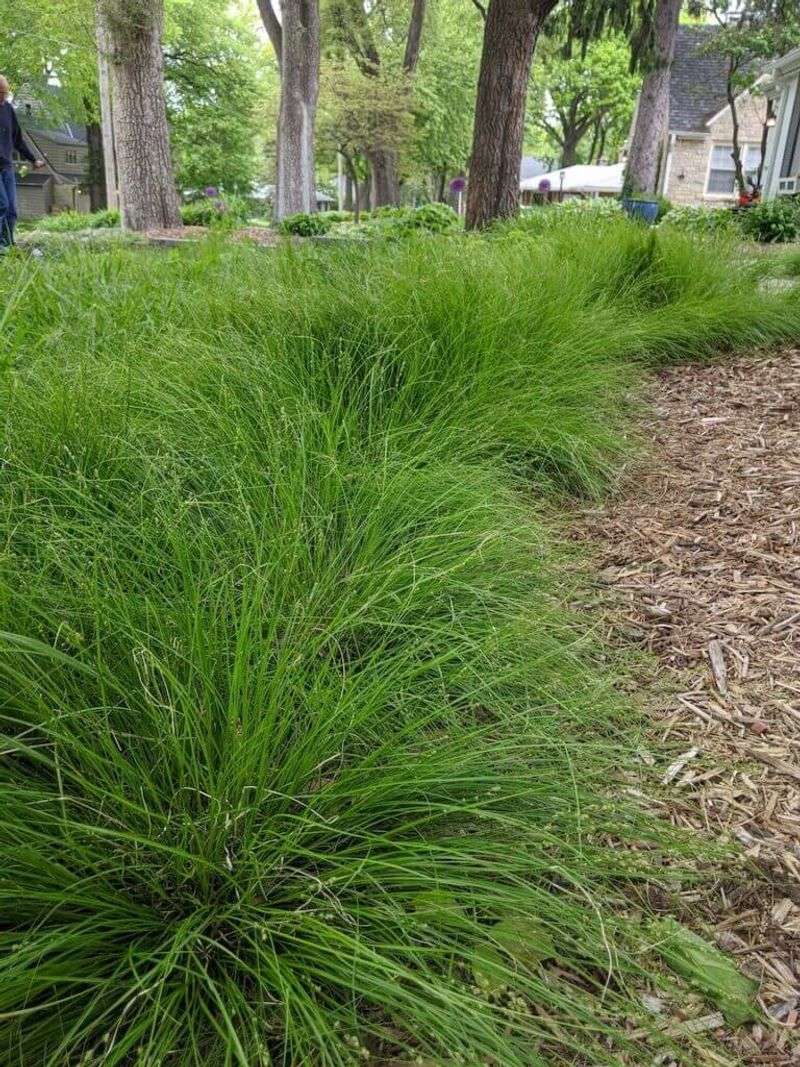
No single native plant is a perfect clone of lamb’s ear, and that is actually a good thing. Replacing it means asking what job it was doing in your sunny border and then choosing the native plant best suited to fill that role.
Low, soft edging? Pussytoes may work well.
Silver-toned foliage in a looser border? Pearly everlasting or mountain mint can step in.
Dry-site texture and movement? Prairie dropseed or little bluestem fit that niche naturally.
Lamb’s ear is a nonnative ornamental that many gardeners enjoy for good reasons. It is soft, drought-tolerant, and visually distinct.
Replacing it is not about guilt. It is about getting more from the same sunny space, including fragrance, native bee habitat, monarch support, and seasonal color that shifts through the year.
Native plants, once established, are also more likely to thrive without supplemental watering in Ohio’s variable summers.
When shopping for replacements, look for nursery-propagated native plants from reputable native plant nurseries. Garden centers with regionally appropriate stock are another good option.
Avoid collecting plants from wild areas, roadsides, or natural preserves. Native plant societies in Ohio, including the Ohio Native Plant Society, can point you toward reliable local sources.
Mix two or three of the plants from this list in one sunny border for the strongest combined effect of texture, color, and habitat value. Lamb’s ear may win on softness, but a native sun garden gives your yard far more life.