Don’t Make This Fertilizing Mistake After Tomatoes Set Fruit
Green fruit finally appears, but a critical stage already begins right now. Nitrogen kept your plants thriving all spring, yet it works against you. Growers everywhere know this trap well, and it drains their yields fast.
Your plant no longer needs the leafy growth it once craved. Feeding it wrong now can reduce the quality of every fruit already forming underneath. Every extra dose quickly sends energy into leaves instead of tomatoes.
Gardeners everywhere struggle with this costly feeding mistake year after year. Potassium and phosphorus matter more than nitrogen at this stage. Timing your feeding correctly truly separates thriving harvests from disappointing ones.
Shifting your routine now decides whether fruit ripens or rots. This stage leaves little room for careless, outdated feeding habits. Momentum in your garden either builds or stalls right here.
Confidence now beats guesswork, since mistakes here cost real fruit. Stay sharp, because your entire tomato harvest depends on this shift.
Why Nitrogen Becomes A Problem Once Tomatoes Start Ripening
Here is something that surprises a lot of gardeners: the fertilizer that helped your tomato plant grow tall and leafy can actually work against you now.
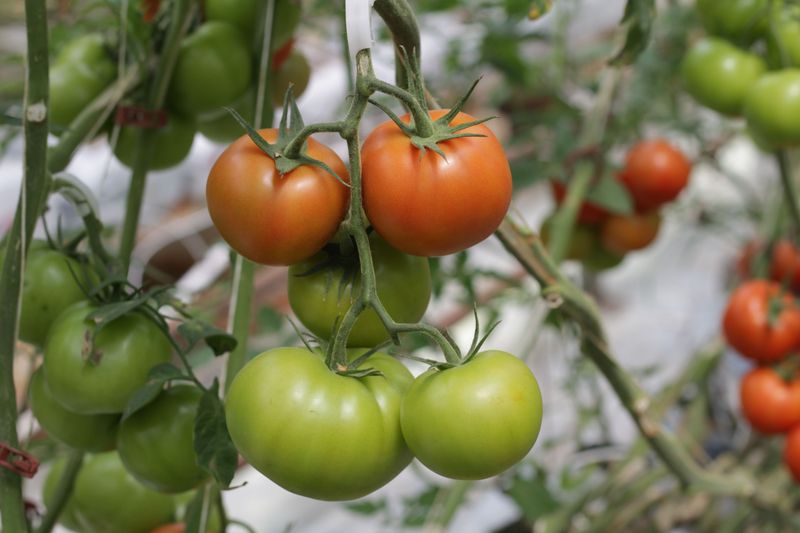
Once tomatoes set fruit, the plant shifts its energy from growing leaves to ripening those fruits. Adding too much nitrogen at this stage encourages excess leaf growth instead of fruiting.
Nitrogen is the nutrient behind big, green, leafy growth. When you give a fruiting tomato plant too much of it, the plant keeps pushing out new leaves and stems. The fruit gets left behind, small and slow to ripen.
This is a fertilizing mistake that is a common oversight among home growers. The plant looks amazing on the outside, full and bushy and green. But looks can be deceiving when your tomato count stays low.
Think of it like a teenager who keeps growing taller instead of focusing on school. The energy has to go somewhere, and nitrogen tells it to go into the leaves. Redirecting that energy toward fruit is the goal from this point forward.
Phosphorus and potassium become your best friends during the ripening stage. These two nutrients support root strength, disease resistance, and fruit development. Cutting back on nitrogen now is not optional if you want a solid harvest.
Signs Your Tomato Plant Is Getting Too Much Nitrogen
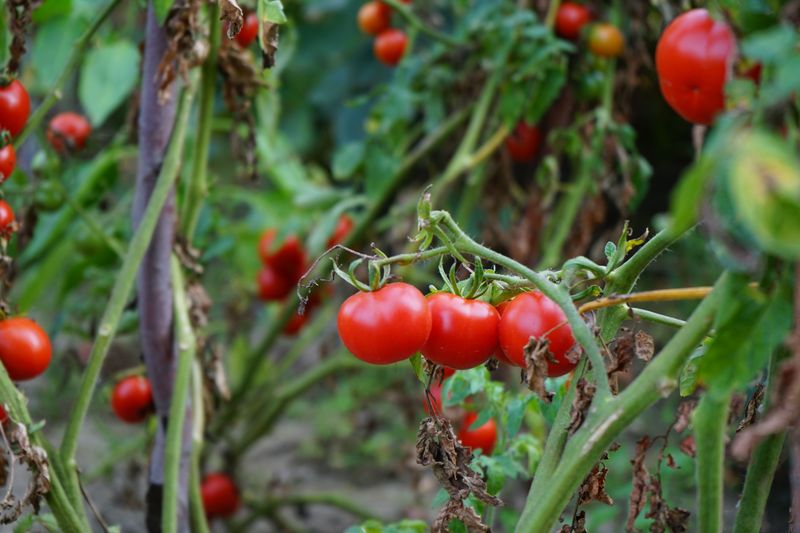
Your tomato plant shows visible signs, and most gardeners just do not know how to read them. Spotting nitrogen overload early can save your whole crop before the season ends.
The signs are subtle at first, but they become hard to miss once you know what to look for. One of the clearest signals is a surge of dark, deep-green leaves. The foliage looks almost too healthy, thick and waxy and lush.
Meanwhile, the actual fruits stay small or barely develop at all. Another sign is leaf curl, especially on the upper leaves of the plant. When nitrogen levels get too high, leaves can cup downward or roll inward.
This is the plant trying to manage an imbalance it cannot handle on its own. Blossom drop is another frustrating symptom linked to excess nitrogen. Flowers appear but fall off before they can become fruit.
If you are seeing lots of blooms but very few tomatoes setting, nitrogen may be the culprit behind that problem.
Soft, spongy fruit with poor flavor is also common when nitrogen stays too high during ripening. The tomatoes may grow large but taste watery and bland.
Great flavor comes from a plant that is focused on ripening, not on producing more green growth.
Watch your plant closely after fruit sets. Early correction is always easier than trying to fix the problem mid-season. Your harvest depends on catching these signs before they worsen.
The Right Fertilizer Ratio For The Ripening Stage
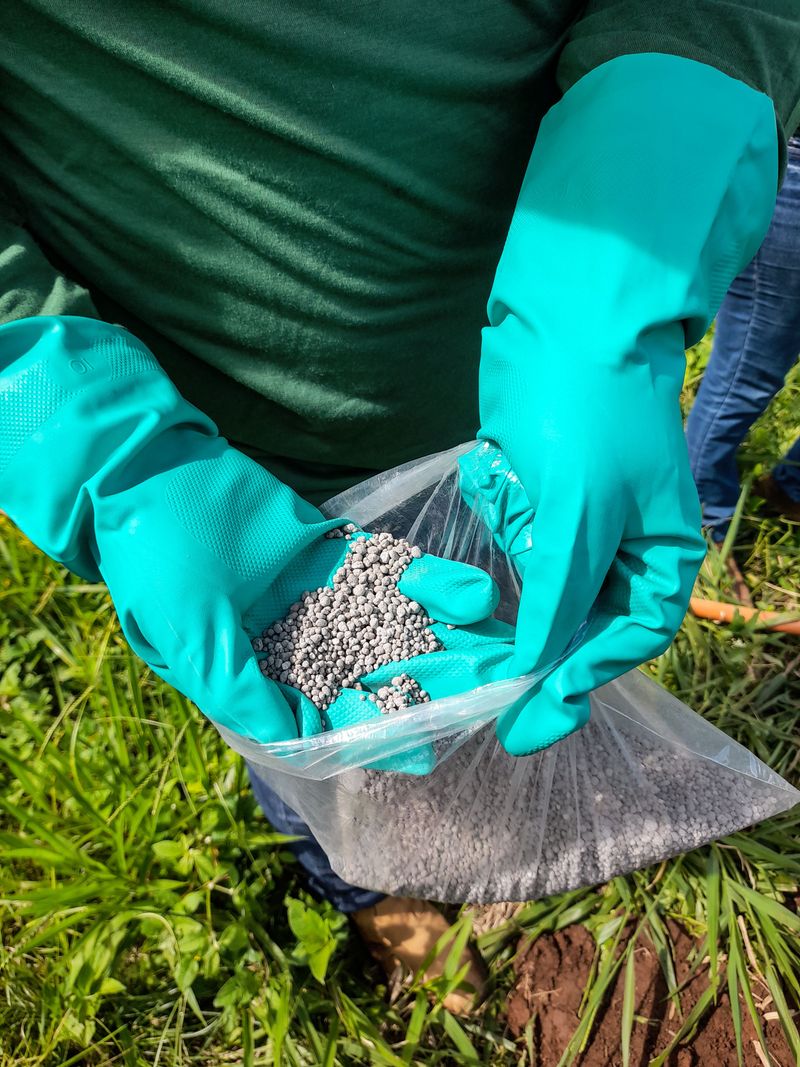
Fertilizer bags show three numbers on the label, and those numbers matter more than most people realize. The three numbers represent nitrogen, phosphorus, and potassium, in that exact order.
Once your tomatoes start setting fruit, that first number needs to come way down. A fertilizer with a ratio like 5-10-10 or 3-15-15 is ideal for the fruiting stage. The lower nitrogen keeps leaf growth in check.
The higher phosphorus and potassium push energy toward fruit development and ripening. Potassium is especially powerful during this phase of growth. It helps regulate water movement inside the plant and supports the development of sugars in the fruit.
More potassium often means better flavor, firmer texture, and a more vibrant color in your tomatoes, though excessive amounts can block the plant’s ability to absorb magnesium and calcium.
Phosphorus works behind the scenes to strengthen root systems and support flower-to-fruit conversion. A well-fed root system absorbs nutrients more efficiently. That efficiency pays off with bigger, better-tasting tomatoes by harvest time.
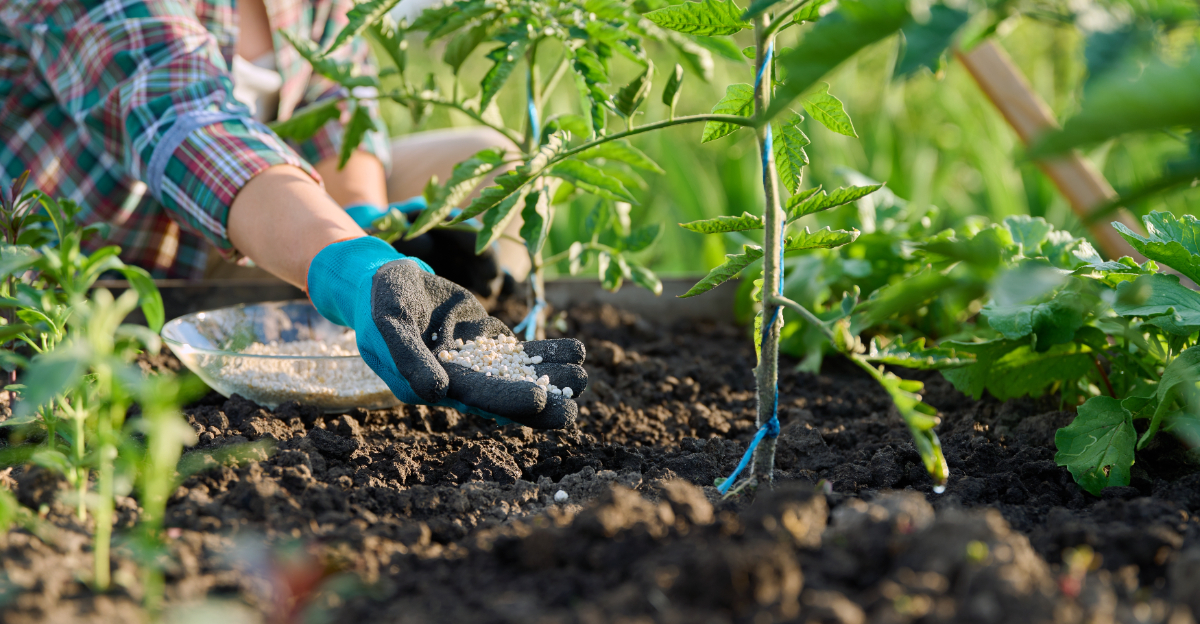
Organic options like bone meal, kelp meal, or wood ash are excellent natural sources of phosphorus and potassium.
They release slowly and gently, which reduces the risk of overfeeding. Many experienced gardeners swear by these materials during the ripening stage.
Check your current fertilizer bag before your next feeding. If that first number is high, it is time to switch products.
Choosing the right ratio is one of the simplest fixes you can make to avoid the fertilizing mistake after tomatoes set fruit.
How To Transition Your Feeding Schedule Safely
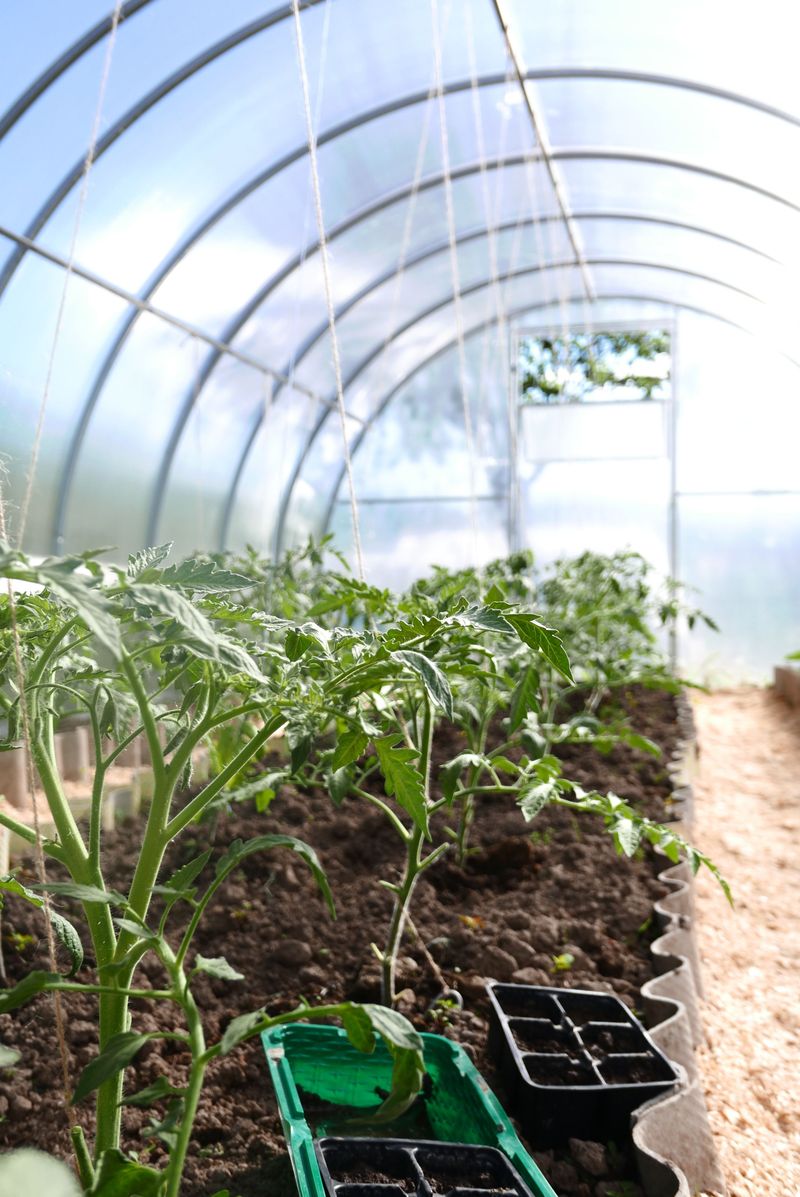
Switching fertilizers overnight can stress a plant that has been on a steady routine. A gradual transition is always smarter than a sudden change.
Think of it like slowly adjusting the temperature of a shower instead of blasting cold water all at once.
Start by reducing your current nitrogen-heavy fertilizer by roughly half as soon as you notice the first fruits forming. Do not stop cold turkey if the plant has been on a heavy feeding schedule.
Cutting back slowly gives the plant time to adjust without going into shock. After one to two weeks of reduced nitrogen feeding, switch fully to a low-nitrogen, high-potassium formula.
Apply it according to the package directions, but err on the side of less rather than more. Overfeeding with any fertilizer can cause problems, even the right one.
Frequency matters just as much as formula. During the fruiting stage, feeding every two weeks works well for most tomato varieties, though frequency should be adjusted based on fertilizer type, soil, and climate.
More frequent applications can lead to salt buildup in the soil, which blocks nutrient absorption.
Liquid fertilizers absorb faster and give you more control over how much the plant receives. Granular options release slowly and can be harder to adjust quickly.
For the ripening stage, liquid formulas are often the better choice for home gardeners who want precision.
Keep a simple garden journal to track what you applied and when. Patterns become clear over time.
A good feeding schedule turns an average crop into something worth bragging about at the dinner table.
Additional Care Tips To Support Fruit Ripening
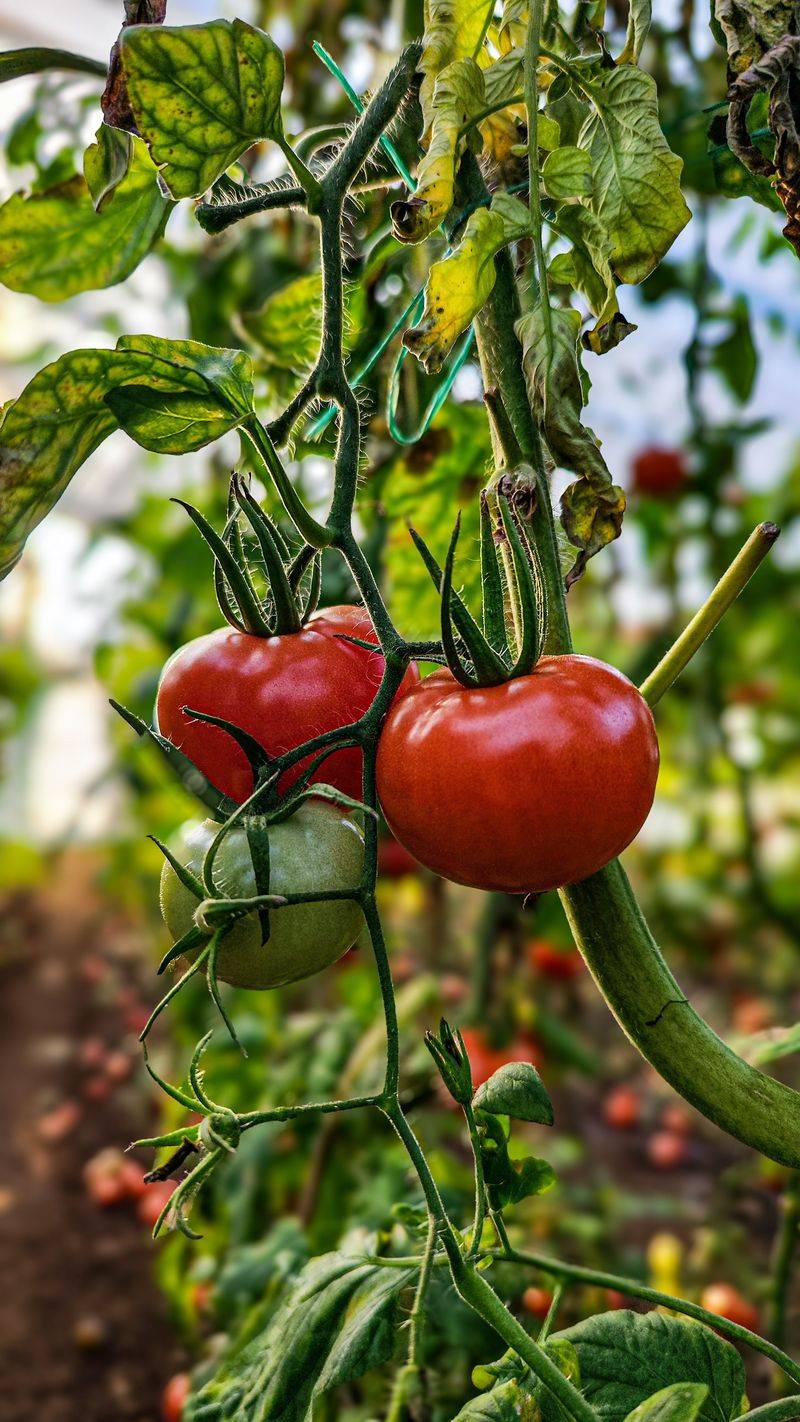
Fertilizer is only one piece of the puzzle when it comes to ripening tomatoes successfully. Several other factors work alongside your feeding routine to push those fruits toward peak flavor and color. Ignoring them means leaving results on the table.
Consistent watering is one of the most underrated tools for healthy ripening. Uneven moisture causes blossom end rot and cracking, two problems that ruin otherwise perfect tomatoes. Aim for deep, regular watering rather than shallow, frequent splashes.
Mulching around the base of your plants helps retain moisture and regulate soil temperature. A two-to-three inch layer of straw or wood chips works beautifully. Stable soil conditions mean the roots can focus on feeding the fruit, not managing stress.
Pruning suckers during the ripening stage can also redirect energy toward existing fruits. A sucker is a new shoot that grows between the main stem and a branch. Removing them keeps the plant focused on what it already has growing.
Sunlight is non-negotiable for ripening. Tomatoes need at least six to eight hours of direct sun each day to develop full color and sweetness. If surrounding plants are shading your tomatoes, trim them back to let the light in.
Avoid fertilizing mistake after tomatoes set fruit by pairing smarter feeding with these supportive habits.
Good watering, proper mulching, and smart pruning create the ideal environment. When all these elements work together, your tomatoes ripen more efficiently.
Common Mistakes To Avoid When Feeding Ripening Tomatoes
Even experienced gardeners slip up when tomatoes start ripening, often because old habits are hard to break.
The feeding habits that worked earlier in the season become liabilities once fruit sets. Knowing the most common errors helps you sidestep them before any damage is done.
Continuing a high-nitrogen fertilizer past the fruiting stage is the big one, and it tops the list for good reason.
This single fertilizing mistake after tomatoes set fruit is a frequent cause of disappointing harvests. Switching formulas at the right time is that important.
Skipping fertilizer entirely is the opposite mistake, and it is just as harmful. Some gardeners assume that once fruit appears, the plant no longer needs feeding.
In reality, the plant is working harder than ever and needs targeted nutrition to finish the job.
Applying too much fertilizer at once is another trap that is easy to fall into. More is not better when it comes to plant nutrition.
Salt buildup from overfeeding can block water and nutrient absorption, leaving your plant worse off than before.
Fertilizing dry soil is a mistake that burns roots and wastes product. Always water your plants before applying any fertilizer, liquid or granular. Moist soil helps nutrients move evenly through the root zone without causing damage.
Ignoring soil pH is the hidden mistake that undermines everything else. Even the best fertilizer cannot help if the soil pH is off and nutrients cannot be absorbed. Testing your soil once a season helps ensure your whole feeding plan is effective.