The Underrated Perennial North Carolina Gardeners Should Divide In Late Summer
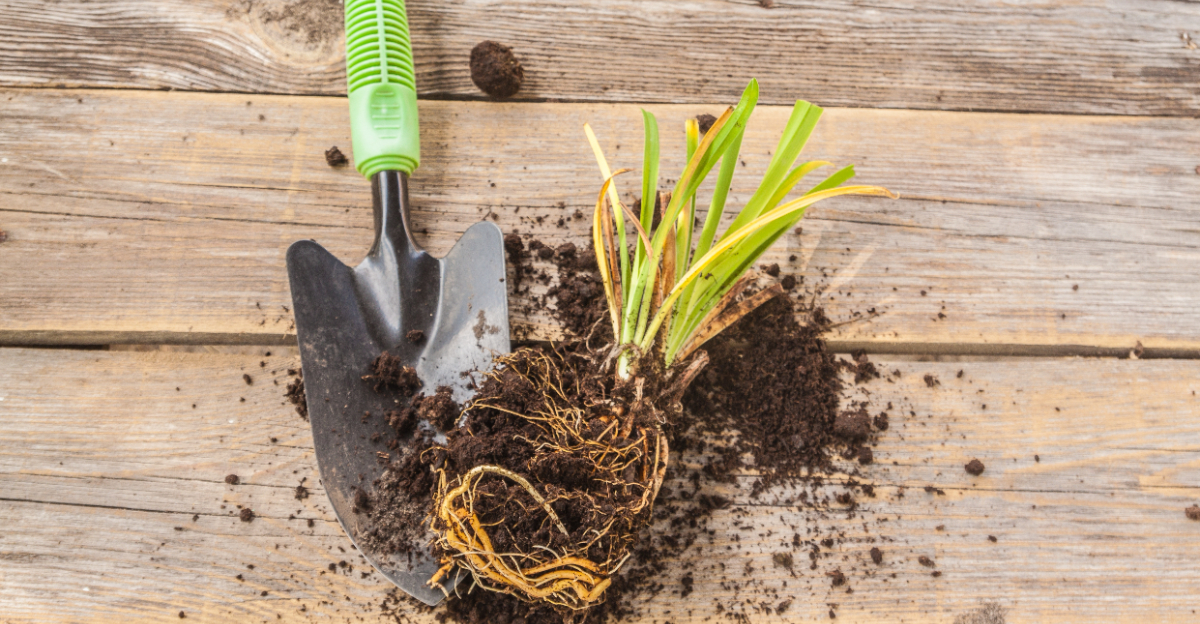
Daylilies get planted once and then largely forgotten, quietly growing bigger year after year without much thought from most North Carolina gardeners.
But there’s a specific late summer task this perennial actually needs, one that most people never realize matters until their clumps stop blooming as well as they used to.
Skipping this step for too many years in a row leads to a gradual decline that sneaks up without an obvious cause.
Understanding why late summer specifically matters could completely change how you care for this often overlooked perennial.
Many gardeners are surprised to learn how much healthier and more floriferous their daylilies become with this simple, occasional attention.
Once you start this habit, you’ll likely wonder why you waited so long to begin. A little effort now sets these plants up for years of stronger blooms ahead.
Daylilies Are Ready To Split
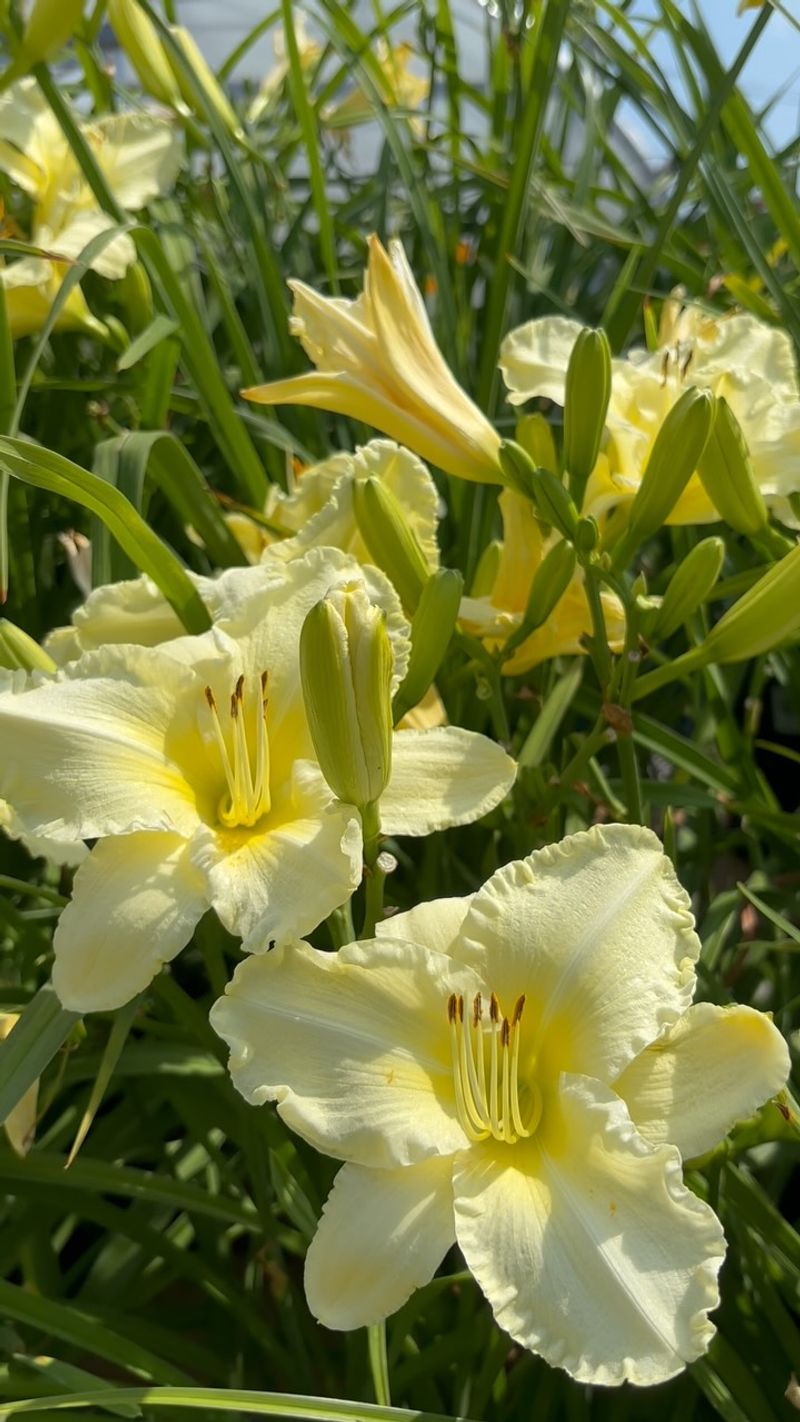
Once the last blooms have faded and flowering slows down in late summer, your daylilies send a quiet signal that they are ready for attention.
The plants have finished their big show for the season, so they are not spending energy on making flowers anymore.
Late summer works well because the soil is still warm and roots grow quickly during this window.
In North Carolina, the cooler evenings of August and September give new divisions time to settle in before frost arrives. Warm ground plus mild air is a winning combination for happy roots.
Dividing at this time also lets you spot the strongest parts of each clump. With the flowers gone, you can see the leaves and crown clearly, which makes cutting and lifting much easier. There is less mess and fewer petals in the way.
Another reason gardeners love this timing is patience. Splitting daylilies during peak bloom would waste all those buds, and doing it in spring can slow the first flush of color. Waiting until the show winds down keeps every bloom you paid for.
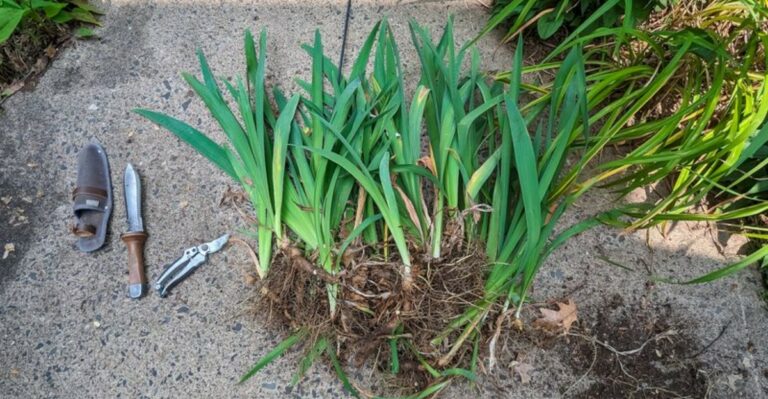
Give the clump a good soak the day before you dig. Moist soil loosens its grip on the roots and reduces stress on the plant. Then use a sturdy fork to lift the whole clump gently from the ground.
With a little planning, late summer becomes the perfect moment to refresh your daylilies and set the stage for even better blooms next year.
Crowded Clumps Bloom Less
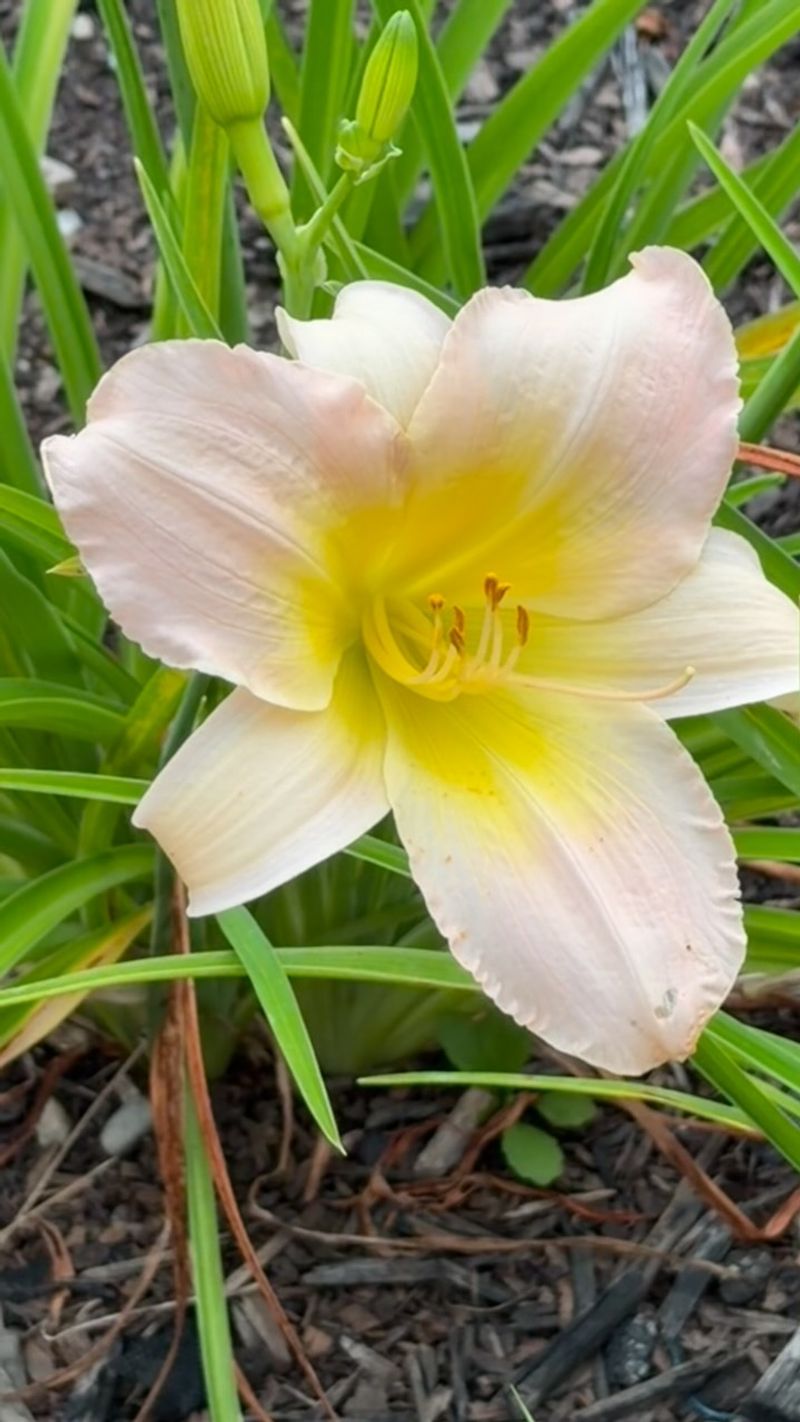
Daylilies are generous plants, but they can become victims of their own success. Over several years, a single clump grows thicker and thicker until the roots are packed together like passengers on a crowded bus.
When roots run out of room, they start to compete for water, food, and space. That struggle shows up above the ground in the form of fewer flowers. You might notice smaller blooms, shorter stems, or a clump that looks full of leaves but shy on color.
Splitting the clump solves this problem fast. By separating the plants into smaller pieces, you give each root system fresh soil and breathing room.
Your North Carolina Garden Changes Every Week. Your Plan Should Too.
Gardening in North Carolina changes quickly throughout the season. Every Friday you’ll receive a simple weekly plan showing exactly what to plant, prune, fertilize, harvest, and protect so you never miss the right timing.
The roots spread out again, soak up more nutrients, and reward you with a stronger show the following season.
Think of it like moving from a tiny apartment into a house with a yard. Suddenly there is space to stretch, grow, and thrive. Daylilies respond the same way once the crowding is gone.
Most gardeners in North Carolina find that daylilies need dividing every three to five years. If your once reliable bloomers have started slacking off, overcrowding is often the culprit rather than the weather.
Dividing also improves air flow around the leaves, which helps keep foliage healthy and green. Better air movement means fewer spots and a tidier plant overall.
A little effort now pays off with brighter, fuller flowers later. Splitting crowded clumps is one of the easiest ways to bring tired daylilies back to their colorful best.
Find The Strongest Parts
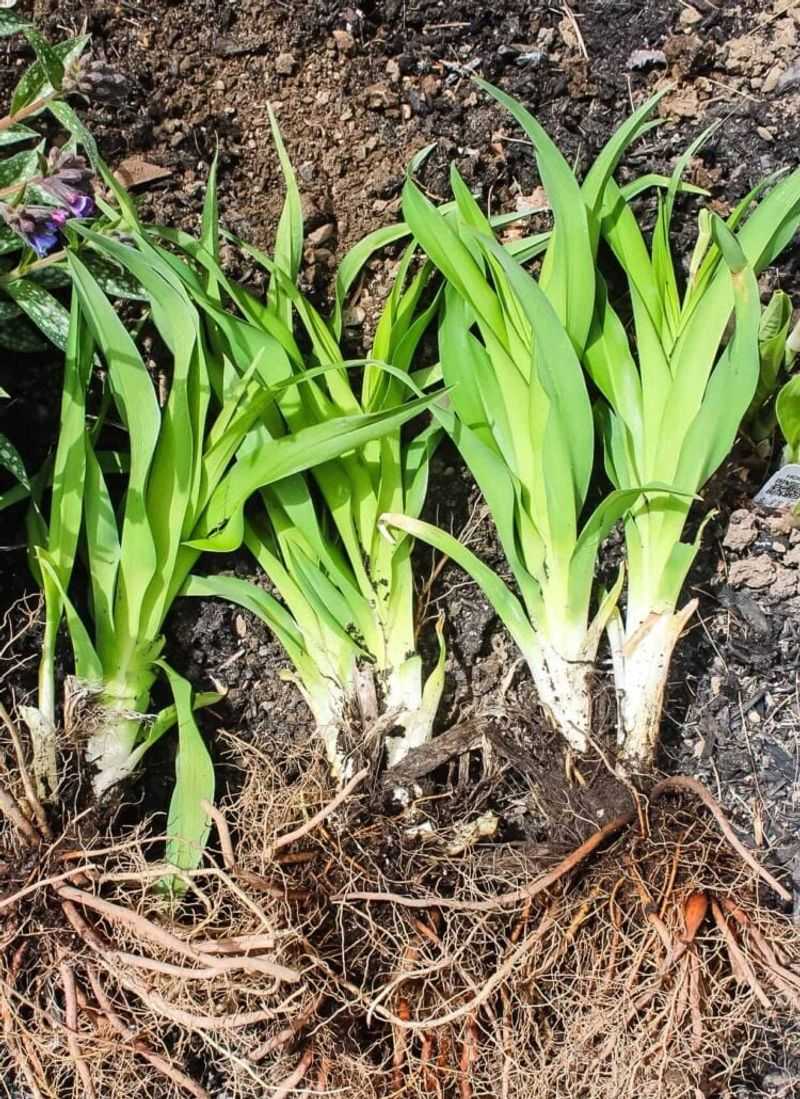
Not every piece of a daylily clump is worth keeping, and knowing the difference makes a big difference in your results. The outer edges of the clump usually hold the youngest, most vigorous growth.
The center, on the other hand, often becomes old and woody over time. That middle section may look tired, with weaker fans and thinner roots. It has already given its best years, so it does not need a spot in your fresh planting.
Focus on the strong outer sections when you divide. These fans have plenty of energy stored up and will bounce back quickly once replanted. Picking the best pieces is a bit like choosing the ripest fruit at the market.
To sort the clump, gently pull or cut it apart after lifting it from the ground. Look for firm, plump roots and green, upright leaves. Those are the winners you want to keep and share.
Toss the worn out center onto the compost pile instead of replanting it. Keeping weak growth only crowds your garden with plants that struggle to perform.
Each healthy division should have a few leaf fans and a solid chunk of roots. Groups of two or three fans tend to establish nicely and fill out within a season.
By choosing quality over quantity, you set up your new daylilies for a strong start. A few great divisions will always outshine a bunch of tired ones, giving you more blooms with less fuss.
Keep Roots With Every Division
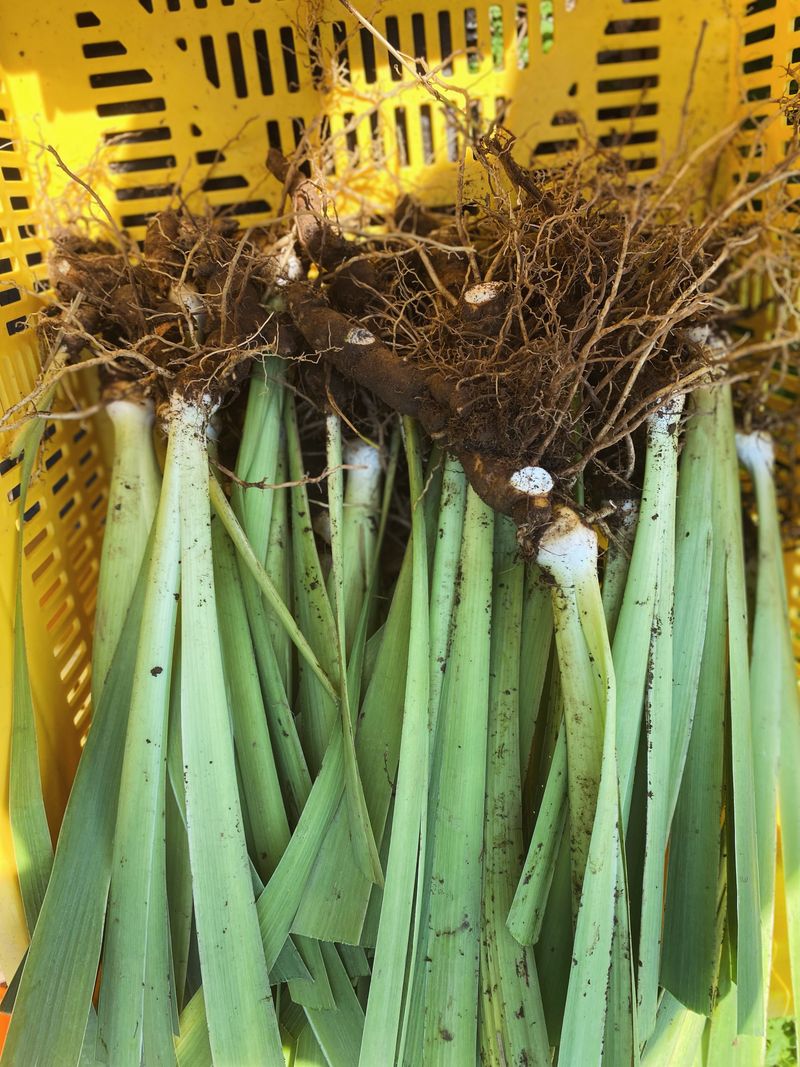
Roots are the lifeline of any daylily, so every piece you replant needs a healthy set. Without them, a division has no way to drink water or pull nutrients from the soil.
When you split a clump, aim to give each new section both roots and shoots. The shoots are the green leaf fans you see above ground, while the roots are the fleshy parts below. Together they form a complete little plant ready to grow.
A good rule is to keep at least two or three fans attached to a solid clump of roots. That balance helps the plant support itself while it settles into its new home. Too few roots and the leaves may wilt before they get established.
Handle the roots gently as you separate the pieces. You can trim any that are broken or damaged, but leave the firm, pale ones alone. Those healthy roots do the heavy lifting once replanting begins.
Some gardeners trim the leaves back to about six inches after dividing. Shorter foliage means the roots have less to support, so the plant can focus its energy on growing new roots quickly.
Keep the divisions moist and shaded while you work, especially on a warm North Carolina afternoon. Roots left in the hot sun dry out fast and lose their strength.
Give each section what it needs, and your daylilies will settle in with ease. Balanced roots and shoots are the simple secret to divisions that thrive from day one.
Replant At The Same Depth
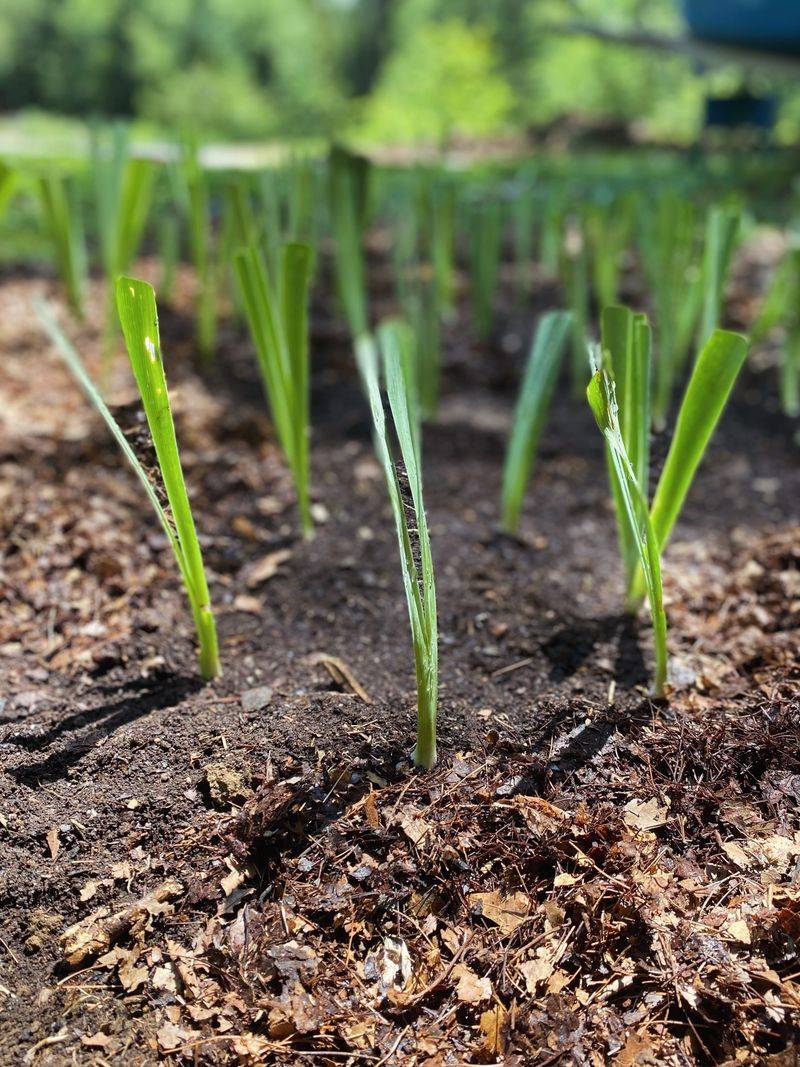
Planting depth might seem like a small detail, but it can make or break your new daylilies. The crown, where the roots meet the leaves, needs to sit just below the soil surface.
Burying the crown too deep is a common mistake. When it is covered by too much soil, the plant may rot or refuse to bloom. The crown likes to breathe, so it should rest about an inch under the ground at most.
Match the depth the plant grew at before you dug it up. Look for the soil line on the leaves, which is often a lighter shade near the base. Planting at that same level keeps the daylily comfortable.
Dig a hole wide enough to spread the roots out naturally. Make a small mound in the center, drape the roots over it, then fill the hole with soil. This gives the roots a stable base to anchor into.
After filling, press the soil down gently to remove air pockets. Firm contact between roots and soil helps the plant take up water right away.
Space your divisions about eighteen to twenty four inches apart. That gap gives each one room to grow and spread over the coming years without crowding again.
A quick check of the depth before you walk away saves headaches later. Get the crown height right, and your daylilies will settle in happily, ready to push out fresh growth and reward you with plenty of blooms.
Water New Plants Deeply
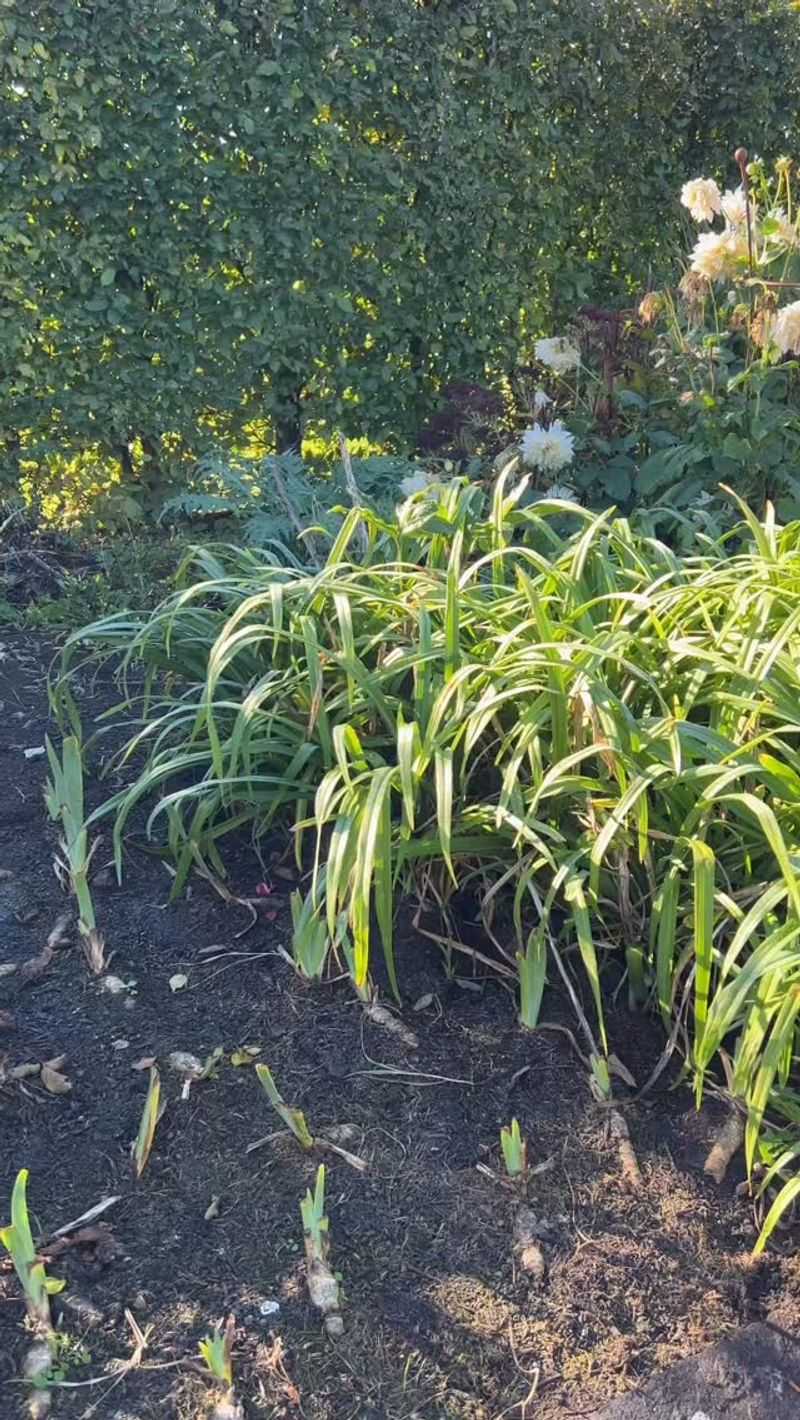
Water is the best friend of any freshly divided daylily. Right after planting, the roots are working hard to grab hold of their new surroundings, and they need steady moisture to do the job.
Give each division a deep soak as soon as it goes in the ground. Deep watering encourages roots to reach down instead of staying near the surface. Strong, deep roots make for a tougher plant.
For the first few weeks, check the soil often and keep it lightly moist. North Carolina late summers can still bring plenty of heat, so the ground may dry out faster than you expect. A finger poked into the soil tells you when it is time to water again.
Aim for consistency rather than a flood one day and nothing the next. Even, regular watering helps roots settle before the cooler months arrive. Roots that establish now will handle winter much better.
A layer of mulch around the plants locks in moisture and keeps the soil temperature steady. Mulch also cuts down on weeds that would otherwise steal water from your new daylilies.
Try to water in the morning when possible. Early watering gives leaves time to dry during the day, which keeps them healthy and spot free.
Once the plants show fresh green growth, you can ease back on watering. That new growth is your signal that the roots have taken hold. A little watering care now leads to sturdy plants ready to burst with color next season.
Do Not Divide Every Perennial Now
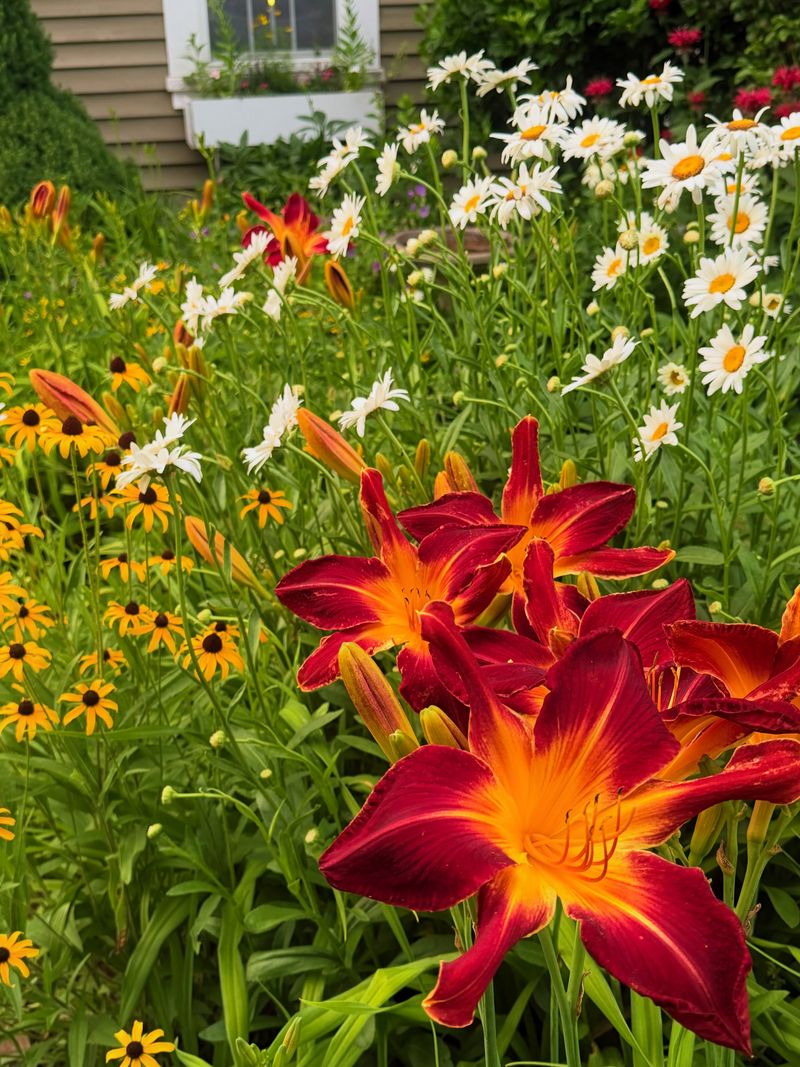
Late summer is prime time for daylilies, but that timing does not fit every plant in your garden. Different perennials have their own favorite seasons for being split.
Daylilies handle late summer division well because their roots recover fast in warm soil. Many other plants prefer the calm of early spring, when they wake up hungry to grow. Splitting them at the wrong moment can slow them down.
Spring bloomers such as peonies are a good example. Peonies do best when divided in fall, and even then they may sulk for a year before flowering again. Timing really matters with them.
Irises like a split in mid to late summer too, so they can join daylilies in your dividing schedule. Meanwhile, plants like hostas often prefer a gentle spring lift when their leaves first appear.
Before you grab your shovel, take a moment to learn what each plant enjoys. A quick check saves you from stressing a perennial that would rather stay put until another season.
Watching your plants also gives clues. Crowded centers, fewer blooms, and floppy growth usually mean a plant is ready, no matter the calendar.
Keep a simple garden notebook to track what you divide and when. Notes from one year make the next year far easier and more successful.
Every perennial has its own rhythm, and respecting that rhythm keeps your whole garden thriving. Match the plant to the right season, and each one will reward your timing with healthier growth.
Turn One Plant Into Many
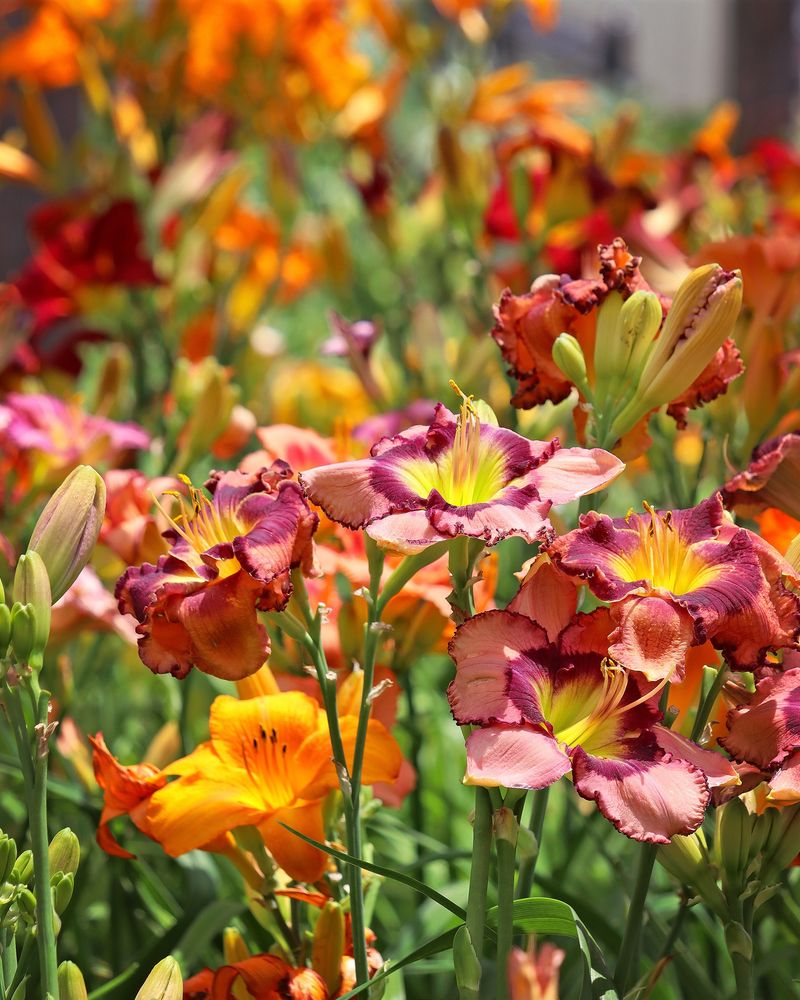
Here is the fun part of dividing daylilies: one plant can become many. A single crowded clump might split into three, five, or even more healthy new plants.
That means free flowers for every corner of your yard. Instead of buying plants at the store, you simply spread the ones you already own. Your wallet stays happy while your garden grows fuller.
Divisions let you design with color and pattern. You can line a walkway, fill a bare spot, or repeat the same variety across a bed for a bold, unified look. Daylilies make wonderful borders because they bloom reliably year after year.
Sharing is another joy of dividing. Extra plants make thoughtful gifts for friends, neighbors, or a school garden. A daylily passed along often carries a nice story with it.
Because daylilies are so tough, even beginners see great success with divisions. These plants shrug off heat, poor soil, and busy schedules, which makes them ideal for North Carolina yards.
Here is a fun bit of trivia. Despite the name, each daylily flower lasts only a single day, yet a healthy plant keeps sending up fresh buds for weeks. More plants simply means more of those daily surprises.
Every few years you can repeat the process and multiply your collection again. What began as one clump can slowly fill an entire garden with waves of color.
One generous plant, a little effort, and suddenly your whole yard glows. That is the real magic of dividing daylilies.