Why More Arizona Gardeners Are Switching To Ollas Before The Fall Planting Window
August can make an Arizona garden feel like the worst possible place to experiment with irrigation.
Beds dry quickly. Drip emitters collect mineral deposits. Surface watering disappears almost as fast as it lands, and fall planting still feels weeks away.
That is exactly why ollas are getting another look.
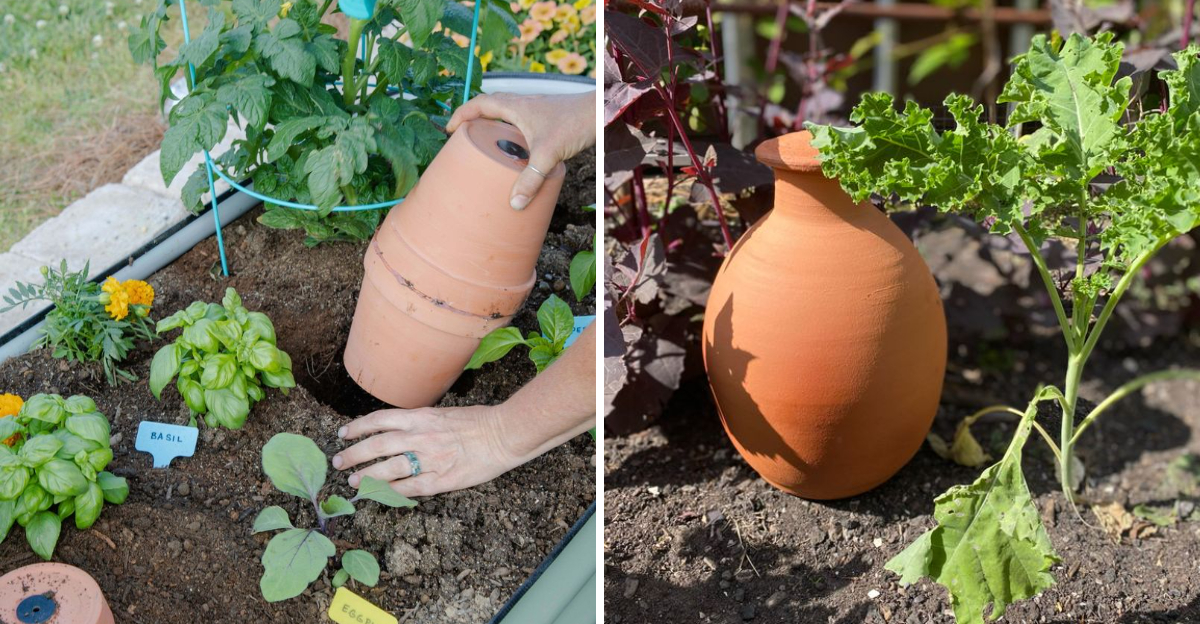
These unglazed clay vessels sit underground near plant roots and release water slowly through porous walls as surrounding soil dries. The idea is old, simple, and surprisingly well matched to desert gardening.
The timing matters too.
Installing ollas before fall vegetables and flowers go in lets you place them without disturbing established roots later. It also gives you time to learn how quickly each vessel empties in your soil.
They are not a universal replacement for drip irrigation.
Ollas need refilling, take up bed space, and new transplants still need surface water at first.
Used in the right spot, though, they can turn one buried clay pot into a quiet irrigation partner before Arizona’s busiest cool-season planting window begins in earnest.
1. Burying Unglazed Clay Keeps Water Near Future Roots
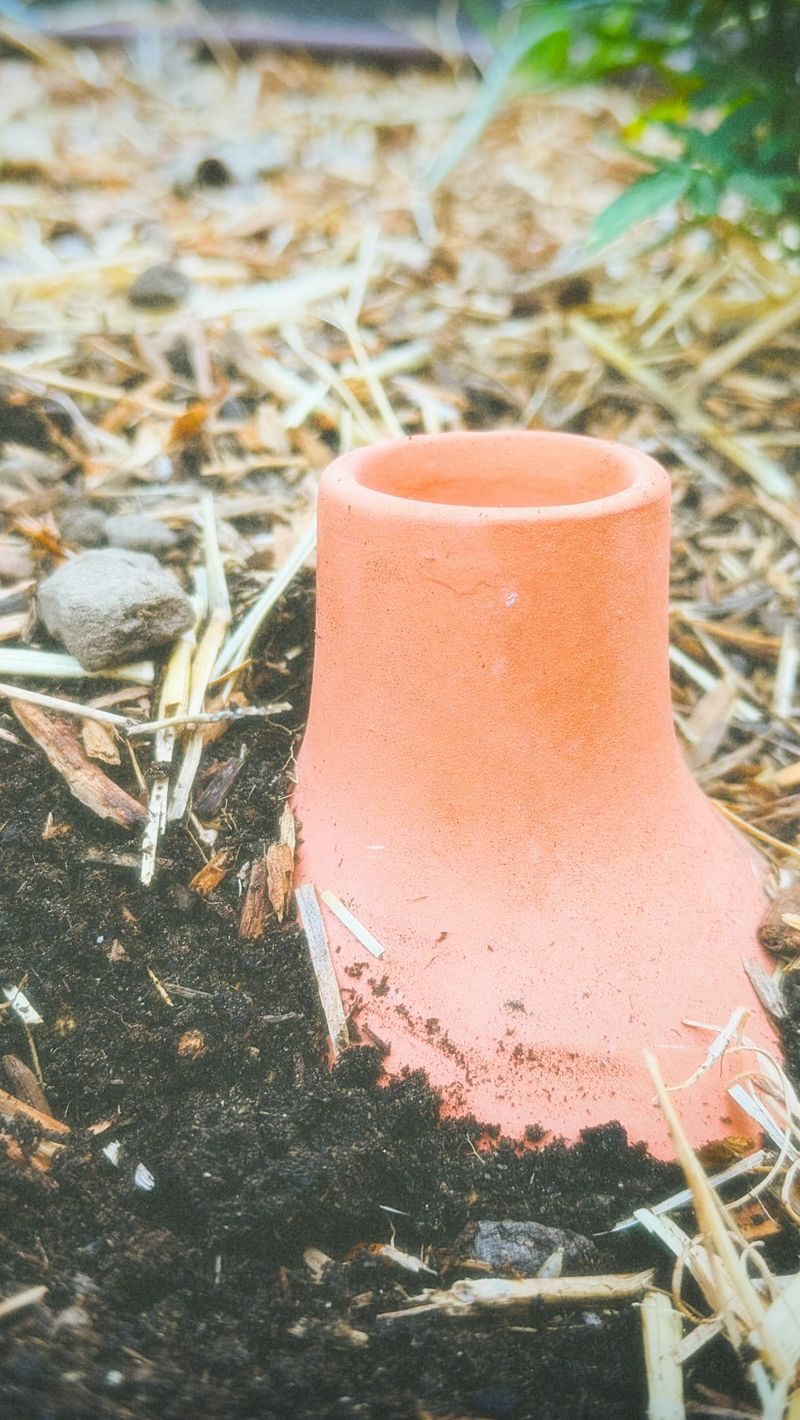
A nearly empty fall bed is the easiest place to install an olla without fighting roots.
Bury the unglazed clay vessel so most of its body sits underground and the opening remains accessible above the soil.
University of Arizona Cooperative Extension describes the traditional setup this way: the pot stays buried, while the opening remains exposed and covered for refilling.
Press soil firmly against the clay as you backfill. Air gaps around the pot can reduce contact between the porous wall and surrounding soil, making moisture movement less effective.
The word unglazed matters.
A glazed exterior blocks the tiny pores that allow water to move outward. Plain terracotta or a purpose-made unglazed olla is what gives the system its slow-release behavior.
Placement deserves thought before fall seedlings arrive. Set the vessel close enough to future roots that plants can eventually reach the moist zone, but leave enough planting room around the neck to work comfortably.
This is why late summer preparation makes sense even before the fall bed is full.
Digging a hole for an olla beside mature lettuce or freshly rooted transplants is far more disruptive than installing it in an open bed now.
The clay pot should disappear almost completely.
Only the refill opening needs to keep its head above ground.
2. Letting Dry Soil Draw Water Makes Irrigation More Responsive
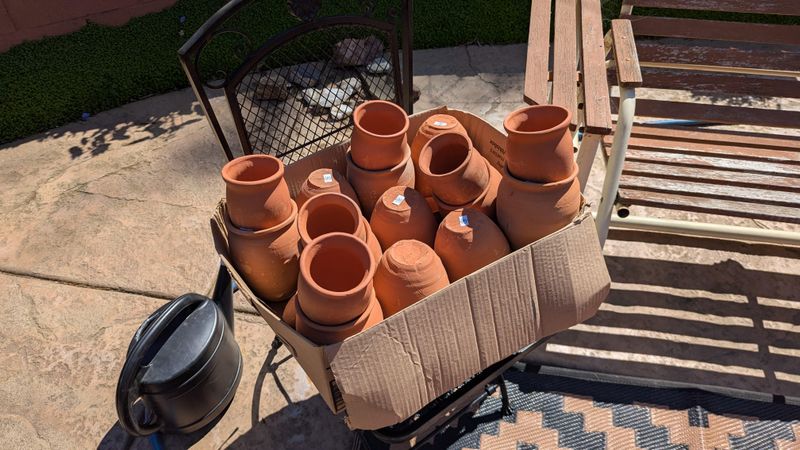
No timer tells an olla when the soil needs another drink.
The surrounding soil does that job.
Water moves through the porous clay in response to the moisture difference between the full vessel and the drier soil outside it.
University of Arizona Cooperative Extension explains that this soil-moisture tension allows water to seep outward until the nearby soil becomes wetter.
That makes the flow responsive rather than perfectly constant.
Dry soil pulls moisture more strongly. As the surrounding root zone becomes moist, movement slows. Plant roots can also grow toward the vessel and cluster near the dependable moisture source.
Your Arizona Garden Changes Every Week. Your Plan Should Too.
Gardening in Arizona changes quickly throughout the season. Every Friday you’ll receive a simple weekly plan showing exactly what to plant, prune, fertilize, harvest, and protect so you never miss the right timing.
Soil texture changes the pattern.
A sandy bed may drain and dry faster, while heavier soil may hold moisture close to the pot for longer. That is one reason rigid spacing charts deserve skepticism.
Extension guidance notes that ideal olla spacing is not well established and depends on soil, plant type, climate, and vessel size.
Check your own bed instead.
After filling the olla, probe the soil at several distances from its wall over the next day or two. You are looking for the actual edge of the moist zone, not a number printed on somebody else’s chart.
The technology is ancient.
The useful part is still remarkably modern: the soil helps decide how quickly the water leaves.
3. Leaving The Refill Opening Uncovered Creates Extra Maintenance
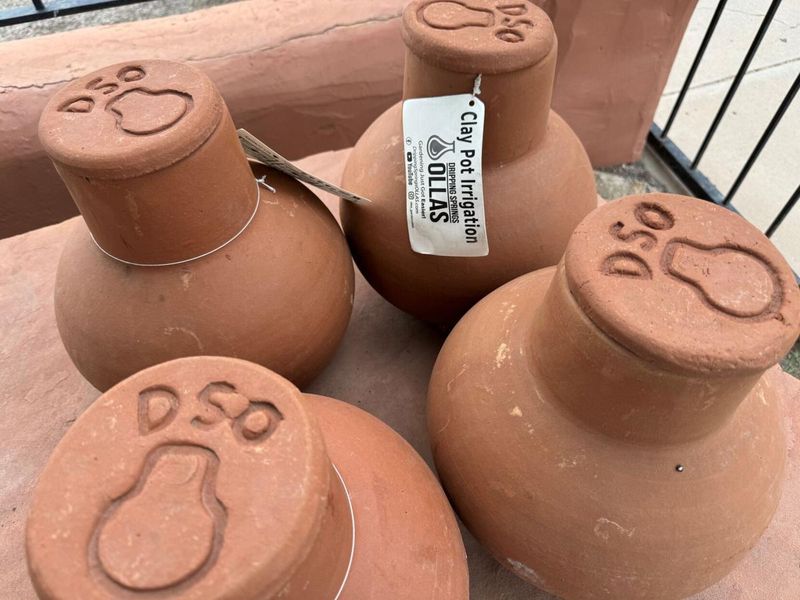
A saucer over the neck may be the smallest part of the system, but it prevents several annoying problems.
Keep the opening covered after every refill.
University of Arizona Cooperative Extension specifically shows and describes ollas with the exposed opening covered while the vessel remains buried.
The cover keeps loose soil, leaves, and other debris from dropping into the water and makes routine refilling much cleaner.
It also shades the interior.
That matters in an Arizona garden where intense light can encourage algae anywhere water sits exposed. A shaded opening stays cleaner and is easier to inspect.
Keeping standing water covered also makes sense during mosquito season.
The lid does not need to turn the olla into a pressure vessel. It simply needs to sit securely enough that debris and insects cannot easily reach the water.
A small clay saucer, fitted lid, or flat stone can do the job.
Then build checking the olla into your regular garden walk. Refill frequency is not fixed. Extension guidance notes that it changes with soil, weather, plant type, and the size of the vessel.
That means a pot that lasts several days during mild fall weather may empty faster during a warm, windy spell.
The olla is low-tech, not no-maintenance.
Give it a lid, check the water level, and the little buried reservoir can keep doing its quiet work without becoming a tiny backyard pond.
4. Relying On An Olla Too Soon Can Leave New Transplants Thirsty
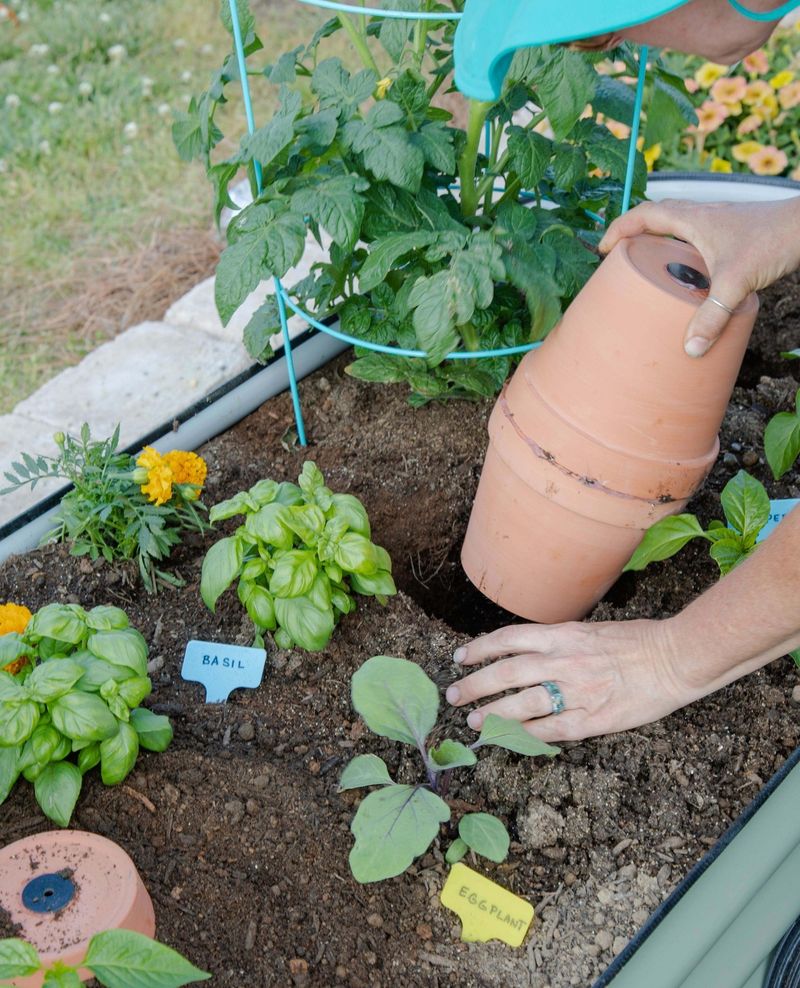
Fresh transplants are the one group that cannot immediately take full advantage of a buried olla.
Their roots simply have not reached it yet.
University of Arizona Cooperative Extension warns that seedlings and new transplants need supplemental water until roots grow toward the vessel, a process that can take a month or more in some situations.
That point matters enormously during Arizona’s fall planting window.
A lettuce start, broccoli transplant, or young herb may have roots concentrated in a small nursery plug near the soil surface. An olla can be moistening deeper soil nearby while that tiny root ball still dries out in the afternoon.
Water the transplant directly at first.
Keep the immediate root zone evenly moist while new roots expand outward, then gradually reduce surface irrigation as the plant establishes. Strong new growth is a better cue than an arbitrary number of days.
You can also check moisture between the transplant and the olla to see whether the wetting zones have begun to connect.
Do not force the transition.
The whole point of using an olla is to reduce stress around the root zone, not create a scavenger hunt for water.
Once roots reach the consistently moist area, the buried vessel can take on more of the job.
Until then, the young plant still needs a little hand-holding above ground.
5. Using An Olla Too Small For The Bed Can Leave Outer Plants Dry
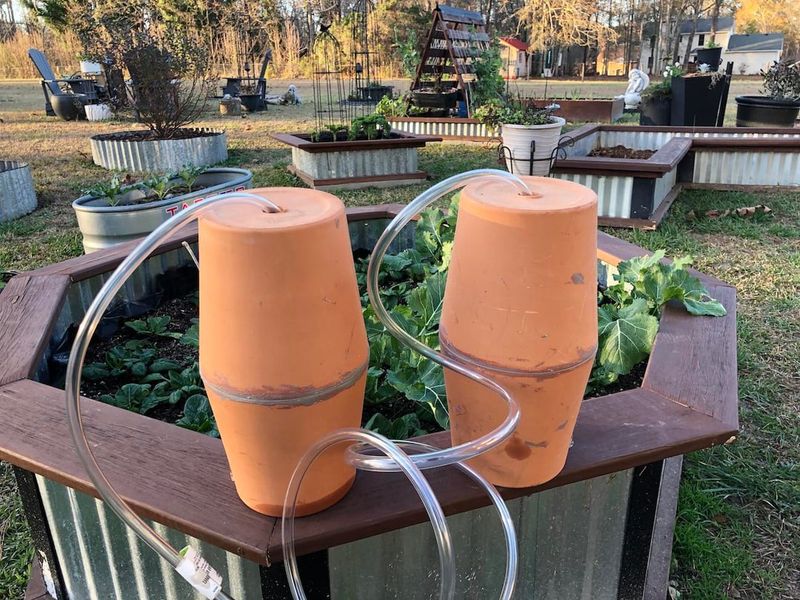
A tiny olla in the middle of a huge raised bed can create a false sense of security.
Size and spacing have to match the planting.
University of Arizona Cooperative Extension notes that research on ideal olla spacing is limited. One cited study used much closer spacing in maize, while anecdotal guidance suggests a wetting diameter roughly twice the pot’s diameter.
Extension ultimately recommends treating soil type, plant type, climate, and olla size as the deciding factors.
That is the useful takeaway.
Do not assume one vessel waters every root in a four-by-eight bed.
Install the pot, fill it, then check moisture at increasing distances over time. Sandy soil may produce a narrower useful zone because water moves downward quickly. A finer-textured bed may hold moisture differently.
Plant roots also change the picture as they grow toward the pot.
Larger ollas give you more stored water and may need refilling less often, but they also occupy valuable bed space. Smaller ones tuck easily between crops yet require more frequent attention.
A mixed setup can make sense.
Use a larger vessel in a roomy vegetable bed and smaller ones in compact herb or flower areas. Let the soil tell you where another pot is needed.
The goal is not perfect geometric spacing.
It is making sure every plant you expect the olla to support can actually reach its moisture zone.
6. Watch Salt Buildup Around The Pot
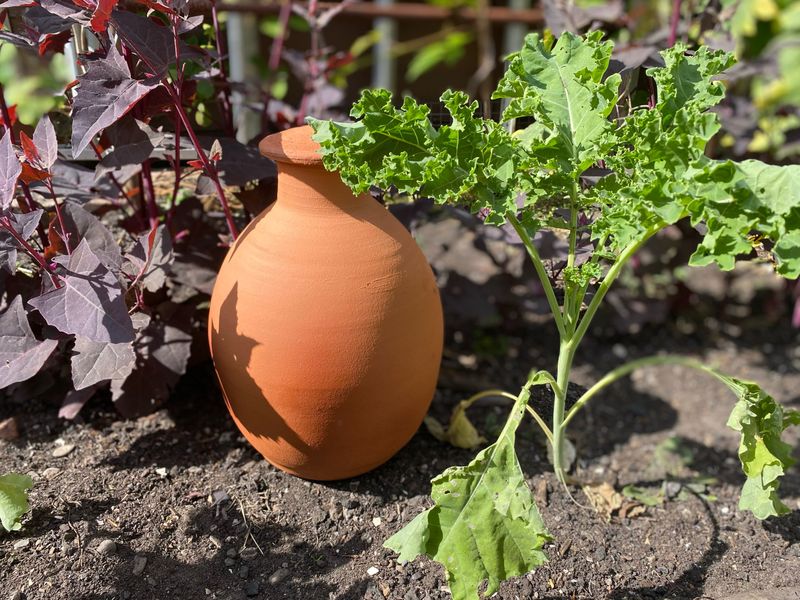
A white mineral crust on the clay is a maintenance clue, not garden decoration.
Arizona water can carry dissolved minerals, and salts can accumulate as water repeatedly moves through porous terracotta.
University of Arizona Cooperative Extension lists salt buildup and clogged pores among the disadvantages gardeners should expect with olla irrigation.
Watch how the vessel behaves over time.
An olla that once emptied steadily but suddenly stays full much longer may not be conserving water better. Its pores may simply be getting restricted.
Surface deposits can often be scrubbed away after the vessel is removed from the bed. More stubborn mineral buildup may require a deeper cleaning before the next planting cycle.
Be cautious with cleaning recipes that circulate online.
The Extension publication flags salt clogging as a real issue but does not prescribe one universal vinegar concentration or cleaning schedule, so treat aggressive soaking formulas as household tips rather than official Arizona guidance.
Water quality and refill frequency will influence how quickly buildup appears.
That means one gardener may see crusting within a season while another gets much longer between cleanings.
Inspect the neck and exposed clay whenever you refill. A quick glance can catch a developing problem before the pot stops performing well.
Ollas are simple because they have no emitters or valves.
They still have pores, and those pores occasionally need the gardener to return the favor and keep them open.
7. Skip Ollas Beside Woody Roots
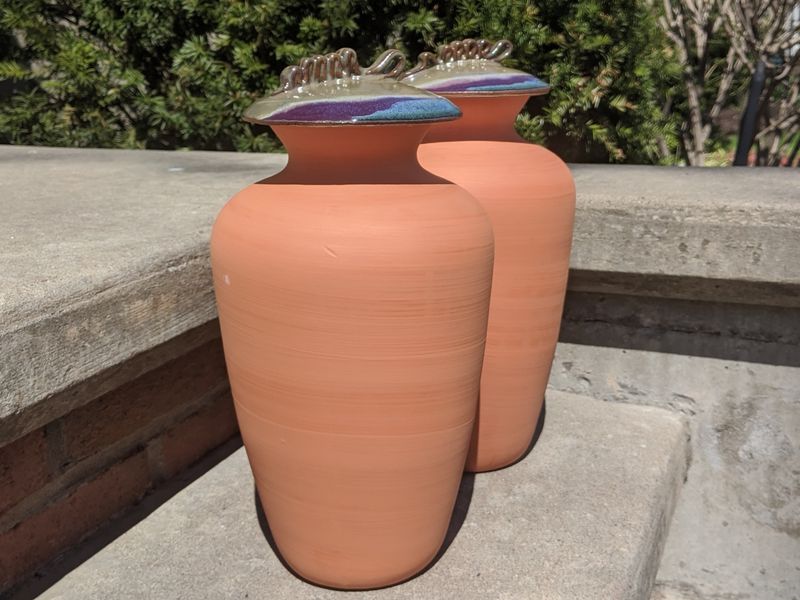
A vegetable bed full of annual roots is a much friendlier home for buried clay than the space beside a mature tree.
Woody roots create a long-term problem.
University of Arizona Cooperative Extension recommends ollas primarily around herbaceous plants such as vegetables, flowers, and grasses rather than trees and shrubs.
The concern is physical: expanding woody roots can press against and eventually break the clay vessel.
That makes site selection important in mixed Arizona landscapes.
A raised vegetable bed beside a mature citrus, mesquite, or large shrub may already contain woody roots extending much farther than the canopy suggests. Dig carefully before installing the pot and avoid forcing an olla into a dense root zone.
The same logic applies to long-lived woody herbs and shrubs that will thicken substantially over time.
An annual vegetable bed is easier.
Roots can grow toward the vessel during the season without creating the same long-term pressure, and the olla can be lifted or repositioned between crops when needed.
This is another reason not to treat ollas as a universal irrigation upgrade.
They shine in the right setting and become fragile obstacles in the wrong one.
Save the buried clay for beds dominated by vegetables, annual flowers, and other nonwoody plants.
Your mature tree already has roots with enough authority.
It does not need a terracotta pot standing in the way.
8. Use Them Where Drip Is Impractical
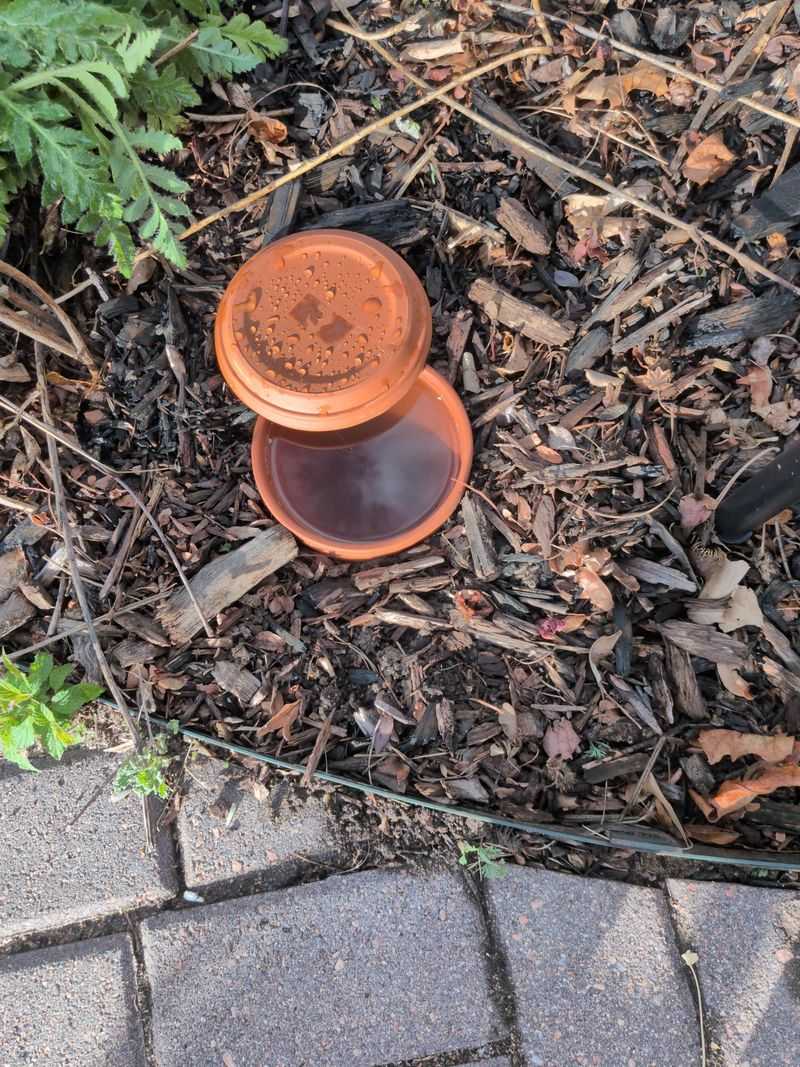
A bed at the far end of the yard can make another run of drip tubing feel more complicated than the plants deserve.
That is where ollas become especially attractive.
University of Arizona Cooperative Extension describes them as a viable option where a practical or reliable pressurized water source is unavailable. They need no emitter, pump, timer, or filtered line when filled by hand.
That simplicity does not make drip irrigation obsolete.
The same Extension publication describes drip as one of the most efficient irrigation systems for desert gardens because it delivers measured water directly to the soil with little evaporation or runoff.
Ollas fill a different niche.
They can work in small raised beds, remote garden plots, community spaces, or awkward corners where installing another irrigation line is more trouble than carrying a watering can or hose to a buried reservoir.
They can also coexist with drip.
A main vegetable bed may stay on automatic irrigation while a small herb patch uses two ollas nearby. There is no prize for choosing only one technology.
That nuance is why I would avoid claiming Arizona gardeners are abandoning drip wholesale.
Extension says ollas may be making a comeback because of their simplicity, not that they have replaced modern irrigation statewide.
The smartest switch may simply be using each method where it makes the most sense.