The One Thing North Carolina Eggplant Needs In July Or Flea Beetles Will Ruin Every Leaf
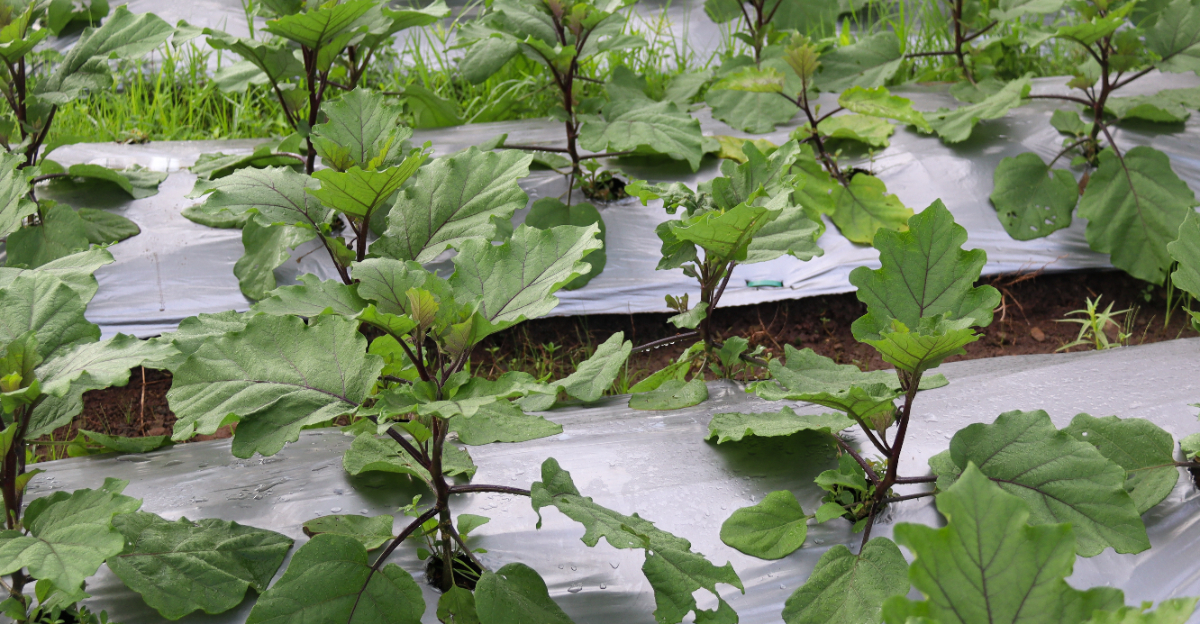
Flea beetles and eggplant have a destructive relationship that plays out in North Carolina gardens with near-perfect predictability every July.
The tiny shotgun-pattern holes that appear across eggplant foliage almost overnight are one of the more disheartening sights of the midsummer vegetable garden.
What most gardeners do not realize is that flea beetle damage at this scale is not inevitable.
There is one specific thing eggplant needs during this window that directly reduces its vulnerability to the feeding pressure these insects apply most aggressively through the hottest weeks of the season.
Plants that receive it come through July looking healthy. Plants that do not become a reliable food source for every flea beetle in the surrounding area.
1. Cover Eggplant Before Flea Beetles Take Over
Flea beetles do not wait for an invitation. By the time you spot the first tiny round holes in your eggplant leaves, a small population has already settled in and started feeding.
In North Carolina, July heat speeds up their activity, and eggplant is one of their favorite targets in the whole garden.
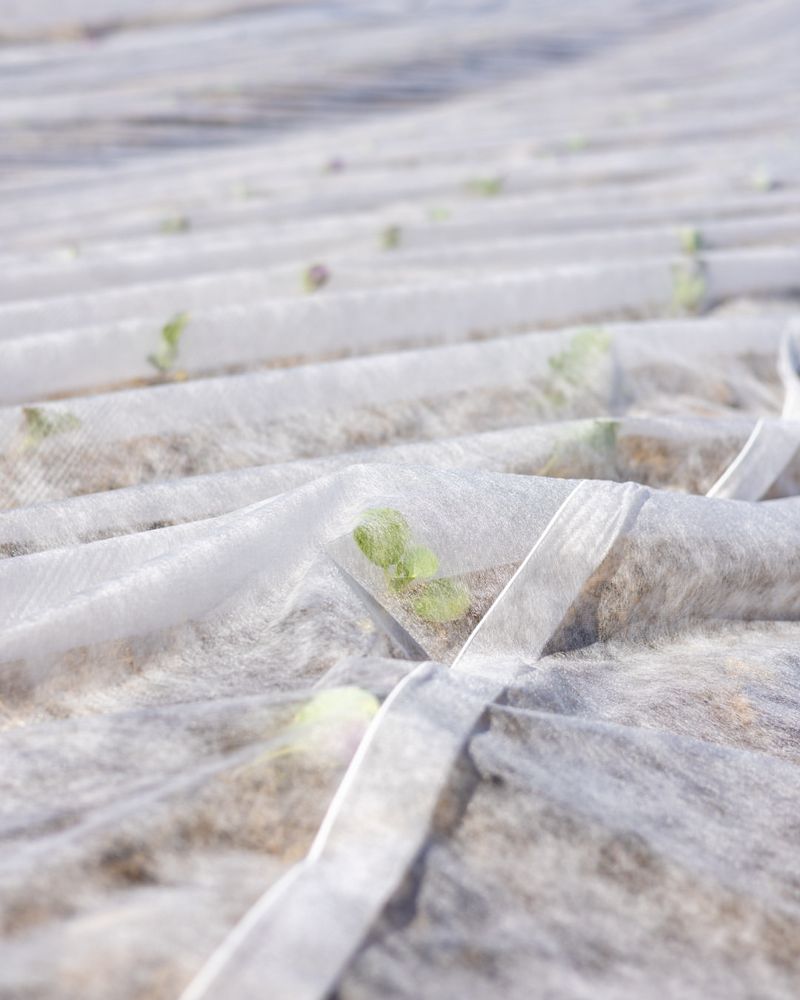
The single most effective tool you have is a lightweight row cover or fine insect netting placed over your plants before the damage gets heavy. This simple physical barrier keeps flea beetles off the leaves without using any sprays or chemicals.
You can find row cover fabric at most garden centers, and it is surprisingly easy to work with.
Eggplant that is still young or recently transplanted is especially at risk. A plant with only a handful of leaves cannot afford to lose much leaf surface before it starts to struggle.
Covering those small plants early gives them breathing room to grow stronger before they ever face serious pest pressure.
Row covers also help moderate soil temperature and hold in a little moisture, which is a bonus during the hot, dry stretches that North Carolina often sees in July.
The fabric lets in light, air, and water while creating a real physical shield between the plant and the insects trying to feed on it.
Starting protection before you see a problem is almost always more effective than reacting after the damage has already begun. Early action is the smartest move any gardener can make this time of year.
2. Seal The Edges Of The Cover
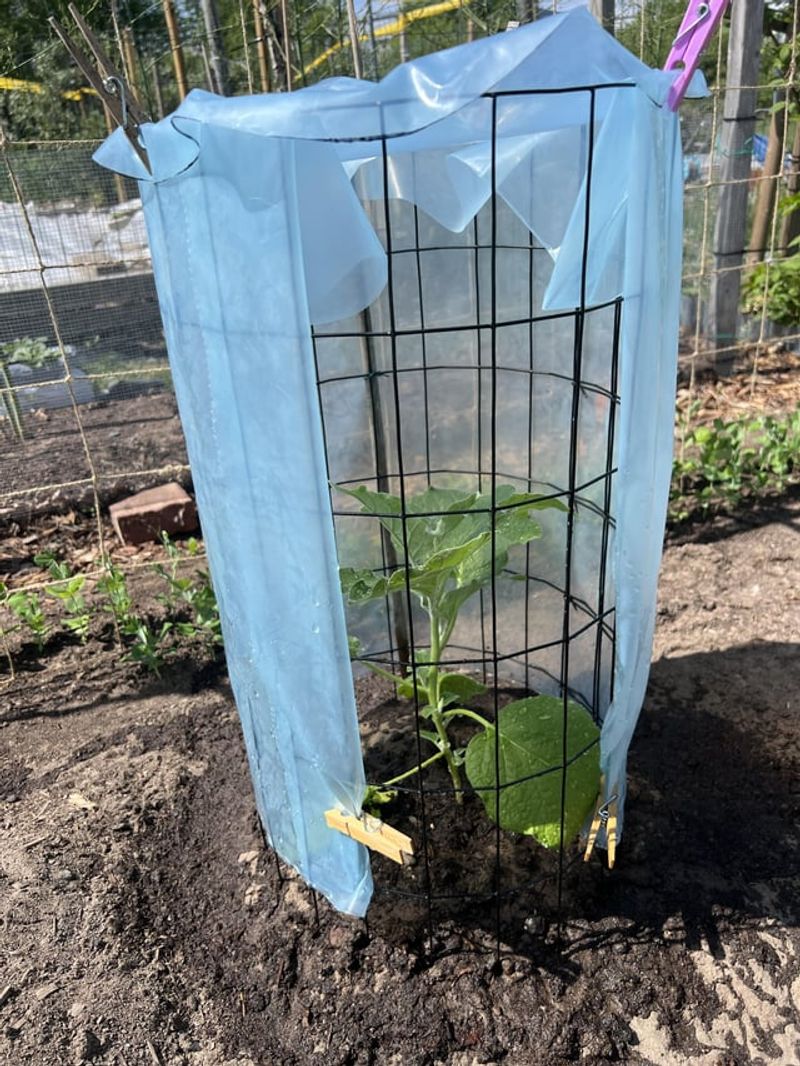
Here is something many gardeners miss: a row cover that is just draped loosely over a plant is not really protecting it. Flea beetles are tiny, fast, and surprisingly good at finding gaps.
If the edges of your fabric are not sealed against the ground, those beetles will simply walk right underneath and start feeding.
Securing the edges is just as important as putting the cover on in the first place. You can use garden staples, bricks, boards, or even a layer of soil pushed up against the fabric edge to create a real seal.
The goal is to make sure there are no openings around the base of the cover where insects can slip through.
Your North Carolina Garden Changes Every Week. Your Plan Should Too.
Gardening in North Carolina changes quickly throughout the season. Every Friday you’ll receive a simple weekly plan showing exactly what to plant, prune, fertilize, harvest, and protect so you never miss the right timing.
Walk around the entire covered bed and press down every edge firmly. Pay extra attention to corners, since fabric tends to lift there first when wind picks up.
A loose corner is all a flea beetle needs to find its way inside.
Some gardeners use a combination of methods, stapling the fabric down along the long sides and weighting the ends with boards. This approach holds up well even during summer afternoon storms, which are common in North Carolina in July.
Taking ten extra minutes to secure the cover properly can save you hours of dealing with damage later. Think of it like putting a screen on a window.
The screen only keeps bugs out if there are no holes or gaps around the frame. Same idea, same result.
3. Check Leaves Every Few Days
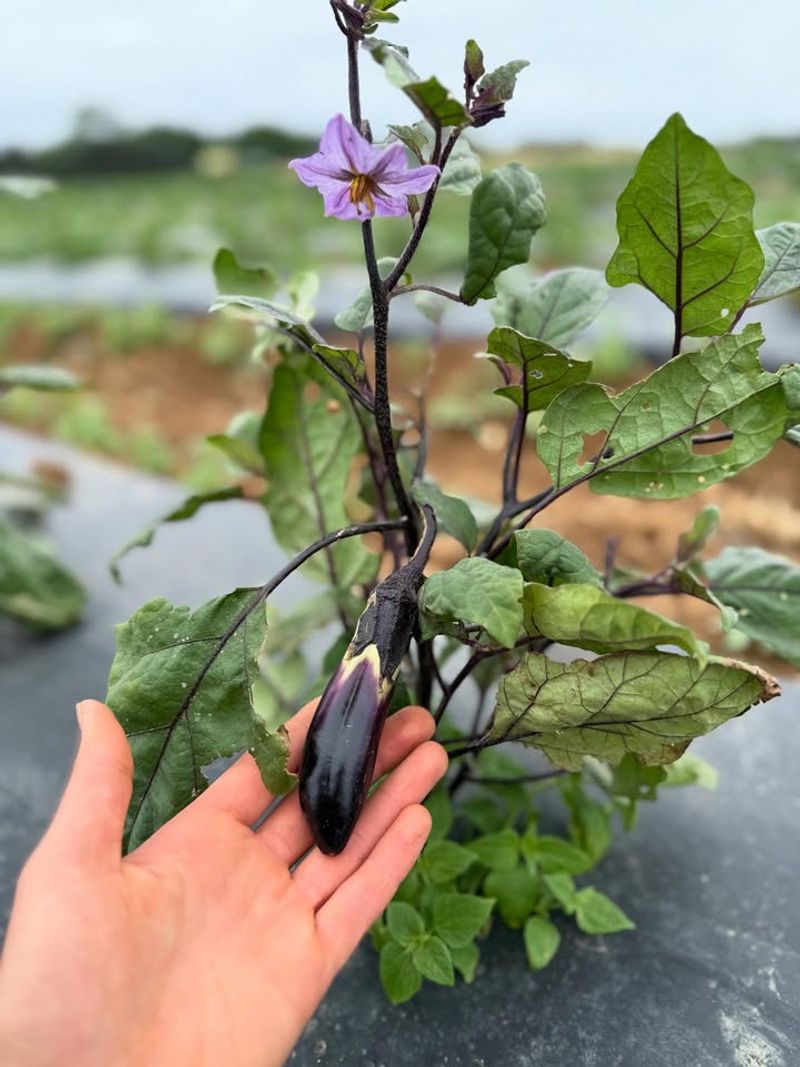
Catching flea beetle damage early makes a real difference. The first signs usually look like tiny round holes scattered across the leaf surface, almost like the leaf was peppered with a pin.
Those small holes might not seem serious at first, but they can multiply quickly when flea beetles are active in warm weather.
Making it a habit to check your eggplant leaves every two or three days during July gives you a clear picture of what is happening in your garden. Flip the leaves over and look at both sides.
Flea beetles are small, dark, and shiny, and they jump fast when disturbed, which is actually how they got their name.
If you notice the holes are spreading or getting more numerous between your checks, that is a signal to step up your protection. Catching that trend early means you still have options before the plant looks completely ragged.
A plant with healthy, intact leaves can keep producing energy and growing strong.
Scouting your garden regularly also helps you understand the rhythm of pest pressure in your specific yard. Some spots have heavier beetle activity than others depending on soil type, nearby weeds, or how much sun the bed gets.
Over time, you will notice patterns that help you get ahead of problems before they grow. Regular inspection is one of the most underrated gardening habits, and it costs nothing except a few minutes of your time every few days throughout the season.
4. Protect Young And Stressed Plants First
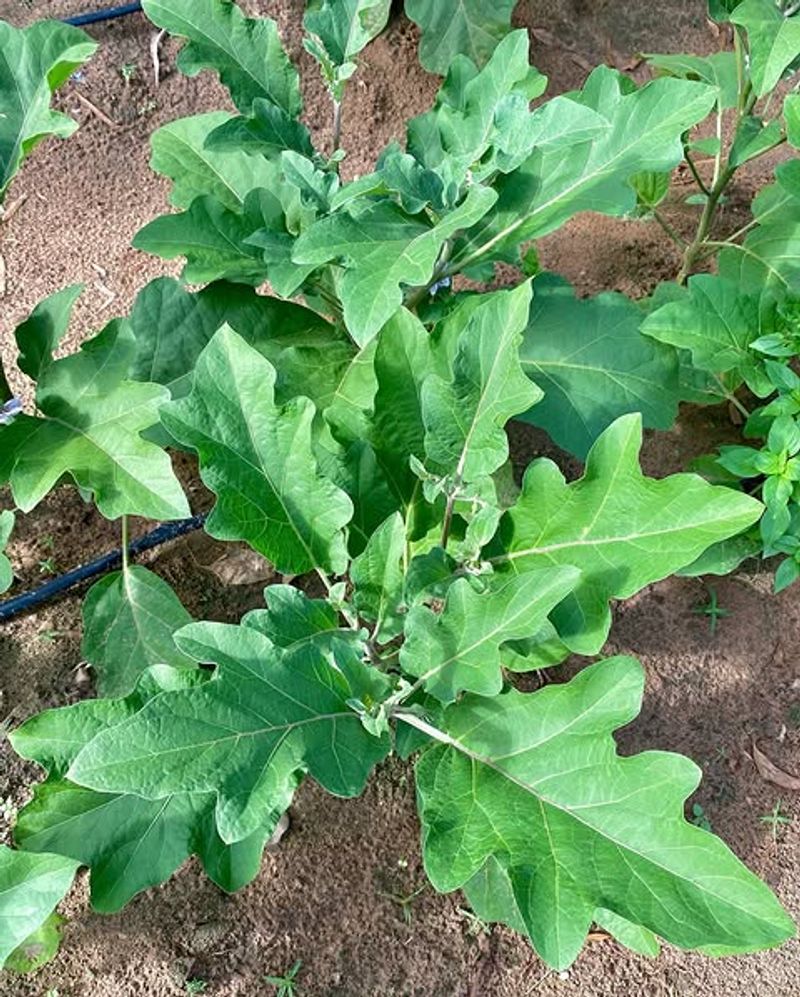
Not all eggplant plants face the same level of risk from flea beetles. Young transplants and plants that are already stressed from July heat are the ones that need your attention most urgently.
A strong, established eggplant with a full canopy of leaves can handle a little feeding pressure without losing much momentum.
A small plant with only five or six leaves is a completely different story. When flea beetles chew through a significant portion of that limited leaf area, the plant loses a big share of its ability to capture sunlight and produce energy.
That kind of setback during hot weather can slow growth noticeably and make recovery much harder.
July in North Carolina often brings dry spells that stress plants even further. A plant that is already working hard to stay hydrated in the heat does not have much extra energy to bounce back from heavy leaf feeding.
Transplants that went into the ground recently are also still adjusting their root systems, which means they are drawing on fewer resources than a plant that has been in the ground for weeks.
Focus your row covers and your scouting attention on the most vulnerable plants first. Once a plant has grown large, developed a strong root system, and settled into the summer heat, it becomes more resilient.
Getting the young and stressed ones safely through July gives them the best chance to grow into the productive, full-sized plants you are counting on for a late summer harvest.
5. Keep Weeds Down Around The Bed
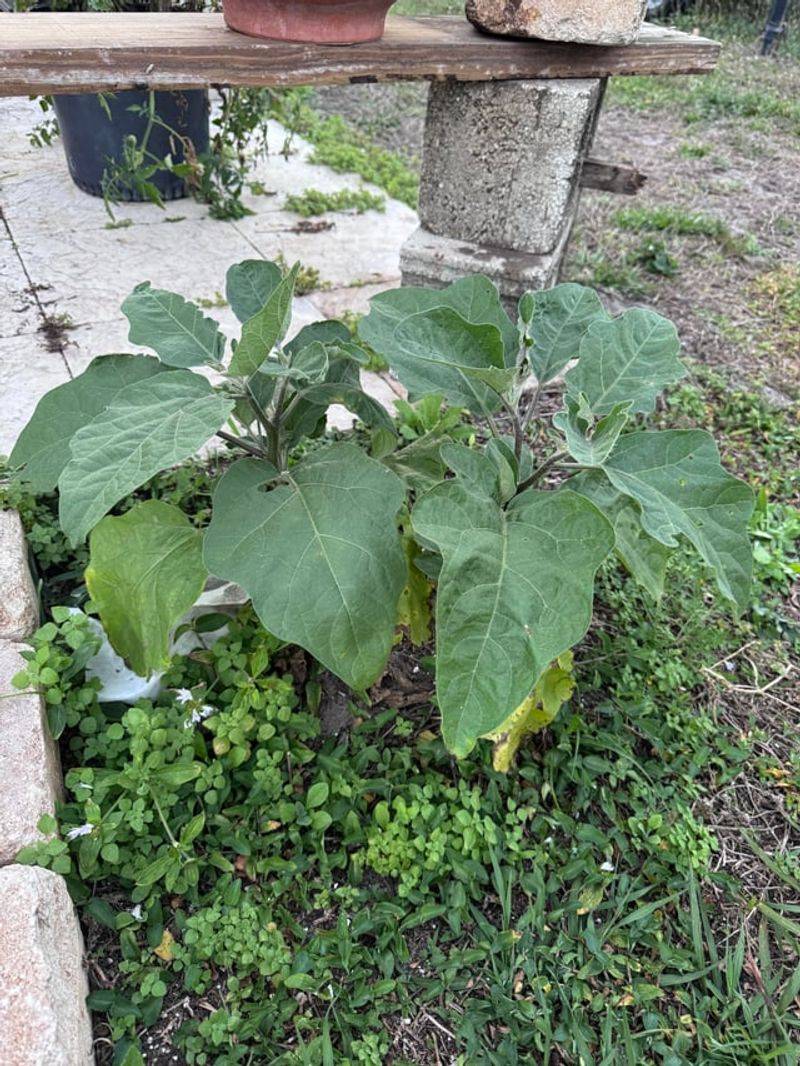
Weeds growing close to your eggplant bed do more than just compete for water and nutrients. They also create hiding spots for insects, including flea beetles, and make it much harder to spot pest activity before it gets out of hand.
A cluttered garden bed is a harder garden bed to manage.
Flea beetles can shelter in weedy areas near your vegetables and then move onto your eggplant once the conditions are right.
Keeping the ground around your plants clean and open removes that shelter and makes your bed a less attractive place for pests to settle in.
It also makes it much easier to see what is going on when you do your regular leaf checks.
Pulling weeds while they are still small is the easiest approach. Once weeds get tall and dense, they are harder to remove without disturbing nearby plants.
A quick pass through the bed every week or so keeps things manageable without turning into a big project.
Mulch is a great ally here. A layer of straw or wood chip mulch around your eggplant suppresses weed growth, holds soil moisture, and keeps the ground cooler during hot July afternoons.
Fewer weeds mean less insect habitat, less competition for your plants, and a cleaner space for you to work in.
Combining good weed control with regular scouting gives you a much clearer view of what is happening in your garden at any given time. A tidy bed is genuinely easier to protect.
6. Water Consistently So Plants Can Outgrow Light Damage
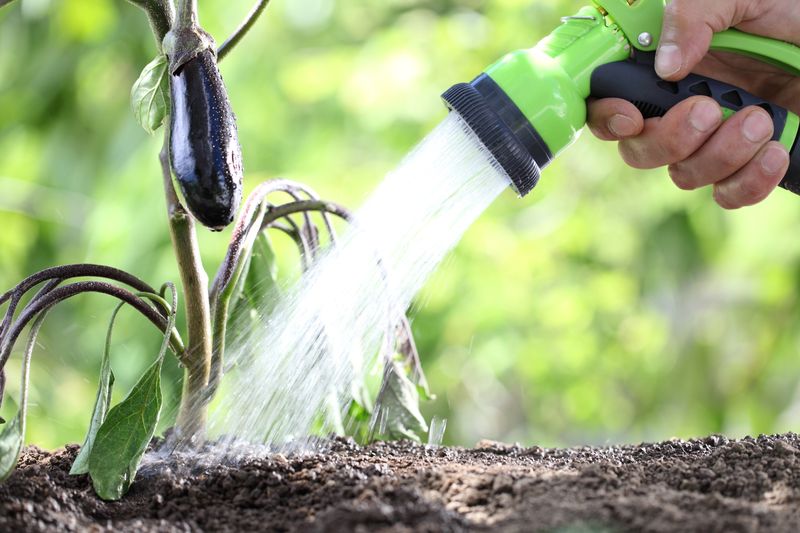
Water will not chase flea beetles away, but it plays a bigger role in your eggplant’s defense than most people realize. A plant that gets steady, consistent moisture throughout July is a plant that keeps growing actively.
And a plant that keeps growing actively can handle minor leaf feeding without losing much ground.
Think about it this way: when a flea beetle chews a small hole in a leaf, that leaf is still mostly intact. A well-watered plant pushes out new growth regularly, which means damaged leaves get replaced faster.
A thirsty plant, on the other hand, slows down its growth and has fewer resources to recover from any kind of stress.
July in North Carolina can go from rainy to very dry in a short stretch of time. Checking soil moisture regularly and watering deeply at the base of the plant rather than overhead helps roots stay strong and active.
Overhead watering can wet the foliage and create other issues, so keeping water at soil level is a smarter approach during hot weather.
Mulch works hand in hand with watering by slowing down evaporation from the soil surface.
A two to three inch layer of straw or shredded leaves around your eggplant can make a noticeable difference in how long the soil stays moist between waterings.
Healthy, hydrated plants are simply more resilient across the board. Consistent watering is one of the most straightforward things you can do to keep your eggplant in strong shape all the way through the summer season.
7. Avoid Spraying Without Checking First
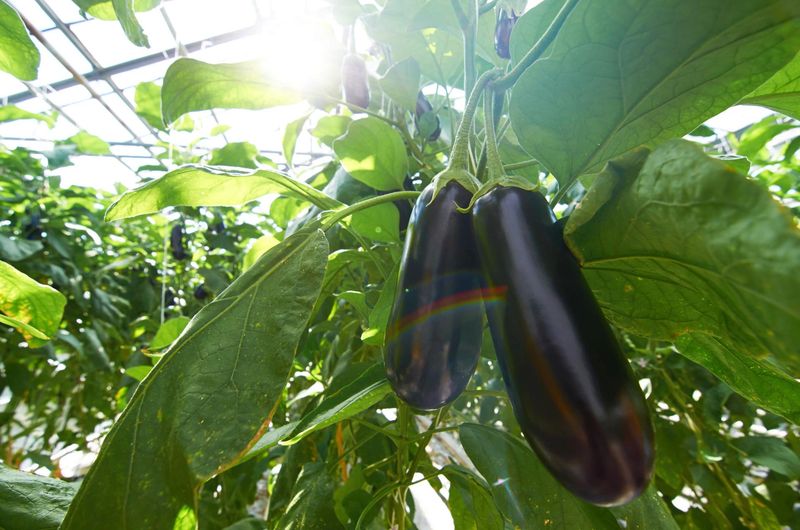
Seeing holes in your eggplant leaves can feel alarming, and the instinct to grab a spray bottle is completely understandable. But spraying without first identifying what is actually causing the damage can create more problems than it solves.
Not every hole in a leaf comes from flea beetles.
Other insects, environmental stress, or even hail can leave marks that look similar at first glance. Taking a few minutes to observe the plant carefully before reaching for any product is always worth the effort.
Look for the beetles themselves, which are small, dark, shiny, and jump quickly when the leaf is disturbed. That jumping behavior is a reliable identifier.
If you do confirm flea beetles and decide that treatment is needed, read the product label thoroughly before applying anything. Labels carry legal weight and provide specific guidance on application rates, timing, and safety precautions.
Following the label is not just a suggestion, it is the responsible way to use any pest management product.
Pay close attention to the timing of any spray relative to when pollinators are active. Eggplant flowers attract bees, and protecting those beneficial visitors matters for your harvest and for the broader garden ecosystem.
Applying any treatment in the early morning or evening, when pollinators are less active, is a widely recommended approach. Many cases of minor flea beetle feeding on established plants do not require any spray at all.
Confirming the problem, assessing the severity, and choosing the least disruptive response is always the smartest path forward.
8. Remove Covers When Flowers Need Access
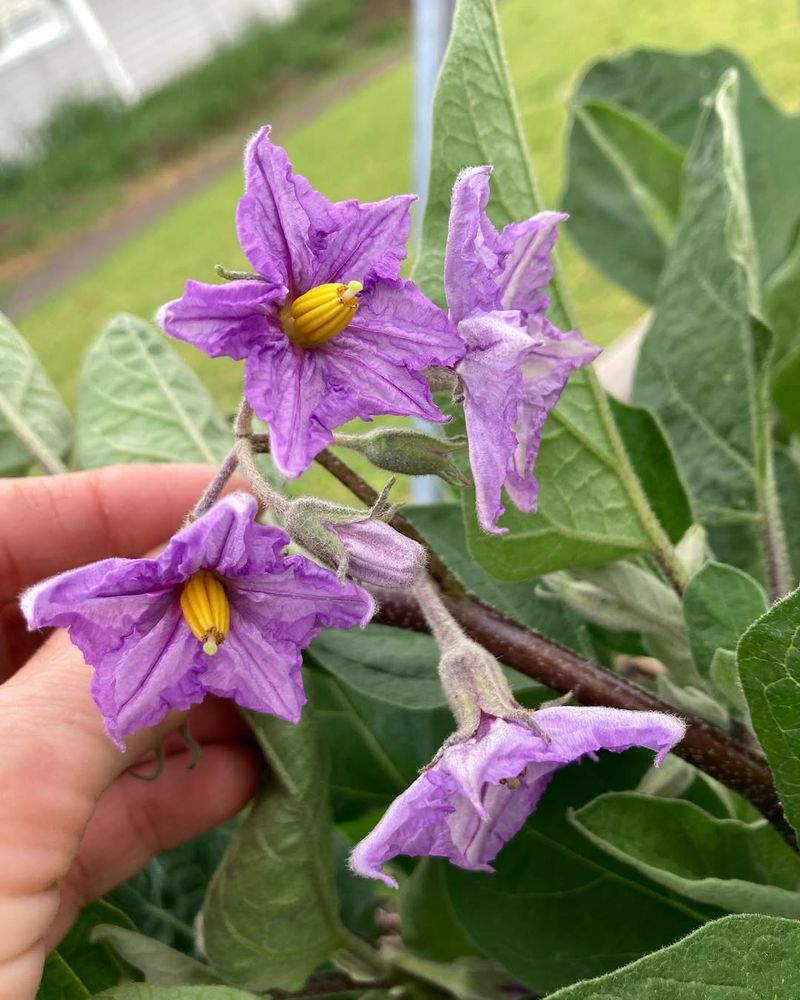
Row covers do a fantastic job of protecting eggplant from flea beetles, but they cannot stay on forever. Once your eggplant starts producing flowers heavily, those flowers need access to pollinators to set fruit.
Bees and other beneficial insects cannot reach the flowers if the plant is sealed under fabric. Watching your plant closely during this transition period is important.
When you start seeing multiple open flowers at a time, that is usually a signal that the cover needs to come off or at least be opened during the warmest part of the day when pollinators are most active.
Some gardeners open the ends of the cover during peak bloom hours and close them back up in the evening.
The timing of when to remove the cover depends on how heavy flea beetle pressure still is in your garden at that point in the season.
In North Carolina, flea beetle activity can stay strong through much of the summer, so removing the cover entirely requires a trade-off decision between pollination access and continued pest protection.
Once the cover comes off, keep up your regular leaf scouting routine. Flea beetles can return quickly in warm weather, and a plant that has been protected all season is still a target once the barrier is gone.
Staying observant after the cover is removed gives you the chance to respond fast if the beetles come back in numbers. The goal is to carry your eggplant all the way through to a full, productive harvest with as little leaf damage as possible along the way.