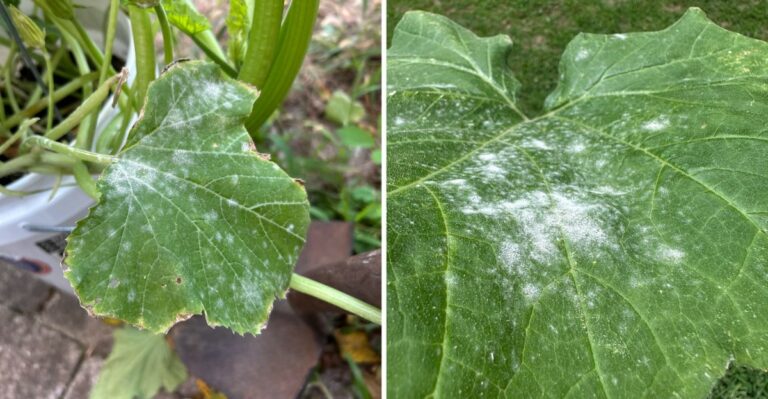
How Kentucky’s Unique Karst Soil Affects Late-Summer Vegetable Growth
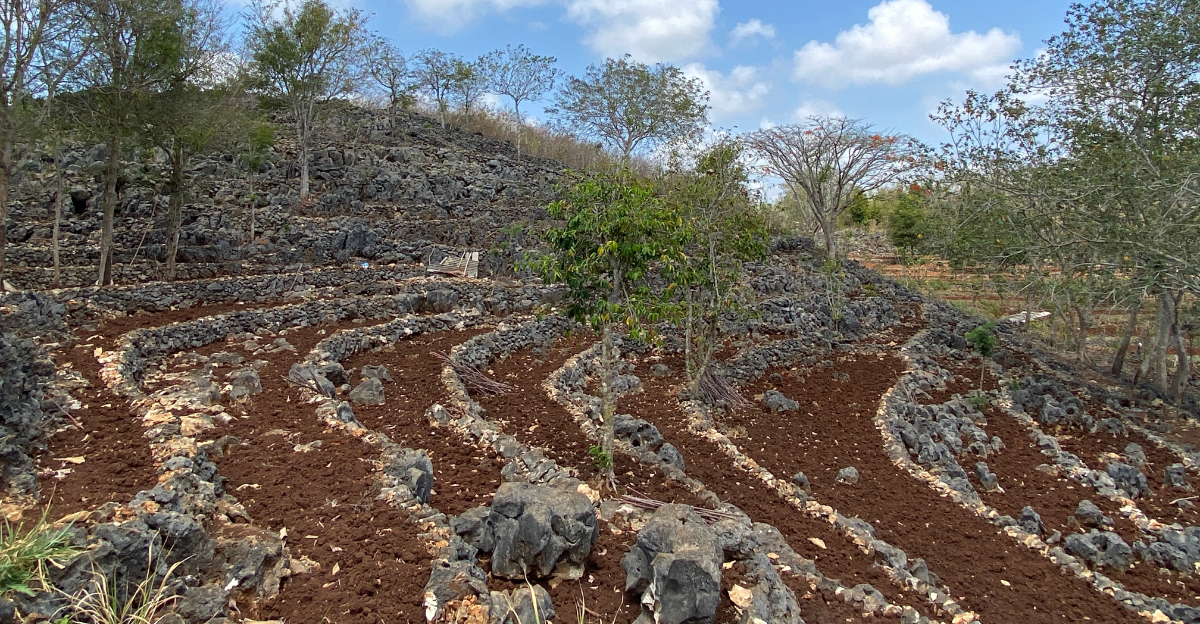
Trouble often starts underground long before your tomatoes show it. Limestone bedrock shapes Kentucky’s ground with cracks, sinkholes, and hidden channels. Water drains fast, leaving roots thirsty right when August heat peaks.
Nutrients wash away before your squash can absorb what it needs. Alkaline conditions quietly hold back iron and manganese your plants eagerly crave. Gardeners rarely suspect hidden geology when leaves yellow or fruit stalls.
Kentucky’s karst terrain quietly shapes your soil chemistry. Roots settle into shallow pockets over fractured stone.
Drainage shifts unpredictably from drought to flood within days, puzzling even seasoned growers.
Compost helps, but it cannot fix what bedrock decides. Understanding these small mechanics changes how you feed, water, and plant. Focus shifts from your skill to the ground itself.
Answers exist, but they require you to look much deeper than the surface. Once you see what’s happening underground, your garden will never look the same.
1. Karst Soil Drains Water Away Too Quickly For Roots
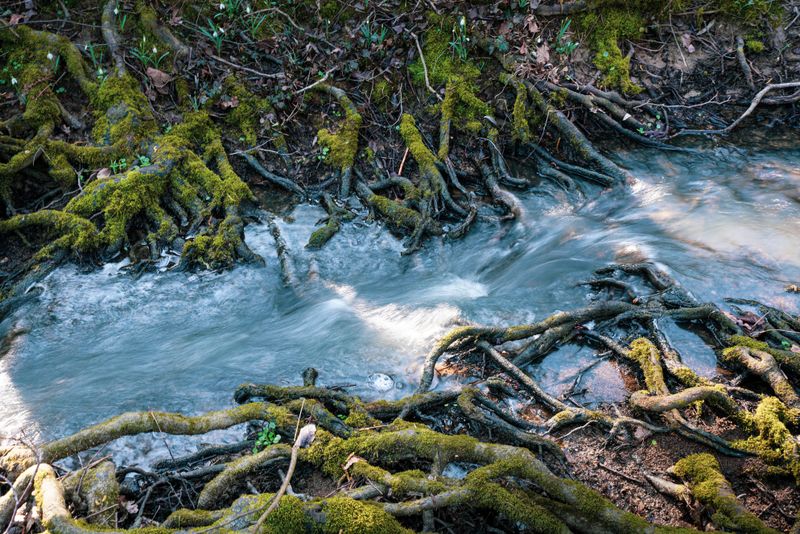
Water drains away fast in karst soil. One good rain can disappear before your vegetable roots even get a chance to absorb it.
Karst soil is full of tiny gaps, cracks, and channels carved by dissolved limestone over thousands of years. Those gaps act like a fast drain under your garden bed.
Late-summer vegetables like peppers, cucumbers, and beans need consistent soil moisture to produce well. When moisture disappears within hours of watering, plant roots start to struggle immediately.
Shallow-rooted crops are hit hardest by this drainage issue. They simply cannot chase water deep enough before it escapes through the porous limestone layers below.
One smart fix is to add thick layers of organic mulch on top of your soil. Mulch slows surface evaporation and gives water more time to soak into the root zone.
Drip irrigation also helps more than overhead sprinklers in karst conditions. Slow, steady drips let water seep in gradually instead of rushing straight through.
Mixing compost heavily into your planting beds creates a sponge-like layer that holds moisture longer. That extra organic matter can make a noticeable difference in dry August weeks.
How Kentucky’s unique karst soil affects late-summer vegetable growth often comes down to this one key fact: water is there one moment and gone the next. Fixing drainage speed is the foundation of every other solution in your garden.
2. Shallow Topsoil Limits How Deep Roots Can Spread
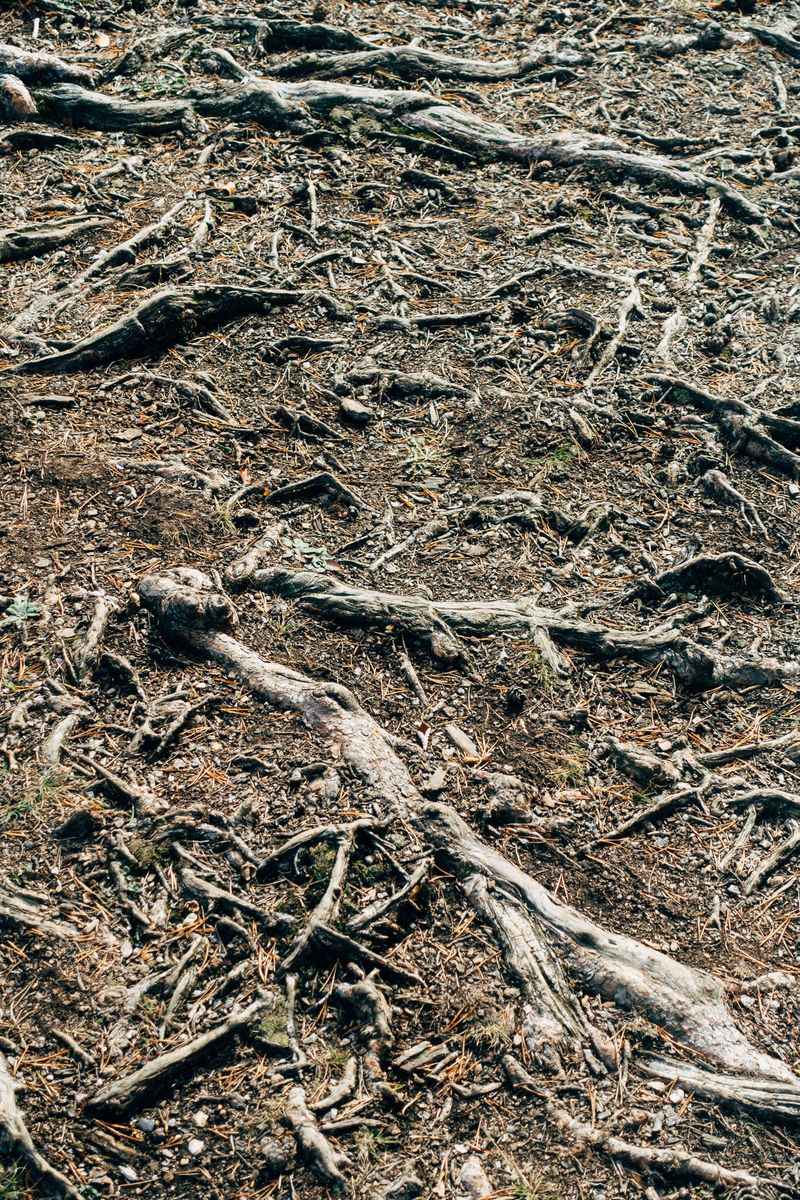
Roots need room to roam. In Kentucky karst terrain, that room runs out fast. Topsoil in karst regions can often be only a few inches deep before hitting solid or fractured limestone bedrock, though depth varies by location.
That thin layer may be all your vegetables have to work with during the hottest months of the year.
Most late-summer vegetables prefer to send roots at least 12 to 18 inches down for stability and water access. When bedrock blocks that path, plants become stressed and less productive.
Tomatoes are a perfect example of a crop that struggles in shallow karst soil. Their deep taproots hit rock and spread sideways instead, making the plant less stable and more drought-prone.
Your Kentucky Garden Changes Every Week. Your Plan Should Too.
Gardening in Kentucky changes quickly throughout the season. Every Friday you’ll receive a simple weekly plan showing exactly what to plant, prune, fertilize, harvest, and protect so you never miss the right timing.
Raised garden beds are one of the most effective solutions for this problem. Building beds 12 to 16 inches tall with quality soil mix gives roots the depth they desperately need.
Container gardening is another solid option for karst-heavy properties. Large fabric pots filled with loamy, compost-rich soil give roots a clean, deep space to expand freely.
You can also double-dig existing beds to break up compacted layers near the surface. This loosens the transition zone between topsoil and rock, giving roots a slightly better path downward.
Shallow topsoil is one of the most limiting factors in Kentucky karst gardens. Knowing this early helps you plan smarter before planting season kicks off in late summer.
3. Limestone Bedrock Traps Heat And Dries Surface Soil
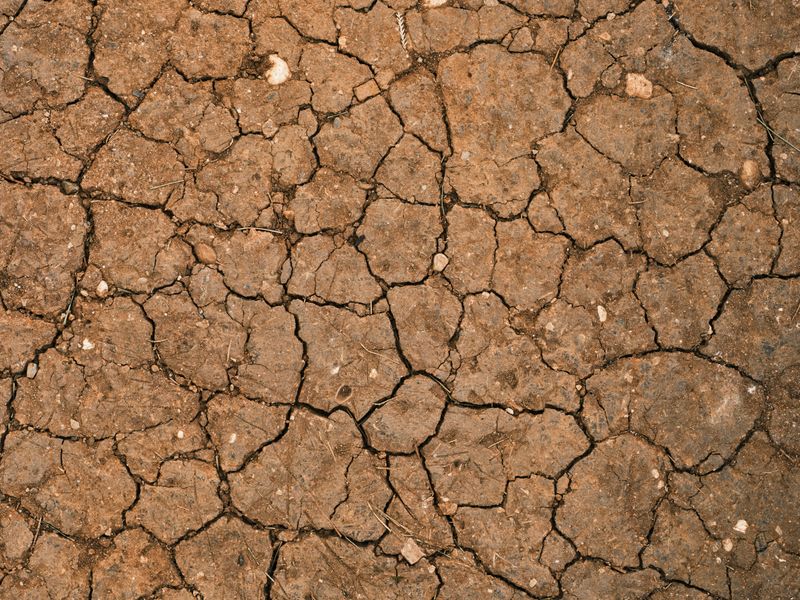
Limestone holds heat like a cast-iron skillet. On a hot August afternoon, that stored heat radiates back up through your soil and stresses your plants.
Bedrock close to the surface absorbs solar energy all day long. By evening, it releases that warmth upward, raising the soil temperature around your vegetable roots well past comfortable levels.
Most vegetables generally prefer root-zone temperatures in the range of roughly 65 to 75 degrees Fahrenheit, though this varies by crop.
Karst soil sitting above sun-baked limestone may push root temperatures well above 85 degrees in late summer, depending on conditions.
High soil temperatures slow nutrient absorption, reduce water uptake, and stress root systems significantly. Your plants may look healthy above ground while quietly struggling below.
White or light-colored mulch reflects sunlight and helps keep surface soil cooler during peak afternoon hours. Straw and wood chips are both excellent choices for hot Kentucky summers.
Planting taller crops on the south side of beds creates natural shade for shorter, heat-sensitive plants. That simple arrangement can drop soil temperatures by several degrees.
Watering in the early morning gives moisture time to soak in before limestone starts absorbing the day’s heat. Evening watering can sometimes encourage fungal issues, so morning timing is generally smarter.
Once you understand how limestone bedrock traps and radiates heat, you stop guessing why your late-summer crops seem to decline after mid-July. Managing soil temperature becomes just as important as managing water.
4. Nutrients Leach Fast Through Porous Limestone Layers
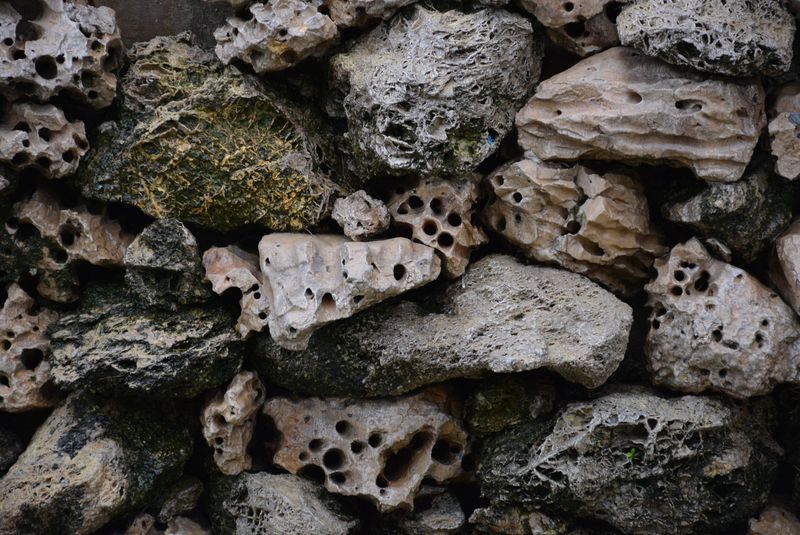
Fertilizer applied to karst soil often moves through faster than plants can use it. Nutrients dissolve in water and follow it straight down through limestone cracks before roots can absorb them.
Nitrogen, potassium, and phosphorus are the three big nutrients vegetables need most. In karst conditions, nitrogen especially tends to leach away within days of application.
Late-summer crops like squash and corn are heavy feeders that need steady nutrient availability. When the soil cannot hold those nutrients, plants show yellowing leaves, stunted growth, and poor fruit set.
Slow-release organic fertilizers work much better in karst soil than fast-release synthetic types. They break down gradually, giving plants a longer window to absorb what they need before leaching occurs.
Compost is your best friend here. Adding two to four inches of finished compost to your beds each season builds organic matter that binds nutrients and slows their downward movement.
Foliar feeding is another smart tactic for karst gardens. Spraying diluted liquid fertilizer directly onto leaves bypasses the soil entirely, delivering nutrients straight to the plant.
Testing your soil every spring tells you exactly which nutrients are running low. A basic soil test from your county extension office is typically affordable and saves a lot of guesswork.
How Kentucky’s unique karst soil affects late-summer vegetable growth is painfully clear when your plants are hungry despite regular feeding. Adjusting your fertilizing strategy to match karst conditions changes everything.
5. Dry Pockets Form Unevenly Across Karst Terrain
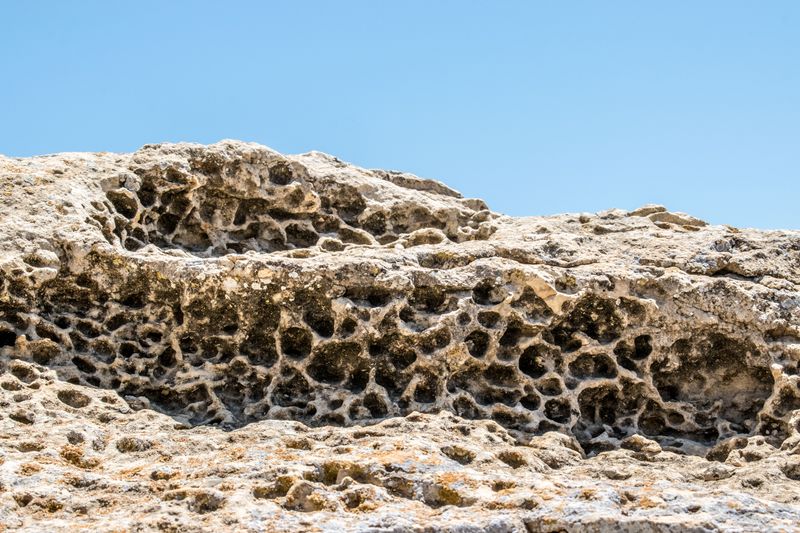
One corner of your garden stays damp for days while the spot three feet away is bone dry. That is karst terrain doing its thing.
Beneath karst soil, limestone dissolves unevenly over centuries, creating a hidden maze of channels and chambers. Some areas drain instantly while others sit over denser rock and hold moisture longer.
This uneven drainage creates a patchwork effect across your garden beds. Plants in dry pockets struggle while their neighbors in wetter spots thrive, making your garden look inconsistent and confusing.
Late-summer vegetables that need even moisture, like green beans and cucumbers, show this problem most clearly. Inconsistent moisture causes blossom drop, bitter fruit, and cracked skin on crops like tomatoes.
Mapping your garden’s moisture patterns is a low-tech but powerful strategy. Simply stick your finger two inches into the soil at different spots after rain and note which areas dry out fastest.
Once you identify the dry pockets, target them with extra mulch and more frequent watering. Treating each zone slightly differently based on its drainage behavior gets much better results than a one-size-fits-all approach.
Raised beds with uniform soil mixes eliminate the patchwork problem almost entirely. When you control what goes into the bed, you also control how evenly it holds water across the growing space.
Dry pockets are one of karst gardening’s most frustrating surprises, but once you spot the pattern, managing them becomes a manageable challenge.
6. Heat Stress Builds Up Faster In Thin Soil
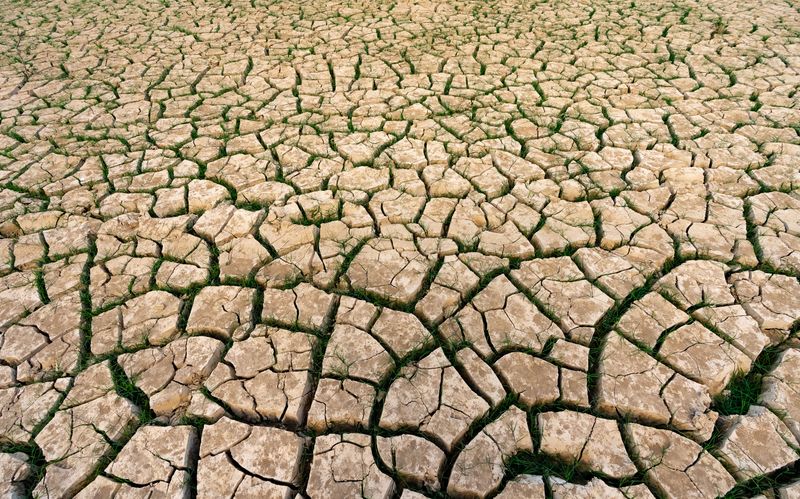
Thin soil heats up the way a shallow pan of water boils faster than a deep pot. There is simply less material to buffer the temperature swings.
Karst topsoil in many areas is only a few inches thick, which can cause it to reach peak heat quickly on sunny August days. That rapid temperature climb pushes plants into heat stress before midday.
Heat stress in vegetables shows up as wilting leaves, flower drop, and fruit that refuses to set. Your plants are not sick, they are just overwhelmed by temperatures their roots cannot escape.
Peppers are especially sensitive to heat stress at the root level. When soil temps spike, pepper plants can drop blossoms quickly, which may significantly reduce your harvest.
Applying a thick four-inch layer of organic mulch is the single fastest way to reduce heat stress in thin karst soil. It acts as insulation, keeping the root zone several degrees cooler than bare earth.
Shade cloth is another practical tool for late-summer gardens on karst land. A 30 to 40 percent shade cloth draped over your beds during peak afternoon hours can dramatically cut soil temperature.
Timing your transplants earlier in the season also helps. Established root systems handle August heat far better than newly planted seedlings dropped into thin, hot soil mid-summer.
Managing heat stress in thin karst soil is not complicated once you know what you are dealing with. A few simple barriers between the sun and your roots make a measurable difference.
7. Sinkholes Disrupt Consistent Moisture Across Garden Beds
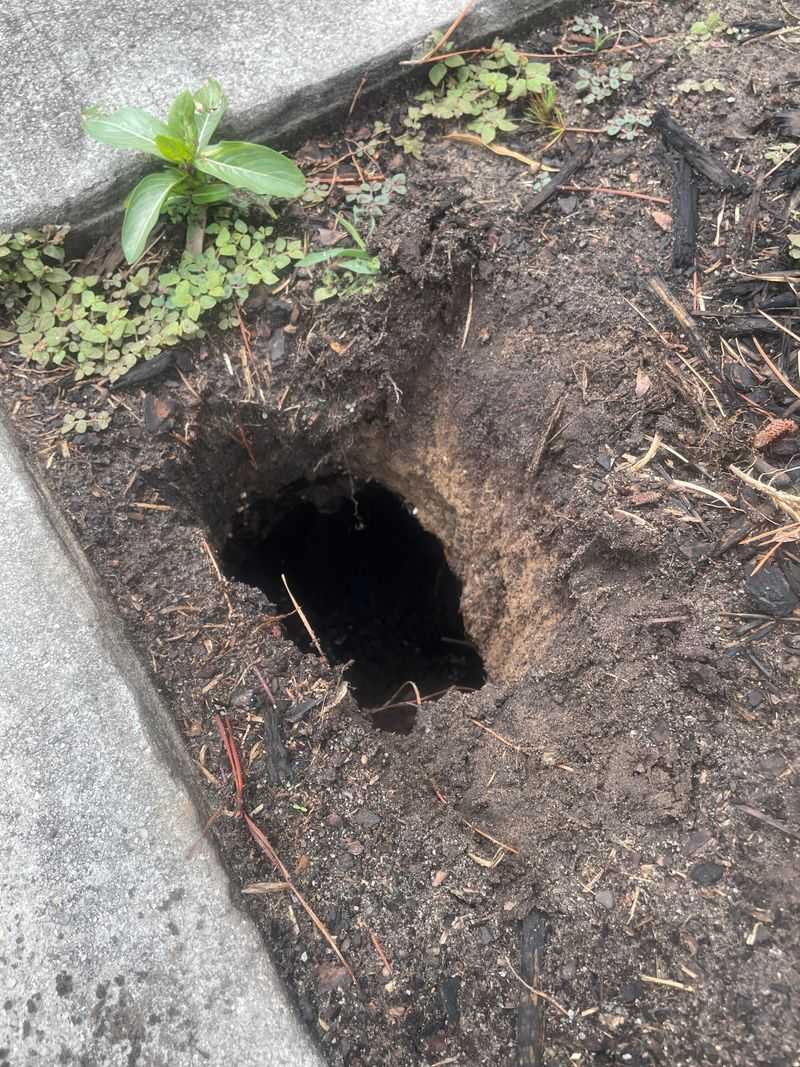
Sinkholes are a common karst feature, and Kentucky has plenty of them. Even small depressions near your garden can completely change how water moves through your planting area.
Water naturally flows toward the lowest point, so garden beds near sinkholes or sinkhole edges often receive too much runoff in some spots and too little in others. That imbalance is hard to fix without understanding the cause.
During heavy late-summer rains, water rushing into a nearby sinkhole pulls moisture away from surrounding soil faster than normal. Plants close to that drainage point can dry out surprisingly quickly after a storm.
On the flip side, the edge zones around sinkholes sometimes stay soggy for days after rain. Soggy roots in warm late-summer soil create perfect conditions for root rot and fungal disease.
Identifying sinkhole depressions on your property before you lay out garden beds is a smart first step. Walk your yard after a heavy rain and watch where water pools or disappears fastest.
Avoid placing permanent raised beds directly over or adjacent to active sinkhole areas. The ground can shift subtly over time, and that movement disrupts root systems and bed structure.
Building berms or gentle swales to redirect runoff away from sensitive planting areas is an effective long-term fix. Even a small raised ridge of soil can redirect water flow dramatically.
Sinkholes add an unpredictable factor to karst gardening, but a little landscape observation goes a long way.
8. Alkaline pH From Limestone Limits Nutrient Uptake
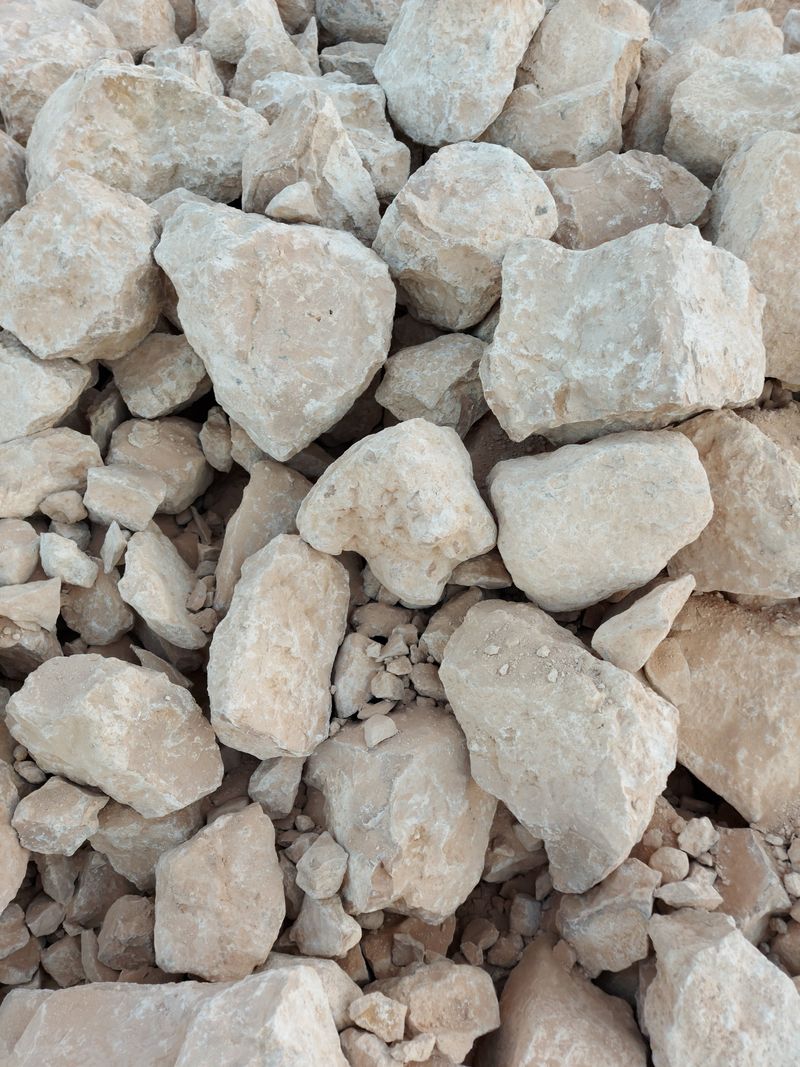
Limestone dissolves slowly into the soil and raises its pH over time. Kentucky karst soils often test between 7.0 and 8.0 on the pH scale, though this can vary by specific location.
Vegetables prefer a pH between 6.0 and 6.8 for optimal nutrient absorption. When soil climbs above that range, essential nutrients like iron, manganese, and zinc become chemically locked and unavailable to roots.
The result looks like nutrient deficiency even when your soil is technically full of those minerals. Yellowing leaves between green veins, a condition called chlorosis, is one of the clearest signs of pH-related lockout.
Tomatoes, peppers, and sweet corn are particularly sensitive to alkaline conditions. Their leaves turn pale and production drops even when you fertilize regularly, because the nutrients simply cannot be absorbed.
Sulfur is the most common amendment used to lower soil pH in alkaline karst conditions. It works slowly, so applying it in fall gives it time to take effect before your next planting season.
Acidifying fertilizers containing ammonium sulfate also help nudge pH downward over time. Pairing them with regular compost applications builds organic matter that naturally buffers pH swings.
Testing your soil pH every year is the only way to know where you stand. A simple test from a garden center or extension office takes minutes and gives you actionable numbers to work with.
How Kentucky’s unique karst soil affects late-summer vegetable growth often comes back to pH. Fixing alkalinity unlocks nutrients already in your soil and transforms struggling plants into productive ones.