The White Dust Coating Kentucky Squash Leaves Is Not Dust
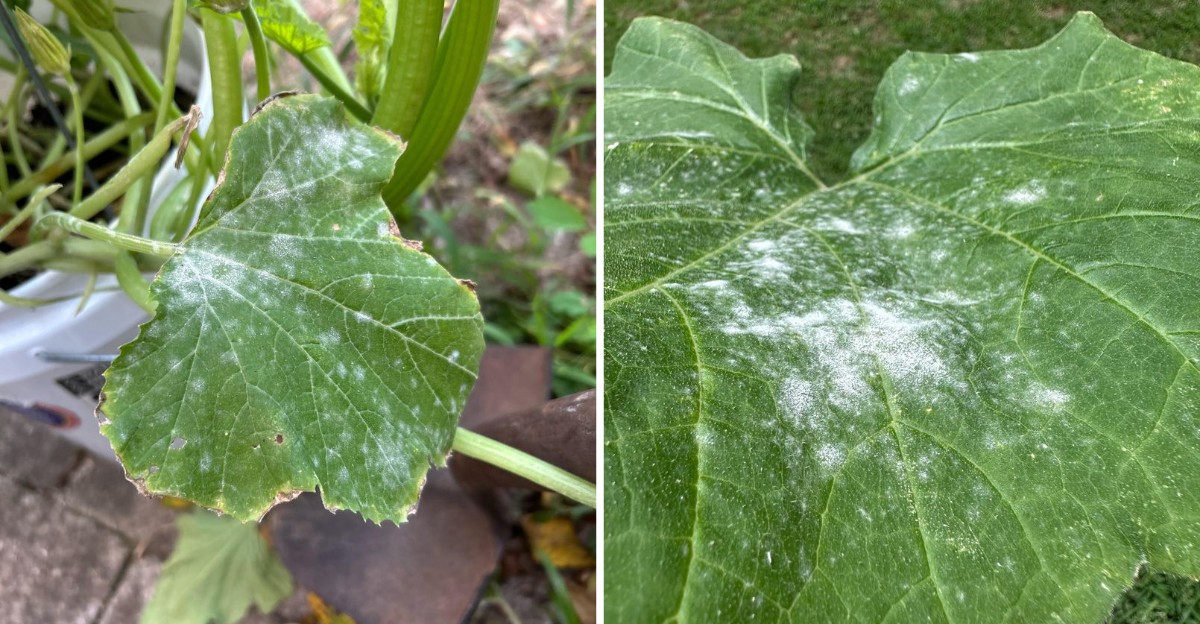
You wander out at sunrise, and the back garden looks like someone dusted it. September in Kentucky brings a lot of things, but frost that early is not one.
Your first guess is gravel dust from the driveway, or maybe pollen drifting in from a nearby field. It smears under your thumb like powdered sugar, so naturally the case seems closed.
Four days later the pale patches have doubled in size and jumped to the next row over. Dust does not travel with that kind of ambition, and it certainly does not spread overnight.
Something alive is up there, quietly redecorating your leaves in chalky white while you sip your second cup. The gravel driveway, for the first time in its long and dusty career, is innocent.
The Fungus Behind That Pale Coating
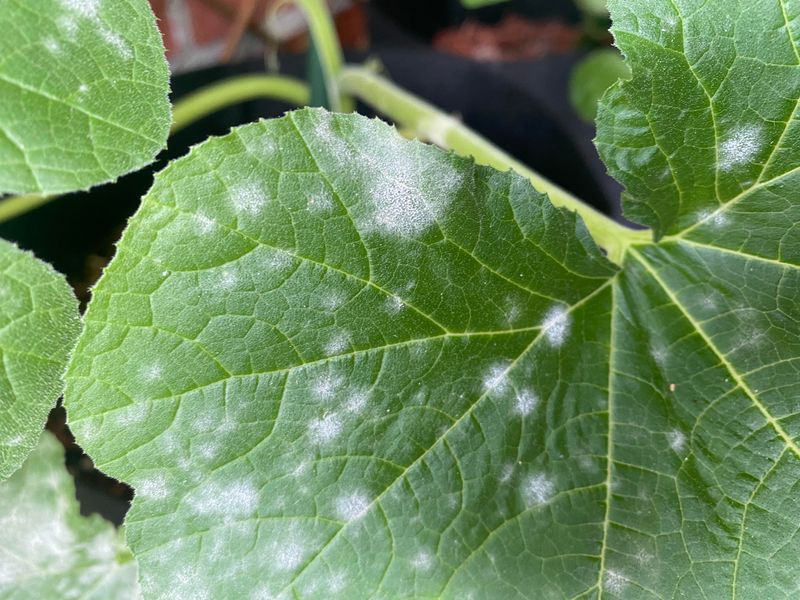
Rub a coated leaf between two fingers and the white stuff smears instead of flaking away. That smear is living fungal growth, not road dust or a stray sprinkle of lime.
Powdery mildew on cucurbits usually comes from a fungus called Podosphaera xanthii. Its threads spread across the leaf surface and sink tiny feeding pegs into the cells below.
Those threads pump out chains of spores that catch light and look exactly like spilled flour. Wind carries the spores to the next leaf, then the next plant down the row.
Unlike most garden fungi, this one does not need standing water on a leaf to get started. Humid air and mild Kentucky nights hand it everything it needs.
Pumpkins, melons, cucumbers, and gourds all host it, though summer squash tends to show symptoms first. Shaded lower leaves near the crown get spotted well before the young top growth.
Early spots look like small white circles about the size of a pencil eraser. Give them a week and those circles merge into a felted blanket across the blade.
Check the leaf underside too, since the same chalky patches often show up there. Real dust mostly settles on top surfaces, which makes the test a helpful clue.
Gardeners across the state blame gravel drives, hay dust, and even sprayer drift each September. A thumb swipe and a hand lens settle that argument in about ten seconds.
Kentucky Humidity And The September Surge
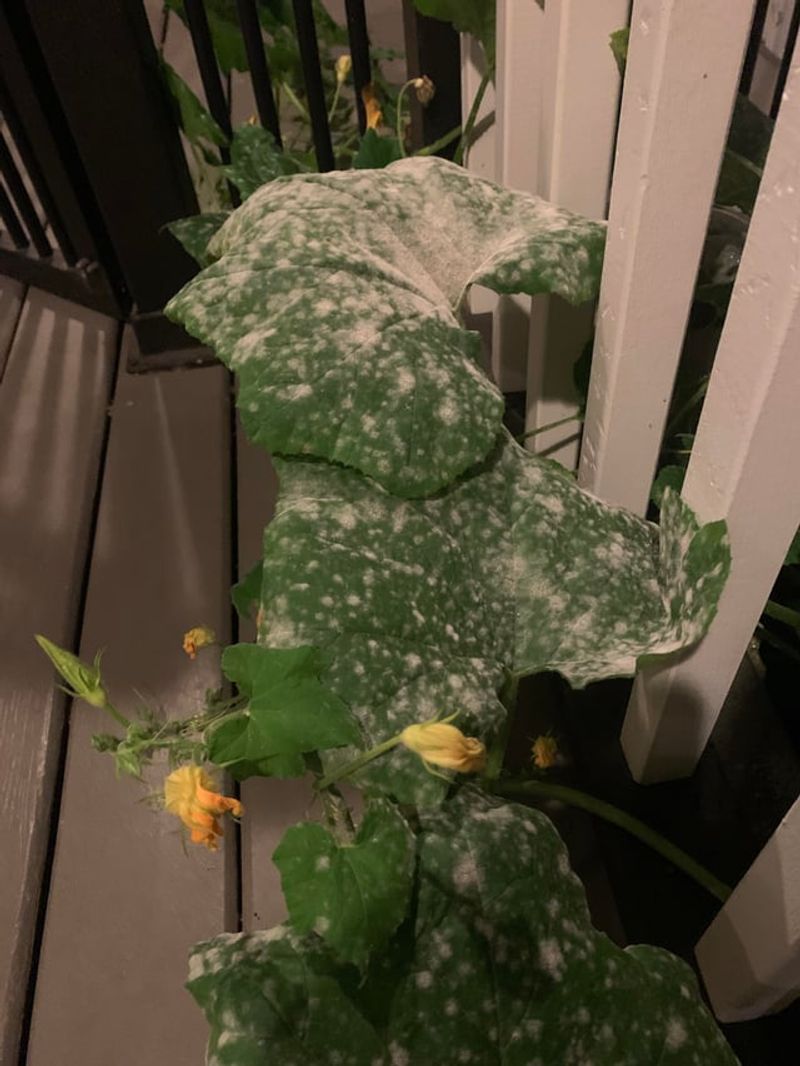
Late summer here serves warm afternoons, cool nights, and dew so heavy it soaks your shoes. For this fungus, that pattern is basically a five star resort.
Spores germinate best between about 68 and 80 degrees with humidity above fifty percent. Kentucky mornings in September hit those numbers without breaking a sweat.
Heavy rain actually rinses spores off leaves and buys a few quiet days. Muggy stretches with no storms do the opposite and let colonies expand fast.
That explains why outbreaks often explode during a dry, sticky week rather than a rainy one. Plenty of gardeners notice the timing and find it backwards.
Plantings along fence rows, tree lines, or the shady side of a shed stay damp longest. Those corners usually show the first white patches.
Your Kentucky Garden Changes Every Week. Your Plan Should Too.
Gardening in Kentucky changes quickly throughout the season. Every Friday you’ll receive a simple weekly plan showing exactly what to plant, prune, fertilize, harvest, and protect so you never miss the right timing.
Age matters too, since vines pour energy into fruit and have less left for defense. A plant that fed you all July is an easier target by Labor Day.
Weekly scouting from early August gives you a genuine head start on the problem. Flip up the big shaded leaves near the base, because trouble begins there.
One infected leaf can release thousands of spores within days of showing its first spot. Acting during that first week changes how the rest of your season goes.
Winter squash and pumpkins face the heaviest pressure right as their fruit sizes up. Healthy leaves through September mean better sugars and thicker rinds at harvest.
The Overhead Watering And Crowded Row Mistake
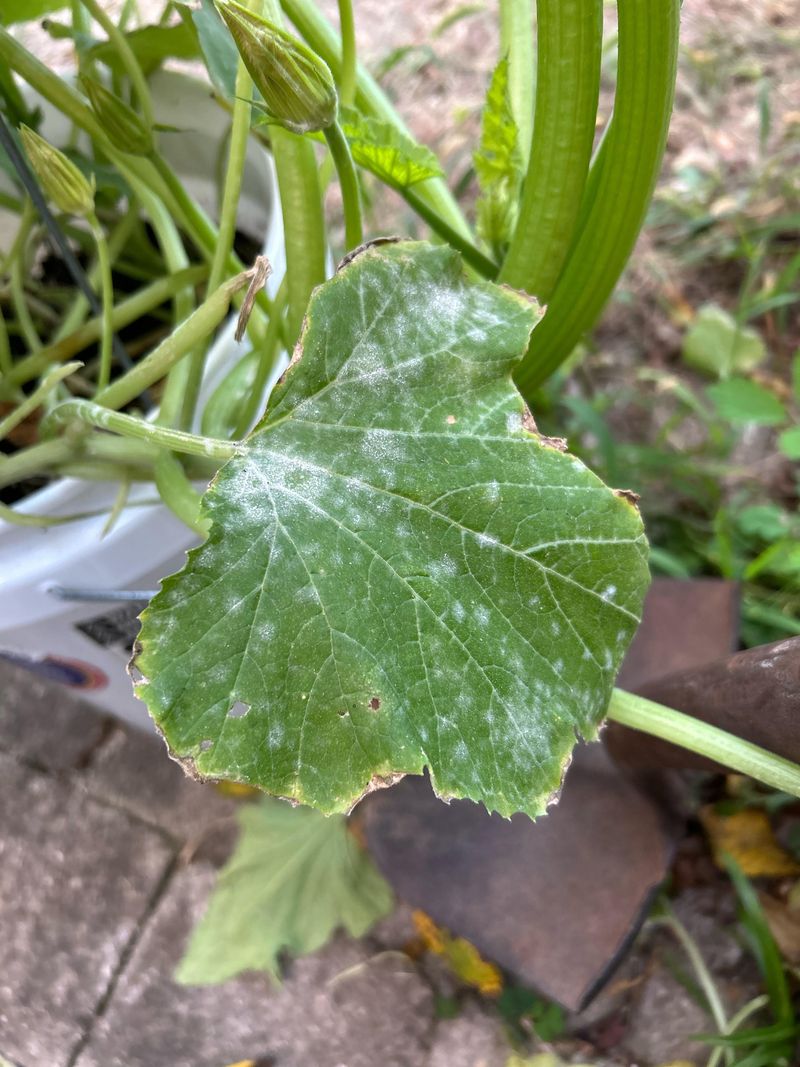
Picture zucchini plants packed two feet apart because the seed packet looked optimistic. By August, that row is a humid jungle with no airflow at ground level.
Crowding traps moisture against leaves for hours after sunrise, which is exactly what spores want. Giving each plant three to four feet of elbow room helps more than any spray.
Evening sprinkler runs rank as the second common misstep in Kentucky vegetable gardens. Leaves stay wet into the night, and humidity around the plant stays high until morning.
Switching to drip line or a soaker hose keeps water at the roots where it belongs. If you must use a sprinkler, run it early so leaves dry by mid morning.
Heavy nitrogen feeding is another trap that sneaks up on well meaning gardeners. Lush, soft growth tastes great to fungi and shows symptoms faster than sturdy foliage.
Leaving badly coated leaves on the vine also keeps a spore factory running in your bed. Snip the worst ones off and carry them out of the garden, not to the compost pile.
Working among wet plants moves spores on sleeves, gloves, and pruners without you noticing. Wait until midday, and rinse your tools before moving to a clean row.
Planting in the shadiest corner of the yard rounds out the list of regrets. Six to eight hours of direct sun keeps leaves drier and plant growth noticeably stronger.
Sprays And Pruning That Slow The Spread
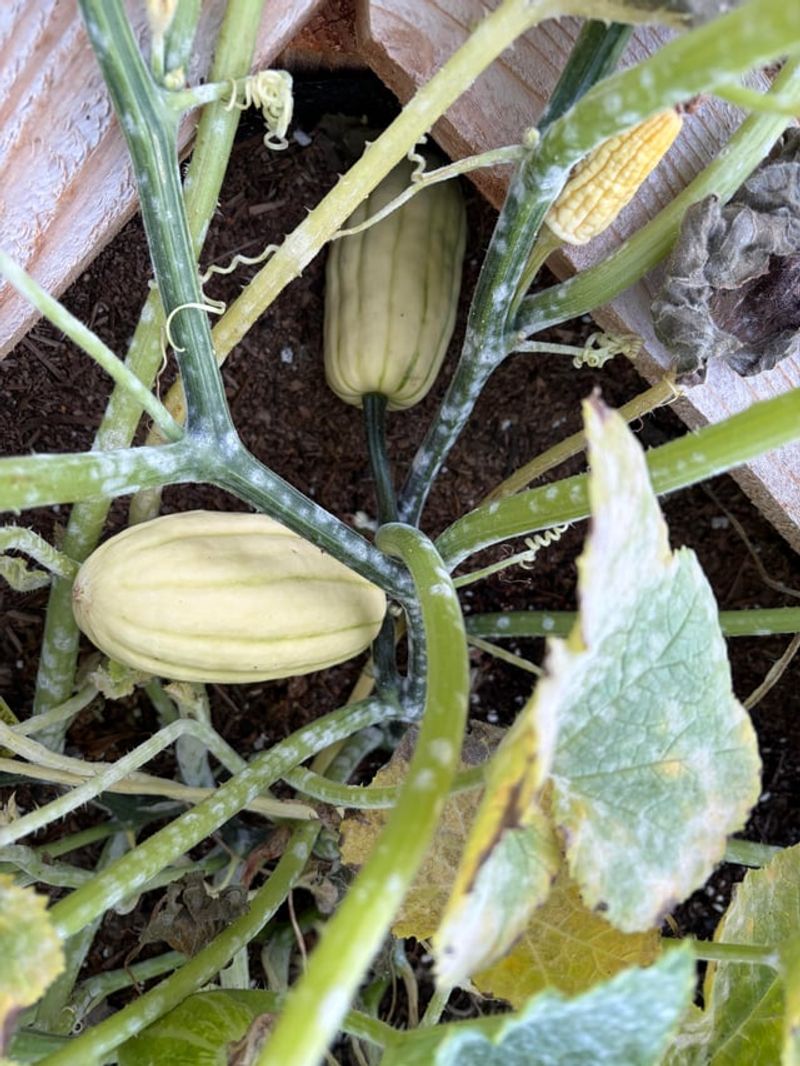
Catching the first spot changes everything, because treatments manage this fungus better than they cure it. Waiting until half the patch looks frosted makes any product an uphill fight.
Potassium bicarbonate products are a solid starting point and are approved for organic gardens. They disrupt the fungal cells on contact and work fast on fresh spots.
Horticultural oils and neem coat the leaf surface and smother young colonies. Apply them in the early morning or evening, since oil plus midday heat scorches foliage.
Sulfur dust works well but has rules worth respecting in a Kentucky September. Skip it above ninety degrees, and keep two weeks between sulfur and any oil spray.
The old milk trick has real research behind it, oddly enough. Mix one part milk with two or three parts water and spray on sunny mornings.
Coverage beats product choice most of the time, so hit both leaf surfaces thoroughly. Spores sit on the underside as well, and a missed spot rebuilds the colony.
Rotating between two different products keeps the fungus from adapting to one of them. Repeat sprays every seven to ten days while conditions stay humid.
Before spraying, prune out the most heavily coated older leaves to open up airflow. Removing a quarter of the foliage at once is plenty, so the plant keeps feeding fruit.
Bag those clippings or burn them rather than leaving them between the rows. Spores travel from a wilted pile just as easily as from the vine.
Effects On Fruit Size And Harvest Quality
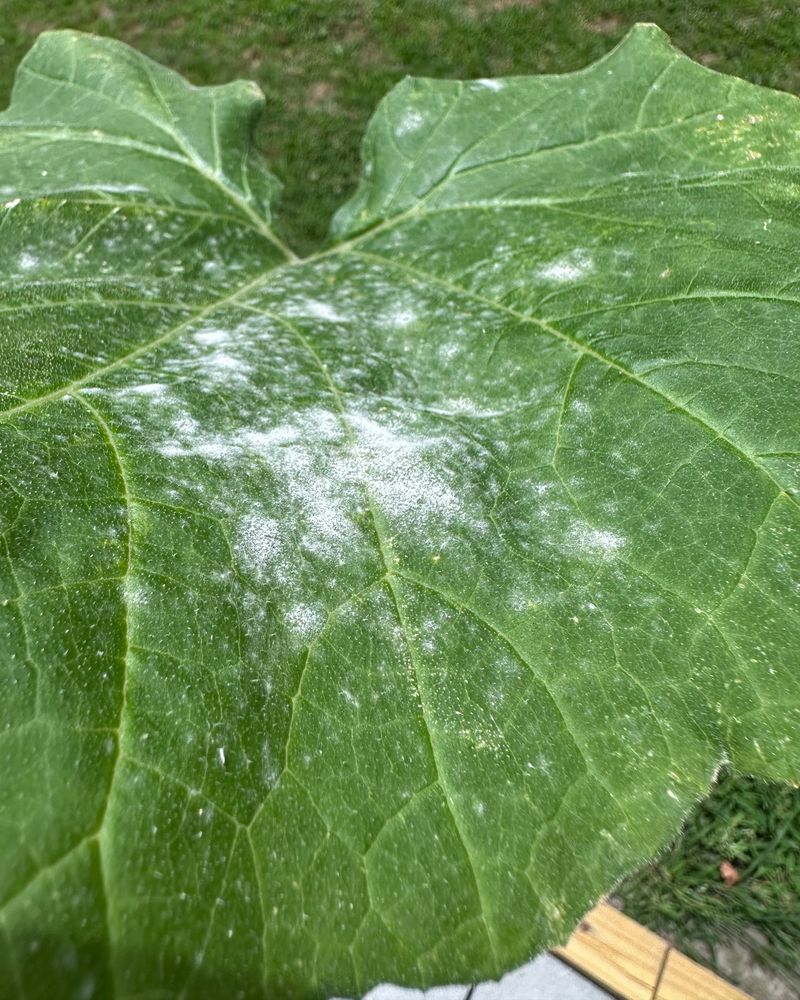
Leaves are solar panels, and a chalky coating blocks the light they depend on. Photosynthesis drops, sugar production slows, and the fruit pays the bill.
Summer squash usually keeps producing, but the fruit comes smaller and arrives less often. Flavor gets flatter too, which you notice at the first bite.
Winter squash and pumpkins take the harder hit because they need long, healthy leaf cover. Rinds stay thin, color runs pale, and storage life shrinks by weeks.
There is a sneaky second problem once the canopy thins out and leaves curl back. Exposed fruit picks up sunscald, those tan leathery patches that ruin the shell.
Handles on pumpkins suffer as well, turning soft and brittle instead of firm and green. Buyers at the farmers market notice a weak stem immediately.
Stressed plants also drop more blossoms, so late fruit set gets thin in September. That timing matters for anyone aiming at an October pumpkin harvest.
Yield studies on pumpkins show losses that can reach half a crop in bad years. Kentucky growers who spray on schedule routinely bring in heavier, better colored fruit.
Vines also finish the season early, which cuts the whole picking window short. Two or three extra weeks of green leaves is worth a lot of squash.
Fruit already on the vine stays safe to eat. Mildew stays on leaves and stems, so your harvest is not contaminated.
Resistant Varieties And Next Season’s Garden Plan
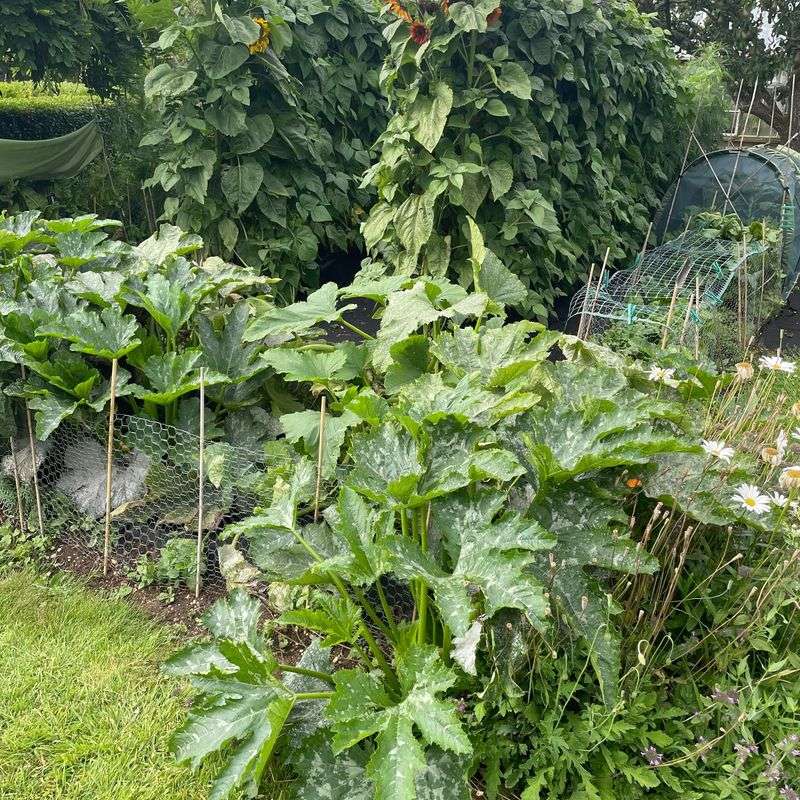
Seed catalogs quietly solved half this problem, and plenty of gardeners scroll right past it. Look for PM or PMR beside a variety name in the description.
Zucchini choices like Dunja, Golden Glory, and Anton carry real resistance and still taste great. Success PM and Bush Delicata do the same job for other squash lovers.
Resistance is not immunity, so those plants still get spots during a rough Kentucky August. They simply hold on longer and keep producing while neighbors fade.
Fall cleanup is the other half of the plan and takes about twenty minutes. Pull spent vines, rake up fallen leaves, and remove them from the garden area.
Trellising cucumbers and small winter squash lifts foliage into moving air and sunlight. Vertical growing also makes scouting far easier than crawling through a sprawling patch.
Earlier planting is an underrated trick in this part of the country. June sown squash often finishes most of its harvest before spore pressure peaks.
A second succession planted in early July gives you fresh, clean plants for fall. Young leaves resist infection better than tired ones that have carried fruit for weeks.
Feed with balanced fertilizer and compost rather than pushing nitrogen for giant leaves. Sturdy growth in full sun holds up far better through a humid September.
Keep a simple garden notebook with dates of first symptoms each year. After two seasons, you will know almost exactly when to start scouting.